REVIEW · CHIANG MAI
Tomyumthai Cooking Class in Chiang Mai
Book on Viator →Operated by Tom Yum Thai Cooking School · Bookable on Viator
A market tour turns dinner into a lesson. This half-day Thai cooking class at Tom Yum Thai Cooking School adds context to every bite, with hands-on instruction and lots of banter from instructors like Oun and Gae. I like how you learn by doing, especially through a market ingredient hunt, and I like the take-home support with a recipe book plus online photos. One thing to plan for: you may need to remove your shoes when you get to the kitchen setup, so bring socks you’re comfortable walking around in.
The small group limit (max 10) keeps things friendly and gives you real face time with the chef-instructor. You’ll choose a morning or afternoon session, get hotel pickup within Chiang Mai’s Old City area, and cook about six dishes (including a mix such as curry and soup styles), eating along the way instead of waiting until everything is finished. If you prefer alcohol with your meal, note that it’s not included—stick to the coffee/tea and soft drinks that are part of the class.
In This Review
- Key things I’d plan around
- From pickup to ingredients: making sense of Thai food fast
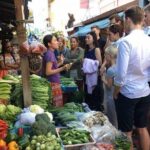
- The market stop: what you learn besides where to buy
- Back to the kitchen: hands-on cooking with real guidance
- Choosing your dishes: flexibility that makes the class worth it
- Eating your way through the lesson: fresh, not a wait-and-hope meal
- Price and value in real terms (not just a number)
- Who this cooking class suits best
- Quick tips so you enjoy every step
- Should you book Tom Yum Thai Cooking Class in Chiang Mai?
- FAQ
- How long is the Tom Yum Thai Cooking Class?
- Is hotel pickup included?
- Can I choose a morning or afternoon class?
- What’s included in the price?
- How many people are in the group?
- Is alcohol included?
- What is the cancellation policy?
Key things I’d plan around
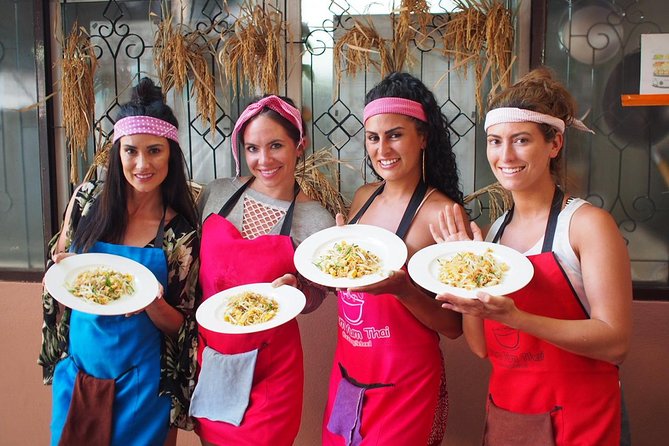
- Market-first shopping so you understand what you’re buying and why it matters for Thai flavor
- Small group attention (10 max) with step-by-step coaching and time for questions
- Choose what you cook from a menu so you’re not stuck with dishes you don’t want
- Cook-and-eat in sequence so your food tastes fresh, not like it’s been waiting
- Take-home tools: recipe book plus an online photo gallery for later reference
From pickup to ingredients: making sense of Thai food fast
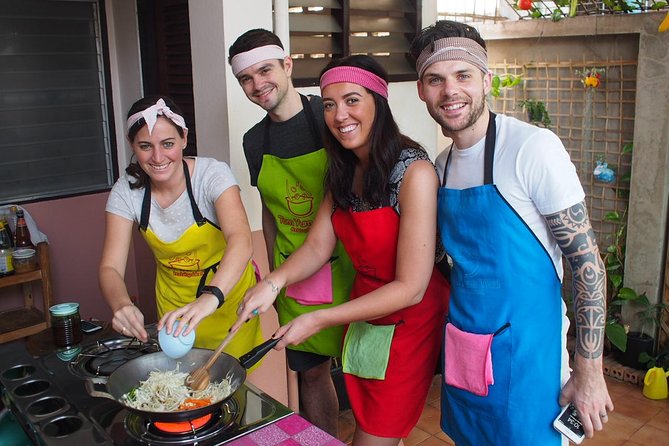
This is the kind of Chiang Mai cooking class that gets you oriented quickly. You start with an air-conditioned vehicle pickup from hotels in/near the Old City area, then you head out to source ingredients at a local market before you touch any stove.
Why this part matters: Thai cooking isn’t only about following steps. It’s about knowing ingredients that show up again and again—things like aromatics, herbs, chilies, and produce you might not recognize at home. Instructors Oun and Gae are especially good at explaining what each ingredient does in the dish, not just what it looks like. Expect lively commentary while you browse and build your ingredient list.
You also get time to walk the market on your own. That matters because markets can feel overwhelming if you have no runway. Here, you get both structure (the ingredient mission) and breathing room (wander a bit, ask questions, notice what locals actually buy).
You can also read our reviews of more cooking classes in Chiang Mai


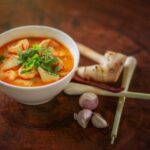
The market stop: what you learn besides where to buy
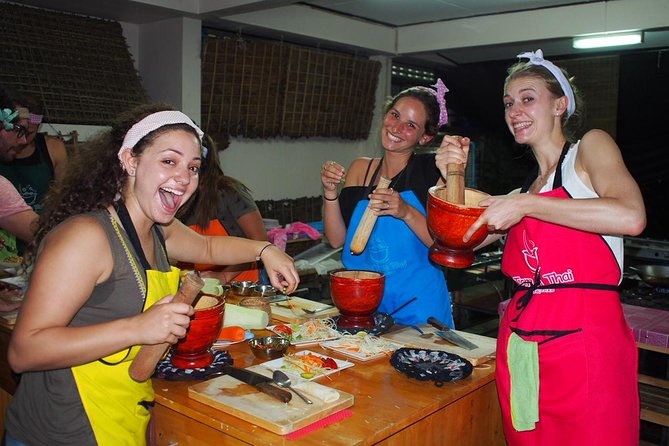
At the market, you’re not just shopping. You’re getting a cheat sheet for Thai flavors.
You’ll learn about Thai vegetables and spices in a practical way—what’s commonly used, how ingredients differ from one another, and what to pay attention to when you’re selecting produce. One of the best parts of this stop is ingredient variety. You’ll see fruits and vegetables that are likely new to you, and you’ll hear how those differences affect taste and texture later in the cooking.
Also, it helps that the vibe is relaxed. In a small group, you don’t feel rushed to keep up. If you’re traveling with kids, this format tends to work well because the market stage is visually fun and the instructors are patient and used to teaching families.
Practical note: come hungry, and don’t pack a big snack. You’ll be tasting and cooking throughout the session, and the goal is for your meal to feel rewarding, not like a chore.
Back to the kitchen: hands-on cooking with real guidance
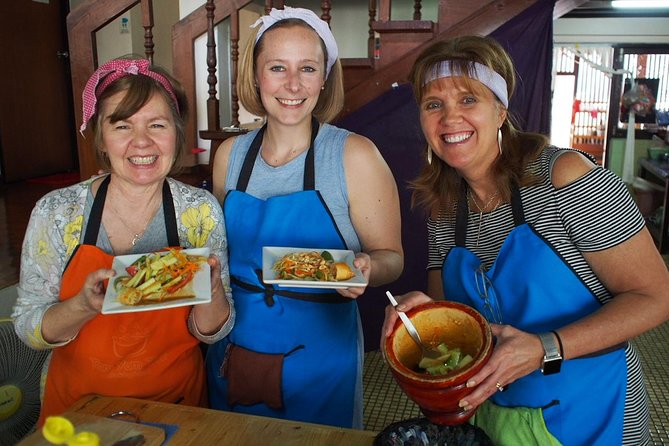
Once you’ve collected your ingredients, you move to the cooking school kitchen (in some setups it can feel like a home kitchen environment). Then it becomes pure hands-on work.
Here’s what you should expect:
- Step-by-step instruction from the chef-instructor
- Clear pacing, so you’re cooking in the right order
- Equipment provided, so you’re not hunting for gear
- Coffee and/or tea included during the class, plus drinking water
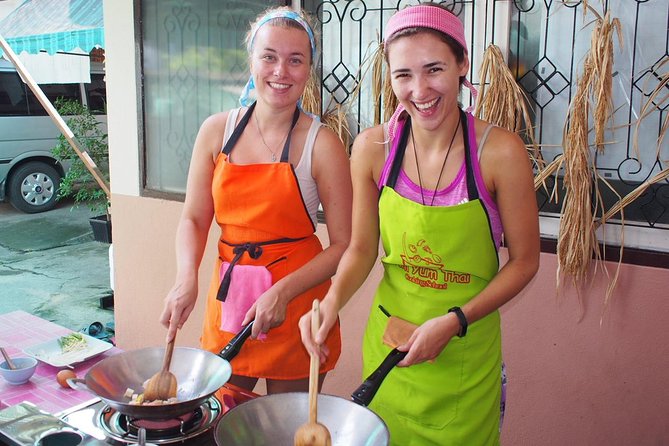
Instructors like Oun and Gae focus on technique: how to manage heat, how to build flavor layers, and how to recognize when an ingredient is doing what it should. And they keep it fun. Many sessions include humor and a lively rhythm, which makes it easier to remember what you’re doing.
One detail that can catch people off guard: you might take your shoes off to enter the home-style kitchen area. If socks aren’t part of your usual travel kit, add them now. They’ll keep you comfortable and help you feel ready the second you arrive.
Choosing your dishes: flexibility that makes the class worth it
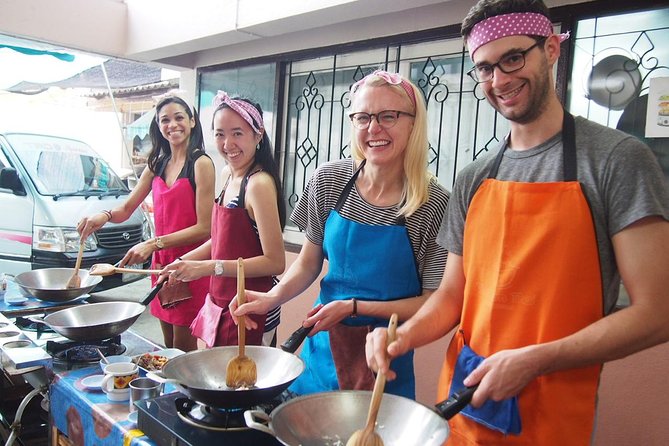
A big part of the value is that you’re not locked into one fixed menu. You get to choose which dishes you’ll learn and cook—typically around six dishes in the full half-day experience.
This matters because cooking classes often fail when the itinerary ignores your preferences. Here, you can align the menu with your tastes. One strong example from past classes: instructors have been willing to help guests swap proteins (like moving from pork to chicken) and adjust ingredients to match preferences.
So, when you pick dishes, think like a home cook:
- Choose at least one curry-style dish if you want a Thai flavor anchor
- Choose one soup-style dish if you want a lighter, aromatic option
- If there’s a dish you’re unsure about, ask how it tastes and what it uses. The instructors can explain the direction before you commit.
Eating your way through the lesson: fresh, not a wait-and-hope meal
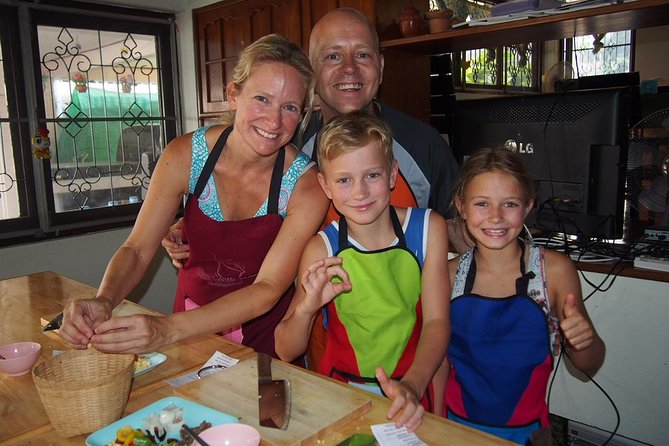
This class is built so you don’t just cook and stare at food. You cook, then you eat.
A theme that comes up again and again is the rhythm: you prepare one course, then you eat it after it’s made, rather than making everything at once and eating later as one big spread. That keeps flavors brighter and helps you understand cause and effect. If the seasoning lands differently than you expected, you can connect it to the step you just did.
Portion sizes are also generous. You’ll end up pretty full by the end, especially since you’re learning multiple dishes and tasting as you go. If you’re the type who likes to sample small bites only, you’ll still find plenty to do, but you might not finish everything offered on your plate.
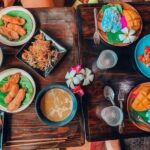
And on at least some menus, there’s mention of a sweet course like sticky rice with fresh mango. Even if your exact dessert differs, plan on having a sweet finale if it’s on the menu for your day.
A few more Chiang Mai tours and experiences worth a look
Price and value in real terms (not just a number)
At about $32.61 per person for a roughly five-hour experience, this is one of those Thailand activities that makes sense when you zoom out.
Here’s what you’re paying for, in tangible terms:
- A market tour that actually teaches ingredient selection
- Hands-on cooking instruction with an English guide
- Equipment to cook, plus a meal you helped make
- Coffee and/or tea and drinking water
- A recipe book you can take home
- An online photo gallery link (so you can recreate later with visuals)
- Pickup and drop-off from hotels within the Old City area
When you compare that to cooking classes that charge much more but offer little beyond a checklist, this feels balanced. The small group cap (10 max) is a big deal too. More group attention tends to mean fewer missed steps and more chances to ask why something tastes the way it does.
If you want a memorable food lesson without spending half your trip budget, this class is a strong fit.
Who this cooking class suits best
This is a great match if you want Thai food to feel understandable, not mysterious.
You’ll likely love it if:
- You’re a foodie who wants market context, not just recipes
- You like hands-on learning and want to cook multiple dishes
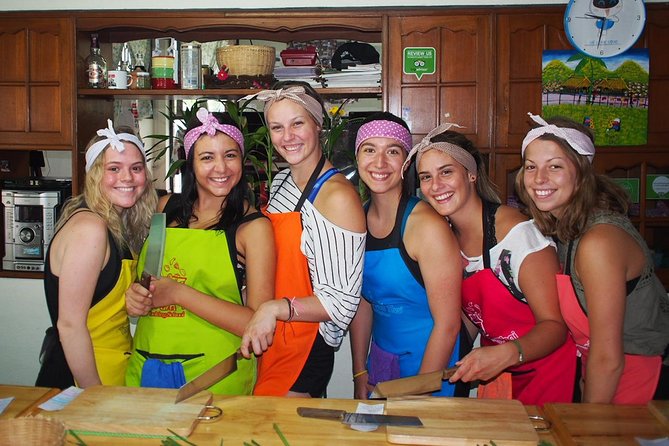
- You want a class with a small-group vibe, so you can ask questions
- You’re traveling as a couple, and you want to choose dishes that you can compare and share
- You’re coming with kids around upper elementary age, because the instruction is patient and the pace is built around interacting
It may be less ideal if:
- You hate cooking smells or getting hands-on with ingredients
- You need a completely formal, restaurant-style environment (this feels more personal and family-like)
- You expect alcohol to be included with the meal
Quick tips so you enjoy every step
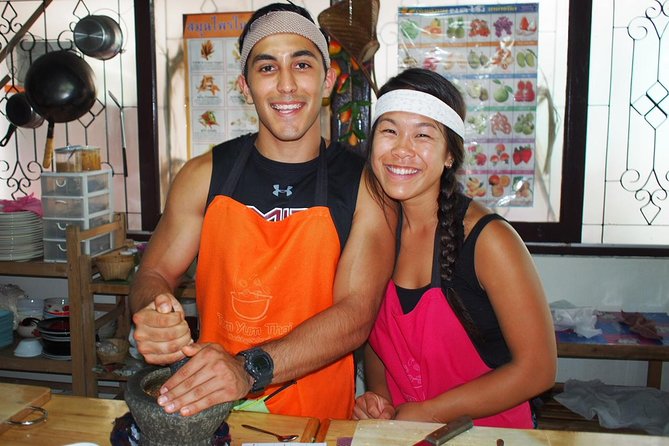
A few small choices will make the day smoother:
- Go in with an empty stomach. The class food adds up fast.
- Bring socks in case you’re asked to remove shoes.
- Wear clothes you’re fine with getting a little kitchen-dust on.
- Be ready to taste more than you think. Cooking classes often get you fuller than dinner does.
- When selecting dishes, don’t guess only from names. Ask how it tastes and what it uses.
If you want to recreate Thai food at home, use the recipe book right away after the class while your memory is fresh. The online photo gallery helps too, especially for presentation and ingredient details.
Should you book Tom Yum Thai Cooking Class in Chiang Mai?
Yes, you should book it if you want a Thai cooking class that feels practical and personal. The standout strengths are the market ingredient learning, the small group attention, and the hands-on cooking that leads directly into eating the food you made. For the price, you’re getting far more than a quick tasting experience.
I’d especially recommend it to couples and small groups who want to learn multiple dishes and take something real home—recipe guidance plus photos you can actually use later. And if you’re the kind of traveler who likes a plan but also wants room to ask questions, this style hits the sweet spot.
If you want a class that’s mostly entertainment or mostly food sampling, you might find it too hands-on. But if you want to cook Thai dishes with confidence, this is a solid half-day investment.
FAQ
How long is the Tom Yum Thai Cooking Class?
The class runs for about 5 hours (approximately).
Is hotel pickup included?
Yes, pickup and return are included for hotels within the Chiang Mai Old city area. Pickup/drop-off for hotels more than 2 miles (3 km) from downtown Chiang Mai is not included.
Can I choose a morning or afternoon class?
Yes. You can choose a morning or afternoon class.
What’s included in the price?
The class includes cooking equipment, the meal you help prepare, coffee and/or tea, drinking water, an English guide, and access to a photo gallery on the Facebook page. You also receive a recipe book to take home.
How many people are in the group?
The maximum group size is 10 travelers.
Is alcohol included?
No, alcoholic drinks are not included.
What is the cancellation policy?
You can cancel for a full refund up to 24 hours before the experience start time. The experience requires good weather, and if it’s canceled due to poor weather, you’ll be offered a different date or a full refund.