REVIEW · CHIANG MAI
Chiang Mai: Elephant Sanctuary & Waterfall Group Tour
Book on GetYourGuide →Operated by PON ELEPHANT (THAILAND) CO., LTD. · Bookable on GetYourGuide
Giant footsteps, then a cool jungle waterfall day. This Chiang Mai tour mixes ethical elephant care with a refreshing Mae Wang Waterfall hike. It’s the kind of outing where you learn the rules, then get time to be close in a respectful way.
What I liked most: the focus on ethical elephant care. You’re taught how to interact, and the day is built around the idea that elephants choose what they do, not the humans. I also really enjoyed the river bathing moment, because it’s not a stunt. It feels like watching elephants do what they naturally want, with handlers guiding for safety.
One thing to plan around: waterfall swimming depends on conditions. The tour notes that after heavy rain, the water can be unsafe for swimming, so you may end up cooling off differently than you hoped.
In This Review
- Key highlights to know before you go
- How the day flows: from pickup to Pon Elephant Thailand
- Pon Elephant Thailand: the briefing that sets the tone
- Meeting the elephants: feeding, touching, and watching their real behavior
- Walking with elephants to the river: why this part matters
- The bathing moment: what to expect and how to stay comfortable
- Hiking to Mae Wang Waterfall: the jungle walk and the safety call
- Lunch in a tiffin mindset: fuel for the ride home
- Price and value: why about $50 can make sense here
- Group-day logistics that affect your comfort
- Who this tour fits best (and who should skip it)
- Notes on ethics: what “ethical” looks like in practice
- Should you book this Chiang Mai Elephant Sanctuary & Mae Wang Waterfall tour?
- FAQ
- How long is the Chiang Mai Elephant Sanctuary & Waterfall group tour?
- Where do I meet the guide?
- Is pickup included?
- What’s included in the price?
- Is elephant riding allowed?
- What should I bring for the waterfall and river areas?
- Do I need a towel and a change of clothes?
- Is swimming at Mae Wang Waterfall guaranteed?
- Who is this tour not suitable for?
- What’s the cancellation and payment flexibility?
Key highlights to know before you go
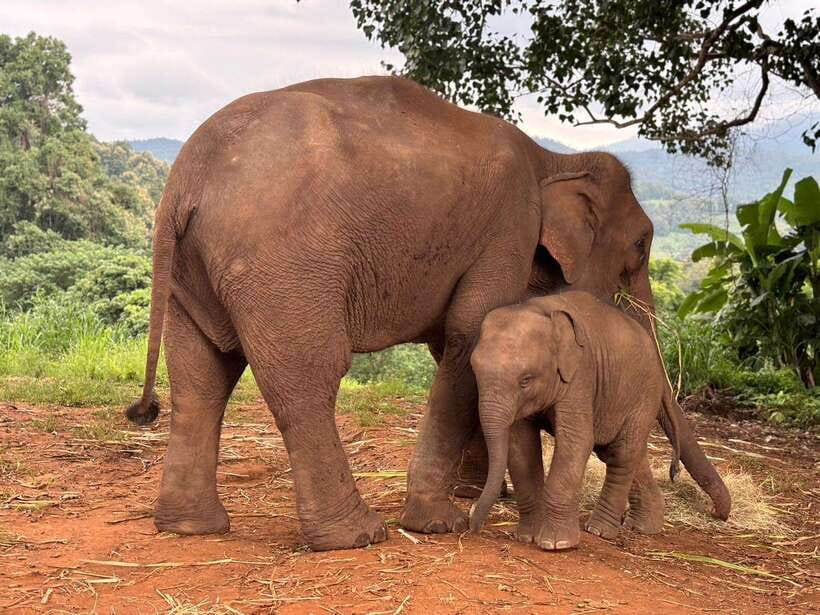
- No riding, no forced tricks: elephants are not pushed into set performances
- Elephants set the pace: you walk, feed, and interact without turning it into a circus
- River bathing with clear safety guidance: one of the day’s most memorable moments
- Mae Wang Waterfall hike with a safety-first swim call
- English guides with real stories: names like Beer, Yaya, Mimi, Nop, and Aamm show up often in recent groups
- Good full-day value: a 7-hour format that covers two major experiences plus lunch
How the day flows: from pickup to Pon Elephant Thailand
Most people start with a hotel pickup around Chiang Mai city center, or they meet at the sanctuary office. Either way, you’re heading southwest into the Mae Wang district area, and the ride is part of the decompression. Along the route, you’ll pass local villages, farms, temple scenery, and rice fields, so it doesn’t feel like a long, boring commute.
The van timing matters because the day is paced around animal routines, not a clock-and-queue schedule. Once you arrive at Pon Elephant Thailand, you’ll get a briefing before you meet the elephants, which helps you understand what you’re about to see.
You can also read our reviews of more tours and experiences in Chiang Mai.



Pon Elephant Thailand: the briefing that sets the tone
Before you touch or feed anything, you’ll hear a practical introduction to Asian elephants and African elephants, plus the sanctuary’s background. This is where the tour starts doing something useful: it gives you context for what you’re seeing in the jungle setting.
Then comes the hands-on lesson about how to make healthy snacks for the elephants. It’s not just theory. You’ll learn what the elephants eat and how the staff wants visitors to handle feeding responsibly.
You’ll also hear the sanctuary’s interaction rule: NO FOOD NO FRIEND. It’s a simple reminder, but it changes the whole dynamic. The message is clear: don’t crowd, don’t demand, and don’t expect contact on your schedule. You earn it through the proper interaction process.
Meeting the elephants: feeding, touching, and watching their real behavior
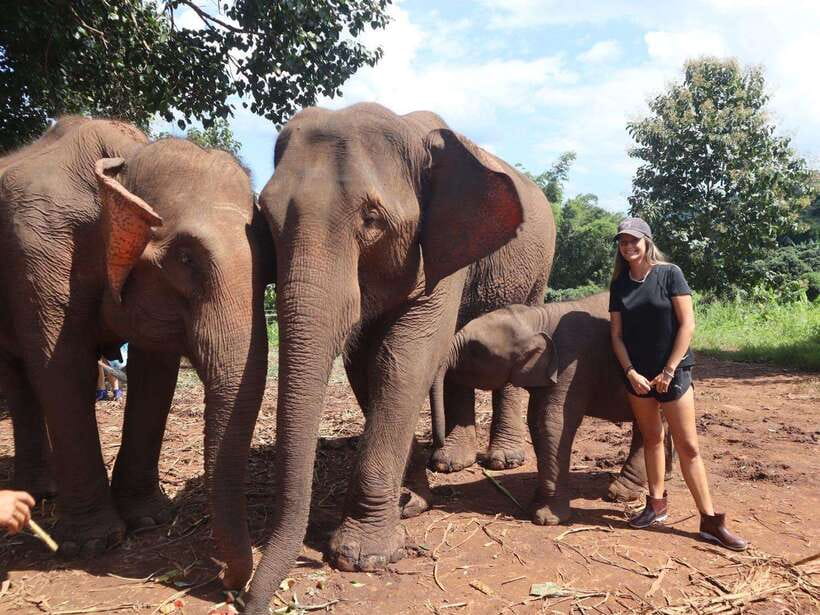
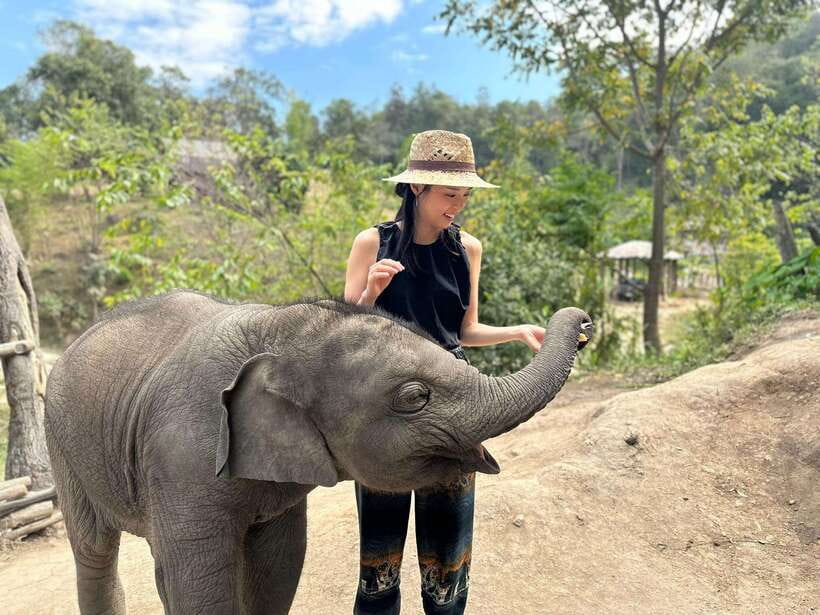
Once you meet the rescued elephants, you’ll spend a focused block of time with them. This is the heart of the tour, and it’s structured so you get more than one type of interaction. You’ll be taught how to feed and how to touch safely, plus you’ll learn how to listen and observe elephant behavior.
The time here is often described as substantial, and you’ll see why. You’re not just stopping for a quick photo. You’ll also watch elephants foraging—so you’re paying attention to eating, social behavior, and how families interact with one another.
In recent groups, guides like Beer and Yaya are often praised for explaining elephant personalities and how staff respects individual space. Even if your guide’s English isn’t perfect, the core idea is the same: ask questions, watch what the handlers are doing, and keep your interactions calm.
Also, remember the tour clearly states elephant riding is prohibited. That’s a big deal for animal welfare, and it also changes what the experience is. You’re not trying to control the animal. You’re learning how to be near it the respectful way.
Walking with elephants to the river: why this part matters
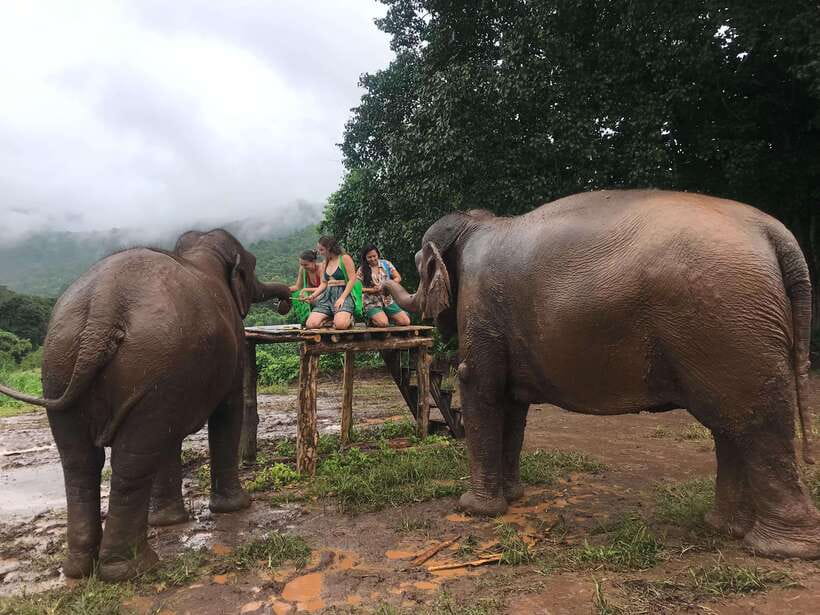
After feeding and time in the sanctuary area, you move toward the river. This is where the day turns from “watching” to “cooling off with elephants,” in a controlled, guided way.
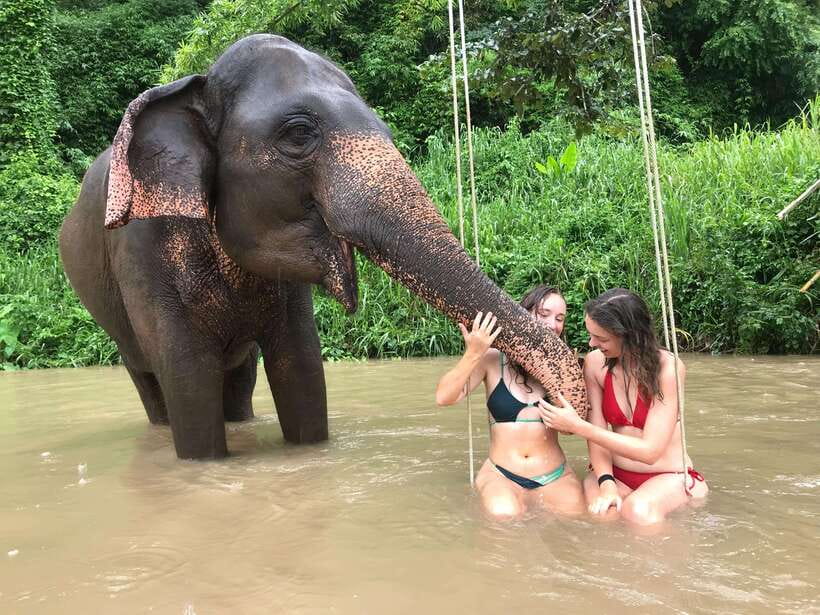
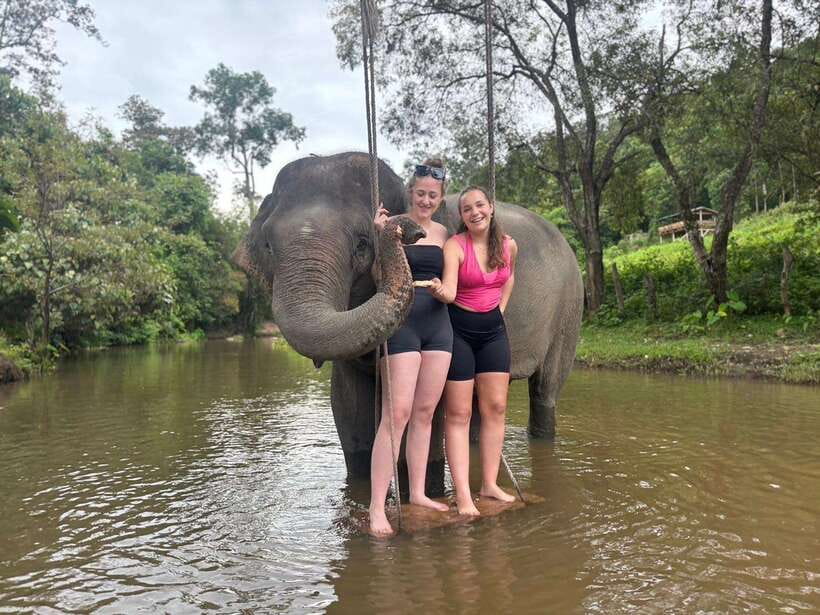
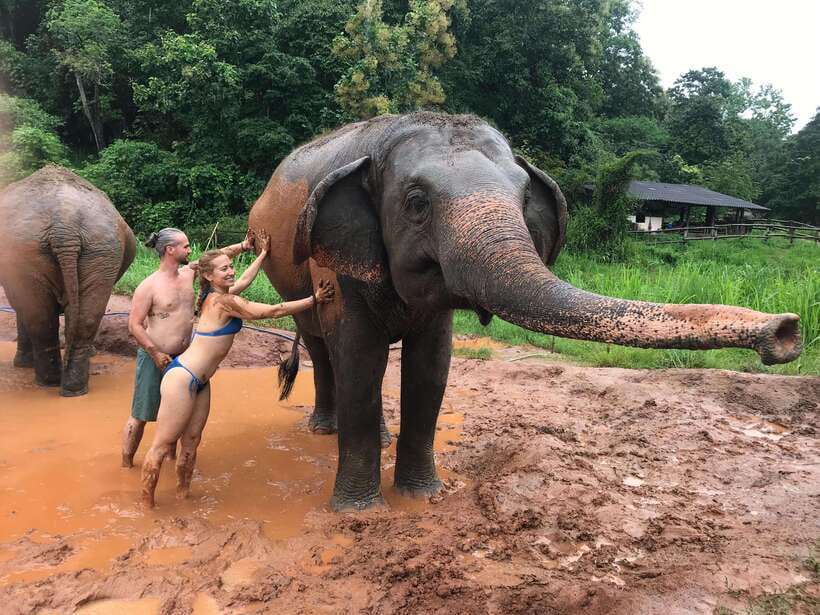
The tour includes time where elephants come down to their river area. You’ll likely see them drink, cool off, and behave naturally in the water, and you’ll get to participate with guidance. It’s not framed as entertainment. It’s presented as an important part of elephant comfort in hot weather.
For me, this is one of the most valuable parts because it teaches you something subtle: animal care isn’t only about shelter. It’s also about daily living needs—heat relief, fresh water, and routine.
The bathing moment: what to expect and how to stay comfortable
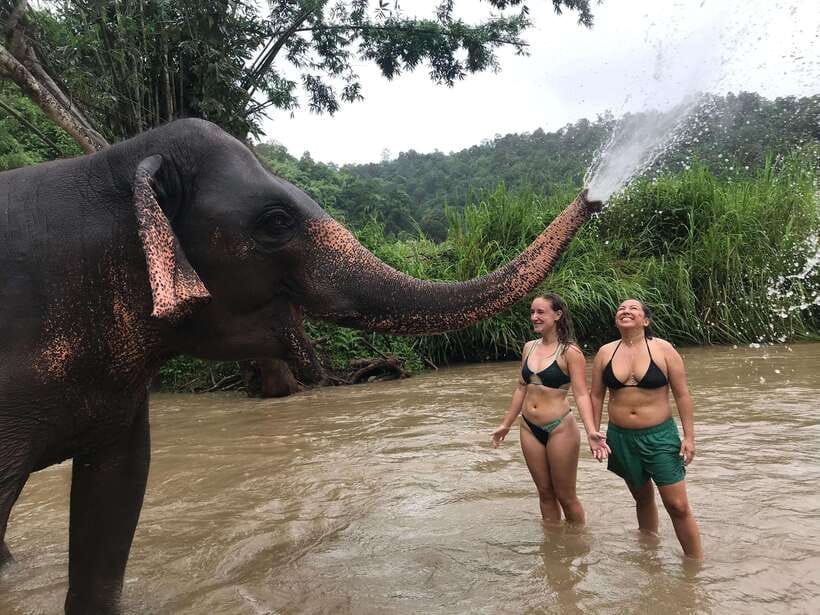
Bathing is a favorite activity, and the tour is upfront that you should bring practical gear. You’ll want swimwear, sandals, a towel, sunscreen, and insect repellent. Plan for wet conditions and dirty moments, and bring sports shoes or hiking footwear you can manage on uneven ground.
A change of clothes is strongly recommended, and it makes a difference. You’ll likely go from comfortable walking shoes to water time, then back to dry(ish) travel mode.
One more practical tip: wear something you’re not precious about. Even if you’re careful, the day includes splashes, river bank surfaces, and jungle humidity. You’ll be happier if you treat it like a nature day, not a neat-and-dry city excursion.





Hiking to Mae Wang Waterfall: the jungle walk and the safety call
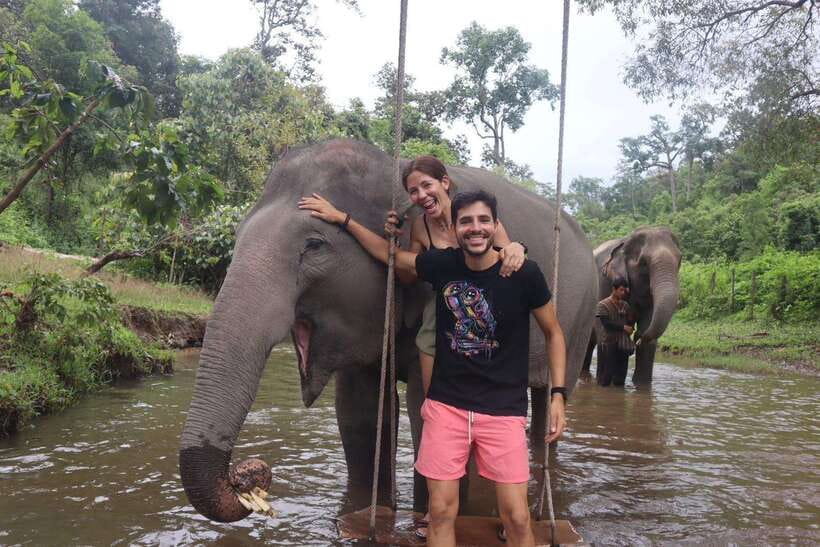
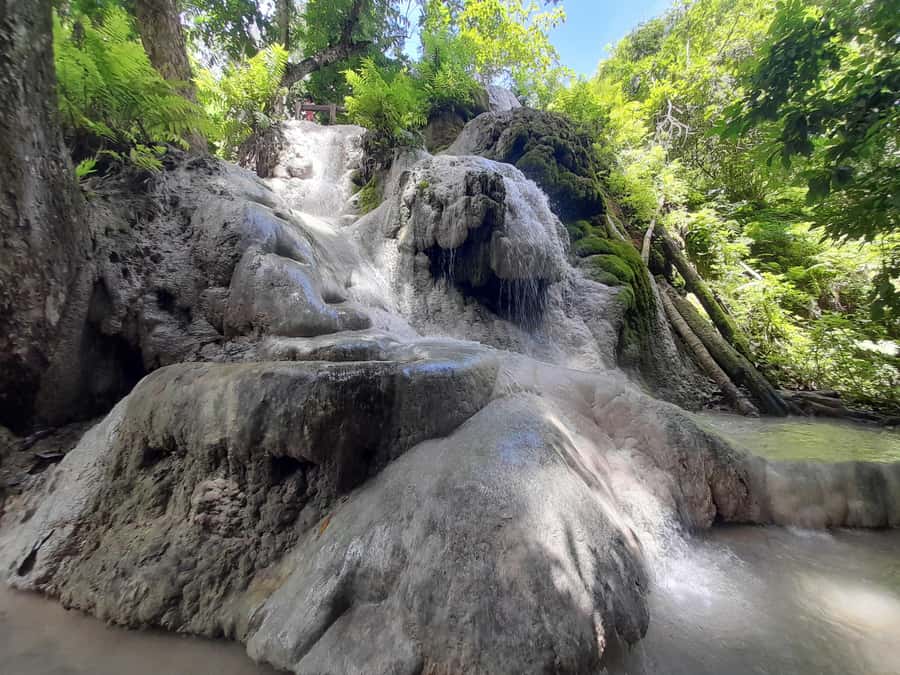
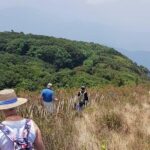
After the elephant part, you head out on a hiking segment to Mae Wang Waterfall. This isn’t just a straight shot. You’ll walk through forest and nature areas, and the tour describes it as a trek that explores the local environment on the way to the waterfall.
Mae Wang Waterfall comes from the Doi Inthanon Mountain source area. The tour also gives you the key reality check: in heavy rain, swimming may be unsafe, and the decision follows safety first. So don’t plan your whole day around getting in the water no matter what.
If swimming is not possible, you’ll still get the main point: the jungle views, the waterfall presence, and the chance to cool down within whatever the staff deems safe. When the water conditions are good, you’ll have a refreshing moment that feels earned by the walk.
Lunch in a tiffin mindset: fuel for the ride home
Between elephant time and the hike or waterfall segment, you’ll have a traditional lunch with seasonal fruits and Thai desserts. The tour also uses a funny-and-true framing: no sweet without sweat. It’s a polite way of saying you’ll likely feel hungry after time in the heat and around active scenery.
Some groups mention the hot lunch served in tiffin tins, which is a small detail but a nice one. It suggests a real, practical meal setup rather than a rushed snack stop.
You’ll want this meal because the day is physically mixed: standing around, walking, and time spent in sun and humidity. Even if you’re not a hardcore hiker, you’ll feel it by midday.
Price and value: why about $50 can make sense here
At around $50 per person for a 7-hour group outing, the value is tied to what you actually get. You’re paying for transportation from Chiang Mai city center (when the pickup option applies), an English guide, lunch, drinking water, and the food used for elephant feeding.
The two big value boosters are the combination and the time. One ticket covers both elephant sanctuary interaction and a waterfall nature walk, instead of forcing you to buy separate tours. Second, the elephant segment is long enough to feel meaningful, not just a brief encounter.
What’s not included matters too. You’ll need to bring your own towel and change of clothes, plus you should budget for personal items like sunscreen, repellent, and any snacks you prefer. The tour provides food for feeding the elephants, not a wide-ranging day kit.
Group-day logistics that affect your comfort
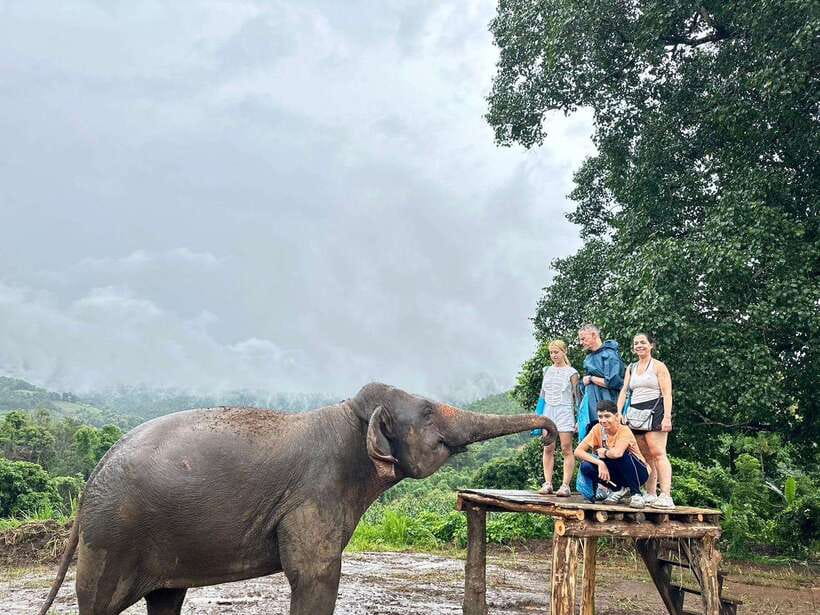
This is a full-day format. You’ll spend hours on the road and time in the jungle heat, so the tour is best when you’re ready for a mix of activities rather than a single “sit and admire” experience.
Transport is rated highly by most participants. Still, remember that van rides plus water stops can add up to a tiring day, especially if you’re prone to motion sickness. If that’s you, consider bringing appropriate medication and choosing seats that feel most stable.
Also, the tour asks for passport information for insurance details. That’s not glamorous, but it’s part of how these organized animal and nature experiences manage risk.
Who this tour fits best (and who should skip it)
This day works well for people who want an ethical elephant encounter plus a real nature break. It’s also a good fit if you like guided explanation, because the sanctuary briefing and elephant interaction rules help you get more from the experience.
It’s not suitable for kids under 2, and it has a long list of health and mobility limitations listed by the operator. That includes pregnant women, people with back problems, heart problems, mobility impairments, vertigo, respiratory issues, epilepsy, and more. If any of those apply, don’t “hope it’s fine.” Check first.
If you’re older, or you simply don’t handle heat and walking well, the 7-hour structure may feel demanding. The waterfall hike and river bathing parts are where your energy goes, so be honest with yourself.
Notes on ethics: what “ethical” looks like in practice
This tour repeatedly emphasizes that elephants aren’t forced to perform. That matches what you want from any sanctuary experience: fewer tricks, more observation, and clear interaction rules.
In the groups where guides like Nop and Mimi are mentioned, the big theme is respect for the animals’ space. You’ll likely see handlers letting the elephants lead, rather than pushing them into set positions. Even the interaction framing—teaching you to feed properly and learn snacks—keeps the focus on care rather than entertainment.
That doesn’t mean it’s a petting zoo. It’s a real animal environment, and you’re guided for safety. But it does mean you should feel better about why you’re paying and what’s happening behind the scenes.
Should you book this Chiang Mai Elephant Sanctuary & Mae Wang Waterfall tour?
Book it if you want a single ticket that gives you both elephant sanctuary time and a nature day at Mae Wang Waterfall. The $50 price makes sense when you factor in the guided elephant care interaction, lunch, and the round-trip experience from the Chiang Mai city area.
Skip it (or choose a different day) if your top priority is guaranteed waterfall swimming, because the tour clearly calls safety-first decisions after heavy rain. Also consider whether you can handle wet gear, a jungle hike, and a long day.
If you do book, go in with the right mindset: slow down, follow your guide’s instructions, and let the elephants set the interaction rhythm. That’s when the day feels genuinely worth it.
FAQ
How long is the Chiang Mai Elephant Sanctuary & Waterfall group tour?
It runs for 7 hours.
Where do I meet the guide?
You meet your guide at Pon Elephant Thailand (the office in town), unless you choose the hotel pickup option.
Is pickup included?
Hotel transfers are included to and from Chiang Mai city center only. Pickup is optional, and you wait in your hotel lobby 10 minutes before the confirmed pickup time.
What’s included in the price?
Included: English guide, drinking water and lunch, and food for feeding the elephants.
Is elephant riding allowed?
No. Elephant riding is prohibited.
What should I bring for the waterfall and river areas?
Bring swimwear, a change of clothes, a towel, sandals, camera, sunscreen, insect repellent, sports shoes, cash, hiking pants, and personal medicine.
Do I need a towel and a change of clothes?
Yes. Towel and a change of clothes are not included, and the tour recommends bringing them because you might get wet and dirty during bathing.
Is swimming at Mae Wang Waterfall guaranteed?
Not always. The tour notes that sometimes after heavy rain you can’t swim and the final call is based on safety.
Who is this tour not suitable for?
It’s listed as not suitable for children under 2, pregnant women, people with back problems, mobility impairments, heart problems, wheelchair users, vertigo, respiratory issues, epilepsy, animal allergies, visually impaired people, high blood pressure, recent surgeries, low fitness, motion sickness, people over 70, hearing-impaired people, and insect allergies.
What’s the cancellation and payment flexibility?
Free cancellation is available up to 24 hours in advance for a full refund. You can reserve now and pay later.