REVIEW · CHIANG MAI
Chiang Mai: Cooking Class, Market and Thai Herbs Garden Tour
Book on GetYourGuide →Operated by Thai Cottage Home Cookery School · Bookable on GetYourGuide
One afternoon in Chiang Mai hits like a full sensory workout. This cooking class sends you from a local market to a family-style herb garden kitchen where you’ll grind curry paste with a mortar and pestle, then eat what you cook. The only real catch: drinks aren’t included, so plan for water or purchase options nearby.
What makes it work so well is the mix of structure and choice. You pick from starter, main, curry paste type, and dessert options, and your English-speaking guide (many people rave about hosts like Toy/Toey, Wave, Flook, and Balloon) keeps the pace friendly and fun. You also leave with a PDF recipe book, which means this isn’t a one-day food crash course you can’t repeat.
In This Review
- Key Things That Make This Cooking Class in Chiang Mai Worth Your Time
- Market Morning (or Brunch/Afternoon): Where Thai Flavor Begins
- In the Herb Garden Kitchen: Choose Your Starters Like a Local
- Starter options you can expect
- How I’d decide what to choose
- Main Course Cooking: Pad Thai, Fried Chicken, and Crowd Favorites
- The Moment Everyone Talks About: Making Curry Paste by Mortar and Pestle
- Sticky Mango Rice: Dessert That Actually Feels Like Thailand
- Dining in the Organic Garden: Eating Is Part of the Lesson
- Value for Money: What You’re Really Getting for Around $28
- Who Should Book This Chiang Mai Cooking Class (and Who Might Skip It)
- Quick Practical Tips Before You Go
- Should You Book This Chiang Mai Market and Thai Herbs Cooking Class?
- FAQ
- What’s included in the cooking class?
- Does the class include drinks?
- How long is the experience?
- What dishes can I choose to cook?
- Can I choose how spicy the food is?
- Are vegetarian, vegan, gluten-free, halal, or allergy options available?
- What should I bring and wear?
- When does pickup happen?
- What’s the cancellation policy?
Key Things That Make This Cooking Class in Chiang Mai Worth Your Time
- Market first, so flavors make sense later: you shop for what goes into your dishes and learn what ingredients are used for.
- Curry paste from scratch: mortar-and-pestle grinding is hands-on, not just watching.
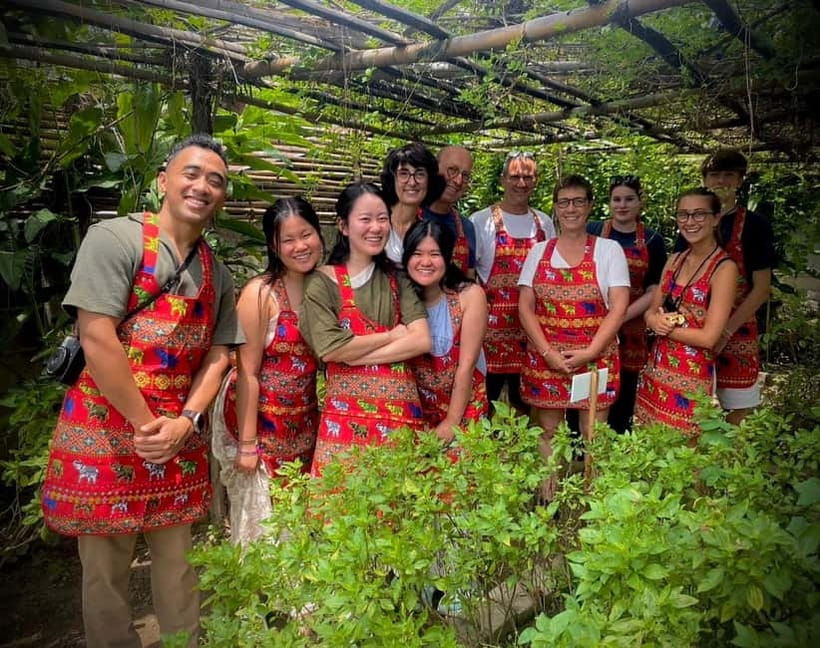
- Real kitchen garden dining: you cook and eat in a family organic garden setting.
- Pick your dishes and adjust the heat: you can choose spicy or non-spicy, and alternatives are available.
- Lots of food for the price: people consistently comment on the quantity and the fact you eat everything you make.
- A useful take-home PDF: you get recipes so you can recreate the dishes at home.
Market Morning (or Brunch/Afternoon): Where Thai Flavor Begins
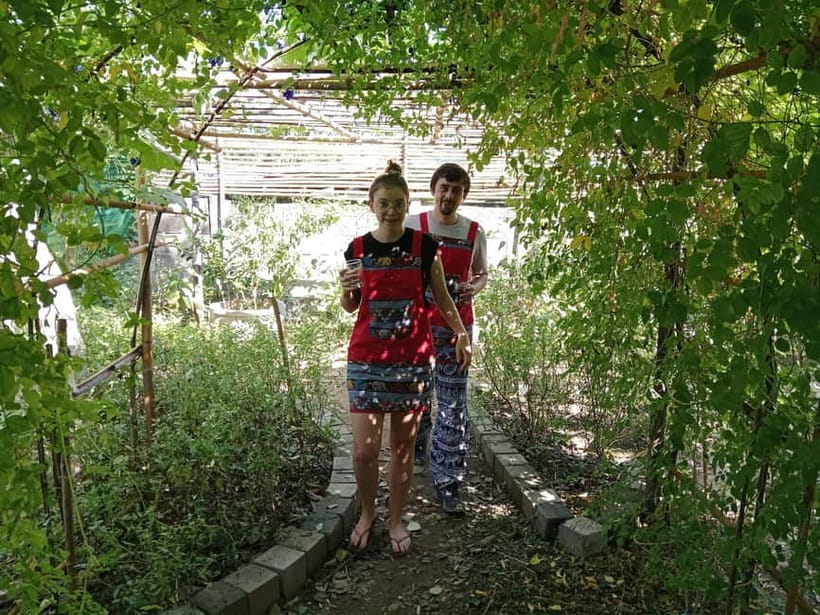
Your experience usually starts with hotel pickup, with several time slots during the day. Depending on when you book, you’ll be collected for a morning session (about 8:30–9:00), brunch (11:00–11:30), afternoon (13:30–14:00), or evening (16:30–17:00). Plan on the driver showing up 15–30 minutes before class, and yes, traffic can affect timing—Chiang Mai roads happen.
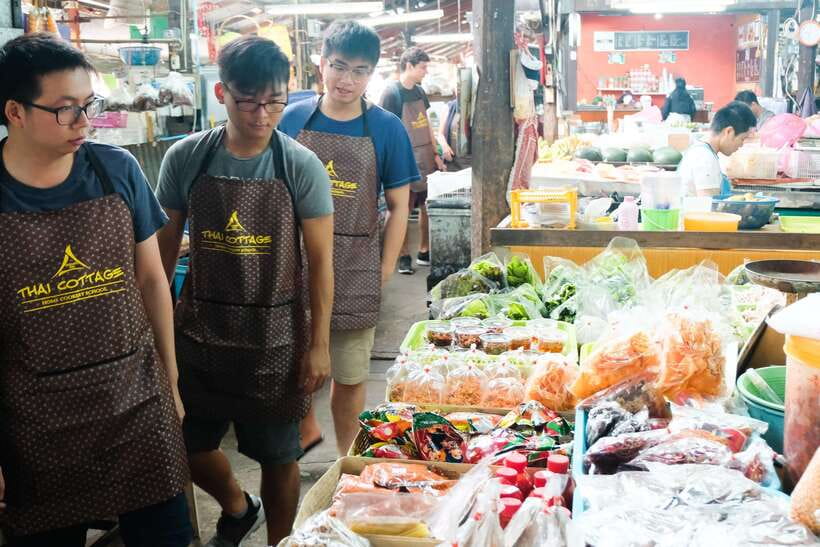
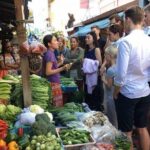
The first big win is the market stop. This isn’t a quick drive-by. You roam a local market with guidance that helps you connect ingredients to dishes, and it’s the part of the day that turns the cooking into something you actually understand. You’ll pick herbs and ingredients for what you’ll cook later, which makes the rest of the class feel more like skill-building than following steps.
A practical tip: come hungry. A common theme in the feedback is that the class is filling—so if you’ve already eaten a big lunch, you’ll feel it when dessert arrives (and it does). Also, if you want to buy snacks or souvenirs in the market, this is the moment, because the day is otherwise focused on cooking stations and the garden meal.
You can also read our reviews of more shopping tours in Chiang Mai

In the Herb Garden Kitchen: Choose Your Starters Like a Local
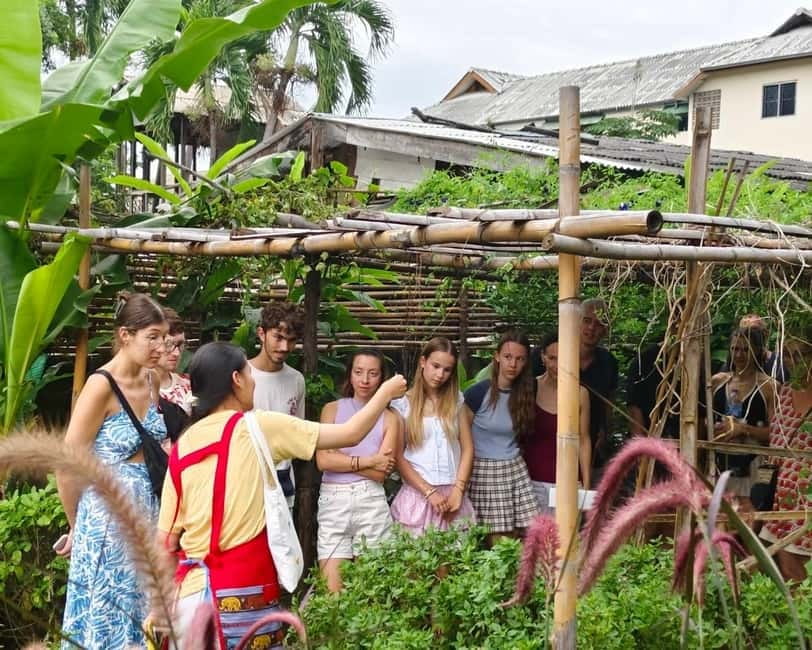
Once you reach the cooking school area, you move into a home-style setup: an organic kitchen garden setting with Thai herbs and a team that runs the stations efficiently. The vibe is part classroom, part family kitchen. The instructors tend to be warm and funny (people specifically mention guides like Wave and Flook for humor and pacing), which matters because Thai cooking uses a lot of steps—good energy keeps it from feeling stressful.
Then you get the fun part: choosing what you’ll cook.
Starter options you can expect
You typically pick from dishes like:
- Hot and sour prawn soup
- Local chicken soup
- Chicken in coconut milk
- Turmeric chicken soup
These are smart starters for a first Thai-class day because they teach flavor foundations—sour, salty, creamy, and spiced notes—without forcing you to master complicated technique all at once.
How I’d decide what to choose
If you’re new to Thai food, I’d pick something with clear personality: hot and sour is a great taste lesson, while turmeric chicken soup is a comforting “spice you can recognize.” Coconut milk chicken is ideal if you want the flavors to feel round and mellow. And if you’re returning to Thai food after a long break, choosing a soup helps you compare what you remember versus what you just learned.
Main Course Cooking: Pad Thai, Fried Chicken, and Crowd Favorites
After starters, you move on to mains. This is where the choice really shines, because you’re not locked into one menu. You can pick classics, or you can branch out with something stir-fry or fried.
Main course options include:
- Pad Thai
- Chicken fried rice
- Fried chicken with cashew nuts
- Pad Kra Pao
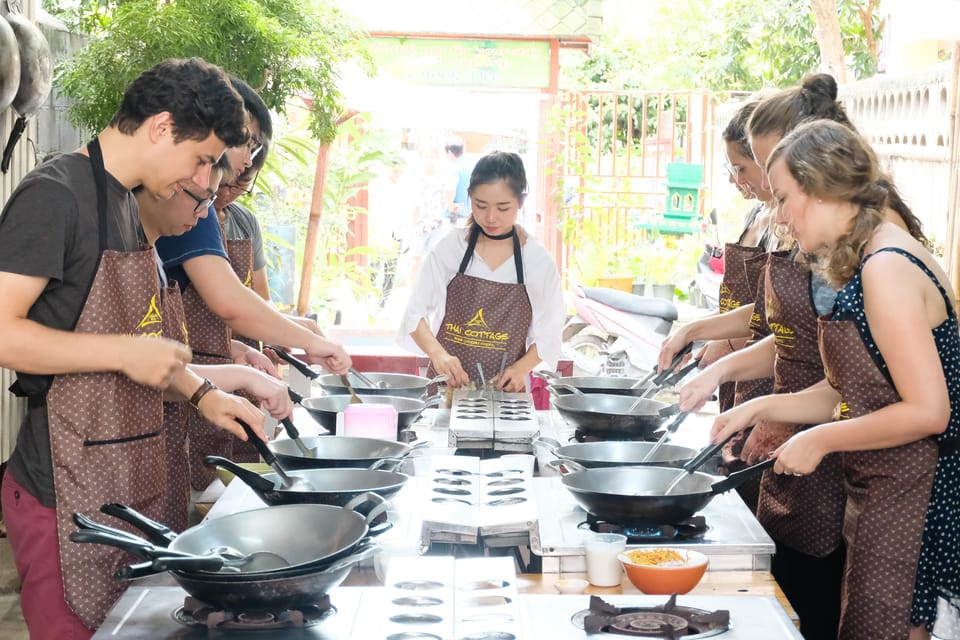
You’ll cook with the ingredients you picked (and the ones provided), and you’ll get coached through the timing and technique—especially the parts that make Thai dishes taste like they do, not like they’re just “good home cooking.”
If you want the most universally satisfying pick, Pad Thai or chicken fried rice are the safest bets. If you like bold Thai street-food style flavors, Pad Kra Pao is a great choice. And if you’re traveling with someone who likes a crunchier dish, fried chicken with cashew nuts can make the meal feel more varied.
A few more Chiang Mai tours and experiences worth a look
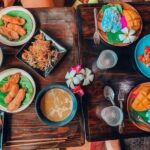

The Moment Everyone Talks About: Making Curry Paste by Mortar and Pestle
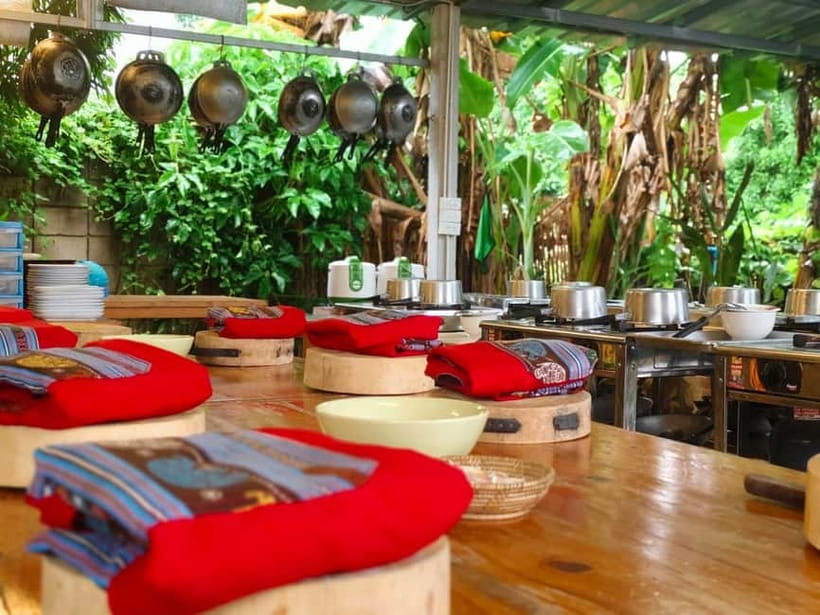
The class’s signature skill is the curry paste workshop. You’ll craft your own paste from scratch using a mortar and pestle—and this is where the day stops being just “cook and eat” and becomes “I can reproduce this.”
You can typically choose the curry paste type, such as:
- Red
- Green
- Phanaeng
- Massaman
- Khao Soi
Then you use your paste to make a chicken and coconut milk curry. This is a powerful pairing because it teaches a cause-and-effect relationship: what you grind changes the curry you eat.
A note on spice: you can make your food spicy or non-spicy. That’s helpful, especially if your heat tolerance is low. If you like heat, tell your instructor early so you can match the right balance throughout the curry process. If you prefer mild flavors, you’ll still get the core Thai taste without the burn.
Sticky Mango Rice: Dessert That Actually Feels Like Thailand
At the end of cooking, you’ll make sweet sticky rice with mango. This is one of those desserts that’s both simple and perfect, and it lands especially well after a heavy Thai meal.
What makes this portion memorable isn’t fancy technique—it’s the contrast. You finish spicy, savory, herb-forward cooking, then reset your palate with something sweet and comforting. Many people call the mango sticky rice phenomenal, and I can see why: it’s a familiar Thai comfort dessert that doesn’t feel like an afterthought.
Dining in the Organic Garden: Eating Is Part of the Lesson
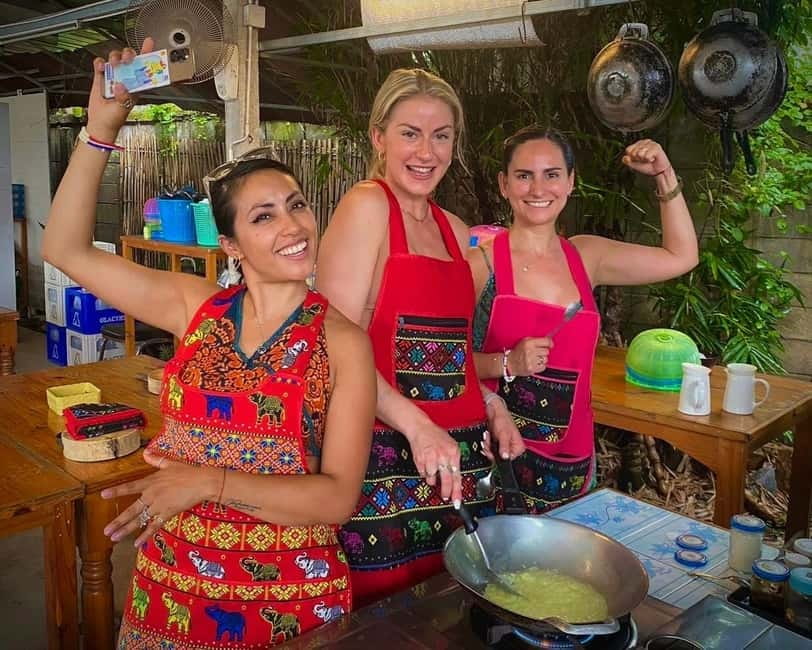
Here’s a detail that changes the feel of the whole class: you don’t just cook in one spot and eat somewhere else. You eat after cooking in traditional Thai style in the organic kitchen garden.
That matters because Thai cooking is about how flavors play together as a full meal. Eating on-site—surrounded by the garden setting—also makes the experience feel grounded and real rather than staged. And since the instructions and stations are set up cleanly and efficiently, you’re not waiting around while someone else handles everything.
Value for Money: What You’re Really Getting for Around $28
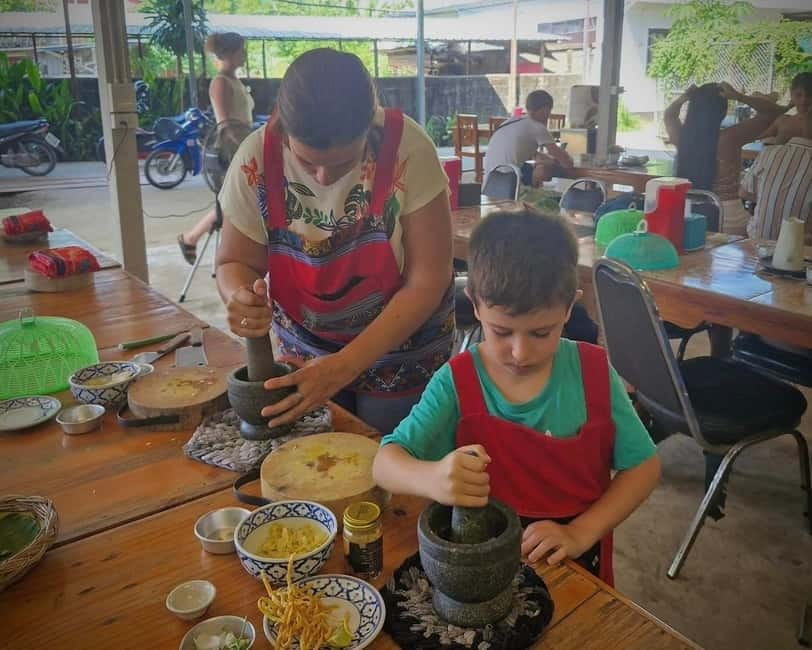
At about $28 per person, this is priced like a budget-friendly experience, but it doesn’t feel like a cheap “tourist class.” You’re getting hotel pickup and drop-off (within a defined area), a market visit, a hands-on cooking session, all ingredients, an English-speaking local chef, and a PDF recipe book.
The value isn’t just what’s included—it’s the fact you create multiple dishes and then eat what you make. People repeatedly mention the class produces a lot of food, and that’s the difference between a cooking class that’s mostly entertainment and one that actually teaches you and satisfies your appetite.
Where the price makes even more sense is if you’re food-first and you plan to cook at home later. The PDF recipes help you repeat the dishes without guessing what you did with ratios and timing.
Who Should Book This Chiang Mai Cooking Class (and Who Might Skip It)

This class is a great fit if you want:
- A hands-on food experience with real ingredients and clear guidance
- Thai cooking you can repeat at home thanks to a recipe PDF
- A day that mixes market roaming with practical cooking skills
- Vegetarian/vegan or dietary needs covered with alternatives (they welcome vegan, vegetarian, gluten-free, halal, and allergies)
It’s also ideal for first-timers, because the menu options cover common Thai favorites—soups, stir-fries, curry, and mango sticky rice—so you leave with a broad taste profile.
It’s not ideal if:
- You don’t like spicy food at all and you’d rather skip any heat variation. You can choose non-spicy, but your dishes will still be Thai-spiced, just milder.
- You’re traveling with small kids: it’s not suitable for children under 5.
Quick Practical Tips Before You Go
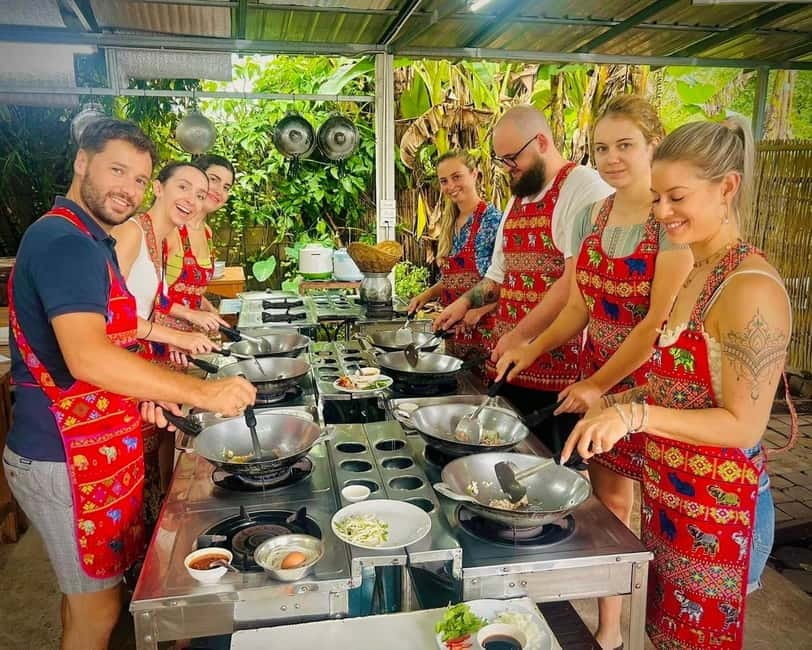
- Wear comfortable clothes. You’ll be moving around the market area and cooking stations.
- Don’t plan to rely on drinks. Drinks aren’t included.
- Tell your instructor your spice preference early (spicy or non-spicy).
- Come with an appetite. This is a full meal day, not a snack class.
- Expect an English-speaking instructor, and if you have dietary needs (vegan, gluten-free, halal, allergies), you can request alternative ingredients.
Should You Book This Chiang Mai Market and Thai Herbs Cooking Class?
Yes, if you want a practical Thai cooking experience that feels connected to real local ingredients. The combination of market time, curry paste made by hand, and garden dining is exactly the kind of “learn something you can use” day that doesn’t waste your time.
Skip it only if you’re expecting a light tasting tour or you strongly prefer meals with drinks included. Otherwise, with the amount of food you cook, the take-home PDF, and the market-to-kitchen flow, it’s a strong value pick for Chiang Mai.
FAQ
What’s included in the cooking class?
Hotel pickup and drop-off, a local market visit, a hands-on cooking class, all ingredients, a local chef/instructor, and a PDF recipe book.
Does the class include drinks?
No. Drinks are not included.
How long is the experience?
It lasts about 4 to 4.5 hours.
What dishes can I choose to cook?
You can choose from starter options such as hot and sour prawn soup, local chicken soup, chicken in coconut milk, or turmeric chicken soup. For mains, options include Pad Thai, chicken fried rice, fried chicken with cashew nuts, and Pad Kra Pao. You’ll also make curry paste (red/green/Phanaeng/Massaman/Khao Soi) and a chicken and coconut milk curry, plus sweet sticky rice with mango.
Can I choose how spicy the food is?
Yes. You can make your food spicy or non-spicy to suit your preference.
Are vegetarian, vegan, gluten-free, halal, or allergy options available?
Yes. Vegan, vegetarian, gluten free, halal food, and allergies are welcome, and alternative ingredients are available.
What should I bring and wear?
Wear comfortable clothes.
When does pickup happen?
Pickup times depend on the session you book: morning (8:30–9:00), brunch (11:00–11:30), afternoon (13:30–14:00), or evening (16:30–17:00). The pickup team typically arrives 15–30 minutes before class, and traffic can cause delays.
What’s the cancellation policy?
You can cancel up to 24 hours in advance for a full refund.