REVIEW · CHIANG MAI
Chiang Mai: Elephant Sanctuary & Thai Cooking Workshop
Book on GetYourGuide →Operated by PON ELEPHANT (THAILAND) CO., LTD. · Bookable on GetYourGuide
If elephants and dinner plans both matter, this is your day. This Chiang Mai experience blends safe elephant feeding with a hands-on Thai cooking class, using ingredients you pick right at the sanctuary. You also get a real rhythm of Thai cooking, from the five flavor basics to classic dishes like Pad Thai and Green Curry.
I particularly like two things: the elephant time feels respectful and calm, with no riding and plenty of chances to feed and observe, and the cooking workshop is hands-on, not just watching. The main drawback to plan around is that elephant river activities can shift, because the elephants choose when they bathe (so don’t count on every splash happening on schedule).
In This Review
- Key Things I’d Book This For
- A Calm, Ethical Elephant Day Starts With How You Act
- Feeding Time: Up Close Without the Hassle of Tricks or Riding
- River Bathing and Elephant Swimming: When They Choose, Not You
- The Organic Garden Start: Herbs First, Cooking Second
- Your Thai Cooking Workshop: The Five Flavors and Real Techniques
- What You’ll Cook (and Why It’s Worth More Than One Lunch)
- Lunch, Dinner, and Vegetarian/Vegan Options That Don’t Feel Like an Afterthought
- Market and Organic Farm Timing: Choose the Session That Fits Your Day
- Transport and Small-Group Reality: How the Day Stays Manageable
- What to Bring: Don’t Wait Until You’re Cold or Wet
- Price at $63: What You’re Really Paying For
- Who This Tour Suits Best (and Who Should Skip It)
- Should You Book This Elephant Sanctuary + Thai Cooking Day?
- FAQ
- How long is the Chiang Mai Elephant Sanctuary & Thai Cooking Workshop?
- Where do I meet the guide?
- Is hotel pickup included?
- What’s included in the price?
- Can I eat vegetarian or vegan during the cooking workshop?
- What should I bring?
Key Things I’d Book This For
- Gentle, no-riding elephant care in a natural setting where the day centers on feeding and observing
- On-site organic herb picking that makes the cooking class taste more real
- Thai cooking fundamentals you can use later, including sweet/sour/salty/bitter/spicy
- Classic dishes with choices, from Pad Thai to Khao Soi and mango sticky rice
- Small-group pacing (limited to 10), so you’re not lost in a big crowd
A Calm, Ethical Elephant Day Starts With How You Act
Pon Elephant Thailand is built around the idea that elephants aren’t props. The day focuses on caretakers’ routines, elephant behavior, and how to behave around them, so you spend time watching and learning instead of doing checklist tourism.
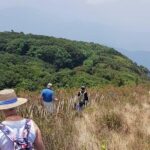
You’ll walk through the natural habitat with the elephants and get specific guidance on safe interaction. Feeding is typically the big moment: napier grass, sugarcane, and bananas, plus fruit provided for the elephants. It’s intimate, and it also makes it clear that this place is about animal welfare, not performance.
You can also read our reviews of more cooking classes in Chiang Mai
Feeding Time: Up Close Without the Hassle of Tricks or Riding
One of the most meaningful parts is that you’re not asked to ride, pose, or force interaction. The sanctuary setup keeps you in the role of visitor and helper: you feed, observe, and follow instructions from your English-speaking guide.
Feeding opportunities are repeated through the day, not just one quick stop. That matters, because it gives you time to notice elephant personalities. Some come close for food; others prefer distance. You’ll also learn what behaviors mean, so you’re not just guessing.
River Bathing and Elephant Swimming: When They Choose, Not You
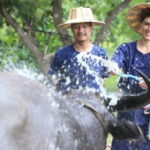
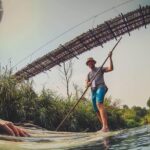
The tour includes time taking the elephants to the river, with the chance to watch them swim and bathe. The catch is simple: elephants choose to bathe, and you don’t force it. If they decide today isn’t their bathing day, the schedule can change slightly.
That flexibility is actually a good sign. It suggests the program is organized around the animals’ comfort, not human timing. If you do get bathing time, be ready for a surprise shower. Some people love it; just know it’s real water contact, not a neat little photo moment.
The Organic Garden Start: Herbs First, Cooking Second
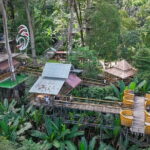
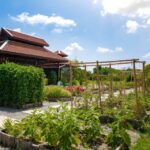
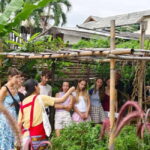
The cooking day doesn’t begin in a kitchen. It starts outdoors, with a visit to the organic vegetable garden right at the sanctuary.
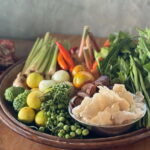
You’ll collect fresh herbs daily under your guide’s direction. Then you use what you gathered when you cook. Even if you don’t remember every herb’s Thai name later, you’ll remember the smell and the difference it makes to flavor.
It’s also a smart way to learn Thai cooking because it trains your palate. You’re not just copying recipes; you’re connecting ingredients to the tastes you’ll recognize later in soups, curries, and stir-fries.
Your Thai Cooking Workshop: The Five Flavors and Real Techniques
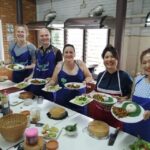
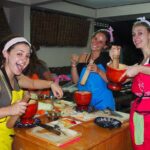
This is a full cooking workshop with an actual local chef vibe: guided instruction, active cooking, and time to eat what you make. You’ll learn the five basic flavors of Thai cuisine: sweet, sour, salty, bitter, and spicy. That framework helps you adjust dishes to your preferences, because Thai food isn’t one-size-fits-all.
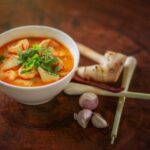
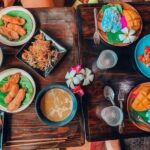
You’ll also work on the building blocks of classic Thai cooking. Dishes you might cook include Pad Thai, Khao Soi, Tom Yum Goong, Green Curry, and Mango Sticky Rice. In practice, you’ll likely choose among options, which means your plate can match what you actually want to eat.
The format is hands-on but not chaotic. Your guide will show methods, then you do the work. The best part is that you come away with repeatable technique, not just memories of a good meal.
A few more Chiang Mai tours and experiences worth a look
What You’ll Cook (and Why It’s Worth More Than One Lunch)
The workshop typically runs long enough for multiple dishes, and the choices are part of the value. Many classic Thai tours teach one dish well and call it a day. This one aims for variety, so you taste the range of Thai flavors in a single sitting.
You’ll likely make items across categories: noodle stir-fry, curry, soup, and a sweet finish. That’s the fastest way to understand Thai cuisine as a system. You start seeing how the same ingredients show up in different forms.
If you enjoy Northern Thai specialties, you may also run into Northern Thai snacks during the day. One example mentioned is Chiang Mai sausage. That’s a nice bonus because it links your cooking lesson to what’s actually eaten in the region.
Lunch, Dinner, and Vegetarian/Vegan Options That Don’t Feel Like an Afterthought
Lunch is included on both sessions, and the program is structured so you eat what you cook. There’s also fruit for the elephants, drinking water, and a recipe booklet you can take home.
Vegetarian and vegan options are available. The practical benefit here is that your meal can match your preferences without the tour turning into a compromise routine. You’ll still be in the cooking process with everyone else, rather than waiting off to the side.
Also, the food portion is described as plentiful, so you’re not stuck doing math on portion sizes. You’ll get full enough to enjoy the elephant time afterward without feeling wrecked.
Market and Organic Farm Timing: Choose the Session That Fits Your Day
The tour offers a morning and an afternoon option, both about 9 hours. What changes is the timing of the market visit and how the day flows with meal moments.
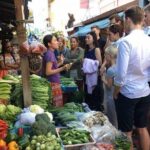
In the morning session, there’s a market visit and an organic farm tour included, with lunch during the day and return to Chiang Mai around 5:00 PM. In the afternoon session, there’s an organic farm tour included as well, but there’s no market visit because it’s set for the evening, with dinner included instead.
So which should you pick? If you want a more complete “ingredient-to-elephant-to-food” arc with a daytime market, go morning. If you prefer the cooking and feeding later in the day and don’t mind night driving back, the afternoon option may be a better fit.
Transport and Small-Group Reality: How the Day Stays Manageable
The day runs by air-conditioned van, about 1 hour and 20 minutes each way from Chiang Mai to Pon Elephant Thailand. If you choose hotel pickup, it’s available in Chiang Mai town only, with hotel transfers included when that option is selected.
Small group is the silent hero here: limited to 10 participants. That size usually means you get more direct attention from your guide, especially during cooking and elephant safety briefing.
Also, your guide is English-speaking, and the day tends to feel organized. Guides like Pimdao, Air, and Som (names you may see operating this program) are often highlighted for making the information clear and the day enjoyable, which matters when you’re learning both animal behavior and Thai technique.
What to Bring: Don’t Wait Until You’re Cold or Wet
This is one of those tours where you want to travel prepared because you can get wet and you’ll be moving around outside. Bring a change of clothes and beachwear, plus flip-flops that work on uneven ground.
Sun protection matters. Sunscreen is recommended, and the program asks for biodegradable sunscreen. You should also pack biodegradable insect repellent, camera, and sunscreen so you’re not scrambling.
Cash is listed as something to bring too, though the tour doesn’t spell out what it’s for. When a provider asks for cash, I treat it as a hint that small purchases may pop up during the day.
If you’re using an ID instead of a passport, bring that copy. The tour also notes that a copy is accepted.
Price at $63: What You’re Really Paying For
$63 for about 9 hours is often a fair deal in Chiang Mai terms, but the value comes from what’s bundled. You’re paying for:
- elephant sanctuary time with guided safety briefing and multiple feeding opportunities
- a Thai cooking workshop with a chef-led format
- ingredient sourcing from an organic garden
- lunch (morning) or dinner (afternoon), plus drinking water
- fruit for the elephants, plus insurance coverage
- recipe booklet and ingredients for cooking
If you tried to recreate parts of this separately, costs add up fast: cooking classes in Chiang Mai, a sanctuary day, transport, and meals. Here you’re stacking them in one smooth schedule, and you’re also getting the explanation layer: how to behave around elephants and how Thai cooking flavors work.
Big picture: it’s not just “do elephants then cook.” It’s “do elephants, then cook with ingredients you learned about and harvested,” which is why it feels more connected than a typical day trip.
Who This Tour Suits Best (and Who Should Skip It)
This tour is a strong match if you want:
- ethical elephant interaction where riding isn’t part of the plan
- hands-on Thai cooking you can repeat at home
- a day that mixes culture with nature without feeling rushed
It’s not suitable for children under 5 years, and it’s not recommended for people over 70. Beyond the age limits, the day includes outdoor walking and a water component, so comfort matters.
If you’re the kind of traveler who likes learning the “why” behind food—like the five flavor balance—and you also care about animal welfare, this is the right pairing.
Should You Book This Elephant Sanctuary + Thai Cooking Day?
Yes, book it if you want one high-impact day that teaches you something real. The combo of a calm elephant experience and a structured Thai cooking workshop is exactly what makes Chiang Mai feel different from a checklist city.
Before you go, decide based on two things: your comfort with getting wet during possible river bathing, and whether you prefer the morning session (with a market stop) or the afternoon session (with dinner instead). If those match your style, you’ll likely walk away with both great food skills and a meaningful elephant day you can feel good about.
FAQ
How long is the Chiang Mai Elephant Sanctuary & Thai Cooking Workshop?
The tour runs for about 9 hours.
Where do I meet the guide?
Meet your guide at the Pon Elephant Thailand office in town, about 10–15 minutes before the tour begins.
Is hotel pickup included?
Pickup is optional. If you select it, you’ll get hotel pickup and drop-off within Chiang Mai town only.
What’s included in the price?
In addition to the guide, transport, insurance, and drinking water, the tour includes lunch (morning session) or dinner (afternoon session), elephant fruit, and all ingredients for cooking, plus a recipe booklet.
Can I eat vegetarian or vegan during the cooking workshop?
Yes. Vegetarian and vegan options are available.
What should I bring?
Bring a change of clothes, camera, sunscreen (biodegradable), flip-flops, beachwear, cash, and an ID or passport (a copy is accepted). Biodegradable insect repellent is also recommended.