REVIEW · CHIANG MAI
Private Doi Inthanon With Trekking Pha Dok Siew Nature Trail
Book on GetYourGuide →Operated by CHIANGMAI SIAM TRAVEL LTD.,PART. · Bookable on GetYourGuide
Cold mountain air sets the tone. This private outing mixes Doi Inthanon National Park with a guided Pha Dok Siew Nature Trail hike, plus pagoda viewpoints and local hill-tribe stops. I especially like the slow, non-rushed pacing that comes with traveling privately, and I also love that the trek is led by a local hill-tribe guide who can turn the trail into a real-world lesson, not just a walk.
Two other standouts: the views from the King and Queen’s pagodas and the chance to see rice-field mountain layers around Ban Mae Klang Luang. There’s also a practical side—hotel pickup, English guide, lunch, and an accident insurance inclusion—so you can focus on being outside. The main drawback to plan for is weather and temperature: the park runs cold and humid all year, and waterfall conditions (including any swimming chance) can vary.
In This Review
- Key highlights you’ll care about
- From Chiang Mai to Doi Inthanon: Pickup, Comfort, and Timing
- Wachirathan Waterfall: Your First Big Dose of Nature
- The Pha Dok Siew Nature Trail Trek: The Part That Makes This Tour
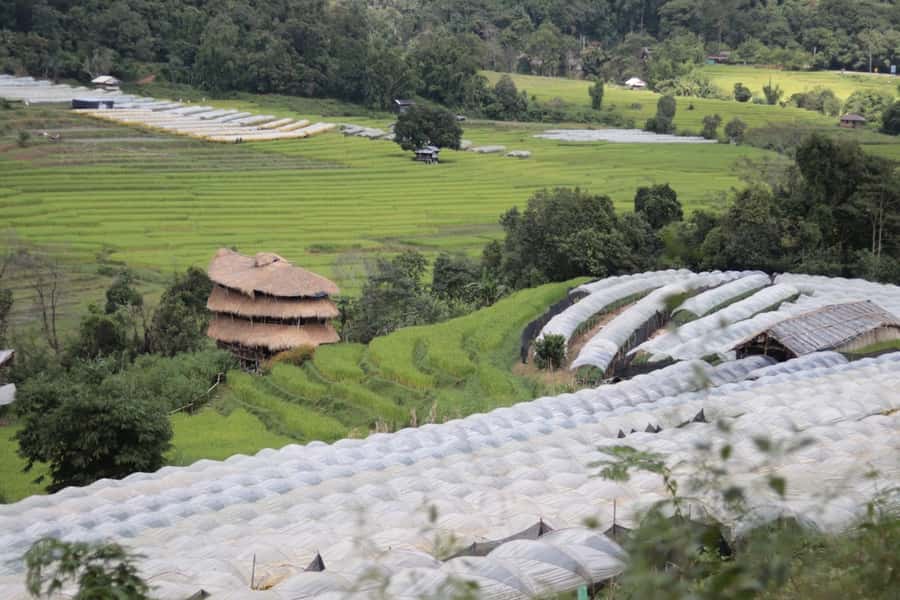
- Ban Mae Klang Luang Rice-Field Mountains: Views You’ll Want to Time Right
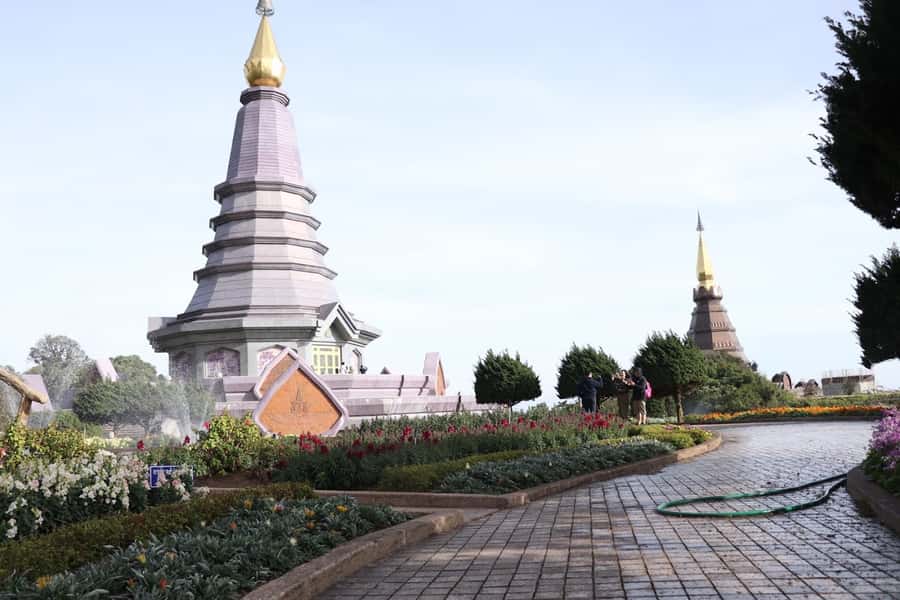
- King and Queen’s Pagodas at Doi Inthanon: Gardens Plus Big Viewpoints
- Rak Jung Waterfall: When a Forest Breaks Into a Swimming Option
- Phra Mahathat Naphamethanidon and More Park Time
- Karen Hill-Tribe Village Coffee: A Small Moment With Real Flavor
- Hmong Market and Watching Day-to-Day Life
- Wachiratharn Waterfall: Ending With Sound, Cool Air, and Photos
- What to Pack for Cold, Humid Highlands
- Price and Value: Why $141 Can Make Sense Here
- Who This Tour Fits Best (and Who Should Skip It)
- Should You Book This Private Doi Inthanon Day?
- FAQ
- How long is the tour?
- Where does the pickup happen?
- What’s the main hike time on this tour?
- Do I get lunch on the tour?
- Are entrance fees included?
- Is the tour guided in English?
- Can I swim at the waterfalls?
- How cold is Doi Inthanon during the year?
- What should I bring?
Key highlights you’ll care about
- Highest point in Thailand at about 2,565 meters, with cool temps year-round
- Pha Dok Siew Nature Trail with a local hill-tribe trek guide for about 2 hours
- King and Queen pagodas for big sky-and-valley views plus pleasant gardens
- Karen hill-tribe village stop with freshly grounded coffee
- Waterfalls and forest walking where access and swim chances depend on conditions
- Ban Mae Klang Luang rice-field layers that change with the season
From Chiang Mai to Doi Inthanon: Pickup, Comfort, and Timing
You’ll get picked up from your accommodation in Chiang Mai city, as long as you’re within about a 5-kilometer radius from downtown. If you’re farther out, you should expect an extra transport charge. Either way, the start is designed to be easy: air-conditioned private car, door-to-door pickup, and a clear plan for the day.
Then it’s on the road for roughly 1 hour and 45 minutes to Doi Inthanon National Park. This is a good use of time for a private tour because you’re not waiting around with a big group. In the car, you can ask questions about what you’re seeing later: the pagodas, the hill-tribe culture, and why the area feels different from lowland Chiang Mai—because it’s higher, cooler, and usually more humid.
Practical tip: start thinking about layers early. Even if Chiang Mai feels warm, Doi Inthanon often feels cold once you’re up in the park.
You can also read our reviews of more private tours in Chiang Mai

Wachirathan Waterfall: Your First Big Dose of Nature
The day typically kicks off with a waterfall visit at Wachirathan Waterfall. This is a classic “wake up your senses” stop: forest air, the sound of water, and short walks where you can stop for photos when conditions are safe.
What I like about starting here is that it sets expectations. You’re not rushing straight into a hike without warming up mentally. Instead, you’re easing into the park environment—humid, green, and alive with small details, like how the trail cuts through vegetation and how the light changes near water.
A key consideration: with waterfalls, the exact look (and whether you can get close enough for a swim later) can depend on weather and water levels. So come in with flexible expectations.
The Pha Dok Siew Nature Trail Trek: The Part That Makes This Tour
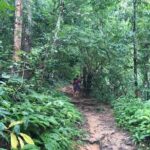
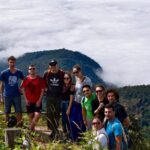
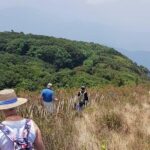
The heart of this day is the trek to Pha Dok Siew Nature Trail, led by a local hill-tribe guide. The walking time is about 2 hours, and that’s long enough to feel like you truly left the road behind, but not so long that it turns into a full-day endurance event.
This is also where the private format really shows. You’re not getting yanked forward by a schedule. If you want photos, questions, or a slower pace, your guide can manage it.
One reason this stop earns top marks is the guidance style. Some groups have had guides like PonPon for the hike—friendly, playful, and focused on the details that matter, like plant and tree names and how people read the landscape. You’ll be walking through forest and along hillside areas where you can see how local farms fit into the terrain.
What to watch for: trail conditions. The park’s humidity and rainfall patterns can make sections slippery. Wear shoes that grip, and if you’re unsure, stick to the safer edges of the path when you’re close to slopes.
Ban Mae Klang Luang Rice-Field Mountains: Views You’ll Want to Time Right
After the trek, you head toward Ban Mae Klang Luang, one of the best places in the day to connect what you walked through with what you see from a viewpoint. You’ll spend time visiting and then have lunch here.
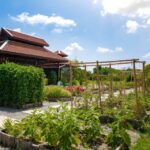
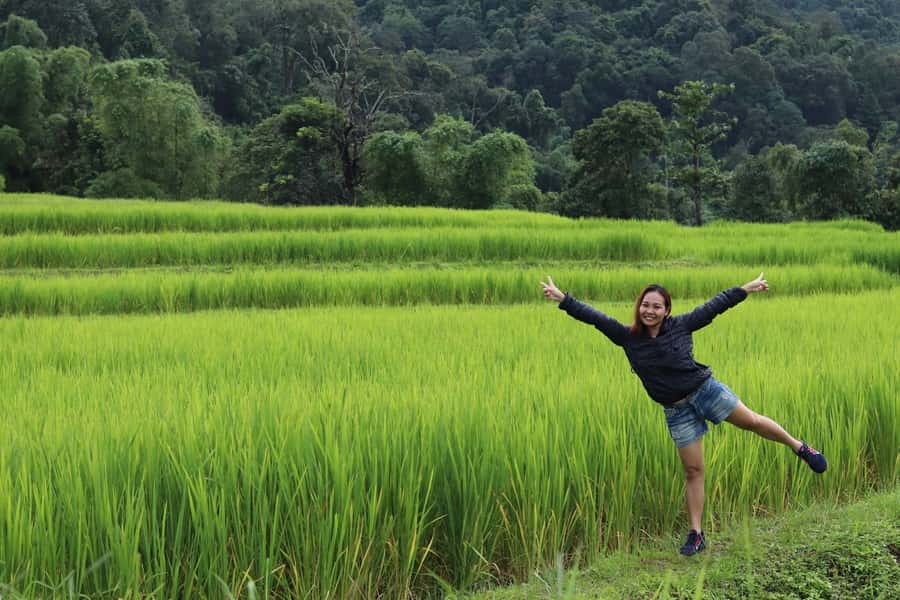
The highlight is the layered rice-field mountain look—familiar from Northern Thailand, but always beautiful because the hills stack into bands of green. The catch is seasonal: rice fields depend on the time of year, so the view changes. Some months look lush and golden; other months the fields look more freshly prepared or less filled.
Still, even if the rice isn’t at its peak, the mountain layers and the sense of scale are what you’re really coming for. You’re in highland country where the terrain does most of the work for your photos.
Lunch note: lunch is included. The exact meal details aren’t listed, but the timing is practical—enough food before you continue to the pagodas and waterfall stops.
King and Queen’s Pagodas at Doi Inthanon: Gardens Plus Big Viewpoints
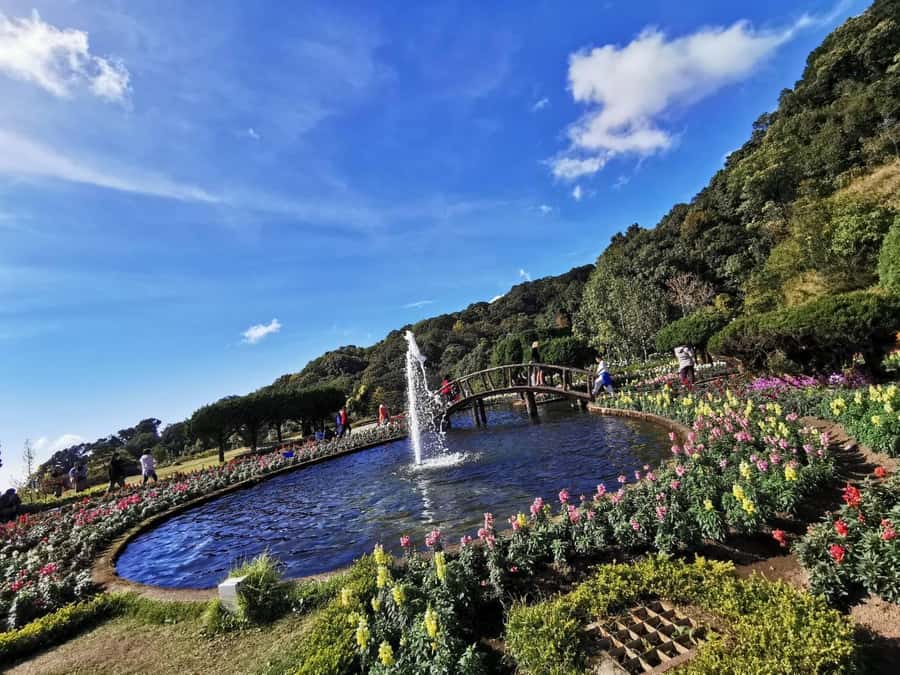
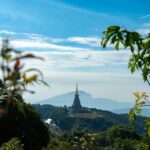
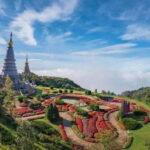
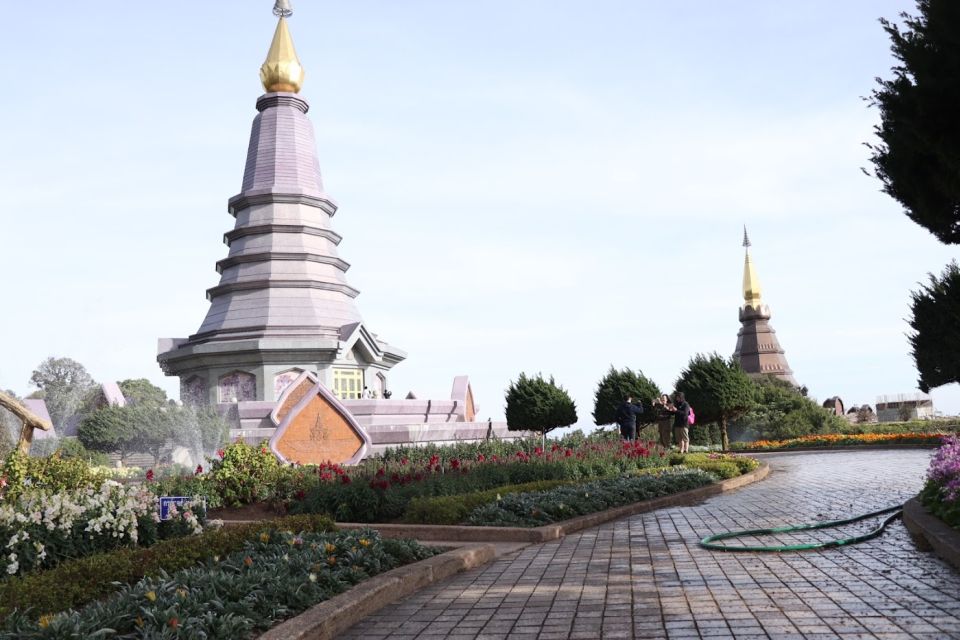
Next up is the King & Queen’s pagodas, known for both scenery and gardens. These are not just quick photo stops. You have time to walk around and take in the views, and that’s a big deal on a day packed with driving and walking.
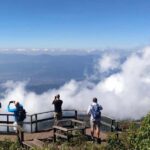
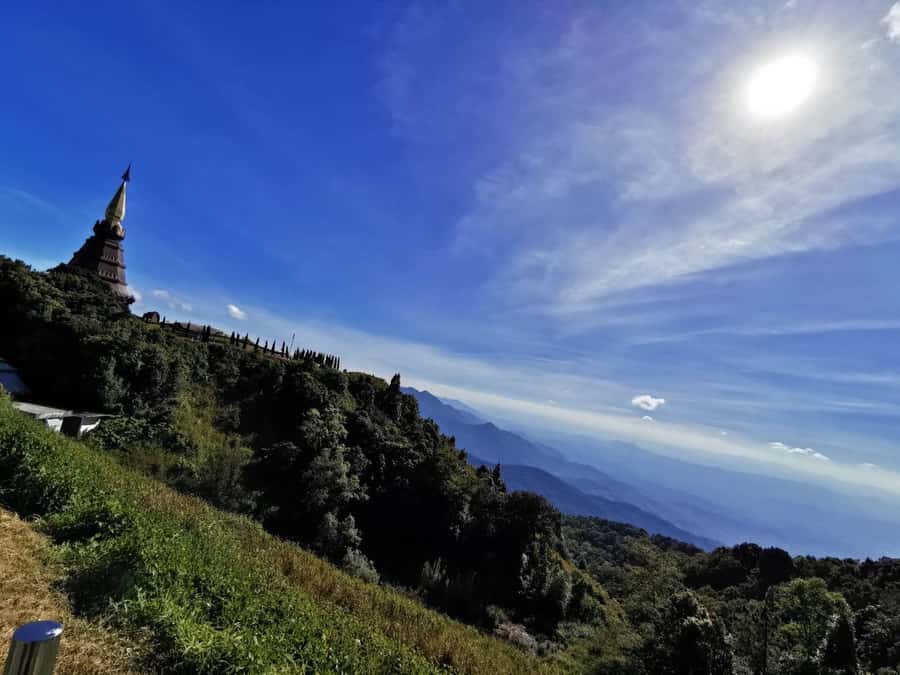
The pagoda viewpoints are especially worth your attention if you like panoramas. From here, you can see how the highland valleys open outward, with cloud cover sometimes softening the distance. The gardens also add texture—less “only concrete viewpoint,” more a calm spot to breathe.
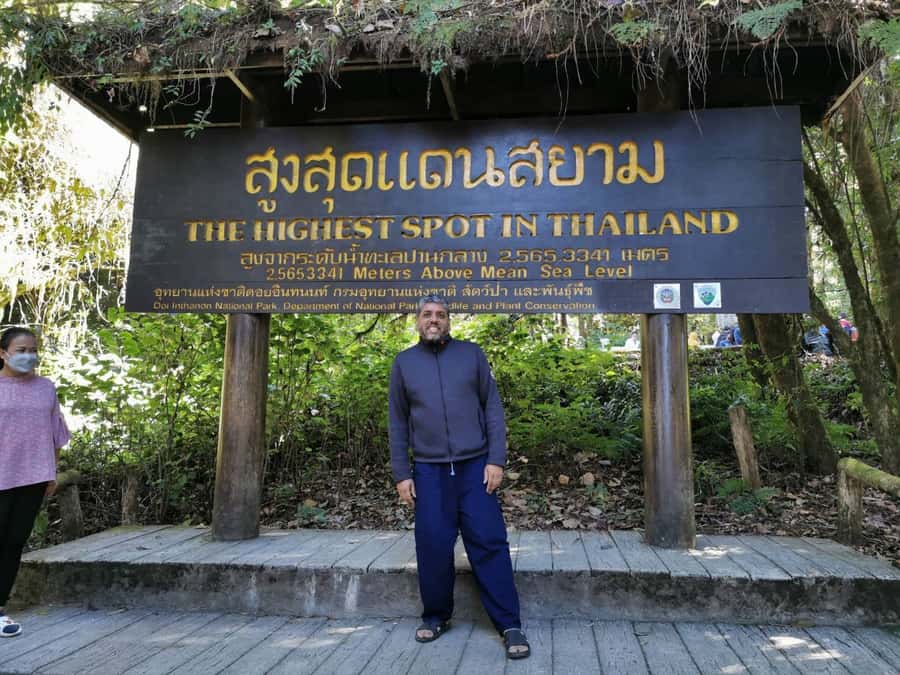
Then you move into the national park area for the highest-point experience. The highest spot is listed at about 2,565 meters above sea level, and the park stays cold and humid year-round. That cold can feel sharp even if you’re dressed lightly, so bring warm layers that you can put on quickly.
You can also read our reviews of more hiking tours in Chiang Mai

Rak Jung Waterfall: When a Forest Breaks Into a Swimming Option
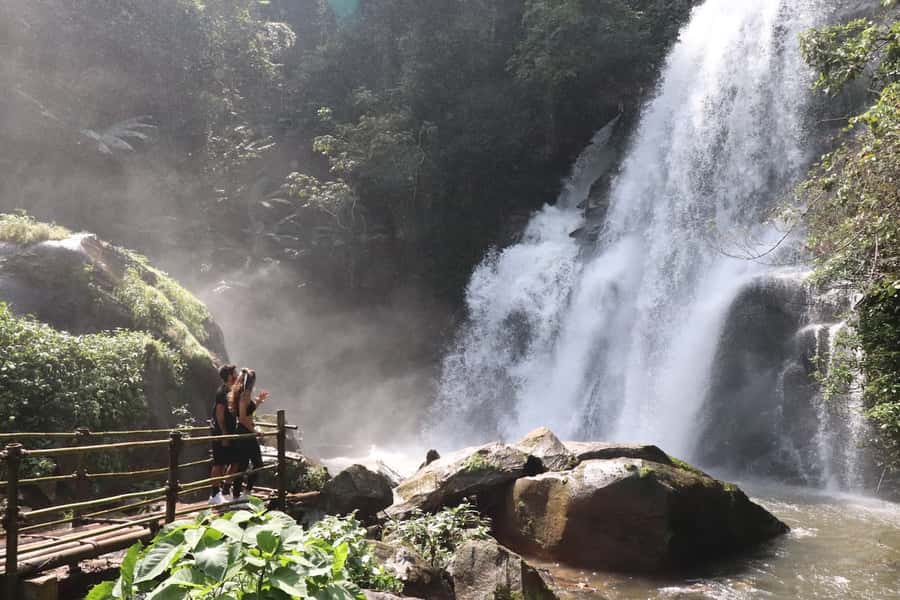
You may also stop at Rak Jung Waterfall after the earlier trekking and Karen village segment. The tour description includes the option to swim here, but it’s explicitly dependent on weather and water levels. That’s smart. In high-humidity areas, water conditions can shift fast, and safety depends on what’s happening on the day you go.
Even if swimming isn’t possible, this is still a good nature pause: forest air, the sound of water, and a chance to rest your legs before the later market and waterfall time windows.
My advice: treat swimming as a bonus, not a goal. If you want to swim, pack basics (quick-dry layer and waterproof footwear or sandals), but don’t plan your whole mood around it.
Phra Mahathat Naphamethanidon and More Park Time
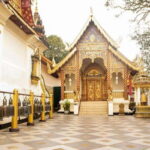
Another park stop includes Phra Mahathat Naphamethanidon, with sightseeing and walking along the way. This is the part of the day where you’re mixing cultural temple stops with the highland setting, so you get variety: forest, waterfall, then a more structured landmark.
From a practical standpoint, it helps to pace yourself. At this point you’ve already done the trek, so walking should be steady, not rushed. Keep your pace slow, drink water, and save your energy for the pagoda viewpoints where you’ll likely want to linger.
Karen Hill-Tribe Village Coffee: A Small Moment With Real Flavor
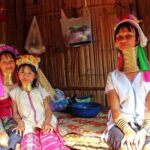
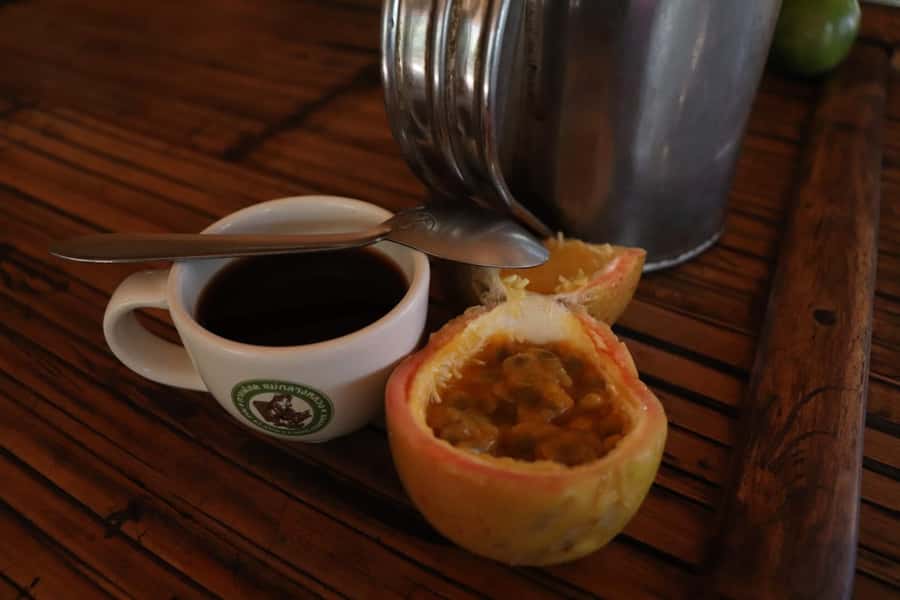
One of the most memorable segments is the finish of the trek in the white Karen hill tribe village, where you’ll have a cup of freshly grounded, locally grown coffee. This isn’t just a random snack stop. It’s a food-and-culture moment that breaks up the day nicely and makes the trek feel connected to real daily life.
In one guide-led story, there’s also mention of bamboo sticky rice being part of what you might taste during the village stop. Even if your exact menu varies, the core idea is consistent: you’re tasting something local right where you ended the hike.
What I like: it’s simple and warm, and it gives your body time to recover before the final market and waterfall moments.
Hmong Market and Watching Day-to-Day Life
After the heavier nature time, you’ll visit the Hmong Market. This is where the day turns outward from the hills and gives you a closer look at crafts and everyday trade in the region.
A market stop can be hit-or-miss on tours, but here it’s framed as a cultural add-on, not a hard sell. The best approach is to wander with curiosity: look for locally made items, ask basic questions through your English guide, and keep your walking shoes on since you’ll be shifting between indoor and outdoor spaces.
Since you’re on a private tour, you can spend as much time as you want. That’s a big advantage if you like markets but hate feeling herded.
Wachiratharn Waterfall: Ending With Sound, Cool Air, and Photos
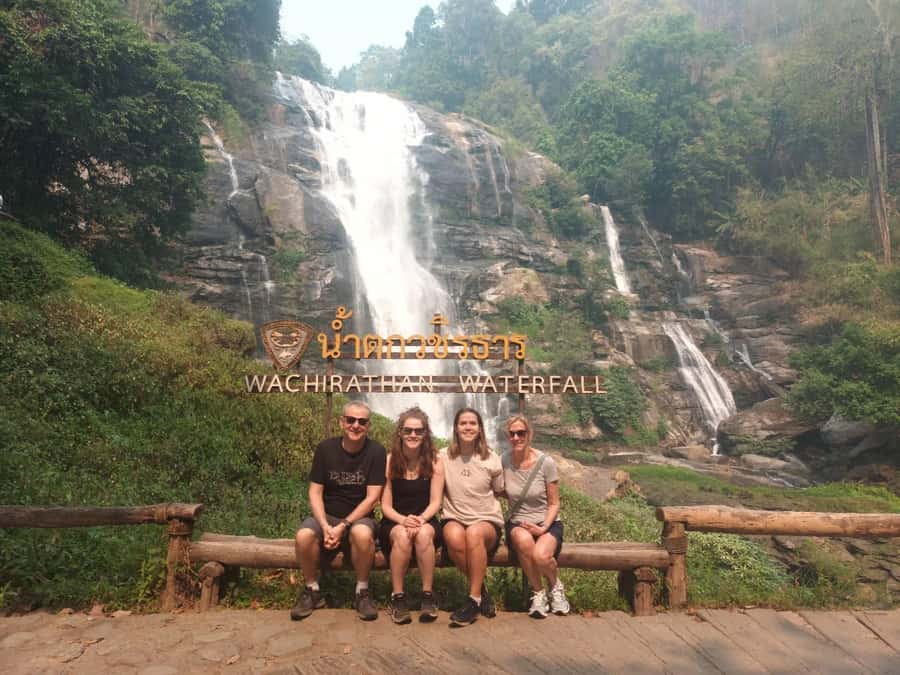
The day typically wraps with a visit to Wachiratharn Waterfall, then you head back to Chiang Mai for drop-off around 18.00. This late-day placement is smart: by then you’ve already seen key highlights, so the final waterfall feels like a rewarding closer rather than a rushed sprint.
If you’re the type who loves audio as much as visuals, waterfalls are great at the end of the day. They give you a sensory break from constant driving and trekking.
Logistics note: timing matters here. Waterfalls can eat minutes depending on crowd level, walking surfaces, and weather. The private format helps, but the park environment still sets the pace.
What to Pack for Cold, Humid Highlands
This is not a “just wear shorts” day. The tour prompts warm clothing and also includes practical items like sunscreen, personal medication, and biodegradable insect repellent.
Here’s what you should aim for:
- Layers you can add or remove quickly (it can shift with elevation and cloud cover)
- Shoes with grip for wet or uneven trail segments
- Sunscreen (yes, even in cooler weather)
- Insect repellent that’s biodegradable
- Any needed medication, carried in an easy-to-access pocket
One more thing: bring an attitude that fits the environment. Humid highlands can feel damp, and cold can show up fast. If you dress for it, the whole day feels more comfortable.
Price and Value: Why $141 Can Make Sense Here
At about $141 per person for a 9-hour private day, you’re paying for a few big value drivers.
First, it’s private transport with pickup and drop-off from your hotel area. That saves time and stress compared to piecing together buses or joining crowded tours that might cut your time short at the best spots.
Second, the experience includes entrance fees, lunch, drinking water, and an English-speaking guide. Those costs add up if you try to assemble the day independently—especially when you factor in the national park fees and the guidance you’ll want for the trek and cultural stops.
Third, the trek is guided by a local hill-tribe guide as part of the experience. That kind of on-the-ground knowledge is what turns a hike into something more meaningful—plant names, local explanations, and a better read on the landscape.
Is it expensive? Compared with group tours, yes. But for a private day that mixes highland nature, culture, and a real guided trek, the value is strong if you want flexibility and a calmer pace.
Who This Tour Fits Best (and Who Should Skip It)
This private Doi Inthanon day fits you if you want:
- A guided trek that’s long enough to feel real (about 2 hours)
- Cool highland scenery, waterfalls, and pagoda viewpoints
- Local hill-tribe village stops and market time, without feeling rushed
- A private pace where you can ask questions and linger a bit
You might reconsider if:
- You dislike cold weather and don’t want to dress for it
- You have limited mobility and want minimal walking (the day includes trekking and several walking segments)
- You strongly prefer guaranteed waterfall swimming—since it depends on water levels
As for guides, the experience quality can be excellent. Some groups have had guides like Bird handling the day smoothly and Austin providing attentive, question-friendly guiding, plus a trek leader like PonPon for the hiking segment. That mix—good driving, strong language support, and a local trek guide—shows up in the way the day feels.
Should You Book This Private Doi Inthanon Day?
Book it if you want one day that hits the big Northern Thailand themes: highland nature, panoramic viewpoints, and hill-tribe culture, all with private pacing. The trek plus Karen village coffee is the anchor, and the pagodas and waterfalls are the payoff.
Skip it if you’d rather build your own itinerary at a slower pace or if you don’t want to deal with cold, humidity, and variable waterfall conditions. Also, if you’re the type who wants a super light day, this one includes enough walking to feel like an active outing.
If your goal is a well-run, English-supported private day with a guided trail and real local stops, this is a solid choice.
FAQ
How long is the tour?
The duration is about 9 hours.
Where does the pickup happen?
Pickup is from your accommodation in Chiang Mai city, within a radius of 5 kilometers from downtown. If your location is farther away, you may pay extra for transportation.
What’s the main hike time on this tour?
The trek on the Pha Dok Siew Nature Trail is about 2 hours.
Do I get lunch on the tour?
Yes, lunch is included.
Are entrance fees included?
Yes, entrance fee costs are included.
Is the tour guided in English?
Yes, the tour includes an English-speaking guide.
Can I swim at the waterfalls?
There is an option to swim at Rak Jung Waterfall, but it depends on weather conditions and water levels.
How cold is Doi Inthanon during the year?
The park is described as cold and humid all year round, and it includes the highest point area at about 2,565 meters.
What should I bring?
Bring warm clothing, sunscreen, personal medication, and biodegradable insect repellent.