REVIEW · BANGKOK
Train trip death railway Bridge on river Kwai from Bangkok to Kanchanaburi trip
Book on Viator →Operated by Trip Thai Tour · Bookable on Viator
A single train ride carries a heavy past. This day hits the Kanchanaburi War Cemetery and the JEATH War Museum first, then lets you walk the River Kwai Bridge and finally ride the Death Railway. I like how the morning stays structured and meaningful, and I also like the included lunch that gives you a proper break before the return trip. The main drawback to consider is the very early 6:00 am pickup and a long day out of Bangkok.
You start with hotel pickup and head west toward Kanchanaburi, with the first major stop around 9:10 am. The best payoff is that you’re not just viewing history from a distance—you’re seeing it in real places, then watching the countryside roll by from a train that’s tied to the Burma Railway story. This is also a smaller group experience, with a maximum of 10 travelers, and you’ll use a mobile ticket for the day.
Expect a solemn, information-heavy route in the first half, followed by train-and-scenery time. If you’re sensitive to WWII content, build in a little patience for the emotional weight before you get to the more scenic moments.
In This Review
- Key highlights you’ll actually feel
- From Bangkok early start to Kanchanaburi: a full day with a clear rhythm
- Kanchanaburi War Cemetery: where the Burma Railway story begins
- JEATH War Museum: museum time that helps you connect the dots
- River Kwai Bridge walk: seeing the iconic structure without losing the meaning
- Death Railway train trip: countryside views with wartime weight
- Lunch at the restaurant by the river: the calmer stretch you need
- Kanchanaburi area time and the return to Bangkok by 15:00
- Price and logistics: is $80.67 good value for what you get?
- What to pack for a bridge walk and a train ride
- Who this trip suits best (and who should think twice)
- Should you book this Bangkok to River Kwai Death Railway train tour?
- FAQ
- What time does pickup start in Bangkok?
- How long is the tour from Bangkok to Kanchanaburi?
- What are the key stops and activities?
- Is hotel pickup included?
- Is lunch included?
- Are admission tickets included for the war cemetery and museum?
- How big is the group?
- Is free cancellation available?
Key highlights you’ll actually feel
- Hotel pickup from Bangkok starting at 6:00 am onward, so you don’t waste time arranging transport
- Kanchanaburi War Cemetery and the JEATH War Museum before you step onto the bridge area
- River Kwai Bridge walk built into the day, with time to see and photograph the area
- Death Railway train ride along the line with countryside views
- Lunch included partway through the day, so you’re not hunting for food while tired
- Small max group size (10 travelers) which usually helps the guide keep things moving
From Bangkok early start to Kanchanaburi: a full day with a clear rhythm
This trip is built like a classic one-day “do it right” plan: you leave Bangkok early, spend the morning on WWII sites, and then shift into transport and views on the train and return. Pickup is from the Bangkok city area, starting at 6:00 am, and the schedule runs for about 10 hours total, with departure back to Bangkok around 15:00.
That early start isn’t a dealbreaker, but it changes the feel of the day. You’ll want a breakfast that doesn’t sit too heavy, and you’ll be glad you’re not trying to coordinate a separate bus or train. The upside of this timing is that you get your memorial stops earlier, when you can move without feeling rushed by the strongest crowds.
The route is also paced with specific time windows: cemetery first, museum next, then bridge walk, then the train ride. That matters because the memorial side of this story needs attention. If you go in expecting a casual sightseeing day, you’ll likely feel the contrast—serious stops in the morning, then a more relaxed transport-and-views section later.
Finally, a practical note: the experience uses a mobile ticket, so keep your phone charged. It’s a small thing, but it saves you stress when you’re already managing early pickup and a long day.
You can also read our reviews of more tours and experiences in Bangkok.
Kanchanaburi War Cemetery: where the Burma Railway story begins
Your first stop is the Kanchanaburi War Cemetery, locally known as the Don-Rak War Cemetery. This is described as the main prisoner of war (POW) cemetery for victims of Japanese imprisonment connected to the Burma Railway work. Admission is included, and you’ll have about 50 minutes there.
This is the kind of place where 50 minutes is just enough to take in the scale, read key elements, and move at a respectful pace. I like that the day starts here instead of jumping straight to the bridge and train. When you arrive with this context, the rest of the experience doesn’t feel like a generic “tourist history stop.” It feels like the story has a starting point.
If you’re the type who reads interpretive signs carefully, 50 minutes can feel a bit tight, but it still gives you a workable block of time. My advice is to focus on what hits you most first—then take photos only after you’ve had a moment. You can always come back to your favorite section if you want more time, but you can’t undo rushing through the meaning.
Dress and behavior matter here. Comfortable shoes are important because you’ll be walking. And if you have family members or friends who prefer lighter subject matter, this stop is where you set expectations for the day: this is solemn ground tied to WWII and forced labor.
JEATH War Museum: museum time that helps you connect the dots
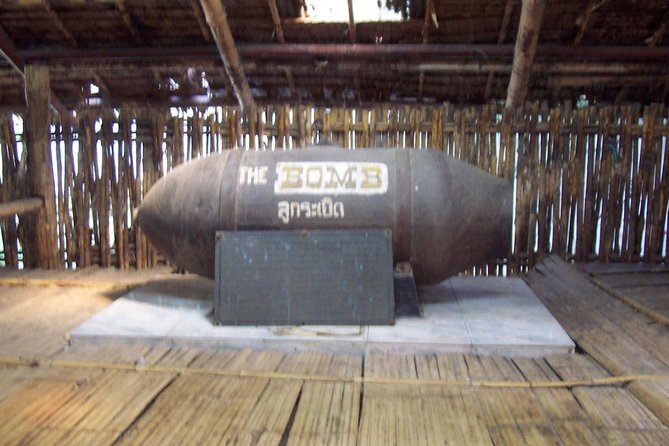
After the cemetery, you’ll head to the JEATH War Museum. It’s focused on the Death Railway built from 1942 to 1943 by Allied POWs under direction of the Japanese, as part of the Thai-Burma railways. You get about 30 minutes here, with admission included.
I find this stop particularly useful because it sits in that middle zone between memorial and the physical structures you’ll see next. The cemetery sets the emotional and human context. The museum helps you understand how the railway was organized, why it mattered, and what POW experience was like in general terms. Even if you’re already familiar with the topic, this is the kind of museum that turns a headline into something more concrete.
Thirty minutes is short, so don’t plan to read everything. Instead, pick a few sections to prioritize. If there’s a part that mentions routes, construction conditions, or daily life, spend time there. Then use the last few minutes to look around at displays you might have skimmed earlier.
One practical tip: bring your questions. Guides on this route are often praised for explaining details clearly (some people specifically highlighted guides named Rach and 00M for being helpful and informative). Even if the museum signs are doing most of the work, a good guide can connect what you’re seeing to the next stop.
River Kwai Bridge walk: seeing the iconic structure without losing the meaning
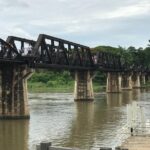
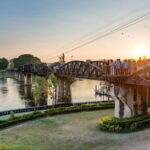
Next comes the River Kwai Bridge area and the Death Railway connection. You’ll walk along the bridge over the River Kwai, and you’ll have about 2 hours for this segment, with admission included.
Two hours sounds generous until you realize it includes movement, viewpoints, and time to pause and look. This stop is a key reason people do this tour in the first place: you get to experience the bridge as a physical place, not just an image online. The water below, the rail elements, and the way people gather in this area all make it feel like history you can stand next to.
Here’s how to get the most out of it: slow down at least once. Take a minute to look down toward the river and then look along the bridge line. That simple back-and-forth view helps you understand why the Death Railway is tied to both suffering and geography. The bridge isn’t only a symbol; it’s also a piece of infrastructure in a specific setting.
Photos are likely. Do them, but don’t let your phone replace your attention. This is a place where the setting is beautiful, yet the story is tragic. You’re better off treating the visuals like context rather than a backdrop.
If you’re traveling with someone who wants quick photo stops, set a shared plan now: agree on where you’ll spend extra time, then agree on a time to meet again if you split up briefly. The longer you wander without a plan, the easier it is to lose momentum before the train segment.
Death Railway train trip: countryside views with wartime weight
The day’s standout transport moment is the train trip along the Death Railway. It happens after the bridge walk, around 11:10 am, and it’s built into the tour as the next major experience.
This is the part that people remember because it’s not pretend. You’re on a train line tied to the broader Burma Railway story, and you’ll be seeing countryside along the way. That scenery shift—from memorial spaces to open views—creates a strong emotional contrast, and it can hit people harder than they expect.
I’d go in with two expectations at once:
1) You’re there for the historical context, not a thrill ride.
2) You’ll still enjoy watching the countryside pass because that’s part of how the journey feels real.
Practical mindset helps: this is a set-time day, so you’ll want to be ready when the group moves. Wear clothing that works for train air movement and sun, and keep your essentials easy to access. Since lunch is later (around 13:45), you’ll also be glad you packed a small snack if you tend to get hungry early—nothing in the basic schedule replaces that midday meal.
Also, keep your tone respectful on the train. People come here with different levels of connection to the story. If you keep it calm, the ride will feel like part of the same narrative rather than just a break from walking.


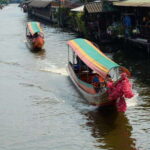
Lunch at the restaurant by the river: the calmer stretch you need
At about 13:45, lunch is provided at a restaurant. After the bridge walk and train ride, this is a big deal because it brings the day back to a steadier rhythm.
The exact style isn’t stated in the core details, but one write-up highlighted a buffet-style lunch with wonderful views over the river. Either way, the main value is that you’re fed without having to make decisions. On a long day with early pickup, decision-fatigue is real.
Use lunch time to reset your brain. If you’ve been reading and absorbing WWII material all morning, the meal helps you shift back into “tour mode” for the return. Also, if you have questions for your guide, lunch is often the easiest moment to ask follow-ups—without the pressure of keeping to the next stop.
If you’re the kind of person who gets motion sickness on trains, it might help to eat lightly and avoid heavy, oily foods. That’s general advice, but it can make the ride-to-lunch transition feel smoother.
Kanchanaburi area time and the return to Bangkok by 15:00
After lunch, the plan includes visiting the Kanchanaburi area, with time built in after the river-side meal. The exact sights aren’t spelled out in the provided details, so treat this as flexible time in the region rather than a guaranteed specific landmark.
Then you depart from the restaurant to Bangkok around 15:00. That means the return is relatively early compared to some day trips that stretch late into the evening. You still get a full day out of it, though, so make sure your Bangkok plans after 15:00 are forgiving.
If you’re traveling with kids or people who don’t love memorial content, this part of the schedule can be the sweet spot. It’s where the tone can lighten a bit compared to the cemetery and museum. Keep expectations realistic: this is still a Death Railway day, so you won’t escape the story, but you’ll likely feel the change.
Price and logistics: is $80.67 good value for what you get?
At $80.67 per person for about 10 hours, this tour can be a solid value if you want a one-day, guided “best hits” experience from Bangkok. You’re not just buying a ride. You’re paying for:
- Hotel pickup from Bangkok city areas starting at 6:00 am
- Guided stops tied to the Death Railway story
- Admission included for the War Cemetery, JEATH War Museum, and the River Kwai Bridge segment
- A lunch stop around 13:45
- The Death Railway train trip as part of the day
That adds up quickly when you compare the cost of arranging transport, paying for multiple admissions, and booking a day trip yourself. The group size maxing at 10 travelers also suggests you’re not stuck in a huge crowd, which often makes the day feel more manageable.
Now, the balanced part: not every experience is perfect. Some feedback points to logistics hiccups, including a poorly organized moment and vehicle/driver concerns (for example, a comment about a dodgy bus and driver). I can’t tell you how your specific day will run, but I’d treat this as a day-trip operator situation: show up early, confirm your pickup, and keep your expectations grounded.
If you care most about smooth, polished operations, ask about vehicle details the day before and make sure your pickup location is clear. If you care most about the actual sites and the train ride, this tour’s structure is strong.
What to pack for a bridge walk and a train ride
This day mixes walking, outdoor viewing, and train time. Pack like you’re combining sightseeing with a commute.
Bring:
- Comfortable walking shoes for the bridge area
- Sun protection (hat/sunglasses/sunscreen)
- A light layer for early morning air and train comfort
- Water bottle, especially since lunch arrives around 13:45
- A charged phone for the mobile ticket
If you’re planning to take lots of photos, consider power protection: a small power bank can save the day. And if you want to read museum signs, bring a bit of patience. Thirty minutes goes fast when you’re stopping to absorb details.
Who this trip suits best (and who should think twice)
I’d steer you toward this tour if you want:
- A one-day way to experience River Kwai and the Death Railway from Bangkok
- A guided route that pairs memorial sites with the physical bridge and the train experience
- A smaller group day (max 10), which can make timing feel less chaotic
Think twice if:
- You hate early mornings and long transport days
- You want a light, entertainment-first itinerary (this route is heavy in subject matter)
- You’re extremely sensitive to service hiccups, since some feedback mentions organization and vehicle concerns
If you’re traveling with someone who’s new to WWII history, this tour can be a good entry point because it orders the story logically: cemetery context, museum background, bridge place, then train.
Should you book this Bangkok to River Kwai Death Railway train tour?
I’d book if you want the most direct, guided way to connect the emotional memorial side with the physical bridge and an actual Death Railway train ride—within a single 10-hour day. The value case is strong for the mix of hotel pickup, multiple admissions, and lunch, and the small max group size keeps things from turning into mass chaos.
I’d pause before booking if you’re the type who needs flawless logistics above all else, especially after seeing comments about pickup/organization and vehicle quality. If you do book, fix what you can: confirm pickup clearly, show up early, and go in prepared for a solemn morning that doesn’t rush past the story.
FAQ
What time does pickup start in Bangkok?
Pickup starts at 6:00 am in the Bangkok city area, and the tour begins from there.
How long is the tour from Bangkok to Kanchanaburi?
The duration is about 10 hours (approx.).
What are the key stops and activities?
You visit the Kanchanaburi War Cemetery, JEATH War Museum, walk along the Bridge over the River Kwai, and take a train trip along the Death Railway. You’ll also have lunch and some time to visit the Kanchanaburi area.
Is hotel pickup included?
Yes, pickup from hotels in the Bangkok city area is offered.
Is lunch included?
Yes. Lunch is provided at a restaurant around 13:45.
Are admission tickets included for the war cemetery and museum?
Yes. Admission tickets are included for the Kanchanaburi War Cemetery and JEATH War Museum, and admission is also included for the River Kwai Bridge segment.
How big is the group?
The tour has a maximum of 10 travelers.
Is free cancellation available?
Yes. You can cancel for free up to 24 hours in advance of the experience’s start time for a full refund.