REVIEW · CHIANG MAI
Eco-Friendly: Doi Inthanon & Pha Dok Siew Trekking Day Trip
Book on GetYourGuide →Operated by Lotus Odyssey · Bookable on GetYourGuide
Doi Inthanon puts Chiang Mai on higher ground. This 10-hour day trip strings together Thailand’s highest viewpoints, a short jungle walk on the Pha Dok Sieo nature trail, hill-tribe culture stops, and the kind of waterfall time you actually plan your day around.
I really like the mix: the King’s and Queen’s Pagodas plus the high-elevation views feel like a clear win for photos, even if you’re not a hardcore hiker. I also like that the day includes a village visit and lunch, so you’re not spending the whole time “just walking and waiting.”
The main drawback is that the trekking stretch is not wall-to-wall wow moments. If you’re expecting constant scenic surprises every few minutes, this route may feel a bit slower than you want, especially on overcast or misty days.
In This Review
- Key highlights to look forward to
- How this Doi Inthanon trip fits a tight Chiang Mai schedule
- First stop at the top: highest point energy and the pagodas
- The Pha Dok Sieo nature trail trek: what to expect from a 2-hour walk
- Mae Klang Luang and the hill-tribe experience: market, village, and coffee roasting
- Wachirathan Waterfall: the day’s big payoff and swim time
- Why the eco-friendly angle matters on a day like this
- Price and logistics: is $54 good value with park fees?
- What to pack for cooler peaks and wet trail moments
- Who this trek is for (and who should skip it)
- Should you book this Eco-Friendly Doi Inthanon and Pha Dok Siew day trip?
- FAQ
- How long is the tour?
- What does the tour price include?
- What entrance fees are not included?
- Is the tour guide available in English?
- How much trekking is included?
- Do you stop at markets and a village?
- Is there time to swim at Wachirathan Waterfall?
- What should I bring and avoid?
Key highlights to look forward to
- Thailand’s highest spot plus the famous King and Queen Pagodas on a guided visit
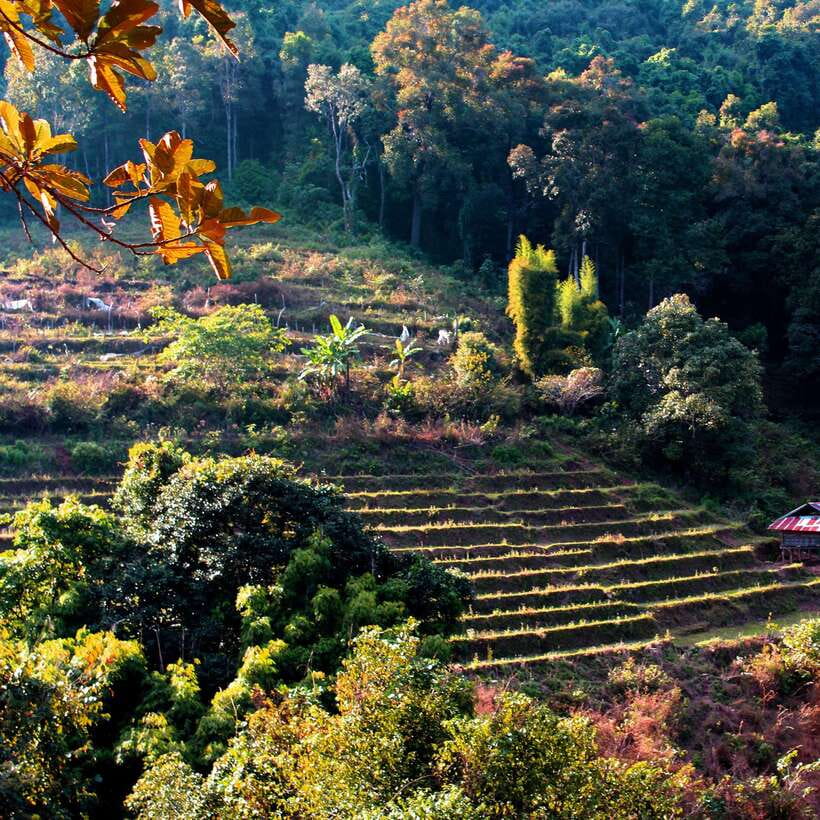
- A 2-hour trek on the Pha Dok Sieo nature trail (good effort, not a long endurance grind)
- Mae Klang Luang area culture time, including the Hmong Market and a White Karen Hill tribe village visit
- A practical food moment: lunch included and a stop at a coffee roasting plant
- Wachirathan Waterfall with time to cool off, often the most memorable part of the day
How this Doi Inthanon trip fits a tight Chiang Mai schedule
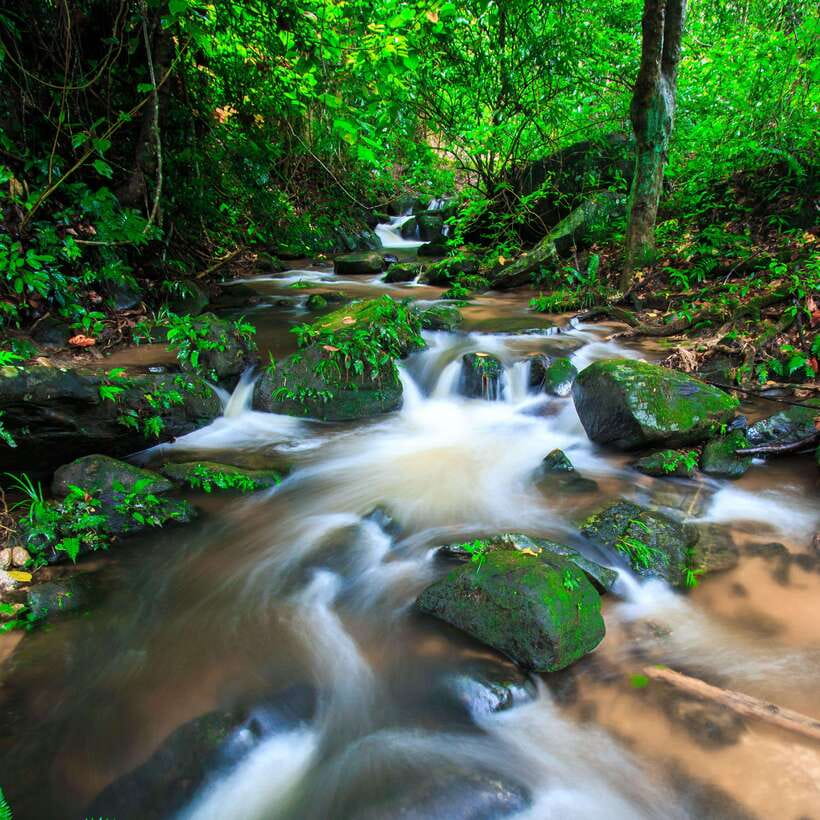
Chiang Mai makes it easy to do big nature days. This one is built for a full day without the hassle of self-driving, and that matters when you’re going to cooler, higher elevations. You’ll start with pickup in Chiang Mai, then spend time traveling by van to Doi Inthanon National Park.
The itinerary is structured around a rhythm: viewpoint stops, a focused trek, a cultural village block, and then a final payoff at a waterfall. If you only have a few days in northern Thailand, this kind of “one-day hit list” is often the most efficient way to see Doi Inthanon without committing to overnight logistics.
You can also read our reviews of more hiking tours in Chiang Mai

First stop at the top: highest point energy and the pagodas
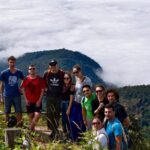
You begin at the highest area on Doi Inthanon. After the drive, you’ll visit the Grand Pagoda Nabhapolbhumisiri, which is part of the well-known King’s and Queen’s Pagodas complex. These pagodas are more than pretty buildings; they’re a great way to understand how locals express reverence in a mountain setting.
Practical tip: go easy on your first 20 minutes. Even if you’re fit, the altitude plus cooler air can make you feel a bit less “springy.” Bring your warm layer early, and treat the first pagoda stop like your slow warm-up for the day’s walking and photos.
The guide’s role here is important. You’ll get context as you move through the complex and learn what to notice. If English explanations aren’t your strong point, still lean on the visuals—these pagodas are built for viewing from multiple angles.
The Pha Dok Sieo nature trail trek: what to expect from a 2-hour walk
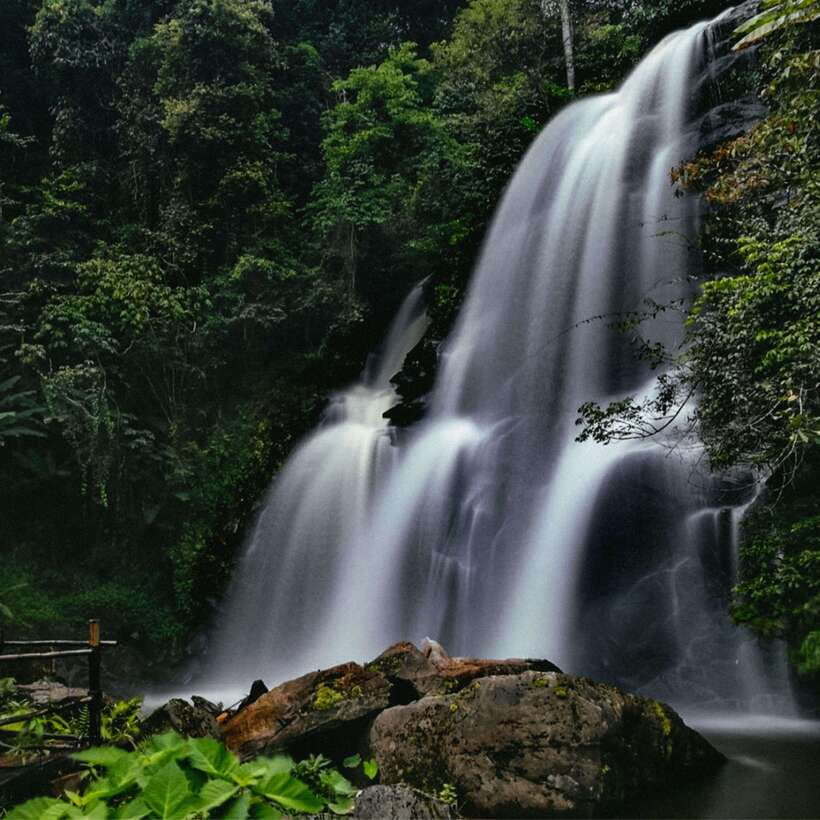
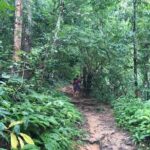
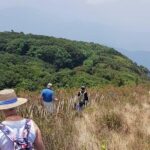
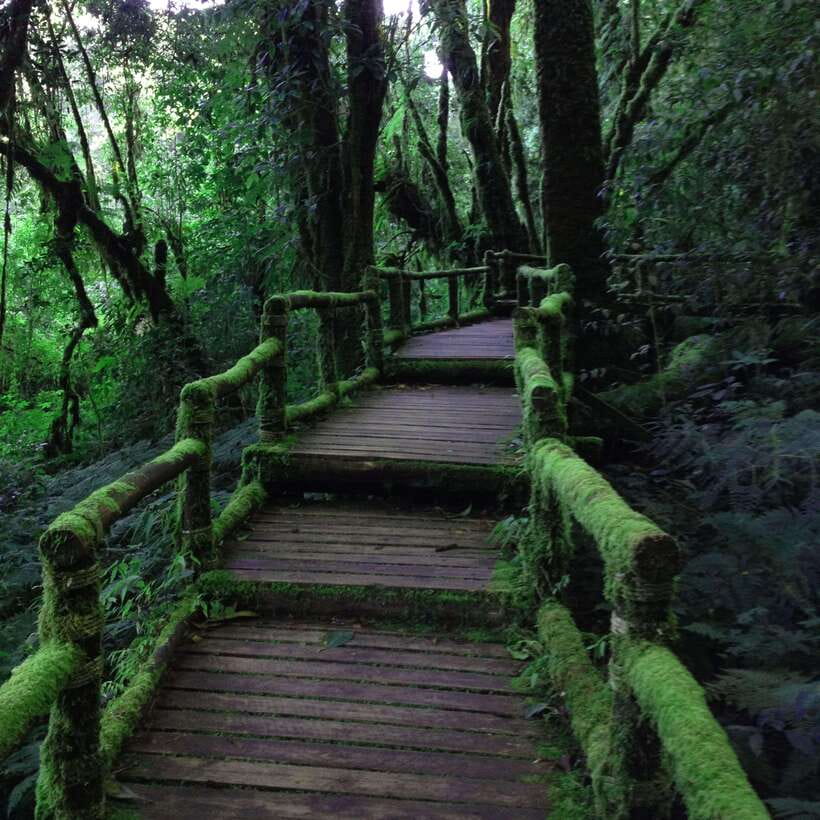
The centerpiece hike is the 2-hour trek along the Pha Dok Sieo Nature Trail. This isn’t a technical climb, but it is a real trek—your shoes will matter, and you’ll be walking on uneven ground that’s typical for forest trails.
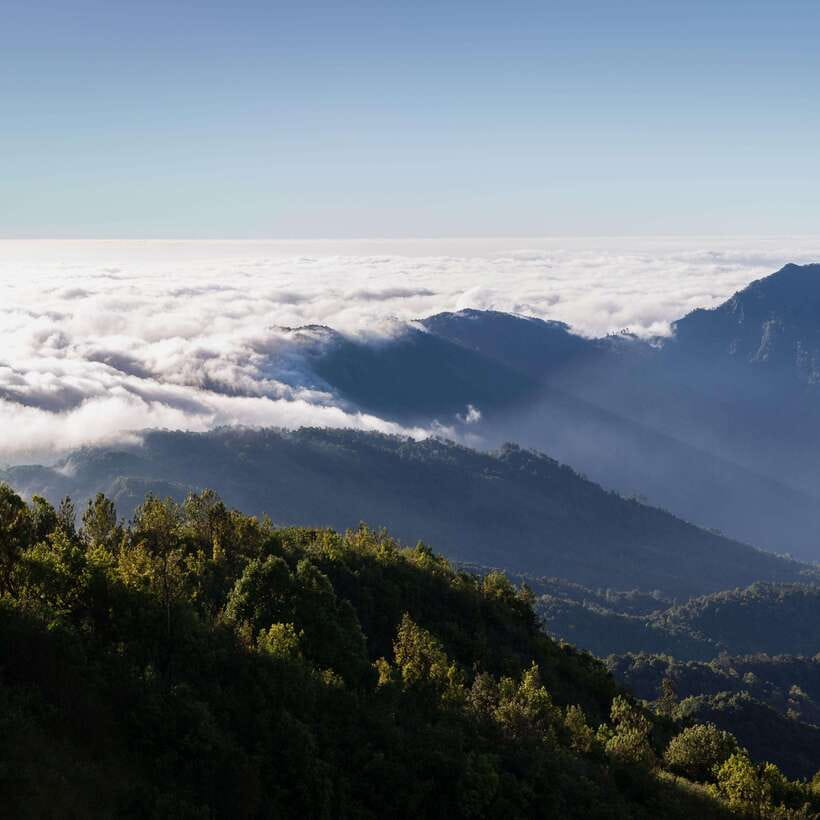
Here’s the honest mindset I’d suggest: this walk is about being in the woods, hearing birds, spotting greenery, and taking short breaks—not about expecting dramatic “movie scene” scenery at every turn. On clear days, you’ll get more view moments. On mistier days, it can feel quieter and more about atmosphere.
What you’ll want to bring into this portion of the day:
- Comfortable shoes with grip (no slippery soles)
- Water
- Insect repellent (forest trekking time usually means you’ll want it)
- Rain gear because mountain weather shifts fast
- A camera, since you’ll pass through spots that are photo-worthy even when it’s not sunny
Also note the trip’s fitness fit. This isn’t designed for low-mobility needs, and it’s not suitable for people with back problems.
Mae Klang Luang and the hill-tribe experience: market, village, and coffee roasting

After the trek, you shift from forest to community life. You’ll visit Mae Klang Luang, which is tied to White Karen Hill tribe communities, and you’ll also stop at the Hmong Market. It’s a smart pacing choice: you get active in nature, then switch to culture and food where the day slows down.
This is one of the most valuable parts of the itinerary because it’s not just “look and leave.” You’re given time to see how people live in the region and how goods move in local markets. You’ll also get a guided explanation, which helps you move past surface-level sightseeing.
Then comes a very practical, often memorable stop: a coffee roasting plant in the village. Even if you don’t consider yourself a coffee person, this is the kind of stop that makes a place feel real. You’re not only tasting or buying—you’re seeing how the product gets processed, which gives you something to remember after the van ride ends.
One more important detail: you’ll have lunch during the day at the Doi Inthanon area. Since lunch is included, you don’t have to spend time searching for food mid-trek, and you can keep your energy steady for the afternoon waterfall.
Wachirathan Waterfall: the day’s big payoff and swim time
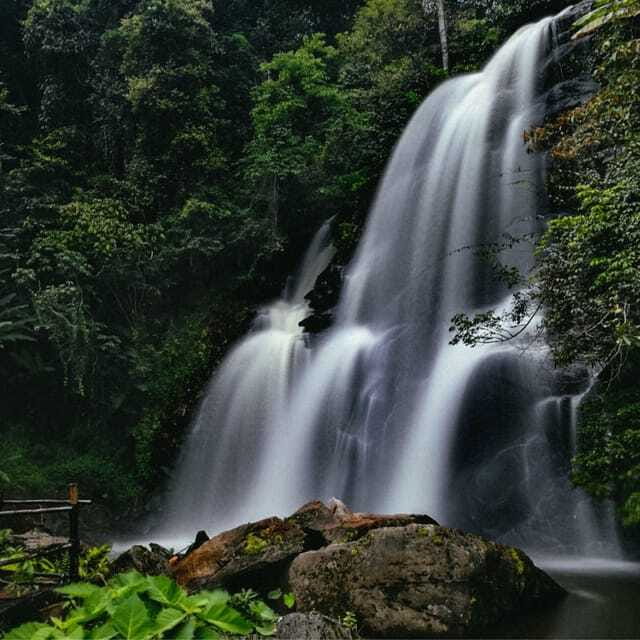
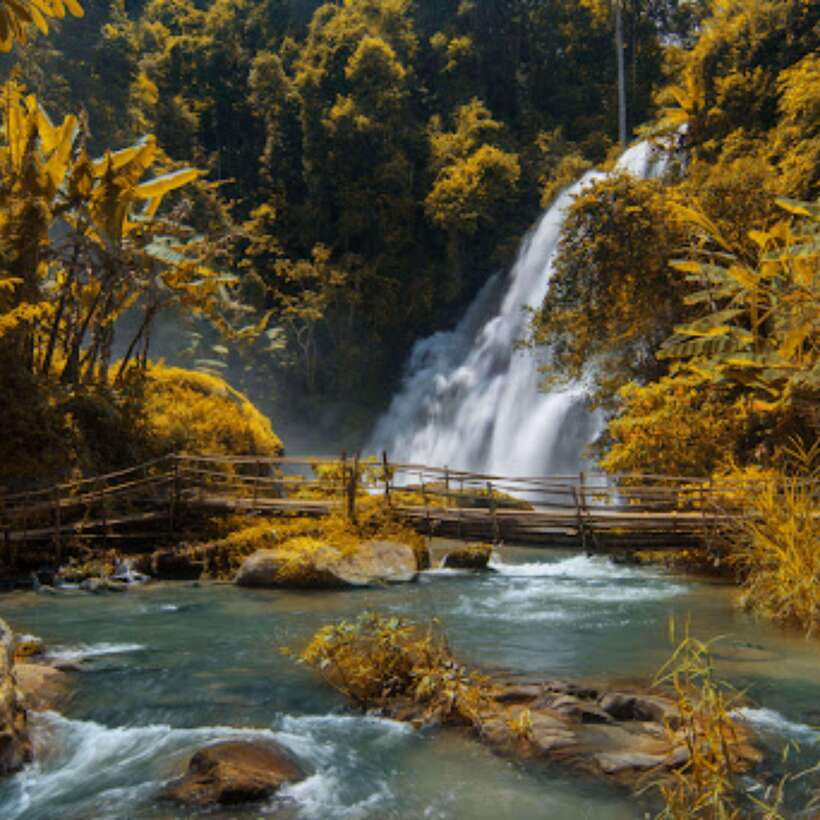
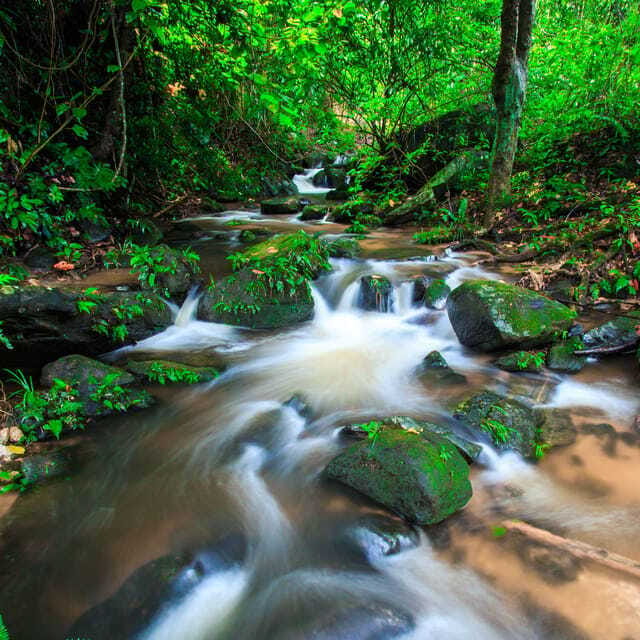
If you only remember one stop from this trip, make it Wachirathan Waterfall. This is the part that tends to hit hardest because it changes the whole tone of the day from walking to cooling off.
You’ll reach Wachirathan in the later portion of the itinerary, with guided time at the falls. The highlights specifically call out that you can take a refreshing swim, which is the reason this waterfall is worth the effort. Even if you don’t swim, plan for wet mist in the air and bring patience. Waterfalls take time to fully enjoy because you’ll want to move around for different viewing angles.
Practical tip: wear footwear that can handle getting splashed, and keep an eye on footing near water. If you’re the type who likes photos, you’ll probably end up here longer than you think, because water creates endless lighting changes.
Afterward, you’ll head back toward Chiang Mai by van. The drive time gives you a chance to rest your legs and reset before the day ends.
A few more Chiang Mai tours and experiences worth a look


Why the eco-friendly angle matters on a day like this
This trip is marketed as eco-friendly, and the “green” part is more than branding when you follow the rules. You’ll be in a national park setting and in community areas where respect is not optional.
The trip includes clear behavior expectations:
- No littering
- No smoking
- No touching plants
Those rules aren’t just for show. They protect the trail and the forest edges you’re walking through. In hill-tribe and market spaces, the same mindset matters: you’re a visitor, not a commander of the environment.
Also, the small group size (limited to 10 participants) helps reduce pressure on trails and viewpoints. It makes it easier for the guide to keep the group together without turning the day into a constant scramble.
Price and logistics: is $54 good value with park fees?
At $54 per person, this day trip is priced like a solid guided day, especially since the tour includes transportation, insurance, a tour guide, and lunch. For many people, that’s the key value: you pay to remove decision fatigue—routes, timing, and transfers are handled.
Then there are separate entrance fees you should budget for:
- Doi Inthanon National Park entrance: 300 Baht
- The Pagodas entrance: 100 Baht
So your total spending will be your tour price plus those fees. I’d treat that as a normal “pay at the door” reality for national parks and major sites. Since you’re already paying for guide time and van time, those extra entrance costs usually feel fair rather than surprising.
One logistics factor to consider is the pacing across a 10-hour day. You’ll be in the van for a while, and the total time adds up. That’s not a flaw—it’s how Chiang Mai day trips work when you go far into the mountains.
What to pack for cooler peaks and wet trail moments
At Doi Inthanon’s highest points, it can be much cooler than downtown Chiang Mai. So plan your clothing like you’re doing layers, not one outfit that works all day.
Use this packing list as your baseline:
- Comfortable shoes
- Warm clothing
- Rain gear
- Sunscreen
- Water
- Insect repellent
- Camera
If you want a smoother day, add one more habit: pack for both sun and mist. Even when the morning starts clear, mountain weather can flip quickly after you’re already committed to the day’s schedule.
Who this trek is for (and who should skip it)
This is a good match if you want:
- A guided day with clear highlights
- A manageable hike (2 hours of trekking)
- A culture mix that includes markets and village time
- A high-reward ending at Wachirathan Waterfall
It’s not suitable for:
- Pregnant women
- People with back problems
- People with low level of fitness
That matters because the day mixes van travel with trekking time and time on uneven ground near waterfall areas. If you’re on the edge fitness-wise, be honest about your comfort before booking.
Should you book this Eco-Friendly Doi Inthanon and Pha Dok Siew day trip?
Book it if you want one day that covers a lot of northern Thailand in a way that feels organized: pagodas first, then a forest trek, then community and coffee, and finally the waterfall reward. With lunch included and a small group size, it’s an efficient way to get real mountain and village experiences without juggling details.
Skip it if you’re the type who needs constant scenery thrills on the hike itself. The trekking portion is short but it can feel calm and quiet depending on conditions, and the day’s big emotional payoff leans heavily toward Wachirathan Waterfall.
If you decide to go, I’d focus on the right expectations: treat the trek as forest time, treat the pagodas as your scenic anchor, and treat Wachirathan as the finish line. That mindset turns a long day into a satisfying one.
FAQ
How long is the tour?
The experience runs for about 10 hours.
What does the tour price include?
Transportation, insurance, a tour guide, and lunch are included.
What entrance fees are not included?
You’ll need to pay 300 Baht for the Doi Inthanon National Park entrance and 100 Baht for the pagodas entrance.
Is the tour guide available in English?
Yes, the tour includes a live English-speaking guide.
How much trekking is included?
You’ll do about a 2-hour trek on the Pha Dok Sieo Nature Trail.
Do you stop at markets and a village?
Yes. You’ll visit the Hmong Market and a White Karen Hill tribe village area in Mae Klang Luang, including a coffee roasting plant stop.
Is there time to swim at Wachirathan Waterfall?
The experience highlights include time at Wachirathan Waterfall with the option for a refreshing swim.
What should I bring and avoid?
Bring comfortable shoes, warm clothing, sunscreen, water, rain gear, and insect repellent (plus a camera if you want photos). Smoking, littering, and touching plants are not allowed.