REVIEW · CHIANG MAI
Chiang Mai: Authentic Thai Cooking Class and Farm Visit
Book on GetYourGuide →Operated by Grandma's Home Cooking School · Bookable on GetYourGuide
Farm-fresh Thai curry beats takeout every time. This cooking class starts on an organic farm, where you walk through herb beds, harvest vegetables, and even collect eggs and help feed the chickens. Then you move into a cooking setting with everything you need to turn those ingredients into real Thai flavors.
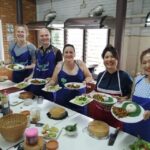
I especially like the small group setup (up to 10 people) and the individual cooking stations, which makes it feel hands-on instead of like a big show. With an English-speaking instructor, you get guidance while still having control over your own dishes.
One drawback to plan for: you can leave very full. Between market shopping, farm snacks, and a meal that’s often more than you expect, it helps to come hungry and be ready for leftovers.
In This Review
- Key things to know before you go
- A farm visit that actually changes how you cook in Chiang Mai
- Half-day vs full-day: choose your dish count and your coconut-milk obsession level
- Half-day class: 3–4 dishes (morning or evening)
- Full-day class: add two more courses (and make coconut milk)
- Hotel pickup and the market stop: where you start tasting with purpose
- Organic farm walk: herbs, vegetables, eggs, and chicken feed
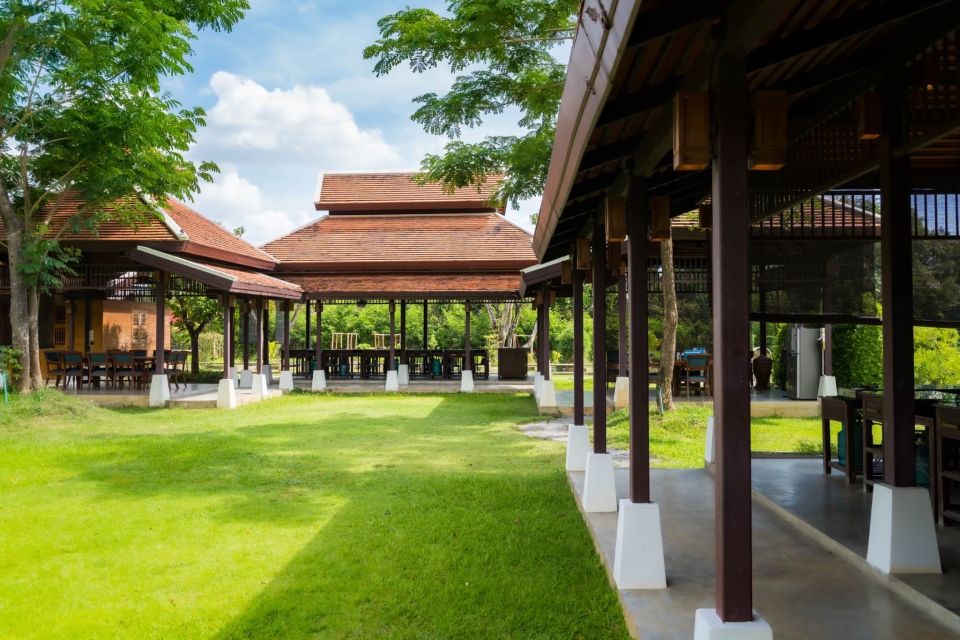
- Lanna pavilions and individual stations: curry paste that’s truly yours
- What you’ll cook: Thai classics and the choices that shape your meal
- Eating together: why the meal part feels like a reward, not an afterthought
- Price and value: is $33 per person a bargain?
- Who this cooking class suits best in Chiang Mai
- Tips so you’re comfortable (and not miserable) during the farm-to-kitchen flow
- Should you book this Chiang Mai cooking class?
- FAQ
- How long is the Chiang Mai cooking class?
- What dishes can I expect to cook?
- Is hotel pickup included?
- Do I visit both a market and an organic farm?
- Do I make curry paste in the class?
- Is coconut milk included, and does it happen in the full-day class?
- Are vegetarian or halal options available?
- Is the class taught in English, and is it for non-Thai residents only?
- Can I cancel and get a refund?
Key things to know before you go
- Organic farm time with real chores: pick vegetables, collect eggs, and feed the chickens
- Small-group cooking with your own station: less waiting, more actual hands-on time
- Market visit for ingredient basics: learn what matters and why it changes the flavor
- Hands-on curry paste building: you make the paste yourself instead of relying on shortcuts
- Full-day extra step: coconut milk with a coconut grater: great if you want to understand that sweet, rich flavor
A farm visit that actually changes how you cook in Chiang Mai
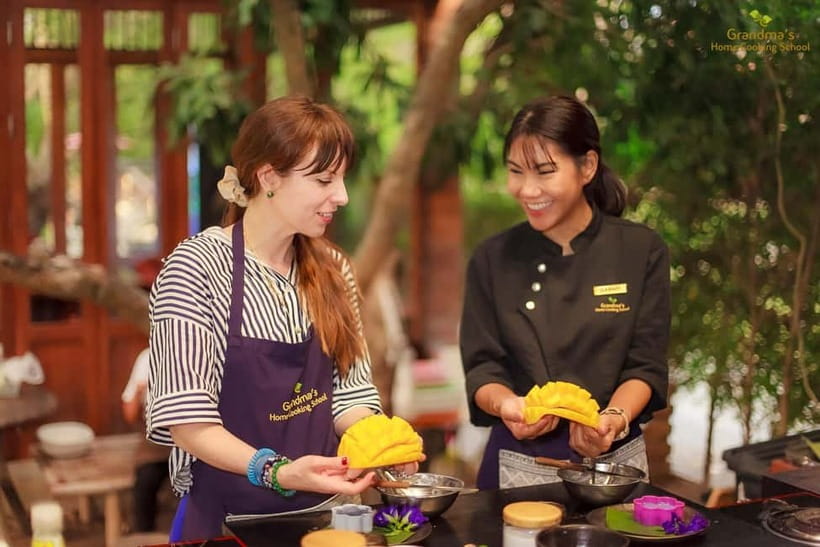
What makes this experience work is the order of operations. You don’t just arrive, chop onions, and call it Thai cooking. You start with the ingredients as they grow, then you learn how Thai flavors get built—piece by piece—back in the kitchen.
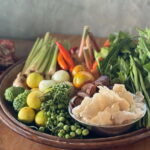
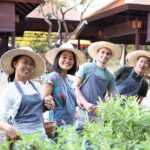
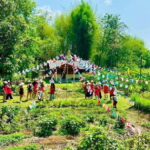
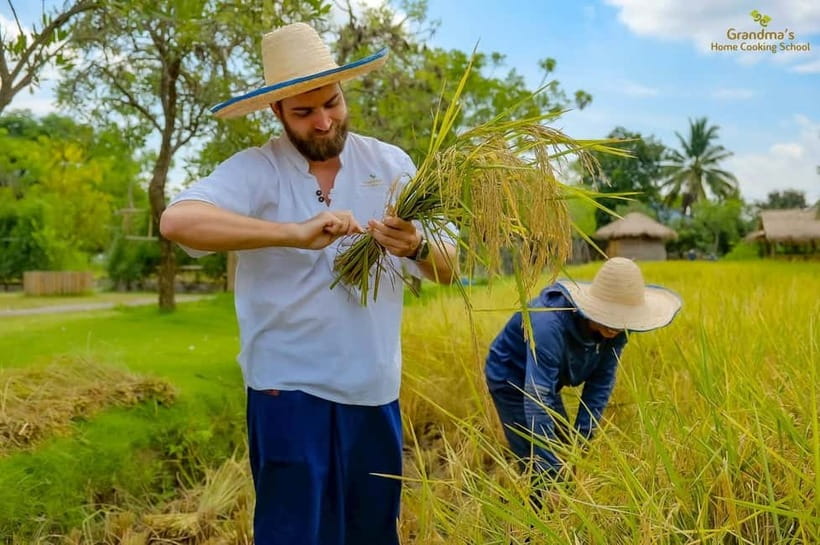
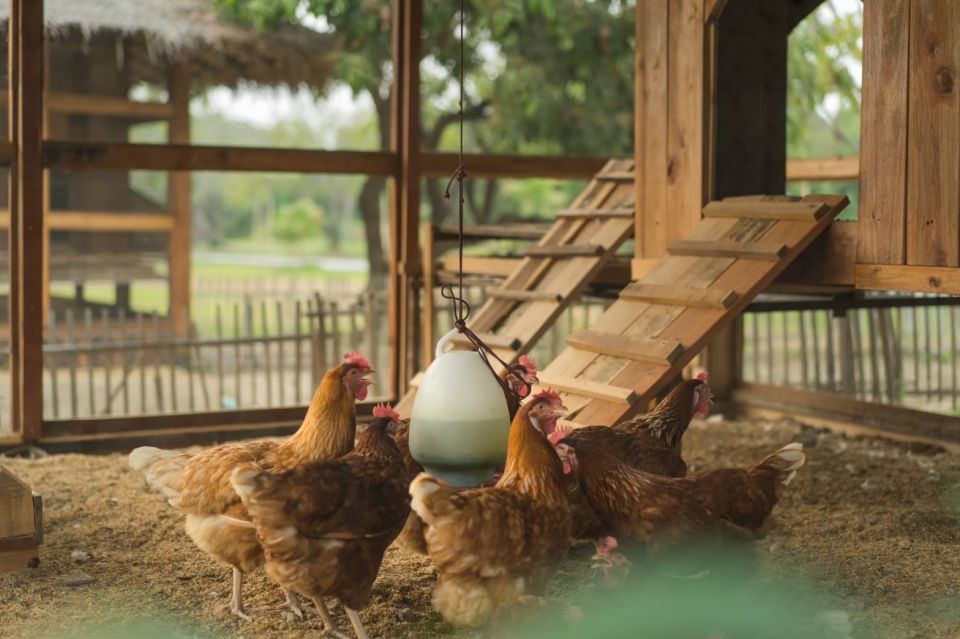
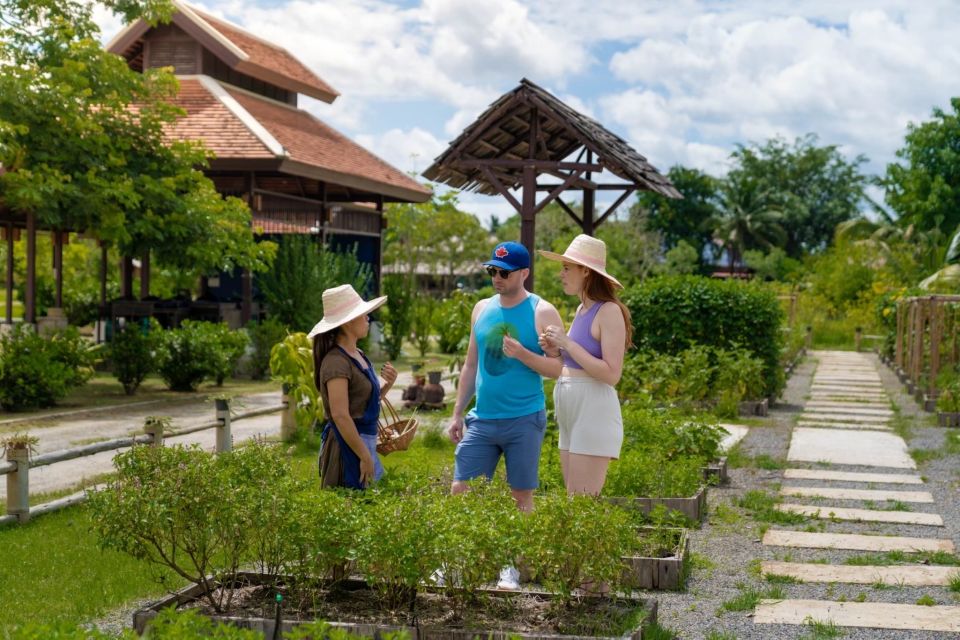
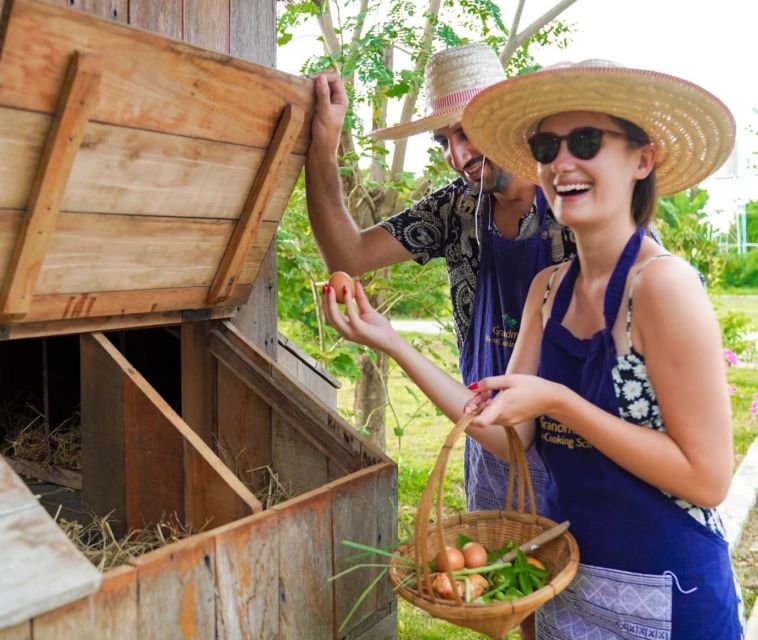
At the organic farm, you’ll get a guided walk that focuses on herbs and vegetables, not just pretty photos. You’ll also pick fresh vegetables for your dishes and collect eggs you’ll use in the cooking. Some farm time also includes feeding the chickens, and in several guides’ stories you’ll even have the chance to see or handle them. It’s a gentle, educational rhythm that makes the later cooking feel connected.
This is also where the value shows up. If you’ve ever bought a Thai cooking class but felt like it was mostly pre-measured ingredients, you’ll probably appreciate this more. Seeing what goes into the dishes first helps you taste with a sharper understanding later.
You can also read our reviews of more cooking classes in Chiang Mai
Half-day vs full-day: choose your dish count and your coconut-milk obsession level
You can choose a half-day format or a full-day format. Either way, hotel pickup is included, and the class is designed around a small group.
Half-day class: 3–4 dishes (morning or evening)
The half-day option is built for people who want a solid Thai meal without losing an entire day. In this session you cook three or four dishes, then eat together at the end. Pickup timing follows the session:
- Morning pickup is around 8:30–9:00 AM
- Afternoon pickup is around 11:30 AM–12:00 PM
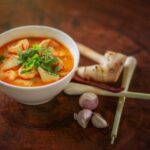
The exact dishes can vary based on what’s offered on your menu, but you should expect Thai classics such as Tom Yum Koong, Pad Thai, Pad Kra Prao, and curry-style dishes. Mango sticky rice is commonly served at the end.
Full-day class: add two more courses (and make coconut milk)
If you go full day, you’ll cook an extra two courses. This is also the session where you get a traditional Thai method for coconut milk. The highlight is making your own coconut milk using a coconut grater (not just opening a can and moving on).
That difference matters. Coconut milk is a huge part of Thai curry and mango sticky rice texture. When you grate the coconut and make the milk yourself, you understand why the flavor is sweet, creamy, and not just rich for the sake of it. You’ll likely cook with that knowledge right away, especially if one of your dishes uses coconut milk for curry or mango sticky rice.
Hotel pickup and the market stop: where you start tasting with purpose
You’ll be picked up from your hotel in Chiang Mai if it’s within 10 kilometers of the city center. You wait in the hotel lobby, and then the group heads to the first key stop: the local market.
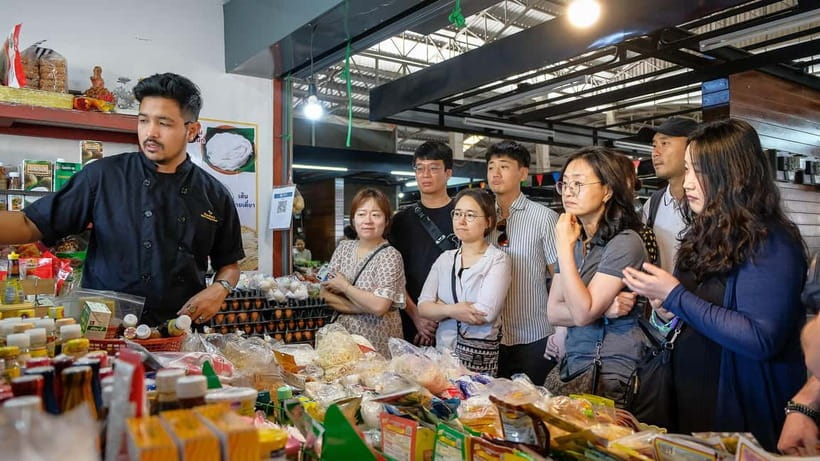
Before you cook anything, you’ll learn how to shop like a cook, not like a tourist. The market visit is there to teach you the important ingredients that make Thai food taste Thai—things like aromatic herbs, chili types, sour notes, and the balance that stops a dish from being one-dimensional. You’ll also buy the ingredients needed for your dishes.
This is one of the most useful parts for you at home. Even if you never replicate the exact Thai brands, you can still recreate the flavor logic once you know what each ingredient does.
If you’re wondering what the market time feels like: you’ll get instruction, then usually some time to roam and look around. In several experiences, the market guide is described as funny and friendly while walking you through ingredients before you cook.
A few more Chiang Mai tours and experiences worth a look

Organic farm walk: herbs, vegetables, eggs, and chicken feed
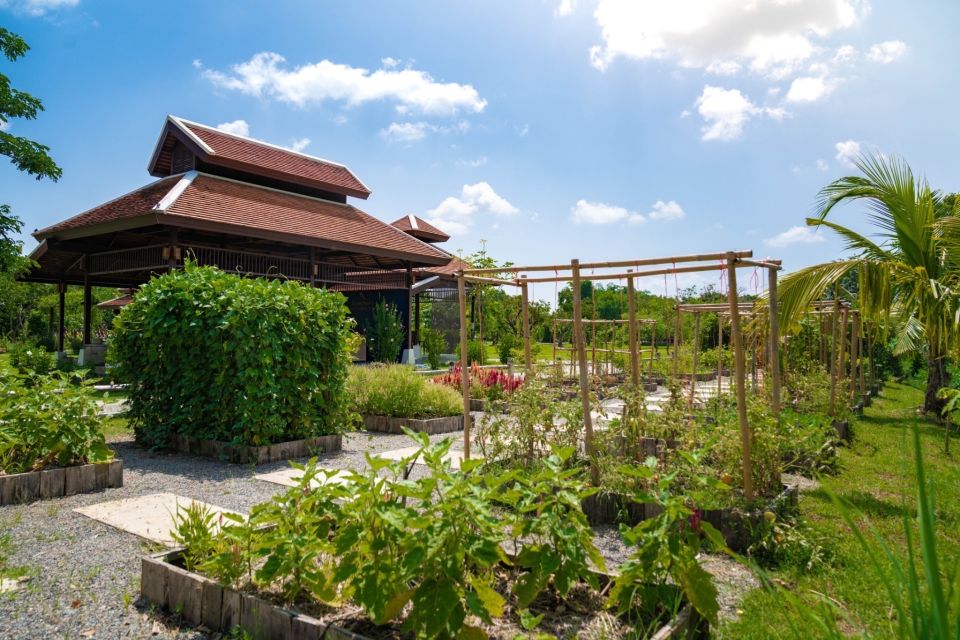
The farm visit is the highlight that people remember long after the recipes fade. It’s also where this class feels more authentic than the typical cooking workshop.
Here’s what you can expect during your farm time:
- A walk-through of Thai herbs and vegetables
- Picking fresh vegetables for your cooking
- Collecting eggs for your dishes
- Learning farm routines, including feeding the chickens
You’re not just being shown around. You’re being brought into the farm process. That matters because Thai dishes often depend on freshness and aromatics. When you pull a herb or vegetable straight from the garden, you get a stronger sense of scent and flavor, and it’s easier to know what you should be aiming for later.
The farm setting is also a nice pace change. You move from shopping and instructions into open air walking and hands-on harvesting. If you come during warmer Chiang Mai hours, wear comfortable shoes and plan for sun.
Lanna pavilions and individual stations: curry paste that’s truly yours
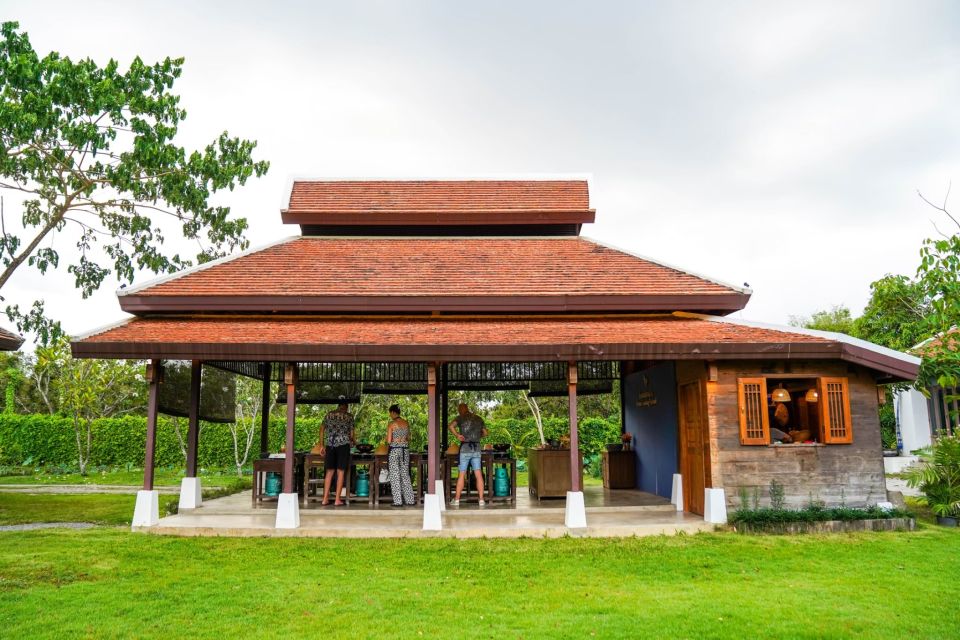
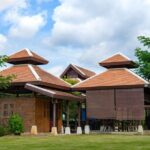
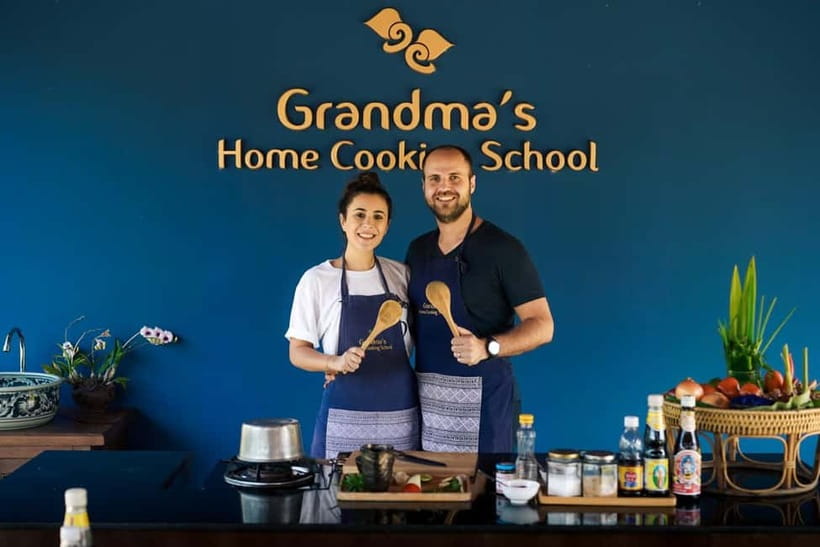
After the market and farm, you head back to the classroom area—often described as set up in an AC room for comfort. The cooking happens at individual stations, which is a big deal. It means you’re not just watching while someone else does the work.
You’ll start by choosing what you want to cook from the menu. Then your English-speaking instructor guides you through each dish step-by-step. A repeated highlight in these classes is that the instructor helps you make curry paste with your own two hands. Instead of buying paste and calling it a day, you build the base flavors yourself.
Why that matters:
- You learn what the paste should smell and taste like at different stages
- You understand how fresh aromatics change the final curry
- When you cook again later, you can adjust heat and balance more confidently
Many instructors mentioned in class experiences include Garnet, Toon, Tay, Joy, Kiki, Jimmie, and Le Vin. Even when the exact person changes by day, the common thread is clear English and patient coaching—so you can ask questions while you cook rather than waiting your turn.
What you’ll cook: Thai classics and the choices that shape your meal
The menu choices can vary by session, but the core dishes you should expect are well known Thai favorites. Based on what’s offered, you may cook dishes like:
- Tom Yum Koong (Thai sour-spicy shrimp soup)
- Pad Thai
- Pad Kra Prao (basil stir-fry style dish)
- Curry (with multiple possible curry options)
Some experiences describe a typical half-day structure that includes a soup choice, pad Thai, and one curry option, plus mango sticky rice at the end. Full-day adds extra courses on top of that.
If curry paste is on your list, treat it like the centerpiece. Even if you’re not a huge curry person, the paste-building practice can be useful for future cooking. You’ll see how Thai flavor balance comes from layering aromatics, saltiness, and heat.
You might also get mango sticky rice as a final sweet. If you do the full-day class, you may make coconut milk that directly supports that creamy, sticky rice texture.
Eating together: why the meal part feels like a reward, not an afterthought
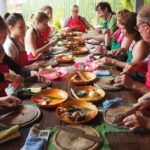
Once you finish cooking, you sit down and enjoy the results with your group. This isn’t a light snack. Between farm-fresh ingredients and a handful of dishes, you should expect a meal that fills up your day.
A few practical notes from real experiences:
- The food amount can be more than you expect, so it’s smart to go with an appetite.
- If you want to reduce waste, you can often ask for containers to take food home.
That matters because the class is designed to let you share and compare. You’ll also have a chance to sample others’ cooking. That social element turns it into a mini dinner party, not just a cooking demonstration.
Price and value: is $33 per person a bargain?
At about $33 per person, the price can feel like a sweet deal—if what you care about is experience quality, not just the food.
Why the value is strong:
- You’re paying for more than a recipe lesson. You get hotel pickup and drop-off, a market visit, and an organic farm visit.
- You cook in a small group with individual stations, so you actually do the work.
- The price includes an e-recipe book, so you can recreate what you learned later.
- It’s English instruction, which is a big help if you want to understand ingredients rather than just follow steps.
Could it be expensive if you only want a single dish or two? Yes. If your goal is quick and simple, a shorter street-food option might feel cheaper. But if you want a Thai cooking day that feels connected to ingredients, $33–$35-ish tends to be a good match.
Who this cooking class suits best in Chiang Mai
This is a strong fit if you:
- Want hands-on Thai cooking instead of watching from the sidelines
- Like food experiences that connect to where ingredients come from
- Enjoy structured learning with an English-speaking guide
- Want a day plan that’s easy to drop into your Chiang Mai schedule
It’s also a good option if you’re traveling with someone who wants different pacing. The small group setup means you can move through steps without feeling rushed, and you’ll be able to ask questions during cooking.
You might especially like the full-day option if you’re curious about Thai techniques—particularly the coconut milk process with the coconut grater. If you’re short on time, the half-day format still gives you a real taste of how Thai meals come together.
Tips so you’re comfortable (and not miserable) during the farm-to-kitchen flow
A few practical pointers will make your day smoother:
- Wear comfortable shoes for walking the farm and market areas.
- Bring a sun hat and use sun protection if you’re going during bright hours.
- Don’t plan to go straight into a workout after. The day centers on cooking and eating.
- If you’re sensitive to spice, tell your instructor early. Thai dishes often balance chili heat with sour, sweet, and salty notes, so you’ll want to get the spice level right for you.
If you have dietary needs, the good news is that vegetarian and halal options are available. That’s worth asking about when you book or when you choose your dishes from the menu.
Also note: this tour is applicable for non-Thai residents only.
Should you book this Chiang Mai cooking class?
I think you should book it if you want Thai cooking with a backbone: farm ingredients, a market stop, and curry paste made the traditional way rather than copied from a jar. The small group and individual stations make it feel personal, and the included market + farm time helps justify the price.
Skip it if you’re extremely time-crunched or you only want a quick, casual bite. This is a 4–6 hour experience that rewards curiosity. Come ready to cook, taste, and leave with a better idea of what makes Thai food work.
FAQ
How long is the Chiang Mai cooking class?
The class runs about 4 to 6 hours. You can also choose between a half-day option (morning or evening) and a full-day option.
What dishes can I expect to cook?
You’ll cook popular Thai dishes such as Tom Yum Koong, Pad Thai, Pad Kra Prao, and curry. Your exact menu choices come from what’s available on the class menu. Mango sticky rice is typically served at the end.
Is hotel pickup included?
Yes. Pickup and drop-off are included, with pickup available within 10 kilometers of Chiang Mai city center. Pickup times are around 8:30–9:00 AM for the morning session and 11:30 AM–12:00 PM for the afternoon session.
Do I visit both a market and an organic farm?
Yes. The experience includes a local market visit to learn about key ingredients, plus an organic farm tour where you can pick vegetables and collect eggs.
Do I make curry paste in the class?
Yes. You create your own curry paste with guidance from the instructor.
Is coconut milk included, and does it happen in the full-day class?
Coconut milk is specifically highlighted for the full-day class, where you use a coconut grater to make coconut milk for your curry or mango sticky rice.
Are vegetarian or halal options available?
Yes. Vegetarian and halal options are available.
Is the class taught in English, and is it for non-Thai residents only?
The instructor is English-speaking. The tour is applicable for non-Thai residents only.
Can I cancel and get a refund?
There is free cancellation up to 24 hours in advance for a full refund. The experience also offers reserve now & pay later, so you can book without paying immediately.