REVIEW · CHIANG MAI
Cooking Morning Class Chiang Mai Visit Organic Garden and Market
Book on Viator →Operated by Siam Garden Cooking School · Bookable on Viator
Wok time beats sightseeing. This hands-on class in Chiang Mai pairs a market hunt with an organic garden stop, then turns what you find into lunch at a cooking school. You’ll get hassle-free pickup from select Oldtown hotels and a clear, step-by-step path from ingredients to finished dishes.
I love that the cooking portion is built around one person per wok, so you’re not just watching. I also like the menu freedom: you choose a course-by-course set (including options labeled vegetarian, vegan, and gluten-free), and instructors like Gift and Cream guide the process so your dishes end up tasting like Thai food, not like a guess.
One consideration: the day runs from 9:00 to 14:00-ish, and part of the prep is likely handled in advance to keep the class flowing. If you want total control over every ingredient step from scratch, this may feel a bit more structured than you expect.
In This Review
- Key things that make this class worth your morning
- Hotel pickup, then straight to Chiang Mai flavor basics
- The local market walk: how herbs, fruit, and staples change everything
- Organic garden time: herbs you can actually name
- The cooking class: six course categories, your own menu, and one wok each
- Make curry paste first: why it matters
- Sticky rice with mango and other classics
- Spice control: mild or spicy to match your tolerance
- Dietary options: vegan, vegetarian, and gluten-free
- How the instruction feels in real life
- Dining at the school: air-conditioned room or garden pavilion
- How long it really takes and what to do with the rest of your morning
- Price and value: $13 is not the whole story
- What you’ll probably want to choose (before you go)
- Who this cooking class is best for
- Should you book this cooking morning class?
- FAQ
- What time does the Chiang Mai morning cooking class start?
- Do I get hotel pickup and drop-off?
- How many dishes do I cook?
- Can I choose vegetarian, vegan, or gluten-free options?
- Is alcohol included with lunch?
- Are infants or non-cooking visitors allowed?
Key things that make this class worth your morning
- One person per wok means real cooking time, not spectator time
- Market plus organic garden helps you understand Thai ingredients before you start cooking
- Pick your own dishes and spice level (mild or spicy) across the course categories
- Dietary options are built in: vegetarian, vegan, and gluten-free options are available
- Hotel pickup/drop-off in Oldtown keeps the schedule simple
- Full color online recipe book + online photo albums help you recreate the meal at home
Hotel pickup, then straight to Chiang Mai flavor basics
This morning class is designed for an easy start. Pickup runs from 9:00 to around 9:30, then you head out toward the market area and cooking school. The big win here is logistics: you’re not juggling taxis or figuring out where to meet, especially if you’re staying in the Chiang Mai Oldtown area.
Once you’re on the way, it helps to know what you’re signing up for. This isn’t just a cooking demo. The structure is built to teach you how Thai cuisine works through ingredients: you shop first, then cook with those same items, then eat what you made together as a group.
The schedule is also flexible in the sense that the group may finish a little earlier or later depending on timing. That means you should keep your afternoon buffer clear. Plan something low-key after.
You can also read our reviews of more shopping tours in Chiang Mai
The local market walk: how herbs, fruit, and staples change everything
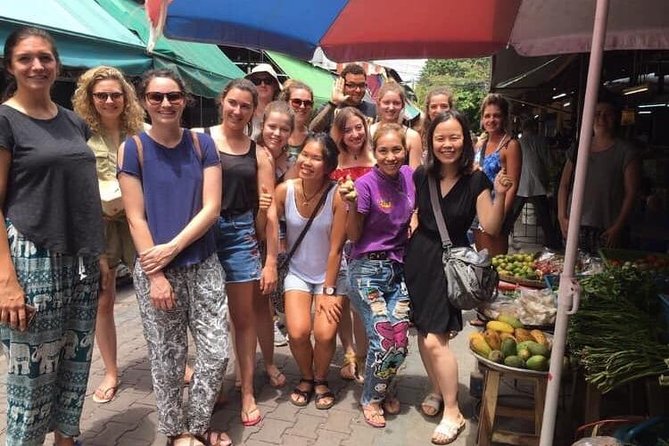
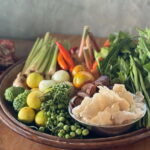
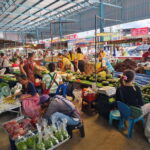
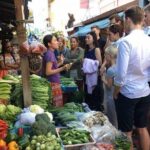
The market stop is where the experience starts to feel real. You’re not walking through for photos; you’re gathering context. You’ll visit a local market with a guide who helps you understand ingredients used in Thai dishes—fresh seasonal produce, key herbs, and the building blocks that show up again and again in Thai cooking.
A market class like this is valuable because Thai flavor depends on freshness and balance, not just spice. You’ll get a sense of why Thai cooks care about aroma (fresh herbs), texture (the right vegetables), and acidity (items used in stir-fries and soups).
Here’s a practical tip: be ready to ask questions. If you’ve ever wondered why one Tom Yum tastes sharp and another tastes mild, this is the moment to connect that difference to ingredients you can actually recognize. The guide’s job is to translate what’s on the stall into what you’ll do at the wok later.
Organic garden time: herbs you can actually name
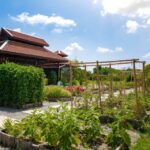
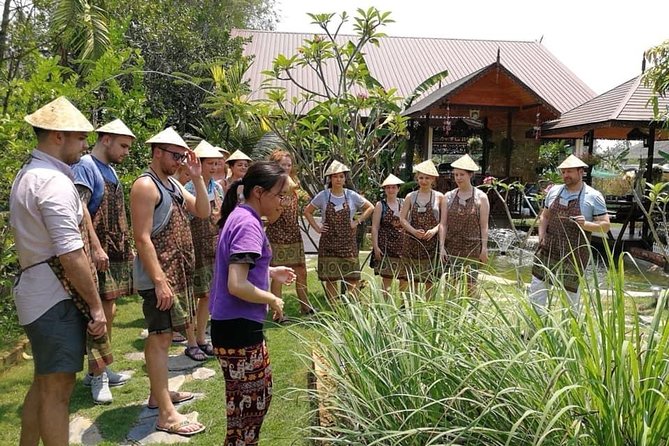
After the market, you go to the organic garden. This is where you learn that many Thai flavors come from leaves and stems as much as they do from spice powders. You’ll be able to see herbs and plants up close, and then later you’ll use them in cooking with the knowledge of what each ingredient contributes.
This stop also helps you avoid the most common cooking-class frustration: going home with a recipe but no idea what the “fresh herb” is supposed to look like. When you’ve seen the plant in the garden, you can shop smarter back home—whether you’re substituting at a supermarket or hunting for an Asian herb shop.
If the weather is cooperative, this garden setting adds comfort too. Even if you choose indoor dining later, the garden atmosphere tends to make the whole process feel less rushed and more like a working farm space.
The cooking class: six course categories, your own menu, and one wok each
This is the heart of it. At the cooking school, you cook a full menu that’s organized into course categories. The day is designed so everyone chooses their own set of dishes across six menu types:
- One appetizer
- One curry paste (made using a mortar approach)
- One curry
- One stir-fried dish
- One soup
- One dessert
That “choose your menu” part is a big deal. Instead of a fixed script, you’re building a plate that matches what you want to learn. It also makes the class feel less repetitive if you’ve taken other Thai cooking classes before.
Make curry paste first: why it matters
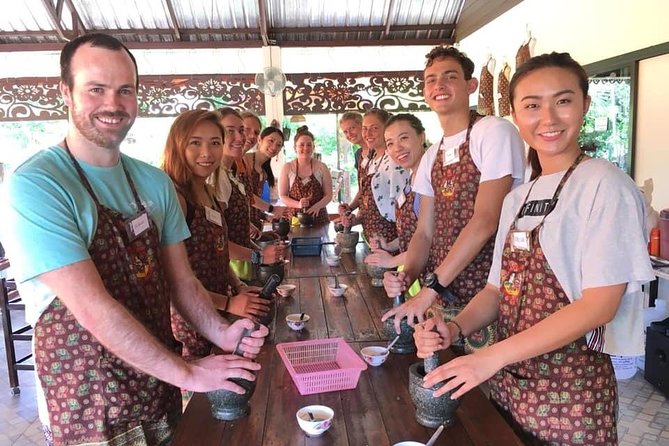
One standout element is the curry paste. You’re not just adding paste from a jar and calling it Thai cooking. You’ll make your curry paste with mortar tools, then cook with it. This helps you understand how spice, aromatics, and texture blend into flavor that lasts through a curry.
A few more Chiang Mai tours and experiences worth a look


Sticky rice with mango and other classics
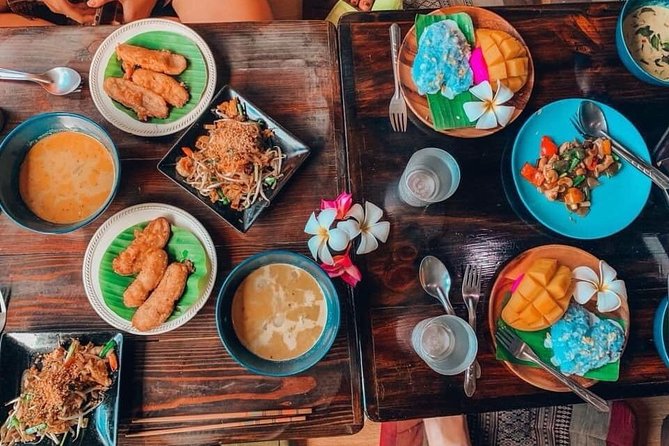
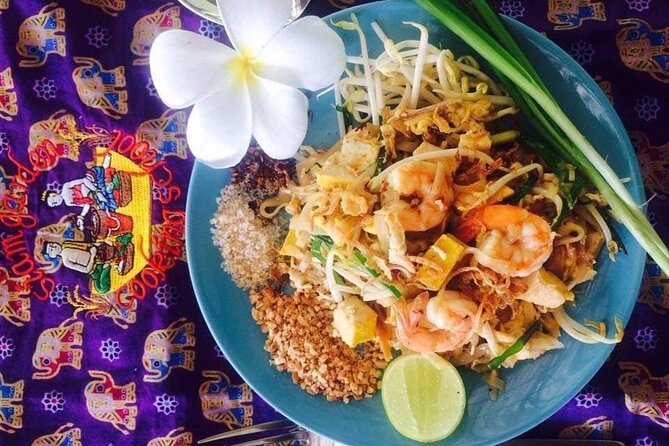
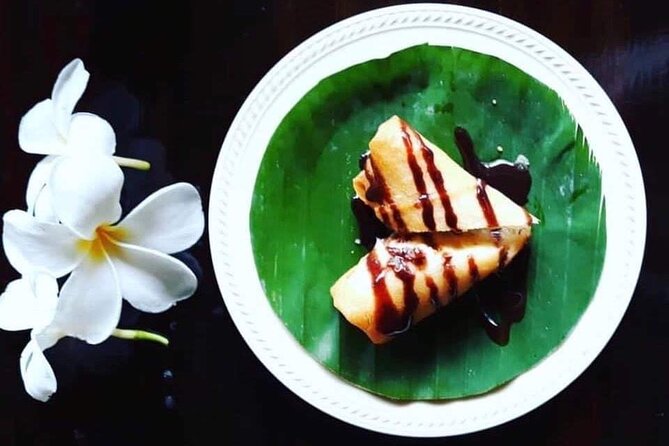
The class focuses on dishes people associate with Thailand. You can expect training that includes how to make glutinous rice for sticky rice with mango, plus Thai staples such as Pad Thai and Tomyum soup (among the menu choices). Even if you don’t select those specific dishes, the way the course categories are taught helps you connect the technique to the final flavor.
Spice control: mild or spicy to match your tolerance
You can make your food spicy or mild. That matters because Thai cooking can easily overwhelm first-timers if spice is treated as the default setting. Here, you get control. You can still learn technique without losing your taste buds to heat.
Dietary options: vegan, vegetarian, and gluten-free
The class offers selectable menus for vegetarian, vegan, and gluten-free needs, along with meat options. The practical benefit is that dietary restrictions aren’t treated as an afterthought. You’re choosing from within the course structure, so you’re not forced into an awkward “special meal” that doesn’t match the class you paid for.
How the instruction feels in real life
Instructors run the class in a way that keeps you moving, with support when you get stuck. Names like Gift and Cream come up often in positive feedback for being kind and step-by-step.
At the same time, be aware the class is organized to work smoothly with group timing. That often means some ingredients may be prepped ahead of time so you can focus on cooking, not only chopping. If your ideal cooking class is 100% DIY from raw-to-finished with no shortcuts, you might find it more guided than you want. But for most people, that structure is what makes it fun—and ensures the meal actually tastes good.
Dining at the school: air-conditioned room or garden pavilion
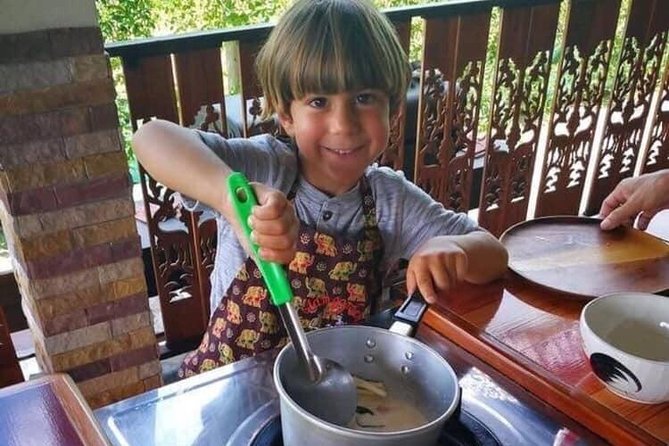
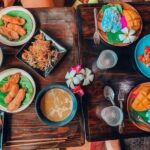
After you cook, you eat what you made. There are two dining modes: a Chiang Mai-styled dining room with air conditioning, or eating in an open-air Thai pavilion by the garden. Both options are part of the experience, so you’re not stuck with one setting if weather or comfort changes.
This lunch setup is practical. You don’t have to guess whether your food will be edible. You cook and then sit down right away, which means you can compare flavors across your group and learn by tasting.
You can also take the food away if needed. That’s handy if you’re the type who wants to sample everything at lunch and still have a second meal later.
One more small win: drinks like tea, coffee, and water are included.
How long it really takes and what to do with the rest of your morning
The advertised duration is about 4 hours 30 minutes, with the morning block starting at 9:00 and ending around 14:00. The exact finish time can vary slightly based on group pace.
For you, that means you should treat it as a committed half-day activity. Put something simple after it: a massage, a café lunch, or a walk through Oldtown. Leave anything timing-sensitive for later, just in case the group runs a few minutes behind.
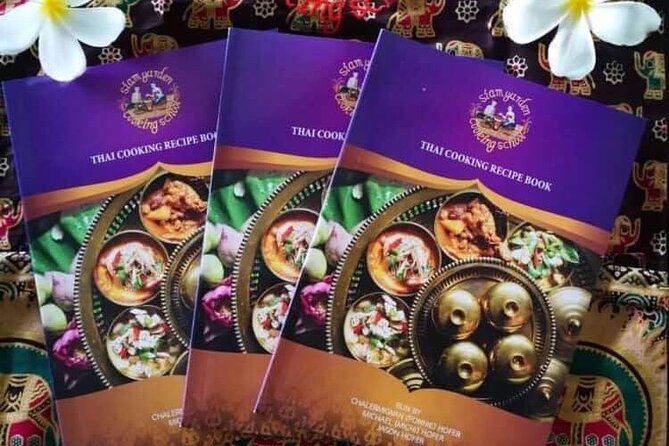
The good news: once you’re done, you’re also leaving with a recipe guide and enough technique to cook something similar at home without needing a full ingredient scavenger hunt.
Price and value: $13 is not the whole story
At $13.04 per person, this is one of the more affordable ways to get a full Thai cooking lesson in Chiang Mai. The real value comes from what’s included:
- market and organic garden visits
- all fresh ingredients for cooking
- instruction in making a curry paste and cooking multiple dishes
- lunch from what you cook
- a full color online recipe book
- free Wi-Fi
- hotel transport from select Oldtown hotels
- online photo albums
So you’re paying for more than the class. You’re paying for the ingredient education and the fact that you don’t have to source everything yourself. In a city where you can spend a lot just on one guided meal or one cooking session, this price range can feel like a bargain—especially if you want to go beyond one signature dish and learn a full menu system.
What you’ll probably want to choose (before you go)
When you arrive and choose your menu, think like a home cook:
- Pick one familiar dish you love (so you can compare your results).
- Pick one dish you’re curious about (so the class expands your repertoire).
- Choose at least one curry or soup category so you learn Thai balance, not only noodles and stir-fries.
- If spice is not your thing, set everything to mild first. You can always adjust technique and taste later.
If you have dietary needs, decide your target dishes early in your planning. The menus are selectable, so you’ll do best if you know what kind of meal you want your lunch to become.
Who this cooking class is best for
This class works especially well if you want:
- a Thai food lesson that’s hands-on, not a show
- ingredient understanding through a market + garden sequence
- a flexible menu that supports vegan, vegetarian, and gluten-free preferences
- a smooth morning with pickup and return transport
It may not be ideal if you want a super long, slow cooking experience where you do every prep step by yourself from start to finish. This is designed for momentum and shared learning, so you’ll be cooking with guidance rather than building everything at your own pace.
Should you book this cooking morning class?
Yes—if you want a practical Chiang Mai food experience with real cooking time, this one is a strong bet. The mix of market shopping, organic garden herb viewing, and then your own wok cooking turns Thai dishes into something you can repeat later.
Book it if you’re staying in Oldtown and want pickup to make your morning effortless. Also book it if dietary needs matter to you; the class is set up to support vegan, vegetarian, and gluten-free choices within the menu structure.
Skip it only if you’re chasing a totally unstructured, hands-only kitchen day or you can’t handle a scheduled half-day time block.
FAQ
What time does the Chiang Mai morning cooking class start?
The class starts with pickup around 9:00 am, and the morning activity runs until about 2:00 pm (the exact finish can vary by group).
Do I get hotel pickup and drop-off?
Yes. Transport is provided from/to select hotels in Chiang Mai Oldtown, making it easier than arranging your own rides.
How many dishes do I cook?
You choose menu options across six course categories, including an appetizer, curry paste, curry, stir-fried dish, soup, and dessert.
Can I choose vegetarian, vegan, or gluten-free options?
Yes. Vegetarian, vegan, and gluten-free menu options are available, and you can inform staff of dietary preferences.
Is alcohol included with lunch?
No. Alcoholic beverages are available to purchase, but they are not included.
Are infants or non-cooking visitors allowed?
Visitor and infant options are not available. Non-participant visitors may have fees, and services for non-participants are not included.