REVIEW · CHIANG MAI
From Chiang Mai: Doi Inthanon National Park Day Trip
Book on GetYourGuide →Operated by CHIANGMAI FOOTSTEP TOUR&TRAVEL CO.,LTD · Bookable on GetYourGuide
Doi Inthanon is a whole other world. In one day you get Thailand’s highest point at 2,565 meters, plus cool forest walks, the Twin Pagodas, and two big waterfalls—exactly the kind of Northern Thailand day that feels like it got packed with care. I love the contrast: misty mountain air in the morning, then gardens and market life mid-day, then the roar of water at the end. I also like that you get a simple, structured route with an English-speaking guide. One thing to consider: this is a mountain day with moderate walking, and it can feel chilly and wet.
I’m especially into how the tour blends nature with people and place, not just photos. You’ll start early from Chiang Mai, climb into the cloud-forest vibe near the summit, then slow down at the pagodas, market, and Karen village before finishing at Sirithan and Wachirathan waterfalls. If you want a smooth, no-planning-needed day, it hits the sweet spot. The main drawback is practical: you need to be ready for altitude and changing weather—warm layers and shoes matter more than you think.
In This Review
- Key highlights you actually feel on this Doi Inthanon day trip
- From Chiang Mai to cool mountain air: how the day flows
- Climbing to the roof of Thailand: Inthanon summit and Ang Ka Nature Trail
- King and Queen Twin Pagodas: gardens, views, and a cultural pause
- Hmong market stop: crafts, produce, and seasonal fruit at altitude
- Mae Klang Luang Karen village lunch: terraced views and organic coffee culture
- Sirithan Waterfall: a 40-meter cascade and a cool-mist photography break
- Wachirathan Waterfall: the granite drop and rainbow spray
- What $61 really buys: van comfort, guide, park fees, and lunch
- Packing list for Doi Inthanon: the mountains play by different rules
- Who this tour fits best (and who should skip it)
- Should you book the Doi Inthanon day trip from Chiang Mai?
- FAQ
- How long is the Doi Inthanon National Park day trip?
- What time does the tour start?
- What’s included in the price?
- Is lunch provided?
- What should I bring to be comfortable in the mountains?
- Is smoking or drinking allowed during the tour?
- Can I take photos?
- Is this tour suitable for pregnant women?
- Is it okay if I have back problems or need a wheelchair?
- What’s the cancellation policy?
Key highlights you actually feel on this Doi Inthanon day trip
- Thailand’s highest point (2,565 m): cooler air, mist, and big views when the weather cooperates
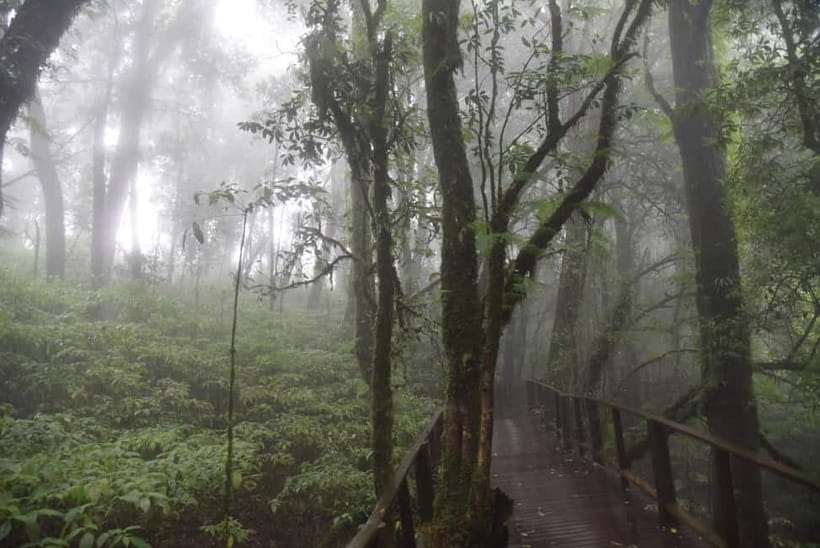
- Ang Ka Luang Nature Trail boardwalk: a short walk through mossy cloud forest at altitude
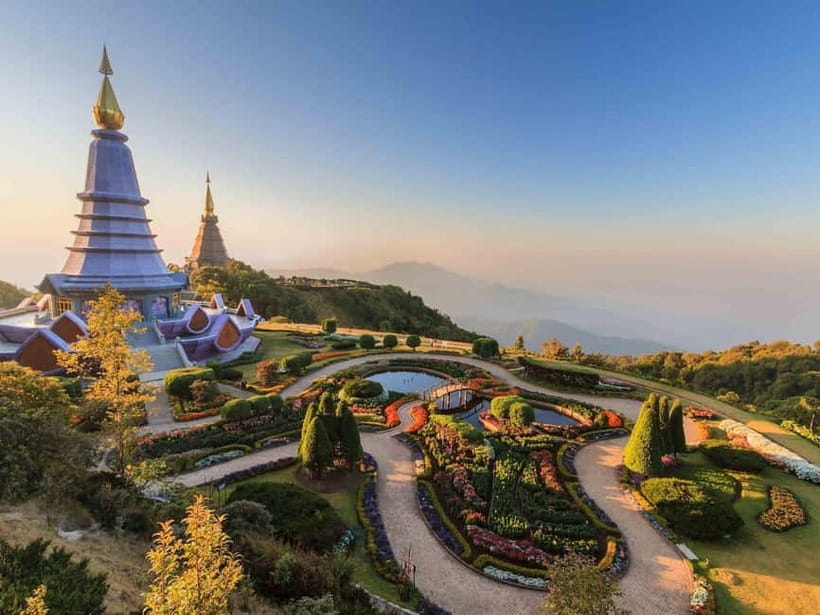
- King and Queen Twin Pagodas: landscaped gardens and panoramic mountain-and-valley views
- Hill tribe stops with food and crafts: Hmong market browsing plus seasonal fruit like strawberries and persimmons
- Mae Klang Luang Karen village lunch: terraced rice scenery and a stop for organic coffee culture
- Two waterfall hits: Sirithan (about 40 meters) and Wachirathan with granite drops and spray
From Chiang Mai to cool mountain air: how the day flows
This tour is built around one big idea: get you out of Chiang Mai early, up into higher elevations, and back before the day gets too long. The most noticeable shift happens quickly. Morning air in Doi Inthanon country can feel cool and misty, even if Chiang Mai is warm when you leave.
I like that the route keeps things moving without rushing every stop into a blur. You get time at the highest point area, time at the Twin Pagodas for views and photos, and then real pauses at the waterfalls. The day also has a nice rhythm: light walking on trails and paths, then calmer cultural stops, then water at full volume.
If you come expecting just temples or just waterfalls, you’ll likely be happy—this trip gives you both, with hill tribe market and village visits acting like the glue between the scenery.
A few more Chiang Mai tours and experiences worth a look
Climbing to the roof of Thailand: Inthanon summit and Ang Ka Nature Trail
Your first major moment is the summit area of Doi Inthanon National Park, the highest point in Thailand at 2,565 meters above sea level. At this elevation, weather can feel dramatic compared with the city—cooler air, cloudier views, and that misty atmosphere that makes the forest feel alive.
You’ll also visit the King Inthanon Memorial Shrine, a stop that adds meaning to the altitude. It’s not just a geographic landmark; it gives you a human touchpoint for why this peak matters locally.
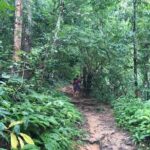
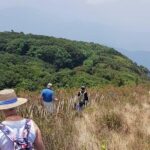
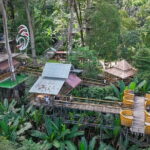
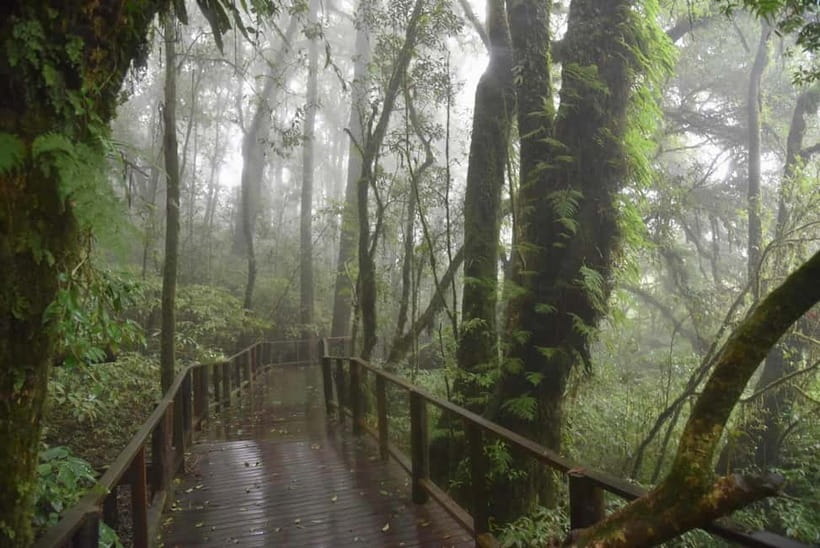
Then comes the Ang Ka Luang Nature Trail, which is a boardwalk walk through a mossy cloud forest. This is one of the parts I’d plan around specifically, because it’s not about distance—it’s about atmosphere. The boardwalk helps you stay on a path while you experience the forest texture at altitude: damp air, layered greens, and that quiet feeling that only shows up when you’re high enough for the clouds to hang around.
A small consideration: this section is shorter than a big hike, but you still need comfortable shoes and steady footing. If the boardwalk area is wet (very possible), wear grippy footwear and take your time.
King and Queen Twin Pagodas: gardens, views, and a cultural pause
Next up, the King and Queen Twin Pagodas. These twin structures are built to commemorate late King Bhumibol Adulyadej and Queen Sirikit, and the setting helps you understand why they’ve become a favorite stop.
What you’ll notice right away is how the pagodas sit inside carefully landscaped gardens, with flowers adding color around the structures. Then you look outward: from here, you get panoramic views of surrounding mountains and valleys when visibility is decent. Even when it’s misty, the views still feel layered, like the hills are stacked behind each other.
This stop also works well if you want a break from walking. You can linger, take photos, and just breathe for a bit. It’s one of those moments where the tour shifts from action to atmosphere—and that balance matters on a one-day schedule.
Hmong market stop: crafts, produce, and seasonal fruit at altitude
After the pagodas, the tour shifts into people-and-street-life mode with a local market experience connected with the Hmong hill tribe community. This is the point where you stop thinking about altitude and start noticing everyday details.
You can browse handmade crafts and look at fresh produce. It’s also a place where you’ll run into practical souvenirs that feel tied to the region rather than mass-made items. And yes, the tour specifically calls out seasonal highland fruits—sweet strawberries and juicy persimmons are among the examples given.
I like market stops like this because they’re short, but they give context. You’re not just buying; you’re seeing what grows in the cooler climate and what people turn into crafts. That makes the rest of the day hit harder, especially the later village visit where farming and coffee culture show up again.
Quick tip for this part: if you plan to buy fruit, have a plan for carrying it (and be mindful of how you’ll store it). The day moves.
Mae Klang Luang Karen village lunch: terraced views and organic coffee culture
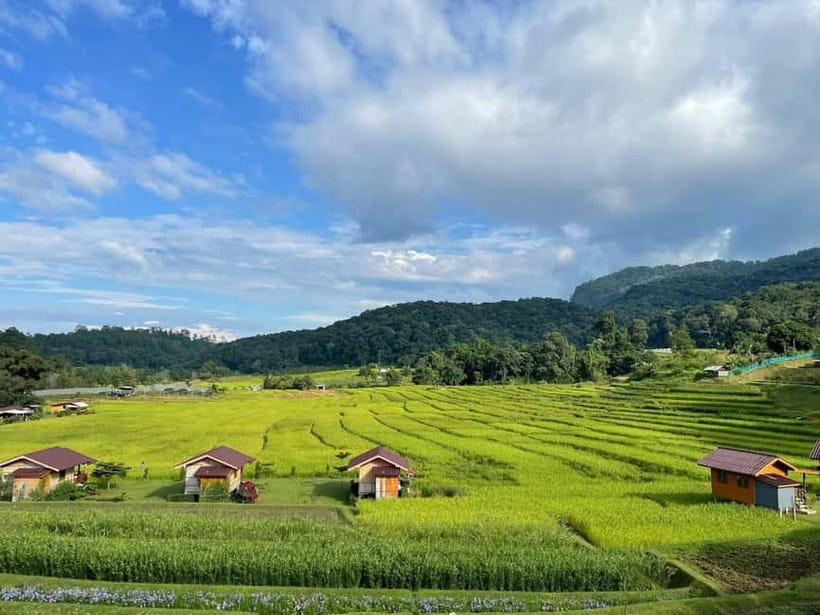
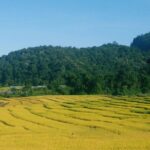
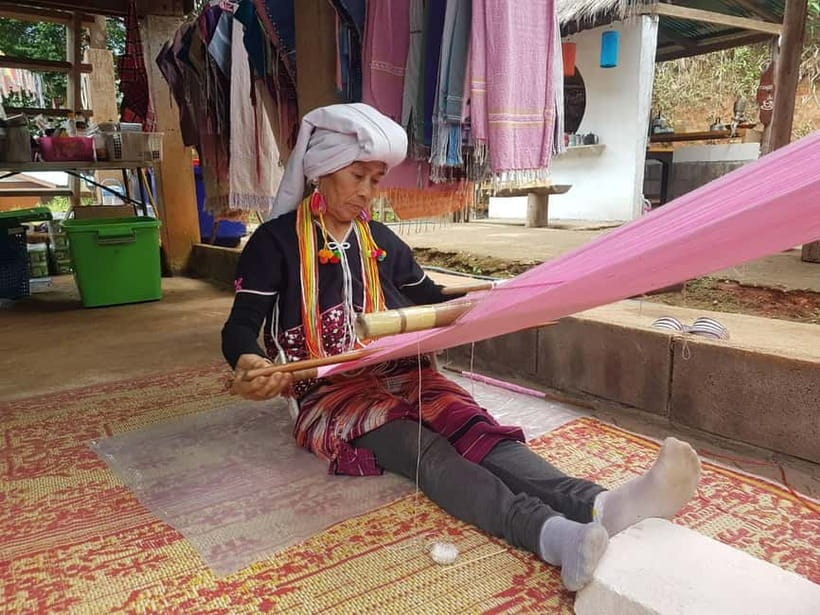
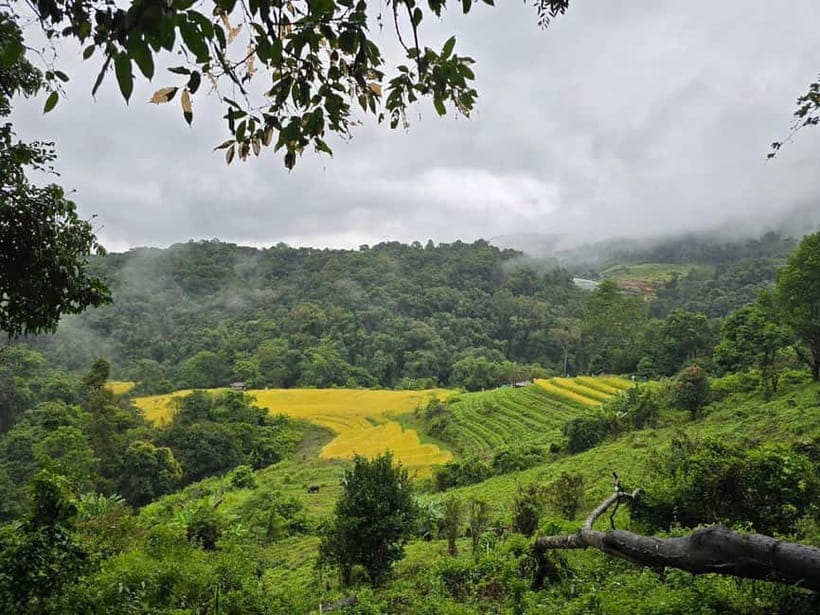
Lunch happens at Mae Klang Luang, described as a Karen hill tribe village with terraced rice fields and a calm, scenic feel. The food is Thai dishes prepared at a local restaurant, and the setting gives you a bit of a reset after the market.
What makes this stop more than just a meal is what comes after: you’ll stroll through the village and learn about traditional Karen lifestyle and sustainable farming practices. The tour also points out organic coffee production, including the chance to taste freshly brewed coffee made in the area.
If you care about sustainability and how farming changes with altitude, this is one of the strongest “value” parts of the day. The coffee connection gives you something concrete to connect with what you saw earlier at the market: highland growing conditions shaping everyday life.
A practical note: village paths can be uneven. Wear shoes you trust, and keep your water handy.




Sirithan Waterfall: a 40-meter cascade and a cool-mist photography break
Now for the first waterfall stop: Sirithan Waterfall. The tour highlights it as an enchanting 40-meter cascade fed by the Mae Klang River. When you arrive, the big sensory detail is the mist and the sound of water moving through the forest.
This waterfall tends to be the kind of stop where you can stand at viewpoints, listen for a while, and take photos without needing to hike for hours. You’ll also feel cooler air around the falls, which is a nice break if you’ve already spent time in sun or warm city weather before the trip.
One consideration: because it’s a waterfall, it can also mean wet surfaces and occasional rain. Keep your camera protected and avoid trying to step closer to get the perfect shot if the ground looks slippery.
Wachirathan Waterfall: the granite drop and rainbow spray
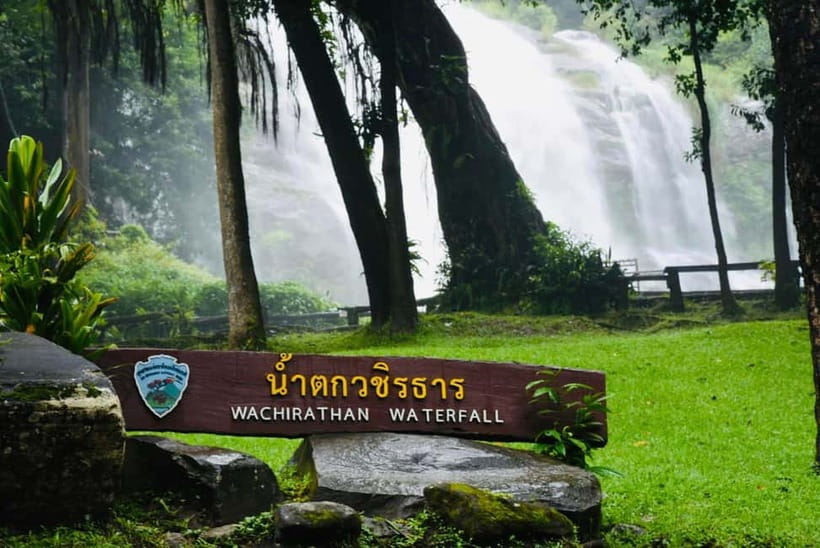
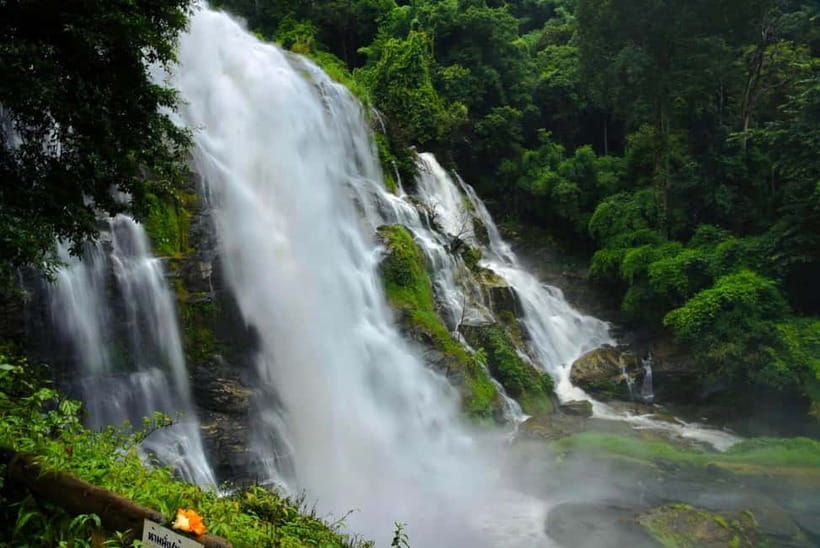
The final waterfall is Wachirathan Waterfall, described as one of the largest and most powerful falls in the park. Here, the focus is drama. Water tumbles dramatically over a granite escarpment, and the tour notes that you can often see rainbows in sunlight.
You’ll use viewing platforms to get different angles. This is a great setup for people who want variety without a long, technical trail. Also, that spray can cool you fast—bring a light layer even if the day started warm.
If you’re a photographer, this is likely your most productive stop of the day because the water flow gives you natural motion blur and strong contrast. Just remember: the tour includes cultural stops too, so don’t treat the day like it’s only about waterfalls. Balance your photo time with your walk time.
What $61 really buys: van comfort, guide, park fees, and lunch
At $61 per person for a one-day trip, this tour is best understood as convenience plus guided access—not just a checklist of stops.
What’s included:
- transportation by van
- an English-speaking guide
- entrance fees to Doi Inthanon National Park
- lunch at a local restaurant
- insurance
That inclusion matters. Park fees and entrance logistics can be a hassle when you’re doing it on your own, and transportation is a big part of the value because you’re moving up through mountain areas and back in one day. The guide also helps tie together what you’re seeing—especially around cultural stops like the Hmong market and Mae Klang Luang.
What’s not included is personal spending. In practice, that means any fruit, souvenirs, snacks, or coffee purchases beyond what’s part of the stop are on you.
Time-wise, remember this is a full day in the mountains. The “cost” isn’t just money; it’s stamina for moderate walking and flexibility with weather.
Packing list for Doi Inthanon: the mountains play by different rules
This is one of those days where your packing can make or break the comfort level. The tour’s guidance is solid, and I’d follow it closely.
Bring:
- comfortable shoes (you’ll walk a moderate amount, plus wet paths are possible)
- warm clothing (a jacket matters, especially earlier in the day)
- hat
- camera
- sunscreen
- water
- insect repellent
- rain protection like a raincoat or umbrella, since rain is possible
Think about layers. You can be warm at street-level in Chiang Mai, then feel chilly once you’re higher and around misty forest areas. A lightweight jacket beats a heavy coat if you’ll be moving through stops.
Also, keep your day simple: don’t rely on sandals or flimsy footwear. The boardwalk and viewing-platform areas reward shoes with grip.
Who this tour fits best (and who should skip it)
This one-day van trip is designed for people who can handle moderate walking and altitude exposure.
It’s not suitable for:
- children under 3
- pregnant women
- people with back problems
- wheelchair users
- people over 220 lbs (100 kg)
Altitude also matters. The tour suggests that if you have health issues related to altitude, consult your doctor before booking. Even if you’ve traveled in mountains before, this is still a day at high elevation, and weather can make it feel colder and more uncomfortable.
Who tends to love this trip:
- you want a full day of nature plus culture with minimal planning
- you like structured routes where each stop has a reason
- you want both waterfalls and mountain-forest atmosphere
- you’re comfortable with short walks and uneven ground
Should you book the Doi Inthanon day trip from Chiang Mai?
Book it if you want a one-day highlight run that still feels grounded in real places: the highest point in Thailand, the Twin Pagodas, a Hmong market, lunch in Mae Klang Luang, then waterfall power at Sirithan and Wachirathan.
Skip it (or reconsider) if you’re sensitive to cold or altitude, can’t do moderate walking, or have mobility and back limitations. Also, if you’re the kind of traveler who wants total freedom with no schedule, a guided day trip might feel a bit structured.
If you’re flexible and pack for mountain weather, this is a strong value day: van pickup, guide, national park fees, and lunch are all included—so you can spend your energy on the views and the stories behind them.
FAQ
How long is the Doi Inthanon National Park day trip?
It’s a one-day tour, about 1 day total.
What time does the tour start?
Starting times can vary. You’ll need to check availability for the specific times offered.
What’s included in the price?
Transportation by van, an English-speaking guide, entrance fees to Doi Inthanon National Park, lunch at a local restaurant, and insurance are included.
Is lunch provided?
Yes. Lunch is included at a local restaurant.
What should I bring to be comfortable in the mountains?
Bring comfortable walking shoes, warm clothing (like a jacket), a hat, camera, sunscreen, water, and insect repellent. It can also rain, so a raincoat or umbrella could help.
Is smoking or drinking allowed during the tour?
No smoking is allowed, and alcohol and drugs are not allowed.
Can I take photos?
Photography is allowed, but be respectful. Ask permission before taking photos of local people or inside their homes.
Is this tour suitable for pregnant women?
No, it is not suitable for pregnant women.
Is it okay if I have back problems or need a wheelchair?
The tour is not suitable for people with back problems or for wheelchair users.
What’s the cancellation policy?
Free cancellation is available up to 24 hours in advance for a full refund. There’s also a reserve now & pay later option.