REVIEW · CHIANG MAI
Cooking Evening Class Chiang Mai Visit Organic Garden and Market
Book on Viator →Operated by Siam Garden Cooking School · Bookable on Viator
Dinner starts with an open-air market. This 4.5-hour Chiang Mai cooking class is built around fresh ingredients, a real garden stop, and hands-on cooking from curry paste to mango sticky rice. You’ll also get a full online recipe book and photos after class, so it’s not just a one-night meal.
I especially like the market + organic garden combo, because it explains what Thai cooks actually shop for and why. I also like that you cook your own six-dish meal at a relaxed pace, with English support and clear menu choices.
One thing to consider: some prep is handled in advance to keep the class moving, so if you’re chasing maximum knife-time and deep technique drills, you may find it more efficient than intense.
In This Review
- Key Points You’ll Care About
- A 4.5-Hour Chiang Mai Cooking Class That Starts With Pickup and a Plan
- Market Shopping in Chiang Mai: Getting Oriented Before You Cook
- Organic Garden Stop: Herbs and Plants With Real Kitchen Use
- Siam Garden Cooking School: How the Room Setup Makes the Class Work
- Cooking Six Thai Dishes: Appetizer, Curry Paste, Curry, Stir-Fry, Soup, Dessert
- Customization options
- Spice reality check
- Hands-On vs. Prepped Ahead: What Level of Cooking to Expect
- Eating What You Cook: AC Dining, Garden Pavilion, and Take-Away Food
- Price and Value in Chiang Mai: Why This One Is Such a Smart Evening
- Who Should Book This Cooking Class (And Who Might Want Something Different)
- Should You Book Siam Garden’s Evening Market and Cooking Class?
- FAQ
- How long is the Chiang Mai evening cooking class?
- Do I get picked up from my hotel?
- What happens first in the tour?
- How many dishes do I cook?
- Are ingredients included?
- Can I choose a vegetarian, vegan, or gluten-free menu?
- Can I adjust the spice level?
- Do I eat everything I make?
- What if my plans change—can I cancel?
- Is the class taught in English?
Key Points You’ll Care About
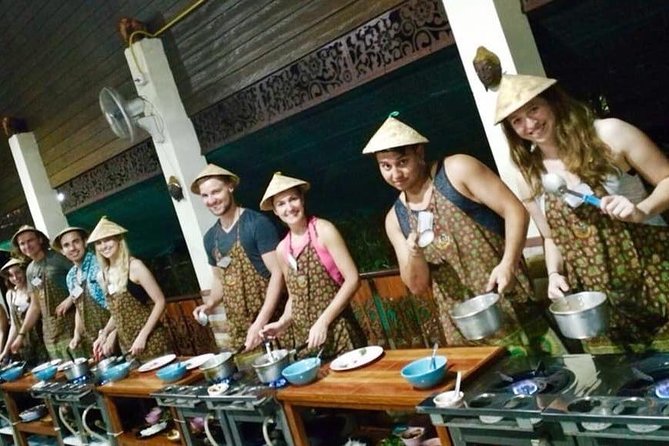
- Market first, garden next so ingredients make sense before the stove
- Six dishes included (appetizer, curry paste, curry, stir-fry, soup, dessert)
- One person per wok plus making your own curry paste with a mortar
- Dietary options available including vegetarian, vegan, and gluten-free menus
- Eat what you cook or take it away, with dining in AC or open-air garden space
- Max group size of 15 for a smoother class flow
A 4.5-Hour Chiang Mai Cooking Class That Starts With Pickup and a Plan
This is an evening course designed to fit into a typical Chiang Mai day without feeling rushed. It generally runs from about 14:30 to 19:30, with the class finish sometimes a little earlier or later depending on the group.
Here’s how the timing works in practice:
- Pickup from your hotel in Chiang Mai Old Town (typically between 14:30 and 15:00)
- Local market visit around 15:30
- Arrival at the cooking school around 16:00
- Organic garden visit around 16:30
- Cooking and eating your dishes after that, then you wrap up at 19:30
If your hotel sits outside the Old Town pickup area, you may get a more general pickup point in the city center. It’s worth checking so you’re not standing around wondering where the van will appear.
For me, the big win with this schedule is that you’re not just learning recipes—you’re seeing the ingredient chain. By the time you cook, you already know what you bought (and why Thai cooks pick certain flavors).
You can also read our reviews of more shopping tours in Chiang Mai
Market Shopping in Chiang Mai: Getting Oriented Before You Cook
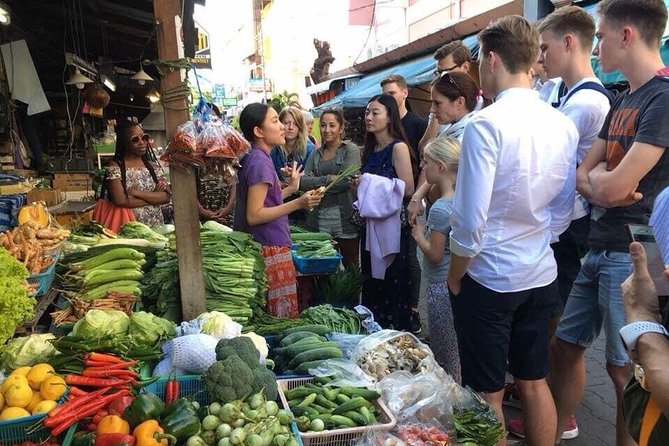
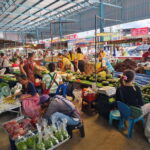
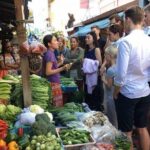
The market stop is more than a photo break. You’ll visit a local market with an English-speaking instructor who points out key ingredients Thai kitchens rely on. That matters because Thai cooking is built on balance: herbs, aromatics, and pastes all do separate jobs.
In the market, you can expect to learn how ingredients connect to the dishes you’ll cook later, especially the curry elements. You’ll also see lots of everyday Thai foods—rice products, herbs, fruits, and common cooking items—so you leave with better instincts for ordering Thai food on your own afterward.
Practical tip: if you’re the type who likes to remember flavors, take a quick note on what you smell and what looks unfamiliar. Later, when you’re mixing paste or seasoning, those market cues snap into place fast.
This market-first approach also helps if you’re new to Thai cooking. You’re not thrown into a recipe with no context. You’re building a mental map before you start.
Organic Garden Stop: Herbs and Plants With Real Kitchen Use
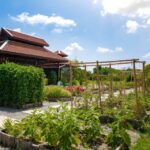
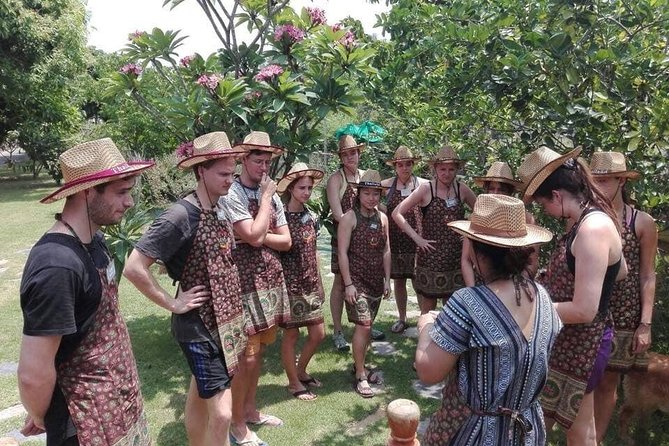
After you arrive at the cooking school, you head to the organic garden. This is where the class gets extra Chiang Mai. The point isn’t just to stroll; it’s to connect plants to the dishes you’ll cook.
The best garden moments are the practical ones: learning which herbs show up in Thai salads, soups, stir-fries, and curries, and how the plants affect aroma. You’ll likely hear comparisons that help explain why certain flavors feel distinctly Thai, even when a dish looks simple.
There’s also a mood change here. A lot of Chiang Mai cooking classes feel like a sprint between stops. This one keeps a calmer rhythm. You walk in the garden, then you cook.
If you’re visiting during warm weather, the garden portion also helps you pace yourself before the more active cooking stage.
Siam Garden Cooking School: How the Room Setup Makes the Class Work
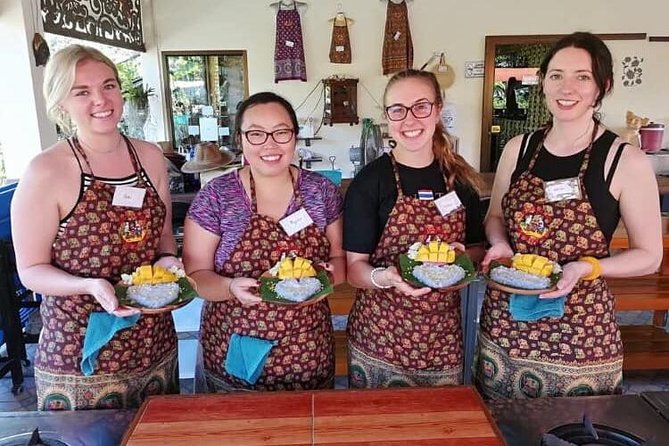
Once cooking starts, the school is set up for a smooth, low-stress experience. You’ll get:
- English-speaking instructor support
- Tea, coffee, and drinking water
- A system where you get one person per wok
- And one person per mortar for making curry paste
The room setup is a big deal. You’ll eat in a Chiang Mai–styled dining room with air conditioning or in an open-air Thai pavilion in the garden. On a hot evening, that AC option is not a luxury—it’s a comfort move.
Class size stays manageable: it’s limited to a maximum of 15 travelers. That typically makes it easier to get help when you need it, especially with seasoning or adjusting spice.
You also get extra take-home value:
- A full color online recipe book
- Online photo albums
- Free Wi‑Fi
So you’re not just learning tonight. You’re able to repeat the meal at home without guessing from memory.
Cooking Six Thai Dishes: Appetizer, Curry Paste, Curry, Stir-Fry, Soup, Dessert

This is the core of the experience, and it’s built around clear, repeatable dish categories. Each guest chooses one option for each of the six cooking components:
- Appetizer
- One curry paste
- One curry
- One stir-fried dish
- One soup
- One dessert
You’ll also learn about making your own curry paste using the mortar. That’s one of the most satisfying skills in Thai cooking, because paste-making isn’t just mixing. It’s releasing aromatics and building depth.
One of the dessert highlights is learning how to cook glutinous rice for sticky rice with mango. This matters if you’ve only eaten mango sticky rice in restaurants. In class, you’ll see the steps behind the texture and sweetness balance.
A few more Chiang Mai tours and experiences worth a look

Customization options
This class isn’t locked into one meat choice or one spice level. You can select:
- Meat options (where applicable)
- Vegetarian
- Vegan
- Gluten-free
- Your preferred spicy level (from mild to spicy)
You’ll want to communicate dietary needs during the menu selection with staff on the day of class. And if you’re traveling with someone who eats gluten-free or vegan, this is one of those tours where those needs are handled without derailing the meal.
Spice reality check
Thai dishes can be made spicy or mild. But flavor still matters even when it’s not hot. Ask the instructor how the balance changes with spice level. That will help you cook it again later without recreating only the heat.
Hands-On vs. Prepped Ahead: What Level of Cooking to Expect
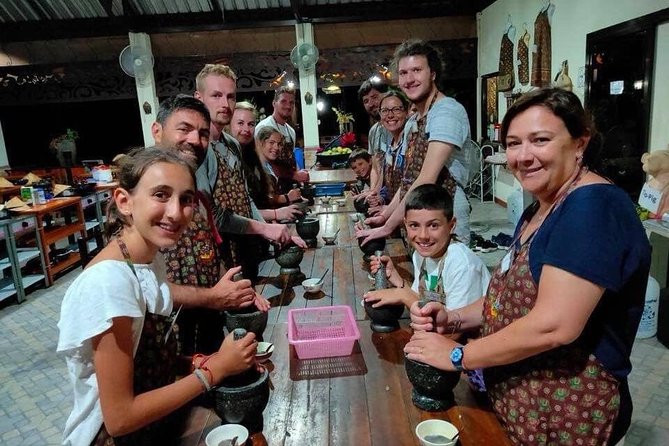
This class is hands-on, but it’s also organized for efficiency. The good part is that you actually cook multiple dishes and you use your own tools at least for key steps like paste-making. The classroom flow also keeps dishes coming together so you can eat what you make, not just watch.
At the same time, some of the work may be simplified or prepped ahead so everyone can finish in time—especially in a class that includes multiple dishes and multiple options. That can mean certain cutting tasks are more limited than you might expect.
Here’s how I’d frame it for your decision:
- If you want a fun evening where you actively cook and get to taste everything, this fits well.
- If you want an ultra-technical class where every step is slow and you do all the prep from scratch, you might feel a little short.
A helpful compromise is to lean into what the class does best: learning ingredient logic and how Thai flavors build across dishes. Even when prep is streamlined, you still get the most valuable parts—seasoning, paste-making, and cooking the final dishes.
Eating What You Cook: AC Dining, Garden Pavilion, and Take-Away Food
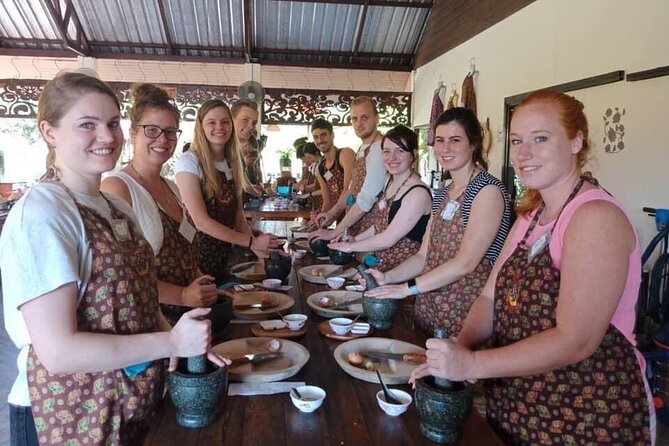
You eat what you cook, and that’s a huge part of the value. You can either finish your meal in class or take it away. In Chiang Mai, food is often best shared, but being able to take leftovers is also great if you’re heading back to a night market or you just don’t want to waste.
The dining options are flexible:
- Air-conditioned Chiang Mai–styled dining room for comfort
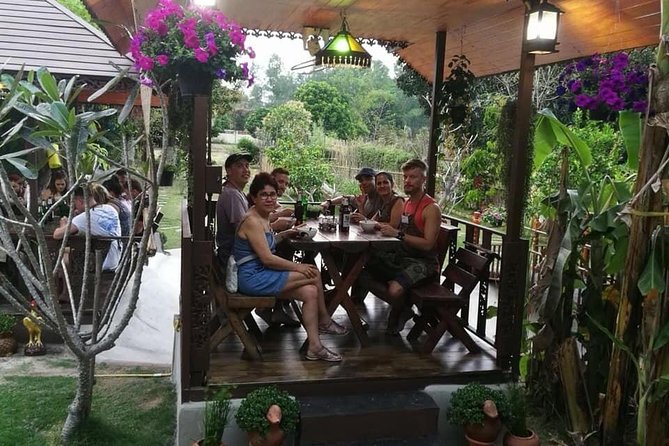
- Open-air Thai pavilion by the garden if you want the fresh evening vibe
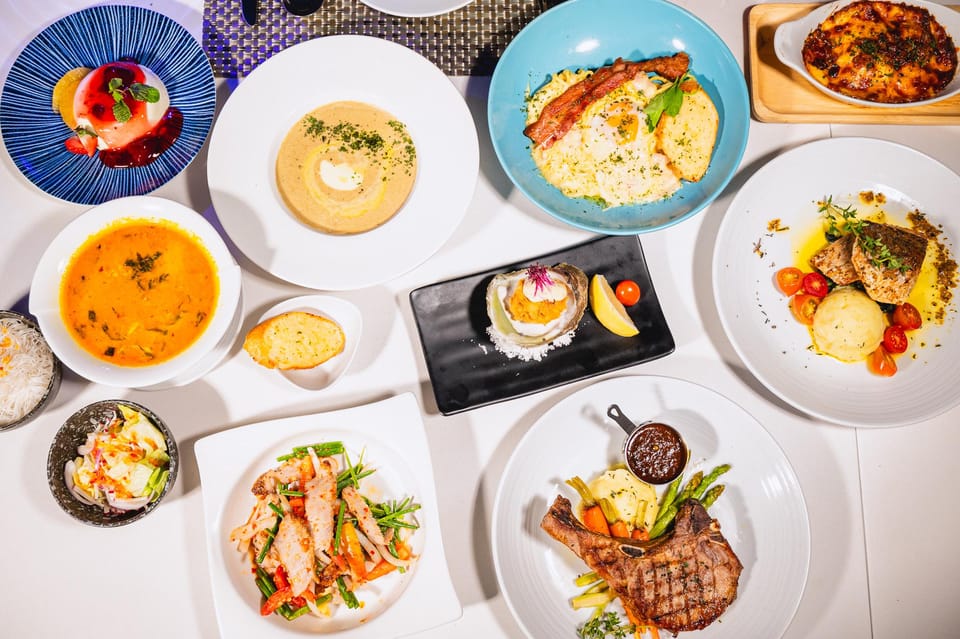
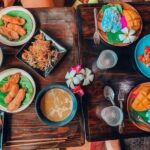
Either way, the meal feels more like a real Thai dinner experience than a quick tasting. And because you made six components, you end up with a full spread—appetizer through dessert—rather than a single dish lesson.
If you’re picky about spice, this is also where your earlier choice pays off. You can usually adjust your own spice level during cooking so you get a plate you’ll actually enjoy.
Price and Value in Chiang Mai: Why This One Is Such a Smart Evening
At about $13.04 per person, this is seriously priced for what you get. You’re not only paying for ingredients—you’re paying for:
- Instructor-led guidance in English
- Market and garden access
- A cooking school setup with one wok per person
- Curry paste-making with a mortar
- Multiple dish categories (six total)
- A full online recipe book and photo albums
- Transport from/to hotel in Chiang Mai Old Town
In other words, you’re paying for the whole structure: learning + ingredients + a guided route through Thai food basics.
For travelers, the best way to judge value is to compare how much actual food and instruction you get per hour. Here, the combination of market context and multi-dish cooking makes the evening feel “complete.” You don’t leave hungry, confused, or empty-handed.
The alcohol note matters too: alcohol is available to purchase, but it’s not included. If you drink, plan on adding a little extra to your budget.
Who Should Book This Cooking Class (And Who Might Want Something Different)
This class works best for people who want a guided, confidence-building introduction to Thai home-style cooking. It’s also a good pick if you want a family-friendly plan that doesn’t require prior skills.
It’s especially useful if you:
- Want to understand ingredients beyond just tasting dishes
- Like hands-on cooking but don’t want to spend all day preparing
- Have dietary needs and want a class that can adapt
- Want a take-home recipe book you’ll actually use
The experience is also limited to visitors and infants not available, so plan around that if you’re traveling with very young kids.
If you’re a cook who already knows Thai techniques and you want a very deep, slow, step-by-step lab focused on cutting, timing, and more advanced methods, you might find this class more structured and efficient than you want. But if you’re after real results and a full meal, it’s hard to beat.
Should You Book Siam Garden’s Evening Market and Cooking Class?
If your goal is to eat well, learn real Thai ingredient habits, and come home with recipes that aren’t just vague instructions, I’d book it. The market + organic garden pairing makes the cooking feel grounded. And the fact that you cook six dishes with your own setup (one wok, your own paste-making) is the kind of value you notice right away.
Book it if you want:
- a fun evening in Chiang Mai with a clear flow
- practical learning you can repeat at home
- and a meal that feels like dinner, not a snack
Skip or research another option if you’re expecting an advanced technique workshop where you do every prep step from scratch and go deep on knife-work and process. This class is built for everyone to succeed and finish a full menu.
FAQ
How long is the Chiang Mai evening cooking class?
It runs about 4 hours 30 minutes and typically finishes around 19:30, though the exact end time can vary slightly based on the group.
Do I get picked up from my hotel?
Yes. Transport from/to the hotel in Chiang Mai Oldtown is included. If your hotel is outside the pickup range, you may get a more general pickup point inside the city center.
What happens first in the tour?
You start with pickup, then go to a local market, followed by the cooking school and the organic garden.
How many dishes do I cook?
You cook six dishes: one appetizer, one curry paste, one curry, one stir-fried dish, one soup, and one dessert.
Are ingredients included?
Yes. All fresh ingredients for cooking are included.
Can I choose a vegetarian, vegan, or gluten-free menu?
Yes. Vegetarian, vegan, and gluten-free options are available, and you can select based on what staff provides on the day.
Can I adjust the spice level?
Yes. You can make your food spicy or mild based on your preference.
Do I eat everything I make?
Yes. You can eat all your food during class or take it away.
What if my plans change—can I cancel?
You can cancel for a full refund up to 24 hours in advance. If you cancel less than 24 hours before the start time, the payment isn’t refunded.
Is the class taught in English?
Yes. There’s an English-speaking instructor.