REVIEW · CHIANG MAI
Chiang Mai: Traditional Thai Cooking Class with Market Tour
Book on GetYourGuide →Operated by Chiang Mai Smart Cook · Bookable on GetYourGuide
Your hands get dusted in Thai spices. In a traditional Lanna home near Chiang Mai Gate Market, you learn real Thai cooking steps in about 4 hours, starting with a guided market walk that sets up the flavors.
What I like most is how hands-on it feels, especially when you make curry paste from scratch, and how the market tour helps you recognize the herbs and vegetables you’ll actually use.
One consideration: while you’ll eat what you cook, a few people found the portions a bit light if they expected a full dinner.
In This Review
- Key things you’ll notice on this Chiang Mai cooking class
- A 4-hour Chiang Mai cooking class with real Lanna-home vibes
- Market tour near Chiang Mai Gate: herbs, spices, and what to buy later
- Curry paste from scratch: the skill that makes everything click
- Sticky rice with mango: sweet, sticky, and surprisingly technical
- The rest of the menu: 6 dishes that teach Thai balance
- How the class runs: organized stations, small groups, and fast feedback
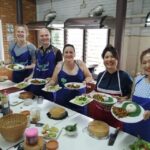
- Eating the results: a meal you made, not just samples
- Price and logistics: what $32 buys you in Chiang Mai time
- Who should book this cooking class—and who should skip it
- Should you book this Chiang Mai traditional cooking class?
- FAQ
- How long is the Chiang Mai cooking class?
- Is hotel pickup included?
- What does the price include?
- Do I visit a market as part of the tour?
- How many dishes will I cook?
- Is the class taught in English?
- Is alcohol included?
- What should I bring or wear?
- Is this tour suitable for kids?
- Can I cancel for a full refund?
Key things you’ll notice on this Chiang Mai cooking class
- Curry paste from scratch with step-by-step guidance, not just shortcuts
- Market tour for herbs and spices so ingredients make sense before the stove turns on
- Cook 6 traditional dishes in a local Lanna home setting
- Sticky rice with mango plus a truly Thai meal you helped create
- Organized, hands-on stations that make it easier to follow along (and laugh at mistakes)
- English-speaking instruction that keeps the whole class moving at your pace
A 4-hour Chiang Mai cooking class with real Lanna-home vibes
This is the kind of Chiang Mai activity that works fast and well. You get picked up, you head to a local market, and then you cook multiple dishes in a traditional Lanna home—the setting matters because it makes the food feel tied to daily life, not staged for tourists.
At the center of it all is the hands-on structure. You aren’t just tasting. You’re chopping, mixing, and learning why Thai food tastes the way it does. The class focuses on fundamentals you can reuse later: building flavor layers, balancing heat, and working with key ingredients like herbs, aromatics, and rice.
The big promise here is simple: cook 6 traditional Thai dishes, including curry paste from scratch and sticky rice with mango. That’s a lot of food work for one afternoon, and the format usually keeps everyone involved—especially when the chef sets up your station and keeps the steps clear.
You can also read our reviews of more shopping tours in Chiang Mai

Market tour near Chiang Mai Gate: herbs, spices, and what to buy later
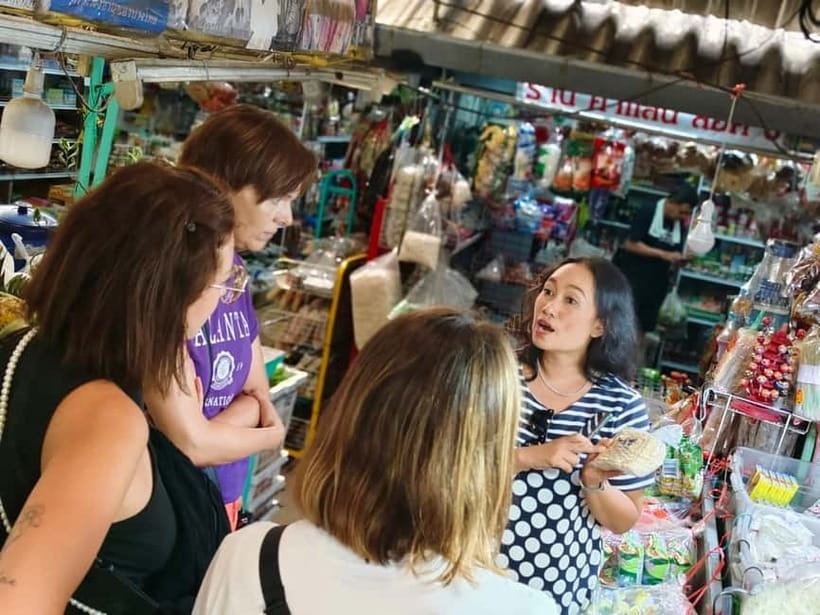
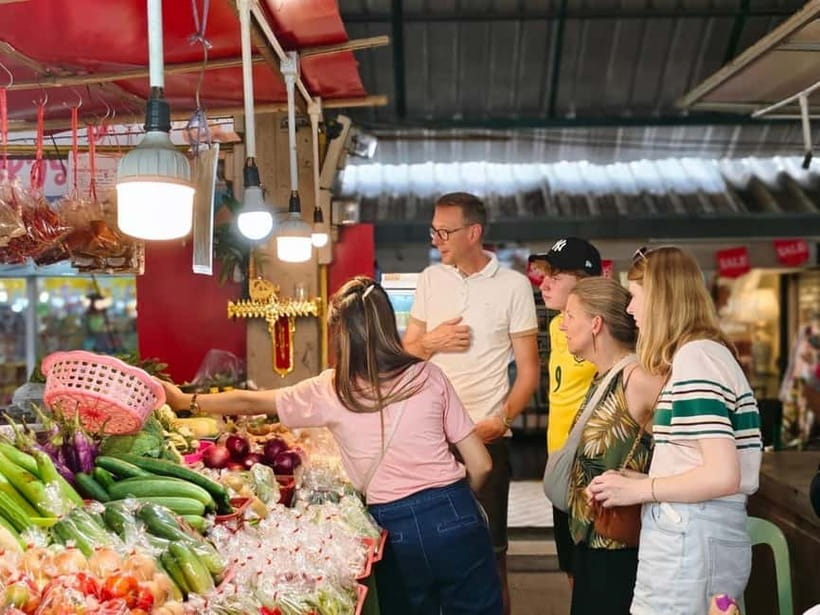
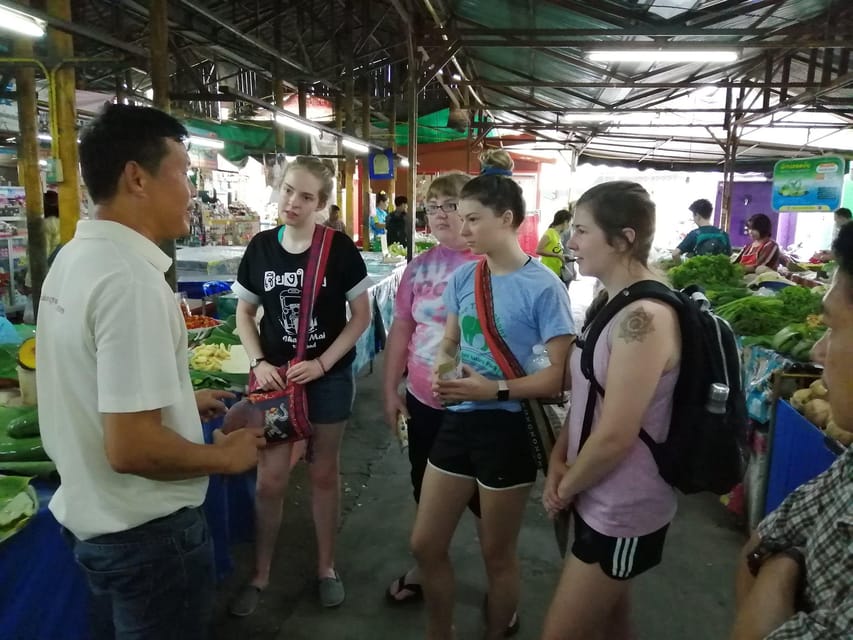
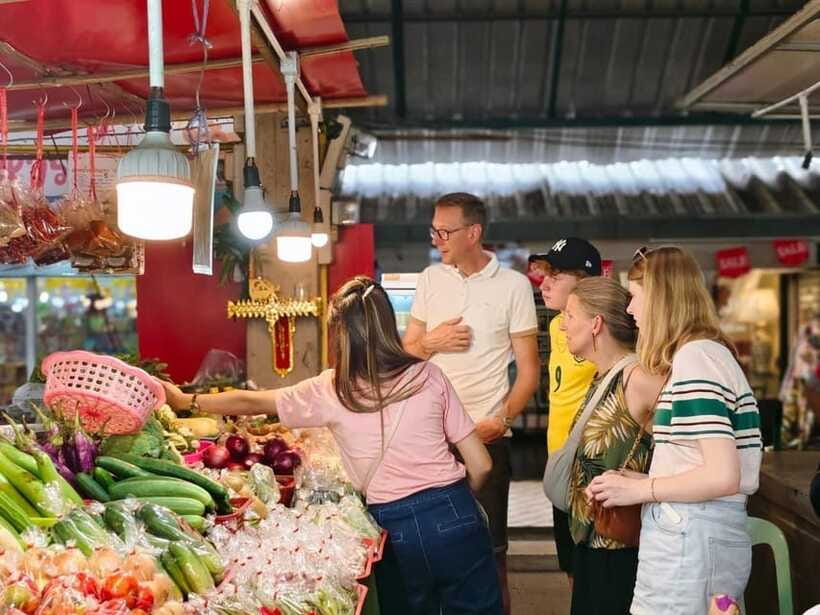
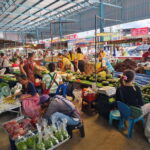
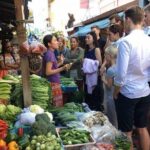
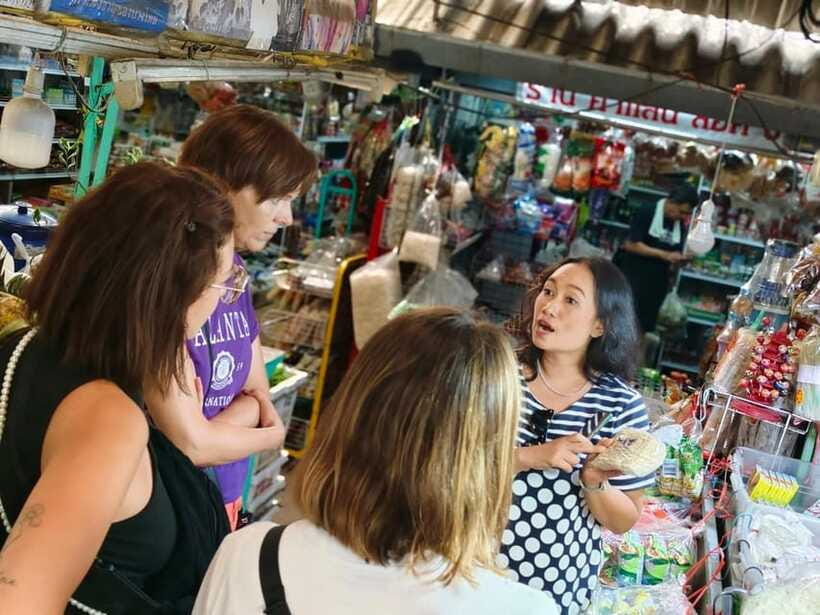
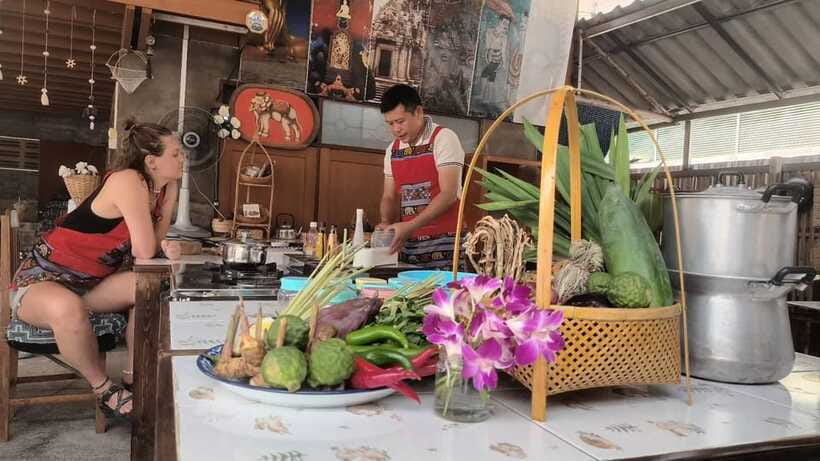
Before you touch a knife in the kitchen, you’ll go to the local market. This part is genuinely practical. You learn what Thai cooks look for when they choose ingredients—things like the herbs, spices, and vegetables that define the dishes you’ll make.
A useful way to think about the market stop is as a shortcut for future cooking. Once you’ve seen ingredients in context, you’re less likely to buy the wrong thing back home and end up with a sad curry. Even if you can’t shop like locals, you’ll pick up ingredient names and what they do.
Another nice detail: the class ties the market lessons to the cooking portion right away. You don’t just wander. You learn what matters, then you use it.
One small caution: if you prefer slow, detailed stall-by-stall explanation, you might want a touch more guidance. Some people felt the market part could move quickly, so come with curiosity and a willingness to ask questions.
Curry paste from scratch: the skill that makes everything click
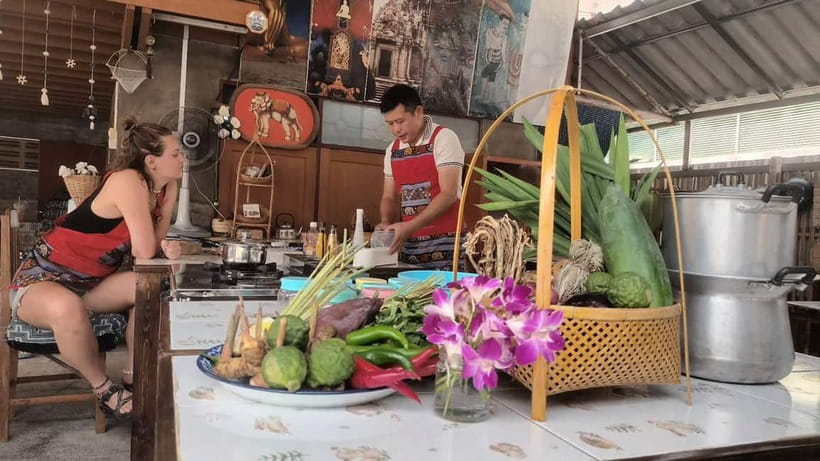
Curry paste is where Thai cooking stops being a mystery and starts being repeatable. This class teaches you to make it from scratch, which is a big deal because most cooking classes avoid the messy, time-consuming part.
You’ll learn how curry paste works as a flavor engine: aromatics and spices get ground and mixed until they form a base that carries the dish. The chef guides you through the process, and you can actually see how a few ingredients become something powerful.
This is also where the instruction style shows up. Many classes succeed or fail based on whether the chef can explain small steps clearly. Here, the overall vibe is hands-on and encouraging. In past sessions, instructors with names like Tu, Wave, Balloon, Mew, and Kat have been praised for being supportive, funny, and patient while working with the group.
If you’re aiming to cook Thai food at home and not just collect recipes, the curry paste skill is the takeaway you’ll use most.
Sticky rice with mango: sweet, sticky, and surprisingly technical
Then comes the dessert-leaning classic: sticky rice with mango. It might sound simple, but sticky rice is all about timing, texture, and the right preparation approach. The class includes the sticky rice method and the mango pairing, so you learn how to get that signature chewy texture instead of turning it into something more like regular rice.
Even if you’re not a sweets person, this dish is worth paying attention to because it teaches you about Thai food texture—how the cooking process affects the final bite. The class structure usually keeps things moving, so you’re not stuck watching while others cook. You get involved.
A nice bonus: not every dish is necessarily painfully spicy. Some people mentioned the menu options allow for different heat levels, which is good if you want Thai flavor without turning your day into a chili challenge.
The rest of the menu: 6 dishes that teach Thai balance
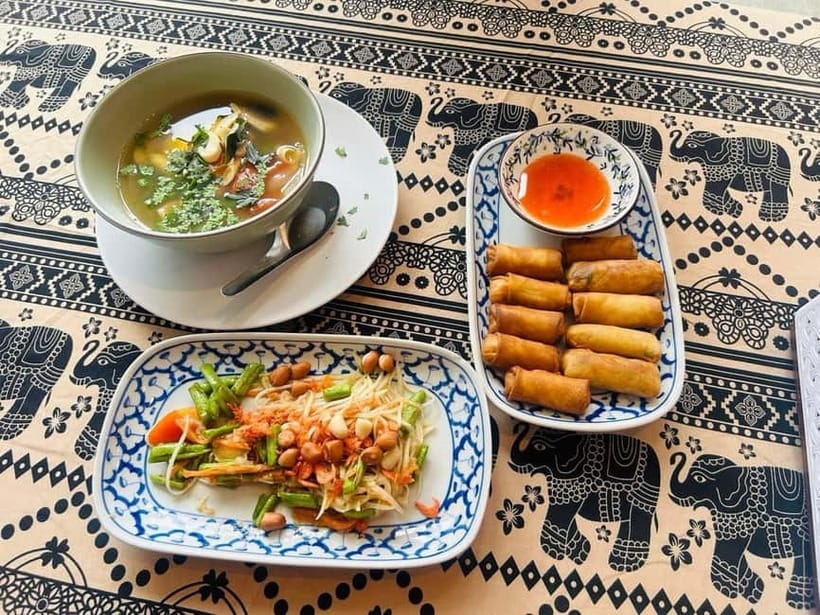
You’ll cook six different traditional Thai dishes during the session. The exact lineup can vary, but you can expect a mix that includes curry paste-based cooking and at least one mango sticky rice component, plus other local Thai dishes that fit into a real meal.
What I like about this approach is that it teaches balance. Thai cuisine isn’t one-note. It’s sweet, sour, salty, savory, and spicy all interacting. When you cook multiple dishes in one go, you start noticing patterns: what ingredients show up again and again, how herbs are used to lift flavors, and how Thai cooking relies on combining flavors rather than seasoning at random.
One practical benefit: you end the day with a menu you understand, not a cookbook full of guesses. And you’ll get a recipe book included, which makes it easier to recreate dishes later.
Some people also reported receiving a PDF recipe pack and photos from the experience. Even if yours varies a bit, you should leave with enough written guidance to cook again.
A few more Chiang Mai tours and experiences worth a look

How the class runs: organized stations, small groups, and fast feedback
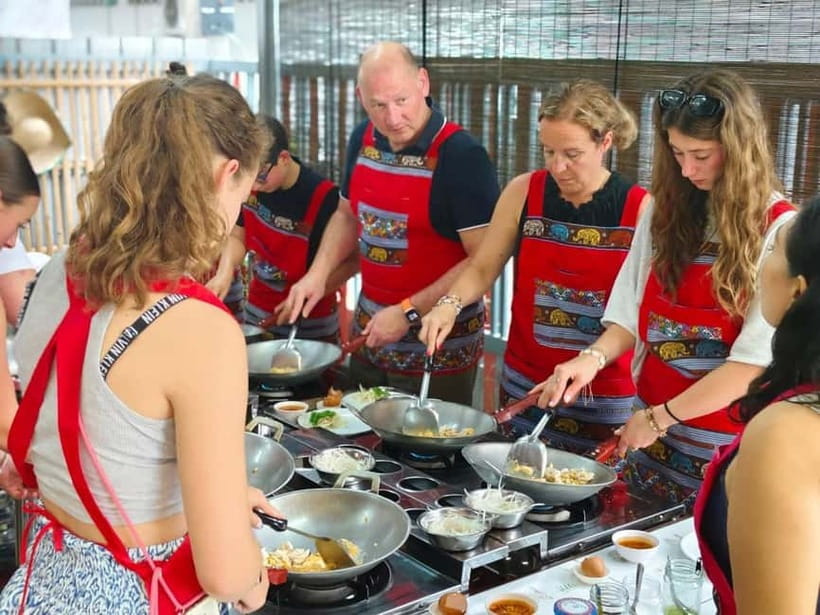
This class has a “show up, get taught, eat what you made” pace. The kitchen setup usually feels ready for you: stations are arranged, and instructors work step-by-step while keeping things fun.
Many people praised the class organization—things like being well run, having a good flow from market to cooking, and getting real help at each stage. Several comments also highlighted small group size, which matters because it usually means more attention from the chef. When the group is smaller, it’s easier to ask questions and get adjustments on the fly.
And the personalities really come through. In past sessions, guides like Flook (praised for humor and teaching), Gataii (funny and knowledgeable), Ton (friendly and helpful), and Gataii/others have been described as patient, encouraging, and quick to assist.
If you worry that cooking classes can feel chaotic, this one seems designed to avoid that. You’ll still make mistakes—Thai cooking is forgiving in the best way—but you won’t be left alone trying to figure out what went wrong.
Eating the results: a meal you made, not just samples
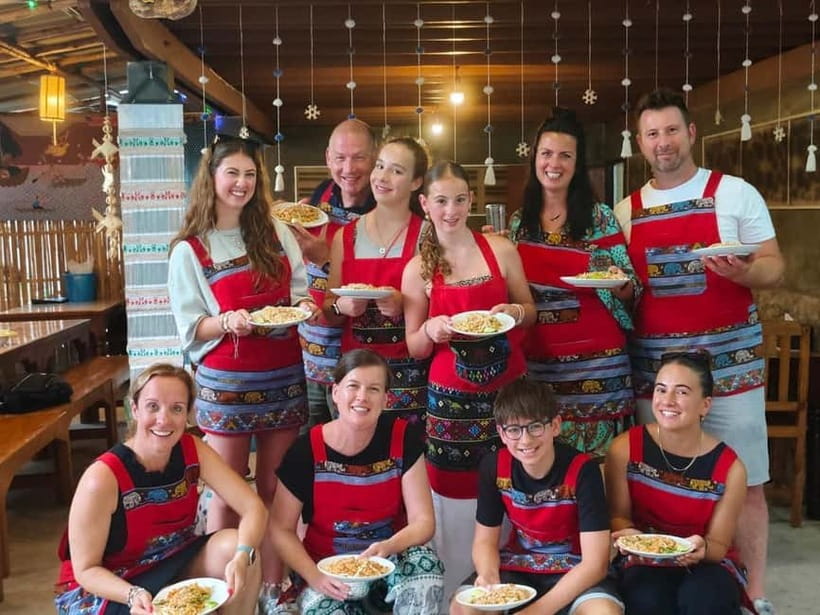
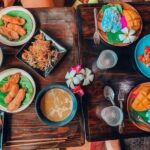
The best part is always the same: you eat what you cooked. This class builds toward a full plate of the dishes you prepared, so the meal feels earned.
That said, keep your own appetite in mind. While the meal is described as delicious and plentiful by many people, a few folks felt they ended up still a bit hungry—especially if they expected this to replace dinner entirely.
So think of it like this:
- If you’re average hunger, you’ll likely be satisfied.
- If you’re a big eater, plan a snack or light follow-up after.
Price and logistics: what $32 buys you in Chiang Mai time
At about $32 per person, you’re paying for a compact, guided food day. That price is what makes this class work for many travelers: you get hotel pickup, a market tour, a cooking class, ingredients, and a recipe book, all in 4 hours.
The value comes from time. If you tried to piece this together on your own—market shopping plus a chef lesson plus ingredient handling—it would take longer and likely cost more.
A few logistics notes worth knowing:
- You’ll be picked up and should wait in your hotel lobby 15–30 minutes before scheduled pickup.
- Transportation is included, but it may not always be the most comfortable ride. One person mentioned a jeep instead of an air-conditioned minivan, and others noted delays or a bumpy ride. Not guaranteed, but it’s good to have that in the back of your mind.
Also, your meal timing can depend on your attendance time schedule. The class includes what you cook, but whether that lands as brunch, lunch, or dinner depends on when you go.
Who should book this cooking class—and who should skip it
This is a great fit if you love:
- Thai food and want skills you can repeat
- learning by doing (you want hands-on, not just watching)
- markets and ingredient hunting
- cooks who like real guidance, not vague tips
It’s also a solid choice for groups of friends because the class tends to be organized and interactive. Small group praise is consistent, and that usually means everyone gets help.
You should skip it if your child is under 5. That age limit is listed, so it’s best to choose another family-friendly option.
Finally, if you’re sensitive to spice, you’ll likely be okay because the experience includes multiple dishes and people have mentioned that not all dishes are overly spicy. Still, you can ask the chef how to adjust heat during cooking.
Should you book this Chiang Mai traditional cooking class?
If you want a true Chiang Mai food experience that’s practical, hands-on, and worth the money, I’d book it. The combination of a market stop plus cooking curry paste from scratch plus sticky rice with mango is a strong mix of skill and payoff. And the overall teaching style—fun, organized, and supportive—comes up again and again through the different instructors’ names.
Book with a realistic hunger expectation. If you want a guaranteed dinner replacement, you might still want a small snack plan afterward. Also, if you’re picky about transport comfort, just know the ride can vary.
If your goal is to leave with Thai cooking skills you can actually use at home, this one’s a smart yes.
FAQ
How long is the Chiang Mai cooking class?
The experience lasts 4 hours.
Is hotel pickup included?
Yes. Pickup is included, and you should wait in the hotel lobby 15–30 minutes before your scheduled pickup time.
What does the price include?
It includes hotel pickup, a local market tour, an introduction to Thai herbs, spices, and vegetables, cooking for 6 dishes (including curry paste from scratch), ingredients, and a recipe book.
Do I visit a market as part of the tour?
Yes. You’ll visit a local market to learn about Thai herbs, spices, and vegetables.
How many dishes will I cook?
You’ll cook 6 traditional Thai dishes, including curry paste from scratch and sticky rice with mango.
Is the class taught in English?
Yes. The instructor is English-speaking.
Is alcohol included?
No. Beer and alcohol are not included, and alcohol and drugs are not allowed.
What should I bring or wear?
Wear comfortable clothes.
Is this tour suitable for kids?
It is not suitable for children under 5 years old.
Can I cancel for a full refund?
Yes. You can cancel up to 24 hours in advance for a full refund.