REVIEW · CHIANG MAI
Chiang Mai: Customize Your Own Chiang Mai City Tour
Book on GetYourGuide →Operated by TripGuru Thailand · Bookable on GetYourGuide
Private temple days beat bus tours. This is a custom Chiang Mai city tour where you pick your must-sees, and your driver turns them into one workable route. Want sacred sites, shopping, or both? You can steer the day.
I also like how it stays practical in the heat. You get air-conditioned pickup and a private car, so you’re not wasting time hopping between buses and waiting in traffic. Guides such as Nick, Ratcha, and Charoen have been praised for clear explanations and taking the time to match the visit to your interests.
One thing to consider: your best plan still has to fit distances and site rules, and language or scheduling hiccups can happen (one booking described a last-minute guide-language change). Before you go, double-check the email confirmation and be ready with clothing that follows temple dress rules.
In This Review
- Key things that make this tour worth your time
- How a private, customized Chiang Mai city tour actually plays out
- Your route-builder: temples, gates, monuments, and the Old City flow
- Wat Phra That Doi Suthep: the big-name temple day-stretch
- Old City trio logic: Wat Phra Singh, Wat Chedi Luang, Wat Chiang Man
- Wat Lok Moli and Wat Suan Dok: extra temple variety
- Wat Umong (tunnel temple): a different temple vibe
- Wat Srisuphan (silver temple): when you want a standout look
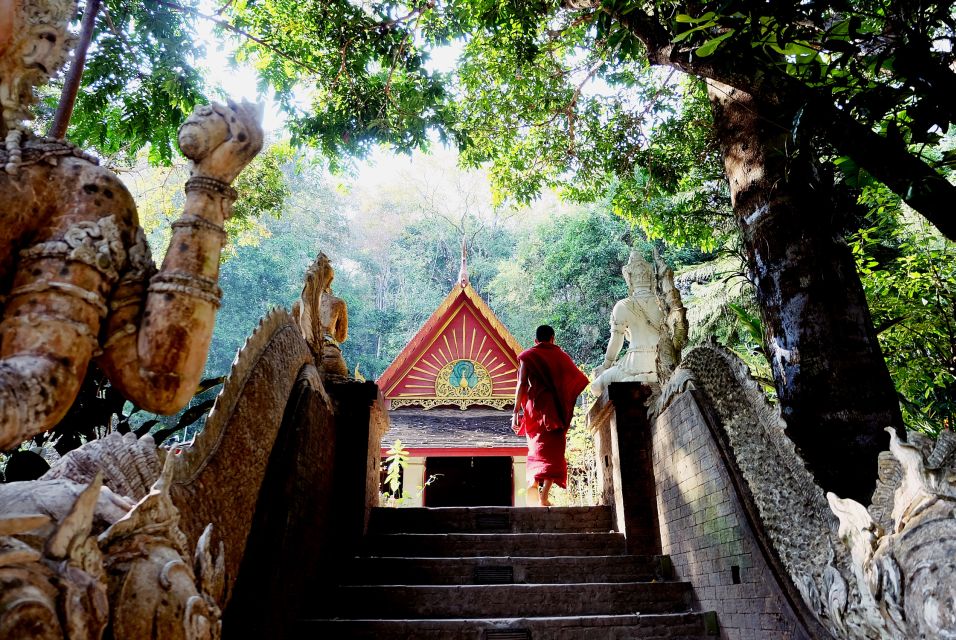
- Wat Pha Lat (Hidden Temple): for the curious and the flexible
- Markets and streets: Warorot, Ton Lamyai, and Chang Moi
- Warorot Market (Kad Luang): clothes, local goods, and local food
- Ton Lamyai Flower Market: fruit and flowers
- Chang Moi Street: handicrafts shopping without the guesswork
- Tha Pae Gate and monuments: turning scattered stops into a coherent walk
- What the guide experience can feel like (and where it can go wrong)
- Value check: is $94 per person a fair deal?
- Practical tips: what to wear, what to pack, and how to avoid wasted time
- Wear rules you should follow
- How to pick your attractions so the day feels smooth
- Who this tour suits best
- Should you book this Chiang Mai Customize Your Own City Tour?
- FAQ
- How many attractions can I choose for my Chiang Mai tour?
- How long is the tour?
- Does the tour include hotel pickup and drop-off?
- Are entrance fees included?
- Is food included?
- What languages are available for the guide?
- Is there free cancellation?
- What should I wear for temple visits?
Key things that make this tour worth your time
- Pick your own mix of up to 3–4 sights for a full day (or 2–3 for a half day) so you’re not forced into someone else’s priorities
- Hotel pickup stays inside a defined area around Tha Pae Gate and the Old City area (no roadside pickups)
- You choose up to four attractions, and the guide plans around geography to reduce backtracking
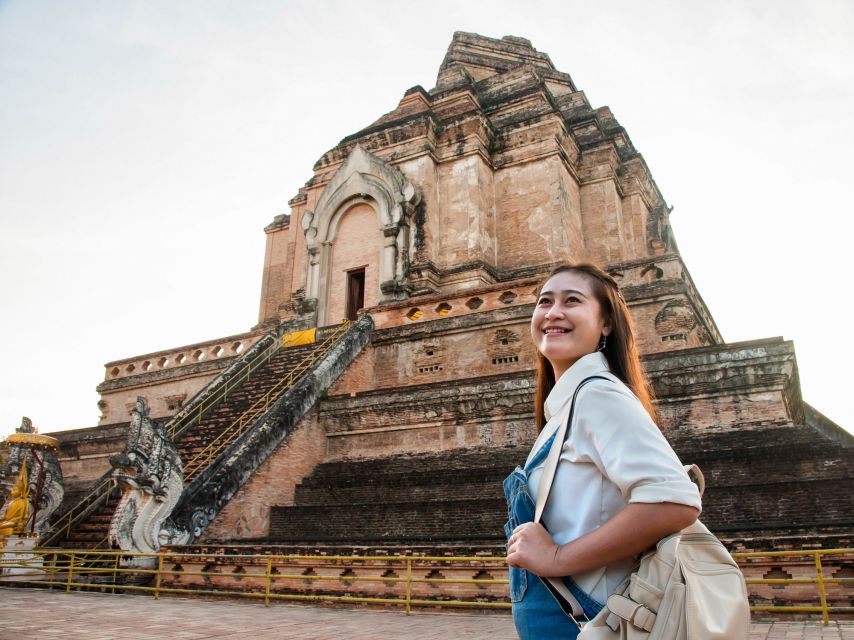
- Wat Phra That Doi Suthep and Old City temples are both on the menu for a flexible full-day route
- Markets are part of the experience, not an afterthought, including Warorot and Ton Lamyai
- Low-impact approach with water provided and carbon emissions offset credits included
How a private, customized Chiang Mai city tour actually plays out
This is a private day in Chiang Mai that you shape. At checkout, you list a few attractions you want to focus on—typically 3–4 for a full day or 2–3 for a half day—and the operator builds a route with distance in mind. That matters more than people think. Chiang Mai can be easy to get around, but it’s also easy to lose the day to driving time if your stops aren’t grouped.
The biggest practical win is control. You’re not stuck with a fixed “temples only” script or a rushed “quick photo, next stop” rhythm. If you care more about Buddhist sites, you can lean that way. If you want market browsing and handicrafts, you can weight your choices there.
You’ll also have a driver in an air-conditioned vehicle, plus an English-speaking driver as part of the included service. A tour guide is optional, and the available guide languages are Chinese, English, and Spanish.
You can also read our reviews of more city tours in Chiang Mai
Your route-builder: temples, gates, monuments, and the Old City flow
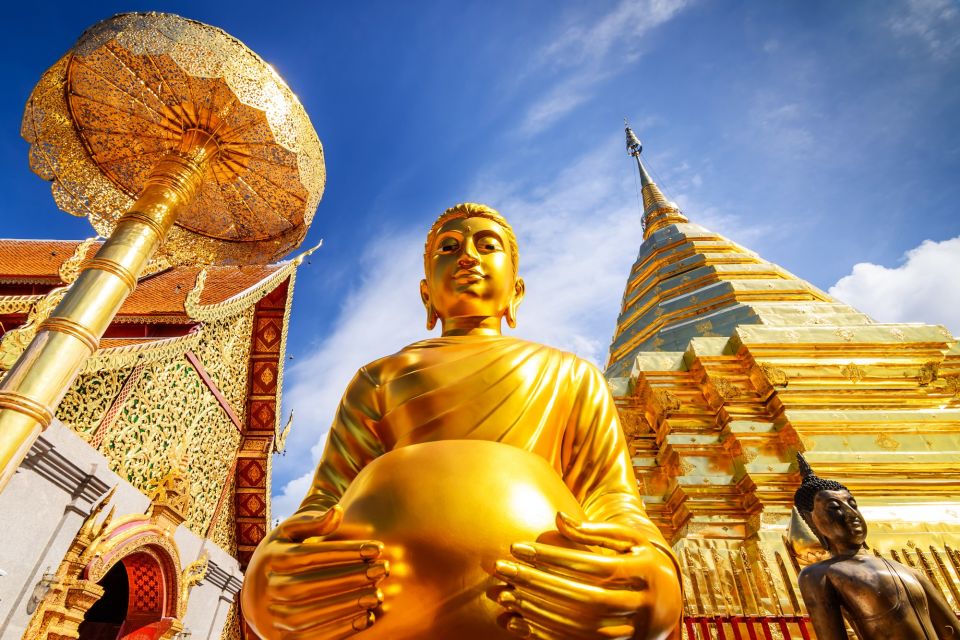
Chiang Mai’s top sites fall into patterns: Old City temples clustered near the old walls and city gates, plus standout temples a bit farther out. The tour’s customization is designed for that reality—your guide can combine the sacred sites you choose with landmarks that help the route make sense.
Wat Phra That Doi Suthep: the big-name temple day-stretch
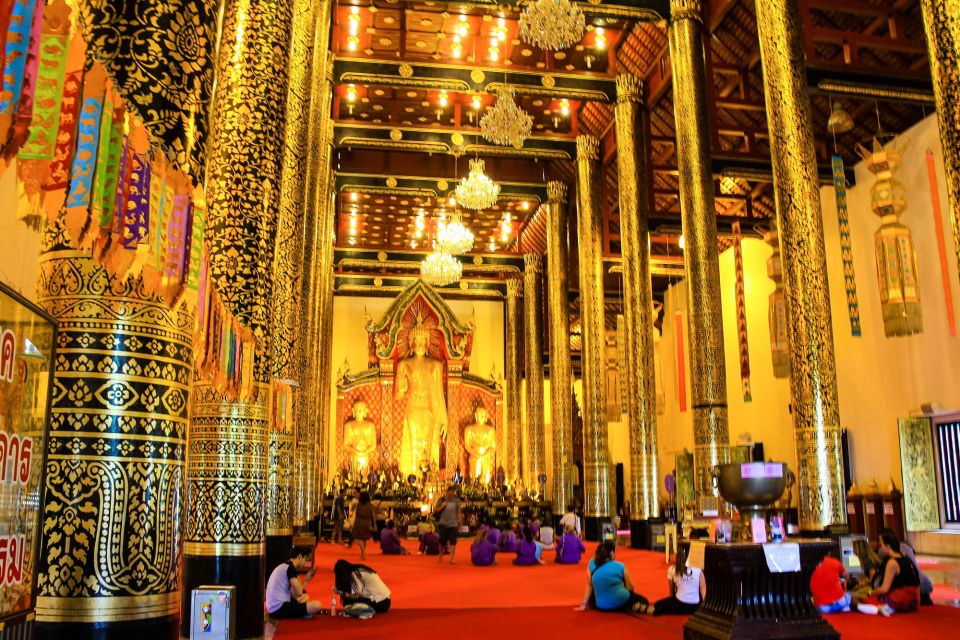
This is one of the main “yes” options if you want Chiang Mai’s most famous temple experience. It’s listed as a guided stop, and it’s often the kind of site that shapes the whole day because it takes more time to reach than an Old City temple.
If you choose it, you’re basically choosing a longer, more day-defining segment. The upside is that it gives you a clear headline sight and a memorable contrast to the Old City streets.
Old City trio logic: Wat Phra Singh, Wat Chedi Luang, Wat Chiang Man
If you want a classic Chiang Mai temple sweep, the tour offers a few anchor temples that pair well together:
- Wat Chiang Man: listed as Chiang Mai’s oldest temple, so it’s a natural starting point if you like origins.
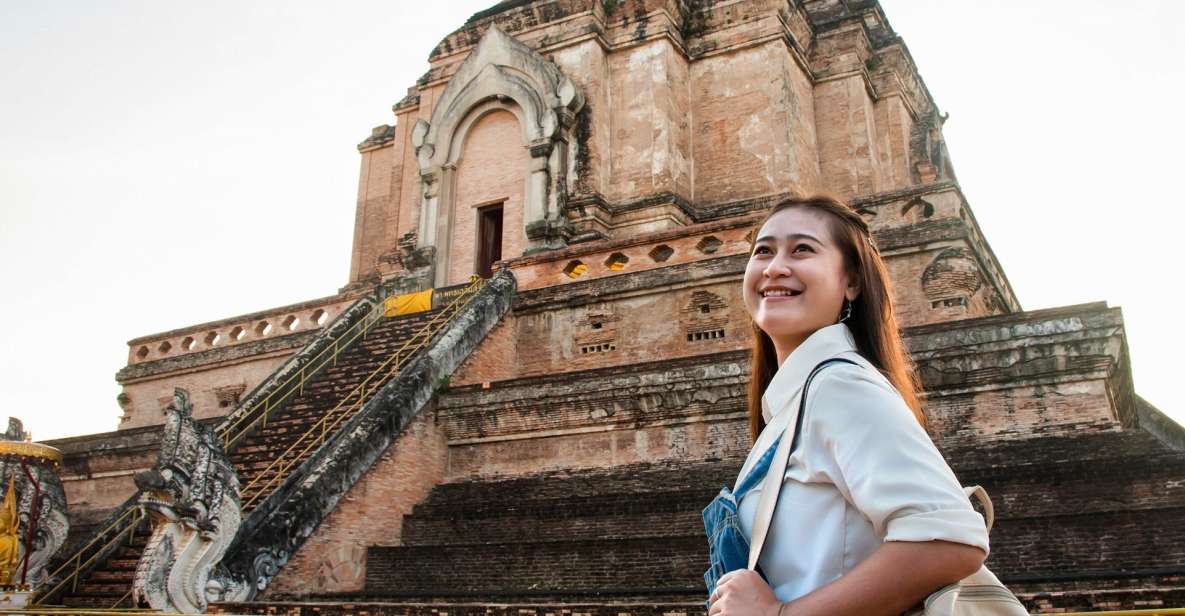
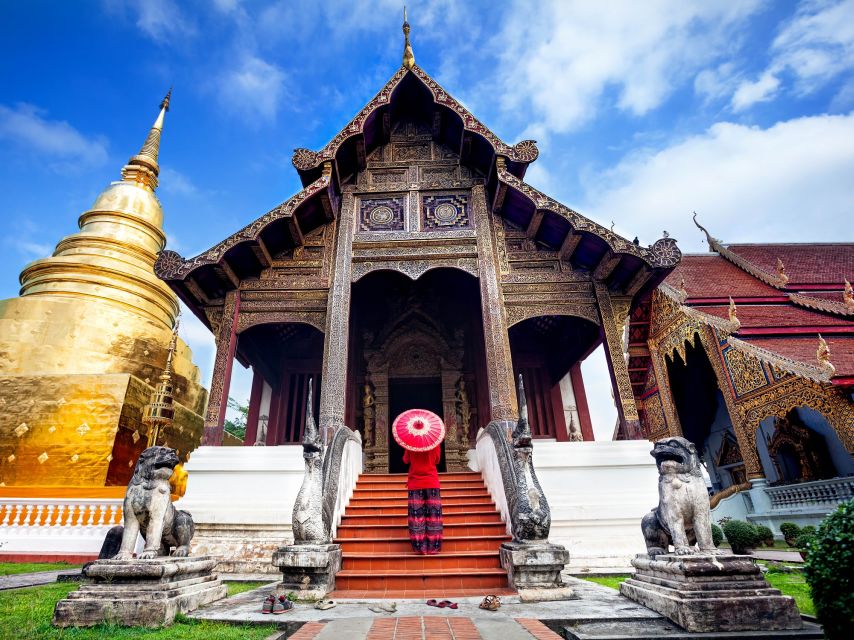
- Wat Chedi Luang (Temple of the Big Stupa): a standout landmark temple, especially if you want scale and a recognizable centerpiece.
- Wat Phra Singh: another major sacred temple option you can add depending on your interests.
Here’s the practical trick: because these are all guided stops and likely close enough to stack, your day stays efficient. You’ll spend more time inside the sites and less time recalculating the route.
Wat Lok Moli and Wat Suan Dok: extra temple variety
These are additional temple choices that can round out a half-day or keep a full day from feeling repetitive. Since they’re also listed as guided visits, you should expect context rather than just walking in and out.
If you’re only selecting a couple temples, you may not need these. If you’re selecting three or four, they help you build a more complete picture of Chiang Mai’s temple landscape.



Wat Umong (tunnel temple): a different temple vibe
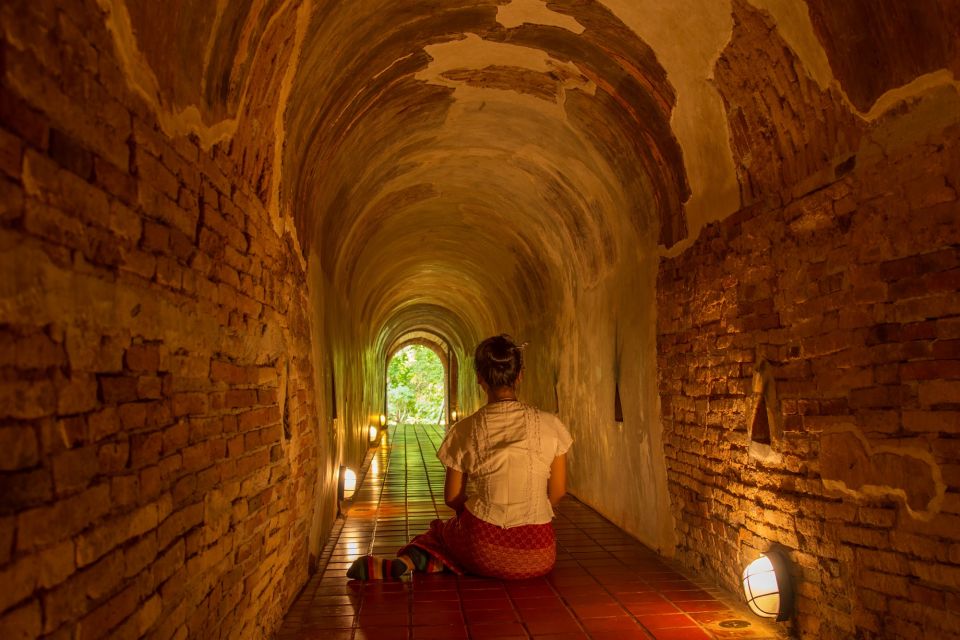
Wat Umong is specifically labeled as the tunnel temple. That alone gives you a reason to add it if you’re trying to break up a day of typical temple viewing. It’s also listed as a guided stop, which is helpful for understanding what you’re looking at instead of guessing.
Practical note: you’ll want comfortable shoes and to expect some walking.
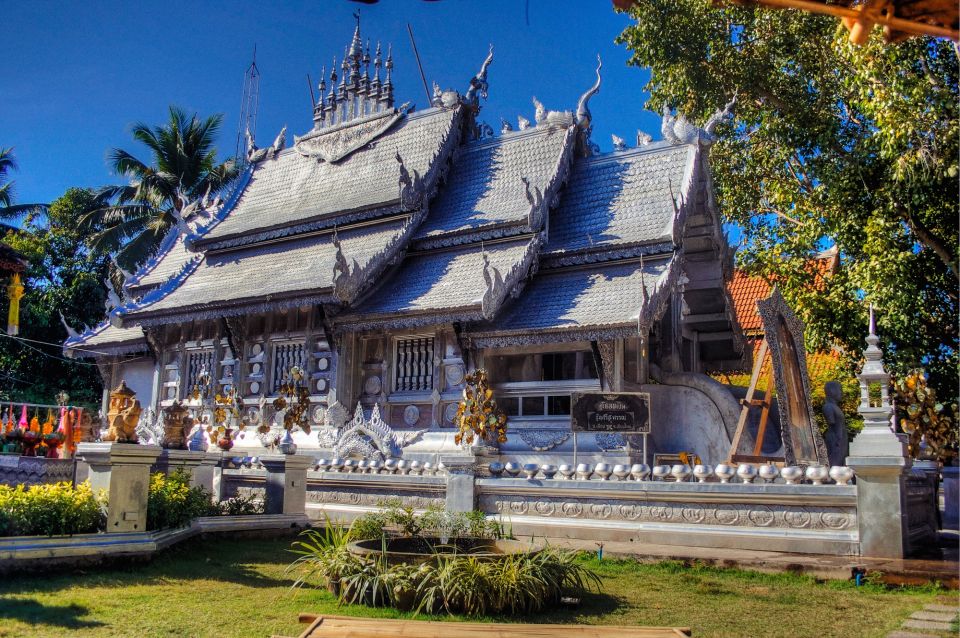
Wat Srisuphan (silver temple): when you want a standout look
This one is explicitly called the silver temple. If your “must-see” list includes a temple with a visual hook, it’s a strong candidate.
It’s also listed as a guided stop, which matters because a guide can help connect the look to the meaning—rather than just treating it like a photo wall.
Wat Pha Lat (Hidden Temple): for the curious and the flexible
Wat Pha Lat is labeled as the Hidden Temple. That suggests a more low-key choice compared to the headline temples. If you like a quieter, off-the-main-stream feel, this is a smart way to diversify your day.
It’s also a guided visit, so you’re not left interpreting everything on your own.
Markets and streets: Warorot, Ton Lamyai, and Chang Moi
Temples show you the sacred side. Markets show you the everyday Chiang Mai side. This tour includes the kind of stops you can actually use: food, local products, flowers, and handicrafts.
Warorot Market (Kad Luang): clothes, local goods, and local food
Warorot Market is described as the most famous market in Northern Thailand. It’s listed as a guided visit and it’s also specifically noted for clothes, local products, and food.
Why this is valuable: if you want to understand how people shop and snack, this is the type of place where you can see everyday culture in motion. You’ll also get better results than you would if you only wandered around on your own, because a guide can help you focus on what matches your interests.
Practical drawback: markets require walking and can involve strong sun. Bring the hat and sunscreen from the packing list if you tend to burn easily.
Ton Lamyai Flower Market: fruit and flowers
Ton Lamyai Flower Market is specifically described as a fruit and flower market and is listed as a guided stop. This is the right choice if you want something sensory and photogenic that still feels like part of local life.
If your day includes a temple-heavy route, a flower and fruit market can act like a “reset” stop—different sights, different pace.
Chang Moi Street: handicrafts shopping without the guesswork
Chang Moi Street is noted as the handicraft street. This is where you can slow down and browse for souvenirs that feel connected to local makers.
It’s also listed as an option in the full set of attractions, meaning your guide can slot it based on your chosen priorities and the time you have.
Tha Pae Gate and monuments: turning scattered stops into a coherent walk
Some stops are about objects you see. Others are about how you understand the city layout. The tour includes a few of both.
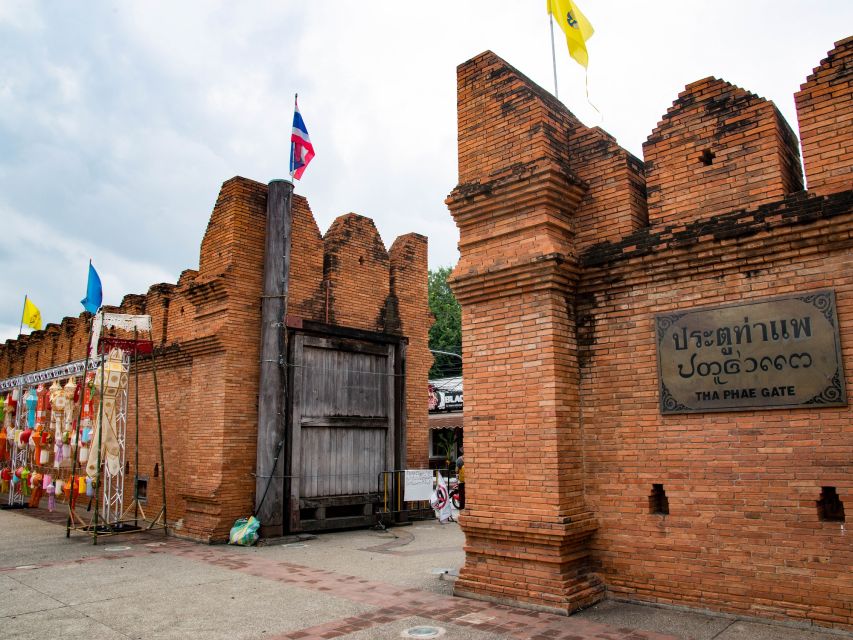
- Tha Pae Gate: listed as the eastern gate of the walled city. This is a helpful “anchor landmark” stop because it connects you to the city’s structure.
- 3 Kings Monument and Kruba Srivichai Monument: these are landmark choices that can break up temple-and-market time and give your day clear visual milestones.
If you’re the type who likes to build a mental map, these landmarks are the glue. They make the day feel like one journey instead of disconnected points on a list.
What the guide experience can feel like (and where it can go wrong)
This tour can be excellent—or at least very good—because it’s built to be responsive. Several guide stories in the provided feedback point to that.
Nick has been praised for answering questions deeply and taking “the absolute best pictures.” Ratcha is described as knowledgeable and a great host. Charoen stands out for making the day feel personal: there’s mention of time for coffee at a temple and an easy, friendly pace.
Philip is another example of a guide who adjusted based on what the group wanted to focus on in Chiang Mai. That matters because it proves the customization isn’t only on paper.
The caution side is real too. One booking reported a last-minute cancellation of a planned guide and a need to discuss alternatives once the tour had started. Another unhappy case stated the guide did not arrive.
So here’s my practical advice: don’t treat this as a “set it and forget it” day. Use the confirmation email the evening before to lock in pickup time and meeting point. Show up about 10 minutes early, since the guide may be waiting and holding a TripGuru sign.
Value check: is $94 per person a fair deal?
At $94 per person for a 5–10 hour private tour, the value depends on what you compare it to.
You’re paying for:
- Hotel pick-up and drop-off (within the defined pickup area)
- Air-conditioned vehicle
- English-speaking driver
- Customized private tour within Chiang Mai City
- Drinking water
- Carbon emissions offset credits
- A tour guide is optional (meaning you’re not locked into a specific guide style)
You’re not paying for:
- Entrance fees
- Food and beverages
- Personal expenses
So if you’d otherwise hire a car for the day, plus pay for someone to guide you through temples and markets, you’re likely getting a solid deal—especially because you can focus your stops and avoid wasted time. The inclusion of water and carbon offset credits also helps if you’re trying to travel with a lighter footprint.
Practical tips: what to wear, what to pack, and how to avoid wasted time
Chiang Mai temples have dress expectations, and this tour is explicit about it.
Wear rules you should follow
- No shorts and no short skirts
- Cover-ups are important because some sites have strict dress codes (shoulders, underarms, back, and knees)
Bring:
- Comfortable shoes
- Sunglasses, hat, sunscreen
- Umbrella (sun and weather happen fast)
- Insect repellent
- Camera
- Cash
- Scarf (a simple fix for covering quickly)
How to pick your attractions so the day feels smooth
When you choose your 3–4 or 2–3 favorites, think in “clusters”:
- Choose a set of Old City temples and landmarks so you’re not constantly crossing town.
- If you add Wat Phra That Doi Suthep, expect it to shape your timing and pacing.
And give your guide options if you’re flexible. Your best route usually comes from a short list plus one or two backups.
Who this tour suits best
This tour is built for people who want control and comfort:
- Great for first-timers who want a guided grounding without joining a crowd
- Ideal for couples and small groups who prefer private pacing
- Strong fit if you want both temples and shopping (Warorot, Ton Lamyai, Chang Moi)
It’s not suitable for pregnant women, people with mobility impairments, heart problems, or respiratory issues, likely because of the walking and overall physical demands of temple visits and moving around the city.
Should you book this Chiang Mai Customize Your Own City Tour?
Book it if you want a private day that you can steer, and you’re excited to mix temples + markets + landmarks instead of doing only one side of Chiang Mai.
I’d especially lean toward booking if:
- you have a short list of sites like Wat Chiang Man, Wat Chedi Luang, Wat Umong, or Wat Srisuphan
- you really want Warorot Market and/or Ton Lamyai Flower Market
- you like the idea of having a guide help you place what you’re seeing (not just walk past it)
I’d pause if:
- you need a very specific language guarantee or your schedule is extremely tight
- you’re worried about temple dress rules and walking time—because the tour doesn’t expect you to skip those parts
If you go in prepared—confirmed pickup time, proper clothing, and a grouped set of sights—this is the kind of Chiang Mai day that feels personal, not pre-packaged.
FAQ
How many attractions can I choose for my Chiang Mai tour?
You choose up to four Chiang Mai City attractions. At checkout, it also asks you to list about 3–4 preferred attractions for a full day and 2–3 for a half day.
How long is the tour?
The duration is listed as 5 to 10 hours, depending on availability and your selected timing.
Does the tour include hotel pickup and drop-off?
Yes. Pickup and drop-off are included for major downtown areas within a 5 km radius of Tha Pae Gate and the Old City Wall zone, including nearby roads around the Night Bazaar, Ton Lam Yai Market, and Warorot Market.
Are entrance fees included?
No. Entrance fees are not included.
Is food included?
Food and beverages are not included.
What languages are available for the guide?
The guide is available in Chinese, English, and Spanish.
Is there free cancellation?
Yes. You can cancel up to 24 hours in advance for a full refund.
What should I wear for temple visits?
You should wear clothes that follow temple dress codes and avoid shorts and short skirts. Some sites also restrict revealing shoulders, underarms, back, and knees, so bring a scarf or cover-up if needed.