REVIEW · CHIANG MAI
Zipline Experience in Chiang Mai
Book on GetYourGuide →Operated by Oh-Hoo · Bookable on GetYourGuide
Flying through trees changes your pace.
If you like adrenaline with a side of nature, this Chiang Mai zipline run is built around Thailand’s longest 1000-meter line and a careful system that lets you glide without messing up the old trees below. The day is also structured so you get proper instruction first, then you spend time up at the platforms instead of feeling tossed into the deep end. One thing to consider: if you mainly care about max airtime, this is paced for safety and control, and the total time on the cables may feel short compared with what some people expect.
You’ll start with a hotel pickup in central Chiang Mai and head to Phoenix Adventure Park. I like that the emphasis is on safety and rainforest conservation, with English-speaking guides and a proper briefing on harness use and emergency steps. The only real drawback is that the activity has health and weight limits, so it’s not a fit for everyone, including pregnant travelers and people with mobility limitations.
In This Review
- Key things to know before you go
- Phoenix Adventure Park: what the $50 buys you
- Getting to the park from Chiang Mai Old Town
- The pre-zip briefing: where safety becomes real
- The rainforest course: 1000 meters, 24 platforms, 14 ziplines
- Tree-first design: the part most thrill rides ignore
- The guides: helpful, hands-on, and tuned to nerves
- What happens after the zipline: lunch and time back in Chiang Mai
- Price and value: when $50 feels fair
- Who should book this zipline (and who should skip)
- Practical tips that make the day smoother
- Should you book this Chiang Mai zipline?
- FAQ
- How long is the zipline experience?
- Do I get hotel pickup in Chiang Mai?
- What is the age range for this activity?
- Is there a weight limit?
- What do I need to bring?
- What’s included besides the ziplining?
- Is cancellation allowed?
Key things to know before you go
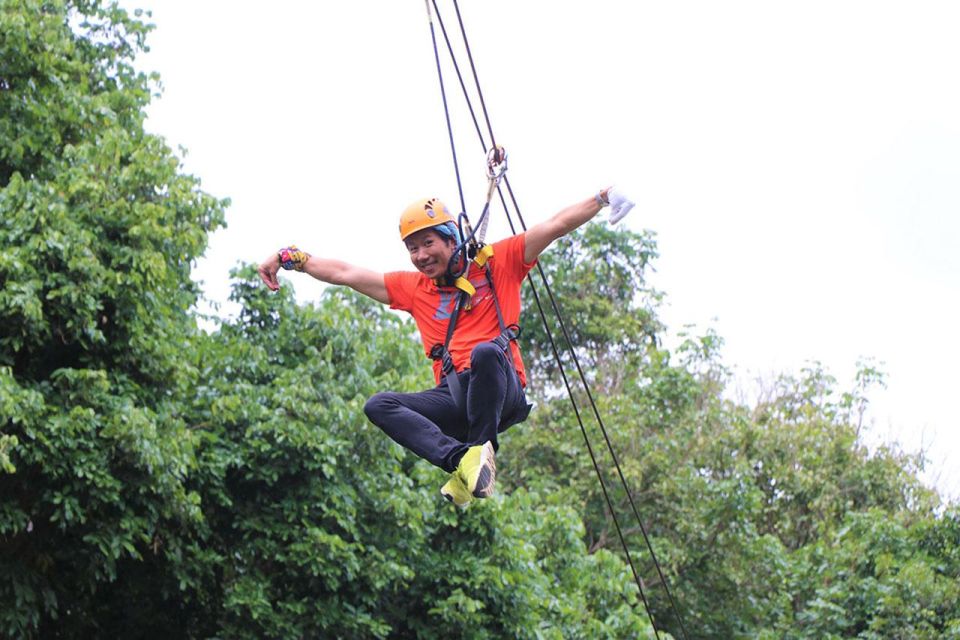
- The main event is a 1000-meter zipline with 24 platforms and 14 ziplines along the way.
- You get a real safety briefing before you’re up in the trees, including harness and emergency guidance.
- Guides focus on rainforest conservation, so the views come with context, not just thrills.
- A tree-friendly cable approach is part of the design, aiming to protect long-standing trees during the route.
- You’ll get hotel pickup within 5 km of Old Town, plus lunch and water afterward.
Phoenix Adventure Park: what the $50 buys you
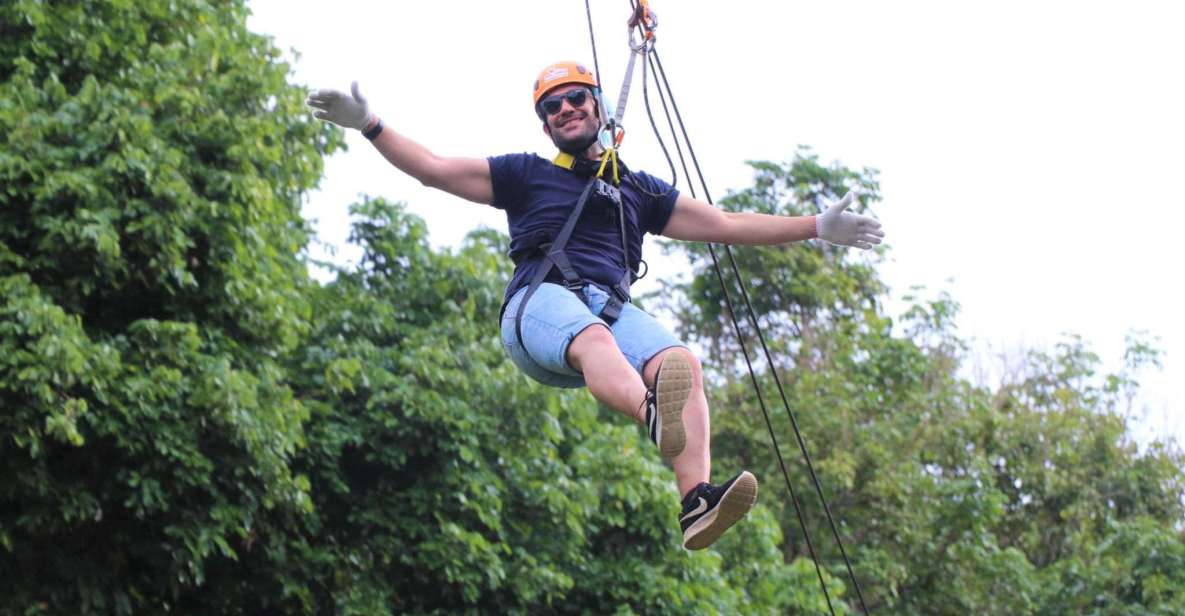
This is a 2-hour tour experience with about 1.5 hours in the treetop portion, priced around $50 per person. That sounds simple until you realize the full value is in the whole package: pickup, safety training, guided runs through a multi-line course, lunch, and equipment.
I like that the offer isn’t just a “zip and go” situation. The course is set up as a guided treetop activity with instruction before the first lift-off, plus a conservation-minded explanation so you know what you’re seeing. For many people, that turns the ride from a quick stunt into a more complete experience.
The question you should ask yourself is: what do you want most, speed or time in the air? The course is long on paper, and there are many platforms, but it’s still designed for pacing, safety checks, and smooth transitions line to line. If your top goal is staying in the air as long as possible, confirm which package option you’re booking and what that means for airtime.
You can also read our reviews of more tours and experiences in Chiang Mai.



Getting to the park from Chiang Mai Old Town
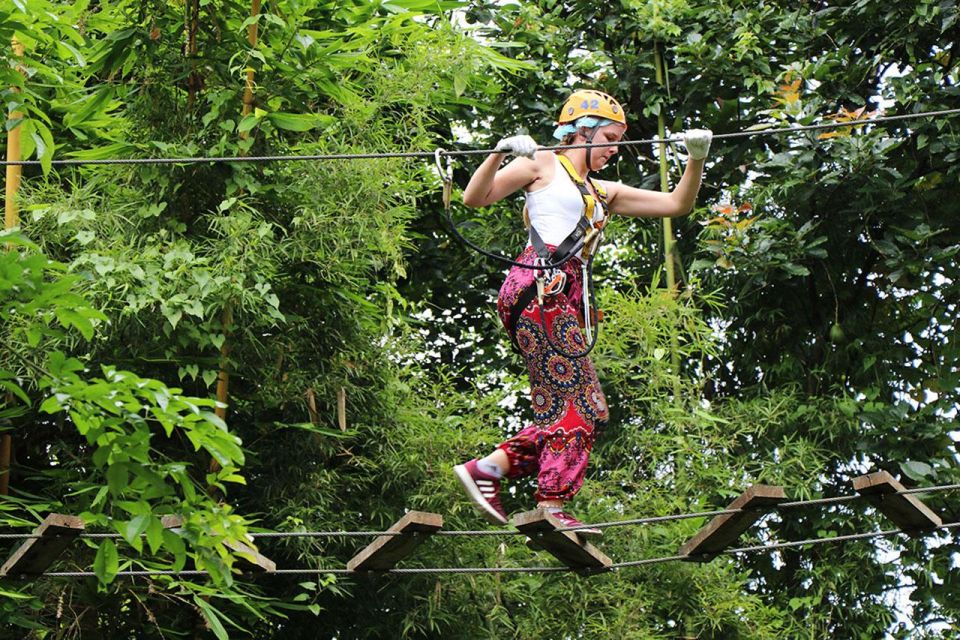
The day starts with a smooth hotel pickup in Chiang Mai, limited to hotels within 5 km of Chiang Mai Old Town. It’s helpful if you’re staying near the center, because you don’t have to organize a ride or figure out where the park is when you’re half-awake.
Pickup time is confirmed by email, and you’re expected to be ready at least 10 minutes before the scheduled pickup. That small detail matters. If you show up late, you can be marked as a no-show because the guide may have already moved on.
The pre-zip briefing: where safety becomes real
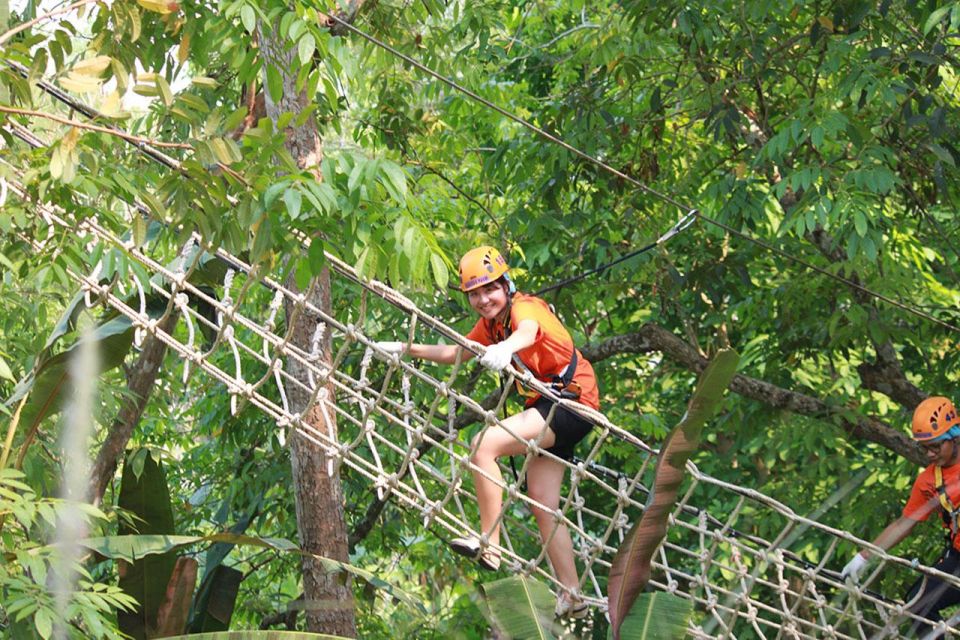
Before you head into the trees, you’ll do a safety briefing at Phoenix Adventure Park. This is the part that makes the rest of the day feel less chaotic. You’ll learn how the harness works, what to do once you’re attached, and what the emergency process is if anything unexpected happens.
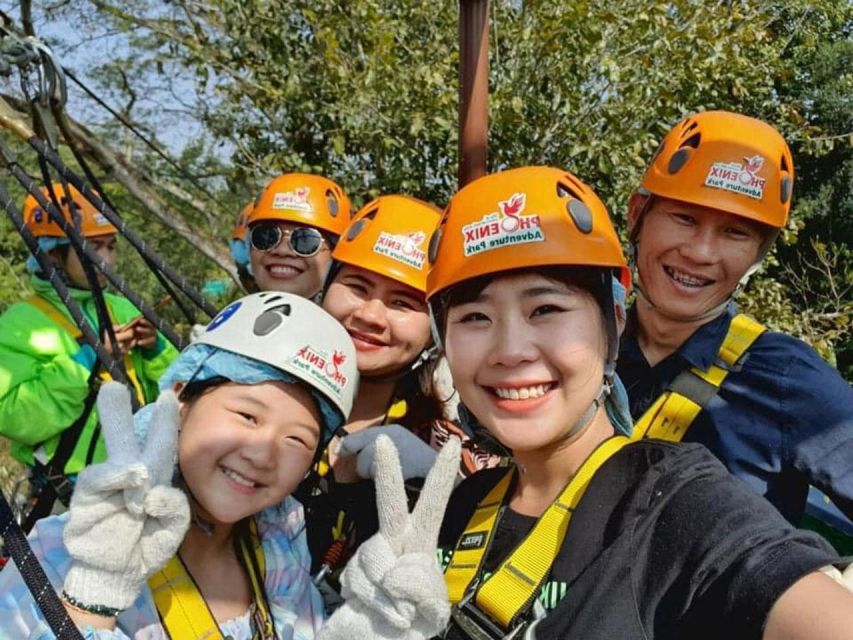
You’ll also be outfitted with safety gear, including equipment and new gloves. That glove detail is small, but it often changes how confidently you can hold on and move through the stations.
One theme I’d take seriously is the focus on “world-class safety” backed by trained guides and the course design. That matters because a multi-platform zipline course requires attention in every transition, not just during the launch. If you’ve got mild nerves, the briefing is where those nerves can get managed. At least one rider noted they have a fear of heights and still felt properly strapped in, which is exactly what you want from a good pre-ride setup.
The rainforest course: 1000 meters, 24 platforms, 14 ziplines
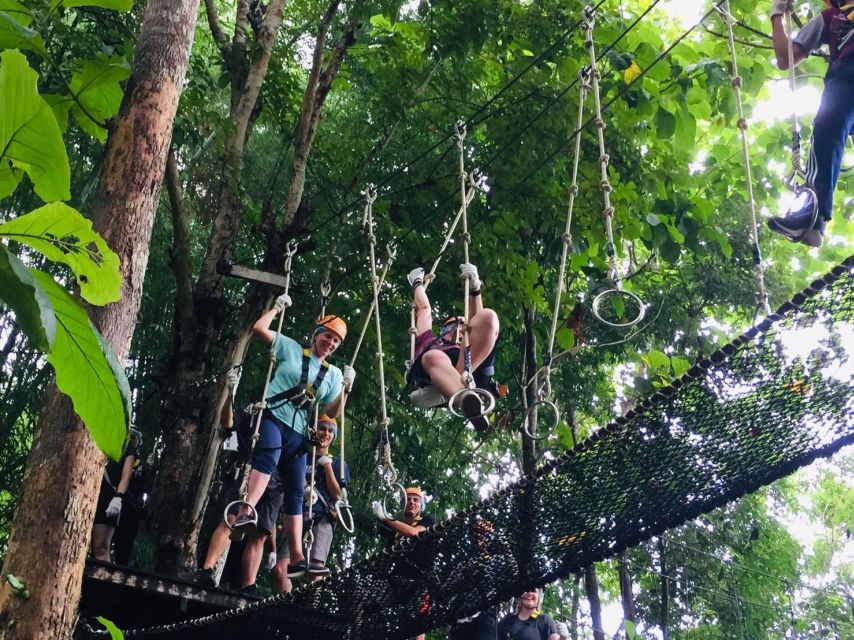
Now for the part you actually came for: the treetop route through Chiang Mai’s rainforest. The centerpiece is Thailand’s longest 1000-meter zipline, but the full course is built from many sections.
Here’s how the structure works in practice:
You climb and prepare at 24 platforms, then you glide on 14 ziplines between them. The key difference from short “one-line” ziplines is that you get a rhythm. You’ll experience multiple lifts, pauses, and launches as you move through the canopy.
What I like about this format is that it gives you variety. You’re not just repeating the same sensation over and over. You also get more chances to build confidence while still keeping the day feeling active.
What you should watch for is pacing and expectation. If you’re expecting nonstop flying time, a course like this will feel more like a guided trek in the treetops with several ride segments. Some people can find the early stages less exciting if they’re looking for the longest line immediately. The trade-off is that you’re learning the system while you’re still on the safer, lower-pressure parts of the route.
Tree-first design: the part most thrill rides ignore
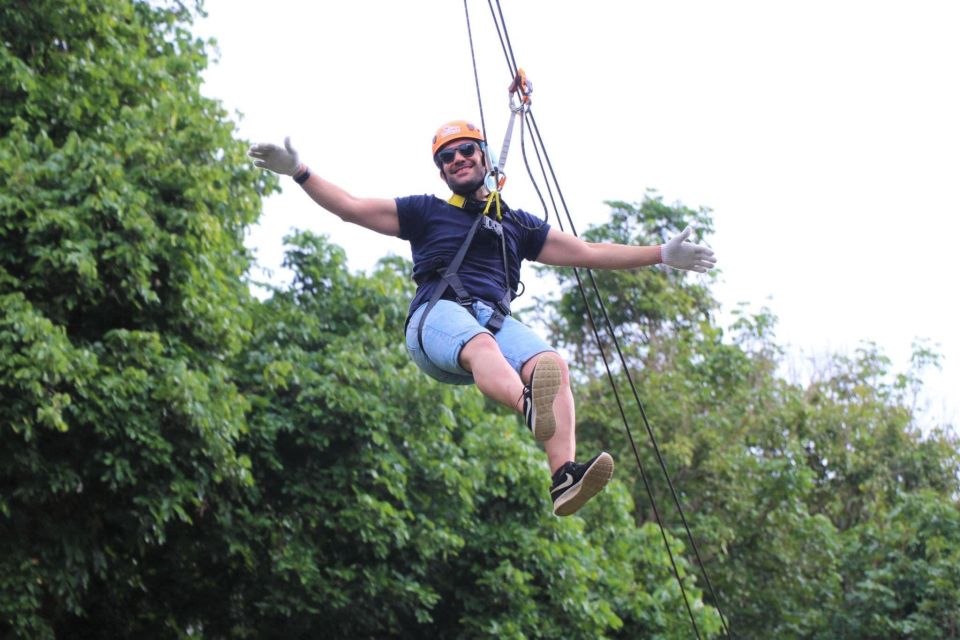
One of the more interesting parts is the way the course is engineered around the canopy. You’ll see ancient trees in their natural state, and the design uses a cable system meant to protect the trees while keeping riders safe.
Why this matters to you: it changes what you notice. Instead of thinking only about speed and fear, you can pay attention to how the course passes through the forest without stripping it bare or disturbing it like a bulldozed attraction.
You’ll also hear about the rainforest ecosystem and the role of conservation. You don’t need to become a science student to appreciate this. Even simple explanations can turn the experience into something you remember for more than just the rush. If you like tours that connect the activity to the place, this is a better match than a pure amusement ride.




The guides: helpful, hands-on, and tuned to nerves
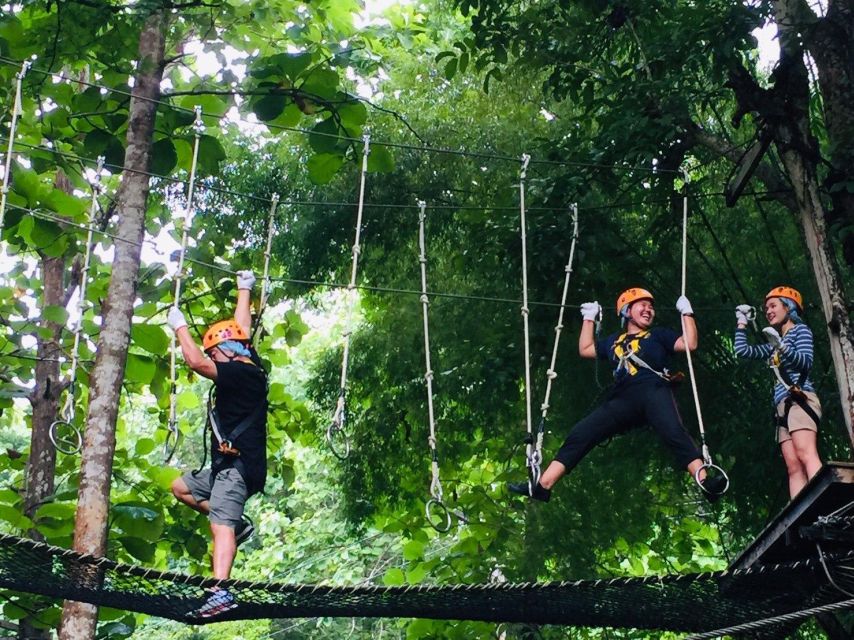
Guides are a big part of why this kind of activity lands well or poorly. This experience uses English-speaking instructors (with Thai support too), and the guides are presented as deeply passionate about rainforest conservation.
From the feedback, the strongest praise focuses on guides who are genuinely helpful and good at calming people down. One rider even mentioned that jokes helped with nerves, and another said the harness setup felt secure enough despite a fear of heights. That combination is rare. It’s not just technical competence; it’s the ability to communicate clearly and keep you focused.
That’s also why you should listen during every safety check, even when you feel eager. With a multi-line course, your movement at each platform affects your flow. If the guide tells you exactly how to clip, position, or prepare, treat it like part of the thrill rather than a delay.
What happens after the zipline: lunch and time back in Chiang Mai
Once you come back down, you refuel with a meal and you’ll also get a bottle of drinking water. The lunch menu is simple and specific: you choose one of these chicken options:
- Stir-fried noodles with chicken
- Fried rice with chicken
- Stir-fried holy basil with chicken
Food logistics matter more than you might think on zipline days. You’re moving, climbing, and using muscles you didn’t plan to use. A planned meal beats hunting for something later when you’re tired.
Then the tour wraps with a ride back to Chiang Mai. The day stays structured, so you don’t lose daylight trying to figure out transport on your own.
Price and value: when $50 feels fair
At $50 per person, the value depends on what you want from the experience.
It’s usually a good deal if you:
- Want a proper guided course with multiple lines, not just one short ride
- Prefer safety instruction and organized equipment
- Like the idea of learning about the rainforest, not only grabbing photos
- Want hotel pickup in central Chiang Mai
It’s less of a slam-dunk if your main goal is maximum airtime. Because the course is multi-step and safety-focused, the “in the air” portion is limited. Some people can end up disappointed if their mental model is a longer, nonstop zip session. If you’re paying for adrenaline time above all else, check the package length and what you’ll do in the treetop portion.
Also, your body matters here. The tour sets limits for weight and health conditions. If you fall outside those limits, the experience isn’t just uncomfortable—it’s not recommended. That’s the kind of thing that saves your day before it starts.
Who should book this zipline (and who should skip)
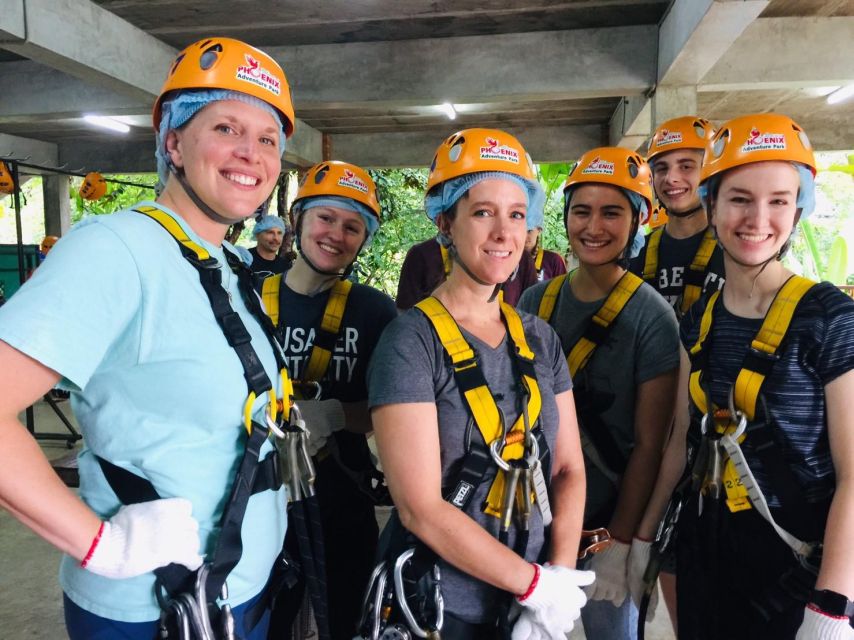
This tour is for adults and children between 6 and 65 years old, and kids ages 6–12 must go under parents or close adult supervision. It’s also not recommended for people with health issues that could affect safe use, and it’s not suitable for pregnant women and people with mobility impairments.
There are also specific “know before you go” limits:
- Not recommended for participants over 120 kg
- Avoid if you have certain medical conditions listed (for example, hypertension, asthma, infectious diseases, diabetes, epilepsy, and any mental health condition), or if you have had surgery within the last 6 months
If you’re healthy enough and you’re comfortable following instructions, this is a strong canopy option. It’s also a decent choice for people who want a fear-of-heights friendly experience because the harnessing and training are part of the design, not an afterthought.
If you’re recovering from recent surgery, manage a medical condition, or need special mobility support, you’ll want to look for something else. Here, safety rules are strict for a reason.
Practical tips that make the day smoother
A few practical things will help you enjoy the course more, not less.
Wear shoes you can grip. The guidance is clear: comfortable shoes and no flip-flops. Sandals with a strap are allowed, but only if they stay secure. Light clothing is recommended, since you’re moving around and climbing to platforms.
Bring passport or an ID card. A copy is accepted.
Hydration matters too. You’ll get a bottle of drinking water included, but if you’re arriving hot or humid, drink before you go and not only after.
And one more mindset tip: treat the platforms as part of the experience. If you rush your thinking toward the “final” zipline, you may feel impatient during the earlier stages. If you enjoy the slow build—clipping in, adjusting, getting your bearings—the day tends to feel more fun from start to finish.
Should you book this Chiang Mai zipline?
Book it if you want a guided treetop adventure in Chiang Mai with a long 1000-meter zipline, solid safety training, and a conservation-focused explanation of the rainforest. The value is strongest when you’ll use the full package: pickup, briefing, multiple lines, lunch, and a return ride without hassle.
Skip it or reconsider if you’re chasing nonstop airtime, have medical conditions that could affect safe use, or need mobility accommodations. This tour isn’t trying to be a casual, flexible activity. It’s a structured zipline course with clear limits.
If you’re comfortable following instructions and you want a memorable day that blends thrill with nature, Phoenix Adventure Park is a very sensible choice for Chiang Mai.
FAQ
How long is the zipline experience?
The total tour duration is about 2 hours, and the zipline time is listed as around 1.5 hours.
Do I get hotel pickup in Chiang Mai?
Yes. Pickup is included for hotels within 5 km of Chiang Mai Old Town, and the exact pickup time is confirmed by email.
What is the age range for this activity?
It’s available for adults and children between 6 and 65 years old. Children ages 6–12 must be supervised by parents or close adults.
Is there a weight limit?
The trip is not recommended for participants over 120 kg.
What do I need to bring?
Bring a passport or ID card. A copy is accepted.
What’s included besides the ziplining?
You get English-speaking instructors, safety equipment and new gloves, an English/Thai live guide, first aid kit, insurance, meals, and one bottle of drinking water. Round-trip transfer within 5 km of Old Town is included too.
Is cancellation allowed?
Yes. You can cancel up to 24 hours in advance for a full refund.