REVIEW · CHIANG MAI
Chiang Mai: Elephants, Sticky Waterfalls, Market and Temple
Book on GetYourGuide →Operated by Elephant Welfare Sanctuary · Bookable on GetYourGuide
Sticky Falls plus elephants. That combo is hard to beat. This Chiang Mai tour strings together Northern Thai culture with real countryside driving, then lands you at a colorful temple and a hands-on elephant sanctuary day.
I love the variety here: the market-to-temple-to-nature flow keeps the day moving, and you get serious time for the elephants. One thing to keep in mind: the sticky waterfall part is wet, slippery, and can be crowded in peak season.
If you like tours that feel like a full day out in the province (not just a checklist), this one fits. The small-group size helps, and the guides (people like Blue, Tu, Non, James, Tom, and Ata show up in different runs) tend to explain what you’re seeing in a human way, not a script.
In This Review
- Key Reasons This Day Works So Well
- Market Morning in Chiang Mai: Bugs, Food Talk, and Rural Life
- Bua Thong Sticky Waterfalls: What It Really Feels Like
- Wat Ban Den Temple: Colorful Lanna Architecture With a Peaceful Rhythm
- Elephant Sanctuary Time: Mahout Uniforms and Digestive-Ball Prep
- Countryside Roads Between Stops: Paddy Fields and Off-Road Views
- Transport, Timing, and What $70 Buys You
- Who This Tour Suits Best (And Who Might Want a Different Option)
- Final Thoughts: Should You Book This Chiang Mai Day?
- FAQ
- What time does the tour start in Chiang Mai?
- How long is the full tour?
- What’s included in the price?
- Do I need to bring a towel and changing clothes?
- What should I bring besides clothes?
- Is smoking or eating allowed on the van?
- Are soft drinks or alcohol included?
- Is this tour suitable for everyone in terms of mobility and age?
Key Reasons This Day Works So Well
- Sticky Waterfalls you can actually climb: you’ll walk up and down the rock like a Spider-Man moment
- A Wat Ban Den visit most tours skip: Lanna-style colors and a calmer vibe than the big-name temples
- Market time that goes beyond shopping: bugs, worms, insects, and food culture tied to rural life
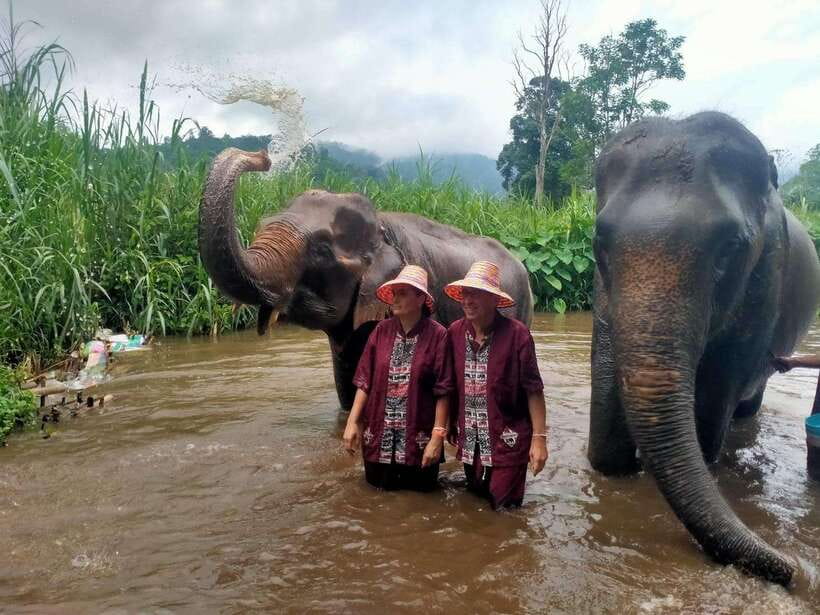
- Mahout-style elephant activities: uniforms, vitamin/medicine ball prep, feeding, walking, and bathing
- Small-group pace: limited to 9 participants, so you’re not fighting a crowd at every stop
Market Morning in Chiang Mai: Bugs, Food Talk, and Rural Life
You start the day with pickup around 10:45 am, then head to a local market stop (about 25 minutes). This isn’t a quick glance at fruit stands. You’ll see food culture up close, including stalls where you might spot bugs, worms, and insects. If that part sounds intimidating, remember: the point is learning how people eat and cook in real Northern Thai daily life, not getting a perfect bite for your Instagram.
What I like about this market segment is how it frames food as a lifestyle. You don’t just hear what items are called—you get context for how rural families live and what’s available. You may also have a bit of walking time, and you can taste snacks along the way thanks to snacks being included.
Practical tip: bring small bills and keep some cash handy. The day includes food, admissions, and water, but markets can tempt you into extras.
You can also read our reviews of more shopping tours in Chiang Mai


Bua Thong Sticky Waterfalls: What It Really Feels Like

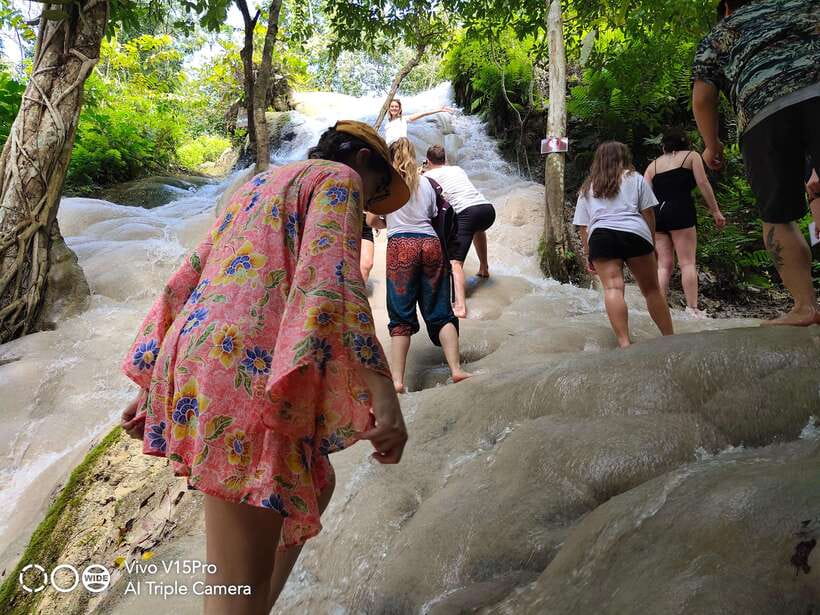
Then comes the main nature stop: Bua Thong Sticky Waterfalls (around 100 minutes). The selling point is simple and accurate: it’s a waterfall you can climb/walk up and down like you’re gripping the rock. The tour also makes it clear you’ll want a towel and a change of clothes, because you won’t stay dry.
Here’s the reality check that helps you enjoy it more: sticky doesn’t mean comfortable. Expect wet steps, algae-like slickness, and sections where you’ll need balance more than speed. In high season, it can feel busy—so if you’re sensitive to crowds, understand you’re going to share the water route with other people.
What to wear:
- Comfortable clothes that can get wet
- Shoes you’re okay with losing some grip (and that you can stand to get muddy)
- A sun hat and sunscreen, since you’ll be outdoors and moving around
One small-but-important detail from people who’ve done the day: some prefer wearing socks or footwear that protects their feet when you’re walking around on hot wet surfaces. If you’re thinking about foot comfort, plan for it now and you’ll have a better time.
Wat Ban Den Temple: Colorful Lanna Architecture With a Peaceful Rhythm

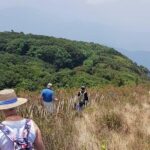
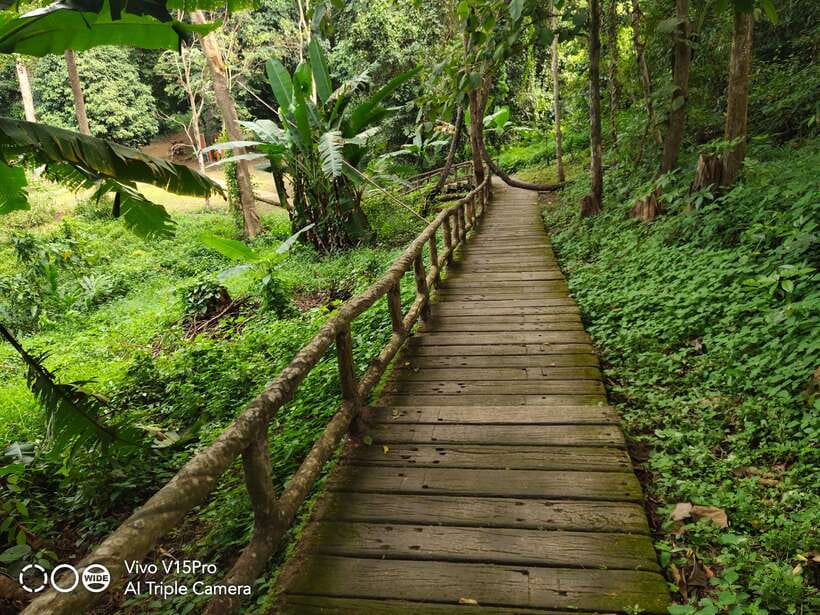
After the waterfall, you ride countryside roads through rice fields, villages, farms, and orchards for the temple stop. That drive matters because it slows the day down in a good way. Instead of rushing from one landmark to another, you’re getting a feel for Chiang Mai Province itself.
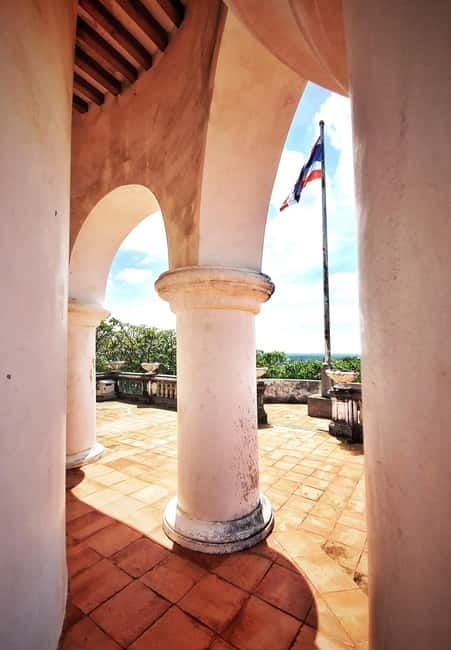
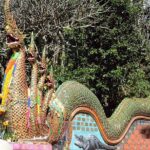
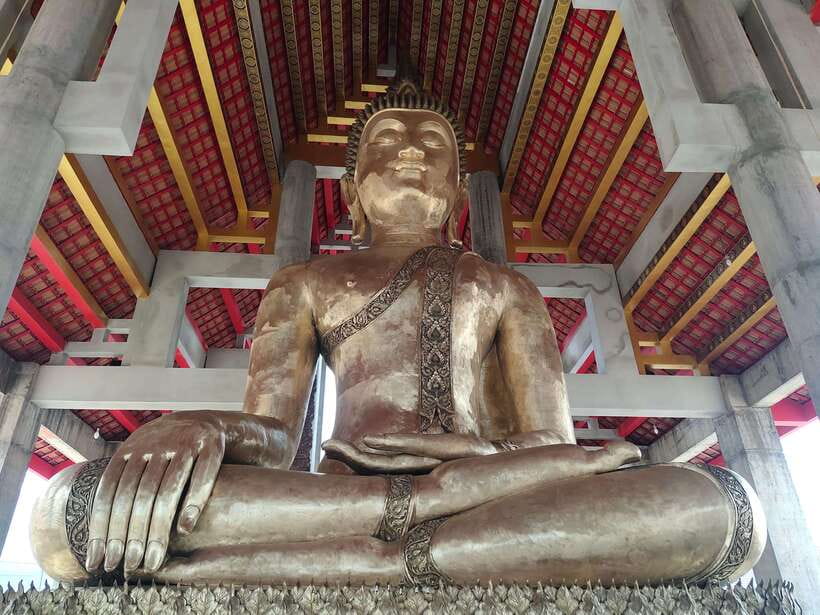
Your temple is Wat Ban Den, and it’s a strong reason to book this specific tour instead of picking a generic temple circuit. The temple is described as colorful—white, green-blue, and pink mixed in a way that feels artistic rather than just decorative. You’ll also hear about the Lanna architecture style, which helps you understand why it looks the way it does.
What I really like here is the tone of the visit. The temple is presented as a place locals come to worship and pray, not just to take selfies and vanish. That usually means you can spend more time looking carefully at details and less time feeling like you’re in a photo assembly line.
Footwear note: temple visits usually involve some form of shoe removal or careful walking. One practical tip from past participants: bring socks or plan for foot comfort so hot floors don’t ruin your focus. If you want photos, this is also one of the better spots because the colors show up nicely from different angles.
Elephant Sanctuary Time: Mahout Uniforms and Digestive-Ball Prep

Lunch happens first (included), then you shift gears for the elephant portion. This is the part most people remember hardest, and it’s not just because elephants are amazing. It’s because the interaction is structured and active: you’ll put on Mahout uniforms, get hands-on with elephant-related activities, and spend real time at the sanctuary.
The elephant activities described include:
- Making herbal vitamin/medicine balls (to help digestion)
- Feeding elephants (bananas and sugarcane are included)
- Walking with them and taking photos
- Observing them in a natural setup
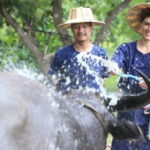
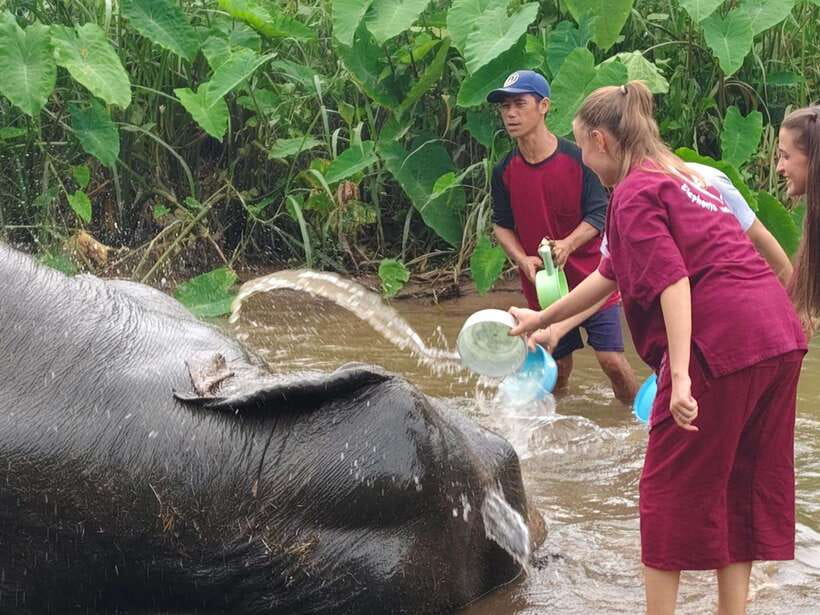
- Bathing with them in the water
A useful expectation-setting point: elephants here aren’t treated like a distant viewing-only moment. You’ll be close, which is exciting for many people and worth thinking about if you have strong views on animal contact. The day is framed as elephant care, and staff provide guidance during activities, but you should know the experience is hands-on by design.
Also, it can get wet again. If you felt soaked at the waterfall, expect more damp moments here too. The earlier reminder about bringing a towel and spare clothes is not just for the waterfalls.
Caretaker energy: you may meet friendly sanctuary staff with standout personalities. In one example, a caretaker nicknamed Cookie Monster was mentioned as especially upbeat and caring, which gives you a sense of the human side of the day.
Countryside Roads Between Stops: Paddy Fields and Off-Road Views
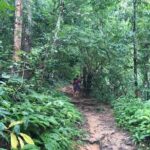
One underrated part of this tour is the time spent driving through the province, including off-road passing paddy rice fields and countryside villages. It’s not filler. Chiang Mai feels very different once you’re out of the city center, and that shift helps the rest of the day make sense.
The tour includes extended time on these routes (there’s a longer countryside segment of about 2 hours). You’re seeing farms and orchards and getting the sense that these temples and elephant sanctuaries aren’t just attractions—they’re part of a living region.
If you like photos, this is where the background looks more like real Thailand. If you don’t care about photos, it’s still a mental break: you’re not constantly climbing stairs or sitting in traffic circles.
A few more Chiang Mai tours and experiences worth a look





Transport, Timing, and What $70 Buys You
At $70 per person for about 450 to 510 minutes (7.5 to 8.5 hours), the value is mostly in what’s included. You’re not paying separately for every entrance, guide time, transport, and elephant-day logistics.
Here’s what’s included:
- Round-trip transfer from your pickup/drop-off spots
- English-speaking TAT-licensed guide
- Admissions for the activities
- Lunch
- Water and snacks
- Elephants care-taker uniforms
- Elephant food (bananas and sugarcane) and elephant vitamin balls
- Elephants-care activity support
- Photos taken along the way are commonly mentioned by guides, though how you receive them can vary
- 1st class/local accidental insurance
What’s not included is also straightforward: personal expenses, soft drinks, and alcohol.
Timing-wise, you start with pickup at 10:45 am and you’re out all day. That’s perfect if you have one full day in Chiang Mai and you want more than temples alone. If you only have half a day, you’ll feel rushed.
Small-group note: this tour limits to 9 participants. In practice, that tends to mean less waiting and more flexibility in how fast you move—especially on the sticky rocks and around the temple.
Who This Tour Suits Best (And Who Might Want a Different Option)
This day fits people who want variety in one go:
- You want culture (market + temple)
- You want nature adventure (sticky waterfall climbing)
- You want a close elephant experience (feeding, walking, bathing)
- You like guided explanations that connect what you see to how Northern Thais live
It’s less ideal if you want a totally passive wildlife experience from a distance, since the elephant day is interactive. And because there are multiple physical components (wet climbing, walking, removing footwear for temple areas), keep your comfort and stamina in mind.
The provided limits also matter:
- Not suitable for wheelchair users
- Not suitable for pregnant women
- Age restrictions are strict (for example, children under 2 and under 3 are listed as not suitable in the data)
- People over 75 are listed as not suitable
If you fall into one of those categories, you’ll want a different style of tour.
Final Thoughts: Should You Book This Chiang Mai Day?
If you want one day that mixes sticky waterfall adventure, a standout Lanna temple at Wat Ban Den, and a hands-on elephant sanctuary segment, I think this tour is an easy yes. It’s built for people who enjoy being on the move, but still want guided context and included meals.
Before you book, do two simple things:
- Pack for wet feet and sun: towel, change of clothes, sunscreen, insect repellent, and comfortable shoes
- Be honest about elephant contact: the day includes feeding, walking, touching, and bathing, so it’s not a distant-observation experience
If that all sounds like your kind of Thailand day, you’ll likely feel it was worth the money and time.
FAQ
What time does the tour start in Chiang Mai?
Pickup is at 10:45 am from your hotel lobby or from your selected meeting point.
How long is the full tour?
The duration is about 450 to 510 minutes (roughly 7.5 to 8.5 hours).
What’s included in the price?
You get round-trip transfer, an English-speaking guide, admission fees, lunch, water and snacks, elephant-care activities and elephant food, elephant vitamin balls, mahout uniforms, and accidental insurance.
Do I need to bring a towel and changing clothes?
Yes. The sticky waterfalls stop includes getting wet, so the tour specifically advises bringing a change of clothes and a towel.
What should I bring besides clothes?
Bring comfortable shoes, a sun hat, sunscreen, insect repellent, a camera, towel and change of clothes (for the waterfall), and cash for personal needs.
Is smoking or eating allowed on the van?
Smoking indoors is not allowed, and food is not allowed in the vehicle.
Are soft drinks or alcohol included?
No. Soft drinks and alcoholic beverages are not included.
Is this tour suitable for everyone in terms of mobility and age?
No. The tour data says it is not suitable for wheelchair users and lists several age limits (including children under 2/3 and people over 75). Pregnant women are also listed as not suitable.