
REVIEW · CHIANG MAI
Chiang Mai: Cooking Class with Market and Pickup
Book on GetYourGuide →Operated by Chiang Mai Daddy's Kitchen · Bookable on GetYourGuide
Woks, herbs, and a full Thai meal tonight. This Chiang Mai cooking class at Daddy’s Kitchen starts with a local fresh market, then moves into a Thai family-style kitchen where you cook with your own station and wok. It’s small-group, English-led, and built for real food learning—not watching from the sidelines.
I especially like the market stop for herbs, vegetables, and spices, because it makes the flavors click. I also like that you cook hands-on with your own setup, including your own wok and tools, so you’re not stuck waiting your turn. You may even get guides like Wave or Cha-em based on past group experiences, and the class has a fun, chatty pace.
One consideration: the included mango sticky rice is the sweet finish, and one part of the group felt it was a mixed bag. Plan to be open-minded, and remember you’ll be eating a lot besides the dessert.
In This Review
- Key points to know before you go
- Hotel Pickup and the Small-Group Pace in Chiang Mai
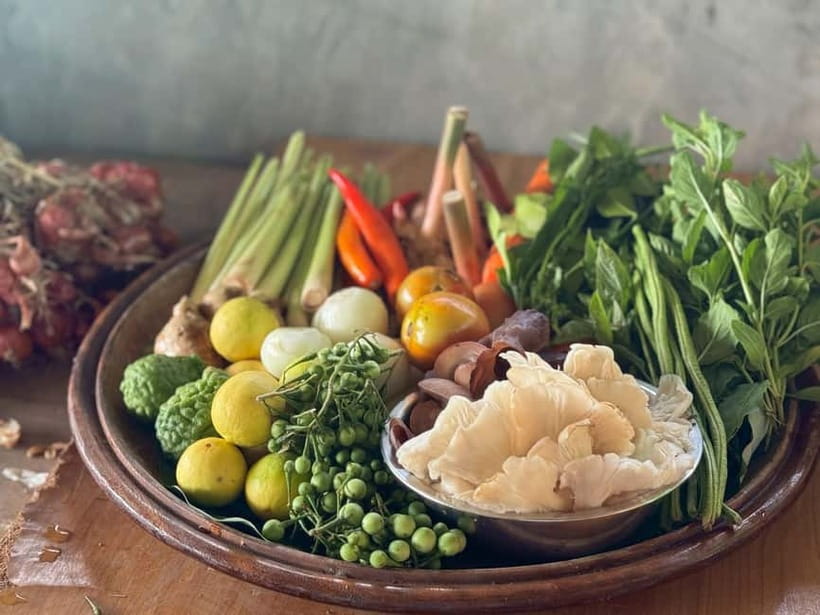
- The Fresh Market Walk: Thai Herbs, Spices, and Real Ingredient Choices
- Daddy’s Kitchen Home-Style Setup: Stations, Woks, and Staying in Control
- Cooking Your Own Thai Menu: Soups, Stir-Fries, Curries, and Paste
- What You Actually Eat: Mango Sticky Rice and the Thai Dessert Finish
- Digital Recipe Ebook and Photos: Taking the Class Home
- English Instruction, Real Timing, and Why the Class Works for Beginners
- Value at $25: Why This Is a Strong Deal for Chiang Mai Cooking
- Alcohol, Rules, and Simple Practical Notes
- Who should book this cooking class?
- Who might want to skip it?
- Should You Book Chiang Mai Daddy’s Kitchen?
- FAQ
- How long is the Chiang Mai cooking class?
- Is hotel pickup and drop-off included?
- How big is the group?
- Is the instructor English-speaking?
- What will I cook and eat during the class?
- Are ingredients included?
- Do I get recipes to take home?
- What drinks are included?
- Is alcohol allowed on this activity?
- What’s the cancellation policy?
Key points to know before you go
- Small-group cooking (up to 10): You get time at your station, not a crowded demo.
- Market-to-kitchen flow: You see herbs and ingredients first, then cook with the same flavors.
- Your own wok and utensils: This keeps the energy moving and helps you learn by doing.
- Build your own menu: Choose dishes from the options provided, so you’re not stuck with a fixed set.
- Digital recipe book plus photos: You’ll have a PDF-style recipe ebook and activity photos to use later.
- Hands-on pace, not a long lecture: Instruction is English and geared for cooks of all levels.
Hotel Pickup and the Small-Group Pace in Chiang Mai
The day starts with hotel pickup and drop-off, which is a big deal in Chiang Mai. You’re not trying to figure out a meeting point, or wrestling with transport after a market and cooking session.
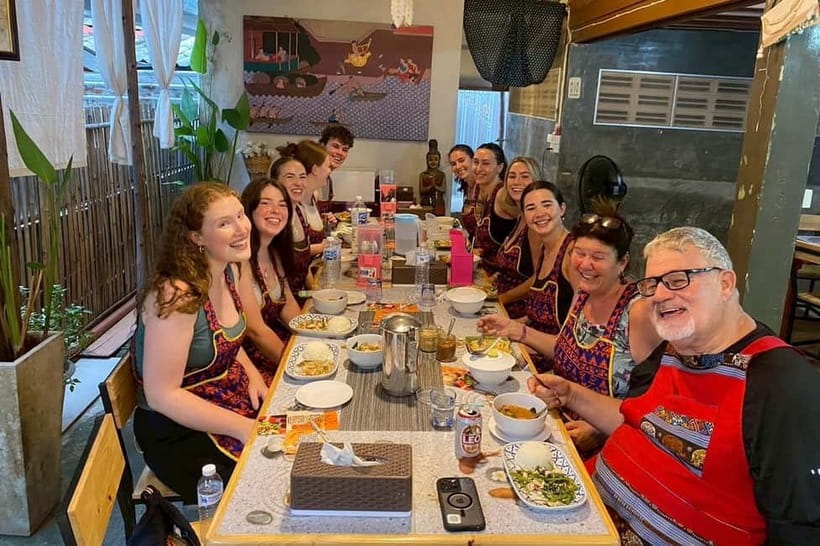
The group is limited to 10 participants, so the class stays friendly and you’re able to ask questions. The tone is practical: you’ll get taught what to do, then you do it. Based on recent experiences, English instruction is clear enough that even first-timers can follow along. Some instructors you might encounter include names like Cha-em, New, Tu, Kimmy, or Toey, and several people praised how the lead keeps the group on track while still being fun.
At around 210 minutes total, this is long enough to learn real technique and cook multiple dishes, but short enough that you’ll still have time to enjoy the rest of Chiang Mai afterward. If you’re choosing between sessions, the idea is simple: pick the time that lets you eat your work as a true meal.
You can also read our reviews of more shopping tours in Chiang Mai


The Fresh Market Walk: Thai Herbs, Spices, and Real Ingredient Choices
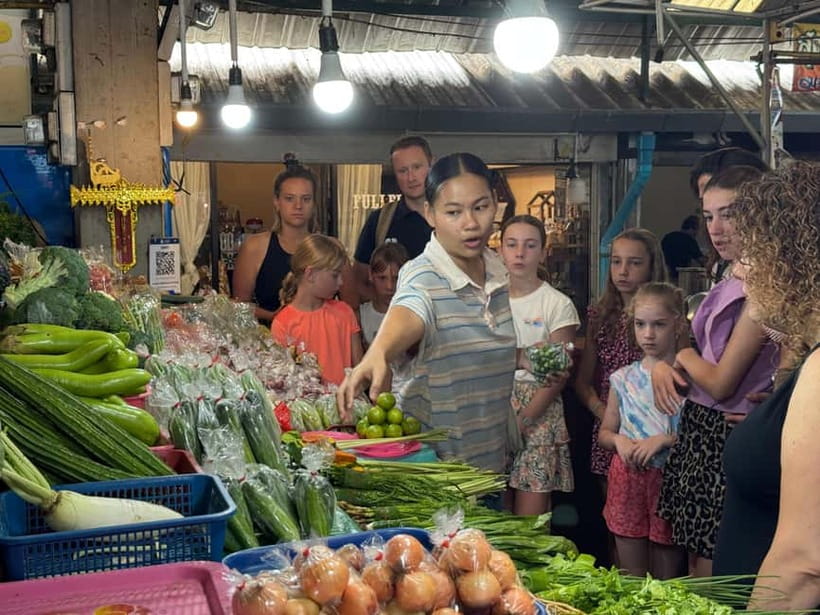
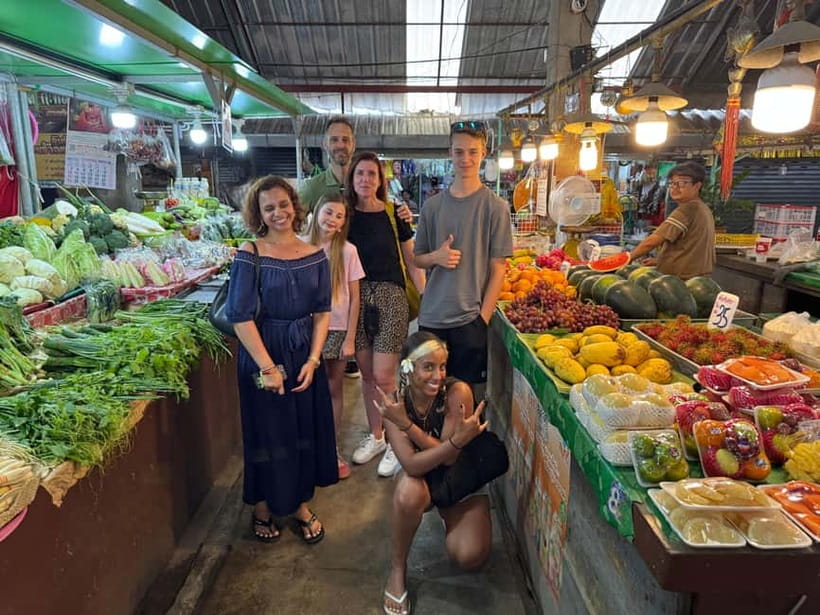
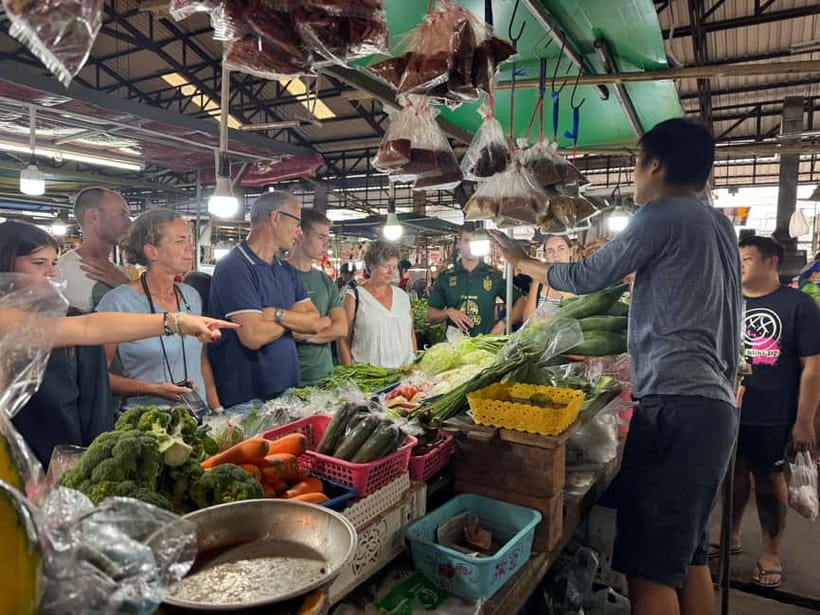
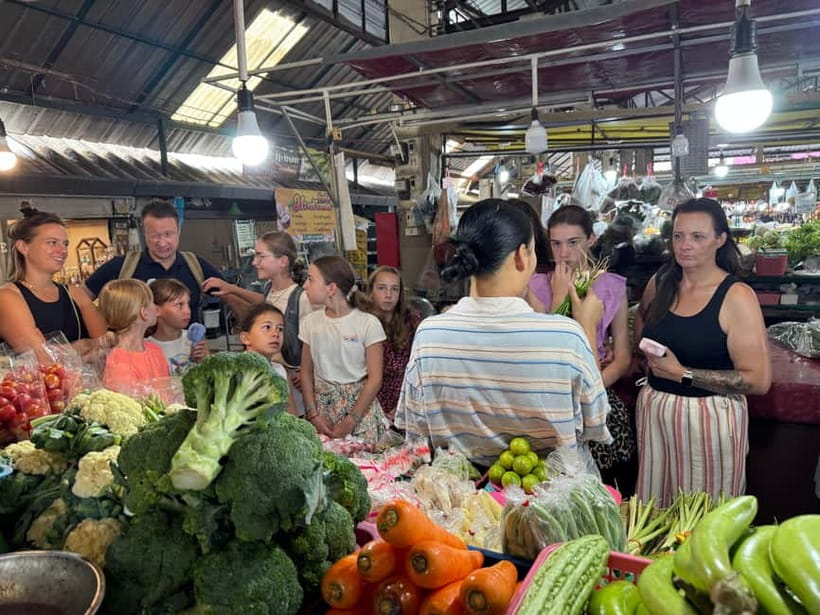
The market visit is more than a quick photo stop. It’s where you get oriented to the Thai pantry—herbs, vegetables, aromatics, and spices—and start understanding why Thai dishes taste the way they do.
This part matters because cooking classes often jump straight to the stove. Here, you first learn what you’re using and what each ingredient contributes. Think of it as building a flavor map in your head before you start chopping and stirring.
One small but memorable detail that people love: you can spot multiple types of ingredients, including different varieties of things like eggplant. That kind of variety is common in Thai markets, and it helps explain why dishes taste different even when the recipe sounds similar.
You’ll pick up ingredients for the dishes you’ll cook. When you return to the kitchen, there’s a welcome drink and snack, so you’re not walking from market fatigue straight into cooking. And because the school uses fresh herbs and ingredients, you’re working with flavors at their best, not dry compromises.
Daddy’s Kitchen Home-Style Setup: Stations, Woks, and Staying in Control
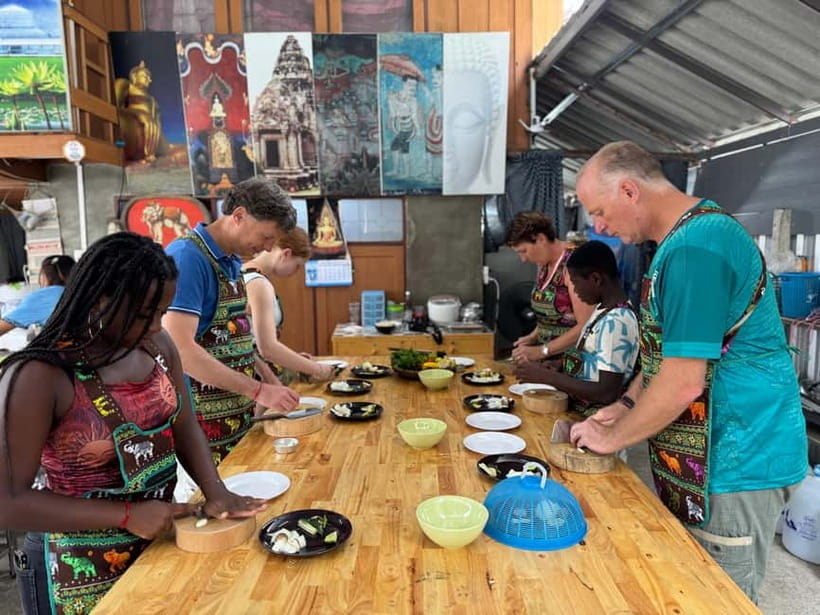
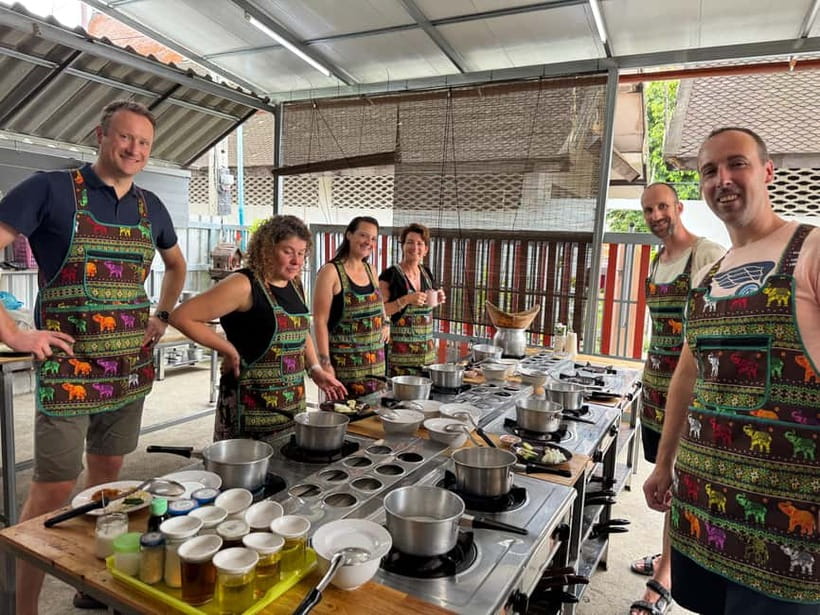
Then you shift from street-level sights to a cooking space designed for participation. Everyone gets a cooking station and wok, plus utensils and tools. That design choice changes the whole class.
When you share a station, you spend half your time waiting. When you have your own wok and tools, you learn timing. You learn heat. You learn how fast sauces tighten, and how the dish moves from raw to fragrant. In other words, you build confidence.
The kitchen atmosphere is described as family-style, and it feels like the class is set up to keep you moving through steps instead of worrying about whether you’re doing it right. Recent comments highlight how smooth the organization feels, even when the group is mixed in skill level.
If you’re nervous about cooking, this setup helps. You’re not expected to be Thai-cuisine expert on day one. The teaching is hands-on and built around getting you from ingredient to finished dish without getting lost.
Cooking Your Own Thai Menu: Soups, Stir-Fries, Curries, and Paste
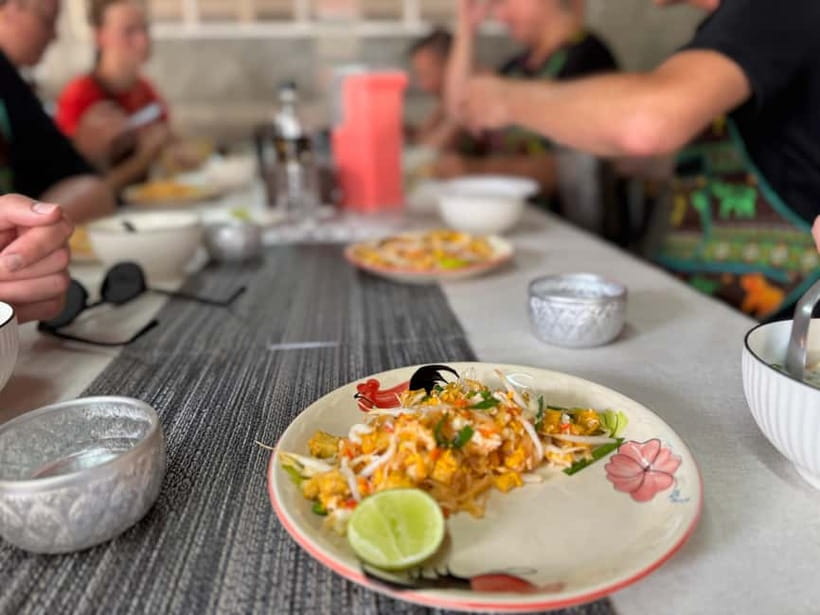
This is a key part: you don’t just cook one dish. You create a menu from the choices offered, then you eat what you make.
In many sessions, people end up cooking four dishes each (and if you’re cooking as a couple, that can mean a lot of variety across the table). Choices can include soups, stir-fries, and curries, and in some classes you may even help with curry paste preparation as part of the process. One example menu mentioned included multiple soups, stir-fries, and curries, including curry paste-making.
That structure is smart. Thai cooking often relies on a few foundations: aromatics, balance of sweet-sour-salty, and layering flavor through timing. When you cook a mix of dishes, you see those patterns across different styles—then you can recreate them later at home.
It also makes the class feel personal. Several people mentioned enjoying the freedom to choose dishes that fit their tastes rather than cooking the same thing as their partner. If you’re traveling with someone, consider splitting choices on purpose—one of you might go for something sour and bright, and the other might choose a richer curry. You’ll taste more.
What You Actually Eat: Mango Sticky Rice and the Thai Dessert Finish
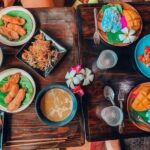
You’ll finish with mango sticky rice, which is included in the class. It’s the classic Thai sweet that shows up in many dining experiences for a reason: the flavors are simple, but the texture and balance take effort.
One part of the group had mixed feelings about the dessert, which is useful to know. If you don’t love coconut-forward sweets, you might not suddenly fall in love on the spot. Still, it’s included, and it’s a chance to learn what makes it work: sticky rice texture, mango ripeness, and how the sweetness is balanced.
The best approach is to treat it as part of the whole meal, not a separate event. By the time the dessert comes out, you’ll likely be full from what you cooked—so take a smaller portion if you’re cautious.
A few more Chiang Mai tours and experiences worth a look




Digital Recipe Ebook and Photos: Taking the Class Home
A big part of the value is what you get after. You’ll receive a digital recipe ebook (PDF-style), plus photos from the activities. That matters because the real goal of a cooking class shouldn’t end when you wash your wok.
You’ll be able to revisit the steps and recreate the dishes later, especially if you take a quick moment during class to note the order of actions—what you prepped first, how sauces changed, and when aromatics hit the pan.
In recent experiences, people also mentioned that instructors send recipes and are available for questions when they try the dishes again at home. You might not get that exact level of contact every time, but the presence of the digital recipes is a strong built-in advantage.
Practical tip: when you get the ebook, cook one dish first before trying everything. That way you learn how your ingredients behave in your kitchen, and you build momentum.
English Instruction, Real Timing, and Why the Class Works for Beginners
This class is designed to be friendly to all skill levels. You’ll get taught through a hands-on approach, so you’re not stuck reading tiny instructions while wondering what to do next.
The most repeated theme in successful classes is clear pacing: the instructor keeps the group moving, explains what matters, and doesn’t let you drift into confusion. Names that came up often include Cha-em, Wave, New, and Tu, and multiple people praised how the teacher keeps the group laughing while still being structured.
There’s also a quiet benefit for beginners: ingredients are provided, and cooking stations are set up to keep workflow steady. That reduces frustration. You can focus on technique—chopping style, heat control, and tasting adjustments—instead of hunting for missing items.
And yes, you should come hungry. Many people warned (kindly) that you’ll cook and eat enough for a real meal, often multiple dishes. If you’re doing a morning session, plan carefully: eat light or skip breakfast if you can. In one case, a guest said they’d eaten breakfast and regretted it once the first meal hit.
Value at $25: Why This Is a Strong Deal for Chiang Mai Cooking
At $25 per person for a 210-minute hands-on class with pickup, ingredients, a cooking station, multiple dishes you can choose from, mango sticky rice, and a digital recipe ebook, the pricing feels unusually fair.
Here’s why it adds up:
- You’re not just watching. You’re cooking with your own wok and eating what you make.
- Market + cooking in one package saves you time and transport hassle.
- Included ingredients and station setup mean you’re not paying extra for basic supplies.
- Digital recipes and photos add follow-through value after you leave.
Some cooking classes in Thailand can feel like you pay for a meal and a short demo. This one leans hard into the learning side while still delivering plenty of food. The vibe is fun, and the group stays small, which helps the value stay real.
Also, transport performance is strongly rated, with many people giving pickup/transport top scores. In a city where traffic can be chaotic, that reliability is worth something.
Alcohol, Rules, and Simple Practical Notes

The class lists alcohol and drugs as not allowed, and it also states that alcoholic beverages aren’t included (though they may be available for purchase). If you’re planning to bring your own drinks or if you’re hoping alcohol is part of the experience, this is probably not the right fit.
You’ll also be working with hot ingredients and fast steps. Wear comfortable clothes you don’t mind getting kitchen-splattered. Aprons are mentioned as something one person wished were included, so you might want to come prepared with an apron if you prefer extra protection.
Who should book this cooking class?
This fits best if you:
- Want a hands-on Chiang Mai food experience with a market stop
- Like learning why ingredients work, not just how to follow steps
- Cook a bit at home and want recipes you can repeat
- Prefer a small group and English-led guidance
Who might want to skip it?
It may not be a fit for very young kids (the class is not suitable for children under 5) or for very elderly participants (the data says not suitable for people over 95). If you’re looking for a quiet, sit-down-only food tour, this is more active than that.
Should You Book Chiang Mai Daddy’s Kitchen?
Yes, I’d book it if your idea of a great day is: market first, then cook, then eat your own Thai dishes while learning a few techniques you can repeat later.
Choose it especially if you want:
- Your own wok and station
- A class size that stays personal
- A digital recipe ebook you can use after the trip
- A menu you can tailor to your tastes
If you’re the type who’s unsure you’ll like Thai dessert sweets, note that mango sticky rice is included and one group had mixed feelings. But it’s only one part of the meal, and you’ll still be cooking multiple dishes.
Bottom line: for $25, this class feels like strong value because it combines ingredients, instruction, and real output—your plate, your wok, and your skills improving by the end of the night.
FAQ
How long is the Chiang Mai cooking class?
The class runs for about 210 minutes, which is roughly 3.5 hours. Starting times depend on availability.
Is hotel pickup and drop-off included?
Yes. Pickup and drop-off are included, and you should wait in the hotel lobby about 30 minutes before the class start.
How big is the group?
It’s a small group limited to 10 participants.
Is the instructor English-speaking?
Yes. The instructor provides instruction in English.
What will I cook and eat during the class?
You’ll learn Thai cooking hands-on and create your own menu from the options provided. The class includes mango sticky rice dessert.
Are ingredients included?
Yes. All ingredients for the cooking are included.
Do I get recipes to take home?
Yes. You receive a digital recipe e-book (PDF-style) and photos from the activities.
What drinks are included?
You’ll get a welcome drink and snack when you return from the market. Alcoholic beverages are not included.
Is alcohol allowed on this activity?
The activity lists alcohol and drugs as not allowed. Alcoholic beverages are not included (and may be available for purchase).
What’s the cancellation policy?
There is free cancellation up to 24 hours in advance for a full refund.