REVIEW · CHIANG MAI
Chiang Mai: Historical and Culture Exploration Walking Tour
Book on GetYourGuide →Operated by Discova Thailand · Bookable on GetYourGuide
Chiang Mai’s old city teaches fast. You start at Three Kings Monument, then move through major Lanna-era sites with clear, human explanations—on tours led by guides like Bim. I especially love the way Wat Chedi Luang connects ruins, living religious practice, and that moment when you see the Buddha inside.
Two things make it click: the route hits the most important temple stops in a short time, and the guide brings the spiritual side of daily life into the picture (not just names and dates). One possible drawback: you’ll be walking a fair bit and the temples have dress rules, so skip shorts/short skirts and wear shoes you’re comfortable in.
If you’re short on time but still want the city’s “why” behind the monuments, this is a practical way to get your bearings fast—especially with a group capped at 8.
In This Review
- Key highlights to look for
- Starting at Three Kings Monument: where the story begins
- Wat Phra Singh: northern Thai temple details you can see
- Lai Kam Assembly Hall: why the symbolism feels personal
- Wat Chedi Luang: ruins with meaning, plus the Buddha inside
- Monk talks: when the tour slows down in the right way
- Pacing and walking: what the 2.5-hour format feels like
- Cost and value: what $15 includes (and why it matters)
- What to wear and bring: temple etiquette that keeps things smooth
- Who this tour suits best (and who should choose something else)
- Final call: should you book this Chiang Mai temple walk?
- FAQ
- How long is the Chiang Mai Historical and Culture Exploration walking tour?
- Where do I meet the tour guide?
- What is included in the $15 price?
- What isn’t included?
- What languages are available for the tour?
- What should I bring and wear?
- Is the tour wheelchair accessible?
- Is there free cancellation?
Key highlights to look for
- Three Kings Monument orientation with King Mangrai context for the Lanna kingdom’s roots
- Wat Phra Singh’s northern Thai style woodcarvings and mural work you can actually appreciate up close
- Lai Kam Assembly Hall + dragon-year symbolism tied to the pagoda for a more personal-feeling visit
- Wat Chedi Luang’s 600-year-old site and ruins that help you picture how the city grew
- Monk talks during the visit so the spiritual side isn’t just theory
- English-Thai guide support that keeps the explanations understandable and easy to follow
Starting at Three Kings Monument: where the story begins
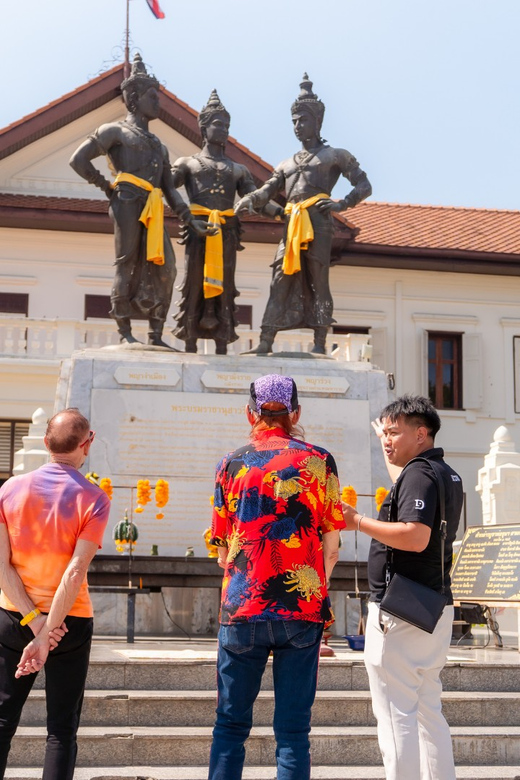
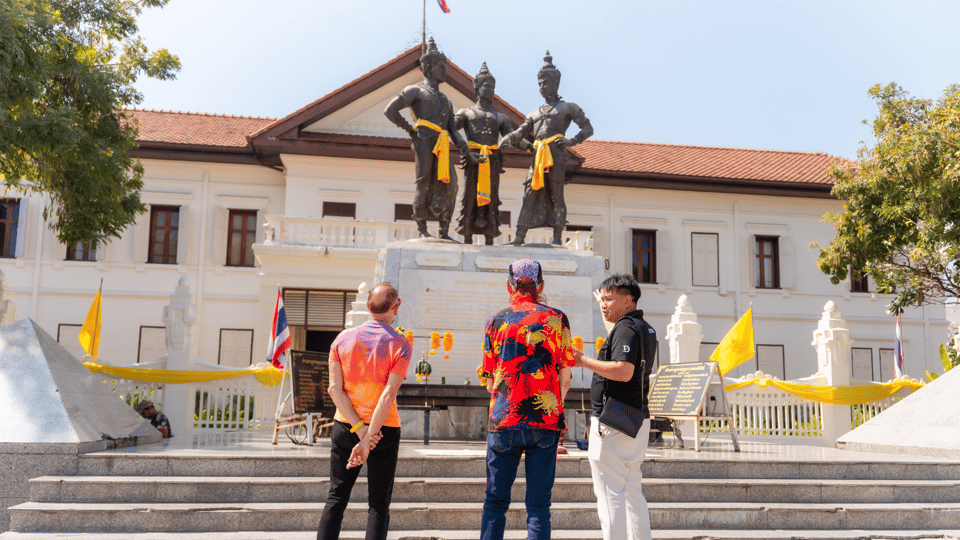
Meeting at the Three Kings Monument is smart because it frames the entire walk before you see your first temple. You begin with a short safety briefing, then you get the key backstory: King Mangrai, founder of the Lanna Kingdom, and Chiang Mai as a major hub that grew from those roots. That matters, because without this context, temples can feel like beautiful “photo stops.” With it, you start noticing why each place looks the way it does.
This first stretch also sets the tone. The small-group setup (limited to 8 people) makes it easier to ask questions when something doesn’t make sense. In past tours, guides such as Bim, Emmy, and Farm have been praised for being warm and engaging, and you can feel that difference when the guide explains in a way that’s conversational rather than robotic.
The practical catch: you’re responsible for getting to the meeting point. There’s no hotel pick-up, so plan a simple route to Three Kings Monument and arrive on time.
You can also read our reviews of more walking tours in Chiang Mai
Wat Phra Singh: northern Thai temple details you can see
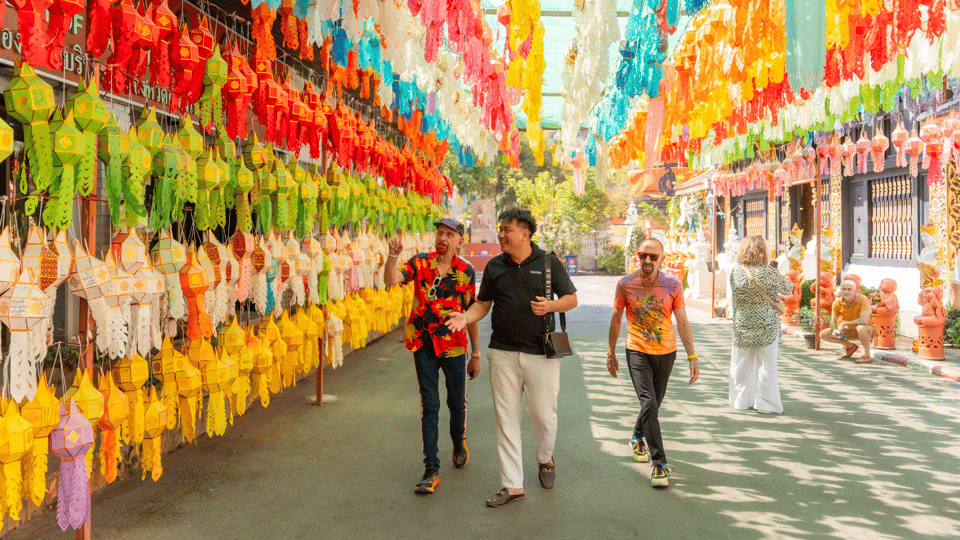
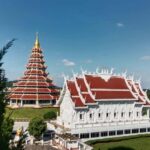
Your first temple stop is Wat Phra Singh, often described as one of Chiang Mai’s most revered sites, and it earns that reputation. What I like most is the architecture: the temple is known for intricate woodcarvings and northern Thai-style murals. The guide doesn’t just point at them; they explain what you’re looking at and what the details suggest about beliefs and craftsmanship.
You’ll also get a chance to explore parts of the complex, including areas connected to the temple’s ceremonies. Even if you’ve visited temples elsewhere in Thailand, Wat Phra Singh still feels distinct because of the northern style—design choices that don’t always show up the same way in central Thailand.
Small practical tip: take your time with the carvings and paintings. These aren’t “one glance and move on” elements. If you rush, you miss the craftsmanship that makes this stop worth your attention.
Lai Kam Assembly Hall: why the symbolism feels personal
Inside Wat Phra Singh, you’ll hear about the Lai Kam Assembly Hall and the pagoda symbolism. One of the more interesting moments here is the discussion of the pagoda as a Buddhist symbol connected to people born in the Year of the Dragon. That kind of detail matters because it turns a general temple into something more personal for the people who live with these traditions every day.
This is where the tour earns its name as a culture-focused walk. Instead of treating religion as a checklist item, you’re encouraged to understand how the beliefs show up in everyday meaning—how people think about time, birth, and spiritual identity.
If you enjoy stories that connect symbols to real life, this stop will feel like one of your best learning moments.
Wat Chedi Luang: ruins with meaning, plus the Buddha inside
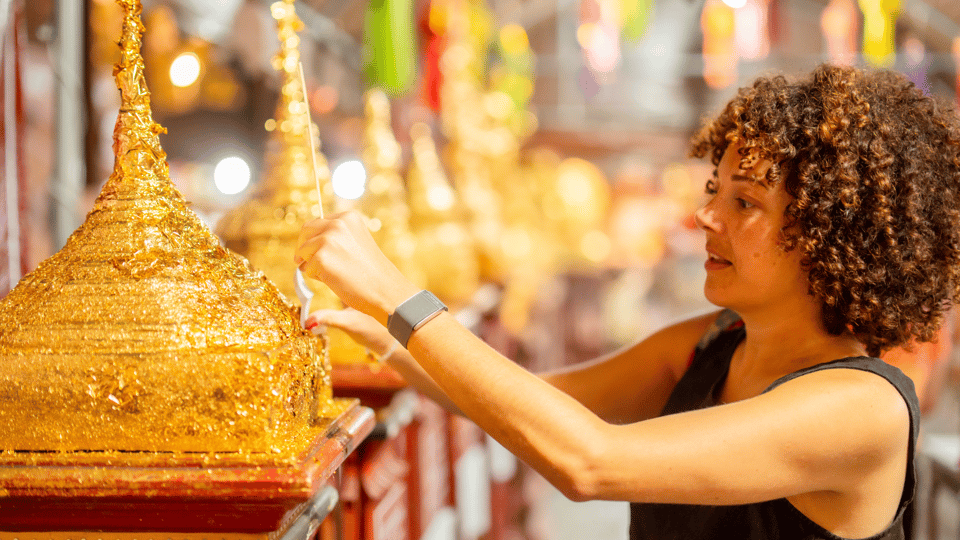
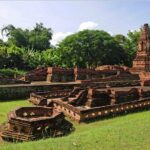
Then you head to Wat Chedi Luang, a site with a long timeline—about 600 years old—and a layout that makes you look up. The ruins give you a visual reminder that Chiang Mai has been built, rebuilt, and shaped by generations. It’s the kind of place where you can almost feel the city’s older layers under your feet.
The guide’s job here is to help you read the space. You’ll see the temple premises, and you’ll also learn about the site’s connection to King Mangrai. That link helps the ruins click: it’s not random damage or “old stones,” it’s evidence of a living history.
One of the tour’s signature moments is getting to view the Buddha inside. That’s not just a photo opportunity—it helps you balance the “ruins” feeling with the sense that the site still carries spiritual weight today.
Monk talks: when the tour slows down in the right way
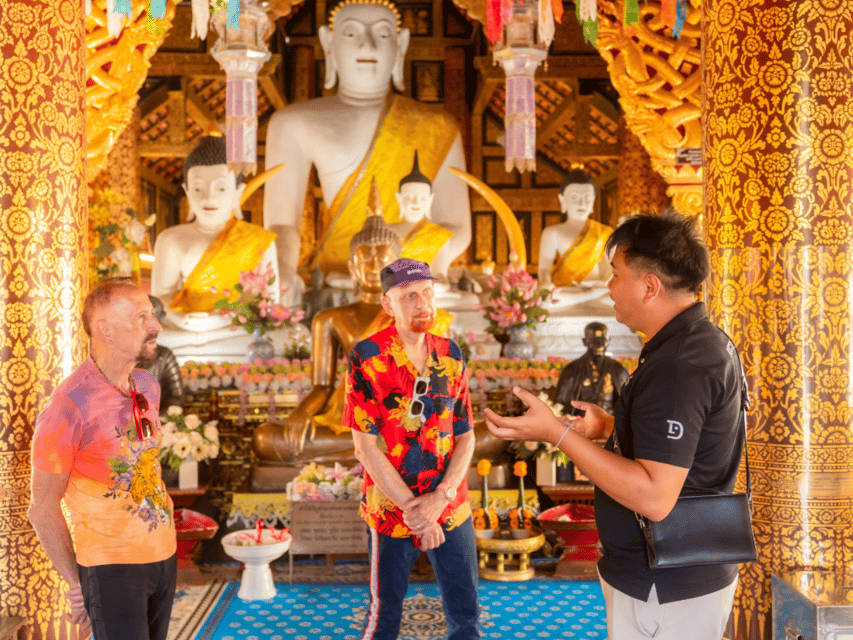
A standout part of this experience is the chance to listen to talks by monks. This is where the tour shifts from sightseeing to something more human. You’re not being asked to memorize anything. You’re simply getting a clearer look at how the temple world communicates, explains values, and connects practice to daily life.
Even if you don’t speak Thai fluently, a good guide helps you catch the meaning behind the messages. This is also where small-group size helps again. You can stay attentive and ask questions if something is unclear.
You can also read our reviews of more historical tours in Chiang Mai
Pacing and walking: what the 2.5-hour format feels like
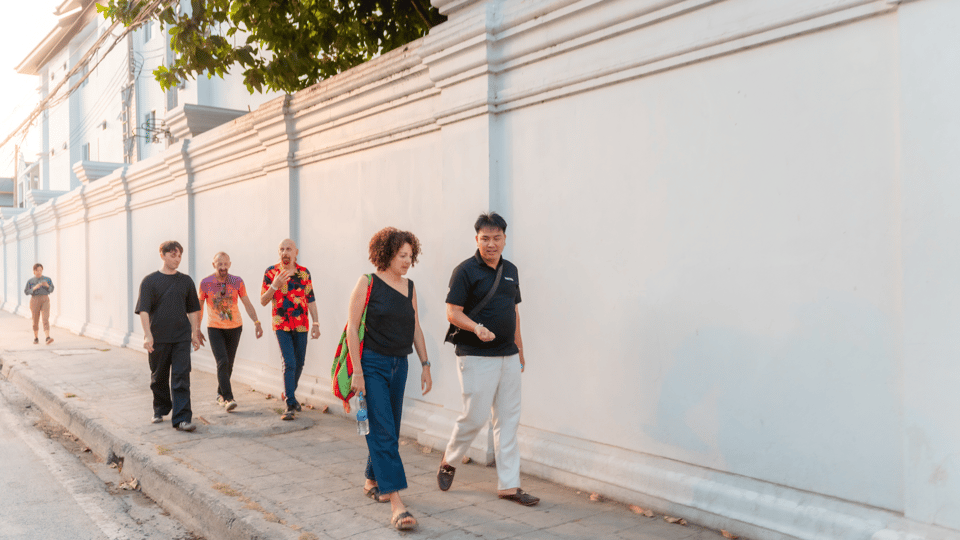
This is a guided walking tour built around a logical old-city route. Expect a mix of walking sections and time in temple areas. The schedule is tight enough that you see the key highlights, but not so rushed that you’re sprinting between stops.
That balance is important because Chiang Mai’s heat can be real. A common piece of practical advice from people who’ve done the tour: choose a time that avoids peak midday sun. One tour time mentioned as especially good is the 5pm option, which helps you experience the temples around golden hour when the light is softer and the mood feels calmer.
If you’re sensitive to heat, plan your timing carefully and bring water even though water is provided.
Cost and value: what $15 includes (and why it matters)
At $15 per person, this tour is priced like a “starter key” for the old city—not like a luxury add-on. What makes it good value is that key costs are already handled:
- English-speaking guide
- Entrance tickets
- Water
- Tour insurance
When temple entry fees and a guide are added separately, the total can creep up fast. Here, you’re paying for one organized route that includes the main places you’d otherwise have to research and ticket yourself. For solo travelers, that’s often worth it just for the simplicity.
What’s not included is also important: there’s no hotel pick-up/drop-off, so you’ll want to factor in your own local transport to the meeting point.
What to wear and bring: temple etiquette that keeps things smooth
You’ll get the best experience if you dress and pack like you’re entering active sacred spaces.
Bring:
- Comfortable shoes (you’ll be on foot)
- Camera
- Comfortable clothes
Avoid:
- Shorts
- Short skirts
This dress code isn’t about being overly strict. It’s about showing respect and keeping the visit comfortable for everyone around you. If you’re visiting during warm weather, choose breathable long pants or lightweight long skirts instead.
Also, since the tour is short, pack light. You don’t want bags getting in your way during temple walks.
Who this tour suits best (and who should choose something else)
This tour is a great match if you:
- Want a quick, structured introduction to Chiang Mai’s most important old-city temple sites
- Enjoy learning through stories about how traditions connect to daily life
- Prefer a small group where questions are easy to ask
- Like the idea of visiting major sites without spending your whole day navigating maps and tickets
It may not be the right fit if you:
- Need wheelchair access (it’s not suitable for wheelchair users)
- Don’t want to follow temple dress rules (shorts/short skirts aren’t allowed)
- Are looking for a long, slow “only photos” experience with no guidance
Final call: should you book this Chiang Mai temple walk?
If your goal is to get your bearings in Chiang Mai and understand the city’s spiritual foundation without wasting time, I think this is an easy yes. The route hits the key old-city temples, and the guide-led explanations help you understand what you’re seeing—especially at Wat Phra Singh and Wat Chedi Luang.
Book it if you appreciate structure, short walking segments, and learning that feels connected to real life. Skip it if you want something fully relaxed or if mobility and temple dress rules are barriers for you.
FAQ
How long is the Chiang Mai Historical and Culture Exploration walking tour?
The tour is about 2.5 hours guided, with short walking and guided time at each temple stop.
Where do I meet the tour guide?
You meet at the Three Kings Monument. The guide will be waiting there.
What is included in the $15 price?
The tour includes an English-speaking tour guide, all temple entrance tickets, water, and tour insurance.
What isn’t included?
Hotel pick-up and drop-off are not included, so you’ll need to get to the meeting point on your own.
What languages are available for the tour?
The tour guide speaks English and Thai.
What should I bring and wear?
Bring comfortable shoes and a camera, and wear comfortable clothes. Shorts and short skirts are not allowed.
Is the tour wheelchair accessible?
No, the tour is not suitable for wheelchair users.
Is there free cancellation?
Yes. You can cancel up to 24 hours in advance for a full refund.