REVIEW · CHIANG MAI
Chiang Mai: Local Food and Markets Guided Walking Tour
Book on GetYourGuide →Operated by TripGuru Thailand · Bookable on GetYourGuide
A food walk in Chiang Mai beats guessing at stalls. I love the lineup of standout bites, especially Khao Kriab Pako Moh and the final bowl at Thana Ocha. I also like the way a local foodie guide connects what you’re eating to how the city eats. One heads-up: food tastings cost extra since only the guide and walking tour are included.
You’ll start at Chansom Memorial Bridge (Khua Khaek), guided to markets and street counters in a tight 150 minutes. The tour is GSTC-certified, and it includes carbon emissions offset credits, which makes it feel like a smarter way to snack your way through town.
In This Review
- Key Things That Make This Chiang Mai Food Tour Work
- Entering Chiang Mai’s Food Scene From the First Step
- Meeting at Chansom Memorial Bridge and Finding Your Guide Fast
- Lung Khajohn Wat Ket: The Sweet Start With Khao Kriab Pako Moh
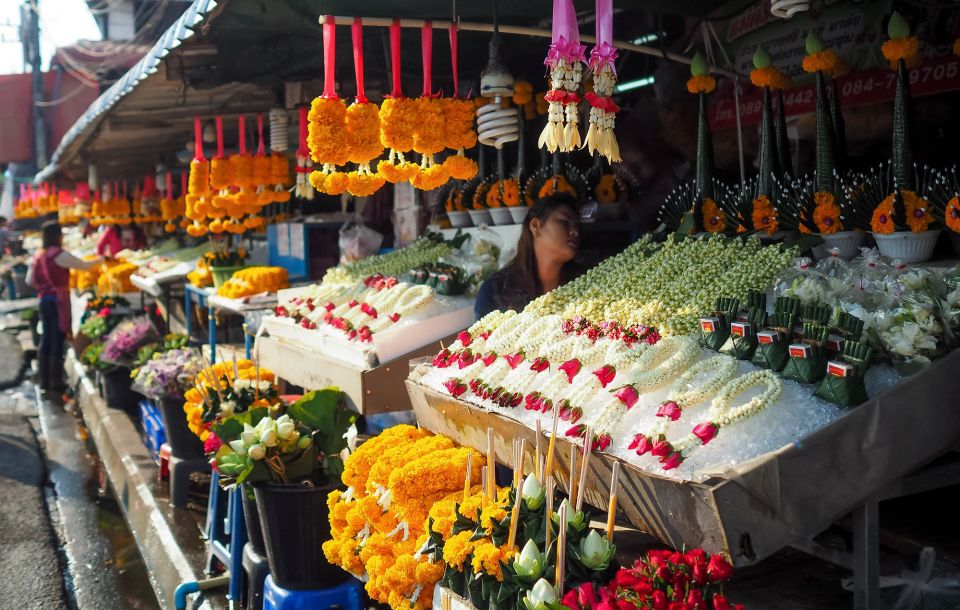
- Ton Lamyai Flower Market: A Quick Break for Smell, Color, and Photos
- Go Neng and Pa Thong Ko: Why This Snack Looks So Strange
- Warorot Market: Mango Sticky Rice and the Market Beyond Tour Signs
- Thana Ocha: Hakka-Style Noodles as the Savory Finale
- Price and Value: $48 for the Walk, With Food Extra
- Guides Matter: You’ll Learn How Locals Eat, Not Just What to Order
- Timing, Start Slots, and Why Afternoon Can Change the Route
- What to Bring and How to Prepare Your Stomach
- Who This Tour Is Best For (and Who Should Skip It)
- Final Verdict: Should You Book the Chiang Mai Local Food and Markets Walk?
- FAQ
- Where do we meet for the tour?
- Do I get hotel pickup and drop-off?
- How long is the tour?
- What food is included in the tour price?
- Is there a vegan option?
- What dishes might I get to try?
- What language is the guide?
- What should I bring with me?
- Is the tour responsible or certified?
- Can I get a refund if my plans change?
Key Things That Make This Chiang Mai Food Tour Work
- Chansom Memorial Bridge (Khua Khaek) sets you up at a real local landmark, with your guide visible holding a TripGuru sign.
- Sweet dumplings first at Lung Khajohn Wat Ket are the kind of snack you rarely find without help.
- Ton Lamyai Flower Market adds a bright, fragrant reset before the next round of eating.
- Go Neng pa thong go gets you trying oddly shaped deep-fried dough, a local favorite.
- Warorot Market is where you hunt for mango sticky rice and see the market beyond tourist food photos.
- Thana Ocha Hakka-style noodles closes the loop with a savory finale that’s different from standard Thai street fare.
Entering Chiang Mai’s Food Scene From the First Step
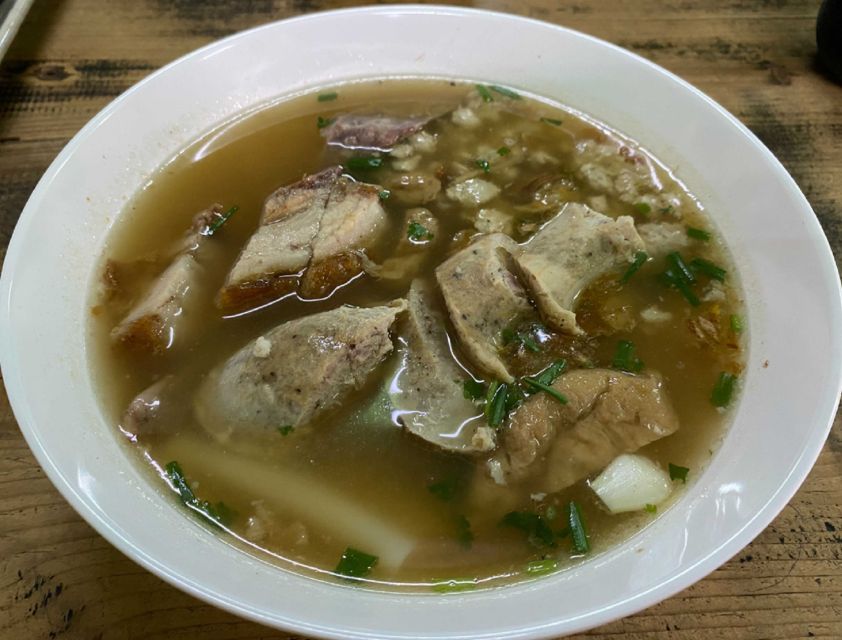
This tour is built for a simple goal: help you eat like a local in a short amount of time. You’re not wandering randomly or standing in front of menus trying to guess what’s worth your baht. Instead, you follow a guide through market streets and then actually eat what those places are known for.
You’ll be on your feet for the whole experience, moving from stall to stall and market to market. It’s not a museum pace, and you’ll likely want a little stomach planning before you go.
Also, the tour is designed to be light on impact. You get carbon emissions offset credits included in the experience, and the company frames it as part of exploring responsibly, not just a tagline.
You can also read our reviews of more walking tours in Chiang Mai
Meeting at Chansom Memorial Bridge and Finding Your Guide Fast
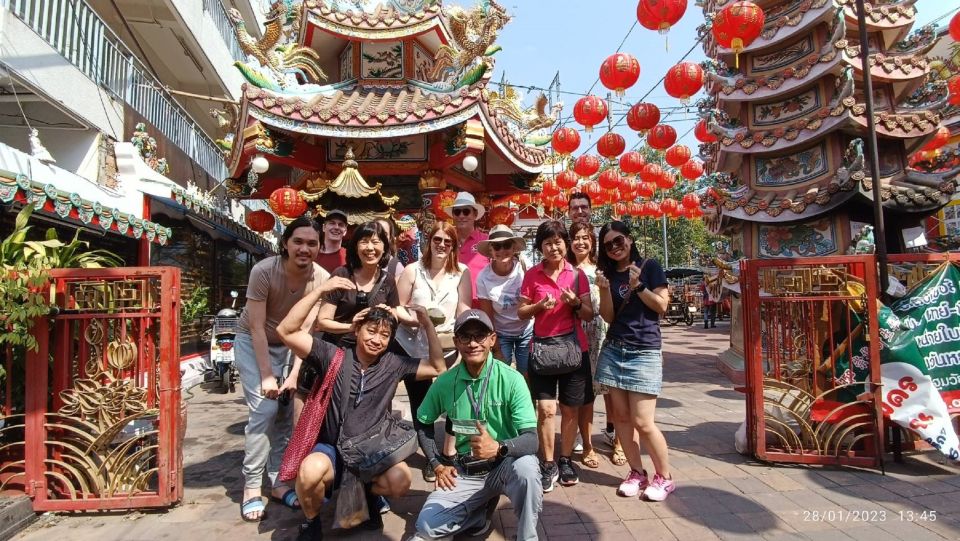
The meeting point is Chansom Memorial Bridge (Khua Khaek), opposite Ton Lamyai Flower Market. Your team emails the evening before to confirm your pickup time and meeting spot, and your guide will be holding a TripGuru sign.
Arrive about 10 minutes early. The guide can only wait for up to 10 minutes after the scheduled pickup time, and morning traffic can be heavy and unpredictable compared with maps.
If you’re coming from a hotel, plan extra time to get there. Chiang Mai can move slowly at rush hours, and you don’t want to cut it close.
Lung Khajohn Wat Ket: The Sweet Start With Khao Kriab Pako Moh
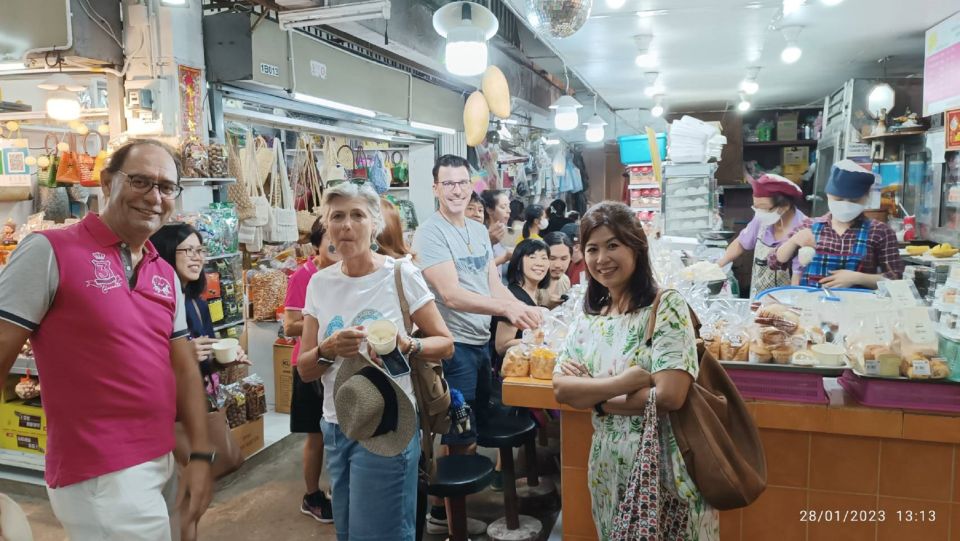
Your first real taste comes from Lung Khajohn Wat Ket, a stall known for sweet steamed rice skin dumplings stuffed with peanuts. The snack is often described as Khao Kriab Pako Moh (you’ll hear it discussed as the classic sweet dumpling choice here).
This is a smart first stop for two reasons. One, it’s distinctive enough that you’ll remember the flavor days later. Two, sweet dumplings give you a good baseline before you switch gears to savory snacks and heavier market food.
What I like about starting here is that it trains your palate. Thai street snacks often move between textures—chewy, crunchy, silky—so this dumpling helps you notice differences as the tour goes on.
Ton Lamyai Flower Market: A Quick Break for Smell, Color, and Photos
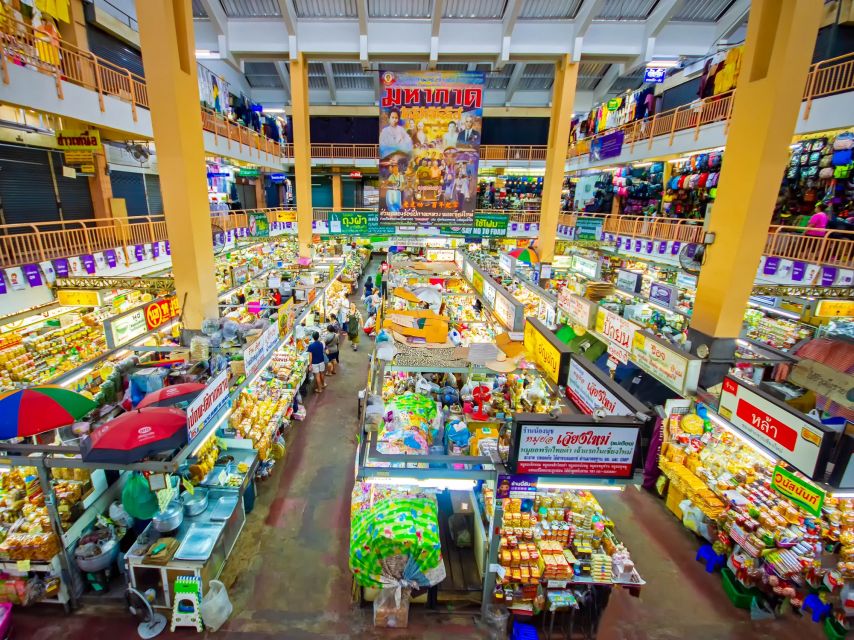
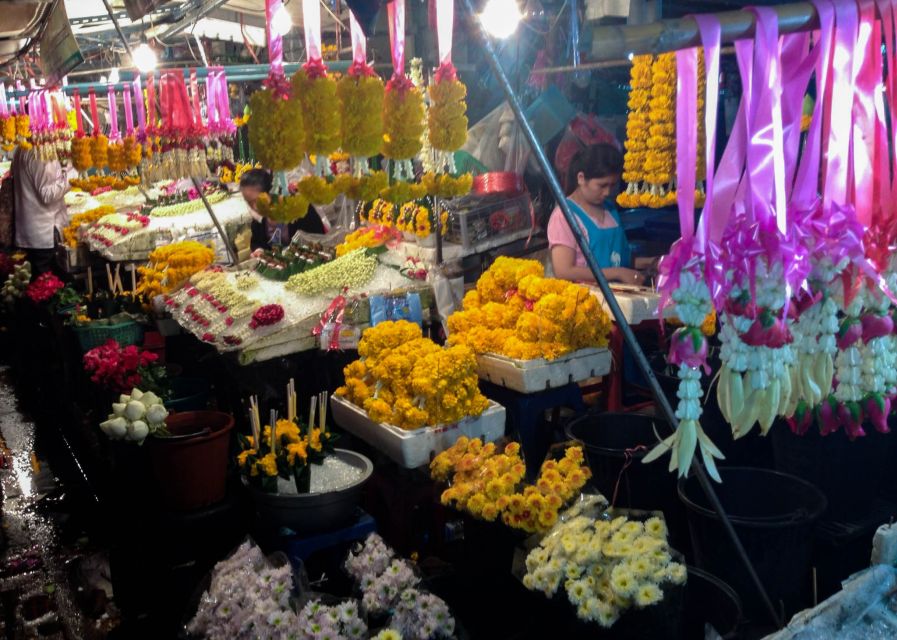
Between food stops, you pass through Ton Lamyai Flower Market. Even if you don’t buy anything, this part matters. It resets the senses after the first snack and gives you a feel for how daily life looks around Chiang Mai’s food corridors.
Bring your camera, because flowers here can be photo-worthy in a way that doesn’t feel staged. And if you’re the type who likes to understand a city by its rhythms, this market stop gives you that “local errands” vibe.
Go Neng and Pa Thong Ko: Why This Snack Looks So Strange
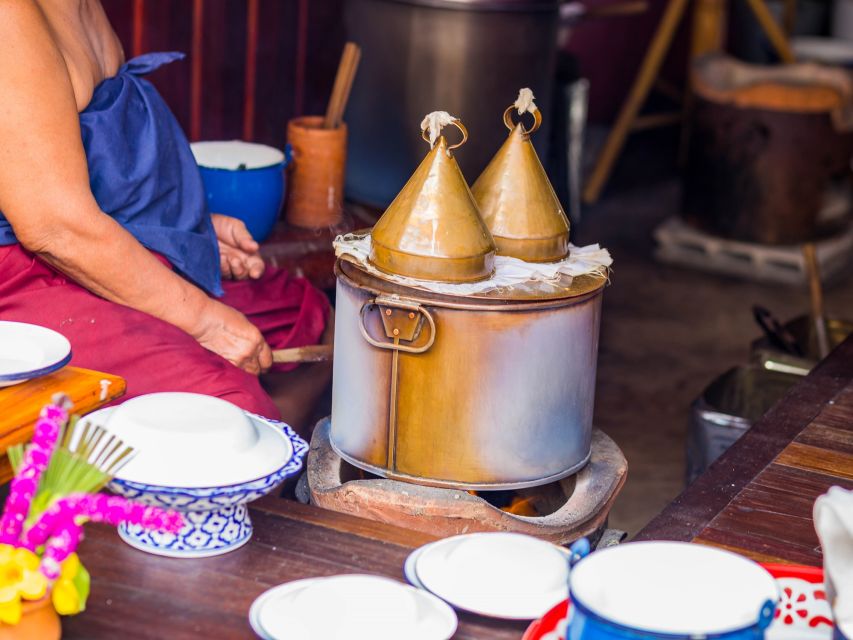
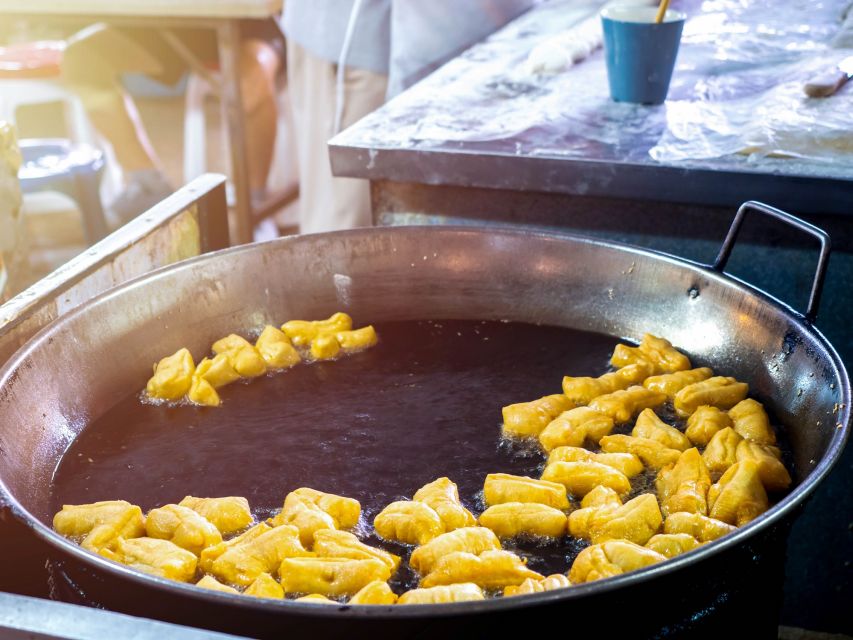
Next up is Go Neng, where you try pa thong go (also called pa thong ko). It’s one of the most popular deep-fried street snacks, and yes, the shapes can look a little cartoonish—some people even compare them to dinosaurs.
This stop is all about learning how locals snack. Pa thong go isn’t just a random fried bite; it’s a common choice people grab when they want something crispy and satisfying. You’ll also get a sense for how these snacks are portioned and served, which helps you order confidently later on your own.
Practical note: because it’s deep-fried, it can be heavy. If you’re sensitive to oily food, pace yourself and take small bites between other tastings.
You can also read our reviews of more food & drink experiences in Chiang Mai

Warorot Market: Mango Sticky Rice and the Market Beyond Tour Signs
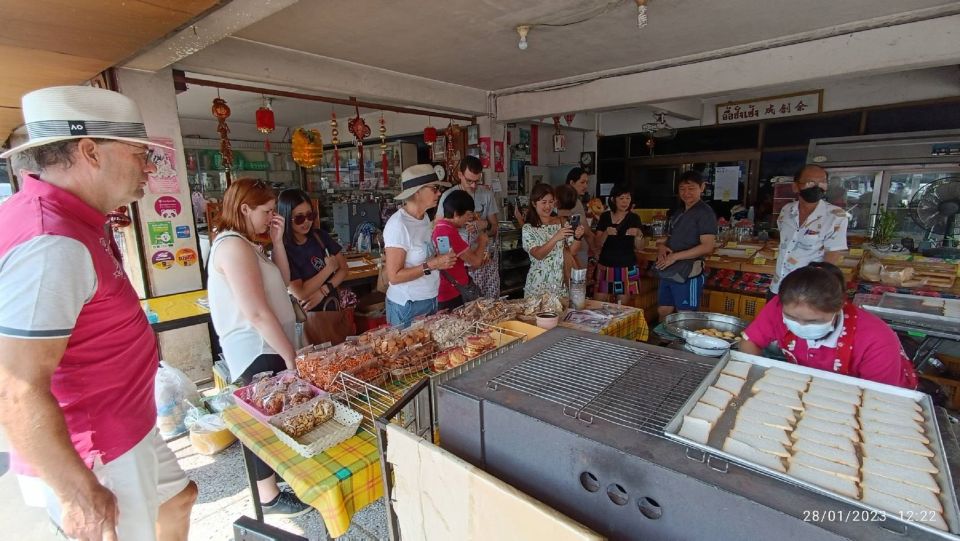
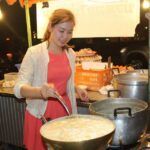
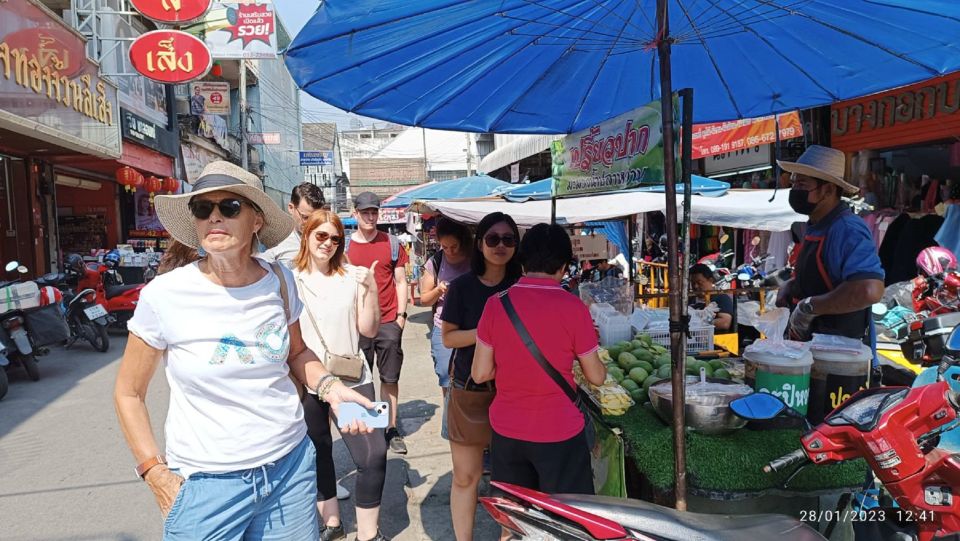
Warorot Market is a major part of the experience. It’s the place where you see Chiang Mai’s market life in full swing, with snacks, produce, and general shopping mixed together.
A key moment here is the hunt for mango sticky rice at a famous stall. Mango sticky rice is popular for a reason: the sweet mango flavor and coconut-seasoned sticky rice create a comfort-food effect that works even if you don’t usually crave dessert.
This is also the stop that can feel like the tour is giving you more than food. You’re walking through a real market environment, not just popping in and out. You’ll see how people choose ingredients, how stalls are arranged, and what gets ordered without a second thought.
If you’re taking photos, Warorot is one of those areas where you can get a lot of variety in a short time. Just keep an eye on your surroundings so you don’t block foot traffic.
Thana Ocha: Hakka-Style Noodles as the Savory Finale
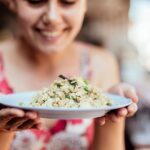
The last stop is Thana Ocha, where you try Hakka-style noodles with Hakka stuffed tofu, fish sausage, and wontons. This is a great ending because it moves you from snack mode into a more satisfying, meal-like finish.
Hakka-style food stands out in Thailand because it brings Chinese culinary influence into a distinctly local street setting. The guide should help you understand what’s in the bowl and why those ingredients matter, so you don’t just taste and leave—you learn what to look for if you try it again later.
I like that the finale isn’t just another fried bite. Noodles give you a chance to slow down, regroup, and end with something you could practically order on your own with more confidence afterward.
Price and Value: $48 for the Walk, With Food Extra
At $48 per person for 150 minutes, this tour is priced like a focused street-food intro. You’re paying mainly for the guide, the walking route, and the carbon offset credits. The food itself is not included, so you should expect to pay for tastings with cash.
That sounds like a drawback at first, but it also gives you flexibility. You can treat each stop as a menu choice rather than being forced into one set of items. The possible tasting options you might be offered include Hakka-style noodles, mango sticky rice, pa thong go, and Khao Kriab Pak Moh—and your guide will steer you toward what’s most worth trying.
If you hate pulling out your wallet often, this can feel inconvenient. I’d plan for small, quick payments as you go and bring enough cash to cover your whole snack run.
Guides Matter: You’ll Learn How Locals Eat, Not Just What to Order
A big part of the value is your guide. Different guides are named across past experiences, including people like Nom, Koi, Patty, Banana, Sunny, and Nancy. What they have in common is an emphasis on explaining dishes and market habits, plus keeping the pace smooth.
You’ll also benefit from practical help. Some guides have been praised for being attentive with small details, including help with things like carrying shopping bags and handling busy stalls. Even if your guide isn’t exactly the same, the consistent goal is clear: you should leave knowing what you liked and how to find it again.
The English support is listed as available, and Thai is also supported. If you’re hoping for more than a checklist and want real food context, this tour is the right kind of setup.
Timing, Start Slots, and Why Afternoon Can Change the Route
The tour offers multiple start time options, so you can pick a slot that matches your day. Morning can be easier for walking in terms of crowd levels, and also because you’ll get to market before some stalls start closing for the day.
There’s one more planning detail to know if you choose a later slot (like 2:30 pm). Some restaurants close by early afternoon for a number of reasons, so the guide may take you to alternative (but still delicious) street food stalls to keep the tasting experience on track. If you want the exact feel of the route, the morning slots are your safer bet.
Either way, the tour is short enough that you’re not waiting around in between stops. You’re moving, tasting, walking, tasting again.
What to Bring and How to Prepare Your Stomach
This is a market walk in the heat. Pack for comfort, not just style. You’ll want comfortable shoes, plus sunglasses, hat, sunscreen, and insect repellent. Bring a camera if you want market photos, and bring cash because food tastings are at your own expense.
For your stomach, don’t go in overly full. You’ll be eating multiple items across different textures, including sweet dumplings, fried dough, and noodle soup. If you’ve had a huge breakfast, it can turn into a “push through” situation instead of a “try everything” situation.
And if you’re sensitive to heavy fried foods, just go slowly with pa thong go and drink water between stops.
Who This Tour Is Best For (and Who Should Skip It)
This works best if you want a structured way to eat street food without guessing. It’s also a good first tour in Chiang Mai because it gives you dish ideas to chase later on your own.
It’s not a good fit if you have dietary restrictions like vegan preferences, since no vegan option is available. It also isn’t suitable for pregnant women, people with mobility impairments, and those with heart problems or respiratory issues.
If you’re generally healthy and you’re comfortable walking and eating in markets, you’ll likely enjoy this most.
Final Verdict: Should You Book the Chiang Mai Local Food and Markets Walk?
Book this tour if you want a fast, guided path to several Chiang Mai staples without spending your first day decoding menus. I think it’s especially worth it for the combination of Khao Kriab Pako Moh at the start and Hakka-style noodles at Thana Ocha at the end—two very specific flavors that feel like real Chiang Mai, not generic Thai food.
Skip it (or choose another option) if you don’t want extra spending on top of the ticket price. Since tastings are at your own expense, you’ll be paying as you go. Also, if you need vegan-friendly choices, this isn’t set up for that.
If your goal is simple—eat your way through key markets with a real local guide—I’d say you’ll get your money’s worth from the walk alone, then your stomach will get the bonus.
FAQ
Where do we meet for the tour?
You meet at Chansom Memorial Bridge (Khua Khaek), opposite Ton Lamyai Flower Market. Your guide will be holding a TripGuru sign.
Do I get hotel pickup and drop-off?
No. Hotel pickup and drop-off are not included.
How long is the tour?
The tour runs for 150 minutes.
What food is included in the tour price?
The tour price includes the guide and the walking tour, but food and tasting expenses are not included. You should expect to pay for tastings.
Is there a vegan option?
No vegan option is available.
What dishes might I get to try?
Possible tasting choices include Hakka-style noodles, sticky rice with mango, pa thong ko (deep-fried dough sticks), and Khao Kriab Pak Moh (sweet steamed rice skin dumplings).
What language is the guide?
The tour offers a live guide in English and Thai.
What should I bring with me?
Bring comfortable shoes, sunglasses, a hat, a camera, sunscreen, insect repellent, and cash.
Is the tour responsible or certified?
It is described as GSTC-certified and includes carbon emissions offset credits.
Can I get a refund if my plans change?
Yes. You can cancel up to 24 hours in advance for a full refund.