REVIEW · CHIANG MAI
Chiang Mai Untouched Elephant: Nature Walk & Waterfall Trek
Book on GetYourGuide →Operated by My Holiday Centre Company Limited · Bookable on GetYourGuide
Most people think they know elephants. This day corrects that.
I like the hands-on mahout routine—food prep, hand-feeding, walking, and bathing—because it’s done in a calm, respectful way with no forced tricks. I also like that you’re treated as a community member in a hill tribe village, not a ticket number. One heads-up: the ride from Chiang Mai involves long travel on trucks and vans, so comfort varies, especially on open-air legs.
You’ll start with pickup from Chiang Mai, then head toward an elephant care area where the day runs on the elephants’ needs. Expect a mostly outdoors schedule with some waiting for the right moments, plus a waterfall walk later that can get busy. If you want a tightly timed, always-explained tour, this may feel less structured than you expect.
This is priced at about $51 per person for a half-day program, with an English guide, water, and a local meal included. In other words: you pay for access to a real care day, not a big production.
In This Review
- Key Highlights You’ll Feel Fast
- Why This Chiang Mai Elephant Day Feels Different
- Getting There: Chiang Mai Pickup, Truck Transfers, and Real Timing
- Meet the Mahouts: Village Life and Elephant Care Basics
- The Elephant Walk Through Jungle: No Saddles, Just Observation
- River Mud Spa and Bath: Refreshing, Messy, and Very Human
- Lunch in a Hill Tribe Home: Real Thai Food, Not a Tourist Plate
- Mae Wang Waterfall Walk: Nice Reset, But Bring Crowd Reality
- Price and Value: Is $51 a Good Deal?
- Who Should Book This, and Who Should Skip It
- Should You Book the Chiang Mai Untouched Elephant Trek?
- FAQ
- How long is the Chiang Mai Untouched Elephant experience?
- Where does pickup happen?
- Is elephant riding included?
- Are the elephants chained or hooked?
- What activities do I do with the elephants?
- Is there a waterfall stop?
- What should I bring?
- What level of fitness do I need?
- What language is the guide?
Key Highlights You’ll Feel Fast
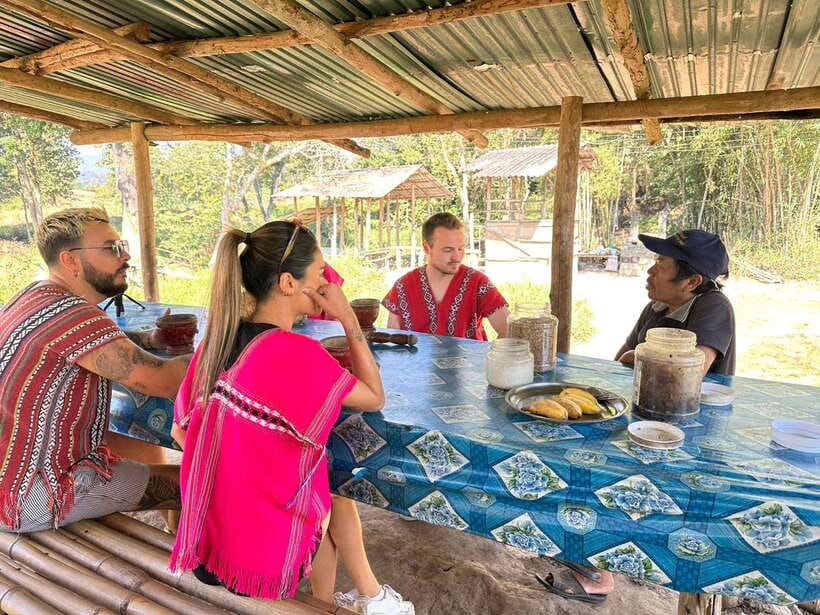
- Become a mahout for the day: Learn elephant caretaker tasks as they happen, not as staged demos.
- Natural interactions: Feeding, walking, and bathing happen without saddles or chains/hooks.
- Hill tribe village time: You’re part of village rhythm, including shared home-style meals.
- River mud spa and bath: A refreshing, hands-on break from the jungle heat.
- Mae Wang waterfall walk: A short scenic stop after elephant time, with some crowds possible.
Why This Chiang Mai Elephant Day Feels Different
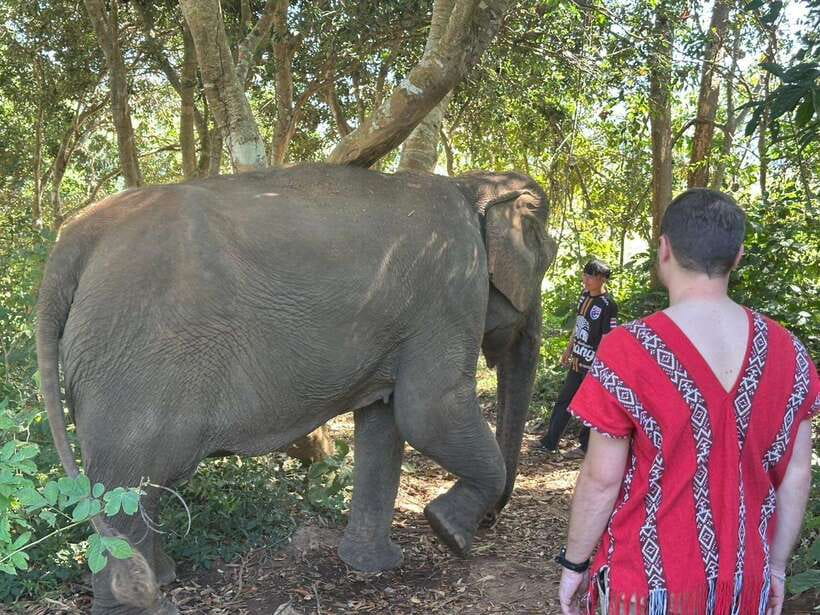
If your idea of an elephant tour is shiny and choreographed, this one will feel more grounded. The program is built around the way elephants and mahouts share space—life together, with caretaking as the center of the day.
A big reason I think people rate this so highly is the emphasis on no riding and no forced performance. You won’t be asked to sit on an elephant, pose for tricks, or do that uncomfortable kind of interaction where the animal is basically a prop. Instead, you help with real tasks like preparing food, walking nearby, and bathing as part of natural care routines.
The other reason this sticks is the “non-commercial” vibe. There’s no showmanship. Activities follow the daily rhythm of the sanctuary and caretakers, which means the experience can feel surprisingly personal and quiet. It’s not about checking boxes. It’s about being present.
You can also read our reviews of more walking tours in Chiang Mai

Getting There: Chiang Mai Pickup, Truck Transfers, and Real Timing
The tour starts with pickup in Chiang Mai, with a free transfer service for accommodations within 5 km of the Old City. If you’re farther out, there can be a surcharge for transport—so double-check where you’re staying.
On the road, the transport mix matters:
- You may ride in a 12-seater air-conditioned van or an open-air pickup truck.
- To reach the sanctuary, you switch to a roofed 4×4 truck.
Here’s the practical takeaway: open-air travel plus mountain roads can mean bumpy comfort and sun exposure. If you’re sensitive to motion sickness or heat, plan for it. Also, the listed duration is 5 hours, but the full day can run long because transfers take time and the elephants set the pace. I’d treat this like a half-day that can turn into more, not a clockwork event.
One review also pointed out that longer transfers can make the ride uncomfortable, especially on an older minibus. That’s a clue: even when you’re “only” riding, you’ll feel the journey. If you can, choose the most comfortable pickup situation available through your operator.
Meet the Mahouts: Village Life and Elephant Care Basics
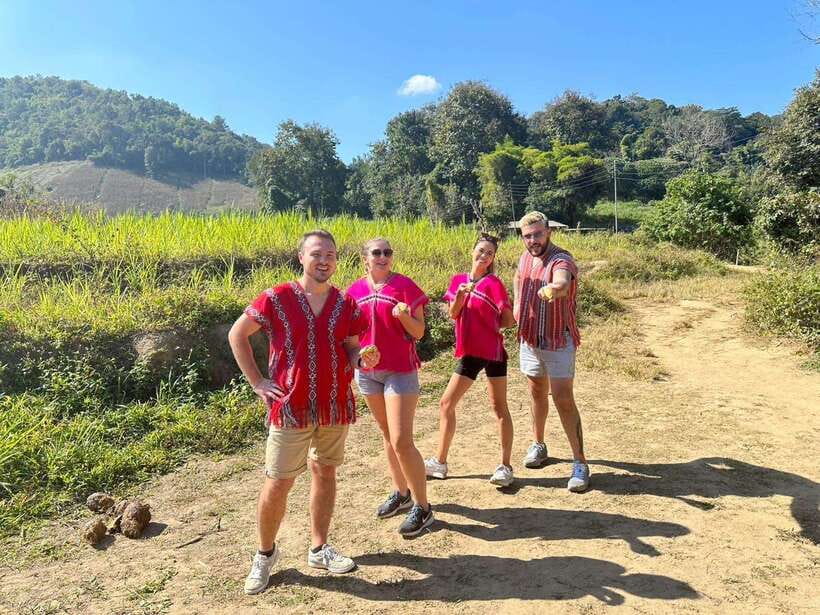
After pickup, you arrive in a local mahout village where you’re not really welcomed as a tourist. You’re brought in as a helper in a working environment.
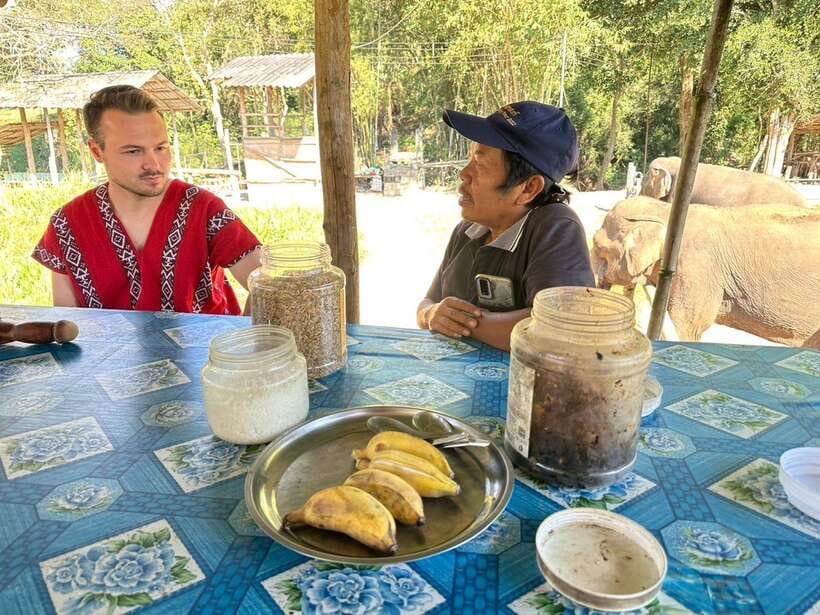
You’ll meet the caretakers and learn how elephants are raised and cared for in the area—generations of coexistence, not an entertainment business. The day starts with traditional food prep for the elephants. This isn’t just “watch and take photos.” You’re expected to take part.
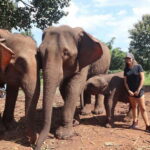
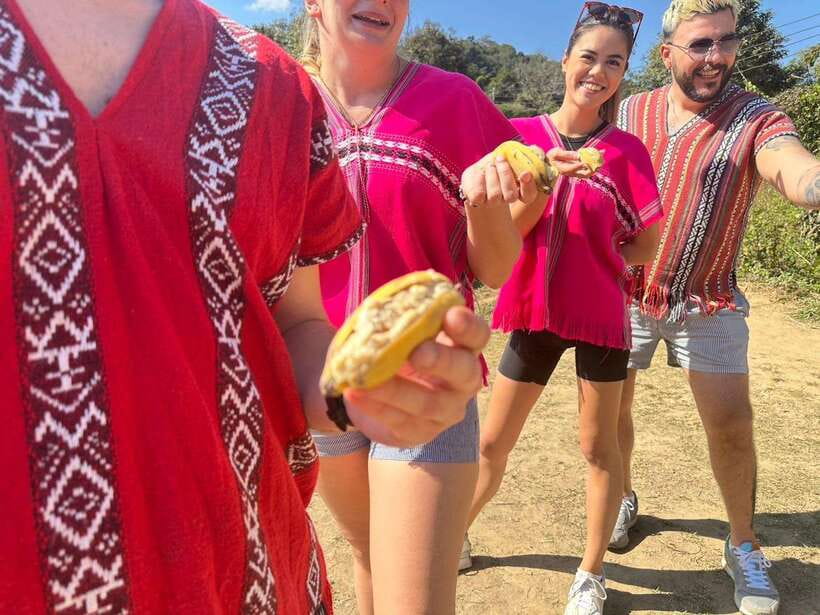
Then comes the hands-on part: feeding elephants by hand. The practical side is learning how the caretakers do it safely and calmly. The emotional side is realizing elephants have real personalities. Some come forward more easily. Some want space first. And the mahouts read those cues fast—so you’ll feel guided, not left to guess.
If your group gets a guide named Jimmy, that’s been called out as a standout in at least one account I’ve seen. A good guide matters here because the point isn’t just seeing elephants. It’s understanding the etiquette of care.
The Elephant Walk Through Jungle: No Saddles, Just Observation
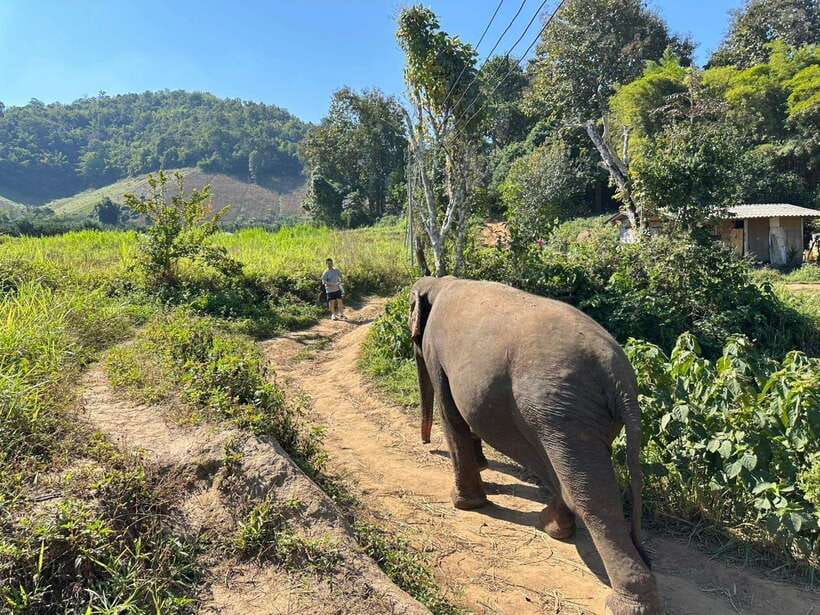
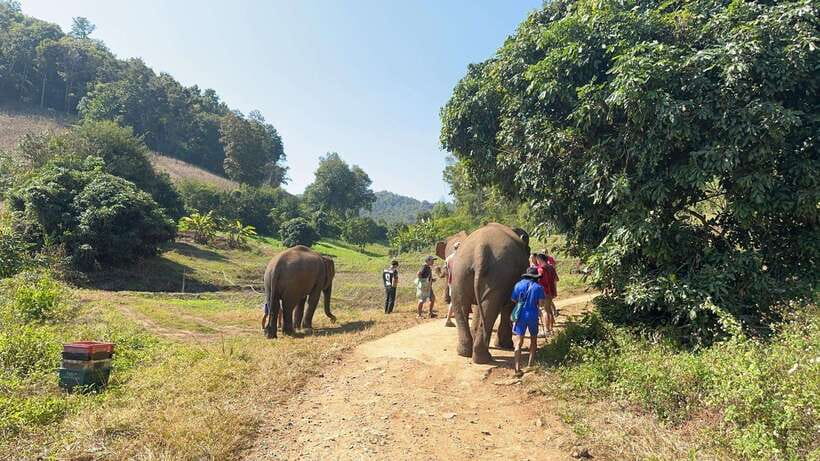
Once feeding and care routines are underway, you join the elephants for a jungle walk. This is one of the best parts of the day if you like nature you can actually feel with your body.
The program is designed so there are no saddles or chains involved in the walking. That changes everything. When an elephant isn’t being fitted into a performance, the walking feels more like watching movement in a lived environment than participating in a ride.
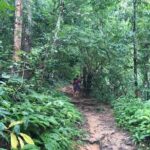
You’ll observe how elephants interact with their surroundings—how they pause, how they choose routes, and how caretakers keep things safe without forcing action. The walk is also why the experience asks for a moderate fitness level: it’s outdoors, and you’ll be moving at least some of the time on uneven ground.
If you expect a “perfect path, perfect view” hike, adjust your expectations. This is closer to real terrain. Wear shoes you trust, and keep your pace steady.
River Mud Spa and Bath: Refreshing, Messy, and Very Human
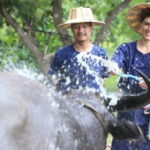
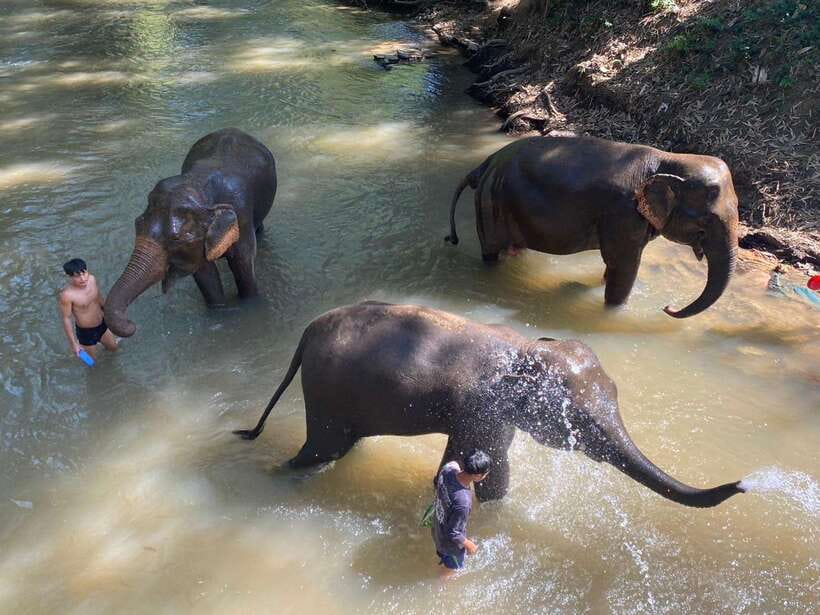
Later, you head to a river area where you’ll join the elephants for a mud spa and bath. This is one of those moments where you stop thinking like a spectator and start thinking like a caretaker helper.
It’s hands-on. You splash, scrub, and work alongside the team. And because it’s a natural setting with elephants moving at their own pace, it feels less like a staged activity and more like a shared cleaning ritual.
Practical advice: bring (or at least plan for) a towel and a change of clothes. The official “what to bring” list includes essentials like sunglasses, sun hat, sunscreen, and insect repellent—but the river bath can make extra clothing worth it. Also consider modest swimwear and water shoes if you’re worried about slipping.
You can also read our reviews of more hiking tours in Chiang Mai

Lunch in a Hill Tribe Home: Real Thai Food, Not a Tourist Plate
After the morning elephant care, you return to the village for a home-cooked Thai lunch. This part is valuable because it connects the elephant day to daily life—food prepared locally for people who live with the same landscape.
The lunch is made from fresh local ingredients, and it’s included in your price along with drinking water. If you have dietary restrictions, you’ll want to inform the operator in advance so the team can plan appropriately.
What I like about this meal setup is that it isn’t an assembly-line restaurant stop. It’s part of village routine. And after a morning full of animal care, a warm, simple meal hits in the best way.
Mae Wang Waterfall Walk: Nice Reset, But Bring Crowd Reality
The afternoon includes a stop at Mae Wang Waterfall, with free time and about a one-hour walk. It’s a straightforward nature interlude after elephants and village time.
Two useful notes:
- You should expect walking time outdoors, so wear good shoes.
- This waterfall stop can be more crowded than the morning elephant part—so don’t plan on having it to yourself.
Still, it’s a good reset. The goal here isn’t an intense hike. It’s a scenic break where you can stretch your legs and cool down a bit after earlier sun and mud.
Price and Value: Is $51 a Good Deal?
At about $51 per person, the value is strongest when you care about ethics and genuine contact. You’re paying for:
- hotel pickup/drop-off in Chiang Mai (within Old City area rules)
- an English-speaking guide
- a local meal
- drinking water
- access to a caretaking-focused elephant experience with no riding and no forced interactions
Where the price can feel questionable is if you’re comparing it to a barebones “see elephants from a distance” photo tour. This is not that. You’re doing work—food prep, feeding, walking, and bathing—so you’re buying more than a view.
Also remember the practical costs that can affect your real total:
- transport surcharge if your pickup area is outside the free 5 km radius
- potential need for extra clothing/towels if you don’t want to end the day wet and uncomfortable
Bottom line: it’s a fair price for the experience type. It’s not “cheap entertainment,” and it shouldn’t be.
Who Should Book This, and Who Should Skip It
This tour fits best if you want:
- an ethical elephant experience with no riding and no chain or hook involvement
- hands-on caretaking tasks, not just watching
- a more rural, village-based day than the typical Chiang Mai checklist tour
It’s also a good choice if you enjoy nature and don’t mind a day that follows a less strict timeline. Since activities depend on what elephants want to do, expect some flexibility.
Skip it if you:
- want a traditional, tightly scheduled sightseeing format with constant professional narration
- are looking for a mostly comfortable bus-and-van day with minimal outdoor time
- struggle with moderate outdoor trekking conditions
Should You Book the Chiang Mai Untouched Elephant Trek?
If your top priority is responsible elephant care and you like the idea of learning from mahouts in a hill tribe setting, I think this is an easy yes. The combination of hands-on elephant care plus village life is exactly the kind of experience that makes Chiang Mai feel more real than the glossy marketing version.
Just go in with two expectations set correctly:
- The day follows elephants, so it won’t feel like a rigid timetable.
- The ride can be bumpy or sunny depending on the truck and road conditions.
If that sounds fine, book it. If you need comfort above all and a strict schedule above all, look for something more structured.
FAQ
How long is the Chiang Mai Untouched Elephant experience?
The duration is listed as 5 hours.
Where does pickup happen?
Pickup is available from hotels in and around Chiang Mai Old Town. You’ll wait in the hotel lobby about 10 minutes before your scheduled pickup time. There’s a free transfer service within a 5 km radius of the Old City.
Is elephant riding included?
No. There is no elephant riding and no forced interactions.
Are the elephants chained or hooked?
The experience information states there are no chains or hooks at the park.
What activities do I do with the elephants?
You’ll prepare food, feed the elephants, walk with them, and join a river mud spa and bath. The exact activities can depend on what the elephants want to do that day.
Is there a waterfall stop?
Yes. Mae Wang Waterfall is included, with free time and a walk.
What should I bring?
Bring sunglasses, a sun hat, sunscreen, and insect repellent. For the river bath, you may also want a towel, bathing suit, and a change of clothes.
What level of fitness do I need?
Trekking and outdoor activities require a moderate fitness level.
What language is the guide?
The guide is English-speaking.