REVIEW · CHIANG MAI
Chiang Mai: History & Mouth Watering Food Tour
Book on GetYourGuide →Operated by LJ Tour Cultural and Soft Adventure Tours · Bookable on GetYourGuide
Street food meets Lanna temples in 3 hours. This tour pairs Warorot Market tastings with guided temple stops in the old city, including Wat Chedi Luang. Just note it’s not vegetarian-friendly and you’ll walk roughly 3 to 5 km.
I like that it is not just a food crawl with random stops. You start at the Three Kings area, then you move at a local pace with licensed guides who explain what you’re seeing as you go.
The small group cap of 8 helps keep the morning friendly and efficient. And based on guide names in past trips, like Pe, Lee, Lynn, Pen, and Lily, you can expect solid English storytelling with a focus on culture and practical context.
In This Review
- Key Points That Make This Tour Worth Your Morning
- Why This Chiang Mai Food and Temples Loop Works
- Meeting at Three Kings and How the 9:00 AM Morning Runs
- Wat Chedi Luang: Getting Context Before You Eat
- Warorot Market: Where the Street-Food Education Happens
- Walking, Then Local Transport: Seeing Chiang Mai Like Locals
- What You’ll Eat (and How to Think About Dietary Limits)
- Dress Code and Comfort Tips for 3–5 km
- Small Group vs Private Tour: Getting the Right Fit
- Price Value Check: What $67 Buys You in the Real World
- Who This Tour Is Best For
- Final Verdict: Should You Book This Chiang Mai Tour?
- FAQ
- Where does the Chiang Mai history and food tour start?
- What time does the tour begin?
- How long is the tour?
- How much walking should I expect?
- What’s included in the price?
- What is not included?
- Is this tour suitable for vegetarians?
- What should I bring and wear?
- What languages do the guides speak?
- Is there free cancellation and pay later options?
Key Points That Make This Tour Worth Your Morning

- Warorot Market tastings that feel structured, not chaotic, with snacks, a meal, and drinks included
- Wat Chedi Luang photo stop + guided temple time that connects the food stops to Chiang Mai’s old-city setting
- Local transportation during the route so you’re not only on foot all morning
- Small group limits (up to 8) which usually means more attention and smoother timing
- Flexible format with the choice between shared group and private tour
Why This Chiang Mai Food and Temples Loop Works
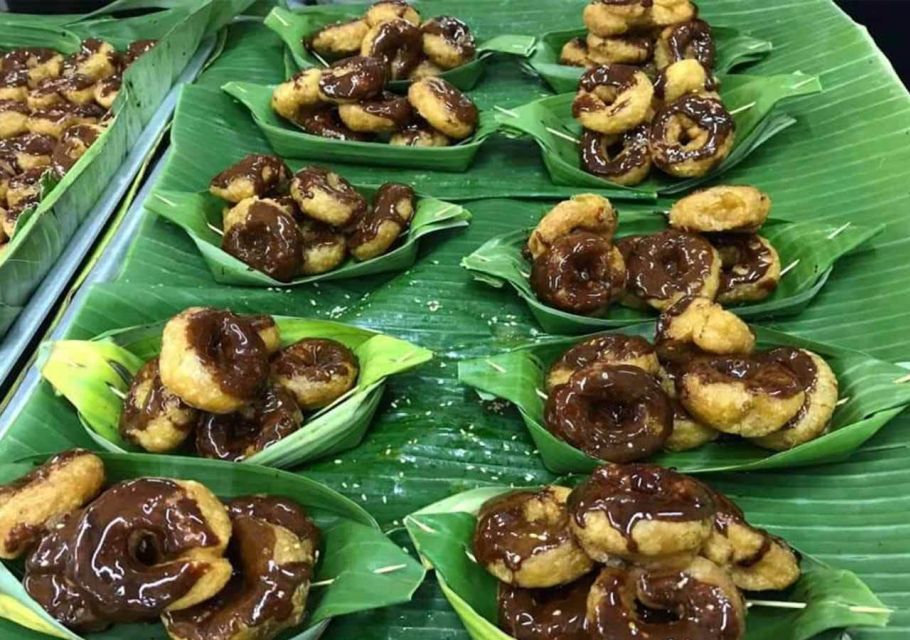
If you’re only in Chiang Mai for a short time, this tour solves a common problem: you want history and you want the good food, but you don’t want to plan it all yourself. The format is simple. You get walking time, a proper temple visit, then market food that’s the real deal.
The best part is the balance. The morning is not only about tasting things. You also learn how Chiang Mai’s old-city rhythm fits together—temples, markets, and everyday life—so the city makes more sense when you’re done.
There’s also practical value baked in. At $67 per person for a 3-hour outing, you’re paying for an English-speaking guide, admission fees, and local transport, plus snack, meal, and drinks. That’s usually the difference between a fun meal and a day that actually feels organized.
You can also read our reviews of more food & drink experiences in Chiang Mai


Meeting at Three Kings and How the 9:00 AM Morning Runs
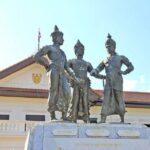
You meet at 9:00 AM at the Three Kings monument area. The meeting point is in front of the Three King monument, 127/7 Prapokkloa Rd, Chiang Mai. You may also see an alternate start option around 54 Ratvithi Rd, so double-check your exact pickup spot when you book.
From there, the tour moves in a way that feels doable. You begin with walking to restaurants, then you transition to the market portion, and then you shift back to temple and city sights. It’s not rushed in the way some food tours can be. You get time to look, ask questions, and actually taste.
The timeline matters because the tour ends around noon, at 12:00 PM, in the old city area. That means you’re not stuck with a full day of guided time—you can keep exploring on your own after the tour wraps.
Wat Chedi Luang: Getting Context Before You Eat
One early stop is Wat Chedi Luang, with a mix of photo time, visiting, and a guided walkthrough. Even if you’ve seen plenty of temples in Thailand, this stop has a purpose in the route: it gives you cultural and historical context before the market portion turns into food-focused excitement.
I like this order because it changes the way you look at what comes next. When you’re standing in the old city with explanations from your licensed guide, the market and street food stops feel less like random bites and more like part of a lived-in city.
Practical note: this is still a walking day. Even though temple time includes guided viewing, you’ll be in motion—so comfortable shoes are a must.
Warorot Market: Where the Street-Food Education Happens
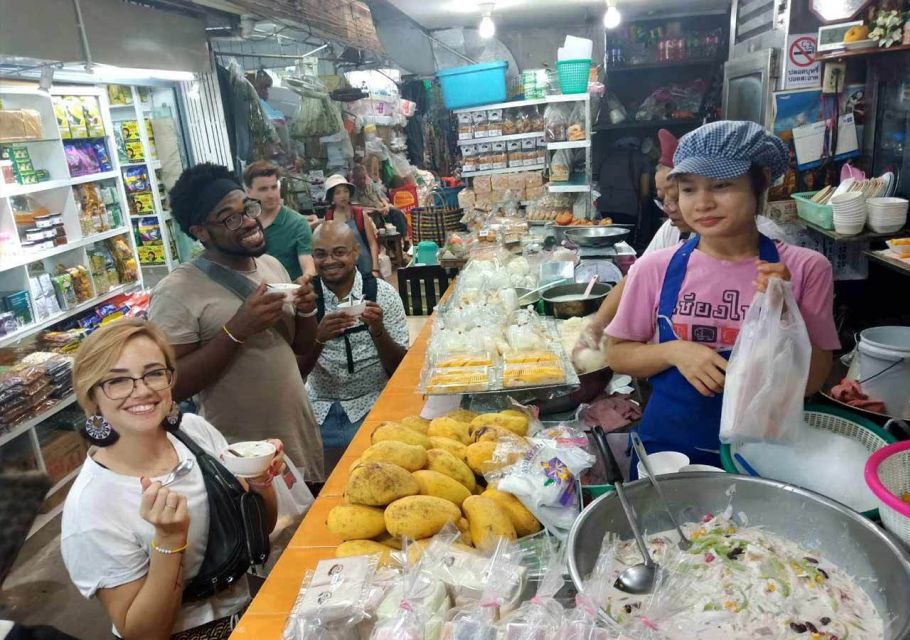
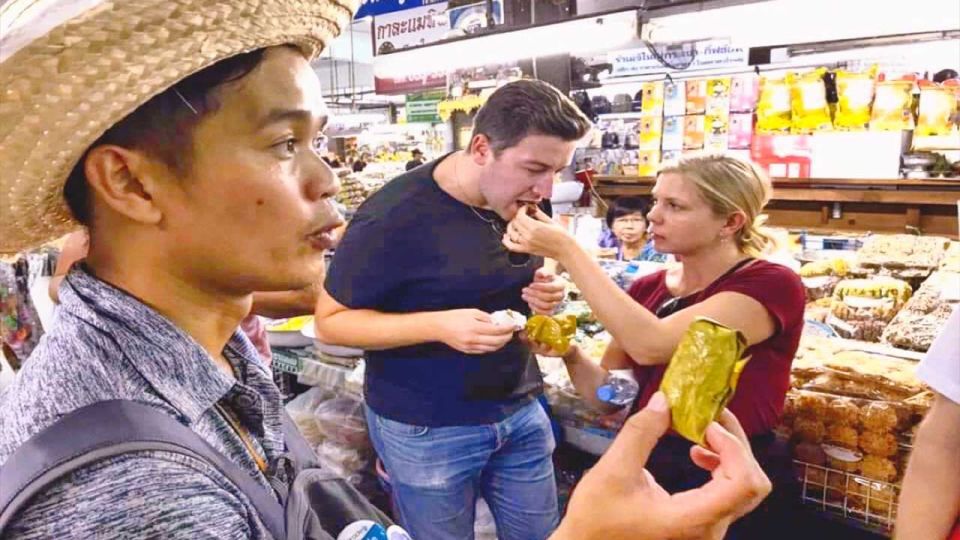
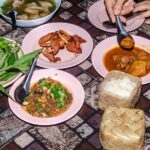
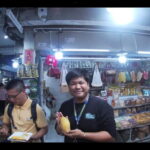
Most of the appetite action centers on Warorot Market. This is where the tour turns into a guided market experience: you explore, you learn as you look around, and you do food tasting tied to the places you’re visiting.
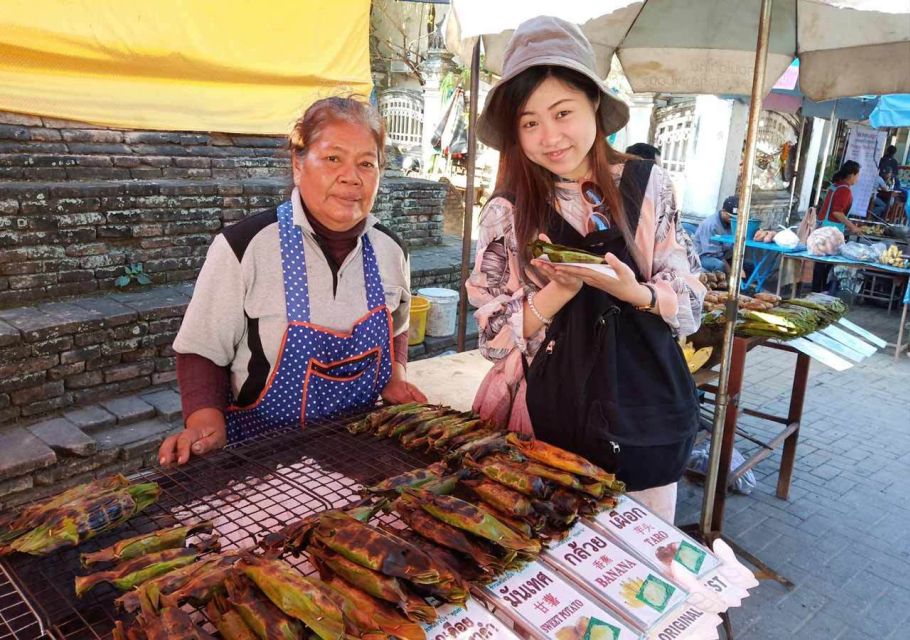
Warorot Market is ideal for this kind of tour because it naturally supports variety. Instead of getting one dish and calling it a day, you can sample multiple local favorites, with your guide helping you choose and understand what you’re eating. The tour also includes snack and a meal, plus drinks, so you’re not constantly paying extra for every bite.
One thing I’d plan around: markets can be warm and crowded. Even with a good guide and a smooth itinerary, expect you’ll need to move through busy lanes. That’s part of the charm, but it helps if you go in with a flexible mindset and an open appetite.
Walking, Then Local Transport: Seeing Chiang Mai Like Locals
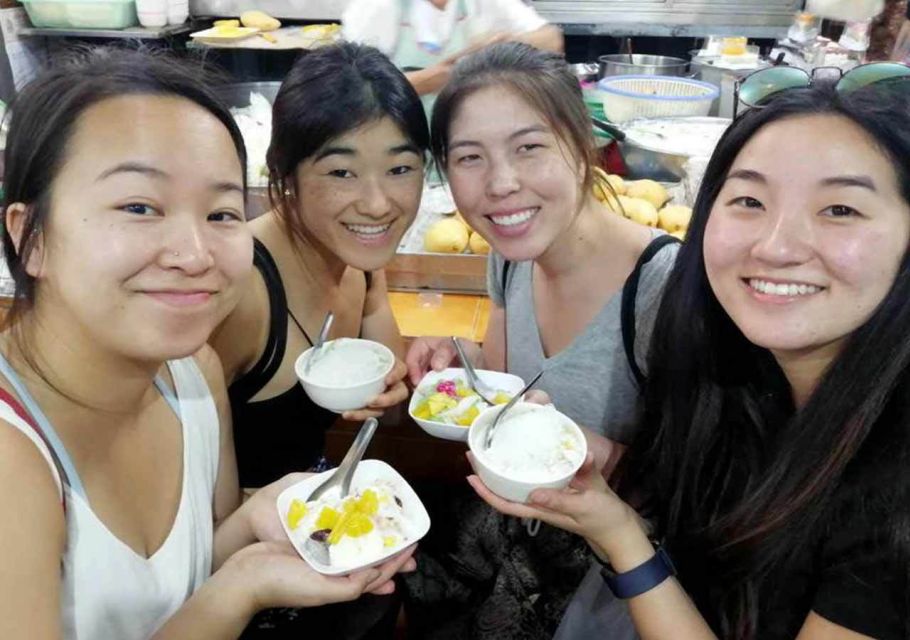
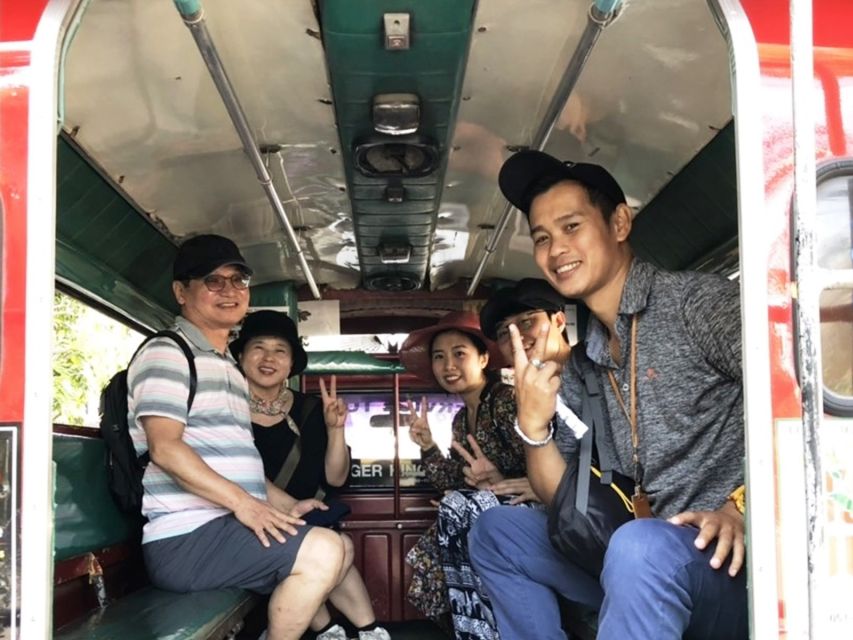
A big highlight here is how you travel between stops. The tour includes local transportation fees, and the route is designed so you’re not only walking between everything. That’s a quiet win if you want the city’s feel without overcommitting to long distances on foot.
You’ll also get a slower pace than many half-day tours. The idea is to let you observe day-to-day life while you’re moving—then your guide fills in the meaning behind what you’re seeing.
What I especially like is that the “local transportation” part can also reduce decision fatigue. Instead of you figuring out how to get from temple to market to your next meal, the tour handles the connections. You just show up, follow the guide, and look up when something catches your eye.
A few more Chiang Mai tours and experiences worth a look

What You’ll Eat (and How to Think About Dietary Limits)
This is a food tasting tour, but it is not designed as a vegetarian tour. The tour is specifically noted as not recommended for vegetarians and special dietary restrictions. So if you avoid meat completely, plan for the possibility that you may not find enough options that fit your needs.
That said, your guide can sometimes adjust what you taste. In past experiences shared with this tour, a guide was able to tailor tastings to make things more vegetarian-friendly in practice. The key is that this outcome is not guaranteed, because the tour’s overall structure is still built for typical local variety.
Also, there are no guarantees about what level of spice or ingredient mix you’ll get at each tasting. If you’re sensitive, tell your guide early and clearly. You’ll get the best results by giving simple rules, like no spicy or no specific ingredients you must avoid.
And don’t forget: alcohol is not included. You’ll get snack, meal, and drink, but you should assume you’ll handle any alcoholic drinks separately.
Dress Code and Comfort Tips for 3–5 km
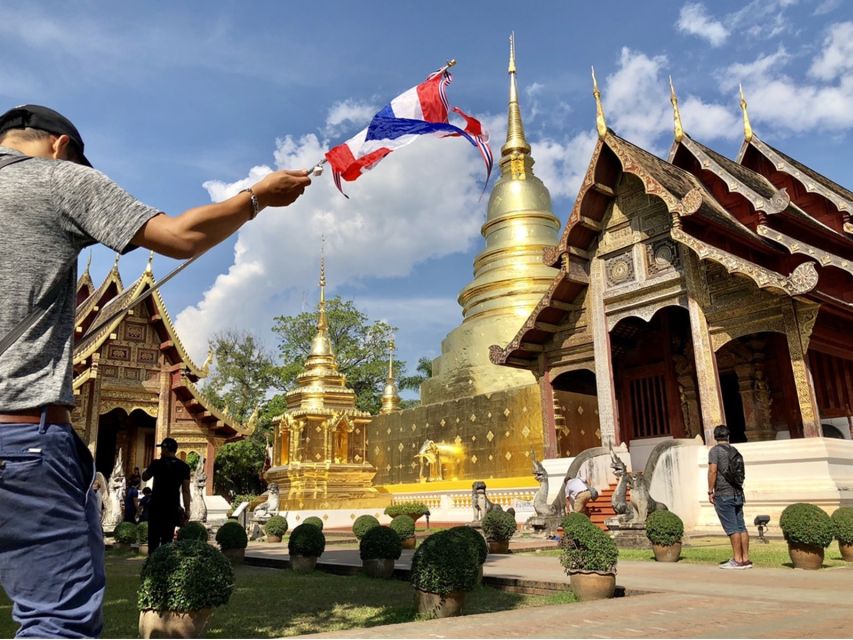
This tour has a practical dress requirement. Short skirts and sleeveless shirts are not allowed, so wear something that keeps you covered enough for temples.
For comfort, bring:
- Comfortable walking shoes (non-negotiable for 3 to 5 km of walking)
- An umbrella (Chiang Mai weather can shift quickly)
I’d also suggest you bring a small bottle of water if you know you like to sip often, even though a snack and drinks are included. It keeps you comfortable during market time and temple wandering.
If you’re visiting with someone who dislikes walking, this may feel like a stretch. But if you’re okay with moderate walking and you want a food-and-history payoff, the route is manageable.
Small Group vs Private Tour: Getting the Right Fit
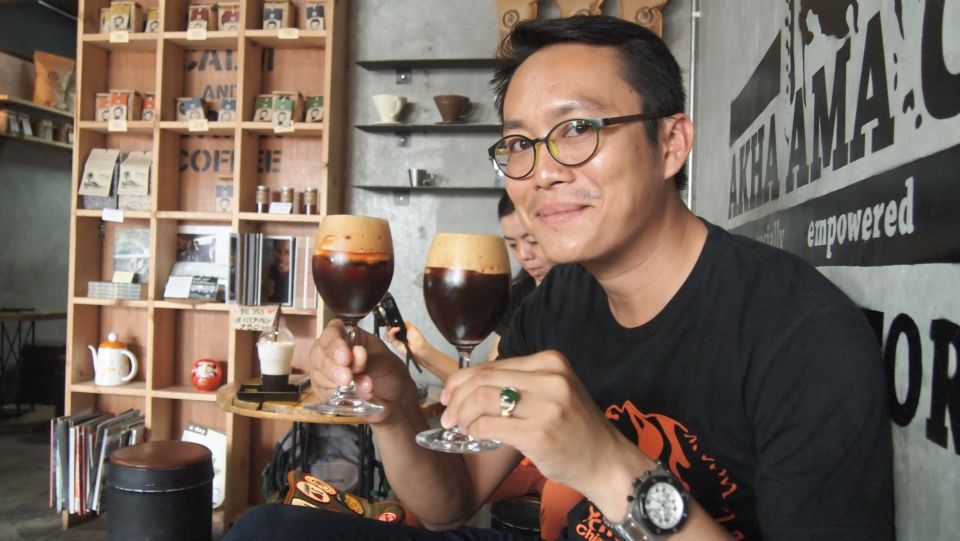
This tour comes in small group format, limited to 8 participants. That cap matters because it affects how often your guide can respond to your questions and pace the tastings.
There’s also the option to choose between a shared group and a private tour. If you’re traveling as a couple or family and you want more tailoring—like leaning harder into history explanations or dialing in which foods you taste—a private format can be a good use of money.
If you’re traveling solo and prefer a social morning, the shared group option keeps it affordable while still offering guide attention. Either way, the structure is designed so you’re not sitting around waiting for other people to catch up.
Price Value Check: What $67 Buys You in the Real World
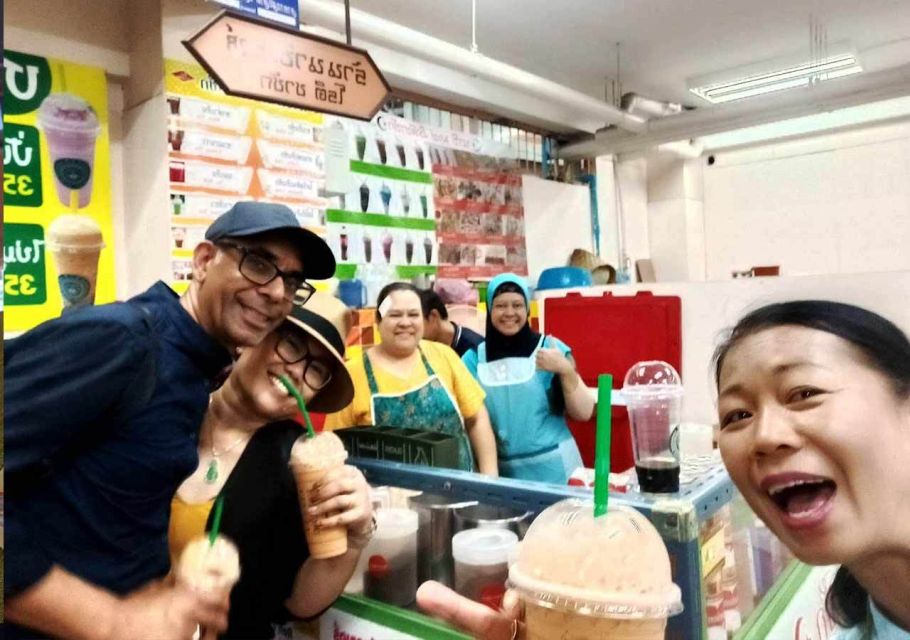
$67 for a 3-hour tour can feel like a lot at first glance, but it’s not just paying for a guide to walk with you. This price includes:
- English-speaking guide
- Local transportation fee
- Snack, meal, and drink
- All admission fees for stops in the program
- Accident insurance
That combination is where the value comes from. If you tried to replicate this on your own—booking a guide for temples, paying for admissions, and figuring out market timing—you’d likely spend more time and money.
In other words, you’re buying coordination and context, not just food. For first-time Chiang Mai visitors, that can make the city feel less overwhelming fast.
Who This Tour Is Best For
This is a strong fit if you want:
- A morning plan that combines old-city temples and local food without heavy logistics
- A guide-led route with market time and explanations in English
- A small-group vibe (up to 8) rather than a huge bus tour
It’s not a great fit if:
- You need strict vegetarian meals or have complex dietary restrictions
- You dislike walking 3 to 5 km, even if the pace is guided and broken up by stops
- You plan to dress in sleeveless outfits or short skirts for temple visits
Final Verdict: Should You Book This Chiang Mai Tour?
Book it if you want a guided, no-stress way to taste Chiang Mai and understand what you’re seeing in the old city. The combination of Warorot Market food tastings, Wat Chedi Luang context, and local transport makes this feel like a smart first introduction to the area.
Skip it (or at least message the operator first) if you’re vegetarian or have strict dietary needs, because the tour is not set up for that on paper. And if you’re sensitive to walking, make sure your shoes and energy level match the 3 to 5 km plan.
If you’re ready for a morning that’s part history, part market education, and part serious food time, this is one of the more practical ways to use a limited Chiang Mai schedule.
FAQ
Where does the Chiang Mai history and food tour start?
The meeting point is in front of the Three King monument, 127/7 Prapokkloa Rd, Chiang Mai. There is also an alternate starting location option listed as 54 Ratvithi Rd.
What time does the tour begin?
You start at 9:00 AM.
How long is the tour?
The tour lasts 3 hours and ends at around 12:00 PM in the old city area.
How much walking should I expect?
You should expect 3 to 5 km of walking during the tour.
What’s included in the price?
Included items are an English-speaking guide, local transportation fee, snack, meal, and drink, all admission fees for program stops, and accident insurance.
What is not included?
Alcoholic drinks and personal expenses are not included.
Is this tour suitable for vegetarians?
It is not recommended for vegetarians or for people with special dietary restrictions.
What should I bring and wear?
Bring comfortable shoes and an umbrella. Short skirts and sleeveless shirts are not allowed.
What languages do the guides speak?
Guides speak Thai and English.
Is there free cancellation and pay later options?
Yes. Free cancellation is available up to 24 hours in advance for a full refund. There is also a reserve now & pay later option.