REVIEW · PHUKET
Phuket Elephant Nature Reserve Ethical Sanctuary
Book on Viator →Operated by Phuket Elephant Nature Reserve · Bookable on Viator
Phuket’s jungle has a way of making you slow down. This half-day at the Phuket Elephant Nature Reserve Ethical Sanctuary focuses on what elephants need, not what tourists want. You’ll watch free-roaming elephants in natural areas like jungle paths and watering-hole spots, and you’ll learn how to interact in a respectful, hands-off way.
The two parts I liked most were preparing vitamin balls alongside the mahouts (elephant handlers) and getting Thai cooking time in the mix. One small thing to keep in mind: a chunk of the experience is outdoors, and it can be hot and humid, so bring sun protection and wear shoes you can actually walk in.
In This Review
- Key highlights to know before you go
- Ethical elephant care shapes everything you do here
- The half-day time math: what 3.5 hours looks like on the ground
- Start with Thai cooking class and lunch demo
- Preparing vitamin balls with the mahouts: hands-on, not intrusive
- Jungle observation and watering-hole watching: the calm way to see elephants
- Elephant education plus the dung recycling center
- What you get for $39.11: value breakdown that feels fair
- Logistics that matter: tickets, timing, and staying comfortable
- Who this ethical elephant sanctuary visit suits best
- Should you book Phuket Elephant Nature Reserve Ethical Sanctuary?
- FAQ
- How long is the Phuket Elephant Nature Reserve half-day experience?
- What’s included in the half-day program?
- Are you allowed to bathe, touch, or hand feed the elephants?
- Do I need to bring my own water bottle and shoes?
- Is transport included?
- Is there a cancellation option for a refund?
Key highlights to know before you go
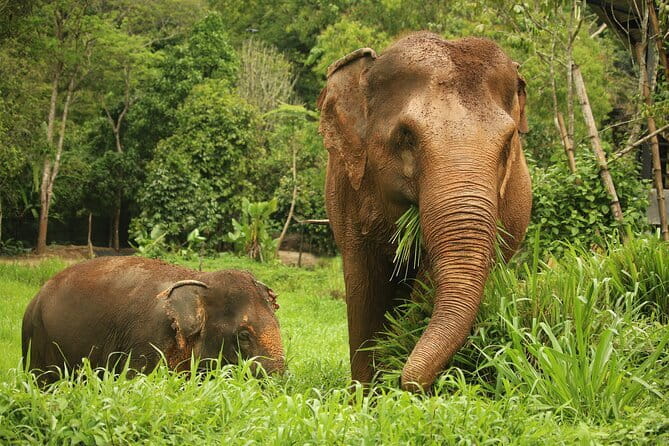
- Hands-off elephant interaction: no touching, bathing, or hand feeding, but you still get close observation
- Vitamin ball preparation with mahouts, so you’re part of the care routine
- Jungle and watering-hole viewpoints for watching elephants move naturally
- Dung recycling center education, showing how the sanctuary handles waste responsibly
- Thai cooking class demo and lunch, included with the half-day program
- Small-time outdoor reality check: you may feel the heat during the elephant observation portion
Ethical elephant care shapes everything you do here
What makes this sanctuary visit feel different is the rules. You’re not there for a show. Elephants are allowed to roam, and your role is observation plus a guided, hands-off feeding approach. That means no bathing, no touching, and no hand feeding as you’re standing by the areas where elephants naturally gather.
That “limits” feeling can actually be a good thing. You’re less distracted by performing for the camera and more focused on reading elephant behavior: how they move through the jungle, how they respond at water points, and how calmly they go about their day. If your goal is to learn what ethical care looks like, the experience is built around that.
Photography is part of the appeal too. The setting gives you chances to capture elephants in natural spots—especially around water features—without turning the animals into props.
You can also read our reviews of more tours and experiences in Phuket.


The half-day time math: what 3.5 hours looks like on the ground
The program runs about 3 hours 30 minutes. Even though the whole day block is short, you’ll likely feel like you got two distinct experiences: food and education indoors/outdoors, then a more active elephant-observation stretch.
A common rhythm is roughly an hour-and-a-half that’s more exposed to sun and humidity while you watch and learn, with the rest supporting parts happening alongside it (cooking demo, lunch, education segments). In Phuket, the “outdoor stretch” matters. People often call out that the hotter part lands early in the day, so plan to protect yourself from heat and keep water use smart.
Also note what this tour does not include: transport. If you’re relying on pickup, you’ll need another plan. If you’re comfortable using public transport, the location being near it can be helpful.
Start with Thai cooking class and lunch demo
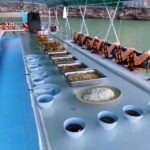
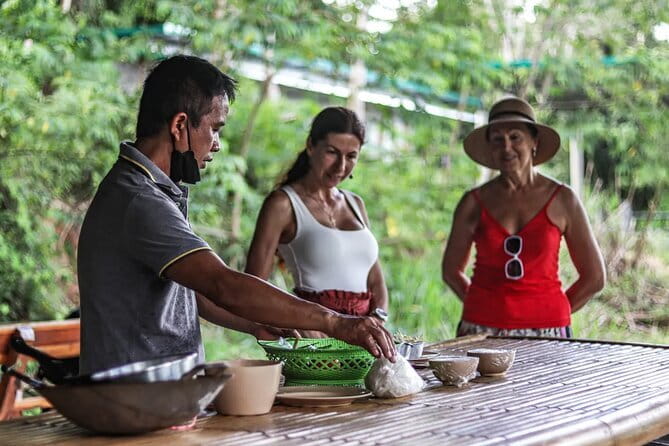
Before you go into full elephant mode, you’ll do a Thai cooking session demo with lunch. It’s included, and it’s not just an add-on. This is one of the best “value-per-minute” pieces of the half-day, because you’re getting a real meal experience without needing a separate reservation.
Expect a briefing, then cooking steps tied to what you’ll eat. The cooking block also works as a temperature buffer. Even if you’re going in during peak sun hours, the demo and lunch give you a break from standing outdoors.
If you like practical skills on vacation, this portion is also a nice change of pace. It’s Phuket, but you’re not spending the whole day staring at the same thing. You’re leaving with a meal you helped cook, which makes the day feel more complete.
Preparing vitamin balls with the mahouts: hands-on, not intrusive

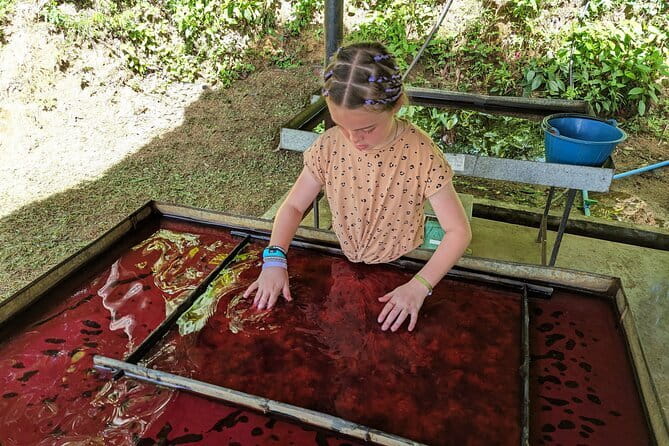
This is the core moment for many people. You’ll prepare elephant food—specifically vitamin balls—with the mahouts. The key word here is guided. You aren’t grabbing at elephants or trying to be close in an overly physical way. Instead, you’re doing a task that supports the sanctuary’s routine.
You’ll likely get an education-style explanation during the process, including why this kind of feeding approach matters and how it fits into daily care. Then, once you’ve made the vitamin balls, you’ll move into observation time where elephants can approach on their own terms.
From a traveler’s perspective, this hits a sweet spot: you feel involved, but the elephants remain in charge of their space. That’s the difference between ethical interaction and “celebrity animal” behavior you want to avoid.
Jungle observation and watering-hole watching: the calm way to see elephants
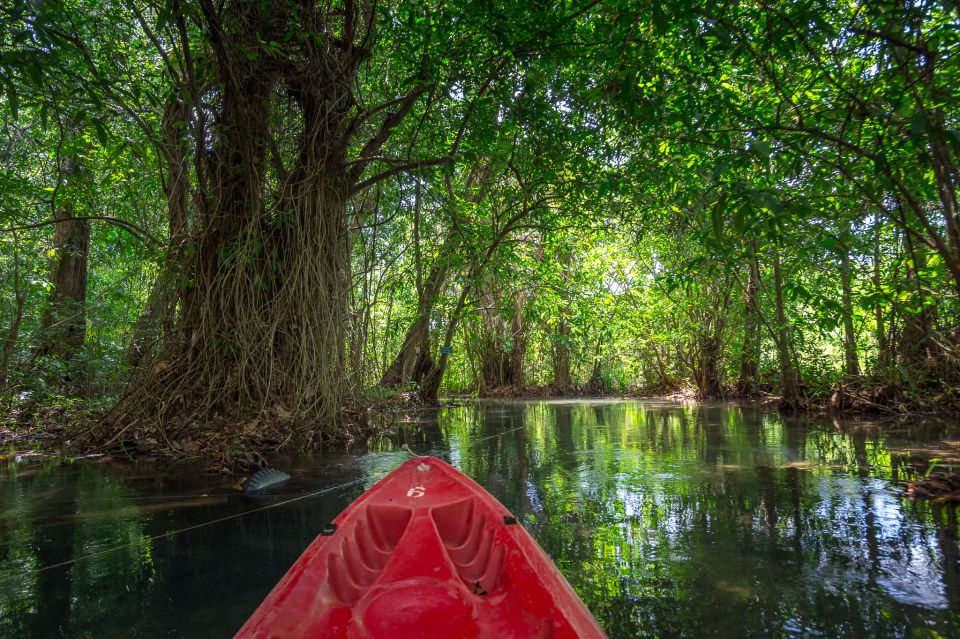
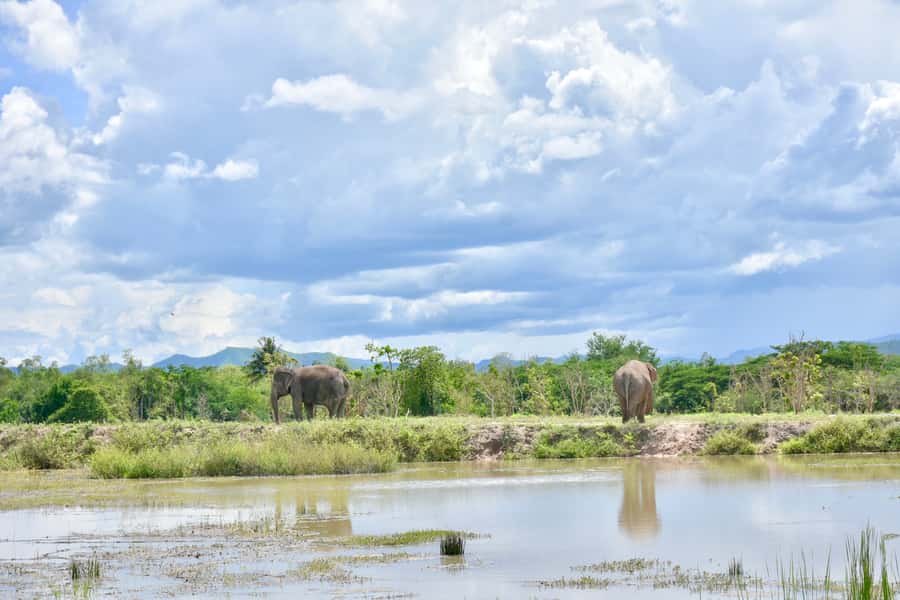
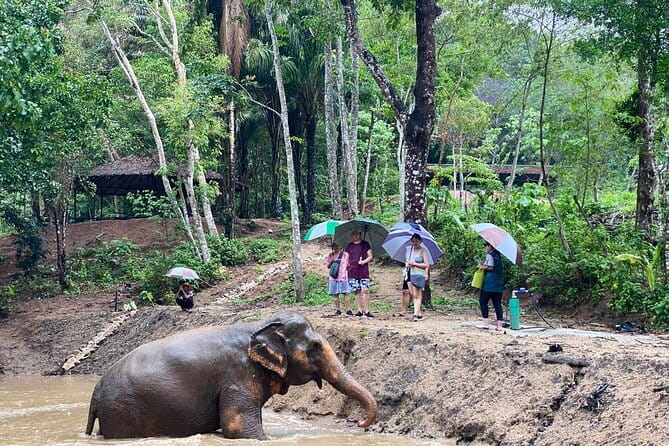
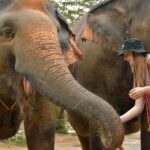
After the food prep, your time shifts into elephant observation. You’ll be able to watch elephants in areas that look and feel like their real habitat—jungle paths and natural water ponds/features—with the sanctuary guiding you on what you’re seeing.
The best moments here are usually the simple ones: watching elephants pause, drink, wander, and interact with their environment without being pushed or positioned. Water points tend to draw activity, so it’s normal to see more movement around watering-hole areas than in dense jungle sections.
Practical tip: wear comfortable shoes. This isn’t a “sit on a bench for three hours” situation. Even if the pace is manageable, you’ll likely walk on uneven or muddy surfaces at times, especially around nature areas.
If you’re hoping for a highly active, up-close-for-photos experience, this is still one of the closer options in Phuket—but it keeps the interaction ethical. You’ll trade some physical closeness for better animal behavior and a more natural scene.





Elephant education plus the dung recycling center

One of the more interesting educational pieces is the elephant dung recycling center. Yes, it’s exactly what it sounds like. And it’s also a reminder that sanctuary work is not just cute moments with animals.
This segment helps you understand how waste can be handled responsibly and how the sanctuary manages day-to-day operations. It’s practical education rather than a feel-good lecture. That balance matters, because real animal care includes the unglamorous parts.
After that, you return to vitamin ball preparation/feeding timing in a way that feels connected instead of random. You’re not just touring a set of exhibits. You’re learning how the sanctuary functions as a living facility.
What you get for $39.11: value breakdown that feels fair
The price is listed at $39.11 per person, and what you receive is unusually bundled for a short half-day. Here’s what’s included:
- Thai cooking class demo and lunch (included)
- Meet and feed with a hands-off approach (no touching/bathing/hand feeding)
- Elephant jungle nature observation
- Elephant dung recycling center (half-day program only)
- Vitamin ball making (half-day program only)
- Water, plus an insurance component
- A guided experience and support on-site
What you might feel is this: you’re paying for access to the elephants in an ethical, structured way, plus learning time and a real meal component. In many parts of Thailand, elephant experiences can be expensive or feel like a transaction built on forced behavior. Here, the “no riding, no bathing” stance helps shift your spending toward the sanctuary’s care mission.
What isn’t included is also worth noting:
- Comfortable shoes
- Hat and sunglasses
- Your own water bottle for a refill station (they provide refill water)
- Transport
That’s normal for tours, but it’s a good reminder to pack for humidity and walking.
Logistics that matter: tickets, timing, and staying comfortable
You’ll have a mobile ticket, which is convenient if you’re traveling light and don’t want to manage printed passes.
Timing-wise, plan for a half-day block where you’ll alternate between indoor/outdoor parts. People often say the outdoor portion is what tests you in Phuket heat. So build your comfort around that:
- Wear comfortable shoes with grip.
- Bring a hat and sunglasses (not included).
- Use your own bottle for refills, since staying hydrated helps you enjoy the day instead of just surviving it.
And since transport isn’t included but the reserve is near public transportation, you’ll want to map out your route ahead of time. If you’re relying on a driver, confirm meeting points early.
Who this ethical elephant sanctuary visit suits best
This is a strong fit if you:
- Want an ethical elephant experience that avoids riding and bathing
- Prefer observation plus guided education over performance
- Like hands-on activities that don’t require intrusive contact, like making vitamin balls
- Travel as a family and want a day kids can understand (this kind of mission-based learning tends to land well)
- Appreciate a mixed program with Thai cooking and lunch instead of only animal viewing
It might not be your best match if you:
- Want direct physical interaction with elephants (this sanctuary does not do touching or hand feeding)
- Expect a tour that includes pickup/drop-off at your hotel
Should you book Phuket Elephant Nature Reserve Ethical Sanctuary?
If your priority is ethical elephant care and you’re happy trading forced contact for respectful observation, I’d book it. The inclusion of Thai cooking plus lunch, the chance to make vitamin balls, and the educational stop at the dung recycling center make this feel like more than a quick “elephant photo moment.”
Book this one especially if you care about doing tourism that doesn’t reward harmful entertainment. This sanctuary’s “elephants first” approach is the point, and the day’s structure supports that.
Just pack for heat and walking, and plan transport on your own. If you do that, you’ll leave with a calmer, more meaningful elephant experience—and some Thai food skills to bring home.
FAQ
How long is the Phuket Elephant Nature Reserve half-day experience?
It’s about 3 hours 30 minutes.
What’s included in the half-day program?
You get a Thai cooking class demo with lunch, a hands-off meet-and-feed experience, elephant jungle nature observation, a dung recycling center visit, vitamin ball making, water, an experience tour guide, and insurance.
Are you allowed to bathe, touch, or hand feed the elephants?
No. The experience does not allow bathing, touching, or hand feeding.
Do I need to bring my own water bottle and shoes?
You should bring comfortable shoes and your own water bottle for the water refill station. The tour also recommends bringing a hat and sunglasses.
Is transport included?
No. Transport is not included, though the reserve is near public transportation.
Is there a cancellation option for a refund?
Yes. Free cancellation is available up to 24 hours before the experience start time for a full refund.