REVIEW · CHIANG MAI
Chiang Mai: Cooking Class, Market & Thai Herbs Garden Tour
Book on GetYourGuide →Operated by Thai Cottage Home Cookery School · Bookable on GetYourGuide
Grind curry paste in Chiang Mai. This hands-on class pairs a local market hunt with a Thai herb and kitchen garden lesson, so the flavors make sense before you even lift a pan. I love that you choose your dishes, then make curry paste from scratch with a mortar and pestle, not just follow steps. The only real catch is timing: pickup works best if you’re near the Old Town zone, and traffic can add delay.
What makes this class feel practical is the human side. Instruction is in English, and the vibe is built for mixed groups, with friendly, funny hosts such as Wave, Flook, Tu, Toey, Kat, and Balloon commonly leading the day. When you’re done, you also get a digital recipe book in PDF form, which turns the experience into something you can actually cook again at home.
One more consideration: it’s run as a proper cooking workshop, so you’ll want comfortable clothes and expect a hands-on pace. Also note the activity isn’t set up for very young kids or very elderly guests, with guidance that it’s not suitable for children under 5 or people over 95.
In This Review
- Key Things You’ll Like About This Tour
- Market First, Then Cooking: Why This Order Makes Sense
- The Herb Garden Stop: More Than Pretty Plants
- Choosing Your Food: Starters and Mains That Fit Your Taste
- Curry Paste From Scratch: The Moment You’ll Remember
- Mango Sticky Rice: Sweet Ending, Real Thai Tradition
- Dining in the Organic Kitchen Garden: Where the Meal Lands
- Who This Cooking Class Fits Best
- Price and Value: What You Really Get for $31
- Timing and Pickup: Plan Around Real Chiang Mai Traffic
- Spicy, Dietary, and Allergies: Flexibility Without the Stress
- What to Bring (And What to Avoid)
- Should You Book This Chiang Mai Cooking Class?
- FAQ
- How long is the Chiang Mai cooking class?
- Is hotel pickup and drop-off included?
- What stops are included besides cooking?
- Can I choose what dishes I cook?
- Is the class suitable for vegetarians or people with dietary needs?
- Can I request the food to be less spicy?
- Do they provide the ingredients and a recipe book?
- Are alcoholic drinks included?
Key Things You’ll Like About This Tour
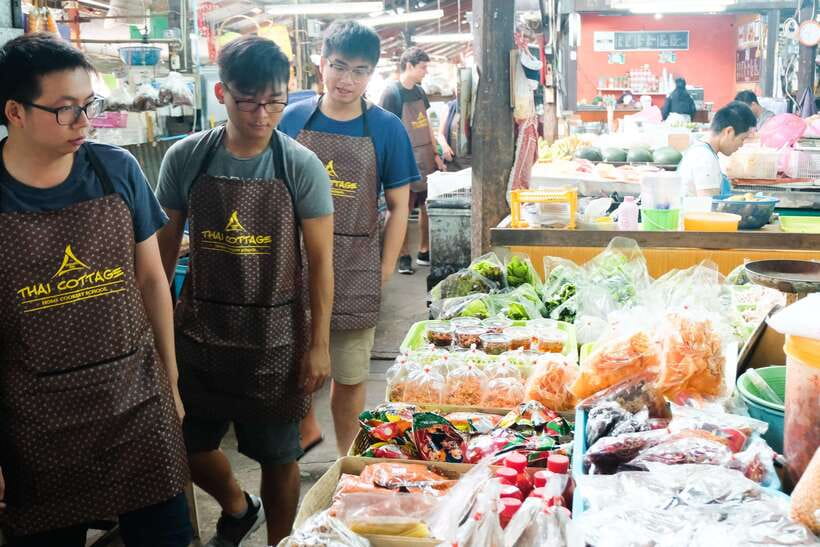
- Market shopping with real Thai ingredients so you understand what you’re buying and why it matters
- Thai herbs garden time that connects fresh plants to the flavors in your dishes
- Mortar-and-pestle curry paste where you customize red, green, Panang, Massaman, or Khao Soi
- Multiple dish choices across starter and main courses, not one fixed menu
- Organic garden dining where you cook and eat in a place that feels connected to the ingredients
Market First, Then Cooking: Why This Order Makes Sense
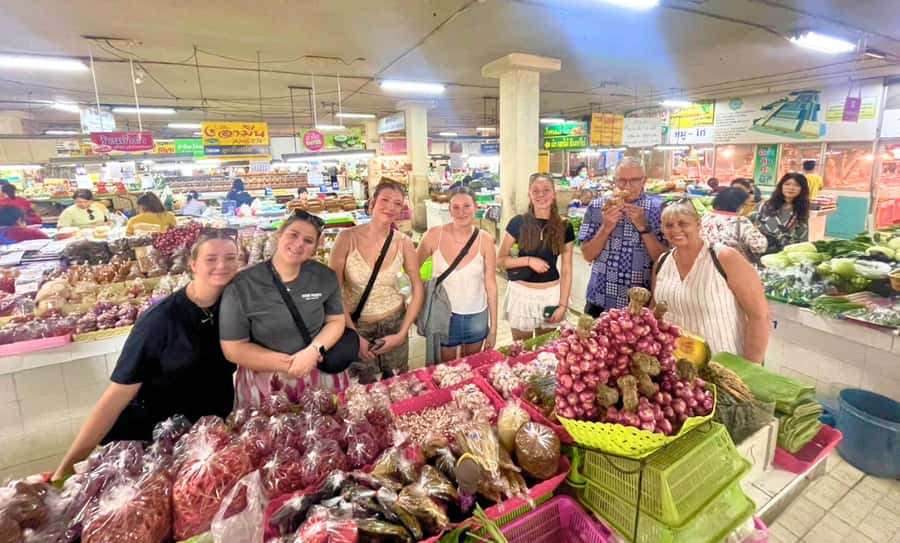
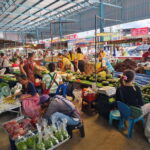
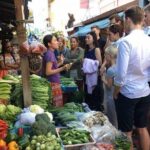
Most cooking classes start in the kitchen and only explain ingredients later. This one flips the script. You begin with a local market stop where you pick herbs and key ingredients before you cook. That ordering matters because Thai flavor comes from combinations—aromatic herbs, roots, spices, and balancing ingredients—and it’s much easier to remember what does what when you’ve just seen it.
You’re not just walking past produce. The market portion is part education: you learn which items show up repeatedly in Thai cooking and how they translate into what ends up on your plate. If you’ve ever tried to replicate Thai food at home and ended up with something that tastes close but not quite right, the market step is one of the reasons this class can help you correct that.
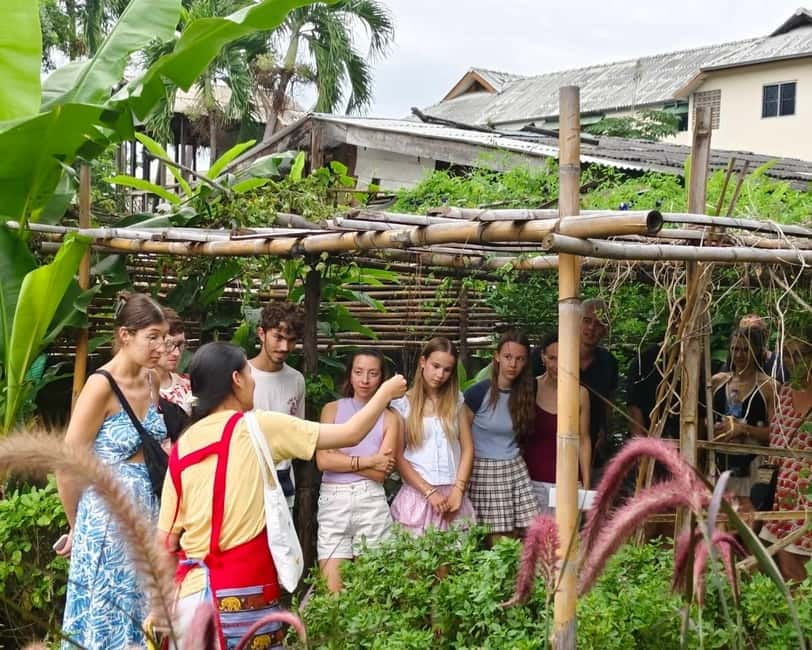
Then you move to the herbs garden area, where you’ll see more of the plant side of Thai cooking. This is where the day starts to feel like a full system: you’re connecting fresh herbs and aromatics to the curry paste you’ll make later.
You can also read our reviews of more shopping tours in Chiang Mai
The Herb Garden Stop: More Than Pretty Plants
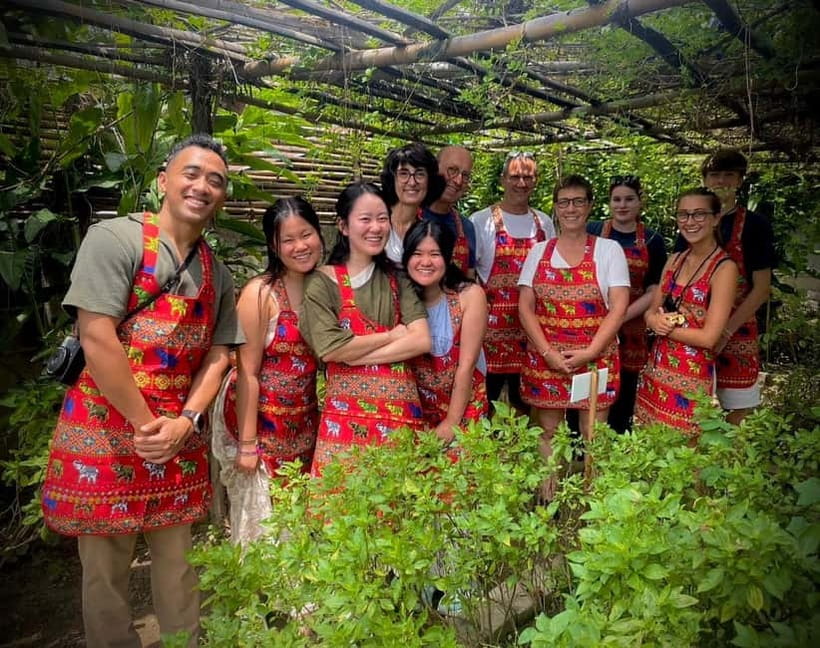
The herb garden portion is brief compared with the cooking time, but it plays an important role. Thai cuisine relies on herbs and aromatic ingredients that can seem optional until you cook without them. Seeing (and learning about) the plants helps you understand why some flavors stay sharp and fragrant, while others turn dull or disappear after cooking.
If you’re the type who likes to cook beyond one signature dish, this stop pays off. Curry paste doesn’t come from one ingredient—it’s built from a mix. Herbs and aromatics you learn about here are the same building blocks that turn into your curry paste on the mortar and pestle later.
Also, the day is designed around options. You’ll have room to make the class match your taste, including spiciness level. That makes the herb garden stop feel useful rather than theoretical.
Choosing Your Food: Starters and Mains That Fit Your Taste
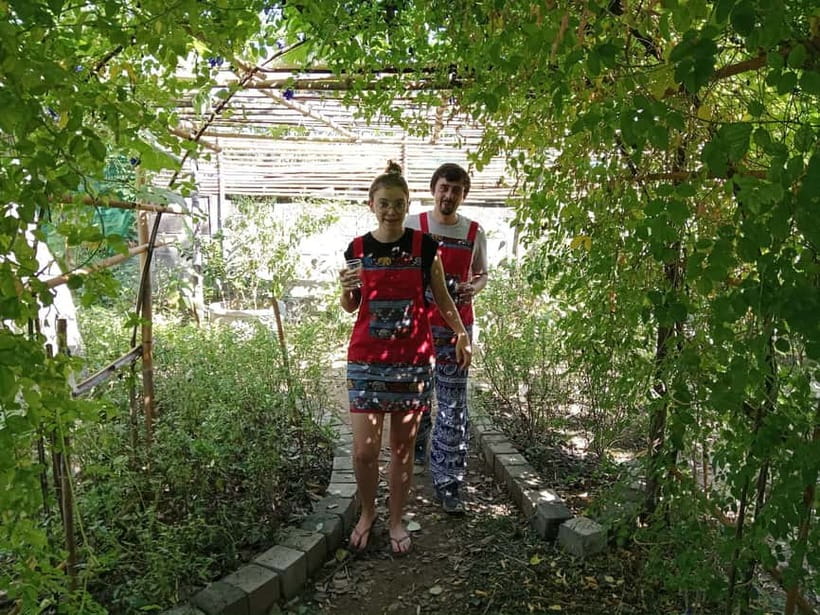
Once you’re settled for cooking, the class lets you choose from dish categories. That flexibility is a big value point. Instead of everyone making the same thing, you tailor the day to what you actually want to eat.
For starters, you can pick options such as hot and sour prawn, local chicken soup, chicken in coconut milk, or turmeric chicken soup. These give you different flavor profiles right away: tangy and spicy, comforting soups, and coconut-forward richness.
For the main course, you can choose from classics and favorites like Pad Thai or chicken fried rice, or go for fried chicken with cashew nuts or Pad Kra Pao. This is great if you’re curious about Thai street-food style flavors (like Pad Thai and fried rice) but also want something more herb-and-sauce driven (like Pad Kra Pao).
Because you’re selecting, you’ll spend less time thinking about what to make and more time learning the cooking technique behind it.
Curry Paste From Scratch: The Moment You’ll Remember
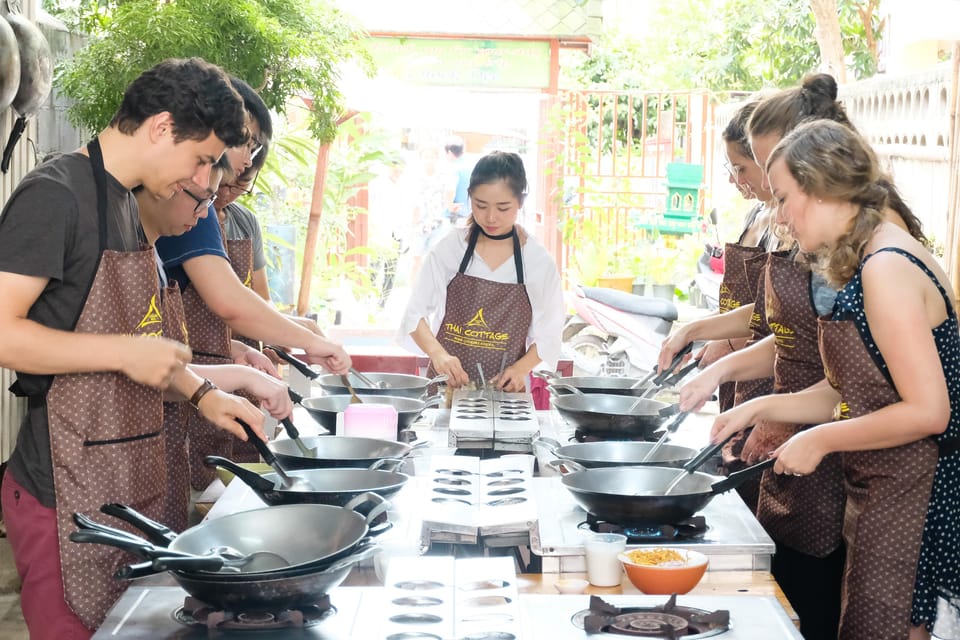
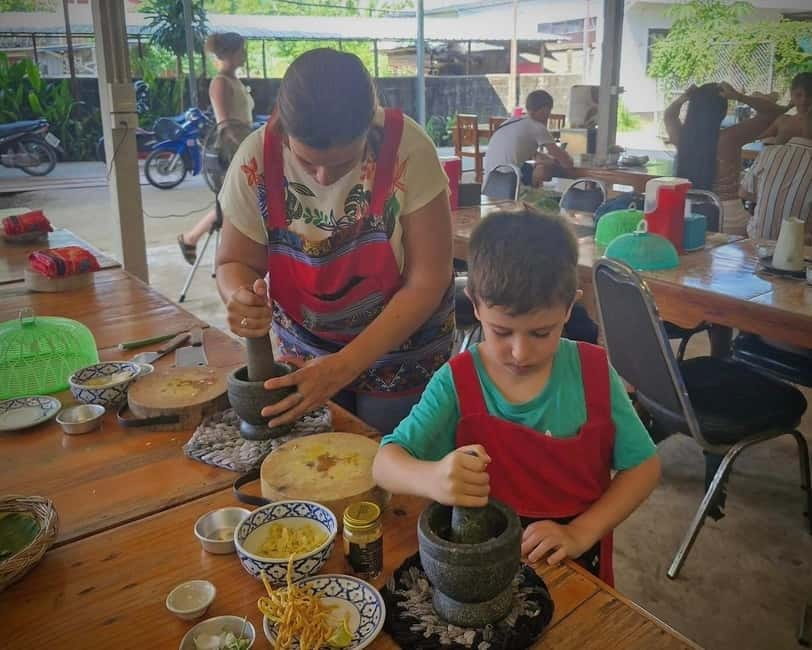
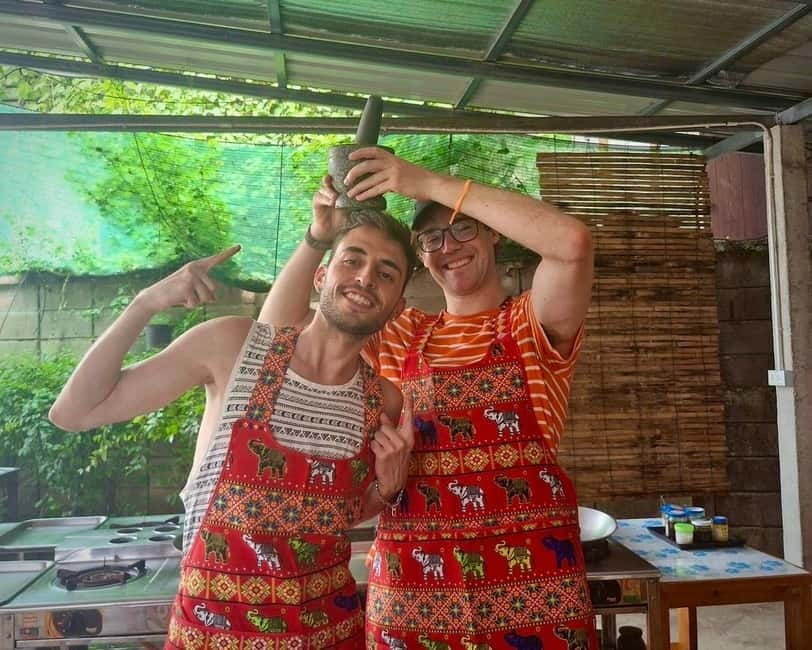
This class’s standout skill is the curry paste part. You’ll craft your own curry paste using a mortar and pestle, which changes everything compared with buying paste.
You can customize the paste type from options like red, green, Panang, Massaman, or Khao Soi. Each paste flavor family points to a different Thai flavor direction, so you get a sense of how Thai cooking can shift dramatically while still using the same core technique: grind aromatics until they become a fragrant paste.
Then, once your paste is ready, you use it to prepare a chicken and coconut milk curry. Coconut milk is the part that makes many curry dishes feel rounded and comforting, balancing the heat and spice. But the base flavor still comes from what you ground, so your paste choice matters.
If you want to bring one technique home, make it this. The mortar-and-pestle process teaches you how aromatics break down, how fragrance changes as ingredients grind finer, and why curry tastes deeper when the paste is fresh.
Mango Sticky Rice: Sweet Ending, Real Thai Tradition
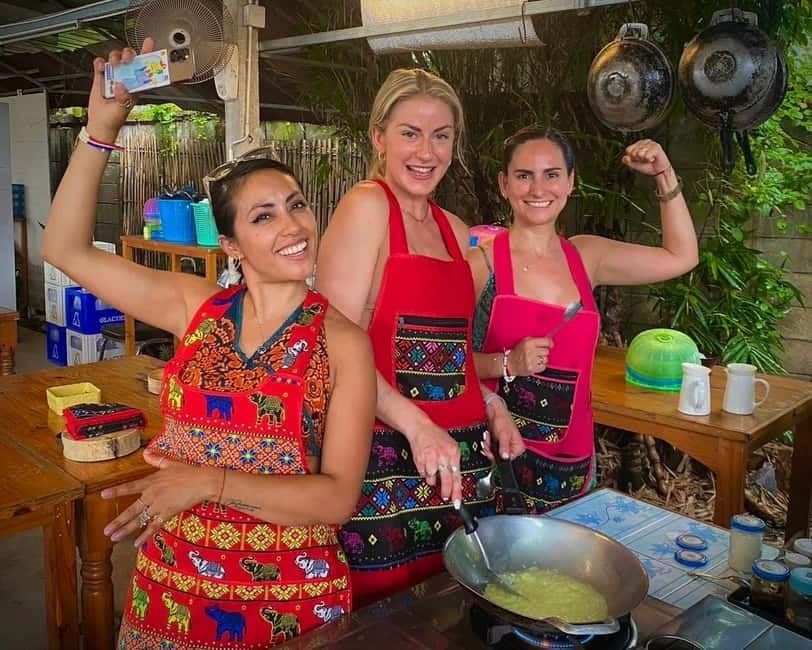
After the savory dishes, the class finishes with sweet sticky rice with mango. This is one of those dishes that can look simple but matters when you get the texture right. It’s also a nice palate reset after curries, fried dishes, and soups.
The fact that this is included as the finishing dish helps the meal feel complete. You’re not just learning cooking skills in isolation. You’re cooking a whole Thai meal arc—savory first, then sweet.
A few more Chiang Mai tours and experiences worth a look

Dining in the Organic Kitchen Garden: Where the Meal Lands
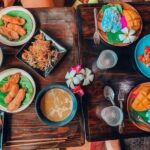
You don’t just cook and leave. You eat your meal in traditional Thai style in the organic kitchen garden. That setting does a lot for the experience.
First, it reinforces the theme of sourcing and freshness. Second, it keeps the day from feeling like a classroom. When you eat in the garden, the food tastes like it belongs there, not like it’s been transported in and reheated for the sake of a photo.
One more practical note: if you prefer a sit-and-plate meal, Thai traditional eating style may take a little getting used to. Still, the garden meal is part of the charm and it makes the workshop feel grounded in everyday Thai life.
Who This Cooking Class Fits Best
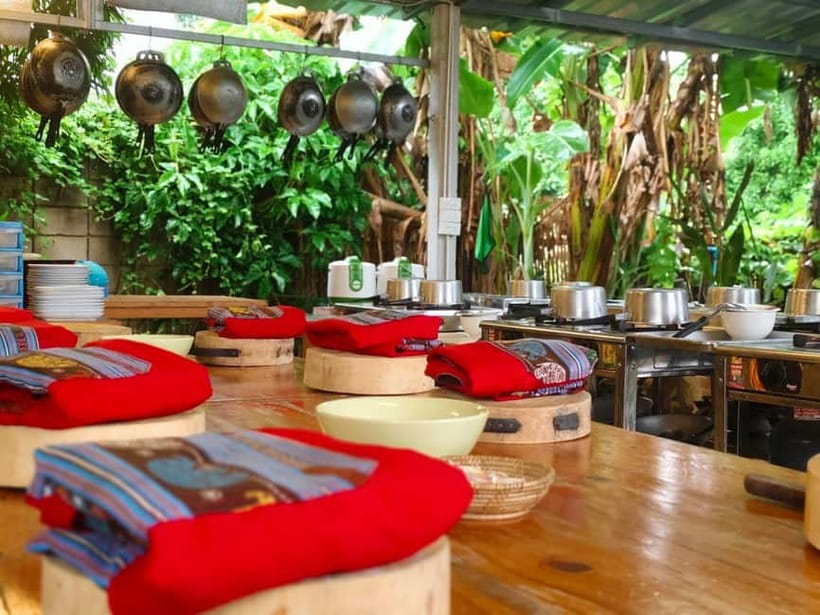
This is a strong pick if you:
- Want a hands-on cooking experience in Chiang Mai, not a short demo
- Like learning ingredients first (market + herbs garden) and cooking second
- Want to make curry paste from scratch rather than using store-bought paste
- Appreciate an English-speaking instructor and a class pace with time to ask questions
- Need flexibility for dietary choices, since vegan, vegetarian, gluten free, halal, and allergies are welcome with alternative ingredients available
- Like group learning, where you can cook together but still end up with food you chose
It may be less ideal if you:
- Hate hands-on cooking steps (you’ll be chopping, mixing, and cooking)
- Have mobility limitations that make kitchen work hard (the day is structured around active cooking)
- Travel with very young children (it’s not suitable for kids under 5) or extreme age considerations
If you’re solo, it’s still a good move because you’ll be doing your own cooking steps with the group. If you’re coming with friends or family, the choice system lets people order their own taste direction.
Price and Value: What You Really Get for $31
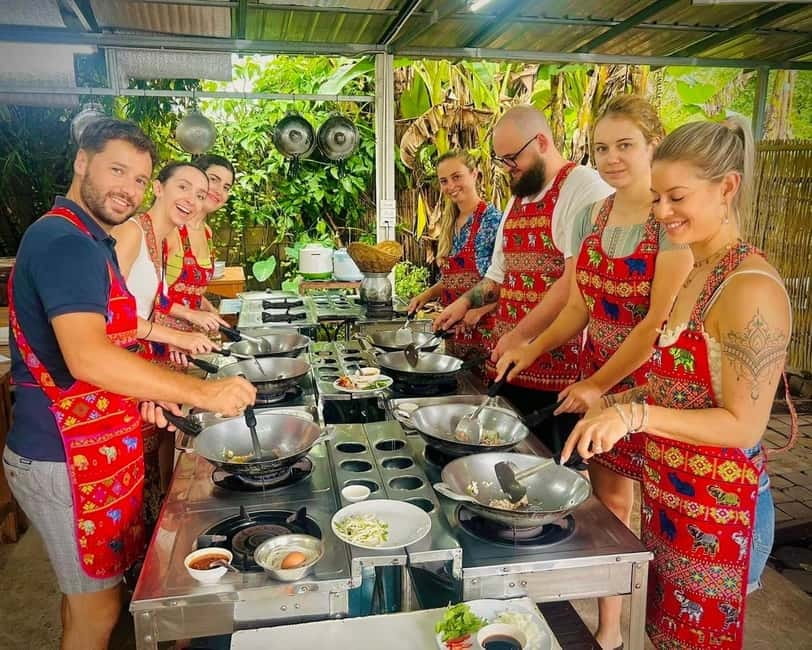
At about $31 per person for roughly 210 minutes, the big question is whether the inclusions justify the spend. Here, the value is strong because you’re not paying only for cooking.
You’re getting:
- Hotel pickup and drop-off (within the Old Town area coverage; see timing notes below)
- A market visit
- Thai herb garden time
- A hands-on cooking class
- All ingredients
- A local Thai food instructor
- A digital recipe book in PDF form
That’s a lot of content for one session. The market + herbs piece alone can be hard to replicate cheaply on your own, and curry paste instruction is usually the part that costs extra in other cooking formats.
You’ll also likely leave with a better mental map of Thai cooking flavors. That can be worth more than the meal because it improves what you cook later at home.
Timing and Pickup: Plan Around Real Chiang Mai Traffic
Pickup is included for free transfer within 3 km of Chiang Mai Old Town. They’ll pick you up about 15–30 minutes before class. That window helps you stay relaxed, but the day can still run behind schedule if traffic hits.
If your hotel is farther out, you may need to meet at a meeting point instead of being picked up directly. The practical takeaway: confirm your pickup details in advance, and consider building in some buffer time so you don’t feel rushed.
Once you’re collected and arrive, the day is designed to keep moving: market, herb garden, cooking, then eating.
Spicy, Dietary, and Allergies: Flexibility Without the Stress
One of the smartest things about this workshop is that spiciness is adjustable. You can make your food spicy or non-spicy, which is helpful if you’re trying Thai food for the first time or if your spice tolerance is limited.
Dietary needs are also handled. Vegan, vegetarian, gluten free, halal options, and allergies are all welcome, with alternative ingredients available. That means you can book without scrambling to figure out whether you’ll be able to eat what you cook.
In practice, this is the difference between a class that feels inclusive and one where you end up with a watered-down substitute. The options here are built into the structure.
What to Bring (And What to Avoid)
This one is simple. Wear comfortable clothes because you’ll be working and moving. If you plan to handle hot food and active steps, comfortable footwear helps too, even though footwear isn’t explicitly listed.
Alcohol and drugs are marked as not allowed. Alcoholic beverages are not included, though beverages can be available for purchase. If you care about drinking during the day, it’s worth clarifying the exact rules with the operator before you go.
Should You Book This Chiang Mai Cooking Class?
Yes, if you want a Thai food experience that’s more than tasting. This is a well-rounded workshop that teaches you ingredient logic (market + herbs), gives you a real skill (curry paste with mortar and pestle), and rewards you with a full meal (including mango sticky rice) in a garden setting.
I’d skip it only if you strongly dislike hands-on cooking or you need a very low-activity experience. Otherwise, for the price, it’s a practical way to learn Thai flavor and take home a recipe you can actually use.
FAQ
How long is the Chiang Mai cooking class?
The duration is 210 minutes.
Is hotel pickup and drop-off included?
Yes. Free transfer is included within 3 km of Chiang Mai Old Town, with pickup about 15–30 minutes before class. If your hotel is farther away, you may need to meet at a meeting point.
What stops are included besides cooking?
You’ll visit a local market and a Thai herb garden before the cooking and dining.
Can I choose what dishes I cook?
Yes. You select dishes from starter and main categories, then choose a curry paste type (red, green, Panang, Massaman, or Khao Soi) and use it to make curry.
Is the class suitable for vegetarians or people with dietary needs?
Yes. Vegan, vegetarian, gluten free, halal options, and allergies are welcome, and alternative ingredients are available.
Can I request the food to be less spicy?
Yes. You can make dishes spicy or non-spicy to match your preference.
Do they provide the ingredients and a recipe book?
Yes. All ingredients are included, and you’ll receive a digital PDF recipe book.
Are alcoholic drinks included?
No. Alcoholic beverages are not included. The activity also lists alcohol as not allowed, so follow the operator’s rules if you’re thinking about purchasing drinks.