REVIEW · CHIANG MAI
Morning Cooking Class in Organic Farm with Local Market Tour
Book on Viator →Operated by The Best Thai Cookery School · Bookable on Viator
Your morning smells like Thai spices. This 5-hour Chiang Mai experience pairs a short trip to Somphet Market with hands-on cooking at an organic farm about 13 km outside the city. You get the ingredients side first, then you turn them into classic Thai dishes you’ll recognize right away.
I love the direct way it teaches cooking basics, starting with what you buy and ending with what you cook. I also like the small-group feel (max 10) and the practical setup: an outdoor kitchen where you’re at your own station with the tools and utensils you need, not hovering around someone else’s pan.
One thing to consider is the early start: it begins at 8:30 am. If you want a late breakfast and a slow morning, this schedule might feel a bit fast—especially because you’ll also spend time at the market.
In This Review
- Key highlights to know before you go
- Somphet Market: a short market stop that actually helps you cook
- The 13 km drive to an open-air organic farm kitchen
- How the class runs: from prep skills to real Thai technique
- What you’ll learn to make (and why your choices matter)
- Small-group comfort, hotel pickup, and timing that makes sense
- Value check: what $29 really buys in Chiang Mai
- Who should book this morning cooking class (and who should think twice)
- Should you book The Best Thai Cookery School morning class?
- FAQ
- What time does the cooking class start?
- Where does the tour begin?
- How long is the experience?
- Is hotel pickup included?
- What’s included in the price?
- How many people are in a group?
- Do I get recipe cards?
- Do they grow the ingredients used in class?
- What is the cancellation policy?
- What if the tour doesn’t meet a minimum number of travelers?
Key highlights to know before you go
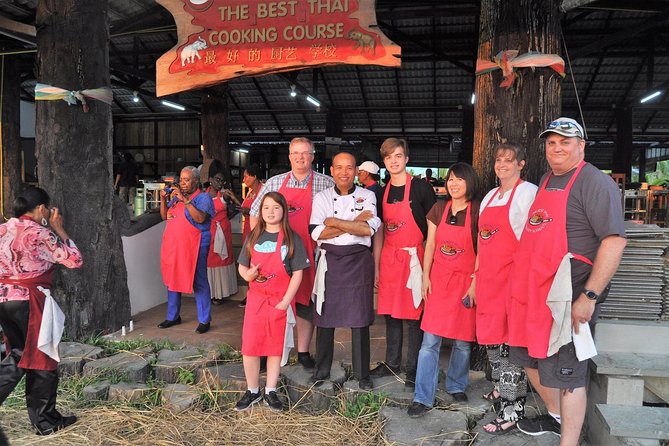
- Somphet Market (about 30 minutes): learn what to look for in local produce and ingredients
- Organic-farm cooking (about 4 hours): herbs and spices are grown on-site for class use
- Small group size (up to 10): more hands-on time, less waiting around
- Your own cooking station: you work at an individual setup with knife, wok, and clean utensils
- Recipe cards included: take the structure home so you can cook again later
Somphet Market: a short market stop that actually helps you cook
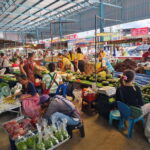
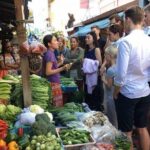
The day starts with a market visit at Somphet Market, and it’s the kind of stop that makes the cooking class easier to follow. Instead of “walk and look,” you get time to understand ingredients and how Thai cooking thinks about flavors. You’ll spend about 30 minutes here, and admission is included.
What makes this part useful is the focus on basics you can use immediately. You learn what different vegetables are like, what ingredients do in a dish, and how market items translate to Thai kitchen techniques. One review noted the stop includes chat and details on ingredients, plus time to wander around yourself—so you’re not only listening, you’re also getting your bearings.
A practical tip: markets can be sensory overload. Go in ready to notice texture and smell. If you can remember a few key items you saw—like herbs, leafy greens, and common aromatics—you’ll understand why the chef later chooses certain flavors for the dishes you cook.
Possible drawback: because it’s a short stop, you won’t have time to “shop like a local.” Think of it as ingredient orientation, not a free-market spree.
You can also read our reviews of more shopping tours in Chiang Mai
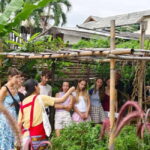
The 13 km drive to an open-air organic farm kitchen
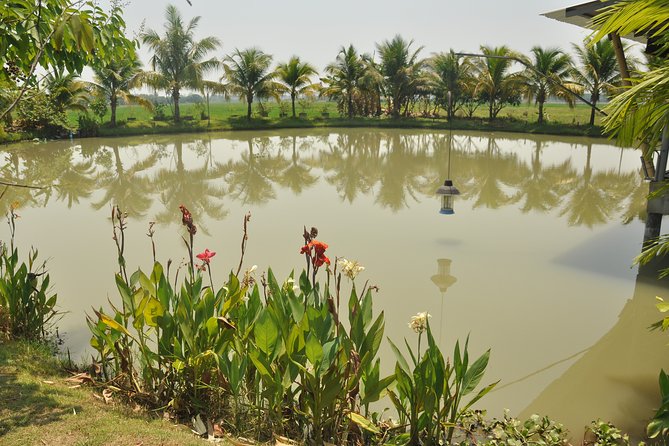
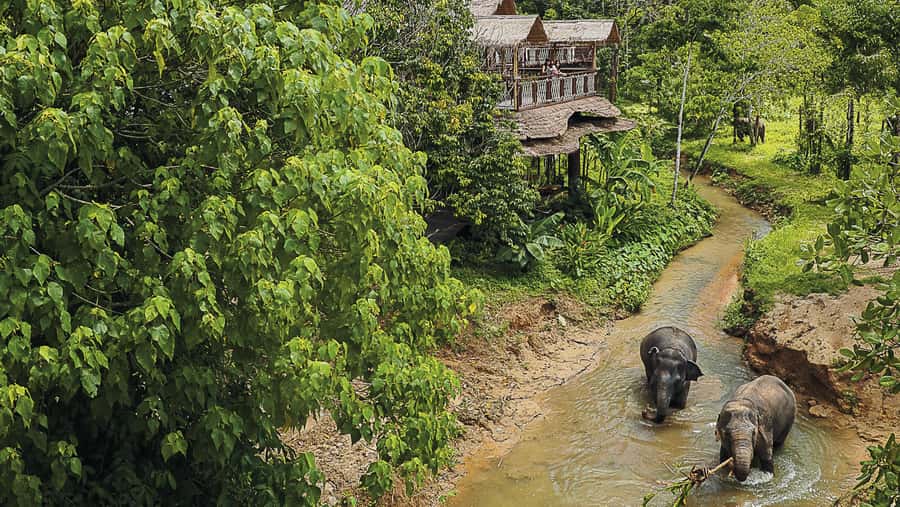
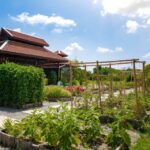
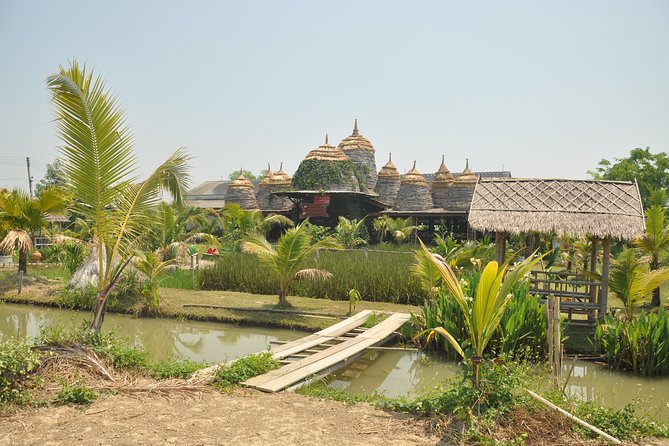
After the market, you head out of the city to The Best Thai Cooking Course, located roughly 13 km away in peaceful surroundings. This distance matters. It’s what helps turn the experience into more than just a class in a building—it feels like a real farm setting.
Most days include van pick-up, and hotel pickup is part of the experience, which makes the morning easier if you don’t want to figure out transport. The farm kitchen is open-air, but with an undercover area, so you’re cooking outdoors while still getting some shelter.
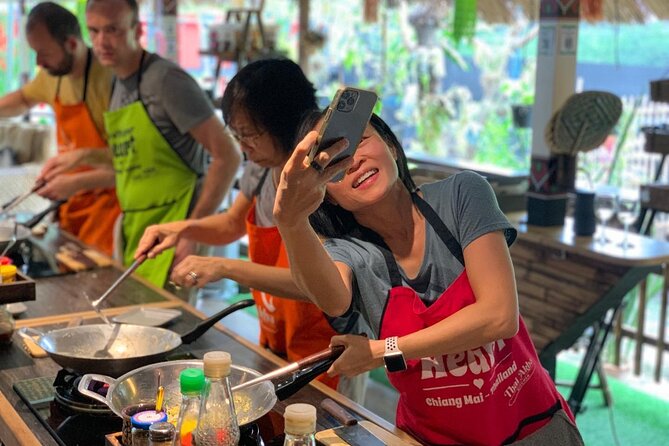
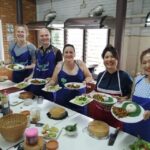
Inside this setup, the school style is practical and calm. You have your own cooking station, with a knife and wok, plus utensils that are kept very clean. That detail matters more than people think. Clean gear and clear workspace help you move faster and avoid the common “class chaos” problem where you’re stuck waiting for equipment.
From what you’ll hear on-site, the instructors treat cooking like a repeatable skill. They teach you how to handle ingredients, how to prep, and how to build flavors step by step—rather than just walking you through one finished plate for photos.
How the class runs: from prep skills to real Thai technique
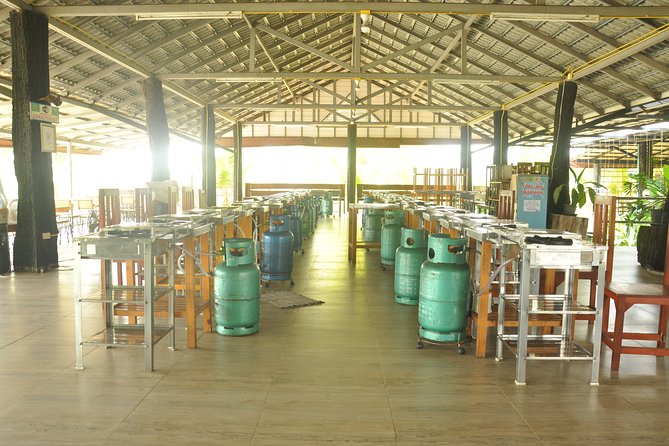
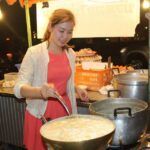
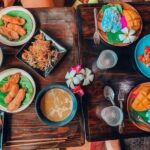
The cooking portion runs about 4 hours, and the admission for the class itself is included. Your menu is described as seasonal Thai dishes with local ingredients, with many ingredients grown on the grounds. You’ll cook several dishes together, guided by the chef.
Here’s what makes this kind of format valuable: you’re not only tasting Thai food. You’re doing the work that makes it Thai—chopping the right way, using aromatics properly, and understanding how sauces and seasoning get layered. If your goal is to bring Thai cooking skills home, this structure is the right one.
You’ll also get recipe cards. That’s a big deal for long-term value. Dishes in a Thai class can be a blur while you’re cooking. Having written guidance helps you recreate what you made after the smells fade from the counter at home.
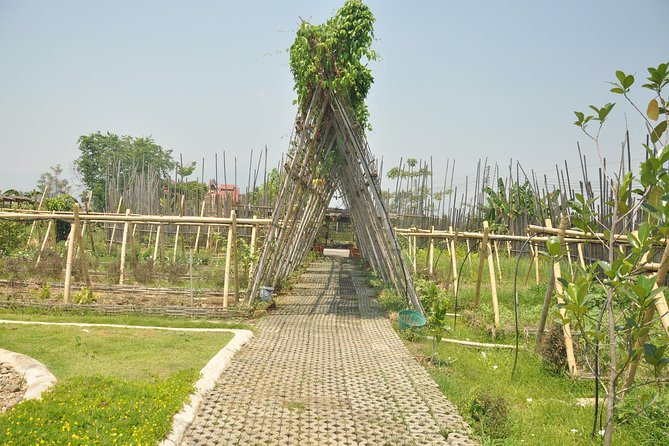
One detail that shows how hands-on the farm approach is: in the garden area, you may get the chance to pick herbs to cook with. If that’s offered on your day, it makes the ingredients feel personal—and it also helps you connect flavors to their source.
You might also see elements related to fire cooking, since the school has that included in its approach. Even if you’re not a flame-and-wok expert, learning to manage heat is part of the Thai cooking basics, so it fits the overall skill-building idea.
Possible consideration: because it’s practical cooking, you’ll want to show up ready to stand, chop, and taste-test. If you’re hoping for mostly sitting and watching, this may feel too active.
What you’ll learn to make (and why your choices matter)
The dishes you cook are described as typical Thai dishes, made with seasonal ingredients. The key point for you is not a specific dish list—it’s the method. You’ll learn how Thai cooking handles fresh aromatics and herbs, and how ingredients behave when cooked (softening, releasing fragrance, balancing sweetness and heat).
The market stop feeds directly into this. By the time you reach the farm kitchen, you’ll have already seen many of the ingredient categories you’ll use. You’ll recognize herbs and vegetables and understand why the chef might choose one type over another. That’s what helps you cook intelligently, not just follow steps.
This is also a good match if you tend to eat Thai food in Chiang Mai but want to understand what you’re actually eating. You’ll leave with a clearer sense of how Thai flavors are constructed, whether it’s through stir-frying, balancing salty-sweet-sour profiles, or using fresh herbs to finish a dish.
And since many herbs and spices are grown on-site, you get an extra layer of authenticity. Ingredients aren’t just “imported for the class.” They’re part of the farm system. That can help you later when you shop for herbs at home—you’ll know what you’re looking for.
Small-group comfort, hotel pickup, and timing that makes sense
This experience caps at 10 travelers, which is a real advantage in a cooking class. It’s easier to get attention from the chef, and it’s easier for everyone to keep moving through the steps. If you’ve ever taken a class where half the group is waiting, you’ll appreciate a setup that keeps the rhythm going.
The morning timing also works well for most visitors. Starting at 8:30 am lets you escape the day’s worst heat and grab a satisfying meal outcome without losing your afternoon. You’ll be finished in about 5 hours total, so it’s a good way to use a morning slot instead of guessing what to do all day.
Hotel pickup helps here too. You don’t have to coordinate a ride to the outskirts. That reduces friction, and reduced friction often means you enjoy the class more.
One practical note: the start is tied to a specific time, so plan to be ready early. Even if pickup is included, you’ll want to account for a bit of hotel lobby waiting time.
A few more Chiang Mai tours and experiences worth a look


Value check: what $29 really buys in Chiang Mai
At around $29 for about 5 hours, this class is strong value—especially because the price ties together three things you’d otherwise pay for separately:
- Transport support: hotel pickup is included, and van pickup is part of the school’s flow
- Guided ingredient orientation: admission for the market stop is included
- Hands-on cooking time: class admission is included, with recipe cards provided
Then there’s the farm setting. A short cooking class is one thing, but a farm-outskirts format with an open-air kitchen and ingredients grown on-site is something else. It’s not just “cooking themed.” It feels like a place you can picture—farm herbs, garden area, outdoor workspace.
The class also has a strong reputation, with an average rating of 4.9 and a very high recommendation rate based on 157 reviews. While you shouldn’t treat ratings as a guarantee, they do suggest that the experience reliably works for most people: good pacing, good instruction, and a setting that people enjoy.
My take on value: if you want Thai cooking skills, not just a meal, this price is reasonable for a structured market + farm class combo.
Who should book this morning cooking class (and who should think twice)
This is a great fit if you want Thai cooking fundamentals with real ingredient context. I’d especially recommend it if you:
- enjoy learning by doing and want to cook several dishes during the session
- like the idea of a farm environment outside the city
- want recipe cards so you can repeat what you learn
- value small-group attention and a well-organized kitchen setup
You might think twice if:
- you dislike markets and would rather go straight to cooking
- you want a super relaxed, no-standing morning
- you’re the type who prefers dining rather than prepping and handling ingredients
Also, it’s worth knowing the school is designed so most people can participate. If you have mobility limits, the open-air farm kitchen and cooking stations may require more standing and movement than a seated class. If that’s a concern, you’d want to review the basics of the class format before you commit.
Should you book The Best Thai Cookery School morning class?
If your goal is to understand Thai food and learn skills you can actually use later, I’d book this. The combination of a short market stop, farm-based ingredients, a small group size, and a hands-on open-air kitchen is exactly the mix that turns a fun morning into a useful experience.
It’s also a smart choice if you’re staying in Chiang Mai and want an organized way to reach the outskirts without figuring out transport. And at $29 with hotel pickup and admissions included, you’re paying for the whole arc of the experience, not just a cookbook moment.
If you’re okay with an early start and you enjoy cooking tasks, this is the kind of class that tends to stick with you longer than a restaurant meal.
FAQ
What time does the cooking class start?
The experience starts at 8:30 am.
Where does the tour begin?
It includes hotel pickup, with the main pickup approach tied to your lodging. The experience also notes a near public transportation option.
How long is the experience?
It runs for about 5 hours (approx.), with roughly 30 minutes at the market and about 4 hours for the cooking class.
Is hotel pickup included?
Yes. Hotel pickup is included for convenience.
What’s included in the price?
Admission tickets are included for both the Somphet Market stop and the cooking course.
How many people are in a group?
The group size is limited to a maximum of 10 travelers.
Do I get recipe cards?
Yes, recipe cards are included.
Do they grow the ingredients used in class?
Yes. The school grows many of the herbs and spices used in the classes on the farm grounds.
What is the cancellation policy?
You can cancel for free up to 24 hours in advance for a full refund.
What if the tour doesn’t meet a minimum number of travelers?
If it’s canceled because the minimum isn’t met, you’ll be offered a different date/experience or receive a full refund.