REVIEW · CHIANG MAI
Chiang Mai Cooking Class
Book on GetYourGuide →Operated by TTWU Company Limited · Bookable on GetYourGuide
Five hours, and you cook like a local. This Chiang Mai cooking class pairs a guided market stop with a hands-on Thai menu you assemble step by step, taught in English (and Thai). What I like most is the market segment and the way the class is structured so you’re cooking, not just watching.
You’ll be in a small group capped at 10, which keeps questions easy and the pace comfortable. One consideration: the timing is compact (about 5 hours total), so you’ll want to be ready for pickup from the Chiang Mai Old Town area and stay with the full flow from shopping to dessert.
In This Review
- Key Points to Know Before You Go
- Why This Chiang Mai Cooking Class Starts at the Market
- What the 5-Hour Class Is Really Like (and why the pace works)
- Choosing Your Menu: Vegetarian, Vegan, or Gluten-Free Options
- The Hands-On Thai Skills You’ll Actually Use Later
- Meeting the Chef and Learning the Thai Kitchen Story
- Price and Value: Is $45 a Smart Deal?
- Who Should Book This Cooking Class in Chiang Mai
- Should You Book This Chiang Mai Cooking Class?
- FAQ
- How long is the Chiang Mai cooking class?
- What is the price per person?
- Where does pickup and drop-off happen?
- Is the class small group?
- Can I choose vegetarian, vegan, or gluten-free dishes?
- What’s included in the class?
Key Points to Know Before You Go
- Start at a local vegetable market so you understand ingredients before you touch a stove
- Small group format (max 10) for more direct instruction
- Pick your own dishes within the menu (appetizer, soup, rice/noodles, curry, dessert)
- Vegetarian, vegan, and gluten-free options are available for your choices
- Open-air class setting outside the city area adds a relaxed, practical feel
- Instructor Opal is specifically mentioned as fun and clear in teaching the dishes
Why This Chiang Mai Cooking Class Starts at the Market
The class begins with something that’s easy to skip on a regular vacation: a proper market visit, focused on vegetables and the ingredients you’ll actually cook. In Chiang Mai, fresh produce is the backbone of a lot of Thai flavors, and this stop gives you the map—what to look for, what matters, and how ingredients get used later.
You’ll join the chef for a vegetable market walk and help choose groceries for the cooking lesson. This is one of those moments that makes the whole day click, because you’re not learning Thai food as theory. You’re learning it as choices: what the menu uses, what’s fresh, and how those items connect to flavor. The German review highlights that the market time felt like a highlight, because explanations come with real context and lots of new impressions. That’s exactly the kind of value you want from a class like this.
Practical tip: wear shoes you can walk in comfortably. Markets can mean uneven surfaces, and you’ll likely want your hands free so you can listen, ask questions, and follow along.
You can also read our reviews of more cooking classes in Chiang Mai

What the 5-Hour Class Is Really Like (and why the pace works)
After the market, you head to the cooking location and join the group for the lesson. The structure is straightforward: the chef explains the Thai kitchen, shares background and how the menu is put together, then you move into cooking mode.
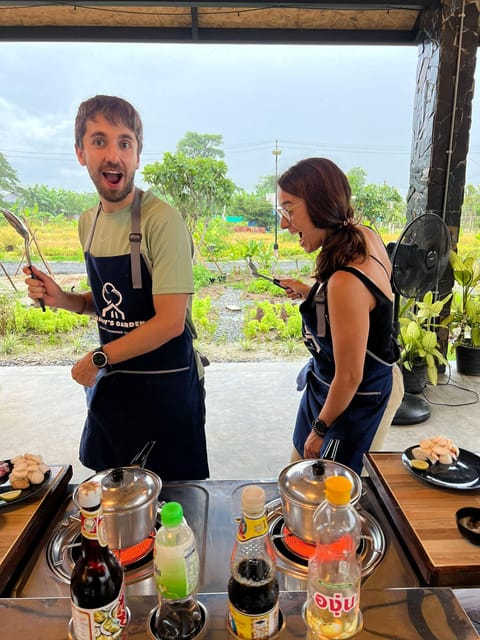
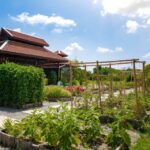
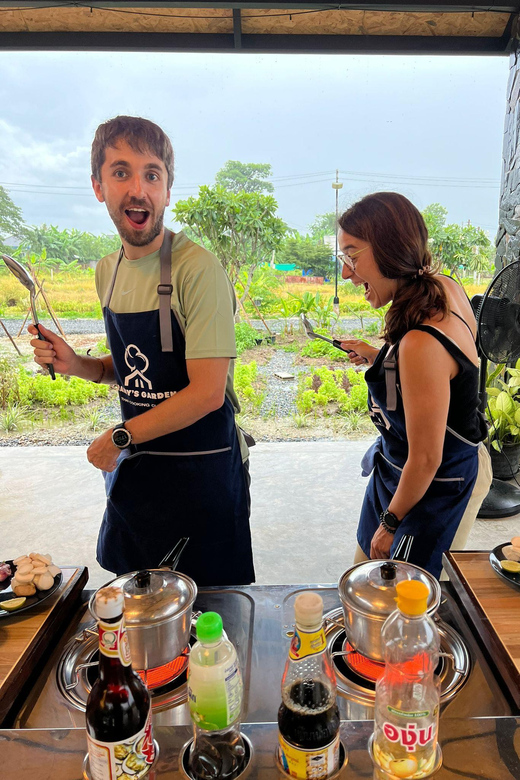
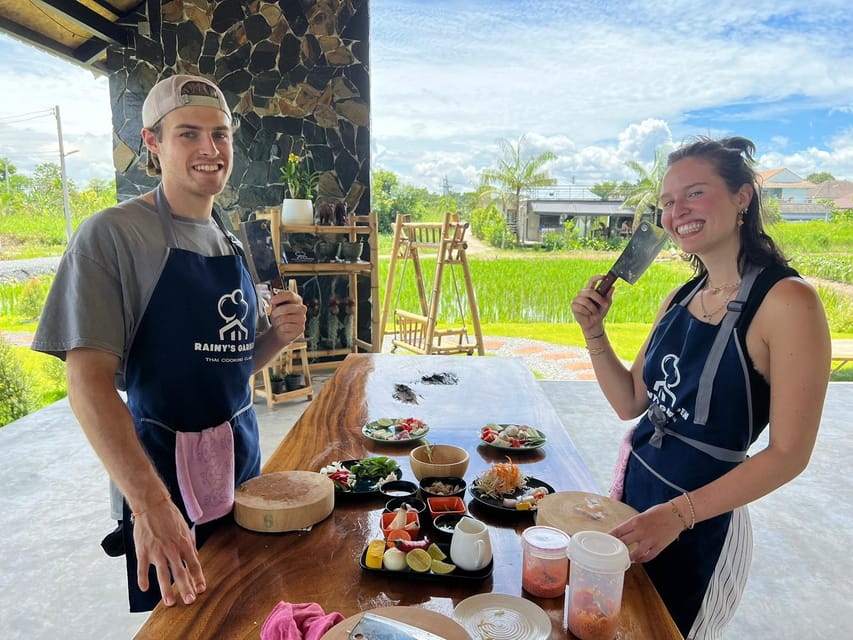
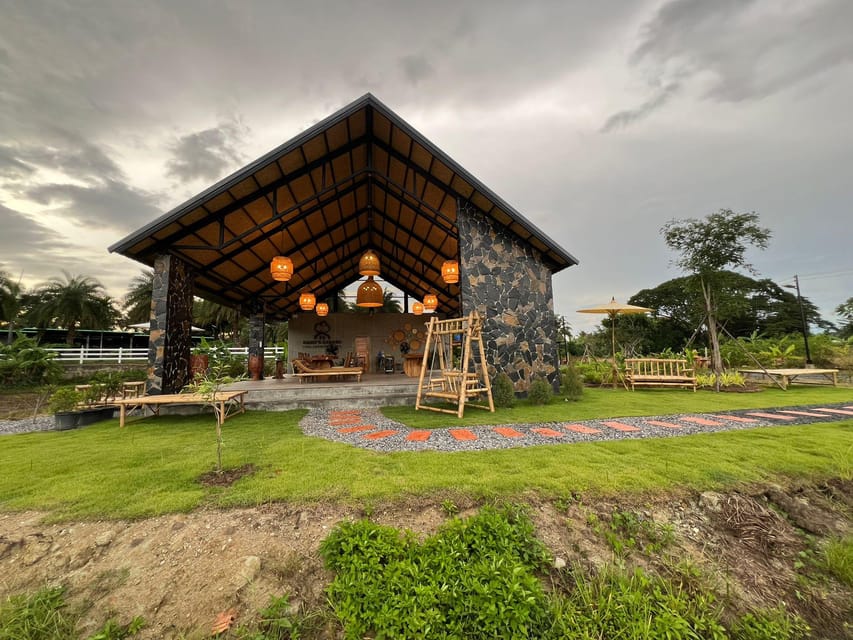
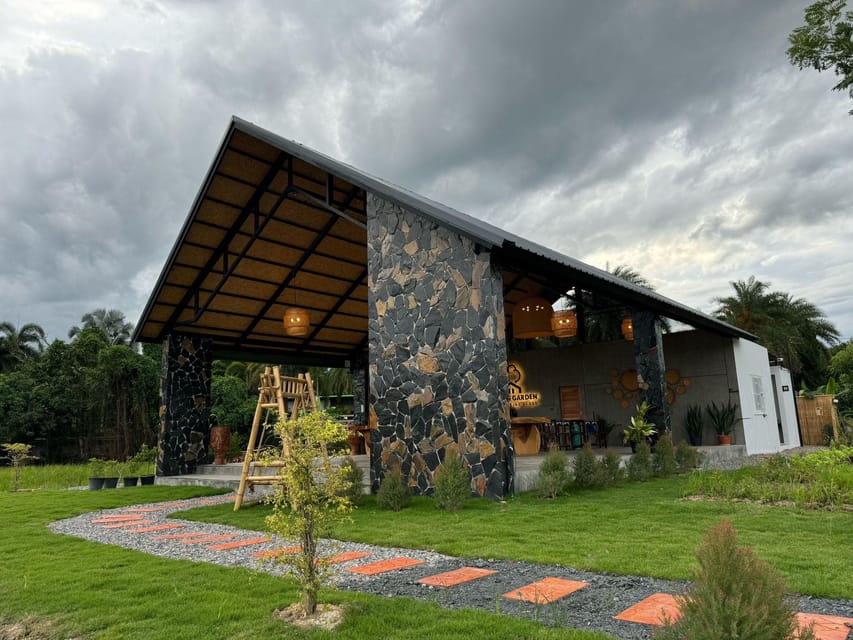
The reviews also describe a hands-on, open-air setup outside Chiang Mai. That matters more than it sounds. Open-air kitchens often feel less confining, and you can breathe while working. Also, when you’re cooking for real—chopping, seasoning, tasting—that comfort helps you stay focused.
Here’s how the menu experience typically plays out, based on the class design and the detailed review feedback:
- You’ll have ingredient access and support from the chef.
- You’ll each choose a set of dishes across multiple categories.
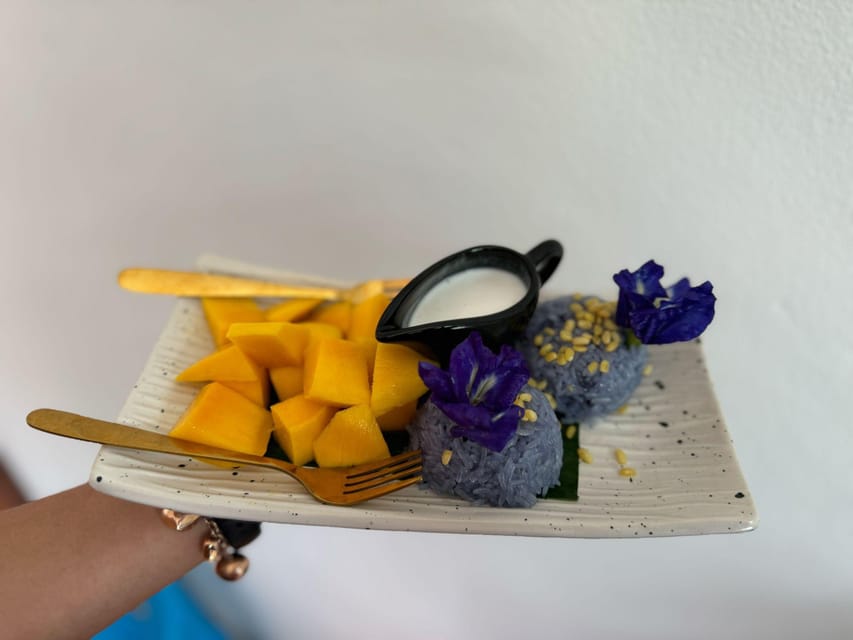
- The class builds toward dessert with mango sticky rice.
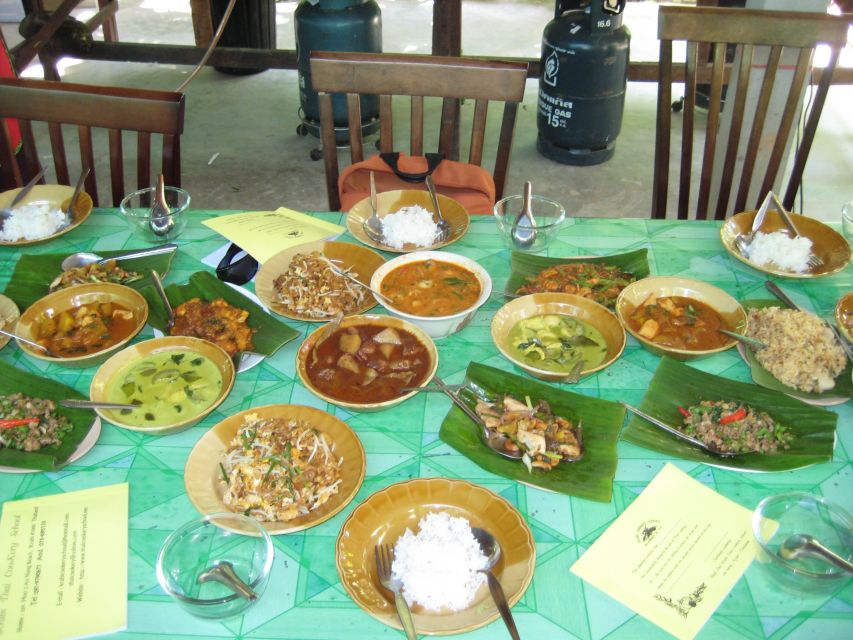
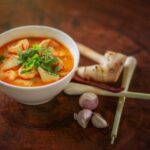
In one review with Opal, each person got to choose an appetizer, one soup, one rice/noodle, one curry, and mango sticky rice for dessert. That’s a big reason this class feels worth the time. You don’t end the day eating one small plate and calling it a win. You leave with a meal that covers multiple Thai flavor styles—salty and sour, creamy and spicy, warm and sweet.
Possible drawback to consider: since it’s a 5-hour experience, it’s not a slow, leisurely class. You’ll be moving through several dishes, so if you’re the type who wants every step to be extended and repeated, you might find the pace a little brisk. The upside is you’re guaranteed a full meal out of it.
Choosing Your Menu: Vegetarian, Vegan, or Gluten-Free Options
One of the best parts of this setup is the flexibility in what you cook. The class explicitly offers options for vegetarian, vegan, and gluten-free dishes, and you can choose your format when planning your menu.
This is where the experience becomes practical for real life. Many cooking classes claim they can do dietary changes, but the day-to-day reality is often messy. Here, the format is built around you choosing categories (appetizer, soup, rice/noodles, curry, dessert), which makes dietary adaptation easier for the chef to manage. When dietary choices are integrated into the way the menu is organized, you’re more likely to cook something that genuinely matches your needs.
My advice if you have dietary limits: confirm what you’re aiming for during booking or when the experience manager contacts you to finalize details. That way, your choices stay consistent with your preferences and the chef can plan.
And yes—dessert is part of the experience. The mango sticky rice isn’t treated as an afterthought. It’s included as the dessert finish, which gives the class a complete arc.
The Hands-On Thai Skills You’ll Actually Use Later
The class is hands-on by design. That means you’re not just hearing about Thai cooking; you’re performing it. Even if you’re a beginner, you’ll learn through doing: understanding ingredient roles, getting comfortable with typical Thai flavor combinations, and practicing the basic moves that repeat across many dishes.
What I’d focus on during the session is not memorizing a recipe word-for-word. Instead, aim to understand the logic:
- how Thai dishes balance sour, sweet, salty, and heat
- how curry flavor develops with the right base and seasoning choices
- why aromatics matter in soups and sauces
- how rice or noodles tie the whole meal together
In the Opal review, she’s described as fun and able to teach dishes well. That matches what you want from a chef-instructor: clear guidance without making you feel lost. A good instructor keeps you moving while still answering the questions that naturally pop up when you’re cooking.
Practical tip: taste often and ask what to adjust. Thai food is forgiving when you understand the direction—more salt, more sour, more chili, or more balance. If you learn the adjustment mindset, you can rebuild dishes later even if your pantry differs from what’s used in class.
Meeting the Chef and Learning the Thai Kitchen Story
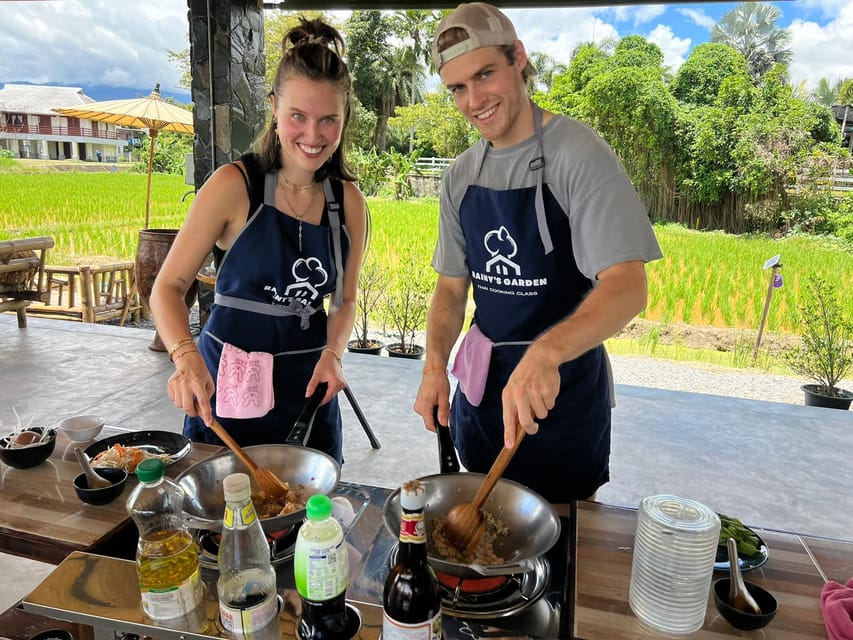
Before the cooking starts, the chef introduces the Thai kitchen—history and the menu details are part of the explanation. This is a helpful step because Thai food isn’t only flavors; it’s also method and culture. When you understand what a dish is meant to taste like and why, the cooking instructions land better.
The class includes a local chef and runs as a live experience with an instructor who speaks English and Thai. That bilingual setup can make a difference if you’re trying to understand fine points—especially around taste, texture, and what ingredients should do in the dish.
Also, small-group instruction changes the learning vibe. With a limit of 10 participants, it’s easier to get personalized help when chopping is tricky or when you’re unsure about the next step.
Light humor helps too. The Opal review specifically calls out her fun teaching style. In a cooking class, energy matters. If you’re comfortable, you’ll learn faster and you won’t waste ingredients feeling stressed.
A few more Chiang Mai tours and experiences worth a look
Price and Value: Is $45 a Smart Deal?
At $45 per person for a 5-hour class, the pricing makes sense when you look at what’s included:
- hotel pickup and drop-off from the Chiang Mai Old Town area
- a local market visit
- a hands-on cooking class
- all ingredients
- a local chef
- small-group size (max 10)
In plain terms: you’re paying for transportation convenience, instruction, and the ingredient bill. If you tried to recreate the same menu on your own, you’d likely spend time buying groceries, figuring out what to buy, and then dealing with the how-to without a chef at your elbow.
This also isn’t just a cooking demo. The structure—multiple dish categories and a dessert finish—means you go home with a lot of food and a lot of knowledge. The fact that you can choose vegetarian, vegan, or gluten-free options adds value for groups where not everyone eats the same way.
Who this feels like great value for:
- couples or friends who want a shared activity
- first-time visitors who want more than sightseeing
- travelers who like food but don’t want to gamble on ordering and hoping they get the right flavor
- anyone who wants a guided market-to-kitchen learning path
Who Should Book This Cooking Class in Chiang Mai
This class fits best if you want a structured, friendly way to learn Thai cooking without needing prior experience. If you’re a beginner, the step-by-step guidance and ingredient support make it approachable. If you’ve cooked before, the market start and menu variety help you learn Thai logic and techniques that translate beyond one dish.
You’ll also enjoy it if you care about dietary flexibility. Vegetarian, vegan, and gluten-free are explicitly supported, and your options are integrated into the menu categories you choose.
If you hate group activities, want total quiet, or prefer long unhurried classes, this format might feel like a lot. The day is designed to be full: market, explanation, cooking, and dessert in about five hours.
Should You Book This Chiang Mai Cooking Class?
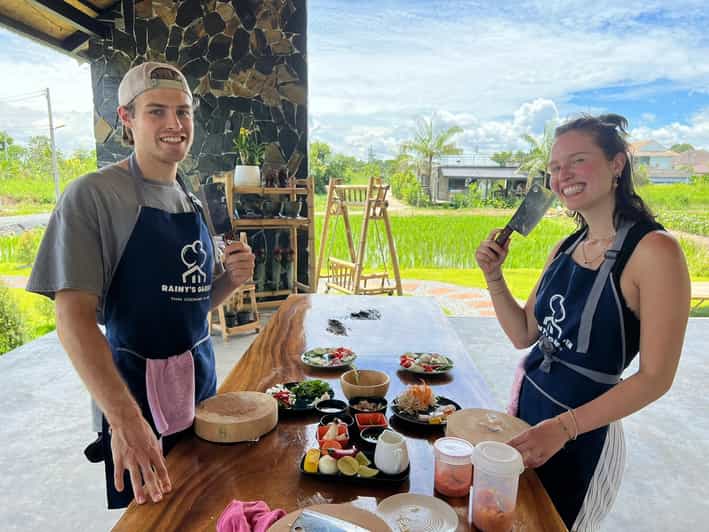
If you want a day that gives you both food and skills, I’d book it. The combo of market buying, small-group hands-on cooking, and a menu that covers appetizer through mango sticky rice is exactly the kind of “do something real” experience that makes a place feel tangible.
One extra nudge: pay attention to your dish choices (especially if you’re vegetarian, vegan, or gluten-free) and plan to be ready for Old Town pickup so you don’t stress about timing. If you do that, you’ll get a full Thai meal and a clear set of cooking ideas you can use after you go home.
FAQ
How long is the Chiang Mai cooking class?
The experience lasts about 5 hours.
What is the price per person?
It’s $45 per person.
Where does pickup and drop-off happen?
Pickup and drop-off are included within the Chiang Mai Old Town area.
Is the class small group?
Yes. It’s limited to 10 participants.
Can I choose vegetarian, vegan, or gluten-free dishes?
Yes. You’ll have options to prepare vegetarian, vegan, or gluten-free dishes.
What’s included in the class?
Hotel pickup and drop-off (Old Town area), a visit to a local market, a hands-on cooking class, all ingredients for cooking, and a local chef are included.