REVIEW · CHIANG MAI
Discover Wiang Kum Kam Ancient City with Wat Chiang Man Visit
Book on Viator →Operated by I Asia Thailand · Bookable on Viator
Ruins along the river beat any museum. This half-day tour threads together Wiang Kum Kam archaeology, temple time, and a visit to the Chiang Mai City Arts and Cultural Centre, with a horse-drawn carriage ride to slow you down.
I especially like how the guide’s live commentary connects the dots between what you’re standing on and what Chiang Mai used to be. I also like the practical flow: hotel pickup, timed stops, and included entry where it matters. One possible drawback: there’s no food or drinks included, so you’ll want water on hand.
If you’re a solo traveler, the experience can still work, but it needs at least two people to run. And on Mondays, the cultural centre is closed, so you’ll get a plan B from your guide instead of the museum exhibits.
In This Review
- Key things I’d highlight before you go
- Why Wiang Kum Kam feels different from most Chiang Mai sightseeing
- Price and value: what $43.93 buys you in 3.5 hours
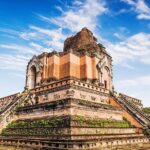
- Stop 1: Wat Kuu Kham (Wat Chedi Liam) temple stop that sets the tone
- Stop 2: Wiang Kum Kam ruins along the Ping River
- Stop 3: Chiang Mai City Arts and Cultural Centre behind the Three Kings Monument
- The horse-drawn carriage ride: a calm reset in the middle of sightseeing
- Monday reality check: what happens when the centre is closed
- How the guide’s commentary changes your experience
- What to bring (so the day stays pleasant)
- Who should book this tour, and who might want a different option
- Should you book Wiang Kum Kam and the Chiang Mai City Arts and Cultural Centre?
- FAQ
- How long is the Wiang Kum Kam ancient city tour?
- How much does the tour cost?
- Does the tour include hotel pickup and drop-off?
- What sites will I visit during the tour?
- Is admission included for the cultural centre?
- Is there a horse-drawn carriage ride?
- What if I’m traveling on a Monday?
- Is food included?
- Is this tour suitable for solo travelers?
- What’s included and not included for children?
- Can I cancel for a full refund?
Key things I’d highlight before you go
- Live guide commentary helps the ruins and temples make sense fast
- Wiang Kum Kam gives you a historical setting many half-day tours skip
- Horse-drawn carriage ride adds a scenic break from walking
- Chiang Mai City Arts and Cultural Centre sits in a restored 1920s-style government hall
- Monday backup can swap the centre for craft businesses if it’s closed
Why Wiang Kum Kam feels different from most Chiang Mai sightseeing
Wiang Kum Kam is the kind of place that makes you look up from the map. You’re not just ticking off temples. You’re walking through an ancient settlement tied to King Mangrai the Great, who built it as a capital before moving the seat of power to Chiang Mai. That one detail changes how you read the ruins.
On this tour, I like that you don’t get dumped into the site with no context. The guide talks you through what you’re seeing, why it matters, and how it connects to later Chiang Mai. It’s the difference between seeing old stone and understanding why it was here in the first place.
You can also read our reviews of more city tours in Chiang Mai

Price and value: what $43.93 buys you in 3.5 hours
For about 3 hours 30 minutes, this is a good value package because it bundles several “costly in time” pieces:
- Roundtrip hotel transport from Chiang Mai hotels
- Guiding through the ruined temple areas at Wiang Kum Kam
- A horse-drawn carriage ride
- Included admission to the Chiang Mai City Arts and Cultural Centre
- Temple time at Wiang Kum Kam’s area site(s), where the listed admission is free
You’re also capped at a maximum of 30 travelers, so you don’t feel like you’re in a mass shuttle. And if you’re wondering about group size comfort, the tour is designed as a half-day: enough structure to see the main highlights without turning into a long day.
The one thing I’ll call out: since food, drinks, and snacks aren’t included, plan on buying water or something small beforehand if you tend to get hungry.
Stop 1: Wat Kuu Kham (Wat Chedi Liam) temple stop that sets the tone
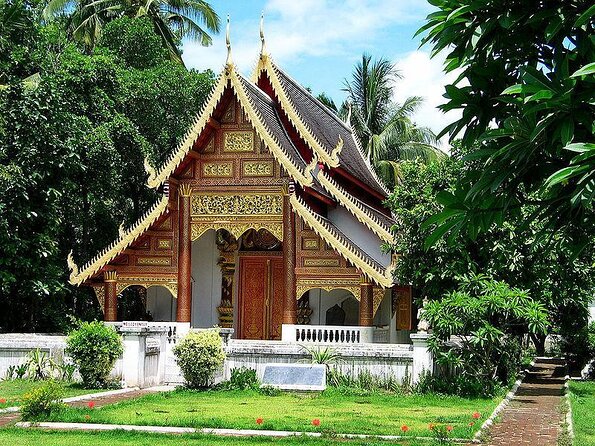
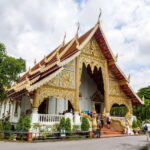
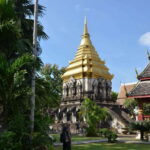
The tour starts with a temple stop at Wat Kuu Kham, also known as Wat Chedi Liam. It’s a shorter visit (about 30 minutes) and the listed admission ticket is free.
Why this first stop is a smart move: it acts like a warm-up. When you arrive at Wiang Kum Kam later, you’ll recognize more temple cues—stupa shapes, layout choices, and the way these sites fit the larger northern Thai religious landscape. Instead of jumping straight into ruins, you get a quick “how to look” session.
Drawback to consider: because it’s brief, don’t expect a long, slow photo session. If you want maximum lingering time, you’ll probably be happiest focusing your attention on the Wiang Kum Kam ruins themselves.
Stop 2: Wiang Kum Kam ruins along the Ping River
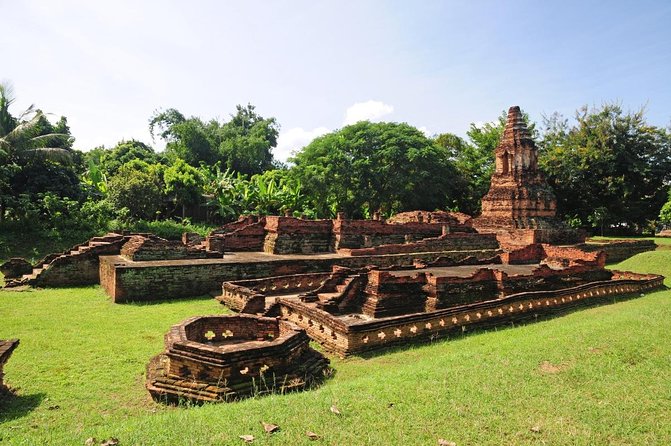
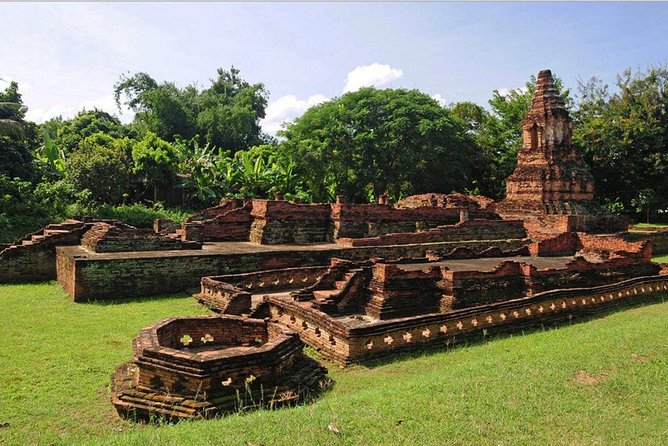
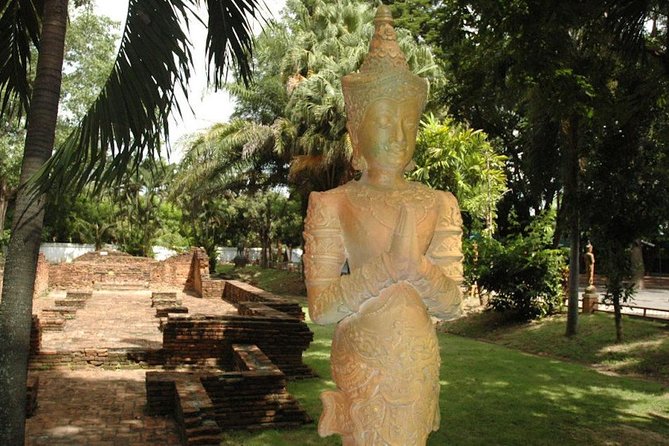
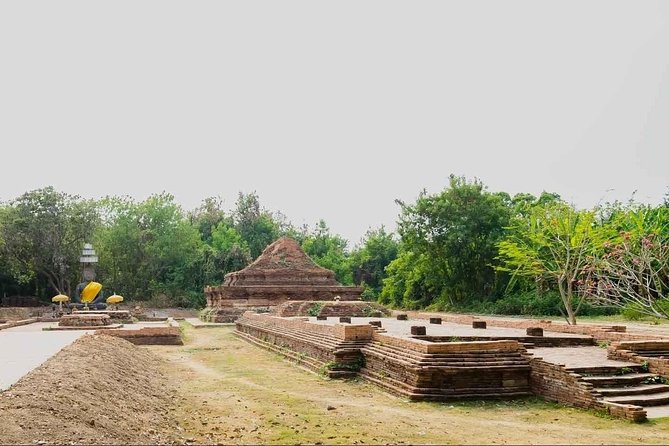
The heart of the day is Wiang Kum Kam, an archaeological site along the Ping River. It’s historically tied to King Mangrai the Great, who built it as a capital before relocating the capital to what became Chiang Mai. The tour gives you about 1 hour here, and the entry listed is free.
What makes this stop worth your time is the combination of setting plus explanation. The ruins can look “just ruins” if you don’t know what you’re looking for. With the guide’s live commentary, you start seeing patterns—why certain structures were important, and how this settlement fits the story of northern Thailand.
You’ll also get a sense of scale. Even though you’re walking, the site doesn’t feel like a tightly packaged theme park. It feels like an open archaeological landscape where the past is still sitting in the same place it always did.
A small practical note: being by the river area can mean uneven ground. Wear shoes you’re comfortable getting a little dusty, and bring sun protection if the weather is hot.
Stop 3: Chiang Mai City Arts and Cultural Centre behind the Three Kings Monument
After the ruins, the tour shifts into “how it all connects” mode at the Chiang Mai City Arts and Cultural Centre.
Location-wise, it’s in the middle of the Old City, right behind the Three Kings Monument. The centre is inside a restored building that dates back to the 1920s—so you get history in the walls as well as on the displays.
What you’ll actually see (and why I think it works):
- Photos, old artifacts, and maps
- An audio-visual display showing Chiang Mai’s story from early settlers to the modern city
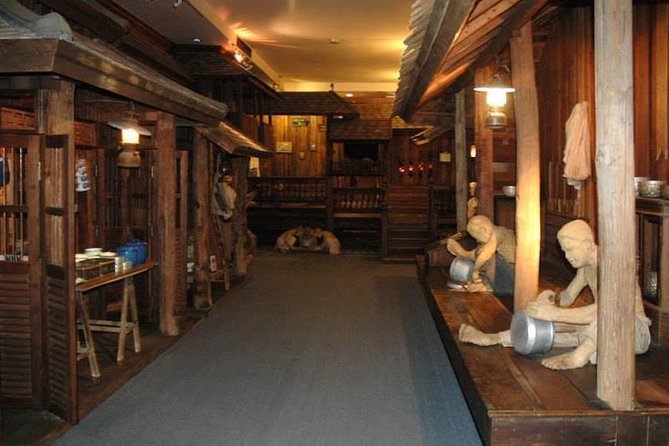
- A small scale replica of a traditional wooden village
This stop is included (about 1 hour), so you’re not juggling extra admission tickets or trying to time it yourself. It also helps you leave the ruins with a better mental timeline. If you tend to remember places better after you see a few diagrams and maps, this centre is a strong addition.
The only catch: the centre is closed on Mondays. The tour can still operate, but your guide will shift to other options.




The horse-drawn carriage ride: a calm reset in the middle of sightseeing
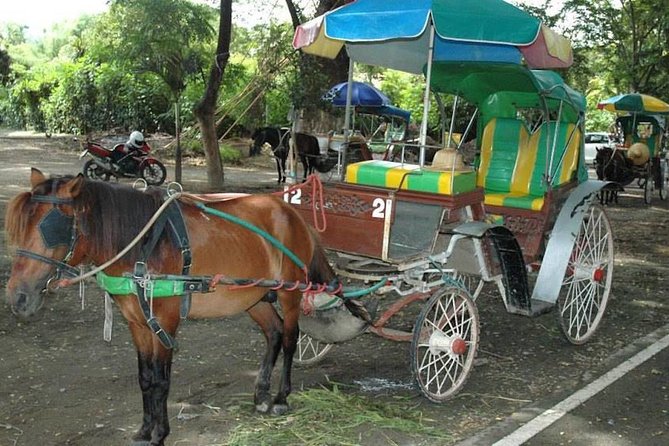
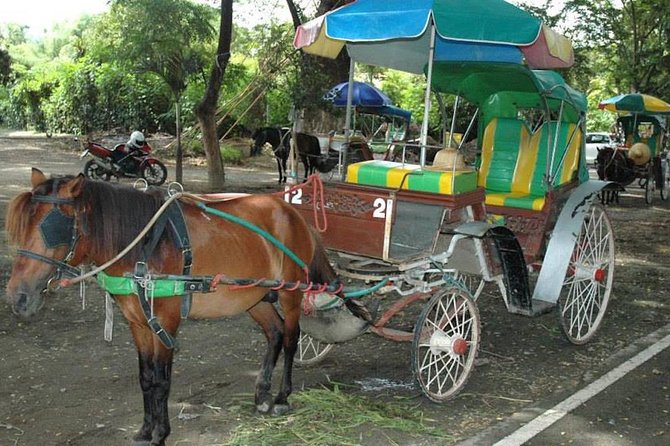
This tour includes a horse-drawn carriage ride. Even if you’re not normally a carriage person, it’s a practical break. After walking around temples and archaeological ground, it gives you a slower pace and a chance to look around without sweating every meter.
It also changes the feel of the day. Instead of racing from stop to stop, you get a short scenic interlude that’s very “Chiang Mai style,” and it keeps the half-day from feeling too intense.
Monday reality check: what happens when the centre is closed
If you’re doing this on a Monday, know that the Chiang Mai City Arts and Cultural Centre is closed. The good news is the tour can still run, and you won’t just be left standing around.
In one example, the guide adjusted the day and took the group to craft businesses, including an umbrella shop. The people running the shops were welcoming, and it became a fun cultural detour rather than a disappointment. The guide on that day was Pong, and she was described as knowledgeable, entertaining, and easy to talk to.
So if you like flexible plans and you’re okay with swapping museum time for local crafts, Monday can still be a great day.
How the guide’s commentary changes your experience
This is one of those tours where the guide really matters. You’ll be hearing live commentary that explains the story of each place as you visit.
That matters because Wiang Kum Kam is not “new and labeled.” It’s older, quieter, and more open to interpretation. With a good guide, you get:
- clearer context for why King Mangrai mattered
- better understanding of what specific temple areas represent
- a smoother flow through multiple sites without feeling lost
From the feedback I’ve seen, the standout guide name was Pong. The tone described was personable and engaging, and that’s exactly what you want when you’re walking through ruins and trying to connect dots quickly.
What to bring (so the day stays pleasant)
This tour is short, but it’s still sightseeing. Here’s what helps most:
- Water (food and drinks aren’t included)
- Sun protection if it’s hot
- Comfortable shoes for uneven temple/archaeology ground
- A small bag for any temple rules you might need to follow (light, breathable clothing is usually smartest)
If you’re sensitive to heat, plan to take your time during the carriage ride. Use it as your recovery moment.
Who should book this tour, and who might want a different option
This is a good fit if you:
- want a half-day that blends ruins + temples + a cultural centre
- like your history explained by a guide instead of reading labels alone
- prefer guided logistics over building the route yourself
- enjoy seeing places beyond the standard Old City checklist
You might consider a different tour if you:
- want a full-day deep dive with long museum time
- need lots of free time for wandering and shopping
- are very food-sensitive and dislike buying your own snacks during tours
Should you book Wiang Kum Kam and the Chiang Mai City Arts and Cultural Centre?
If your goal is to get a meaningful sense of Chiang Mai’s roots in a few hours, I think this is worth your time. The combination of Wiang Kum Kam ruins, temple stops, and the City Arts and Cultural Centre gives you both place and story. Add the carriage ride and included transport, and it feels like a well-paced value bundle.
Book it especially if you’re the type who wants to understand what you’re looking at, not just take photos. If you’re going on a Monday, go in expecting a swap from the cultural centre to craft stops, and you’ll likely enjoy the day just as much.
FAQ
How long is the Wiang Kum Kam ancient city tour?
It’s approximately 3 hours 30 minutes.
How much does the tour cost?
The price listed is $43.93 per person.
Does the tour include hotel pickup and drop-off?
Yes. Roundtrip transportation is provided from/to Chiang Mai hotels.
What sites will I visit during the tour?
You’ll visit Wiang Kum Kam, the temple stop at Wat Kuu Kham (Wat Chedi Liam), and the Chiang Mai City Arts and Cultural Centre.
Is admission included for the cultural centre?
Yes. Admission to the Chiang Mai City Arts and Cultural Centre is included.
Is there a horse-drawn carriage ride?
Yes, the tour includes a horse-drawn carriage ride.
What if I’m traveling on a Monday?
The Chiang Mai City Arts and Cultural Centre is closed on Mondays, but the tour can still operate with an alternative plan.
Is food included?
No. Food, drinks, and snacks are not included.
Is this tour suitable for solo travelers?
Single travelers can book, but the activity requires at least two people to take place and is subject to availability.
What’s included and not included for children?
Children 1 and younger are complimentary. Children 11 and younger must be accompanied by a paying adult.
Can I cancel for a full refund?
Yes. You can cancel up to 24 hours in advance for a full refund.