REVIEW · CHIANG MAI
We Cook Thai Home Garden Cooking School
Book on GetYourGuide →Operated by We Cook Thai Home Garden Cooking School · Bookable on GetYourGuide
First time you smell Thai spices, it sticks with you. This half-day cooking class in Chiang Mai Province starts with a local market stop and then moves into Mam’s home-garden kitchen, where you cook a hands-on meal with a clear, step-by-step teacher. I especially like that you can pick dishes based on what you actually want to eat, and you’re not stuck watching from the sidelines. One thing to consider: the class is built around cooking at wok height, so there’s a minimum height requirement (120 cm / 3 ft 9 in).
If you’re hoping to learn Thai cooking beyond a few tricks, this one is made for you. The market visit helps you understand ingredients you usually just recognize by name, and the class structure gives you practice across multiple categories of Thai food. The catch is also the fun part: you’ll finish very full, so plan your day around big eating.
In This Review
- Key Things I’d Prioritize
- Chiang Mai Thai Cooking, Home-Garden Style (Not a Factory Tour)
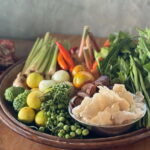
- The Market Stop: Spices, Produce, and How Thai Flavor Is Built
- Cooking Class Setup: One Wok, Real Participation
- Picking Your Dishes by Category (and Why Flexibility Is Smart)
- The Garden Meal: You Cook, Then You Actually Eat
- Timing Options and How the Day Feels
- Vegetarian Option Without a Weird Aftertaste
- Price and Value: Why This Class Feels Fair
- Who This Class Suits Best (and Who Might Reconsider)
- Practical Tips So You Don’t Walk In Unprepared
- Should You Book This Chiang Mai Cooking School?
- FAQ
- What location is this cooking school in?
- How long is the class?
- How much does it cost?
- What’s included in the price?
- Do I get to choose what dishes I cook?
- Is pickup provided?
- Is there a height requirement?
Key Things I’d Prioritize
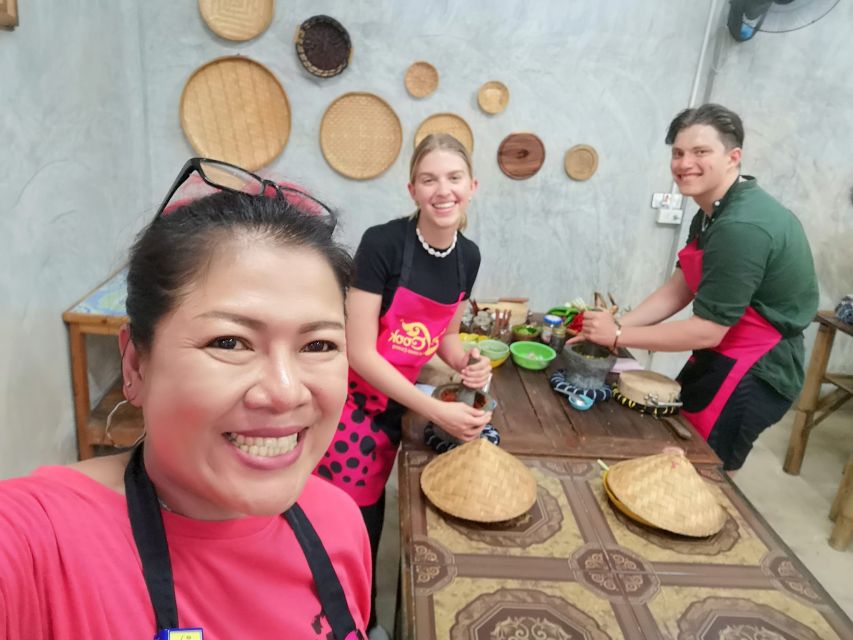
- Market visit with Mam (and ingredient talk you can use later): you interact with vendors and learn what spices and produce actually do in Thai cooking.
- One person, one wok: you cook more than you watch, with guidance as you go.
- Choose your dishes by category: the flexibility makes it easier to tailor the meal to your tastes.
- A proper meal at the end: you sit down to enjoy what you cooked, not just a snack-and-run class.
- Clear output: recipe book plus certificate, so you leave with more than photos.
Chiang Mai Thai Cooking, Home-Garden Style (Not a Factory Tour)
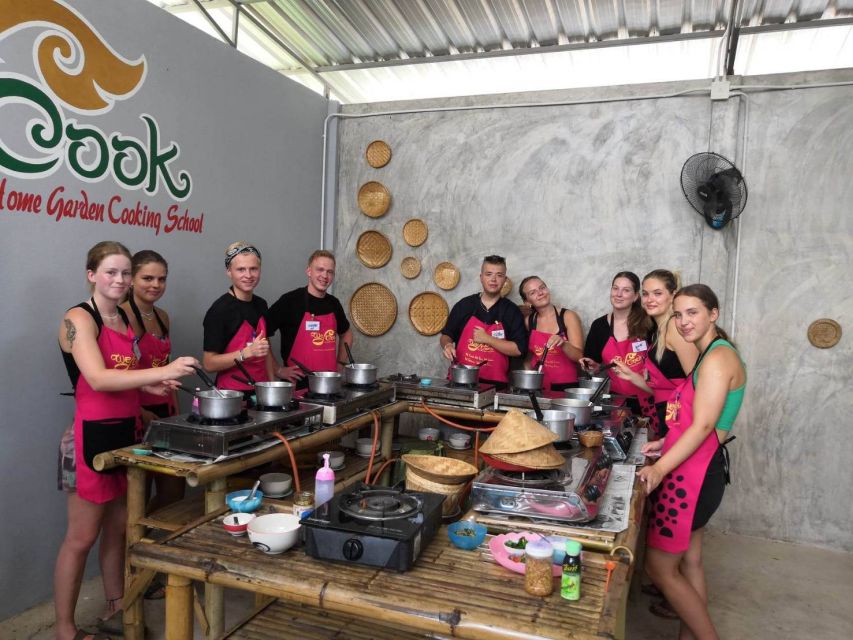
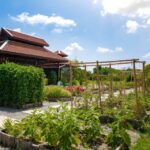
This is the kind of Thai cooking class that feels like you’re invited into someone’s routine—market day first, then a home kitchen session, then dinner. The setting is a garden cooking setup, and from the way people describe it, the experience has a lived-in warmth: you cook together, then you eat together.
The biggest value is the structure. You don’t just get one dish. You build a meal across categories, and that teaches you the logic behind Thai flavor. You also get English instruction, so you’re not stuck guessing what the teacher is aiming for when the pan hits heat.
And yes, you’ll likely end the day with leftovers—or at least the kind of food memories you can’t recreate without the recipe book.
You can also read our reviews of more cooking classes in Chiang Mai

The Market Stop: Spices, Produce, and How Thai Flavor Is Built
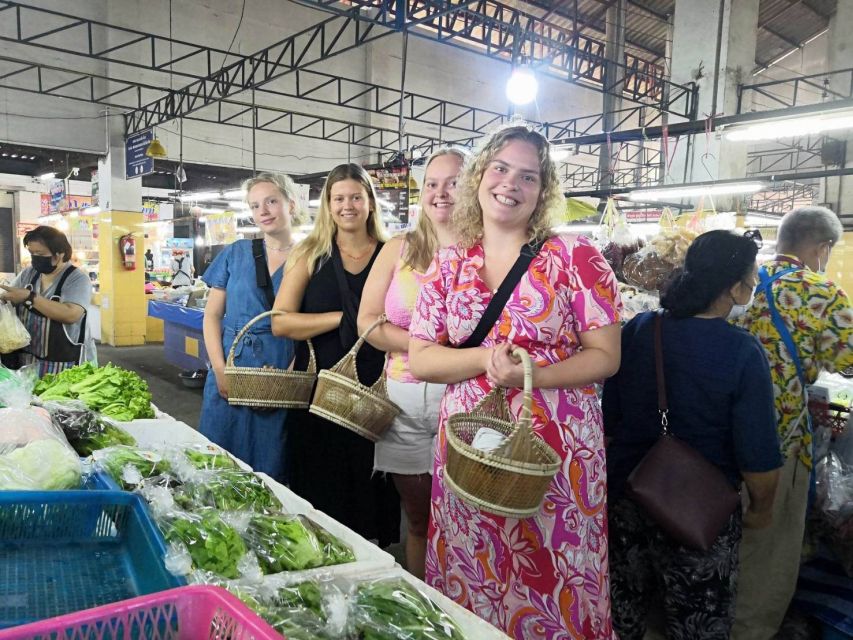
The class starts with a local market tour led by the owner/teacher figure (the booking info lists Mem, and the reviews consistently name the guide as Mam). Either way, the emphasis is the same: market time is not a quick photo break.
What you do here:
- You interact with local vendors.
- You learn about spices, herbs, and flavorful ingredients.
- You get context on what you’re about to cook.
Why that matters for you: Thai dishes often taste like a balance of aromatics (fresh herbs), depth (pastelike ingredients or grounded spices), and acid/salt/sweet tension. If you only learn a recipe without ingredient context, you can recreate the steps but miss the flavor purpose.
This market portion also helps with confidence. Once you understand what key ingredients are doing, you’re more likely to cook Thai food at home with fewer “why does mine taste wrong?” moments.
Cooking Class Setup: One Wok, Real Participation
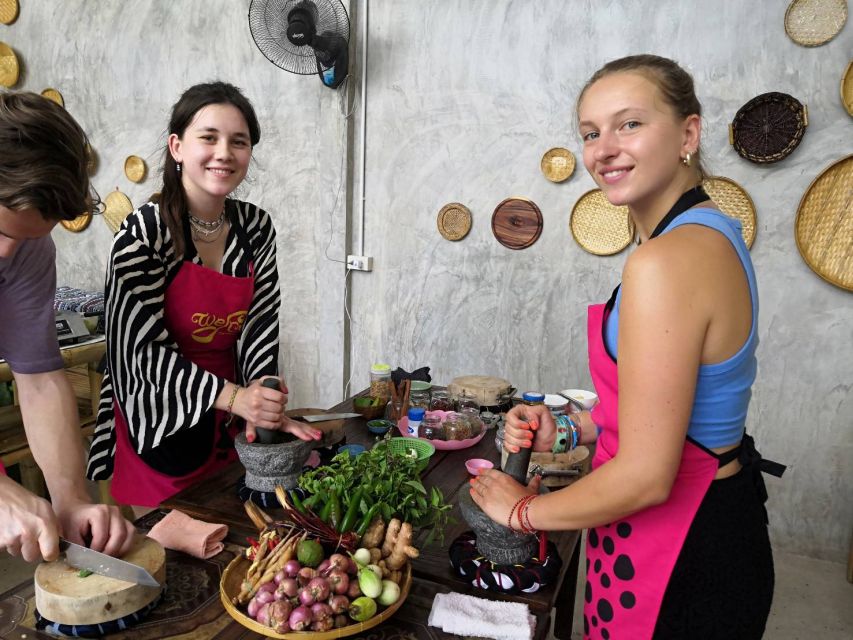
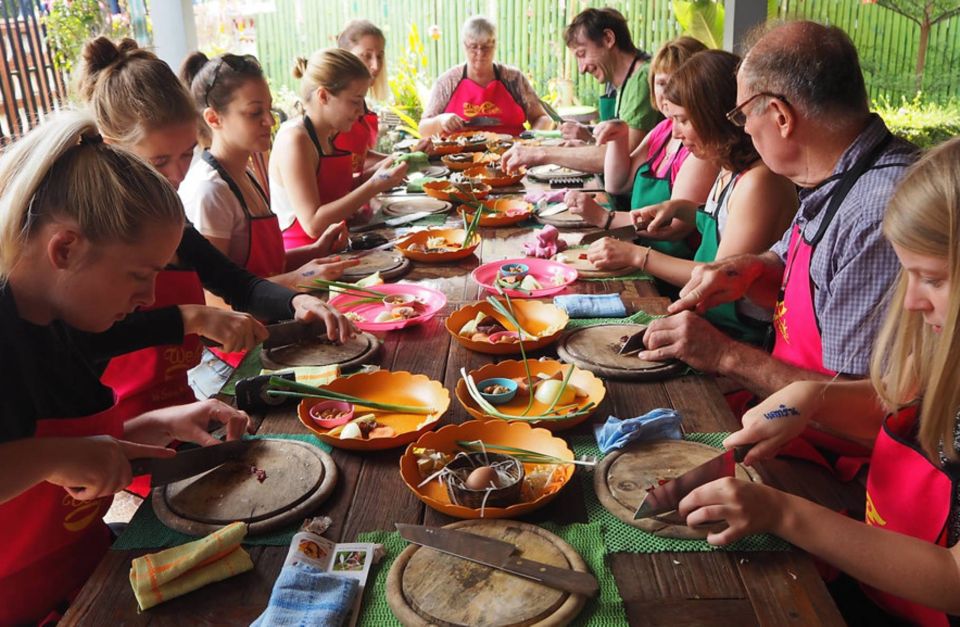
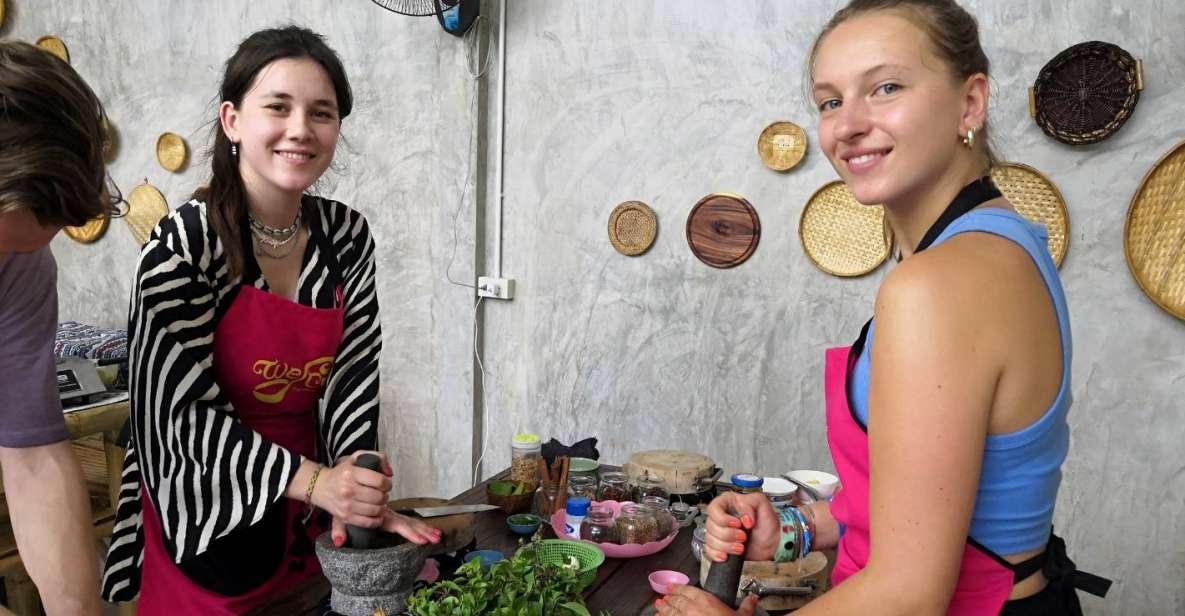
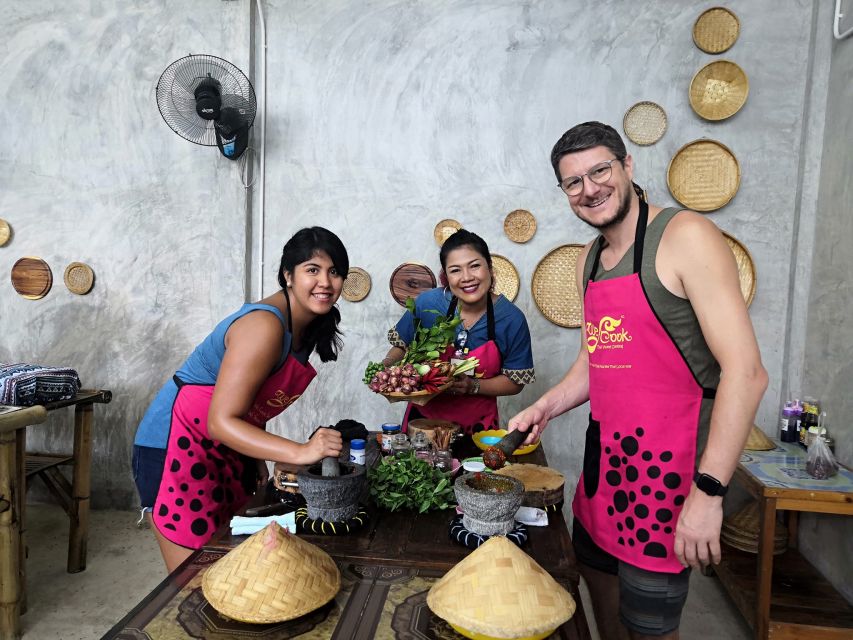
In the kitchen, the arrangement is designed for active cooking. The school provides a 1 person / 1 wok setup, and you get all ingredients for the class. That single detail changes everything. You can’t coast. You’re not waiting for your turn to chop while someone else handles the heat.
From descriptions of the experience, the teacher is hands-on and patient, and the atmosphere is friendly rather than strict. People also note that the cooking and dining areas are separated, which helps you avoid the common chaos of classes where you cook, then instantly eat in the same space with the full smell of the wok clinging to everything.
If you’re worried about skill level: the class is set up for all cooking experience levels. You’ll still do real work, but you won’t be thrown into the deep end without guidance.
Picking Your Dishes by Category (and Why Flexibility Is Smart)
The school’s format is built around categories. You select one dish per category, for a total of 6 dishes in the class session.
Now, here’s a practical note: some people describe their experience as a five-course meal (often phrased like starter, soup, curry, main, dessert). That doesn’t mean you’re being shorted—it suggests the exact course count can vary a bit by how the class day is set up. Either way, the common thread is the same: you leave with a big, multi-dish meal you cooked yourself.
What you might choose (based on examples from the class descriptions):
- Pad Thai
- Papaya salad
- Khao soy
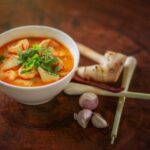
- Tom yum
- Massaman curry paste and curry
- Vegetable spring rolls
- Thai noodle soup
- Khao Pad Gai (chicken fried rice)
- Mango sticky rice
Why this format is worth it: Thai cooking isn’t one dish. It’s technique + flavor logic across multiple plates. When you choose what you like, you also become more motivated to learn what makes each dish work.
The Garden Meal: You Cook, Then You Actually Eat
After the cooking steps come the best part: sitting down to eat what you made. Many reviews highlight that the food is delicious and plentiful, and that you’ll feel properly full afterward.
The setting seems designed to make eating enjoyable, not stressful. A couple of people mention an outdoor garden area and a clean, organized kitchen flow. One review even notes a fish pond that people enjoyed watching, which tells you this isn’t a sterile classroom setup.
My advice: arrive hungry. More than one description explicitly suggests skipping breakfast or at least not eating a huge meal first. Even if you’re a light eater, the class is built to generate enough food that you’ll keep eating well after you think you’re done.



Timing Options and How the Day Feels
You can choose a morning or evening class. The duration is listed as 270 minutes, so think about a half-day that takes most of your morning or a big chunk of your afternoon.
For the evening course, pickup is included, with pickup time noted as 4:00 pm to 4:30 pm. The provider also offers free transportation to and from your residence within a 3 km radius from Chiang Mai downtown.
What that means for you:
- If you’re staying near the center, logistics should be easy.
- If you’re further out, you’ll want to confirm whether the pickup radius works for your exact hotel.
Also keep in mind the kitchen timing. Even though it’s only half a day, the cooking portion moves steadily. Plan for a relaxed rest of the evening after dinner—your hands may not want to cook again right away.
Vegetarian Option Without a Weird Aftertaste
If you eat vegetarian, you’re covered. The class offers a vegetarian option, and people mention that alternatives are possible (including adjustments like vegetarian-friendly swaps).
Thai cooking can be tricky for vegetarians if the dish relies on fish sauce or shrimp paste. The benefit here is that the teacher is working within the class structure and aims to accommodate your needs rather than handing you a sad plate.
If you have dietary limits beyond vegetarian (allergies or strict no-spice/no-nut rules), the safe move is to message the operator during booking and be specific.
Price and Value: Why This Class Feels Fair
The price is listed at $32 per person for a 270-minute experience. That price becomes easier to justify when you break down what’s included:
- English guide
- Local market tour
- Welcome snack or fruit in season
- All ingredients for cooking
- 1 person / 1 wok
- Cook book and certificate
- Free transport to/from within 3 km of Chiang Mai downtown (with evening pickup time noted)
- Vegetarian option
You’re not paying just for the cooking time. You’re paying for the full sequence—market learning + ingredient handling + instructor guidance + the meal you eat + materials to take home (recipe book and certificate).
In practical terms, you’re also buying less guesswork. You’ll go from “I like Thai food” to “I understand what’s in Thai food and why it tastes the way it does.” That’s the part that pays off later when you try cooking at home.
Who This Class Suits Best (and Who Might Reconsider)
This is a great fit if you:
- Want Thai cooking you can repeat at home.
- Like hands-on classes rather than demos.
- Appreciate ingredient context from a local market.
- Prefer smaller, more personal teaching pace (descriptions mention small groups).
It might be less ideal if:
- You’re sensitive to the physical demands of wok cooking (standing time + active prep).
- You’re not prepared for a lot of food afterward.
There’s also a hard requirement: participants must be at least 120 cm (3 ft 9 in). That’s due to wok height and safety.
If someone under 120 cm wants to join as an accompanying visitor, the data says they can join for THB300/person to get free 2 dishes in one cooking course. That’s useful to know if you’re traveling with kids who can’t participate in full cooking.
Practical Tips So You Don’t Walk In Unprepared
Based on what’s repeatedly emphasized, here’s how to make your class day smoother:
- Eat light beforehand. Plan like you’re about to have a full multi-dish meal, not a tasting.
- Ask about your favorites during the dish selection. If there’s a dish you’ve been craving in Chiang Mai, use the choice options.
- Come ready to chop and stir. This class is hands-on with your own wok. That’s the deal.
- Bring water and a little patience. Market + cooking takes time, and it moves with real instruction rather than rushing.
- Think ahead about take-home food. People mention leaving with extra food, and the class produces a lot.
Should You Book This Chiang Mai Cooking School?
If you want a cooking class that teaches you Thai flavors in a way you can reproduce later, I think this is an excellent booking. The combination of a market tour, hands-on wok time, English guidance, and the big meal afterward makes it good value for $32. Add the recipe book and certificate, and you have something tangible to bring home.
I’d book it especially if you’re the type who likes learning by doing—shopping for ingredients, then cooking them yourself. The one thing that could make you hesitate is the height requirement (120 cm) and the sheer amount of food you’ll likely end up eating.
FAQ
What location is this cooking school in?
It’s in Chiang Mai Province, Thailand.
How long is the class?
The duration is listed as 270 minutes (about 5 hours).
How much does it cost?
The price is listed at $32 per person.
What’s included in the price?
Included items are an English guide, local market tour, a welcome snack or fruit in season, 1 person/1 wok with all ingredients, cook book, certificate, free transportation to/from your residence within 3 km of Chiangmai downtown, and a vegetarian option.
Do I get to choose what dishes I cook?
Yes. You select dishes by category in the cooking class. The class format is described as 6-category meals, with one dish chosen per category.
Is pickup provided?
Transportation is included free within a 3 km radius from Chiang Mai downtown. Pickup is specifically noted for the evening course, with pickup time between 4:00 pm and 4:30 pm.
Is there a height requirement?
Yes. Participants must be at least 120 cm. People under 120 cm can join as visitors for THB300/person and receive free 2 dishes in one cooking course.