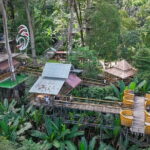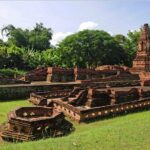
Two passions, Thai food and elephants, in one day. I like the market-to-meal flow at Team Aim Cooking School, led by Aim with 10 years of teaching experience, and I also like the responsible elephant observation time at Joy Elephant Sanctuary, with Karen clothing and food-prep activities. One drawback to plan for: it’s a long, early start day (pickup around 8:00am, about 10 to 11 hours total), so you’ll want comfortable shoes and a snack strategy for the in-between stretches.
This is set up as a full experience, not a quick stop. You get both brunch and dinner, plus coffee or tea and drinking water, and there’s an e-book recipe set so you can repeat what you cook. If you have dietary needs, vegan and vegetarian options are available, and you should tell the cooking teacher about any allergies.
In This Review
- Key things that make this Chiang Mai day work
- Price and value: what $87.12 buys you in Chiang Mai
- Stop 1: Mae Hia Fresh Market and the art of picking ingredients
- Stop 2: i-Like Thai Cooking School with Aim, views, and real instruction
- What dishes you’ll likely make (and why it’s the right mix)
- Elephant time at Joy Elephant Sanctuary: observation with hands-on care
- The waterfall break and herbal tea: your reset in the forest
- The cultural handmade souvenir: take home a craft, not just photos
- Logistics that matter: timing, transport, group size, and what to wear
- Who should book this Chiang Mai cooking + elephant observation day
- The practical bottom line: should you book?
- FAQ
- What time does the tour start in Chiang Mai?
- How long is the experience?
- What’s included in the price besides the activities?
- Do I need cooking experience to join the class?
- Can I get vegetarian or vegan options?
- What do we do at Mae Hia Fresh Market?
- What happens at the elephant sanctuary program?
- Is the group small?
- Can I cancel for a full refund?
- Is this tour suitable for children?
Key things that make this Chiang Mai day work
- Mae Hia Fresh Market first: you choose ingredients before you cook, which makes the class feel real, not scripted.
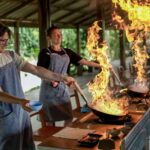
- Aim’s hands-on cooking class: you make multiple Thai dishes with guidance, then sit down to eat your results.
- You get to see elephants up close but not in a stunt-heavy way: focus is on natural behavior and observation.
- Karen clothing + elephant food-prep: you learn through doing, not just watching from afar.
- Waterfall break and herbal tea: a reset in lush forest surroundings so the animal part doesn’t feel rushed.
- Small group size (max 24): easier pacing and more time with your cooking instructor.
Price and value: what $87.12 buys you in Chiang Mai
$87.12 can sound like a lot until you see what’s included. This day bundles three big parts: a market stop, a cooking class with meals, and an elephant sanctuary observation program—plus transportation by air-conditioned vehicle.
What stands out is that it’s not just “activity-only pricing.” You’re covered for:
- Brunch and dinner
- Coffee or tea and drinking water
- Elephant food and snack time
- Cooking ingredients
- An e-book with recipes
- Insurance
- A max group size of 24
That matters because private experiences in Chiang Mai can get pricey fast once you add meals, transport, and a second attraction. Here, your cost is doing real work all day long. The only thing you’ll likely spend extra on is personal shopping.
You can also read our reviews of more cooking classes in Chiang Mai
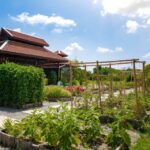
Stop 1: Mae Hia Fresh Market and the art of picking ingredients
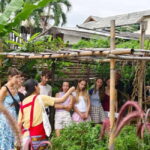
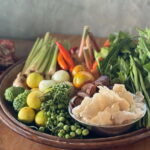
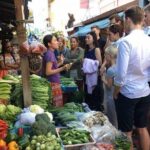
You start with hotel pickup and head to Mae Hia Fresh Market. The market time is about 30 minutes, and you don’t just stroll past stalls—you use the ingredients as part of your cooking plan.
Why I like this order: it gives you a reason to pay attention. When you’re later cooking, you remember what you chose and why the flavors matter. In Thai cooking, the “why” is everything. Even if you’re brand-new to Thai food, you’ll connect the dots fast—sweet, sour, salty, and heat don’t come from nowhere. They’re built from specific ingredients.
Practical notes:
- Go with an open mind if you’re not sure what things are. The value here is learning what ends up in your dishes.
- Don’t plan to do a lot of extra shopping during this short window. This stop is time-boxed for the cooking class needs.
- Wear breathable clothes and keep your hands free. Market traffic can be warm and busy.
Stop 2: i-Like Thai Cooking School with Aim, views, and real instruction
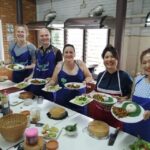
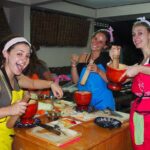
The cooking portion runs about 3 hours at i-Like Thai Cooking School. Expect a teacher-guided class with a view that’s described as a Grand Canyon–style scene—so even before you start chopping, the setting keeps you in vacation mode.
Aim (the instructor mentioned in reviews) is the type of teacher you want for a hands-on class: people describe the session as both fun and informative. That’s a sweet spot. If you’re going to spend half a day cooking, you want to feel like you’re learning technique, not just assembling dishes.
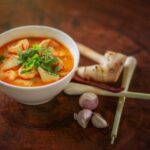
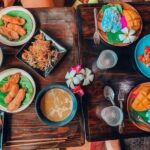
You’ll typically work through several core Thai dishes—things like spring rolls, curries, soups, salads, and stir-fries are listed as examples. One review also suggests there’s some choice involved: you can select which Thai dishes you cook rather than being locked into a single set menu.
How the class feels for beginners
- No prior cooking experience is required.
- You’ll still want to pay attention early, because Thai cooking uses timing. If you rush, sauces and stir-fries can go off rhythm.
- If you have allergies, the instruction is straightforward: let the cooking teacher know.
Timing tip: because the market is short and the class is 3 hours, you’ll want to eat earlier if you’re prone to getting cranky before brunch. The day has a big meal arc, but it’s not a “snacks whenever” setup.
What dishes you’ll likely make (and why it’s the right mix)
This is one reason the class gets strong marks: you don’t just make one dish. The format is designed so you leave with a menu of flavors you can repeat.
From the dishes named, you should expect a mix like:
- A savory starter (spring rolls are specifically mentioned)
- A curry (Thai curries are a great home-cook win when you learn the balance)
- Something brothy (soups)
- A fresh element (salads)
- A stir-fry component
That variety matters for your takeaway. If you only learn fried or only learn spicy, your home results can feel limiting. With this spread, you get multiple Thai cooking styles in one day.
Also, vegan and vegetarian options are available. So if you’re traveling with plant-based friends (or you just want the lighter route), you’re not stuck watching from the side.
What you get to keep
You’ll receive an e-book recipe set. That’s key. Cooking classes often end with taste memories that fade. The recipe set helps you rebuild flavors at home instead of guessing months later.
Elephant time at Joy Elephant Sanctuary: observation with hands-on care
After lunch-time momentum from cooking, you head to Joy Elephant Sanctuary in the Thung Luang area. This part runs about 3 hours, and it’s built around observation and learning rather than performance tricks.
A big feature: you change into traditional Karen clothing. That’s not just a photo moment. It’s tied to the rest of the program—hands-on activities and cultural context.
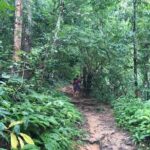
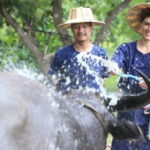
Then you prepare food for the elephants and learn about their history and behavior. You also observe the elephants in their natural jungle setting. The emphasis is on watching how they behave, not forcing them into something unnatural.
You’ll likely spend some time doing:
- Elephant food prep
- Feeding or snack time (elephant’s food & snack is included)
- Observation in the jungle area
Why this experience is worth your time
A lot of elephant encounters in Thailand can be sketchy. Here, the program is framed as responsible tourism with observation programs, and the schedule includes breaks like herbal tea and a waterfall stop in a lush forest/rivers environment. That balance helps the experience feel more like a day in nature with elephants, not a fast “ride-and-go” production.
One consideration: if you’re expecting a guaranteed close-contact moment (like sitting on an elephant), this isn’t described that way. The focus is observation and responsible interaction.
A few more Chiang Mai tours and experiences worth a look
The waterfall break and herbal tea: your reset in the forest
Between learning and observation, you get a breather: refresh yourself with herbal tea and take a break at a waterfall. This is the kind of detail that makes the day feel human again.
When you do a long tour with intense animal learning, it’s easy to get mentally overloaded. The waterfall stop gives you a pause to breathe and take photos at a slower pace.
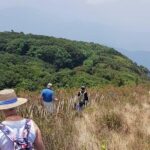
Also, the sanctuary setting is described as lush forest with serene rivers. Even if you’re not a “nature person,” these pauses help your brain recharge so the elephant observation lands properly.
The cultural handmade souvenir: take home a craft, not just photos
This tour also includes time to create your own Thai cultural handmade souvenir. You learn and make the souvenir during the day, so you’re not only consuming Thai culture—you’re participating in it.
This is a smart add-on because it gives you something useful for home. Photos are fine, but a small crafted item tends to spark a memory each time you see it.
One practical way to enjoy this part:
- Treat it like a mini-workshop. Go slow and don’t rush the steps.
- If you’re someone who likes gifts that aren’t mass-produced, this is your lane.
Logistics that matter: timing, transport, group size, and what to wear
This is a 10 to 11 hour day, starting at 8:00am. It includes:
- Hotel pickup
- Air-conditioned vehicle transport
- A structured run of stops (market, cooking school, sanctuary, plus breaks)
Group size is max 24 travelers. That’s a helpful detail. With a smaller group, your cooking instructor can actually notice when someone’s stuck and correct technique before it gets messy.
What to wear
- Comfortable closed-toe shoes for market uneven ground and sanctuary walking.
- Light layers. Morning and forest areas can vary, and you’ll be both outside and inside.
Attitude shift that helps
This is one of those “full-day” tours where you’ll get more out of it if you slow down at the right moments—market and cooking need attention; elephant observation needs patience.
If you do only one thing to improve your day: plan to be ready to learn. You don’t have to be a food expert. Just show up curious.
Who should book this Chiang Mai cooking + elephant observation day
This tour is a great match if you want:
- A full Chiang Mai day that mixes food and wildlife without bouncing between totally unrelated activities
- A Thai cooking class that includes an ingredient market stop and comes with recipes afterward
- A more observation-centered elephant experience with cultural learning (Karen clothing and behavior-focused learning)
It’s also a strong fit for couples and small groups who like structured but not rigid days.
You might want to look elsewhere if:
- You want a more adrenaline-heavy elephant encounter (this is observation-focused)
- You hate long days or early starts
- You’re sensitive to animal-related activities and prefer only scenic viewpoints (even in responsible settings)
The practical bottom line: should you book?
If your ideal Chiang Mai day includes Thai food you can actually cook later, plus an elephant sanctuary visit that leans toward responsible observation, I think you’ll be happy with this one.
Book it if:
- You’re excited about making multiple dishes with guidance from Aim
- You value the market ingredient step and the e-book recipe follow-up
- You want elephants in a program that’s framed around natural behavior and education
Skip it if:
- You’re only interested in short tours or don’t handle 10 to 11 hours well
- You expect a performance-style elephant attraction
For most people, this is one of those “you get your money’s worth in time and included meals” choices. It’s busy, but it’s the good kind of busy.
FAQ
What time does the tour start in Chiang Mai?
The start time is 8:00am, with hotel pickup offered.
How long is the experience?
The duration is about 10 to 11 hours.
What’s included in the price besides the activities?
Meals and drinks are included (brunch and dinner, coffee/tea, drinking water), along with cooking ingredients, insurance, elephant food and snack, and an e-book with recipes.
Do I need cooking experience to join the class?
No cooking experience is required.
Can I get vegetarian or vegan options?
Yes. Vegan and vegetarian options are available, and if you have allergies you should let the cooking teacher know.
What do we do at Mae Hia Fresh Market?
You visit Mae Hia Fresh Market to handpick fresh ingredients for your cooking session.
What happens at the elephant sanctuary program?
At Joy Elephant Sanctuary, you change into Karen clothing, prepare food for the elephants, learn about elephant history and behavior, and observe the elephants on their natural behavior.
Is the group small?
Yes. The maximum group size is 24 travelers.
Can I cancel for a full refund?
Yes. You can cancel up to 24 hours in advance for a full refund.
Is this tour suitable for children?
Most travelers can participate, and the cooking classes are recommended for children above 5 years old. A child seat is available on request.