REVIEW · CHIANG MAI
Wat Phra That Doi Suthep & Hmong Village Half Day Tour From Chiang Mai
Book on Viator →Operated by Oh-Hoo · Bookable on Viator
Two cultures in one crisp half-day. You’ll pair a Doi Suthep temple morning with a Hmong Village visit, all on a small-group format that doesn’t feel rushed-to-nothing. What I like most is the combo itself: you get a serious look at Buddhism at Wat Phra That Doi Suthep and then a human, everyday view of Hmong life through clothing, interaction, and local stories. The second big win is logistics: pickup and drop-off from the Tha Phae Gate area, plus a roughly 4-hour total time, so you still have plenty of Chiang Mai left after lunch.
One thing to consider: the day runs on a schedule. If you’re hoping for lots of stop-by-stop history and ultra-slow temple wandering, you may feel the pace—especially since some guides can be strict about timing and explanations vary by day and guide style.
In This Review
- Key highlights worth clocking before you go
- A tight 8:30 start that gives you your afternoon back
- Wat Phra That Doi Suthep: what you’ll actually do up on the hill
- Temple etiquette that’s not optional
- The Hmong Village stop: clothes, culture, and questions you can ask
- How the small-group format changes the feel of the day
- Price and value: about $32 for two very different experiences
- Pickup, timing, and what to plan for on the road
- Small practical tips I’d use
- Who this tour suits best (and who should look elsewhere)
- How to get the most out of Wat Phra That Doi Suthep and the Hmong Village
- Should you book this tour?
- FAQ
- How long is the Wat Phra That Doi Suthep & Hmong Village half-day tour?
- What time does the tour start, and when will it end?
- Is hotel pickup included?
- Where is the meeting point?
- How many people are in the group?
- What should I wear to visit the temple?
- Is the tour suitable for children?
- Can pregnant women and people with disabilities join?
- Is the tour affected by weather, and what options do I have if it’s canceled?
Key highlights worth clocking before you go
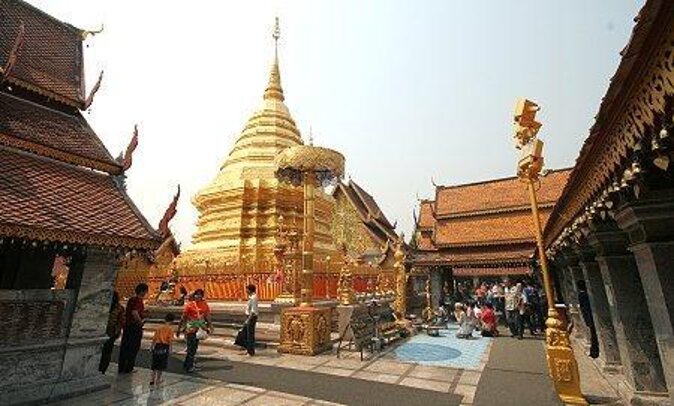
- Wat Phra That Doi Suthep first: quick hill access and lots of shrines, chedis, and temple areas to see
- Hmong Village interaction: learn culture and daily life and see the clothing style up close
- Small group (max 15): shared guide and transport without big-tour vibes
- Short day, real flexibility: return around 1:00–1:30 PM for your own plans afterward
- Modest dress matters: you’ll want to plan clothing that’s temple-appropriate
- Weather-dependent: good conditions are important for this hill-area outing
A tight 8:30 start that gives you your afternoon back
This tour is built for people who like their days planned but not swallowed whole. It starts at 8:30 AM and runs about 4 hours total, then you’re back at the meeting point around 1:00–1:30 PM depending on traffic and where you’re staying. That timing is a big value in Chiang Mai. You still get a morning cultural hit, and then you can pivot into your own rhythm—whether that’s markets, a café break, or a second temple visit without feeling like you scheduled your entire life.
The tour meets at Tha Phae Gate on Tha Phae Road. It’s easy to find, and it’s also near public transportation, which matters if you want a backup plan. Pickup is offered, but because it’s a joint tour with multiple guests collected in sequence, you should expect to wait a bit for your turn. If you’re the type who hates standing around, just plan for a few extra minutes and you’ll stay sane.
Another detail I appreciate: you get a mobile ticket, so you’re not juggling paper tickets on a phone that’s already full of photos. Small thing, but it reduces stress when you’re heading out early.
You can also read our reviews of more tours and experiences in Chiang Mai.



Wat Phra That Doi Suthep: what you’ll actually do up on the hill
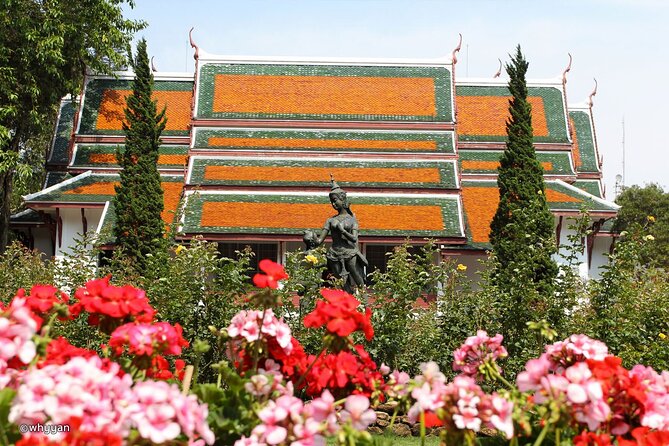
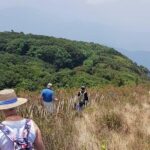
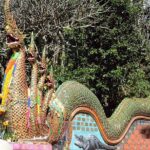
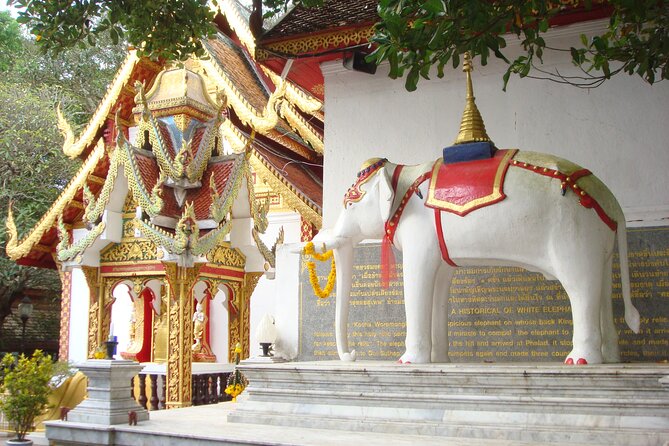
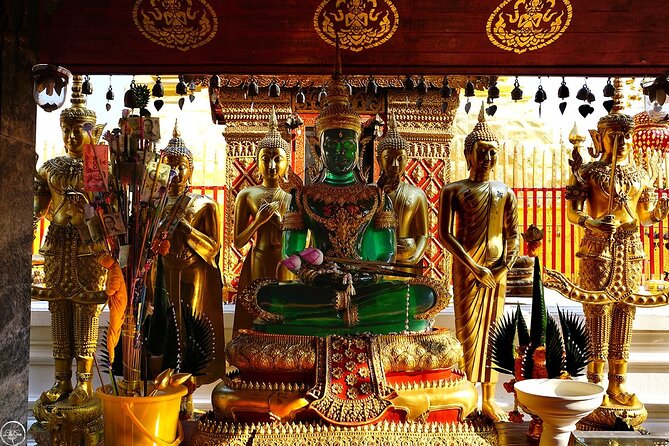
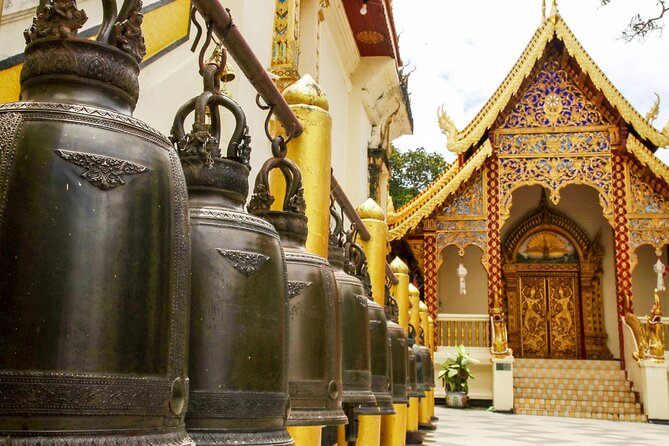
The day begins with a quick hike toward Wat Phra That Doi Suthep, which is described as the sacred Doi Suthep temple area. The value here is not only the temple itself, but the way the visit is structured. You’re not just taking a quick glance; you’re meant to explore and admire multiple parts of the sacred complex—shrines, chedis, and temples that show the influence of Buddhism in Thailand.
What that means for you in real life:
- You’ll have time to slow down visually, looking at religious structures and the details of the complex.
- You’ll get a guided layer of explanation, though the exact amount of deep history you receive can vary.
- You’ll likely be moving between points, so comfortable shoes are a must.
A gentle reality check: this isn’t framed as a long, day-long temple retreat. It’s half-day. If your goal is a long, solo, quiet wander with zero schedule pressure, you might prefer a private tour. But if you want a meaningful temple visit without losing the rest of the day, this format makes sense.
Temple etiquette that’s not optional
The tour asks you to dress modestly for the temple areas. That’s practical advice, not a bureaucratic rule. Plan for covered shoulders and clothing that won’t feel awkward once you’re walking around sacred spaces. You don’t want to be figuring it out mid-morning.
The Hmong Village stop: clothes, culture, and questions you can ask
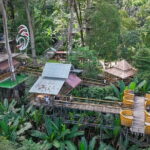
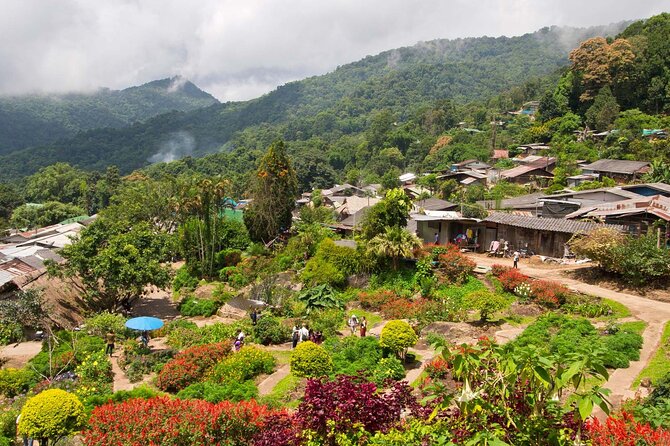
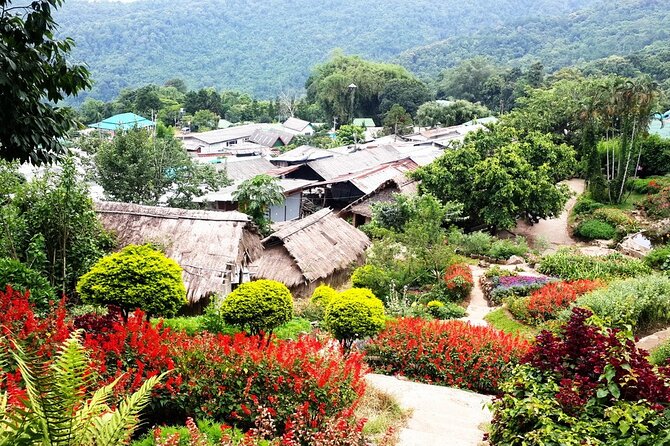
After the temple morning, you’ll go to a Hmong Village. This part is built around meeting the people and learning their culture and way of life. The description calls out what stands out immediately: the village is known for colorful, intricate garments. That visual detail matters because it’s not just about seeing clothes—it’s about using what you notice as a starting point for real questions.
Here’s how to make the most of the Hmong Village segment, even if your language is limited:
- Ask simple, respectful questions about daily life (what a normal day looks like, how people spend time, what certain items are used for).
- Pay attention to clothing details and use them as prompts. You’ll get more out of the interaction that way.
- Keep your tone curious, not like you’re collecting souvenirs of culture.
This is also where the “small-group” advantage can show up. With a maximum of 15 travelers, you’re more likely to get a conversation-style experience rather than feeling like you’re passing through a checklist of photo spots.
A note on pacing: one of the negative experiences shared with the operator concept involved feeling like the tour was more of a quick drop-and-go. If you want deeper interaction, don’t wait until the end of the village visit to speak up. Start early. If explanations are light, ask for the context you care about—especially around what you’re seeing in the garments and daily routines.
How the small-group format changes the feel of the day
This tour is capped at 15 travelers, which keeps it from turning into a big bus shuffle. You’re sharing your guide and transportation, but not getting swallowed by a crowd. In Chiang Mai, that difference is real. Small groups usually mean your guide can manage questions without feeling like every minute is controlled by traffic jams and ten different people needing the same photo angle.
The trade-off is that the tour still runs on a timetable. One review example mentioned a guide being strict about timing, which can be good if you don’t want delays, but annoying if you like wandering freely. The smart move is to choose what you care about most:
- If you value getting both stops in one morning, small-group scheduling is perfect.
- If you value slow walking and lots of unscripted time, consider upgrading to a private option or extending your temple day elsewhere.
Either way, the key point is you’re not paying for just one attraction. You’re paying for an organized day that connects Buddhist temple time + cultural village interaction, which is why the value stays strong even at a modest price.




Price and value: about $32 for two very different experiences
At $32.18 per person, this is priced like a practical half-day cultural combo. The value isn’t just that it’s inexpensive. It’s that you’re getting:
- transport and pickup/drop-off convenience,
- an English-speaking guide,
- and two locations in one schedule.
That combo can be harder (and more expensive) to DIY in Chiang Mai if you don’t already know the best logistics. You also reduce the mental load: you show up, you go, you return to a predictable place.
Now the balanced part. If you’re the type who expects the guide to provide heavy, stop-by-stop history for every statue and building, you may feel disappointed on days when explanations are brief. One negative comment specifically complained about limited explanation and expected historical significance. That doesn’t mean every guide is the same, but it does point to a personal fit issue. If you care a lot about detailed religious history, come prepared with questions, and don’t be afraid to ask what you’re looking at.
Pickup, timing, and what to plan for on the road
The meeting point is Tha Phae Gate, and the tour ends back at the same meeting point area. Pickup is offered, but since the operator picks up each guest in order, you’ll want to be ready for a short wait. If you’re staying far from the pickup route, that also can affect timing a bit.
The tour returns around 1:00–1:30 PM, and that window is part of why it works for so many people. You can plan a late lunch after a nap, or head to a nearby attraction without feeling like you’ll miss a ticketed event.
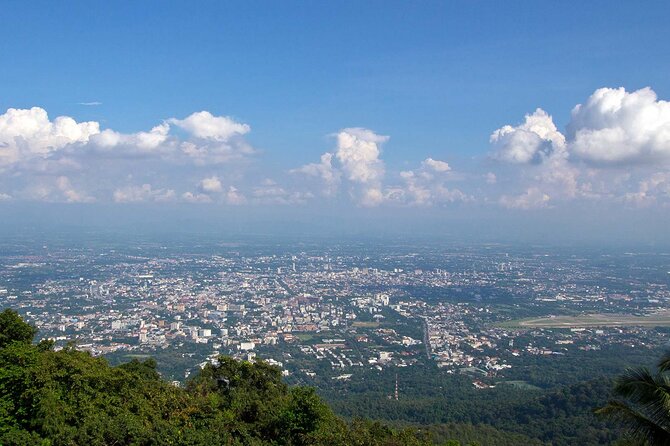
Also note: this experience requires good weather. The hill-area visit and quick hike make sense when conditions are decent. If weather turns, you’ll likely get an alternative date or a refund option, so it’s worth keeping your schedule flexible on the day you book.
Small practical tips I’d use
- Wear shoes you can walk in comfortably for a quick hike.
- Dress modestly from the start so you’re not adjusting halfway through.
- Bring a bit of patience for joint pickup sequencing. It’s normal for shared tours.
Who this tour suits best (and who should look elsewhere)
This works best if you want:
- a half-day cultural day with two key themes (temple + Hmong village),
- pickup convenience in Chiang Mai,
- a guided structure but still time afterward for your own plans.
It may not be your best match if you:
- want very slow temple time with lots of in-depth history on every structure,
- hate strict timing and prefer to roam without checkpoints,
- expect every part to be included with no extra-paid add-ons. (One feedback mentioned an extra entrance fee for a garden and waterfall stop not feeling worth it. If that kind of add-on appears, it’s worth deciding in the moment based on your priorities and budget.)
How to get the most out of Wat Phra That Doi Suthep and the Hmong Village
If you want this tour to feel personal instead of like a schedule stamp, use a simple mindset: treat both stops like conversation starters.
At the temple, you can guide your experience by what you ask. If you see shrines or chedis and you don’t know what they represent, ask what you’re looking at and why it matters in the temple space. At the village, ask about garments in a respectful way—what people wear for, how it’s made or chosen, and what everyday life looks like.
One more practical move: since group schedules can be strict, don’t save all your questions for the last minute. Ask early. Guides tend to have more patience at the start when the day is still running clean.
And yes, take photos—but do it with respect. You’re in a sacred setting first, and a cultural meeting second.
Should you book this tour?
I’d book it if your goal is a smart, efficient half-day that combines Wat Phra That Doi Suthep and a Hmong Village visit without making transport a headache. At around $32, the value is strong because you get two very different cultural experiences, plus pickup convenience and an English-speaking guide.
I wouldn’t book it if you need deep historical storytelling at every stop or you hate schedule pressure. In that case, you’ll probably be happier with a private option that can slow down and match your pace.
If you’re trying to see a lot in a short time and you like meaningful culture over just check-the-box photos, this is a solid choice. Just go in ready to ask questions, dress modestly, and enjoy the fact that you get to return to Chiang Mai around lunchtime with your afternoon wide open.
FAQ
How long is the Wat Phra That Doi Suthep & Hmong Village half-day tour?
The tour lasts about 4 hours.
What time does the tour start, and when will it end?
The start time is 8:30 AM, and it returns to the meeting point around 1:00 PM to 1:30 PM depending on traffic and your hotel location.
Is hotel pickup included?
Yes, pickup and drop-off are provided for convenience.
Where is the meeting point?
The tour starts at Tha Phae Gate, Tha Phae Road, in Chiang Mai.
How many people are in the group?
The tour has a maximum of 15 travelers.
What should I wear to visit the temple?
You should dress modestly for the temple visit.
Is the tour suitable for children?
Child tickets are listed for ages 3 to 6 years.
Can pregnant women and people with disabilities join?
Yes. The tour notes that pregnant women and persons with disabilities can join.
Is the tour affected by weather, and what options do I have if it’s canceled?
Yes. The experience requires good weather. If it’s canceled due to poor weather, you’ll be offered a different date or a full refund.