REVIEW · CHIANG MAI
Cooking class in organic garden and local market tour ThaiCottage
Book on Viator →Operated by Thai Cottage Home Cookery School · Bookable on Viator
Curry paste starts with a mortar, not a recipe. ThaiCottage in Chiang Mai connects a local market visit to an organic herb garden kitchen, so the flavors make sense before you cook. I love the round-trip hotel pickup (within about 3 km of the city area) and the small group feel that keeps you close to the instructor.
I also like the way the class lets you choose dishes, instead of forcing one menu on everyone. And you still get the two signature wins that matter most in Thai cooking: curry paste from scratch plus sweet mango sticky rice.
One thing to consider: some sessions can include ingredients that are partly prepped already, and the market portion may feel more self-guided than lecture-like depending on your group and guide that day.
In This Review
- Key things to know before you go
- From market to mortar: why this class works in Chiang Mai
- The market tour: getting your ingredients with context
- The organic garden stop: herbs first, not afterthoughts
- Choosing your dishes (and still getting the staples)
- Curry paste from scratch: the technique you’ll actually reuse
- How the cooking time runs: stations, pacing, and English recipes
- Mango sticky rice: the sweet finish done the Thai way
- Transfers and timing: planning your Chiang Mai day
- Price and value: what $35.86 gets you in real terms
- Who this fits best (and who might want to choose another style)
- Quick heads-up: areas to watch so you leave happy
- Should you book ThaiCottage’s organic garden cooking class?
- FAQ
- What’s included in the ThaiCottage class?
- How long is the cooking class in Chiang Mai?
- Can I choose what dishes I cook?
- Is alcohol included?
- What group size should I expect?
- What happens if weather is bad?
Key things to know before you go
- Hotel pickup built in for stays within roughly 3 km of Chiang Mai’s city area
- Market + organic garden pairing so you understand herbs and ingredients before the cutting starts
- Curry paste from scratch using a traditional approach, not a shortcuts-first method
- You pick your dishes, then cook in a small group at individual stations
- Mango sticky rice is a guaranteed finish, not just a bonus if time allows
- English support plus a PDF recipe book online so you can recreate your meal later
From market to mortar: why this class works in Chiang Mai
Thai food tastes like a balance of basics—chiles, citrus, aromatics, salt, and sweetness—yet most cooking classes skip the “where did this come from” part. ThaiCottage handles that well by pairing a market run with an organic garden stop, then moving straight into hands-on cooking.
You’re not just watching someone cook. You’re learning how flavors are built. That’s the real value here. When you know what galangal smells like, what coriander root adds, or how toasted spices behave, you can cook Thai food beyond the dishes you make that afternoon.
There’s also a practical bonus: the class runs about 4 hours, and the group is capped at 8 people. In other words, you won’t feel lost in a crowd, and you’re more likely to get real attention when you hit a sticky moment with the knife or the paste.
You can also read our reviews of more shopping tours in Chiang Mai
The market tour: getting your ingredients with context
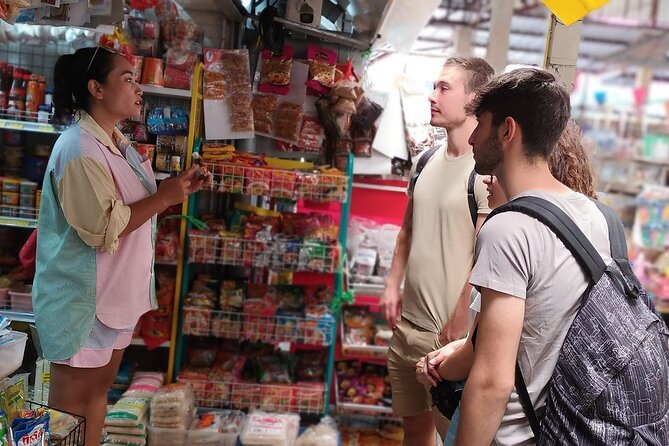
The first stop is a local market, and it’s timed to do two jobs. First, you see the ingredients your meal will rely on. Second, you get a bit of breathing room to look around before the class turns into work.
If you’re the type who wants to “understand the pantry,” this part pays off. You’ll be looking at fresh produce and Thai staples used in the dishes you’ll cook later, and you’ll learn what the ingredients contribute. That ingredient logic matters when you’re trying to replicate recipes after you get home.
That said, one caution based on real-world feedback: the market experience isn’t always handled like a full-on guided tour with detailed commentary for every item. Some people found it more independent than they expected. If you love explanations, ask questions early—right when the market guide begins pointing out what you’re using in your cooking.
Also note the rhythm: you may have some free time to browse, then move on. Pack water in your mind and don’t plan to eat a huge meal beforehand. You’ll want an appetite for what you cook.
The organic garden stop: herbs first, not afterthoughts
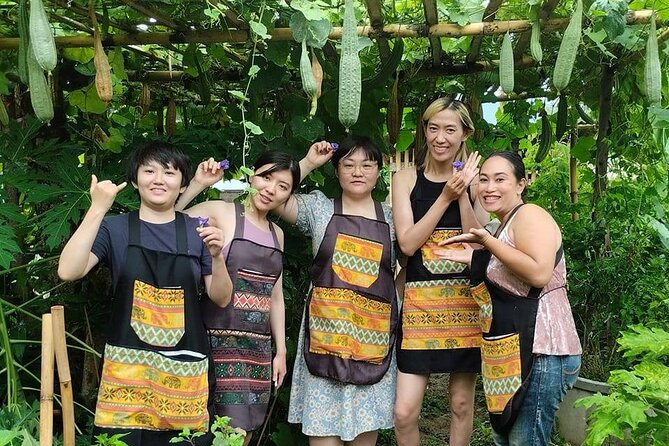
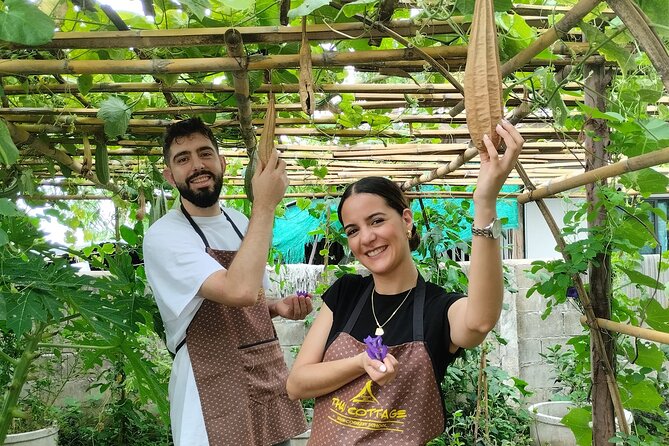
Next you head to the organic herb garden, where the menu you choose will come to life. This is where the class becomes more than a cooking demo. You can walk through the growing environment and connect Thai flavor sources—herbs and vegetables—to the cooking steps you’ll do later.
This matters because Thai cooking is very “fresh ingredient” driven. If you’ve ever tried to make Thai food at home and ended up with something that tastes flat, it’s often because the aromatic base wasn’t right, or the herb profile wasn’t fresh enough.
In the garden, the instruction sets you up for that. You get to see what’s featured in the class, then later learn how to prepare the plants you saw. You’ll also choose which dishes you want to make from the available options, with the promise that everyone covers the key staples like curry paste and sweet sticky rice.
Choosing your dishes (and still getting the staples)
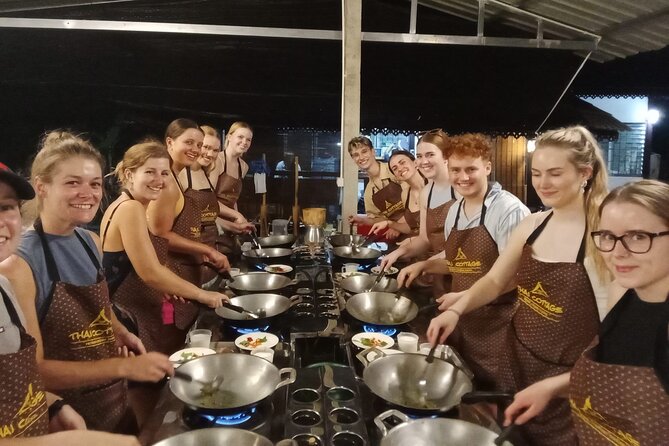
Here’s a smart design: the class gives you options, so you’re not stuck with dishes you don’t like. Then it still guarantees that everyone learns the core Thai skills.
You can pick dishes from multiple categories—think of it as covering different parts of a Thai meal—so the final table isn’t one-note. And no matter what you choose, you’ll be taught how to make:
- Curry paste from scratch
- Sticky rice for mango sticky rice (the sweet mango dessert)
If you’re worried about picky eaters (or your own “I don’t love that” instinct), this approach is a big deal. It turns the class into something you can actually eat without trading off half the meal for “authentic learning.”
Reviews also describe menus that can include a mix like soup, stir-fry, curry, and dessert, depending on your selections. So expect variety in the dishes you cook, not just one curry repeated three ways.
Curry paste from scratch: the technique you’ll actually reuse
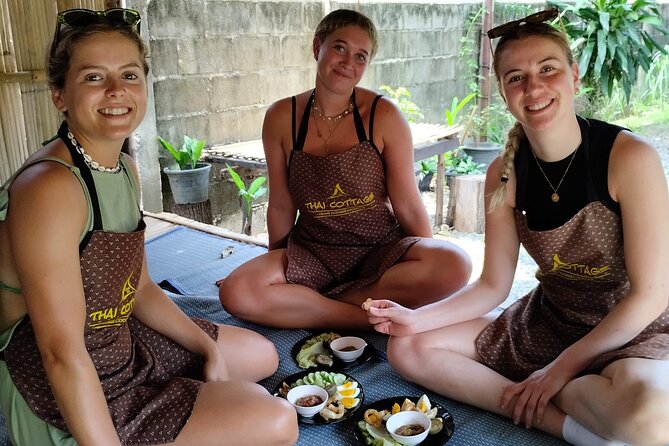
The headline skill here is curry paste made by hand. That single decision changes your cooking forever. Store-bought curry paste is convenient, sure. But making the paste from scratch teaches you how Thai curry gets its punch: the grinding, the layering of aromatics, and the way spices loosen as you work.
You’ll get an English-speaking instructor and hands-on guidance, plus a kitchen setup that’s meant for learning at speed without chaos. And since curry paste is a repeatable base, you’ll leave with a skill that can turn into home cooking beyond the specific dishes you made in class.
A practical tip: watch your consistency. Curry paste should feel like it’s unified, not just mashed ingredients with chunks. Your instructor will likely guide you to the texture they want, but if you want to nail it quickly, take a moment to focus on grinding evenly instead of rushing through the first round.
Also, you’ll usually learn curry paste alongside learning how it fits into the rest of the curry process. That connection is the difference between a “cool activity” and real cooking knowledge.
A few more Chiang Mai tours and experiences worth a look


How the cooking time runs: stations, pacing, and English recipes
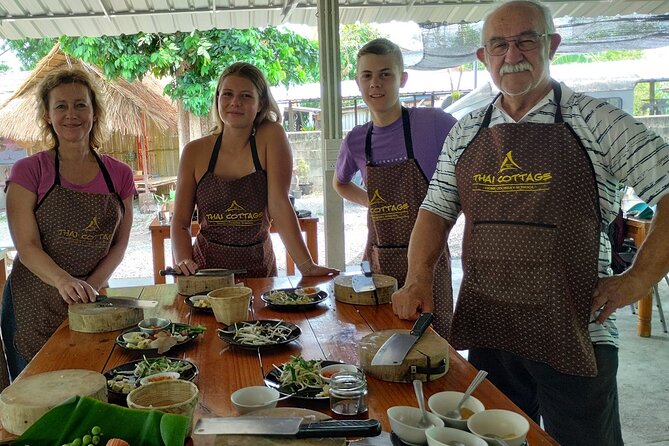
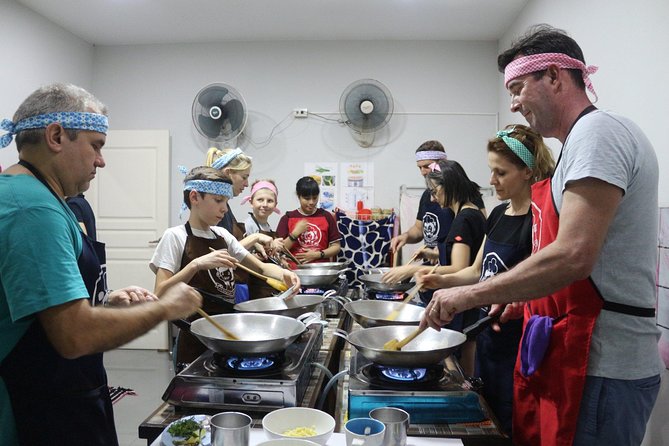
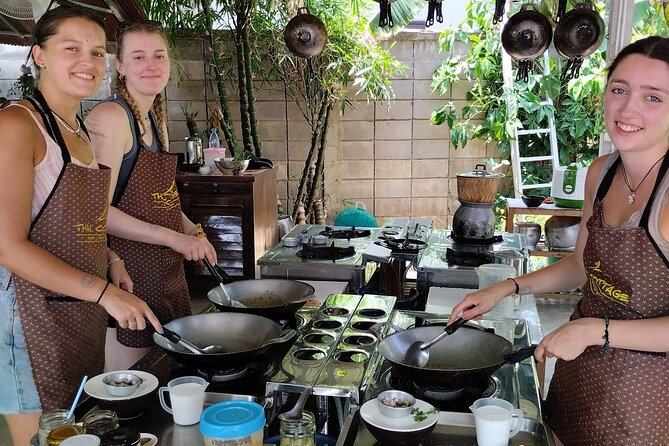
After market and garden, you settle into the cooking area, which is set up to handle small groups well. Multiple reviews mention each participant having their own cooking station, which is huge for two reasons:
- You’re not waiting around for space or tools.
- You can learn by doing, not just watching over someone else’s shoulder.
The kitchen is described as a covered outdoor setup, which helps in Chiang Mai conditions. You’ll be cooking in a real food setting, not a classroom with chairs and a single burner.
Instruction style seems to be a strong point. In different sessions, instructors named Toey, Tory, Mac, Kat, and Gataii are mentioned, and the common thread is that the teaching adapts to the group. People also highlight clear English instruction and guidance that helps with different skill levels.
One more thing you’ll appreciate: you get ingredient instructions and recipes in English, and you receive an online PDF recipe book. That’s not just nice-to-have. It’s what lets you recreate your curry paste and dishes later, and not just remember them as a good meal.
Mango sticky rice: the sweet finish done the Thai way
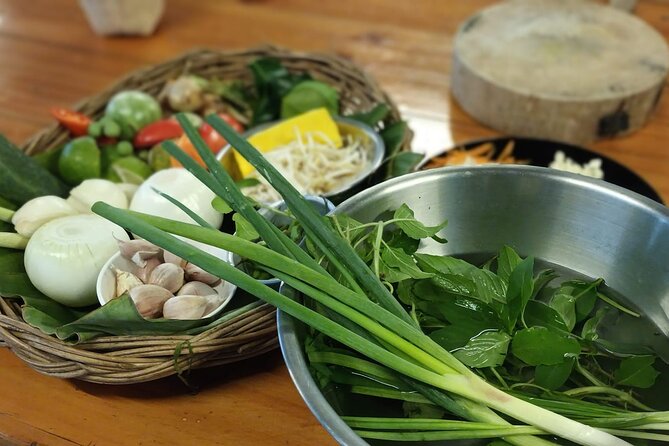
Mango sticky rice is one of those desserts that sounds simple until you try it. Getting sticky rice right matters, and this class includes instruction for everyone to make the sticky rice base used for the mango sticky rice dessert.
Thai mango sticky rice isn’t just about sweet mango. It’s about balance—sweetness from mango and the right texture from the rice, paired with the right finishing flavors. Since this is taught as a core part of the class (not a last-second add-on), you’re likely to leave with a process you can repeat.
If you’re thinking ahead: take notes on timing. Sticky rice is sensitive to how long it sits. If you’re recreating at home, your best results will come from doing the steps in the same order and not letting the rice cool too long.
Transfers and timing: planning your Chiang Mai day
This is designed as a smooth, half-day experience. You’ll get round-trip hotel transfer as long as you’re within roughly 3 km of the city area. The exact pickup timing will depend on your booking, but the overall duration is about 4 hours.
Two practical things to plan around:
- Start the day ready to cook and eat. Since alcohol isn’t included (and can be purchased), don’t assume the class provides anything beyond water.
- Wear shoes you can move in. You’ll likely do some walking between the market, garden, and kitchen work area.
Also, the tour uses a mobile ticket. That’s helpful because you can keep everything in your phone and avoid paper scrambling.
Price and value: what $35.86 gets you in real terms
At $35.86 per person for about four hours, this class sits in the “serious value” zone for Chiang Mai cooking experiences—especially if you care about learning core Thai techniques.
Here’s what your money supports beyond the meal:
- Market visit and ingredient selection
- Organic garden stop and herb/vegetable connection
- Curry paste from scratch instruction
- Mango sticky rice skill instruction
- English recipes/instructions and an online PDF recipe book
- Round-trip pickup within the city zone
- Water for the class
In plain terms: you’re paying for guided, hands-on cooking plus the ingredients used in the lesson. Many “cheap” classes end up giving you one dish, one cooking step, and a ticket to eat. This one is structured around repeatable skills—especially curry paste and sticky rice—so you get more than one-time satisfaction.
Who this fits best (and who might want to choose another style)
This class is a great match if you:
- Love Thai food and want to understand how flavors start, not just how they end up on the plate
- Want to cook with others in a small group rather than joining a huge tour
- Prefer options, since you can choose dishes instead of being forced into a menu
- Think you’ll cook Thai food again later (the PDF recipe book is a big clue)
It might be less ideal if you:
- Want a heavily lecture-style market tour with detailed commentary on every ingredient for the full duration
- Are the kind of person who needs every step from scratch, all the way from raw to finished for every ingredient. Some sessions can include partial prep, and that’s worth knowing up front.
Quick heads-up: areas to watch so you leave happy
A couple of practical points can help you get the most from your class:
- Market guidance level can vary. If you care about the “why” behind each ingredient, ask early and often.
- Some ingredients may be partly prepped. That can make the class smoother and faster, but if you want 100% scratch-to-finish for everything, manage expectations.
- Pickup only covers a limited radius. If your hotel is outside the stated city-area range (about 3 km), you may need extra coordination.
- You’re cooking and eating within a short window. Skip a big lunch. Your future self will thank you.
None of this feels like a deal-breaker. It’s more about aligning your expectations with a hands-on group class schedule.
Should you book ThaiCottage’s organic garden cooking class?
Yes—if you want a Thai cooking class that’s built around core skills and real ingredient context.
Book it if curry paste and mango sticky rice are on your must-learn list, or if you like the idea of combining a market stop with an organic garden kitchen. The small group size, English support, and online PDF recipe book make it a practical choice for anyone who plans to cook again after Chiang Mai.
Skip it (or at least compare alternatives) if you expect a fully guided, item-by-item market lesson with no partial prep anywhere in the cooking process. Based on real feedback, the experience is hands-on and efficient, not a never-ending tutorial.
If you’re in Chiang Mai and you want to bring home more than photos—if you want repeatable Thai cooking basics—this one is a strong pick.
FAQ
What’s included in the ThaiCottage class?
You get round-trip hotel transfer (within about 3 km from the city area), a local market visit, an organic Thai herb garden visit, ingredients and recipes/instructions in English, drinking water, and an online PDF recipe book.
How long is the cooking class in Chiang Mai?
The class runs for about 4 hours (approx.).
Can I choose what dishes I cook?
Yes. You choose from options, and you’ll also learn curry paste from scratch and make sticky rice for mango sticky rice.
Is alcohol included?
No. Alcoholic drinks are not included, but they may be available to purchase.
What group size should I expect?
The class has a maximum of 8 travelers.
What happens if weather is bad?
The experience requires good weather. If it’s canceled due to poor weather, you’ll be offered a different date or a full refund.