REVIEW · CHIANG MAI
Private Tour Pha Chor Canyon & Doi Inthanon National Park
Book on GetYourGuide →Operated by CHIANGMAI SIAM TRAVEL LTD.,PART. · Bookable on GetYourGuide
A day trip that takes you from canyon rock to Thailand’s rooftop. You’ll ride out of Chiang Mai in an air-conditioned private car and spend the day in cool mountain air, rain-etched scenery, and hill-tribe coffee stops. It’s the kind of outing that feels like two different trips stitched together.
I especially like how the route is paced for real viewing, not just photo stops. You get time for the Wachiratharn waterfall, the King and Queen’s pagodas, and a short hike on the Ang Ga trail without feeling rushed. I also like the guide factor: English-speaking guides you might meet, including Art, Bird, and Nopphadon, tend to bring details that make each place easier to enjoy and photograph.
One key thing to plan around: Pha Chor Canyon (Mae Wang National Park area) closes yearly from March 1 to April 30 to protect the park. If your dates land in that window, you’ll want to confirm how your day is adjusted.
In This Review
- Key things worth knowing before you go
- Price and logistics: what $151 buys you for 10 hours
- Mae Wang National Park and Pha Chor Canyon: erosion art, up close
- Season reality check
- Wachiratharn Waterfall: timing it for photos and comfort
- Heat vs. early hours
- Doi Inthanon’s highest point: pagodas, high humidity, and Ang Ga trail
- Phra Mahathat Naphamethanidon and the pagoda viewpoint circuit
- Ang Ga trail (about 25 minutes): the sweet spot hike
- Cell service: plan like you’re going off-grid
- Lunch and breaks: stay fueled for the altitude
- White Karen village and Ban Mae Klang Luang: terrace rice, real coffee, and a slower pace
- Extra food stops you might encounter
- What to bring: the list that keeps this day easy
- Timing tips that make the day smoother
- Who this tour is best for (and who should pick something else)
- Should you book this private day to Pha Chor and Doi Inthanon?
- FAQ
- How long is the tour, and what time do I get back to Chiang Mai?
- Is this a private tour with an English-speaking guide?
- What’s included in the price?
- Where do pickups happen in Chiang Mai?
- When is Pha Chor Canyon closed?
- What should I bring for Doi Inthanon’s weather?
Key things worth knowing before you go
- Private car, English guide, door-to-door pickup in Chiang Mai (within a 5 km radius of downtown).
- Pha Chor Canyon is seasonal: closed March 1–April 30 each year.
- Doi Inthanon is cool and humid year-round, with the highest point at 2,565 meters.
- You’ll do a 25-minute walk on Ang Ga trail for forest views without needing to commit to a long trek.
- Karen village + terrace rice fields time ends with locally grown, freshly ground coffee.
- Early starts help—many people find the morning timing makes photos and heat management much easier.
Price and logistics: what $151 buys you for 10 hours
For about $151 per person, you’re paying for a full private day outside the city, with the big cost items handled up front: round-trip private transportation, English-speaking guide, entrance fees, lunch, drinking water, and accident insurance. In practical terms, it’s easier (and usually more comfortable) than arranging multiple stops on your own, especially when the drive is long and you’ll be moving between different areas of Doi Inthanon.
The “private” part matters here. Doi Inthanon and the canyon area are the kind of places where timing changes your whole experience—quiet moments vs. crowds, shade vs. sun, and dry footing vs. slippery paths. A private guide also makes it easier to match the pace to your energy level, which is handy when the air gets cooler and wetter at altitude.
One logistics note: pickup is included for accommodations in Chiang Mai city within 5 kilometers of the downtown. If your hotel is farther out, you’ll likely pay extra for transportation.
You can also read our reviews of more private tours in Chiang Mai

Mae Wang National Park and Pha Chor Canyon: erosion art, up close
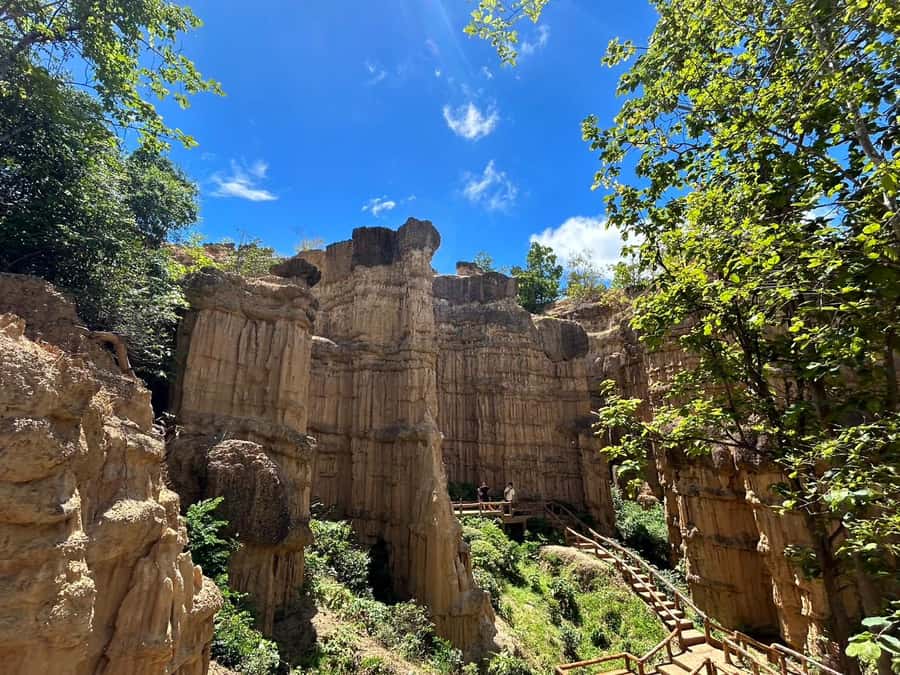
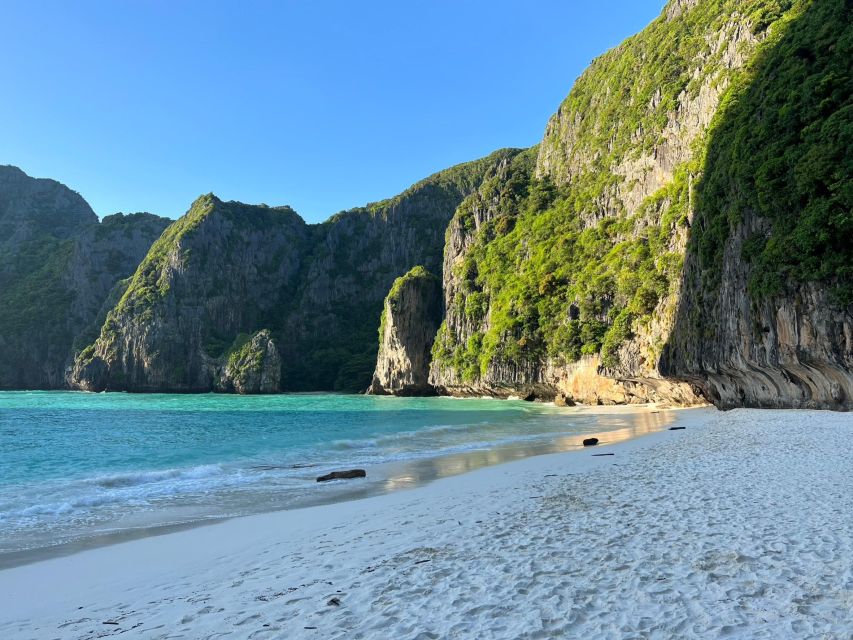
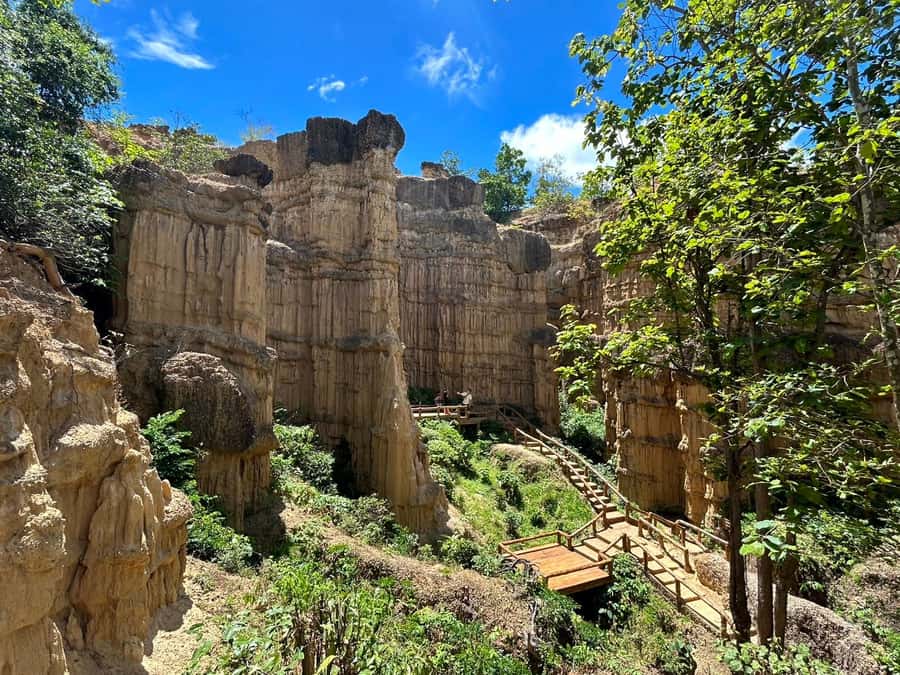
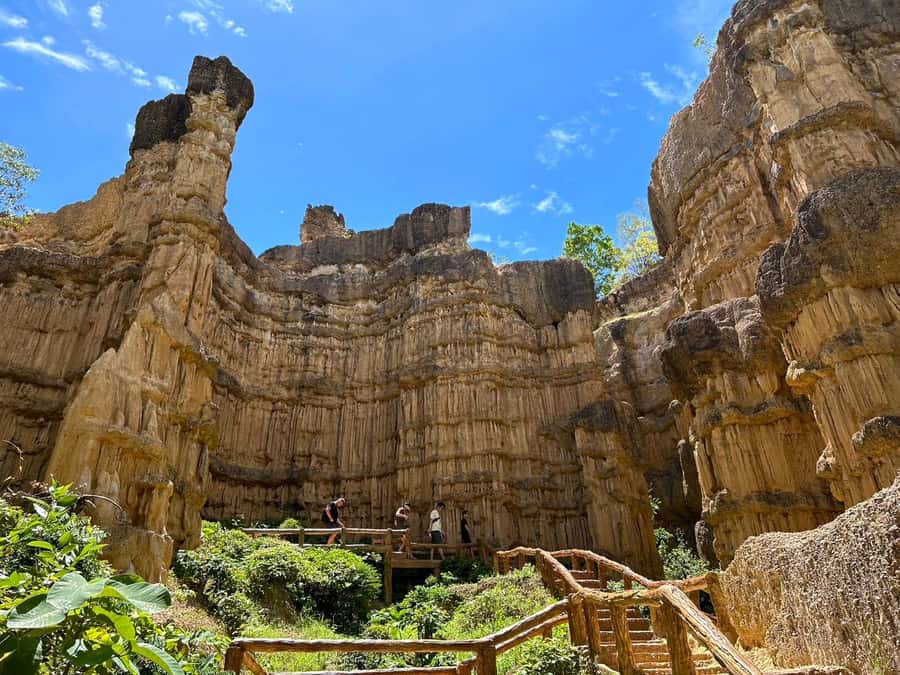
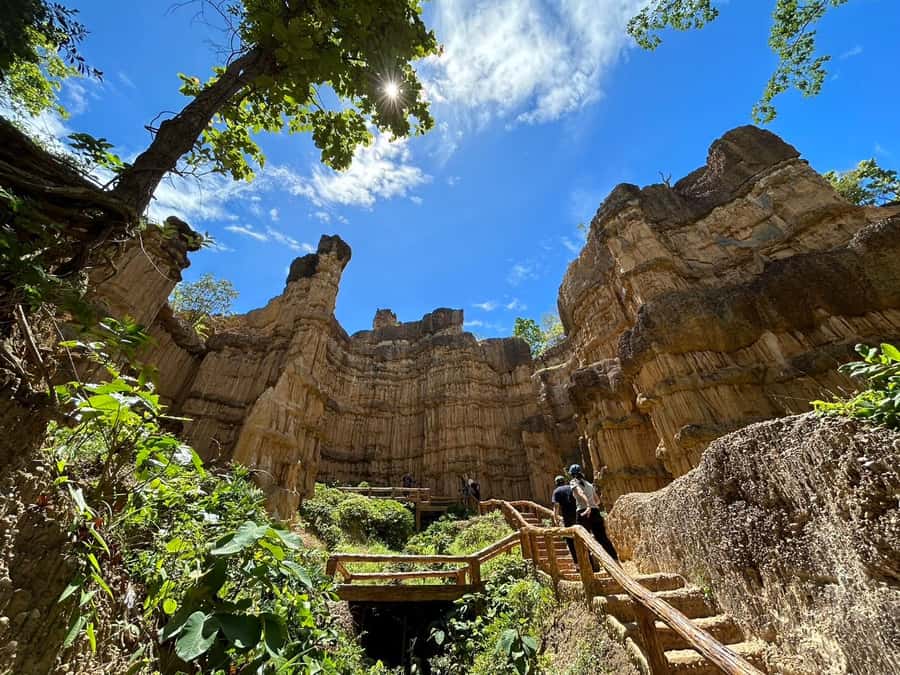
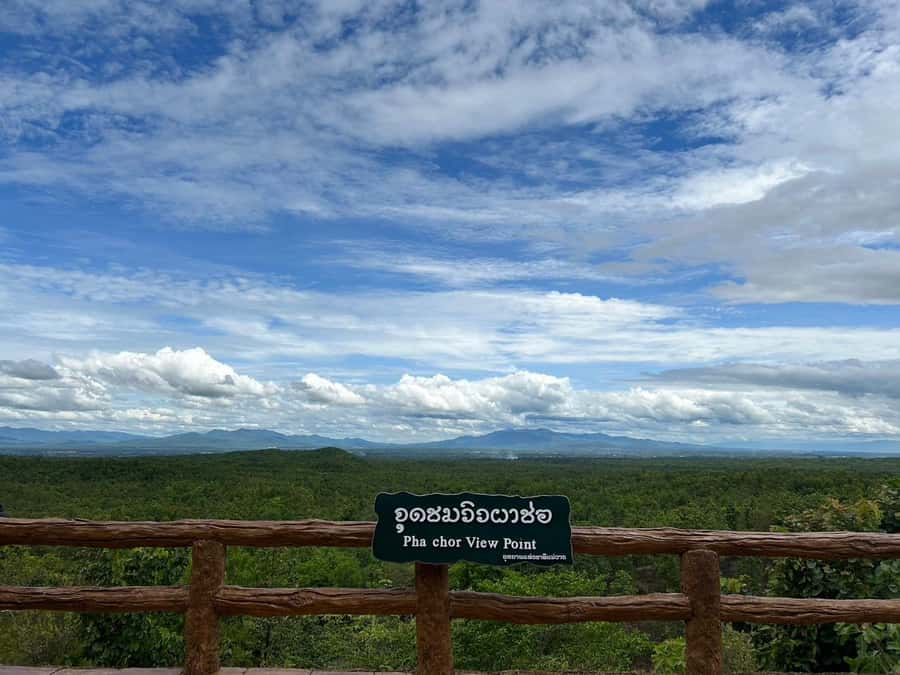
Pha Chor Canyon is a natural phenomenon shaped over a very long time by wind and rain erosion. The result is the kind of rock formations you keep noticing from different angles—less like a monument, more like nature doing its slow work. The canyon sits in the Mae Wang National Park supervision area in the Doi Lo District, so it feels tied to the broader mountain ecosystem rather than a standalone attraction.
This is also where you’ll appreciate a good morning plan. Even when you’re not planning a hardcore hike, you’ll likely be walking around viewpoints and paths with uneven ground. That means good shoes are not optional. Comfortable shoes help you enjoy the canyon details instead of thinking about your footing the entire time.
Season reality check
Remember the yearly closure: Pha Chor Canyon is shut from March 1 to April 30. If you travel in those months, don’t assume the canyon visit will happen. Ask your operator to confirm what replaces it on your exact date.
Wachiratharn Waterfall: timing it for photos and comfort
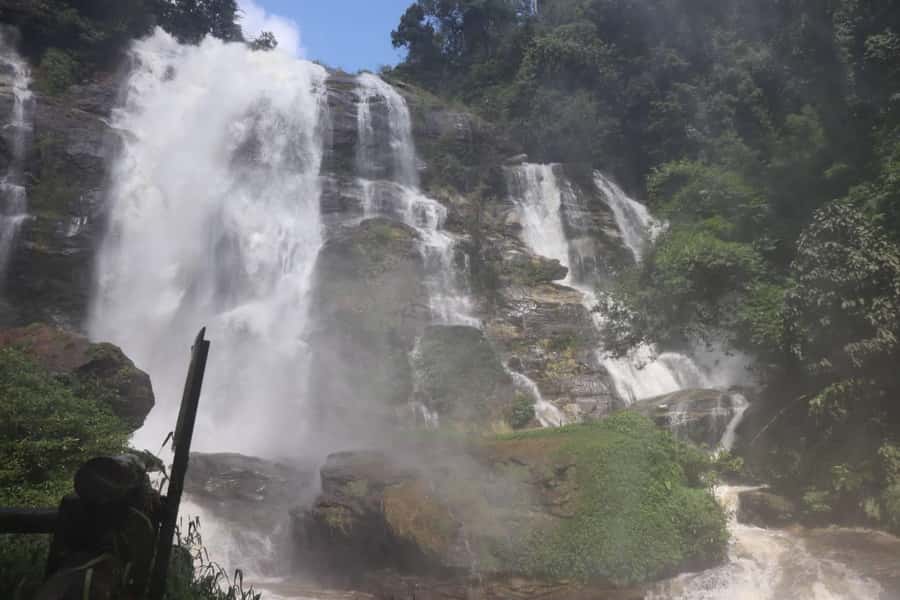
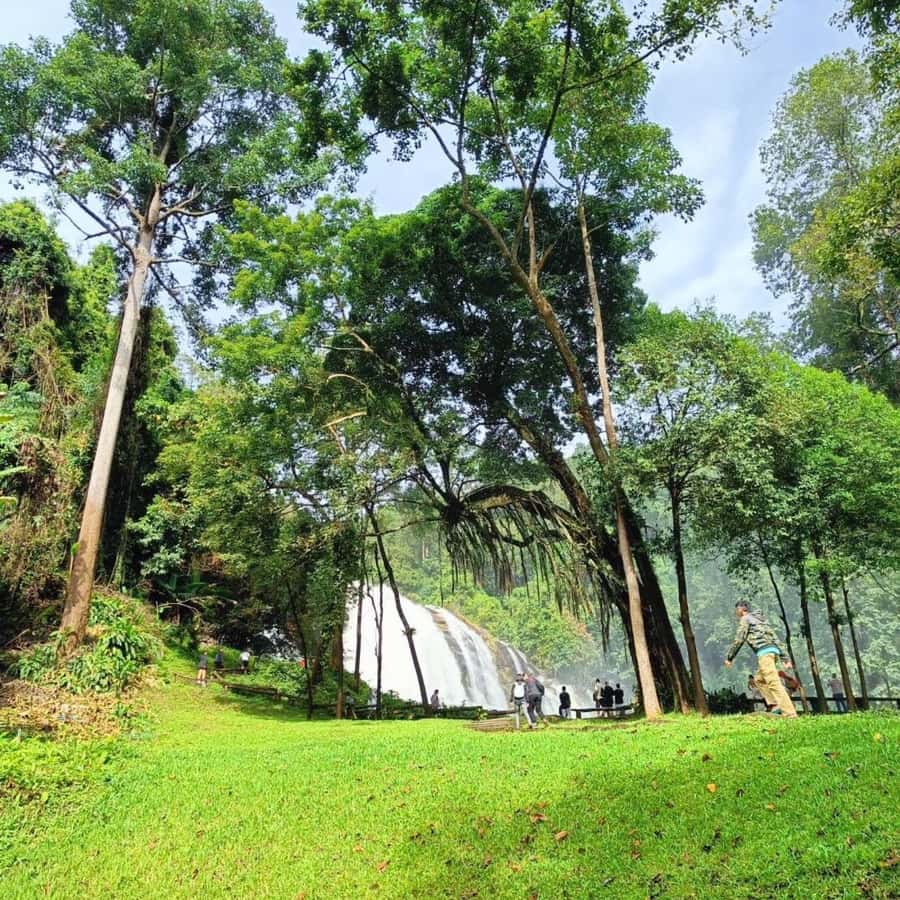
Next comes Wachiratharn Waterfall, one of the classic Doi Inthanon-style moments—water dropping in a forested area, with the air feeling fresher around it. Waterfalls are also weather-sensitive in the best way. If conditions are right, you may even catch a rainbow effect from the mist.
This stop is a good reset point after canyon walking. You get sightseeing time that isn’t just about staring at water—you can also use it to cool down before the higher-altitude sections later in the day.
Heat vs. early hours
If you’re visiting in warmer months, start early. One of the best practical tips from past experiences is that a 7:30 a.m. start (even 7 a.m. if possible) helps. You’ll be calmer in the heat, and you’ll often reach key spots before the busiest wave of day-trippers. That doesn’t just improve comfort—it improves photos too, since you’re working with cleaner lines and less crowd noise.


Doi Inthanon’s highest point: pagodas, high humidity, and Ang Ga trail
Doi Inthanon National Park is where the day really shifts gears. The park is known for high humidity and cool weather year-round, and you’re heading up to the highest point in Thailand at 2,565 meters above sea level. At that altitude, you’ll feel the temperature difference even if Chiang Mai is warm.
That’s why I like this tour layout: it builds in a natural rhythm—waterfall, then pagodas and viewpoints, then the higher point and a short trail walk. You’re not jumping straight into the coldest part of the day without warming up your body first.
Phra Mahathat Naphamethanidon and the pagoda viewpoint circuit
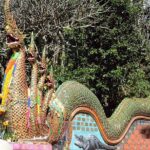
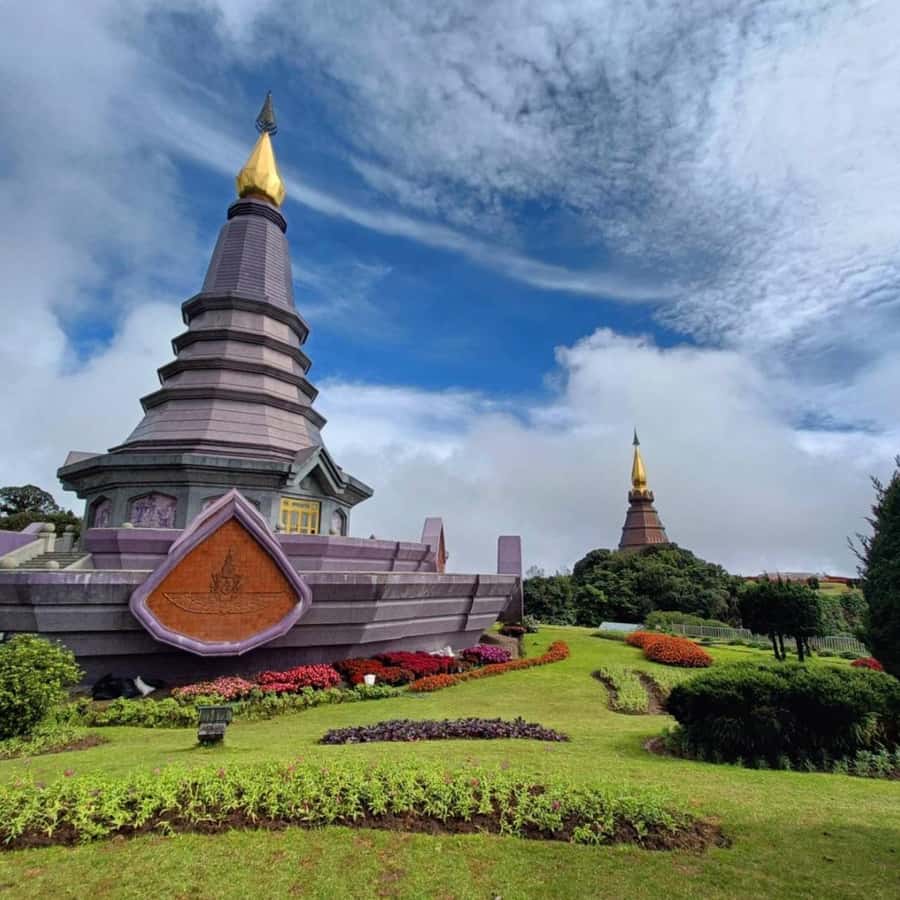
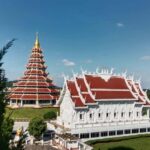
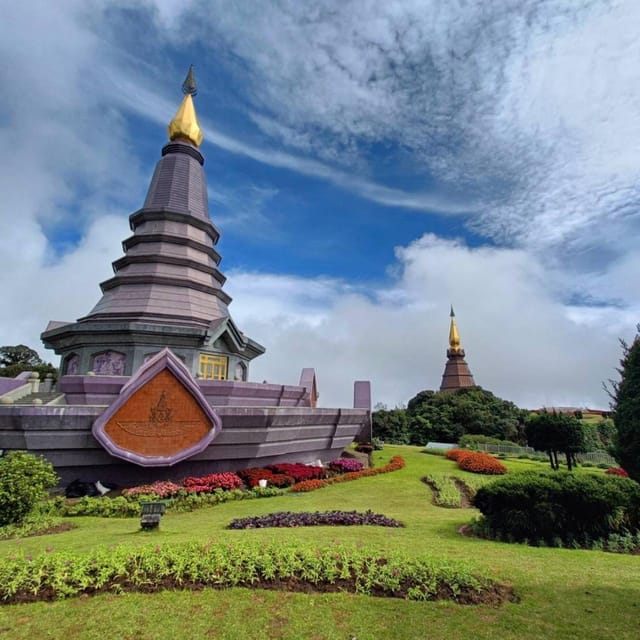
You’ll visit Phra Mahathat Naphamethanidon, a major religious complex inside Doi Inthanon. It’s the kind of place where you can combine cultural viewing with wide-angle mountain perspective. Then, you’ll move on to the King and Queen’s pagodas, known for their beautiful gardens and the views from above.
These pagodas are particularly worth your time if you care about more than just one angle. The gardens and the viewpoint positions let you look around in stages—first the structures, then the grounds, then the distant hills.
Ang Ga trail (about 25 minutes): the sweet spot hike
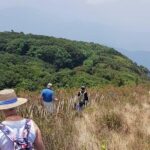
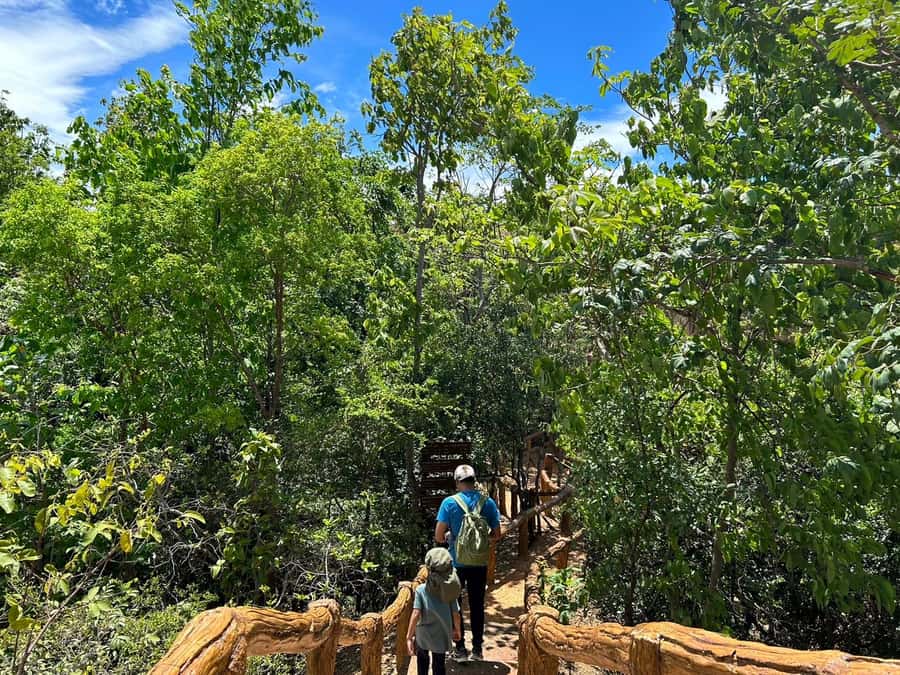
After the higher-point views, you’ll walk the Ang Ga trail, about 25 minutes. This is short enough that you won’t feel like you’re committing your whole day, but long enough to get the feeling of being inside the forest rather than just standing at a lookout.
Because it’s in humid, cooler mountain conditions, bring gear that keeps you comfortable if the weather shifts. If you feel cold easily, a light jacket matters more here than it does in the city.
Cell service: plan like you’re going off-grid
One practical thing to expect: cell service can drop off once you’re up on the mountain. I’d treat your phone like a camera only and not a navigation tool or data source. Your guide handles the route, so this just keeps you from worrying if your map or messages go quiet.
Lunch and breaks: stay fueled for the altitude
You’ll have lunch during the Doi Inthanon portion of the day. This timing is smart. Eating after you’ve been around waterfalls and pagodas helps you stay steady when the air gets cooler and your body needs more energy just to keep going.
One of the nice parts of this tour is that lunch and food stops aren’t treated as an afterthought. At the hill-tribe stop later, you’ll also get a coffee moment that feels like a genuine pause, not a random tourist checkbox.
White Karen village and Ban Mae Klang Luang: terrace rice, real coffee, and a slower pace
The final shift is toward culture and food. You’ll visit a White Karen hill tribe village in Ban Mae Klang Luang, including terrace rice fields. This is one of those sections where the tour becomes more human-scale. Instead of just taking in scenery, you’re moving through places where daily life is the point.
You’ll also get to try freshly ground, locally grown coffee. Coffee here is more than a drink—it’s a small story about land and labor, and the kind of souvenir you actually use at home. A cup of warm coffee in mountain air is also just plain comforting after hours outdoors.
Extra food stops you might encounter
Some days, you may also be taken to a local food market or a coffee-related stop where you can taste and learn more about local products. Because your exact flow can depend on timing and guide preferences, I’d treat this as a possible bonus rather than a guaranteed fixed stop—but when it happens, it tends to add flavor and context to the coffee and snack experience.
What to bring: the list that keeps this day easy
This tour mixes canyon walking, waterfall sightseeing, and high-altitude conditions, so you don’t want to pack light on the wrong stuff. Use this as your checklist:
- Comfortable shoes and/or hiking shoes with grip
- Warm clothing and a jacket (yes, even if Chiang Mai feels warm)
- Hat for sun
- Camera (this day gives you a lot of good angles)
- Sunscreen
- Insect repellent
- Long pants
- Personal medication
If you’re the type who hates being cold, I’d bring an extra layer even if you expect mild weather. The park’s year-round cool vibe is real, and getting chilled mid-walk can make you feel slower than you are.
Timing tips that make the day smoother
A 10-hour private day sounds straightforward, but the success of mountain tours often comes down to timing.
- Start early if you can. A 7:30 a.m. pickup timing (or earlier when offered) helps with heat and makes viewpoints feel calmer.
- Plan for short walks, not long hikes. The Ang Ga trail is about 25 minutes, so you can enjoy it without overthinking.
- Bring patience for weather. Humidity and mist can change what you see at the waterfall and higher viewpoints. That’s part of the mountain deal.
You’ll generally be out from pickup in Chiang Mai until around 18:30, when you’re dropped back at your accommodation.
Who this tour is best for (and who should pick something else)
This tour is a strong fit if you want a single day that covers:
- canyon scenery (Pha Chor),
- a classic waterfall stop (Wachiratharn),
- major park viewpoints and pagodas (including King and Queen’s pagodas),
- Thailand’s highest point at 2,565 meters,
- plus a culture-and-food finish with the Karen village and coffee.
It’s also a good choice for solo travelers who want a guide when cell service drops and when driving between dispersed sites might feel stressful.
You might consider a different option if you:
- want zero walking and only flat, fully paved sights,
- are traveling strictly in the March 1–April 30 window (Pha Chor Canyon closure can affect that specific experience),
- or get motion-sick easily on winding mountain drives (the transport is private and generally smooth, but it is still mountain road travel).
Should you book this private day to Pha Chor and Doi Inthanon?
If you’re trying to get beyond Chiang Mai’s city limits and into Thailand’s mountain textures, I’d book it—especially for the combination of natural stops and cultural viewpoints in one day. The value feels solid because you’re not just buying admission; you’re buying transportation, guide time, lunch, and the comfort of being handled from start to finish.
My main “yes, but” is the seasonal closure. If your trip falls between March 1 and April 30, double-check how your day will be adapted if Pha Chor Canyon is off the table.
If you can start early, pack warm layers, and wear grippy shoes, this is the kind of day that gives you strong memories: pagodas with wide views, a waterfall moment, the cool lift of altitude, and coffee that tastes like a place—not a souvenir aisle.
FAQ
How long is the tour, and what time do I get back to Chiang Mai?
The tour runs for about 10 hours, with drop-off back in Chiang Mai at around 18:30.
Is this a private tour with an English-speaking guide?
Yes. It’s a private group tour with an English-speaking guide.
What’s included in the price?
The price includes pickup and drop-off by private air-conditioned car, entrance fees, lunch, drinking water, English-speaking guide, and accident insurance.
Where do pickups happen in Chiang Mai?
Pickup is included for your accommodation in Chiang Mai city within a 5 km radius from downtown. If your place is farther than that, extra transportation cost may apply.
When is Pha Chor Canyon closed?
Pha Chor (Mae Wang National Park) is closed annually from March 1 to April 30.
What should I bring for Doi Inthanon’s weather?
Bring warm clothing and a jacket, plus comfortable shoes, a hat, sunscreen, insect repellent, and long pants.