REVIEW · KO TAO
Ko Tao: Try Scuba Diving 1-Day Experience
Book on GetYourGuide →Operated by LBD Diving Koh Tao · Bookable on GetYourGuide
Your first breaths underwater can feel easy. This one-day try scuba experience is built for complete beginners, with a safety-first briefing before you ever go below the surface, then guided time in Ko Tao’s calm bays up to a 12-meter limit.
I love how the day gives you real practice instead of rushing you. You start with shallow-water skills so your body learns the rhythm of regulator breathing and basic control before you go deeper. One thing to consider: transportation isn’t a sure thing, and I’ve seen at least one person mention a long walk from their hotel.
In This Review
- Key things that make this Ko Tao try scuba day worth it
- Where You Start in Sairee: Meet at 9:30 and Get Fitted
- Safety Briefing and the Quiz: Why It Helps First Timers
- The 12 PM Boat Ride: Relax Until the Calm Bay
- Shallow-Water Skills: The Part That Makes or Breaks Your Confidence
- Up to 12 Meters: Your First Real Moment Below the Surface
- Your Optional Second Water Session: Often the Best Value
- Price and Value: $77 for a Whole Day of Instruction
- What’s Provided vs. What You Bring
- Timing, Underwater Time, and What the Day Actually Feels Like
- Health and Comfort: Ear Pressure and Regulator Nerves
- Who Should Book This Ko Tao Try Scuba Day
- Should You Book It: My Simple Decision Guide
- FAQ
- Do I need prior scuba experience?
- How deep do you go?
- Is the second underwater session included?
- What time does the activity start and end?
- What should I bring, and what is not allowed?
- What languages are offered?
Key things that make this Ko Tao try scuba day worth it
- Small-group feel and extra instructor time: some groups split into smaller pockets so you’re not lost.
- Safety routine you repeat: briefing plus a short quiz to make sure procedures stick.
- Shallow-water confidence building: skills first, deeper water after.
- A real guided max depth (12 meters): not just a timid splash, but controlled progress.
- Optional second water session: usually where the ocean feels even bigger and the marine life feels more satisfying.
Where You Start in Sairee: Meet at 9:30 and Get Fitted
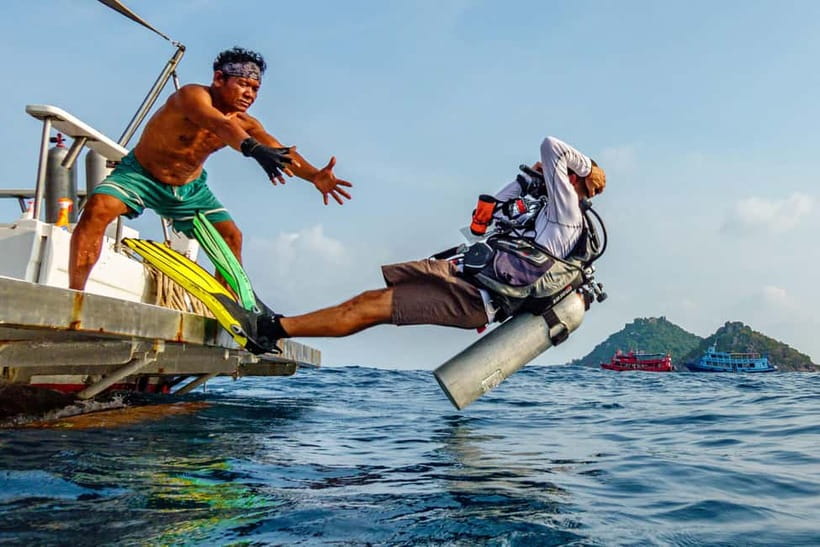
The day starts early—9:30 AM—at LBD’s Scuba Centre right on the beach at Grand Beach Resort in Sairee. The front desk is easy to find if you’re already hanging around Sairee; it’s literally beachside.
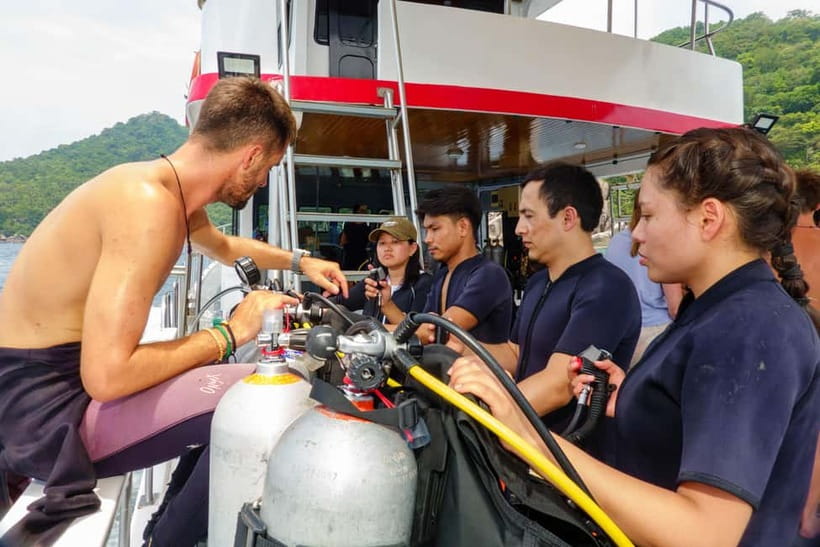
Once you arrive, plan on a smooth chain of setup steps: you’ll get fitted with your equipment and get oriented for the rest of the morning. This matters more than it sounds. When gear fits well—mask seal, straps where they should be—you spend less time fiddling and more time learning.
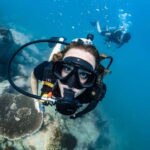
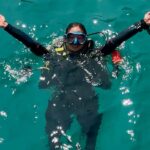
After the fit, you’re not thrown into the water. You get a safety briefing and a short quiz to confirm you understood the key procedures. That quiz is a good sign: it usually means the team wants you to be able to follow instructions when you’re stressed.
You can also read our reviews of more scuba diving tours in Ko Tao
Safety Briefing and the Quiz: Why It Helps First Timers
What I like most here is the calm, structured approach. A lot of first-timers worry about feeling out of control. This format attacks that directly: theory first, then practical coaching.
In the style of instructors praised across multiple days, names like Nikolas, Arland, Alberto, Az, Ernesto, and Max show up as examples of guides who stay patient and reassuring. The point isn’t who you get—it’s that the instruction style is built around reducing panic.
They also coach you through the real “what if” moments people fear:
- breathing through the regulator when it feels strange
- remembering hand signals and basic procedures
- equalizing your ears as you go deeper
- staying relaxed when you feel heavier in the water
If you’re nervous, this is where you’ll feel that nervousness gets translated into steps you can follow.
The 12 PM Boat Ride: Relax Until the Calm Bay
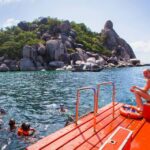
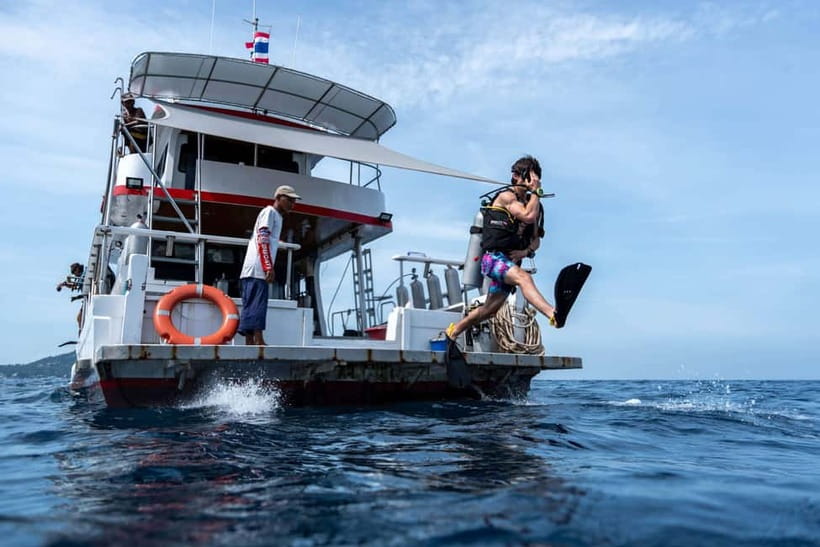
At 12:00 PM, you leave the beach and board a custom-built boat with facilities onboard. You’ll typically have time to relax on the sun deck while the staff sets up the kit for you.
From reviews, the ride to the first underwater spot is short—often around 10–15 minutes—and then the schedule moves quickly between locations. That’s practical in a one-day format. You get less “travel time” and more actual water time.
This portion also helps with nerves. If you’ve ever had butterflies before a new activity, being on a steady boat ride, not yet in the water, is a nice psychological buffer. You can focus on hydration and breathing calmly while you wait.
Shallow-Water Skills: The Part That Makes or Breaks Your Confidence
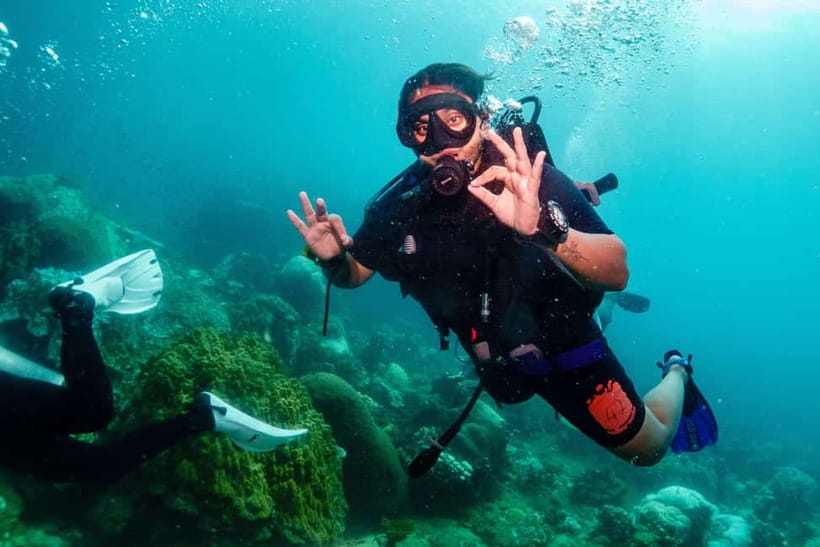
Your first real learning happens in the calm bay with shallow water. This is where the experience earns its beginner-friendly reputation.
Instead of jumping straight to deeper water, you’ll start by practicing basic skills with your instructor right where it feels manageable. That setup is the difference between:
- feeling like you’re learning something new
vs.
- feeling like you’re being judged for not already knowing it
I especially like that the instructors guide your pace. People mention ear issues at the start—equalizing can be tricky at first—and the support helps you get through it. The same goes for the breathing-through-the regulator moment, which can feel awkward until it becomes normal.
You’ll also notice one practical truth: scuba equipment is heavy on land, even before you’re in the water. That can feel surprising at check-in, but once you’re supported in the water, it stops feeling like a weight challenge and becomes a control/comfort challenge—something your instructor helps you manage.
Up to 12 Meters: Your First Real Moment Below the Surface
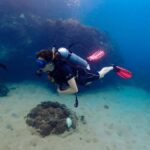
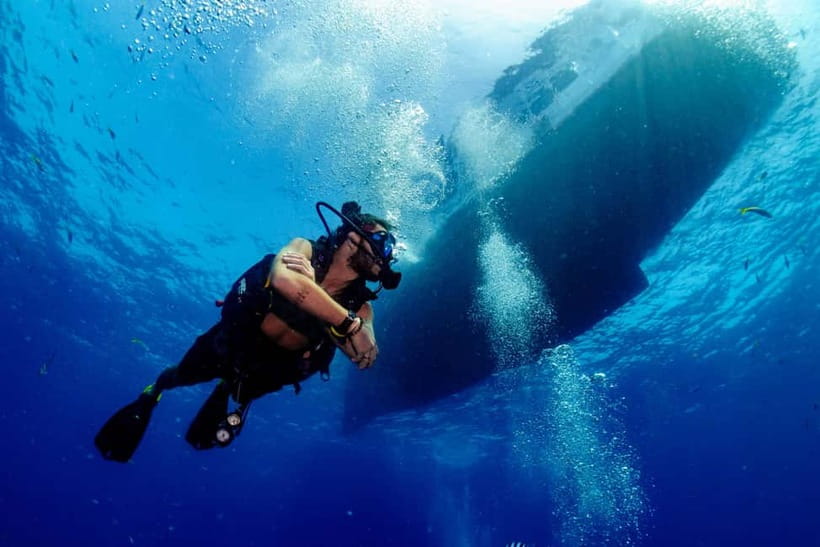
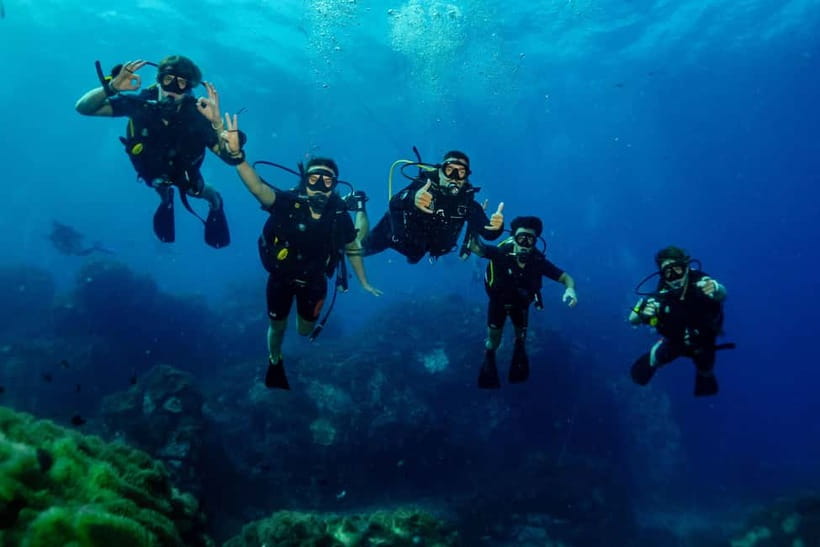
After the shallow-water practice, your instructor leads you to a maximum depth of 12 meters. The day is designed so the deeper part feels like the next step, not a sudden leap.
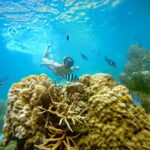
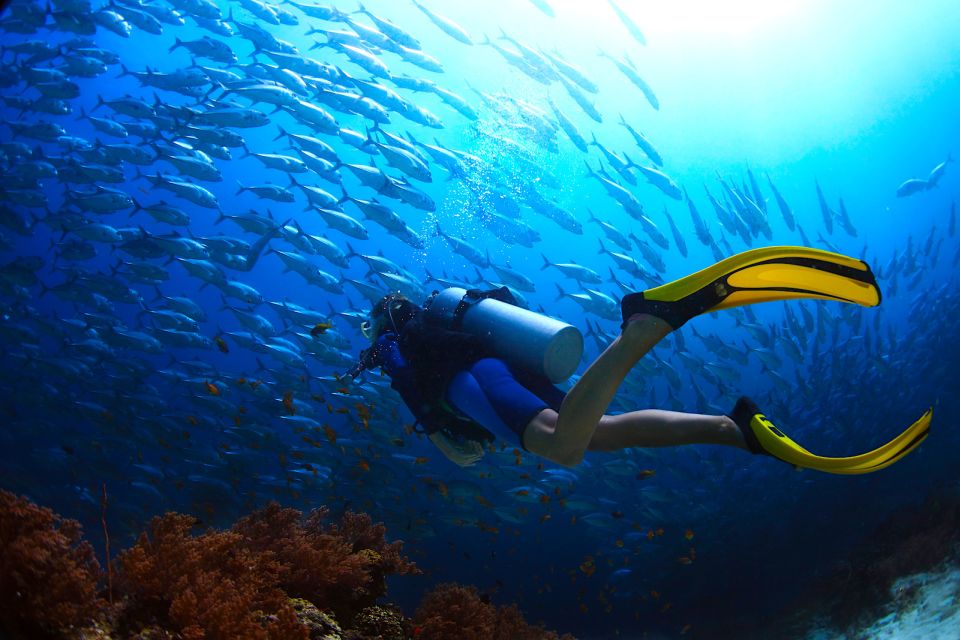
This is the moment most people come for: seeing the variety of marine life Ko Tao is known for. In the experiences I saw described, turtles are a standout. One guide helped spot a turtle, and more than one person highlighted how the second session often makes these sightings feel even better.
Depth matters here in a beginner context. Going to 12 meters is enough to feel like you’ve truly entered the underwater world—without pushing you into advanced territory. And because the morning focused on skills and procedures, you’re more likely to stay relaxed.
One note: visibility can change with Mother Nature. If conditions are less clear on the day you go, it doesn’t mean you made a bad choice—it just means you’ll have a different view than the bright days.
A few more Ko Tao tours and experiences worth a look
Your Optional Second Water Session: Often the Best Value
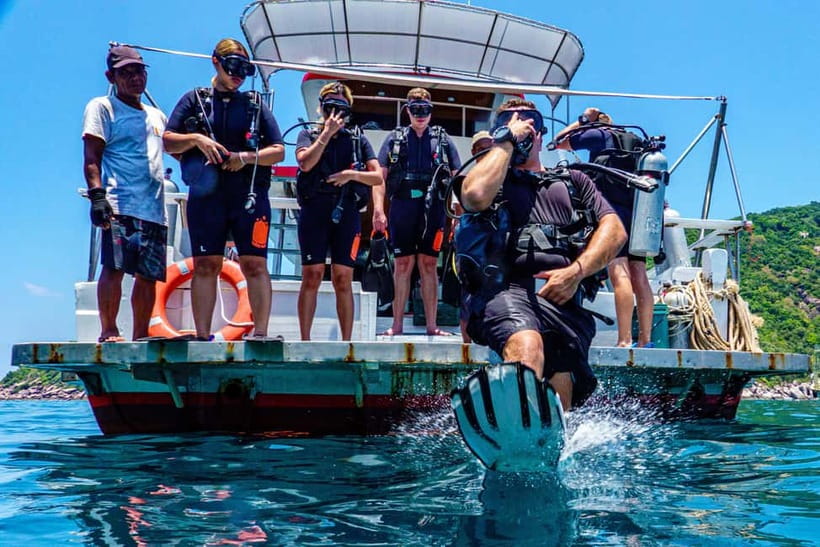
After your first underwater session, you return to the boat, relax, and then you get the option to go again. The second session costs 1000 baht and isn’t included in the base price.
Here’s the practical value argument for the second session: the morning teaches you how the equipment and breathing feel. The second time is when you stop thinking about procedures and start thinking about what you’re seeing—corals, fish, and the ocean’s small details.
Multiple accounts say they chose the second session and felt it was worth it because the underwater life seemed more satisfying the second time. If you’re already budgeting for one day in Ko Tao and you’re nervous on the first attempt, this is your chance to reset your mindset and enjoy the water more fully.
If you’re trying to keep costs down, you can still have a great day with just the first session. But if you’re even slightly tempted, plan your budget as if you’ll do both.
Price and Value: $77 for a Whole Day of Instruction
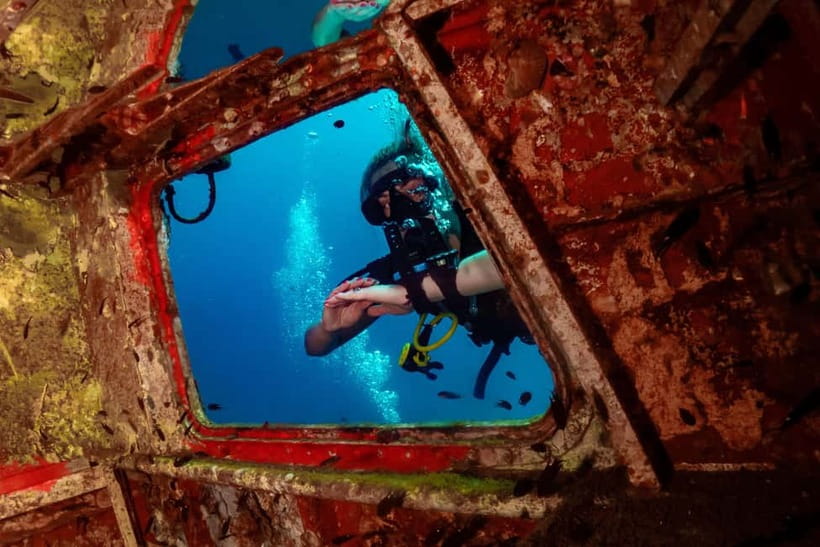
The base price is $77 per person, and that includes equipment, an experienced instructor, and refreshments on the boat.
Is that fair? For a beginner try day, the value is the full package:
- equipment fitting
- structured teaching and safety procedures
- guided water time
- boat transportation to calm spots
- instructor support at the exact moment you need it
The only clear add-on is the second session (1000 baht). Even then, the pricing structure is transparent: you’re not surprised later, and you control whether you want the extra time.
What makes the pricing feel especially reasonable is the instructor support. Some people report small group sizes and plenty of attention—for instance, groups where instructors split you into smaller pairs/groups so instruction stays personal.
What’s Provided vs. What You Bring
Here’s the practical checklist so nothing slows you down:
Included
- equipment
- experienced instructor
- refreshments on the boat (snacks)
Bring with you
- sun hat
- sunscreen
Phone and passport number
You’ll be asked to bring your phone and your passport number. Don’t leave this to the last minute. If you’re traveling with a group, it’s easy to forget one person’s details.
Not allowed
- waterproof cameras
If you want photos, ask ahead about options. One review notes that a photographer can be hired if you request it. That’s often the simplest workaround if waterproof cameras are off the table for your session.
Timing, Underwater Time, and What the Day Actually Feels Like
A good way to think about the schedule:
- 9:30 AM: meet at the beachside centre, fit gear
- morning: safety briefing and a short quiz, then preparation
- 12:00 PM: boat out to the water spots
- shallow practice first, then guided underwater to 12 meters
- around 4:30 PM: return back to the meeting point
Underwater time can vary by conditions and how the group is progressing. One person mentioned about 38 minutes underwater on the first session, which gives you a sense of what “enough time to feel it” looks like.
If you’re the type who likes to know what your day will feel like, this is not a rushed sport demo. It’s a paced training day with guided steps, then a chance to enjoy the results.
Health and Comfort: Ear Pressure and Regulator Nerves
Two common issues come up in first-time accounts: ear equalizing and breathing through the regulator.
If your ears feel blocked at first, don’t fight the urge to go too fast. Tell your instructor immediately and follow their cues. The whole system works because the guide can slow you down and keep you comfortable while you adjust.
If the regulator breathing feels strange, remember: the morning prep and coaching are built for that exact moment. The instructors praised for this experience often get credited with patience—people describe reassurance and clear instruction that removes the fear loop.
Also, they monitor air supply and oxygen. That isn’t something you should ignore as a beginner; it’s part of the reassurance that you won’t be guessing underwater.
Who Should Book This Ko Tao Try Scuba Day
This day fits best if you:
- want Ko Tao marine life without prior experience
- are short on time and want a one-day option
- like structured teaching and step-by-step support
- want the option for extra underwater time with the second session
It may feel less ideal if you:
- hate being outdoors all day in sun and wind without a lot of breaks
- expect a hotel shuttle included (at least one person reported a long walk from their accommodation)
- want to bring a waterproof camera for underwater shots
If you’re comfortable walking to the beach and you come prepared with sunscreen, this is a solid beginner path.
Should You Book It: My Simple Decision Guide
Book it if you want a beginner-friendly day that mixes real instruction with an actual underwater experience, up to 12 meters, in calm Ko Tao waters. The base price includes the core stuff you need, and the option for the second session gives you control over how much underwater time you want.
Skip it only if logistics from your hotel are a deal-breaker for you, or if you’re sure you don’t want the extra 1000 baht session. If you’re on the fence, I’d plan for the second session. That’s when most people say the ocean world feels like it clicks.
FAQ
Do I need prior scuba experience?
No. This try scuba experience is designed for complete beginners with no prior experience required.
How deep do you go?
The maximum depth is 12 meters.
Is the second underwater session included?
No. The second session costs 1000 baht and is not included in the base price.
What time does the activity start and end?
You meet at 9:30 AM and the activity returns around 4:30 PM to the same meeting point.
What should I bring, and what is not allowed?
Bring a sun hat and sunscreen. Waterproof cameras are not allowed.
What languages are offered?
The experience is offered in English and Spanish.