REVIEW · CHIANG MAI
Chiang Mai Home Cooking Class with Garden Tour & Hotel Transfers
Book on Viator →Operated by Traveling Spoon · Bookable on Viator
Cooking in a back garden feels personal.
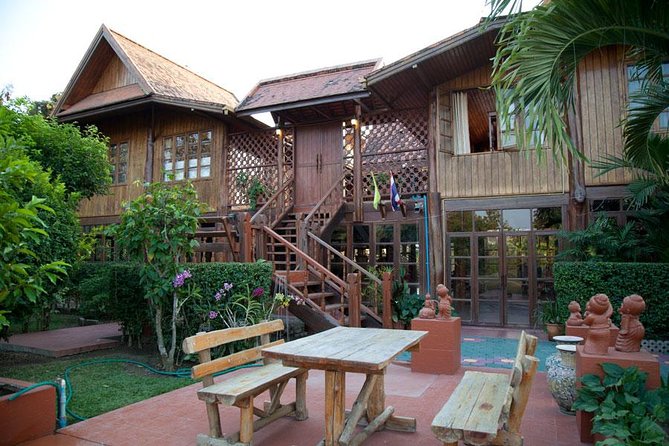
This Chiang Mai class sends you from your hotel to Pea’s traditional teak home, where you’ll pick ingredients from her garden and learn Northern Thai technique at a real family table. You also get to choose a lunch or dinner time slot, so it fits your day instead of forcing your schedule.
My favorite part was the hands-on instruction from Pea, plus the easy, friendly support from her son John during pickup and guidance. I also like that you don’t just watch. You cook four dishes from scratch, using ingredients straight from the garden and then sit down to eat your results with local beer.
One drawback to consider: you’re doing the work. If you expect a light tasting with minimal prep, this is more like a guided cooking session than a quick food tour.
In This Review
- Key things I’d circle before you book
- From Your Hotel to Pea’s Teak Home: The easiest kind of Chiang Mai day
- Pea’s Garden Tour: Herbs, ingredients, and the flavors you can recreate
- The kitchen lesson: cooking skills that translate beyond Chiang Mai
- What you’ll cook: four dishes from scratch, plus a sweet finish
- The family-table meal with local beer (and why it feels different)
- Dietary options: vegetarian, vegan, pescatarian, and gluten-free changes
- Budget and value: is $109 worth it?
- Who this class suits best (and who might want something else)
- Tips to get the most from your cooking session
- Should you book this Chiang Mai home cooking class?
- FAQ
- How long is the Chiang Mai Home Cooking Class with Garden Tour & Hotel Transfers?
- Do I get hotel pickup and drop-off?
- Can I choose lunch or dinner?
- How many dishes will we cook?
- Are vegetarian, vegan, pescatarian, or gluten-free options available?
- Is this a private tour?
- Is free cancellation available?
Key things I’d circle before you book
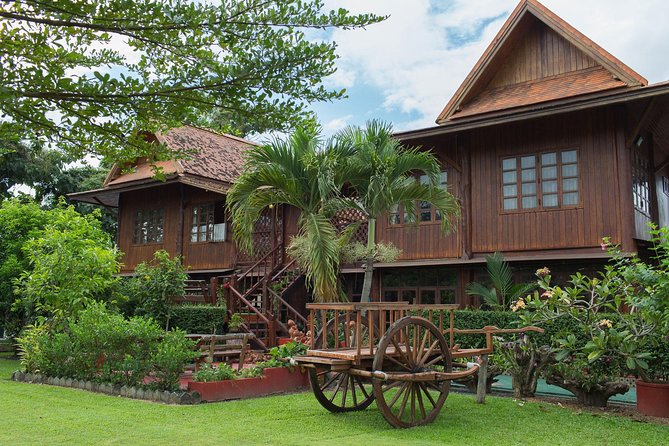
- Garden-to-kitchen start: You explore Pea’s home garden and herb basics before you cook
- True one-to-one feel: Private setup for your group, with clear guidance
- Four dishes, not just a demo: You build the meal step by step
- Real Thai-Chinese flavors: Think miang kham, curries, stir-fries, and rice noodles
- Dessert at the family table: Finishes like mango sticky rice or coconut ice cream
- Useful take-home value: One past guest noted receiving a grater that’s hard to find abroad
From Your Hotel to Pea’s Teak Home: The easiest kind of Chiang Mai day
What makes this class work is the comfort of the logistics. You get hotel pickup and drop-off from central Chiang Mai hotels, and the drive to Pea’s home is short—around 20 minutes in practice. That matters in Chiang Mai, where traffic can turn a “quick activity” into a half-day if you’re DIYing transport.
Once you’re in the vehicle, you’re not just being moved—you’re being oriented. In particular, John often handles pickup and can set expectations, which helps when you’re headed somewhere that feels more like a local home than a cooking school storefront.
The experience runs about 3 hours 30 minutes. That’s long enough to learn real skills and cook a full set of dishes, but not so long that it derails your sightseeing plans. Still, it helps to treat it like an activity with a rhythm: you’ll move from garden to kitchen to dining, and there’s some natural downtime between steps.
If you like your travel days simple—one set location, one schedule, one team—this format is a big win.
You can also read our reviews of more cooking classes in Chiang Mai
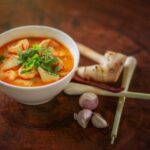
Pea’s Garden Tour: Herbs, ingredients, and the flavors you can recreate
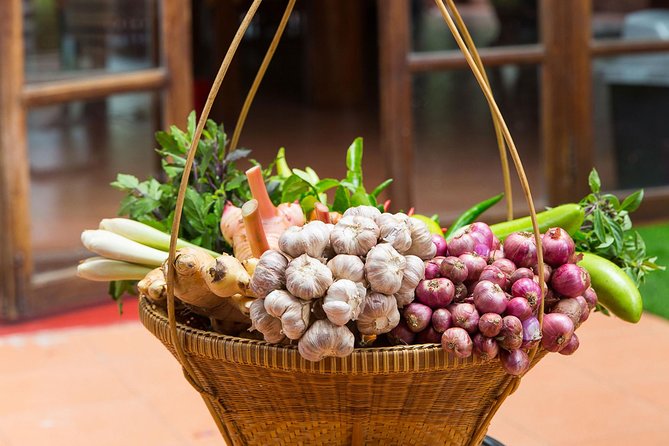
The tour begins outdoors, at Pea’s lush home garden. This isn’t the kind of garden tour where someone points at plants for two minutes and calls it a day. You’ll learn about the herbs and ingredients that anchor Northern Thai cooking, and you’ll see what “fresh” means when it’s being used within the same meal.
There’s a quiet logic to starting here. Many Thai dishes taste right because of one or two key plant flavors—things like aromatic leaves, fresh herbs, and crunchy greens. When you connect the plant to the plate, you’re more likely to recreate the dish at home without guessing.
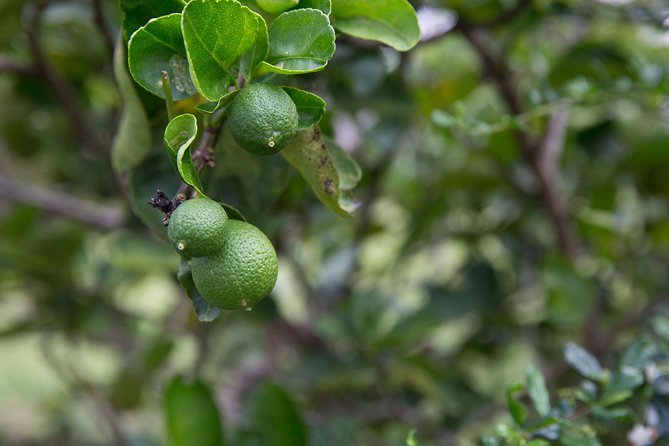
You should also pay attention to the garden’s practical lesson: what you can actually use when you cook later. The class uses organic ingredients, and uses oils like rice or coconut oil. That gives you a clearer baseline for substitutions at home.
What to watch for: this part is outdoors. If it’s humid or rainy, you might want a light layer and a small towel. You’re learning, but you’re also standing and walking briefly.
The garden portion is also a cultural shift. Chiang Mai cooking isn’t just about heat and noodles. It’s about the balance between fresh aromatics, savory sauces, and texture. Seeing the raw ingredients first makes those balances easier to understand.
The kitchen lesson: cooking skills that translate beyond Chiang Mai
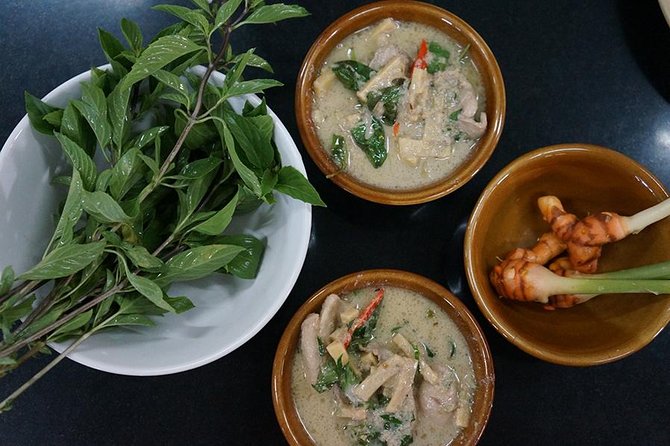
Once you’re in the kitchen, Pea’s teaching style is the backbone of the whole experience. The guidance is described as clear and easy to follow, with professional tips and tricks that help the dishes come out right at home.
This is where the class stops being a fun meal and becomes a useful skill session.
You’ll learn more than what to cook. You’ll learn how to approach it:
- how to manage flavors so curries taste layered, not just hot
- how to stir and cook veggies for the right texture
- how to build dishes like miang kham where balance matters (crunch, sweet, savory, herbal)
Also, the class is designed around preparation and process, not just plating. That one detail changes everything if you want to cook Thai food later and not rely on a takeaway menu.
Another thing I appreciate: the class is private. That means you’re less likely to feel rushed, lost, or stuck waiting while other groups move ahead. For many people, this is the difference between a memorable meal and a real “I can do this again” outcome.
If you’re cooking in pairs, it also makes a good honeymoon activity or a low-stress family event. Kids can take part too, since the class is hands-on and structured.
What you’ll cook: four dishes from scratch, plus a sweet finish
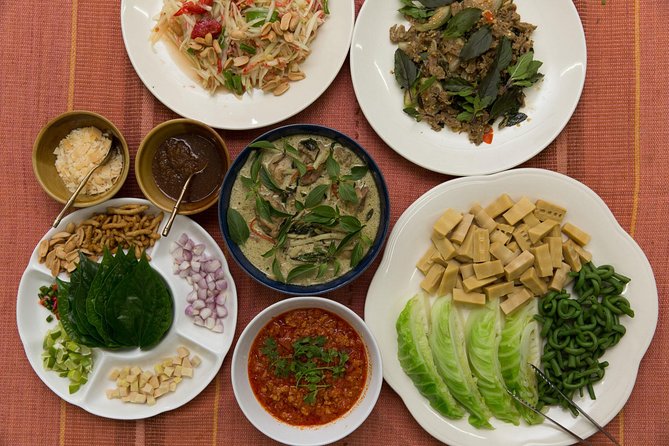
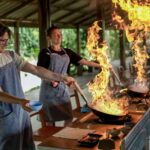
You’ll prepare four dishes from scratch with Pea’s guidance. The menu isn’t described as a cooking buffet style. It’s a curated set that teaches core Northern Thai and Thai-Chinese flavor ideas.
From the experience description, expect dishes that could include:
- miang kham, a bite snack built around betel leaf
- bold curries
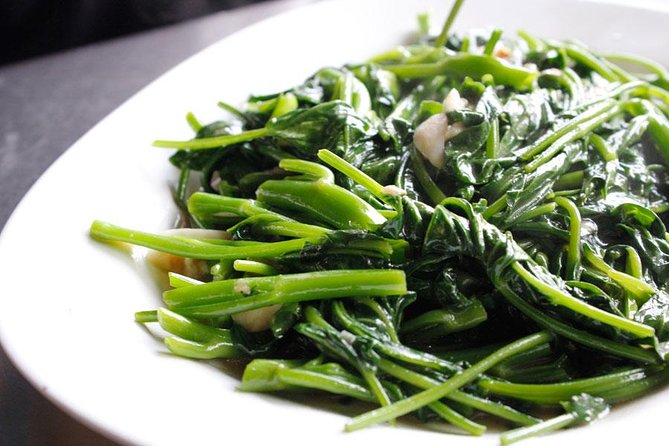
- stir-fried veggies
- rice noodles
Then you’ll sit down for the meal you created, often paired with local beer. The day typically ends with a sweet like mango sticky rice or creamy coconut ice cream.
Why this dish count is a smart choice: four dishes give you variety, but still let you learn technique without turning the class into a marathon. You’ll likely feel like you cooked a real dinner, not just sampled three things.
Also, if you’ve eaten Thai food in restaurants before, you’ll notice something important. Restaurant versions can sometimes feel uniform because the ingredients and flavor building happen off-camera. Here, you see the moving pieces—fresh herb notes, sauce building, and how cooking timing affects texture.
And yes, the garden connection makes this menu land harder. When you’ve seen the herb first, the flavors feel less like a mystery.
The family-table meal with local beer (and why it feels different)
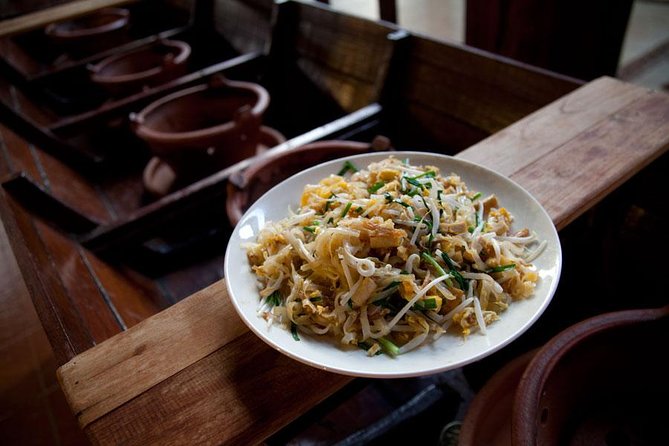
After the cooking, you don’t leave immediately. You eat what you made at the dining table, in a home setting.
That part matters more than it sounds. In a restaurant, the chef does the work and you just judge the result. Here, you see the process, so your meal turns into a feedback loop. You notice things like:
- what happens when a sauce is cooked a little longer
- how the herbal elements change the bite
- which components work best together
A local beer is included with the meal, which adds to the relaxed pace. It’s not described as a party atmosphere. More like a calm family dinner rhythm where the learning doesn’t stop at the cutting board.
One more practical note: because you’re eating at the same location, this class avoids the common travel problem where you’re hungry again the minute the activity ends.
A few more Chiang Mai tours and experiences worth a look
Dietary options: vegetarian, vegan, pescatarian, and gluten-free changes
If your diet is complicated, this class is worth a careful look. It explicitly offers options for vegetarian, pescatarian, vegan, and gluten-free diets. The key is timing: you need to advise the operator when you book if you have allergies or dietary restrictions.
That matters because Thai-Chinese and Thai cooking often relies on sauces and subtle ingredients. Even when a dish seems flexible, the flavor base can change a lot depending on what’s used.
The class also uses rice or coconut oil, and uses organic ingredients. That’s helpful for people who like to know the general direction of ingredient choices, even when specific substitutions may vary.
If you’re traveling with a group with mixed needs, the private format can make it easier to coordinate. Still, don’t assume. Make sure you list restrictions clearly at booking so the team can plan correctly.
Budget and value: is $109 worth it?
At $109 per person, you’re not buying a cheap bite-size experience. But you are getting a bundle that can easily cost more if you piece it together:
- round-trip hotel transfers from central areas
- a guided garden tour focused on cooking ingredients
- hands-on instruction with four dishes you cook yourself
- a sit-down meal with local beer
- dessert like mango sticky rice or coconut ice cream
The value angle is simple: you’re paying for a full dinner plus instruction plus transportation. If your alternative is just a restaurant meal and a generic cooking show, this tends to feel like the better bargain because it changes what you can do afterward.
One extra value detail: in a standout review, Pea reportedly gave a guest a grater that’s hard to find in the UK so they could try the recipes at home. That might not be guaranteed, but it fits the overall idea: they want you to leave with tools and confidence, not just photos.
If you love food and want skill transfer, this price stops feeling steep fast. If you’re only curious about trying Thai food without cooking, you might find it feels like more effort than you planned.
Who this class suits best (and who might want something else)
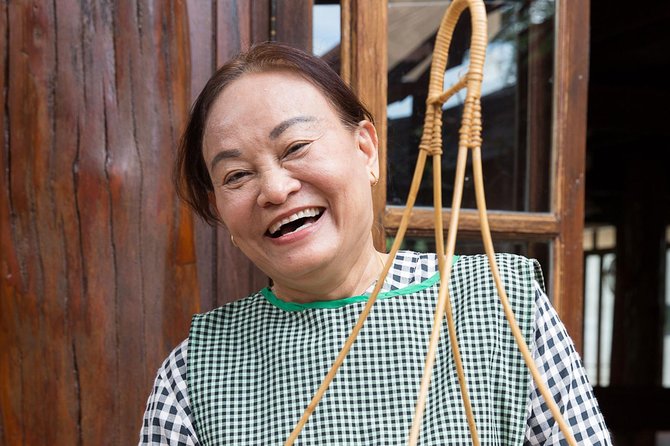
This is a strong fit if you:
- want to learn Thai cooking techniques you can recreate at home
- like authentic, home-based experiences over commercial cooking shows
- enjoy gardens, herbs, and understanding ingredients
- travel as a couple, family, or small group and want privacy
It’s also a good honeymoon option because the pace is calm, the setting feels personal, and the learning turns into something you share.
It might be less ideal if you want:
- a quick tasting with minimal chopping and stirring
- a very high-intensity sightseeing schedule where you don’t want to sit and cook
- an experience that feels exactly like a restaurant meal from start to finish
And one practical heads-up based on feedback: sometimes, ingredient prep can be handled differently than you expect, meaning you may spend more time working on components yourself rather than having every bit prepared for you ahead of time. Plan to participate fully.
Tips to get the most from your cooking session
A few small choices can make the day smoother:
- Wear comfortable clothes you can move in. You’ll be in a home kitchen and handling ingredients.
- Bring a bottle of water if you tend to get thirsty during outdoor time, especially on warm days. (You’ll be busy, so you’ll appreciate it.)
- If you have allergies or dietary needs, write them clearly at booking. Don’t just say vegetarian. Specify details.
- Ask questions early. Pea’s instruction is the main value, and the more you ask, the more you’ll remember later.
- If you’re excited to cook at home, think about tools. That grater story is a reminder that small equipment can help you reproduce textures and prep speeds.
Also, keep your expectations aligned. This is not a lecture followed by tasting. It’s a guided cooking process with a real meal at the end.
Should you book this Chiang Mai home cooking class?
I’d book it if you want a real cooking experience rather than another restaurant evening. The combination of hotel transfers, Pea’s garden-to-kitchen flow, cooking four dishes from scratch, and then eating the meal you made is a strong mix for both learning and fun.
You should probably skip it if you want minimal effort, or if you’re not interested in recreating the food later. At that point, a restaurant meal might fit you better.
If your goal is to leave Chiang Mai with usable Thai cooking skills—and a dinner you can point to as proof—I’d say this is one of the more satisfying ways to spend 3.5 hours in town.
FAQ
How long is the Chiang Mai Home Cooking Class with Garden Tour & Hotel Transfers?
It runs about 3 hours and 30 minutes.
Do I get hotel pickup and drop-off?
Yes. You’ll be picked up and dropped off from centrally-located Chiang Mai hotels.
Can I choose lunch or dinner?
Yes. You can choose a lunch or dinner slot based on your schedule.
How many dishes will we cook?
You’ll prepare four dishes from scratch during the class.
Are vegetarian, vegan, pescatarian, or gluten-free options available?
Yes. Vegetarian, pescatarian, vegan, and gluten-free options are available. You should advise any dietary needs at booking.
Is this a private tour?
Yes. It’s private, and only your group participates.
Is free cancellation available?
Yes. You can cancel up to 24 hours in advance for a full refund.