REVIEW · CHIANG MAI
Chiang Mai: Two-day Temple of Elephants Sanctuary Tour
Book on GetYourGuide →Operated by Temple of Elephants · Bookable on GetYourGuide
Elephants meet the jungle, fast. This two-day Temple of Elephants style tour from Chiang Mai turns the usual city-day trip into real jungle time with Karen-guided trekking and an overnight by a waterfall, plus elephant feeding and bathing.
I really like the way the day is structured around hands-on elephant care—feeding, mud, and river bathing—with guides who explain what the elephants need and why, like English-speaking Chin and Pepe. Another big win is the wild, no-frills overnight: Thai meals cooked where you can hear the falls and a night that feels like you left the map behind. The main drawback is it is not a walk in the park, and sleeping is basic, with the waterfall often loud—so if you hate roughing it or have low fitness, skip it.
In This Review
- Key Things That Make This Tour Worth Your Time
- How This Chiang Mai Elephant Tour Actually Works
- Hotel Pickup and the Mae Wang River Bamboo Raft Ride
- Day One Jungle Trek: Waterfalls, Breaks, and Jungle Lessons
- Waterfall Night in the Jungle: Real Food and Real Quiet (Sort Of)
- Day Two Start: Breakfast, Then Elephant Camp Time
- Swimming With Elephants and Waterfall Stops: Wet, Wild, Worth It
- Karen Village Visit: Why It Matters Beyond the Animals
- Price and Value: Is $118 a Good Deal?
- What to Pack: Don’t Overthink It, Just Be Ready
- Who Should Book This (and Who Should Skip It)
- Should You Book the Two-Day Temple of Elephants Sanctuary Tour?
- FAQ
- What time is hotel pickup in Chiang Mai?
- How long is the tour?
- What is included in the $118 price?
- Are drinks included?
- What language are the guides speaking?
- What should I bring for the tour?
- Is the tour suitable for children?
- Is there an age limit for older travelers?
Key Things That Make This Tour Worth Your Time
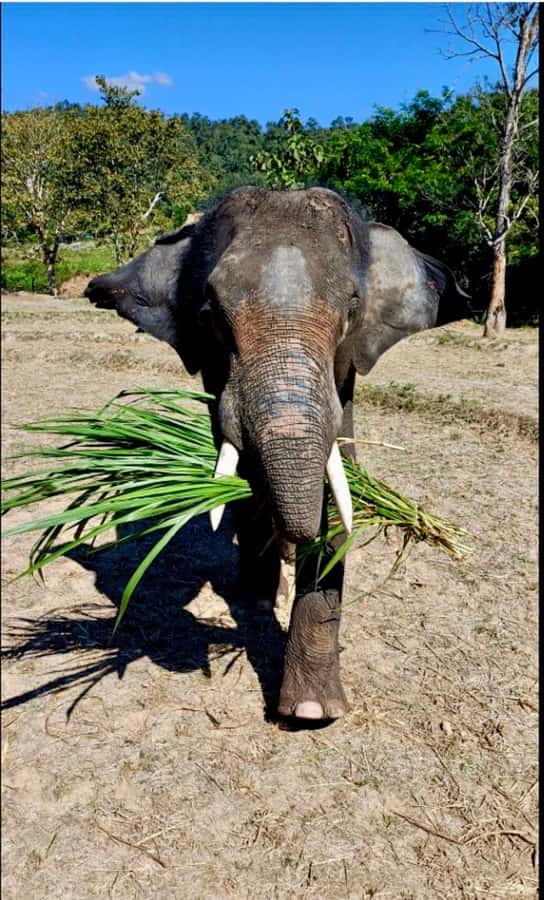
- Karen local guide trekking with lots of jungle talk, plus humor from guides like Chin and Pepe
- Mae Wang River bamboo rafting for a fun break before the hike
- Overnight at a jungle home by the waterfall (no luxury, but lots of atmosphere)
- Elephant feeding and respectful daily-bath routine explained during your interactions
- Waterfalls, swims, and breaks built into both days for scenery and cooling down
How This Chiang Mai Elephant Tour Actually Works
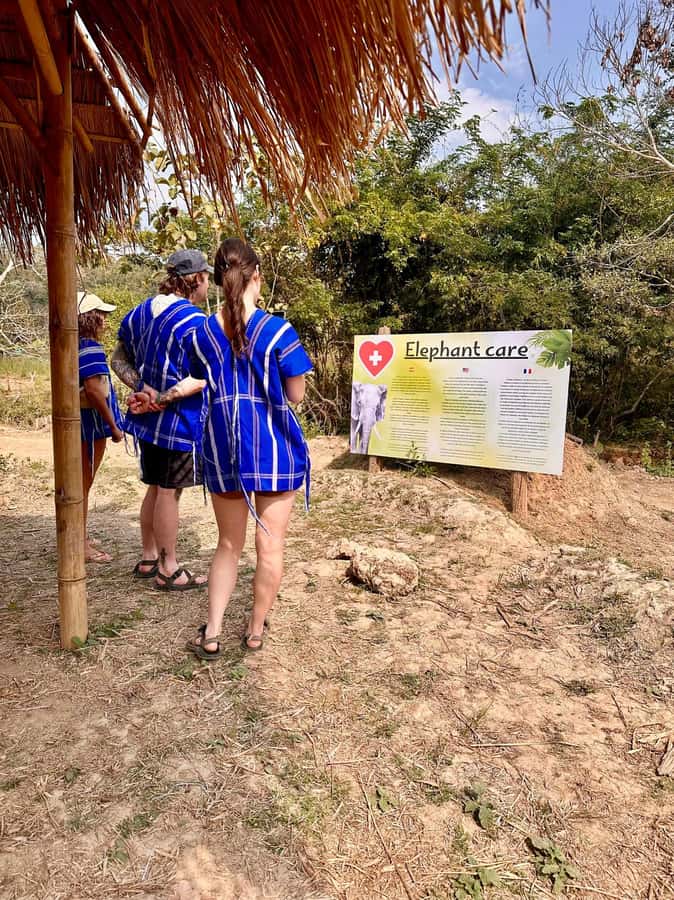
This is a two-day, one-night program based in Chiang Mai Province, run by Temple of Elephants. You get hotel pickup, guided jungle trekking, waterfall stops, an overnight stay near water, and then elephant time that includes feeding and bath-related activities.
What makes it feel different from a one-day elephant tour is the pacing. Instead of rushing, you hike, rest, eat Thai food in a jungle setting, sleep near the falls, then return for more elephant interaction and more waterfalls the next day. The result is a trip that feels less like a checklist and more like a proper couple of days outdoors.
Also, the price is $118 per person, and that figure matters because meals and transportation are included. Drinks aren’t included, though, so you’ll want some cash and a plan for bottled water or soda.
You can also read our reviews of more tours and experiences in Chiang Mai.


Hotel Pickup and the Mae Wang River Bamboo Raft Ride
The day starts with pickup from your Chiang Mai hotel between 8:30 and 9:00 a.m. (exact pickup time can shift depending on other hotels on the route). Then you’ll head southwest of Chiang Mai through scenic stretches that can include local farms, rice paddies, and hill tribe villages.
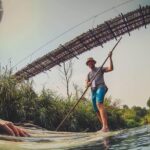
Before you reach the more rugged parts, you get bamboo rafting on the Mae Wang River. The rafting segment is described as lasting about 30 minutes, and it’s a great warm-up because it puts you on the water without committing to a full-day activity.
Practical reality check: rafting means you may get wet, and the jungle climate can turn sweaty fast. Bring swimwear and plan on quick-dry clothing. If you want something easy for your feet, water-friendly footwear helps.
Day One Jungle Trek: Waterfalls, Breaks, and Jungle Lessons
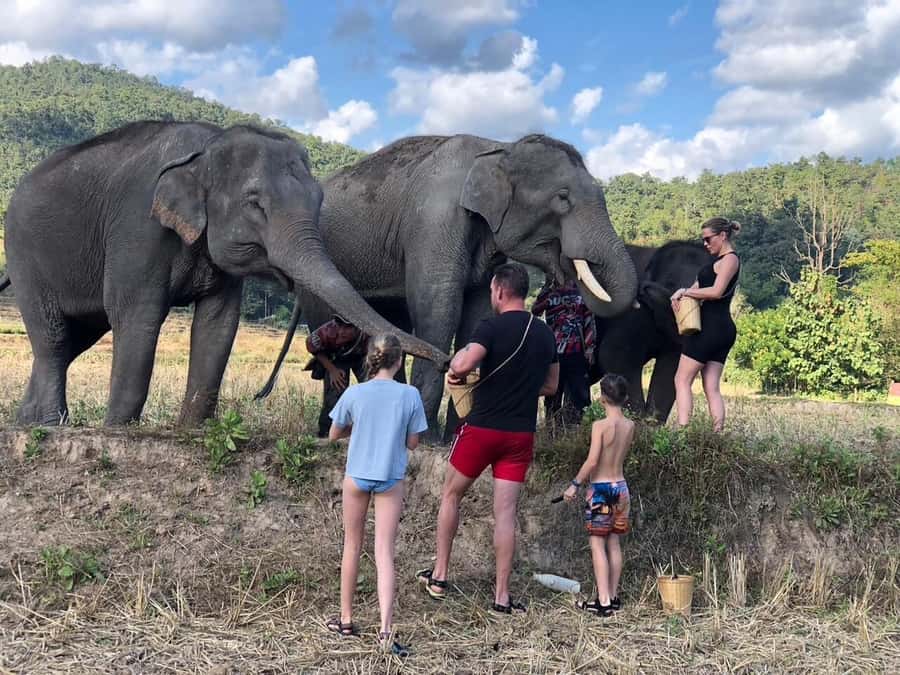
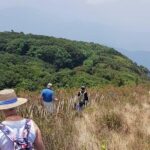
After rafting, you start trekking through the jungle. The walk includes stops at several waterfalls, where you can bathe and take breaks. There’s also lunch during the trekking, so you’re not left to hunt for food in the middle of nowhere.
One of the best parts is how the guide uses the hike as a living classroom. You’ll get explanations about taking care of elephants, plus local jungle observations—plants that move when you touch them, birds and nests, and general survival-style knowledge about the area. This is where a good guide matters, because it turns views into meaning.
In terms of difficulty, don’t treat this as an easy stroll. Reviews describe climbing rocks, crossing rivers, and a hike that isn’t for the faint-hearted. If your idea of nature time is paved trails and short stops, this will likely feel like work.
Waterfall Night in the Jungle: Real Food and Real Quiet (Sort Of)
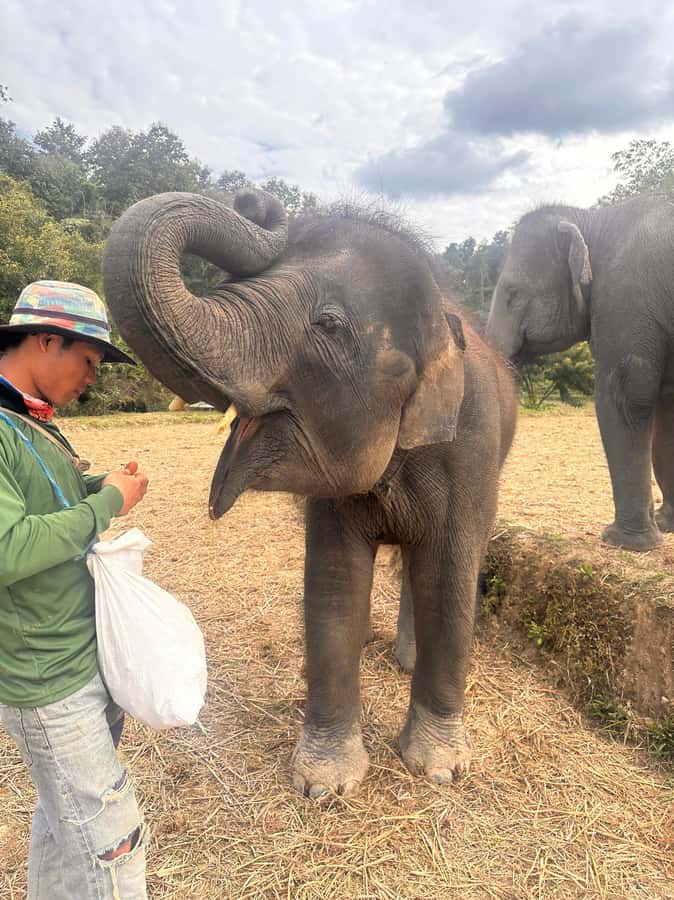
By the afternoon, you reach a jungle home area in the middle of things—on the bank of a river with an impressive waterfall nearby. You’ll relax when you arrive while your native guide prepares an authentic Thai meal.
This is not a hotel. Based on guest feedback, you should expect a clean but very basic setup, often described as a bamboo shack or a simple hut, and in one case with no electricity. That matters because the tradeoff is atmosphere: stargazing, cooking smells in the air, and a night soundscape you won’t get back in town.
Two small but important notes from experience-based feedback:
- The waterfall can be loud, so bring earplugs if you’re a light sleeper.
- Dinner and the evening vibe can be very memorable—one guide took guests to build a fire under the stars, and meals are described as freshly prepared and delicious.
If you can handle rough sleep, this is the part that makes the trip feel like an actual journey.
Day Two Start: Breakfast, Then Elephant Camp Time
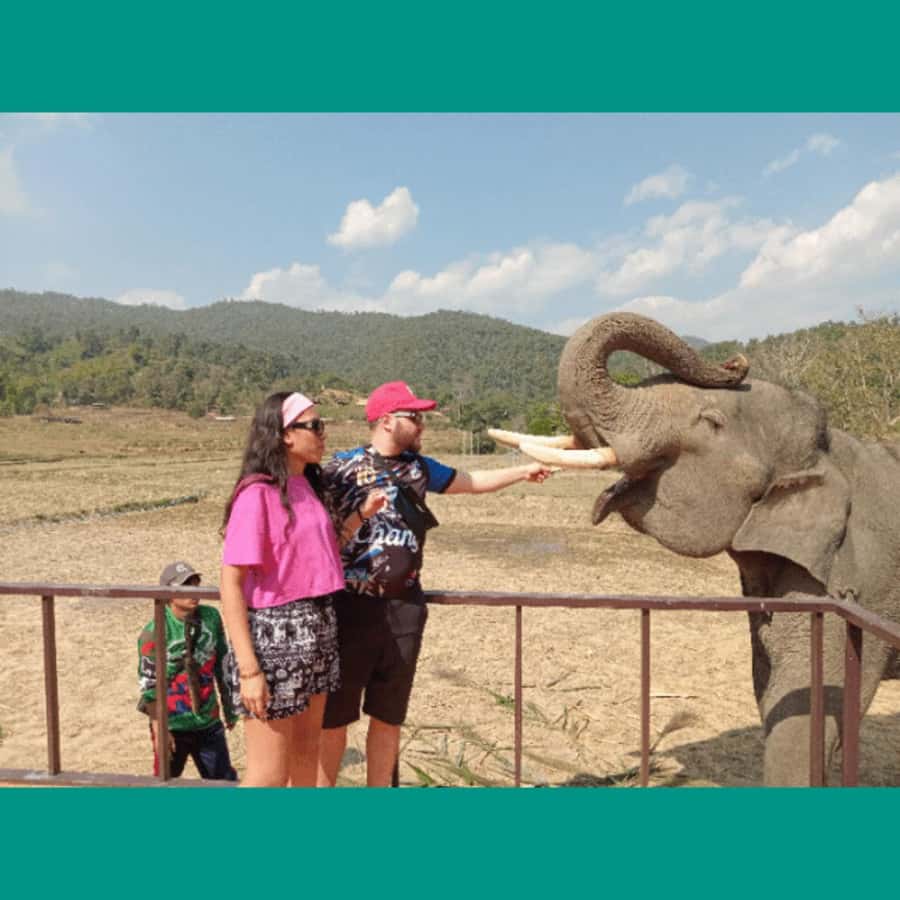
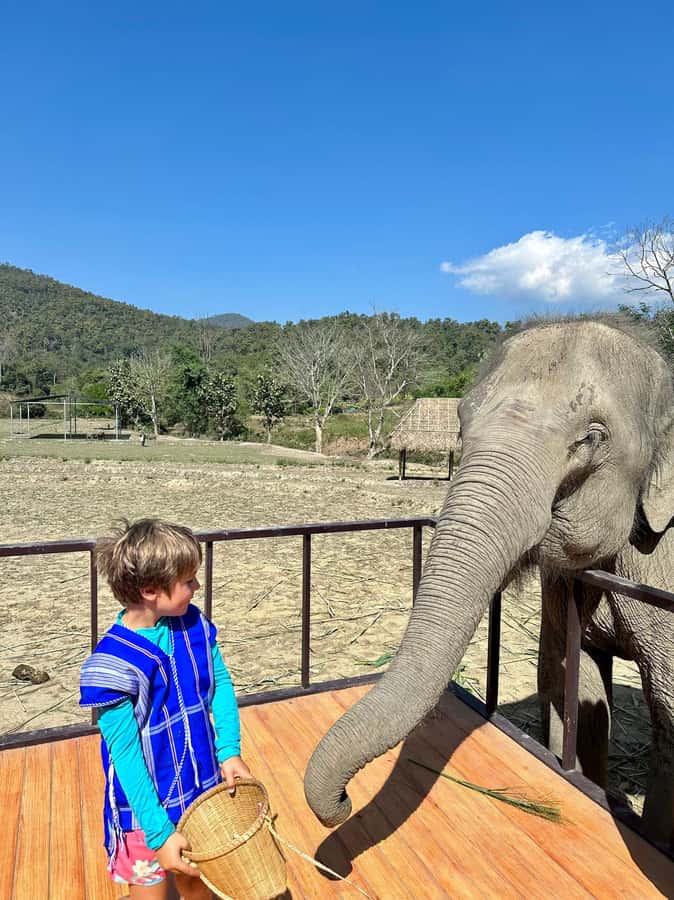
The second morning begins with breakfast, followed by the next leg toward the elephant camp. Then the interaction starts: you feed the elephants and spend time getting to know their routine in a camp setting.
The tour materials emphasize a respectful approach. Guests also describe a small-scale setup, including cases where there are only a few elephants on site—examples mentioned include three elephants (parents and their baby) and a setup with elephants named Wang plus two sons, Kemphe and Bamboo. You shouldn’t assume those exact numbers will always match your date, but the overall point is consistent: this is designed to be small and focused, not a high-volume production.
What you’ll likely do in the elephant segment:
- Feed the elephants as part of learning about their care
- Mud spa time (a classic elephant behavior)
- River bathing as part of the elephants’ daily hygiene routine
Your guide should explain why bathing matters. The emphasis is on emotional connection, intelligence, and the elephants’ sensitivity, plus the idea that water is both enjoyable and functional for their well-being.
If you go in expecting a theme-park show, you may miss what this is trying to teach. The best moments come when you slow down and watch how the elephants relate to each other and to people at a calm distance.

Swimming With Elephants and Waterfall Stops: Wet, Wild, Worth It
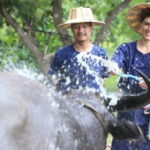
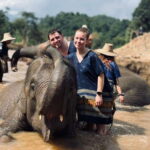
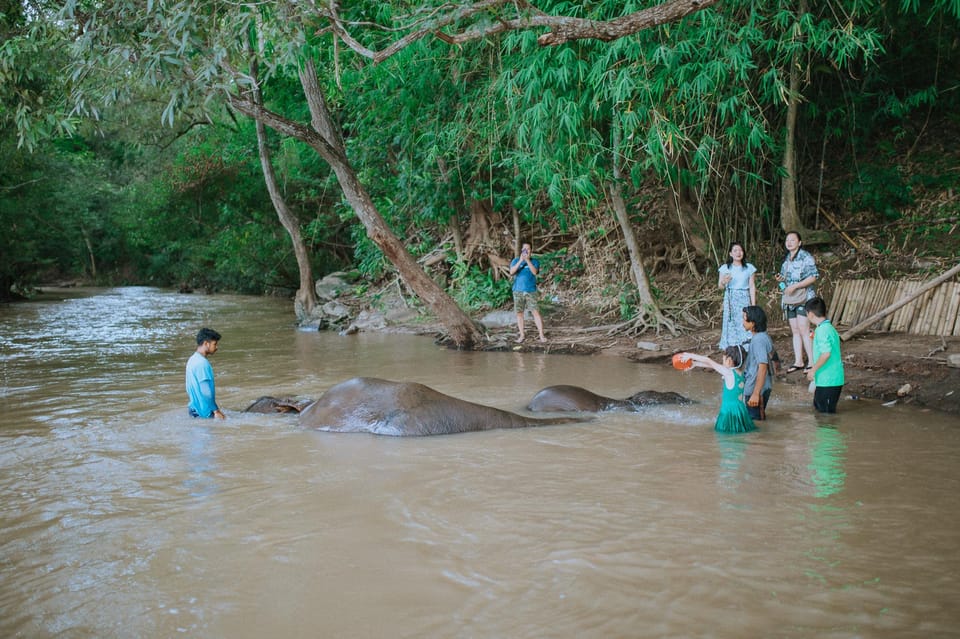
After the first elephant activity block, you resume trekking. There’s a stop at a river with a waterfall where you’ll get into the water with the elephants, with bathing framed as essential daily care.
Here’s the practical part: you will need swimwear and a towel, and you’ll want footwear that can handle slippery river conditions. The program also notes bringing hiking shoes and flip-flops, but river days often call for water shoes if you’re careful with your footing.
Then the trek continues with more waterfall stops. There’s a rest and lunch in one of the waterfall areas, giving you a breather before heading back.
This day is a combination of scenery and physical effort. If you’re still sore from day one, plan on taking your time. The guides you’ll meet—like Dan, Chin, and Pepe in past trips—are described as explaining things and pacing the hike, which helps a lot when you’re tired.
Karen Village Visit: Why It Matters Beyond the Animals
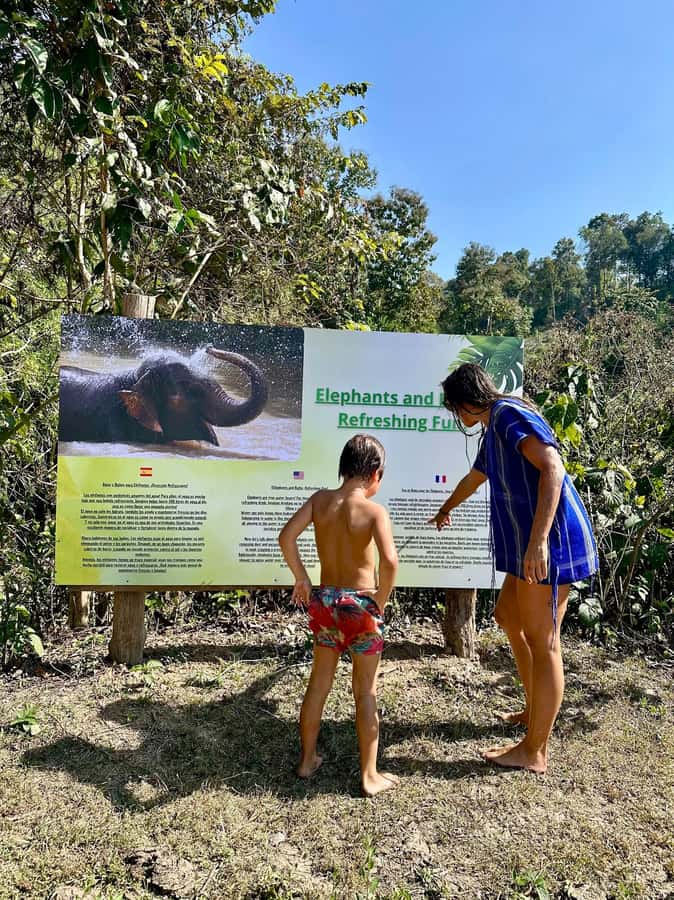
The included activities include a visit to the Karen village. Even without a lot of timing detail, it’s easy to see why this is valuable: you’re not just passing through nature to reach elephants. You’re also seeing how local communities live in the region.
In a good setup, this part adds context. You start to connect the land, the trek routes, and daily life to the jungle and river systems that elephants also rely on. It can also make the elephant care lessons feel less abstract, because they’re tied to people living close to this environment.
Price and Value: Is $118 a Good Deal?
$118 per person can feel like a lot at first, until you break down what you actually get. This price includes:
- Two days and one night
- Hotel pickup and return transportation
- All meals
- Bamboo rafting
- Guided trekking with a Karen local guide
- Waterfall stops and a jungle stay by the falls
- Feeding elephants
- A Karen village visit
- Authentic Thai food prepared during the trip
Drinks are extra. You can buy options on the go, like water (20 baht), soda (40 baht), and beer (60 baht), so it’s wise to carry some cash.
The value equation is simple: this is not a single activity. You’re paying for a full guided package that combines transport, food, overnight logistics, and elephant-focused time. For many people, the overnight and waterfall-based jungle meals are the difference between a nice outing and a trip you remember for years.
The biggest cost you’ll pay won’t be money—it’s energy. This one is for people who can hike, get wet, and sleep simply.
What to Pack: Don’t Overthink It, Just Be Ready
The essentials come right from what the program asks for, plus a couple of real-world upgrades from guest experience.
Bring:
- Comfortable shoes plus hiking shoes
- Swimwear
- Towel
- Sunscreen
- Insect repellent
- Flip-flops
- Cash
- Clothes that can get dirty
- Reusable water bottle
- Quick-dry clothing
Extra smart picks:
- Water shoes (helpful for river footing)
- Earplugs (if the waterfall noise keeps you awake)
If you only pack city clothes and one pair of sandals, you’ll feel it on day one. This trip rewards people who dress like they’re going into the elements—because you are.
Who Should Book This (and Who Should Skip It)
This tour fits best if you:
- Enjoy hiking and can handle climbing rocks and crossing rivers
- Don’t need luxury for your overnight stay
- Want an elephant experience that focuses on care and routine, not performance
- Like guides who teach and keep the group moving at a workable pace (Chin, Pepe, and Dan are specific examples)
It’s not a good match if you:
- Have low fitness or expect an easy walk
- Need a quiet, padded, fully equipped hotel bed
- Travel with very young children (it’s listed as not suitable for children under 2 and under 3, and not for babies under 1 year)
- Have mobility limitations that make trekking hard
- Are older than 95 years (explicitly not suitable)
Should You Book the Two-Day Temple of Elephants Sanctuary Tour?
Book it if you want a short Thailand nature-and-culture escape that combines jungle trekking, waterfall time, and elephant care in a small, focused setting. The $118 price makes sense most when you value the full package: meals, overnight by the falls, transportation, and guided elephant interaction.
Skip it if you’re chasing comfort, and if your ideal day includes smooth sidewalks and guaranteed rest. This is a working jungle itinerary. You’ll get wet, you’ll hike, and you’ll sleep simply. If that sounds like your kind of adventure, this is a strong choice. If not, you’ll probably resent the effort.
FAQ
What time is hotel pickup in Chiang Mai?
Pickup is scheduled between 8:30 a.m. and 9:00 a.m., and the exact time can shift depending on how many groups are collected that day.
How long is the tour?
It runs for two days and one night, with return transportation back to your hotel the next day.
What is included in the $118 price?
The tour includes transportation, all meals, bamboo rafting, guided trekking with a Karen local guide, waterfall visits and an overnight stay near a waterfall, feeding the elephants, and a Karen village visit.
Are drinks included?
No. Drinks are not included. The tour lists water, soda options, and beer available for purchase.
What language are the guides speaking?
The tour is in English.
What should I bring for the tour?
Bring comfortable shoes or hiking shoes, hiking-ready clothing that can get dirty, swimwear, a towel, sunscreen, insect repellent, flip-flops, cash, and a reusable water bottle. Quick-dry clothing is also recommended.
Is the tour suitable for children?
It is listed as not suitable for children under 2 years and also not suitable for children under 3 years, and it is not suitable for babies under 1 year.
Is there an age limit for older travelers?
Yes. It is listed as not suitable for people over 95 years.