REVIEW · CHIANG MAI
6-Hour Akha Tribe Culture and Cooking Class in Chiang Mai
Book on Viator →Operated by Oh-Hoo · Bookable on Viator
Chiang Mai street markets and home-style cooking make a strong combo. This 6-hour class takes you through an Akha culture experience tied directly to food, starting with a local market run and ending with a big hands-on cooking session where you eat what you make.
I especially love how practical it is: you shop for ingredients first, then you cook from that same plan. I also like that the menu mixes Thai classics with Akha dishes, so you get more than just one cooking style.
The only real consideration is timing and weather. This experience requires good weather, and the kitchen setup is outdoors for cooking, so plan for the possibility of heat or a change in conditions.
Take 10 dishes from market to plate. You cook a full lineup and then eat your results.
Choose morning or evening. Pick the time slot that matches your day.
Thai + Akha food lessons. You’ll learn dishes like Akha Soup and Akha Salad alongside Thai curries and stir-fries.
You shop like locals. The market visit is described as same same, but different, with no special tourist treatment.
Small group size. Maximum of 15 travelers means you’re not lost in the crowd.
Great “come hungry” factor. The class is known for being a lot of food.
In This Review
- 6 hours of Akha and Thai cooking: the real shape of the experience
- Morning vs evening class: how to choose the better fit
- Market visit in Chiang Mai: shopping like locals, not tourists
- Cooking 10 dishes: Thai comfort food plus Akha specialties
- Getting hands-on: how the class usually feels minute by minute
- Outdoor kitchen + air-conditioned dining: comfort where it counts
- The food you actually eat: portion size and what to expect at the table
- Price and value in real terms: what $48.83 buys you
- Who this Akha cooking class is best for
- Guide energy matters: On and the fun factor
- Should you book this 6-hour Akha cooking class?
- FAQ
- How long is the Akha Tribe Culture and Cooking Class?
- Do I cook more than one dish?
- Should I choose the morning or evening course?
- Where does the tour meet?
- Can the class accommodate dietary needs?
- What happens if weather is bad or I need to cancel?
6 hours of Akha and Thai cooking: the real shape of the experience
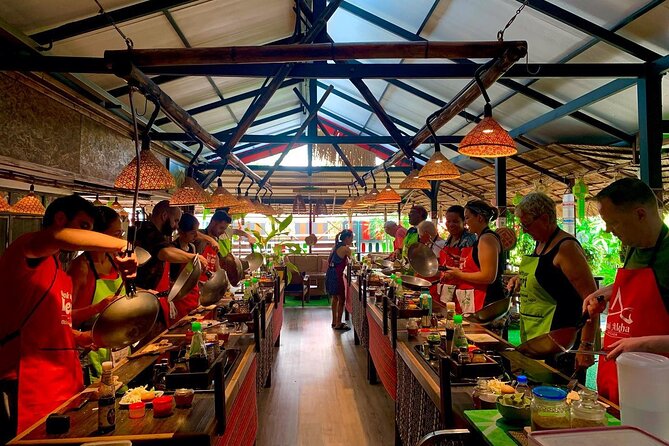
This is a culture-and-cooking day, built around one simple idea: food is a fast way to understand people. You’ll learn about the Akha people, including that the community immigrated to Thailand in the 1900s, and you’ll see how their food connects with Thai cooking habits.
In practical terms, you’re not just watching. You’re doing the work—prep, cook, and then serve yourselves. The class is designed to feel social and hands-on, and the format helps you go home with usable recipes instead of vague memories.
You’re also eating during the session, not at some distant end point. That matters because it keeps the pace fun and helps you judge seasoning and balance while it’s still fresh in your mind. If you like learning through doing, this kind of flow usually sticks.
Morning vs evening class: how to choose the better fit
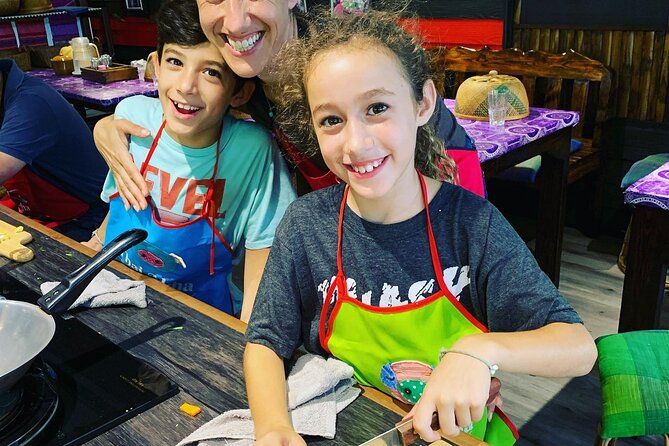
You can book either a morning or an evening course. The difference is more than convenience—your body feels it, and so does your cooking comfort.
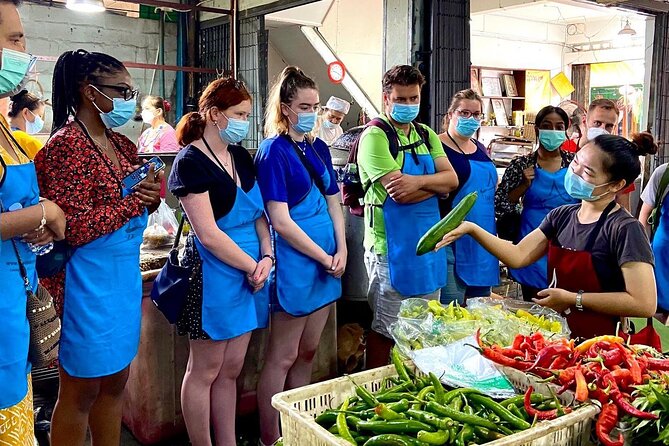
Morning is good if you like getting things moving early. You’ll head to a local market and see produce and ingredients in action, including different prices and what locals buy. The market part can be a great way to get your bearings fast in Chiang Mai, because you’re seeing how everyday people build their meals.
Evening is for people who want to keep the day lighter and avoid scheduling stress. The evening course is also described as cooler for cooking, and that’s a big deal when you’re standing at a stove outside. Plus, you get a ready-made plan for dinner—you come, cook, and eat.
If you’re undecided, I’d pick morning if you love markets and daylight. Choose evening if your day is packed or you want an easier route to a satisfying dinner.
You can also read our reviews of more cooking classes in Chiang Mai
Market visit in Chiang Mai: shopping like locals, not tourists
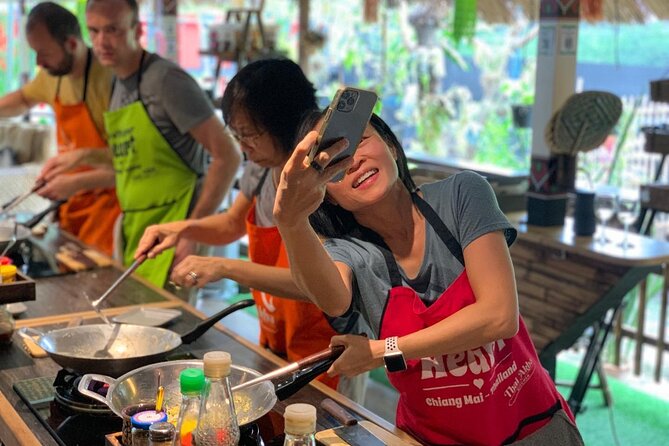
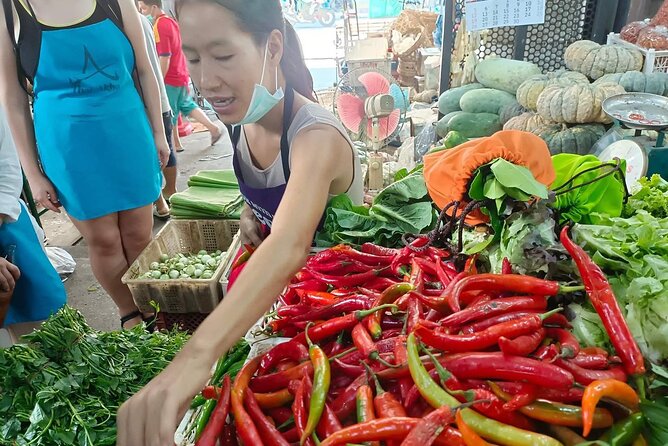
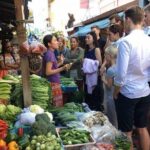
The market stop is the backbone of the class. It’s where you source ingredients for the dishes you’ll cook later, and it’s also where the culture lesson becomes visible.
Here’s what I think is smart about this approach: you learn by comparing. You’ll see produce choices, herb and spice basics, and everyday ingredients that don’t feel like a souvenir. Even the idea of same same, but different is useful. Western markets are often organized around packaged products and clear signage; Thai markets often feel more like you’re walking through an active food system.
You’ll also be treated as a customer, not as a paid target. That means you’re there for ingredients and learning, not for a sales pitch. If you’ve had tourist market experiences that felt scripted, this “no special treatment to gain profit” angle matters.
One practical tip: wear shoes you can walk in for a bit. Markets tend to be uneven, and you’ll likely do more moving than you expect.
Cooking 10 dishes: Thai comfort food plus Akha specialties
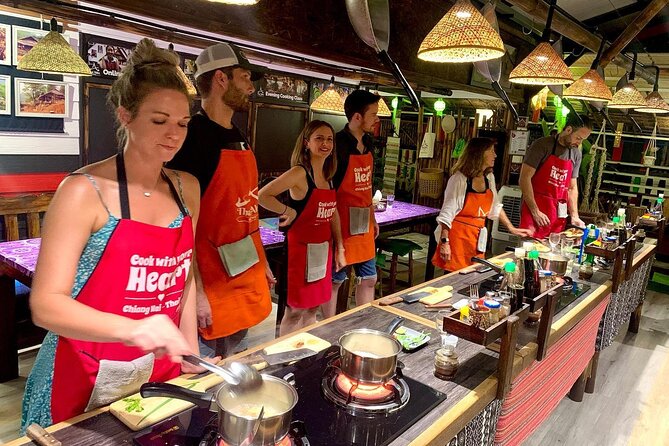
The menu is the selling point, and it’s also where you get the most value for your time. You’re scheduled to create 10 dishes, and you eat them afterward during the meal.
The appetizers set the tone with items like Papaya Salad and spring rolls. These are great starter flavors because they help you understand the balance between sour, sweet, salty, and spicy right away.
Then you move into soups and mains with both Thai and Akha dishes. Examples listed include:
- Akha dishes: Sapi Thong (tomato dipping sauce), Akha Salad, Akha Soup
- Soup options: Chicken in Coconut Milk, Hot & Sour Prawn Soup, Clear Soup with Egg Tofu
- Stir-fries: Sweet & Sour Vegetables, Cashew Nut with Chicken, Chicken with Hot Basil, Pad Thai
- Curry pastes and curries: Chicken Green Curry, Chicken Red Curry, Panaeng Curry, Massaman Curry
What I like about this mix is that you’re not stuck in one cooking style. Curries teach paste building and how flavors bloom. Stir-fries teach timing and heat control. Soups teach how to balance liquids and seasoning.
You’ll also notice that some dishes repeat a flavor logic even when the cuisine label changes. That’s a key takeaway you can use later at home: once you understand the seasoning pattern, you can adapt to what you find in your local grocery store.
Getting hands-on: how the class usually feels minute by minute
A good cooking class keeps you from feeling lost, and this one is built to stay structured. You’ll start with instruction, then work through steps in a way that matches the dish list you’re making.
You’ll also get a recipe book. That’s a surprisingly big deal if your goal is to cook these again later. Many classes give you a few notes; a real recipe format helps you rebuild the dish without guessing what the teacher meant by a quick pinch or a quick taste.
In terms of technique, you’ll be doing the kinds of tasks that translate well to home cooking: chopping, mixing, and assembling sauces and stir-fries. Curries are especially useful because they show you how to build flavor layers, not just how to follow a recipe line by line.
And in the middle of it all, you’re tasting and eating. That matters because it turns the class into a full experience instead of a project you finish and then wonder if it worked.
Outdoor kitchen + air-conditioned dining: comfort where it counts
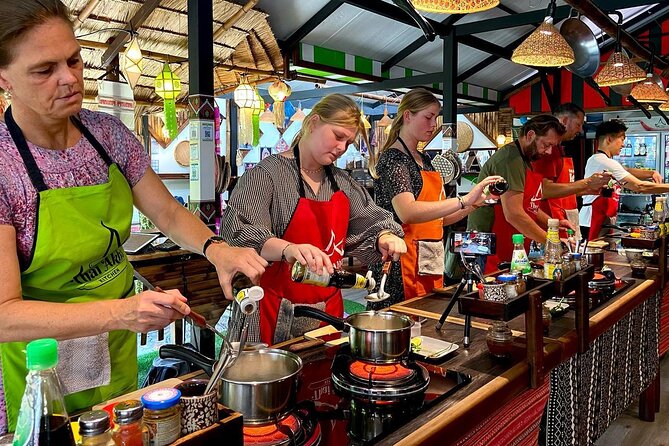
This class uses an outdoor set up for cooking, with a more comfortable indoor dining space that’s air-conditioned. That pairing is practical. Standing outside near heat sources can get tiring, so having a cooler place to eat helps the whole session feel easier.
The teaching space matters too. When the kitchen is outdoors and open-air, you tend to get a more relaxed atmosphere—less like a classroom and more like a family-style meal setup. You’re cooking with a mix of Thai-Akha culture atmosphere, and the dinner space gives you a break once your hands are busy.
If you’re sensitive to heat, evening is usually the safer bet. And if you have any flexibility, bring a light layer or a small towel. You’ll sweat a bit during active cooking, and it’s easier if you’re prepared.
A few more Chiang Mai tours and experiences worth a look
The food you actually eat: portion size and what to expect at the table
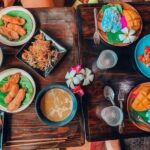
The meal part is not a snack. This class is known for being a ton of food, and the structure makes sense: you cook multiple dishes, then you sit down and eat across them.
From the dish list, you can expect a mix that covers:
- Fresh and crunchy starters (like papaya salad and spring rolls)
- Soups with strong flavor foundations (coconut milk, sour profiles, or clear broths)
- Stir-fries that show wok-style seasoning and balance
- Curries that teach how richness and spice connect
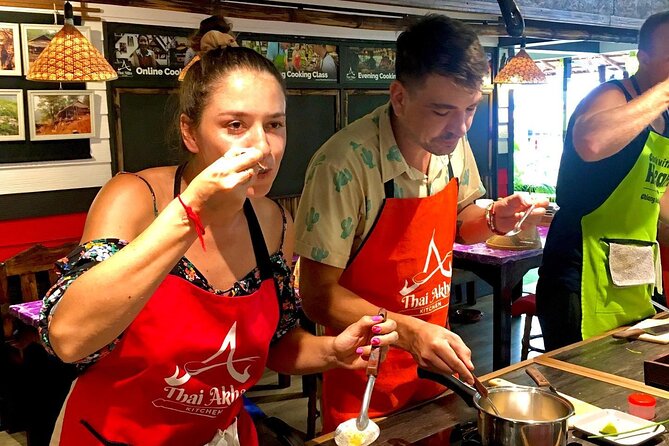
I like classes where the meal feels like the payoff to the work, not an afterthought. Here, you eat straight from your kitchen station, which also keeps everything moving. There’s less waiting around, and you spend more time in that teach-taste-repeat rhythm.
If you’re someone who hates wasting food, this is reassuring too: you’ll be fed on what you cooked. Come hungry, and don’t plan to eat a heavy meal before you arrive.
Price and value in real terms: what $48.83 buys you
At $48.83 per person for about 6 hours, this class is priced like a full experience rather than a quick workshop. The value comes from three things:
First, you’re paying for both the market ingredient sourcing and the cooking session. Market trips are usually short, but they can easily become part of the learning payoff here because you’re using what you buy.
Second, you’re not limited to one dish. You’re cooking 10 dishes, then eating them, which is a lot of food for the time.
Third, you’re getting cultural context tied to the food. Akha dishes like Akha Soup and Akha Salad aren’t just decorative on a menu—they’re part of why the class exists. That gives you a different story than a generic Thai cooking class.
Also, the group size is capped at 15 travelers, which tends to improve the teaching experience and reduces that scramble feeling.
If you’re on a budget, the main “cost” is that you’ll likely be full for the rest of the day. Plan your schedule so dinner isn’t competing with your appetite.
Who this Akha cooking class is best for
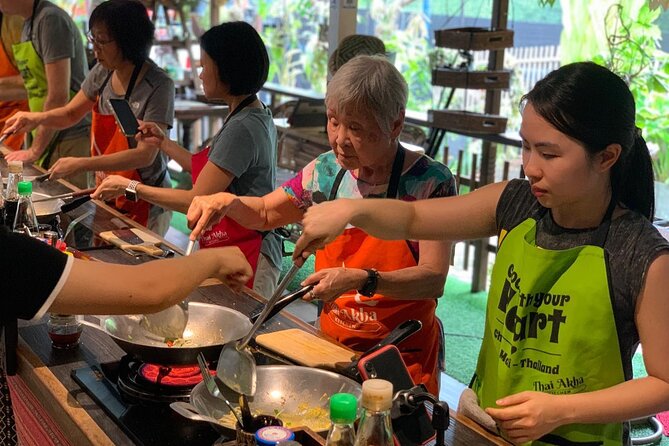
This is a great fit if you want a hands-on meal lesson in Chiang Mai, with more culture than you’d get from a basic cooking demo. I’d especially recommend it if you like:
- Learning by doing
- Cooking Thai food and curry styles
- Trying Akha dishes alongside Thai classics
- Having recipes you can actually use later
It’s also a good option when you don’t want to spend time planning where to eat. The evening class is framed as a “first home cooked Thai dinner” type of solution. That’s a real convenience in a city where restaurant choices can get overwhelming.
If you’re the type who prefers quiet museums over active cooking, this may feel too hands-on. And if you dislike outdoor cooking setups, you may prefer the evening slot for cooler conditions.
Guide energy matters: On and the fun factor
One detail that stood out in the experience is the teacher style. On is specifically mentioned as an amazing teacher who makes the class so fun. That kind of energy matters, because cooking classes can feel stiff if the instruction isn’t friendly.
The class is also described as having easy recipes, plus the recipe book. So you’re not only getting entertainment; you’re getting practical support that helps you repeat what you learned.
If you’re investing your time and money, it’s smart to choose an experience where the instructor quality is part of the product. The fun factor here isn’t fluff—it’s part of how people stay engaged and keep cooking.
Should you book this 6-hour Akha cooking class?
Book it if you want a full-food, hands-on Thai cooking experience that also brings in Akha culture through real dishes. The market ingredient sourcing plus a meal made from what you cook is a strong combo for value, and the small group size helps keep it personal.
I’d also book it if you’re the type who cooks at home and wants a recipe book to bring back. The “easy recipes” and being told to come hungry are good signals that this isn’t a half-hearted sampling class.
Skip it only if outdoor cooking would be a deal-breaker for you, or if you prefer purely historical sightseeing with no cooking. Otherwise, this is a very straightforward way to eat well, learn skills, and leave Chiang Mai with food knowledge you can actually use.
FAQ
How long is the Akha Tribe Culture and Cooking Class?
It runs for about 6 hours.
Do I cook more than one dish?
Yes. You’re scheduled to create 10 dishes and then eat them after the session.
Should I choose the morning or evening course?
Morning includes a local market trip and is a good fit if you like starting early. Evening fits busy days better, is described as cooler for cooking, and is a great way to handle dinner without planning it.
Where does the tour meet?
The meeting point is Wat Pan Whean, 50 Phra Pok Klao Rd Soi 4, Tambon Phra Sing, Amphoe Mueang Chiang Mai, Chang Wat Chiang Mai 50200, Thailand. The activity ends back at the meeting point.
Can the class accommodate dietary needs?
Yes. The activity can accommodate special dietary requirements like allergies, gluten intolerance, vegetarian diets, or other dietary needs.
What happens if weather is bad or I need to cancel?
This experience requires good weather. If it’s canceled due to poor weather, you’ll be offered a different date or a full refund. You can also cancel for free up to 24 hours in advance for a full refund.