REVIEW · CHIANG MAI
Taste of Chiang Mai: Michelin Guide & Street Food Tour
Book on GetYourGuide →Operated by KO TRIP CNX · Bookable on GetYourGuide
One stop can change how you see Chiang Mai. This Michelin Guide and street-food tour turns market-walking into real flavor education, with Natt guiding you through Warorot Market’s food lanes at a relaxed pace. You’ll also get the kind of city context that makes the dishes mean something, not just tasty.
What I liked most is that you’re not doing a random snack crawl. You taste 3 Michelin Guide-selected dishes (either lunch or dinner), including Northern favorites tied to Chiang Mai’s food culture, and the guide connects each bite to ingredients and influences. The second win: the whole thing feels unhurried. Expect short walks, sit-down eating, and plenty of chances to ask questions without feeling rushed.
One drawback to think about: this is built around a small number of included dishes. If you’re expecting lots of tiny samples and a huge variety of items, you might feel the selection is focused rather than wide.
In This Review
- Key points before you go
- Entering Chiang Mai’s Michelin-and-street-food lane in 2 hours
- Warorot Market (Kad Luang): where lunch turns into a food lesson
- Thana Ocha and the Hakka pink noodle (Yen Ta Fo)
- Lung Khajohn Wat Ket and the rice-skin dumplings stop
- Lunch dish trio: what’s included and what that means for your appetite
- Dinner option: Khao Soi, roast chicken, and papaya salad at Nimmanhaemin
- Price and value: why $31 often feels fair here
- The guide factor: Natt’s pace, humor, and context
- Practical prep: shoes, cash, and how to order confidently
- Who this tour fits best (and who should skip it)
- Should you book the Taste of Chiang Mai tour?
- FAQ
- How long is the Chiang Mai Michelin Guide and street food tour?
- Where do I meet for the lunch option?
- Where do I meet for the dinner option?
- What dishes are included in the lunch option?
- What dishes are included in the dinner option?
- What is the tour’s price?
- What languages are the guides available in?
- Is the group private or small?
- What should I bring, and is cash needed?
Key points before you go
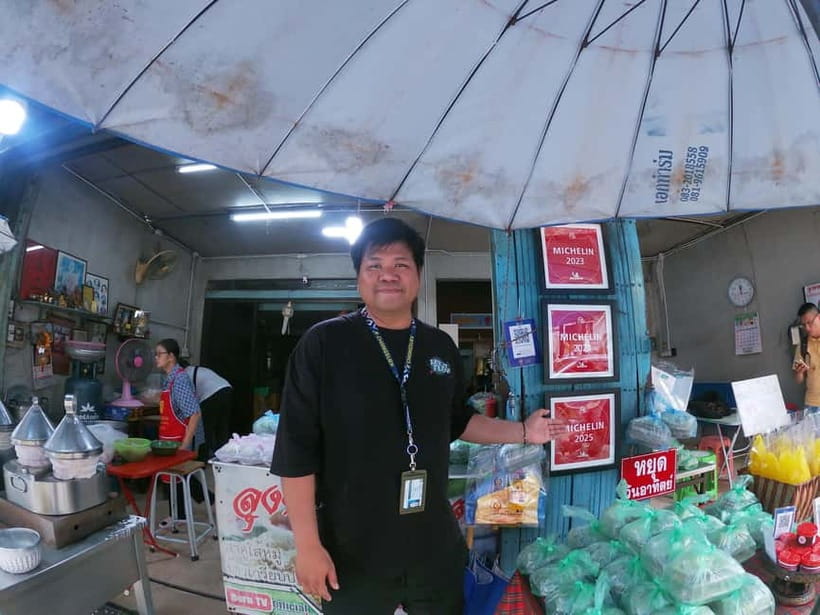
- Michelin Guide dishes with Northern flavor: You’ll try 3 named dishes, with lunch and dinner options that swap out the menu.
- Warorot Market (Kad Luang) is the star: For the lunch option, you spend real time inside the market atmosphere.
- Guide-led context, not just food: Natt shares history and food influences, and keeps the tone friendly.
- Relaxed pace in a short window: In 2 hours, you walk some, sit some, and eat enough to feel satisfied.
- Make it a hunger-proof plan: You’ll be eating full portions, so show up ready.
Entering Chiang Mai’s Michelin-and-street-food lane in 2 hours
Chiang Mai can feel like a food free-for-all. This tour is the opposite. You get a tight plan with clear stops, so you’re not guessing what’s worth your time in the heat and noise.
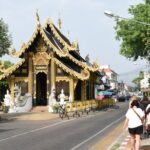
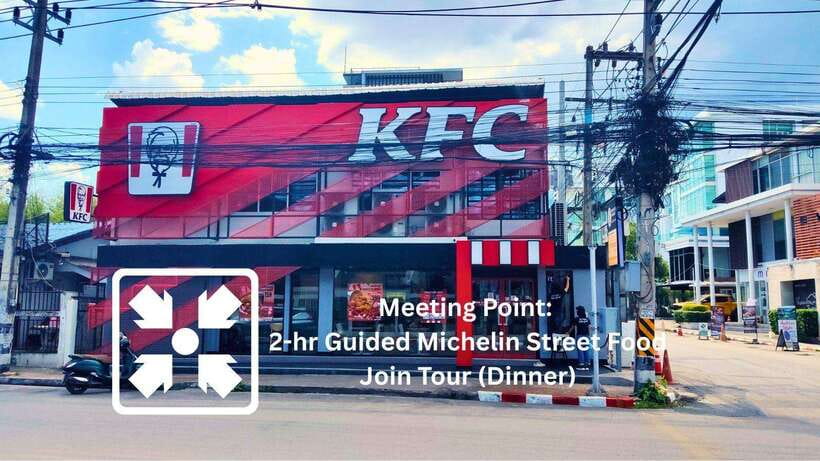
The starting point is easy to reach: you meet at Wat Saen Fang, at the entrance gate next to The Story 106 Co-Working Space & Cafe on Thapae Road. From there, you head toward Warorot Market (Kad Luang), one of Chiang Mai’s best-known places to eat. For me, the smartest part is that you’re not just told where to go—you’re taken there, with guidance on what you’re looking at and why it matters.
Two details jump out from the consistently high marks this tour receives. First, Natt is often described as the owner and a full-on food-and-history person, with a background that goes beyond casual “Thai food talk.” Second, the experience doesn’t feel like a rushed buffet. You’ll have moments to sit, eat carefully, and ask questions while the guide explains the what and the why.
If you’re picky about food, read this carefully: the tour is not set up for many dietary needs. It lists vegans, vegetarians, people with gluten intolerance, lactose intolerance, and people with food allergies as not suitable. That’s a big deal. If you have any of those constraints, you should not assume you can swap dishes on the fly.
You can also read our reviews of more food & drink experiences in Chiang Mai
Warorot Market (Kad Luang): where lunch turns into a food lesson
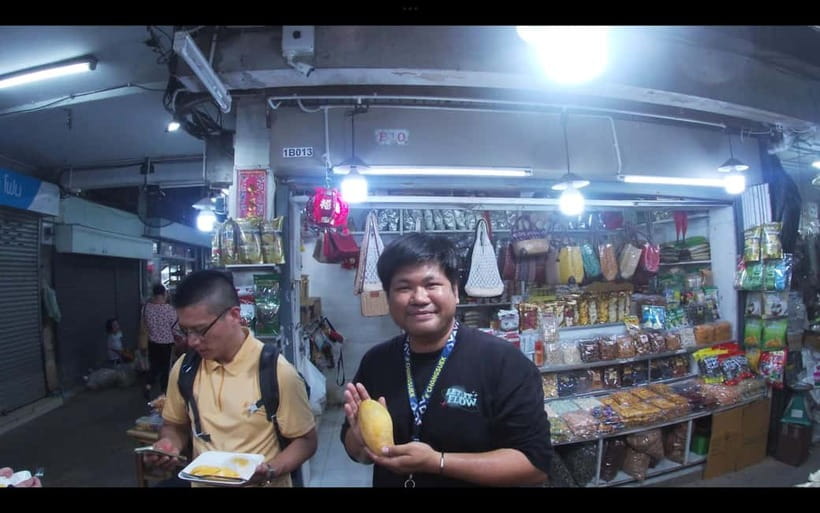
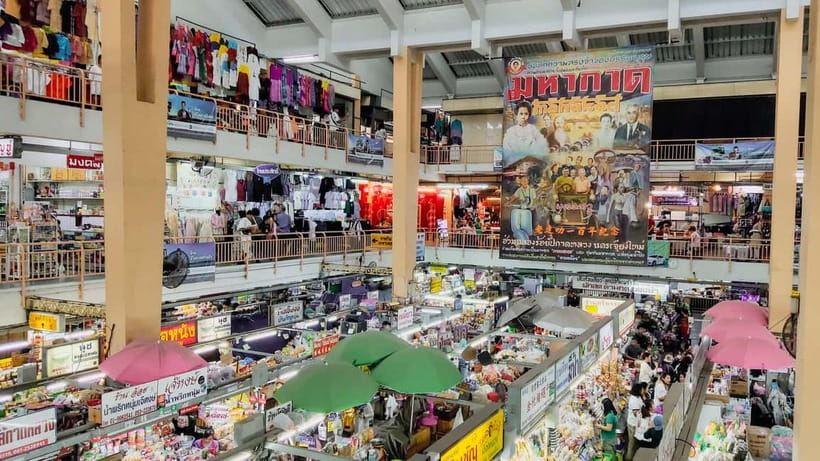
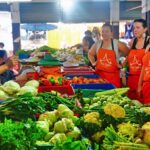
Warorot Market is the kind of place where you can lose an hour fast—unless you know what you’re hunting for. For the lunch option, this tour builds your timing around the market so you get both the food and the context without running around.
What you’ll experience here is practical and sensory. You’ll walk into the market area, get a guided feel for the food stands and how they fit into Chiang Mai’s eating habits, and then you’ll stop to eat Michelin Guide-selected dishes. One of the biggest values of the lunch format is that it uses the market as an anchor, not as background scenery.
You also finish back at Warorot Market (Kad Luang). That matters. It means you can keep exploring after the tour, if you want more snacks or you want to buy ingredients, sweets, or packaged treats for later. You’ll leave knowing what to look for, not just what you ate.
Potential drawback: markets mean comfort rules still apply. Wear shoes that handle uneven spots, and bring sunscreen and a hat. If you’re heat-sensitive, plan to sip water during the tour. The tour includes a bottle of drinking water, but you’ll still want to pace yourself.
Thana Ocha and the Hakka pink noodle (Yen Ta Fo)
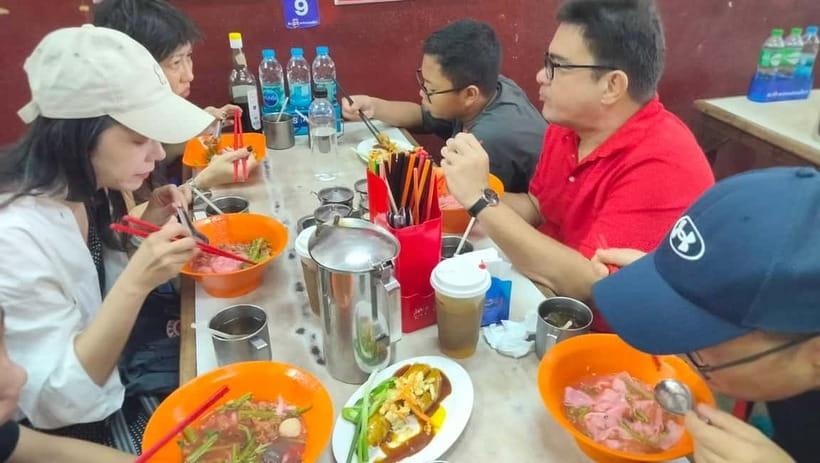
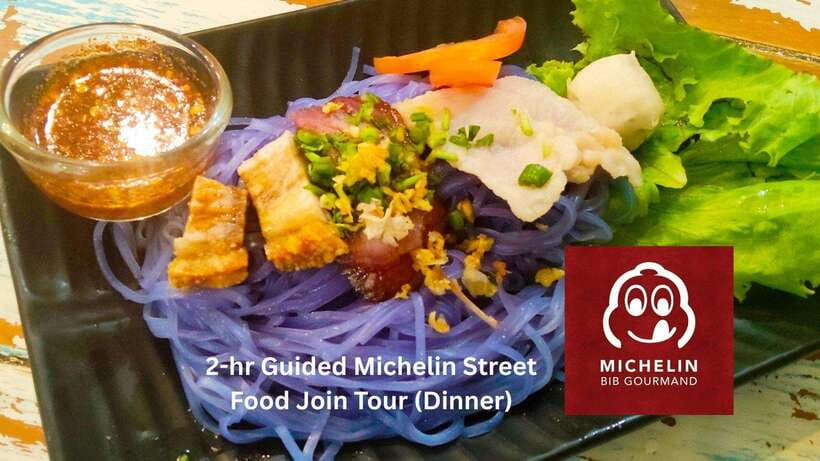
This is one of the tour’s signature dish moments. You’ll head to Thana Ocha for a guided street-food tasting focused on Hakka pink noodle, listed as Yen Ta Fo.
Even if you think you’ve tried everything in Thai cuisine, this kind of Northern Chinese-influenced dish can reset your expectations. Noodle dishes are usually about broth and texture, but Yen Ta Fo adds a distinct identity through the noodle coloring and the flavor direction. The guide’s job is to translate what you’re tasting into something you can remember later—what makes it different, how it’s built, and how it reflects the people and trade patterns that shaped Chiang Mai’s food.
The timing is built for a real tasting, not a quick stop-and-go photo op. You’ll spend about 40 minutes here, which gives you time to eat at a calm pace and still keep the tour moving smoothly.
Practical tip: when a guide tells you how to take the first bite, do it. With dishes like this, one small order of operations—mixing, tasting broth first, then pairing with garnishes—can change the whole experience.
Lung Khajohn Wat Ket and the rice-skin dumplings stop
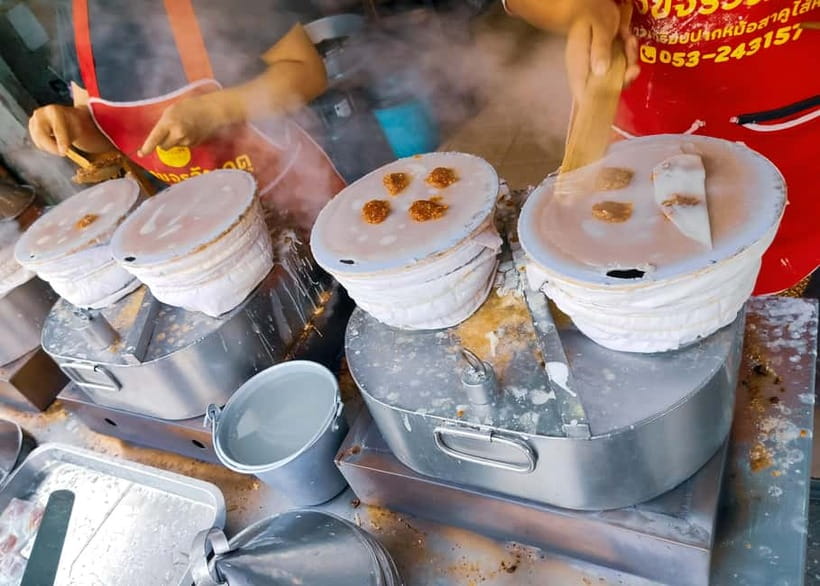
For lunch, another key dish comes from Lung Khajohn Wat Ket: Khao Kriab Pak Moh, which is steamed rice skin dumplings.
This stop is a great example of why I like guided food tours. Without a guide, you might see dumplings on a stand and assume you already understand them. Rice-skin dumplings are one of those “looks simple, eats complex” foods. The wrapper changes the bite, and the filling plus sauce direction can move the flavor from soft to punchy fast.
In the tour flow, you’ll spend about 20 minutes here for street-food tasting with guidance. That’s long enough to notice texture differences and to ask questions about what’s inside and what makes this style distinct to the region.
One note for diners who hate waiting: this stop is paced with eating comfort in mind. You’re not standing in a chaotic line for the entire experience. You’ll get guided attention so the food shows up when it’s ready, and you’re not stuck juggling ordering and timing.
Lunch dish trio: what’s included and what that means for your appetite
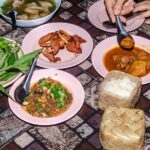
For the lunch option, the included Michelin Guide dishes are:
- Hakka pink noodle (Yen Ta Fo)
- Thai fried dough (Dinosaur Fried Dough is mentioned in the tour highlights)
- Steamed rice skin dumplings (Khao Kriab Pak Moh)
Here’s the value angle: paying around $31 for 2 hours is only a deal if you get full, satisfying meals—not just bites. This tour is repeatedly described as leaving people full. In other words, you’re not doing 10 micro-snacks. You’re doing fewer dishes, but you’re eating enough to count it as an actual meal.
Now, the drawback: because the experience is built around those 3 included dishes, you might not get the “wow, we tried 8 different things” feeling that some food tours deliver. A couple of people noted that the tasting feels focused, with not tons of extra items beyond the included dishes. If variety is your top goal, set your expectations accordingly.
A few more Chiang Mai tours and experiences worth a look

Dinner option: Khao Soi, roast chicken, and papaya salad at Nimmanhaemin
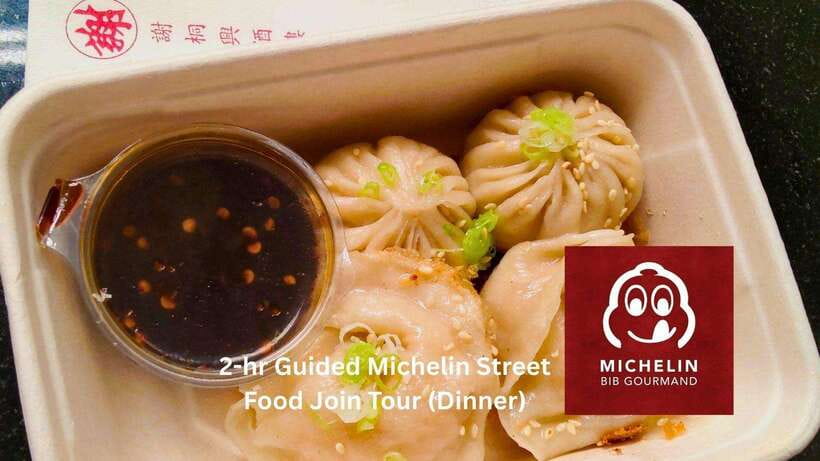
Not everyone wants a market morning. If you book the dinner option, the meeting point shifts to McDonald’s Nimmanhaemin, and the tour does not include the market visit. The tour takes place and ends at Nimmanhaemin Road.
So what do you get at dinner? The included Michelin Guide-selected dishes are:
- Khao Soi Michelin
- Roast Chicken
- Papaya Salad
This format makes sense if you want Michelin-leaning Northern flavors without the daytime heat of Warorot Market. Nimmanhaemin is also easier for many travelers to navigate in the evening, and you can end near shops and cafes instead of back inside a market labyrinth.
A neat extra: after the tour ends, you’re encouraged to visit ONE Nimman. That’s a practical suggestion, because it gives you a simple plan for what to do next without needing to guess how to get there.
Who should pick lunch vs dinner?
- Choose lunch if you want the market energy and the full Warorot Market experience.
- Choose dinner if you’d rather do Michelin-guided eating in a more relaxed evening zone, with less walking and no market stop.
Price and value: why $31 often feels fair here
At $31 per person for 2 hours, the price looks low on paper. The question is whether you get enough food time and enough guidance to make it worth booking.
In this case, the math works because you’re paying for:
- 3 Michelin Guide-selected dishes (not just vague “local favorites”)
- a guide experience that includes food history and culture context
- a guided market visit in the lunch option
- a small-group or private setup option
Several participants also highlight that they left satisfied, because the tour is not set up as a tiny-snack parade. You also get one bottled water, which is a small thing but helpful when you’re in warm weather and doing repeated stops.
My balanced take: if your goal is maximum variety of super-light tastes, a different style of food tour might better match that. But if your goal is a good meal plus understanding, this is priced in a way that feels reasonable.
The guide factor: Natt’s pace, humor, and context
Here’s where this tour seems to earn its near-perfect rating: the guide.
Natt is repeatedly described as friendly, funny, and attentive. Many comments also point to more than just dish names—Natt explains food culture influences and can talk history in a way that connects to what you’re eating. One detail people mentioned is that he has a Master’s degree and comes from a restaurant family in Bangkok, plus graduate study experience in Chiang Mai. Whether you care about credentials or not, it tends to show up as clarity: you leave knowing what you tasted and why it tastes that way.
Another thing I appreciate when reading about this tour: the pacing. You’re not sprinting between stops. You walk, you sit, you taste, and you get time to connect. Even in a short 2-hour window, it feels designed for comfort rather than speed.
One consideration: if you’re the type who hates group conversation and prefers total quiet, a small group tour may still have some chatter. But if you like talking food and getting local tips while you eat, you’ll probably enjoy the vibe.
Practical prep: shoes, cash, and how to order confidently
This tour is simple, but you’ll enjoy it more if you prep.
Bring:
- comfortable shoes
- hat and sunscreen
- camera
- cash
The cash part matters because market settings and smaller shops can be easier with cash on hand. You’ll also want cash for anything you want to add beyond the included dishes.
Not allowed items include pets, baby strollers, backpacks, and baby carriages, plus electric wheelchairs. The tour also lists a long set of conditions where it’s not suitable (including people with mobility impairments, certain heart or respiratory conditions, epilepsy, and some recent surgeries). If any of those apply, it’s worth skipping this tour and choosing a different style.
Also: the tour lists visually impaired people, people with food allergies, lactose intolerance, and gluten intolerance as not suitable. If you’re dealing with any of that, don’t gamble. Pick a tour that explicitly supports your needs.
Who this tour fits best (and who should skip it)
Best fit:
- You want to taste Michelin Guide picks without planning your own restaurant-hunt.
- You like street food and markets, but you want the guide to handle the tricky parts.
- You’re on a tight schedule and want a focused food experience in 2 hours.
Skip or reconsider if:
- You’re vegan or vegetarian, or you need allergen-safe options.
- You need gluten-free or lactose-free meals.
- You want lots of different items beyond the included dish trio.
- You have mobility issues or any of the listed medical limitations.
Also, if you’re thinking of booking this as your first Chiang Mai activity: it’s a strong choice. You’ll get a feel for where the food is, how to navigate it, and what to order later.
Should you book the Taste of Chiang Mai tour?
If your idea of fun is eating great Northern Thai-influenced dishes in the places locals actually use, this tour is a solid yes. The big reason is focus: you taste 3 Michelin Guide-selected dishes and you get context for each bite, all at a relaxed pace.
Book lunch if you want Warorot Market (Kad Luang) to be part of the story. Book dinner if you’d rather do Michelin-guided eating near Nimmanhaemin with no market stop.
My final advice: come hungry, wear good shoes, and be ready to eat a real meal. If you want a massive variety of tiny tastings, look elsewhere. But if you want a high-value, guided, Michelin-and-street-food blend, this one’s easy to recommend.
FAQ
How long is the Chiang Mai Michelin Guide and street food tour?
It runs for 2 hours.
Where do I meet for the lunch option?
For lunch, meet at the entrance gate of Wat Saen Fang, next to The Story 106 Co-Working Space & Cafe on Thapae Road.
Where do I meet for the dinner option?
For dinner, meet at McDonald’s Nimmanhaemin.
What dishes are included in the lunch option?
Lunch includes 3 Michelin Guide selected dishes: Hakka pink noodle (Yen Ta Fo), Thai fried dough, and steamed rice skin dumplings.
What dishes are included in the dinner option?
Dinner includes 3 Michelin Guide selected dishes: Khao Soi Michelin, roast chicken, and papaya salad.
What is the tour’s price?
The price is $31 per person.
What languages are the guides available in?
The live guide is available in English and Thai.
Is the group private or small?
Private or small groups are available.
What should I bring, and is cash needed?
Bring comfortable shoes, a hat, a camera, sunscreen, and cash.