REVIEW · CHIANG MAI
Cooking Class with Organic Farm in Chiang Mai
Book on Viator →Operated by Oh-Hoo · Bookable on Viator
Want Thai cooking with real farm ingredients? This 6-hour class pairs an organic farm with a market stop and easy pickup, so you cook your own six-dish menu using ingredients you select. I really like the hands-on format, because you get working time—not just watching.
I also like the control you have over what ends up on your plate, from salads and stir-fries to curry pastes and dessert, plus you get a recipe book to bring the flavors home. The one consideration: it runs in the countryside and requires good weather, so expect a possible reschedule if conditions are poor.
In This Review
- Quick hits before you go
- Why this organic-farm cooking class feels different in Chiang Mai
- The 9:00am schedule: market first, then farm cooking for six dishes
- Choose your menu: salads, stir-fries, soups, curry paste, curries, dessert
- The market stop: where Thai cooking starts before the stove
- On the organic farm: 1.6 acres of plants you’ll actually taste
- Cooking six dishes at your own station without losing the plot
- Understanding Thai curry paste vs curry (so you can cook it again)
- Lunch: you eat what you made, not just samples
- The recipe book: your home-cooking safety net
- Price and logistics: what $46.95 gets you in Chiang Mai
- Who should book this class (and who might want a different day)
- Should you book this Chiang Mai cooking class?
- FAQ
- How long is the cooking class?
- Can I choose which dishes to cook?
- Is hotel pickup available?
- Where do we meet, and what time does it start?
- How many people are in the group?
- What happens if the weather is bad?
Quick hits before you go
- Pick 6 dishes from a real menu: salads, stir-fries, soups, curry pastes, curries, and dessert
- Market-to-farm flow: you shop for ingredients before you cook
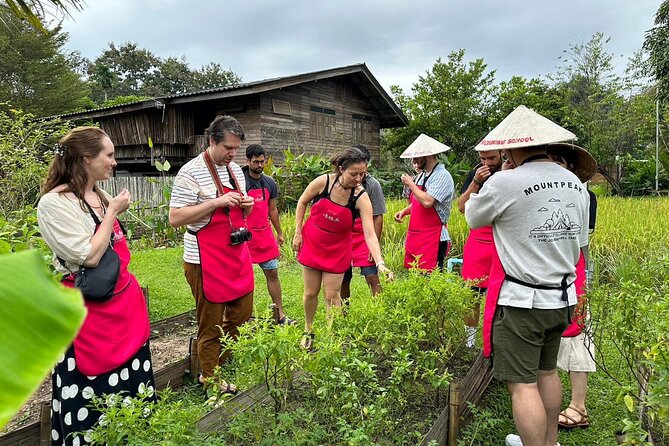
- Organic garden time: 1.6 acres with 20+ types of plants you can taste and learn about
- Individual cooking stations: you’re actively making food, not waiting your turn
- Certified chef + instructors: support while you cook six dishes
- Small group size (max 12): easier questions, less crowding at your station
Why this organic-farm cooking class feels different in Chiang Mai
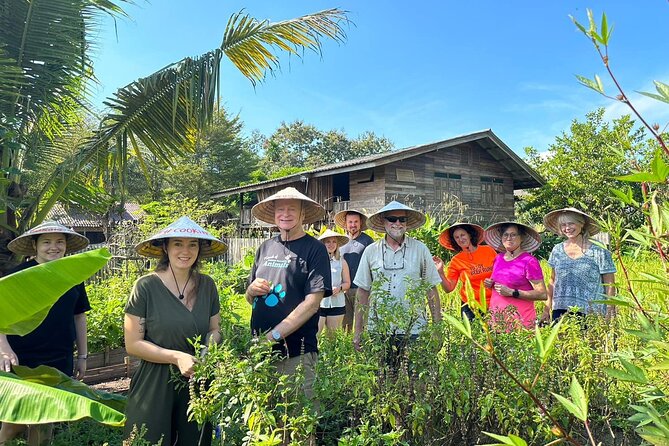
Most Chiang Mai cooking classes end up being kitchen-heavy. This one starts outdoors and stays practical. You’ll visit a local market first, then head into the farm area to pick fresh herbs and vegetables grown on site, which changes how the day feels right from the start.
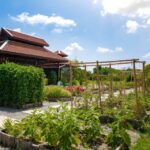
I like that the farm is not a token stop. You’re given time to learn the plants you’ll cook with, and the gardens cover 1.6 acres with more than 20 plant types. That matters because Thai cooking is all about balance—fresh herbs, acidity, sweetness, spice, and salt—and starting with fresher ingredients makes every step easier to understand.
There’s also a nice “day-trip” vibe. The experience is built around a relaxed, countryside setting with hotel transfers offered, so you’re not stressed about getting out of the city. For many people, that’s when the cooking actually becomes fun.
You can also read our reviews of more cooking classes in Chiang Mai
The 9:00am schedule: market first, then farm cooking for six dishes
The day begins at 9:00am. You’ll meet at Tha Phae Gate on Tha Phae Road, and pickup is offered if you’re staying in Chiang Mai city. The overall duration is about 6 hours, and the class is structured so you cook, eat, and then get back to your starting area.
First comes the market stop. Think of this as your “ingredient reality check.” You’ll see traditional countryside life and get a sense of what people buy regularly, not just what looks good in a tourist photo.
Then you move to the farm, a drive time that’s around 30 minutes in practical terms. Once there, you’ll explore the organic garden and taste herbs, which sets you up for why Thai dishes work the way they do. After that, it’s straight into cooking at your own station.
Between stations and cooking rounds, this kind of class also gives you small pockets of breathing room. One of the big wins here is that you’re not trapped in a classroom the whole time.
Choose your menu: salads, stir-fries, soups, curry paste, curries, dessert
This is not a fixed “one-size-fits-all” class. You choose 6 dishes from a menu that covers the main pillars of Thai flavor.
Here’s the list you can pick from:
Salads
- Spicy Chicken Salad
- Papaya Salad
- Glass noodle Salad
Stir-Fried
- Pad Thai
- Pad See Uw
- Hot Basil Stir Fried
- Cashewnut With Chicken
Soups
- Coconut Milk Soup
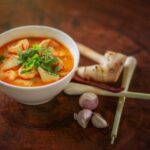
- Tom Yum
- Tom Sab
Curry Paste
- Red, Green, Massaman, Panang, Khaw Soi
Curry
- Red Curry, Green Curry, Massaman Curry, Panang Curry, Khaw Soi
Dessert
- Deep Fried Banana
- Banana In Coconut Milk
- Sticky Rice With Mango
A smart way to choose is to think about what you want to repeat at home. If you know you’ll cook Thai food again, I’d prioritize one curry paste and one curry, plus a salad or stir-fry for variety. If you’re trying Thai cooking for the first time, pick dishes that share ingredients—like herbs and aromatics—so the learning builds instead of resetting each time.
Also, don’t feel locked into just the “popular names.” Thai food is about technique, and your selections give you a real chance to practice the things behind the flavor.
The market stop: where Thai cooking starts before the stove
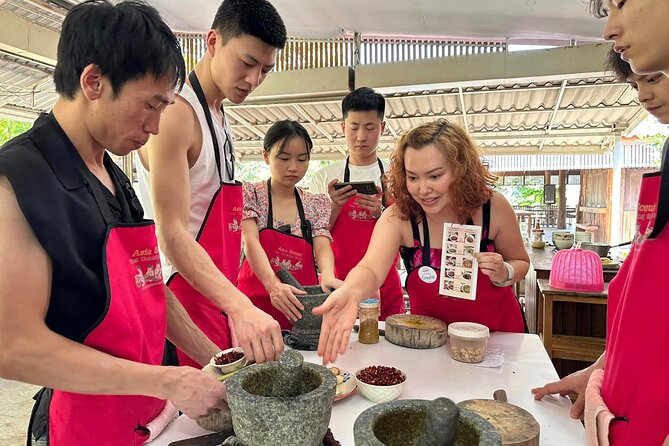
The market visit is more than a sightseeing bonus. It’s there to connect the ingredients to what you’ll actually cook later.
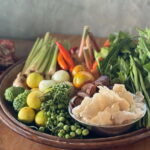
You’ll get a look at traditional lifestyle in the countryside, and you can expect to see produce and herbs that show up in the dishes above. You’ll also use this stop as a chance to understand what fresh means in Thai cooking. When herbs are picked and used quickly, the flavor isn’t just stronger—it’s cleaner and more fragrant.
If you have dietary needs, use the market time to ask questions early. One person in the experience pool was vegetarian, and the instructor supported substitutions. That’s a good sign that asking for swaps at the beginning can work better than trying to fix it halfway through.
On the organic farm: 1.6 acres of plants you’ll actually taste
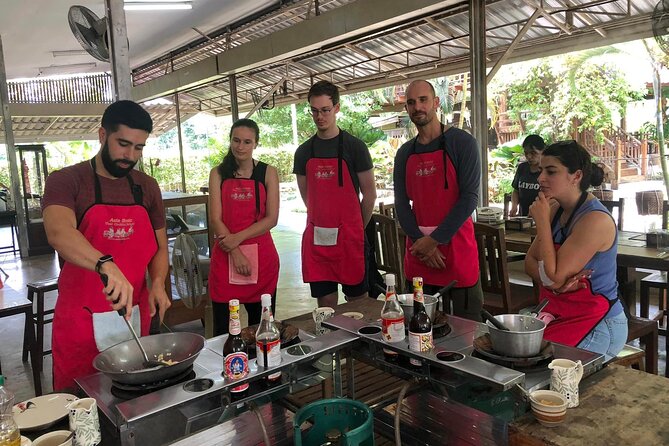
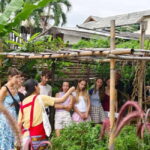
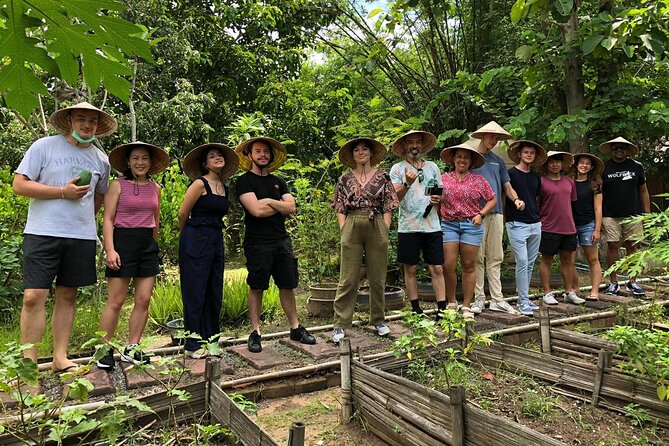
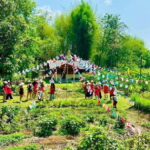
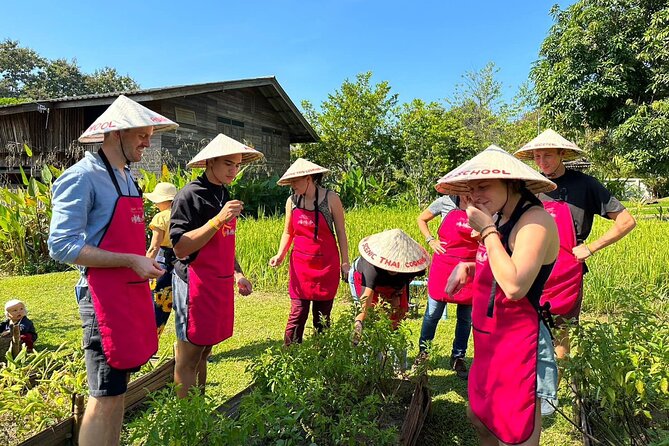
At the farm, you’ll explore 1.6 acres of greenery with 20+ types of plants. This is where the class stops being theoretical. You can taste fresh herbs and learn about vegetables grown on site.
You’re not just walking through pretty grounds. You’re gathering the ingredients that become your lunch. That’s a big reason this type of class can feel more satisfying than a city-only cooking workshop—you can follow the story of a dish from plant to cutting board.
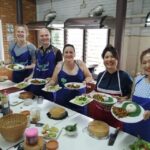
You’ll cook at an individual station. That helps a lot when you want hands-on time, because you can focus on your own prep and not spend the class waiting for someone else’s turn.
And since the farm is a calmer setting, you get a better chance to ask small questions while you’re working. Thai cooking benefits from quick tips—how spicy should it be, how thick should a sauce go, when to add something for aroma—and that’s easier with your own setup.
A few more Chiang Mai tours and experiences worth a look

Cooking six dishes at your own station without losing the plot
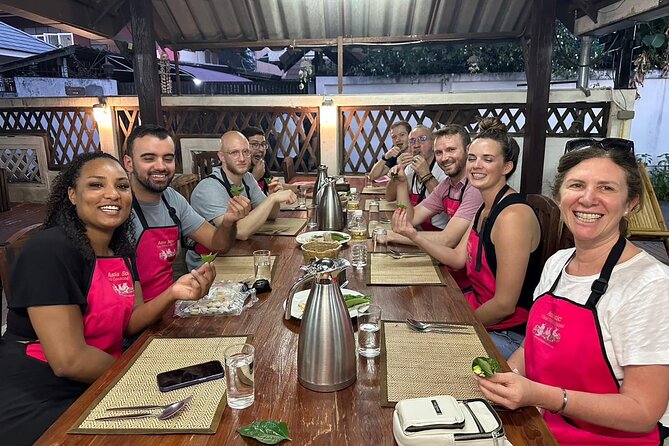
Six dishes sounds like a lot because it is. The trick is that the experience is organized so each dish has its own setup and instruction, and your station keeps you moving through steps.
The class is led by expert instructors and includes a certified chef. That usually means you’re covered on the basics—knife work, heat control, timing—and also on the “why” behind Thai technique, like balancing sour, salty, sweet, and spicy.
Here’s what you can expect as the day progresses:
- You prep fresh ingredients you picked earlier
- You cook with guidance at your station
- You learn key steps for your chosen dishes
- You share and eat what you made
The practical payoff is that you’ll leave knowing not only the recipe, but also what to watch for during cooking. Thai dishes often depend on texture: noodles shouldn’t be mushy, soups should smell right, and curries should have a consistent thickness.
If you’re the type who loves eating but avoids cooking, this is still a fair challenge. The structure helps you keep up, and the small group size means it doesn’t become a chaotic rush.
Understanding Thai curry paste vs curry (so you can cook it again)
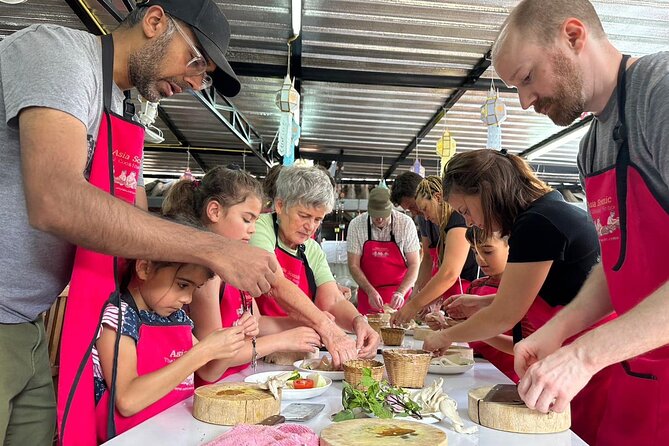
Many people learn “curry recipe” but not “curry method.” This class is built around both curry paste and curry options, because those are different skills.
Curry paste is where the flavor engine lives. When you make or work with paste-based ingredients, you’re shaping the aromatic base. Curry is where you turn that base into a finished dish with the right balance of coconut milk, heat level, and salt/sweet/sour.
By choosing both paste and curry, you’ll be able to notice what changes across steps. Even if you don’t plan to cook a full curry from scratch every week, the ability to recognize the flavor stages will make future Thai meals more fun—and more understandable.
If you want the biggest “wow, I get it now” moment, this is usually the path: pick one curry paste style and one curry style and cook them back-to-back as part of your six-dish plan.
Lunch: you eat what you made, not just samples
You’ll enjoy the meal you cooked as part of the class. The advantage of a “cook all day” workshop is that you’re not tasting tiny portions and hoping it adds up to a full lunch.
Because the food is tied to your choices, your meal feels personal. You’ll be able to compare the dishes you selected: spicy vs creamy, sour vs savory, crunchy vs soft. That comparison is part of why the recipe book works later too—you’ll remember what each dish was supposed to taste like.
This is also a day where having breakfast and hydration matters. Since the class runs about six hours with market and farm time, it helps to start the day fueled.
The recipe book: your home-cooking safety net
At the end, you receive a recipe book to recreate what you cooked. This is where value becomes real for many people.
A good recipe book should do two things: list steps clearly, and help you remember the flavors behind the dish. If you choose dishes you genuinely like, the book gives you a straight path back to those results.
My advice: before you leave, skim the book for your six chosen dishes and circle the ones you want to make soon. It’s the simplest way to turn a great day out into repeatable home cooking.
Price and logistics: what $46.95 gets you in Chiang Mai
At $46.95 per person, this class is priced like a serious half-day activity, not a quick “demo and goodbye.” You’re paying for market time, farm ingredient selection, a six-dish cooking session, and instruction by a chef and instructors, plus a take-home recipe book.
You also get transfers offered from hotels in Chiang Mai city. That’s a big practical win. Time in Chiang Mai adds up fast, and a class like this works best when transportation is handled.
Other helpful details:
- Duration: about 6 hours
- Group size: maximum 12 travelers
- Mobile ticket is provided
- You meet at Tha Phae Gate and start at 9:00am
If you like food, this is strong value because you leave with both skills and a meal you can recreate. If you’re only curious about Thai food and don’t plan to cook again, you might find it feels like a lot. But if you want repeatable know-how, the price feels fair.
Who should book this class (and who might want a different day)
I’d suggest this experience if you:
- Want real hands-on cooking, not just watching
- Enjoy markets and ingredient shopping
- Like learning the differences between salads, stir-fries, soups, and curries
- Want the option to pick a dish mix that matches your tastes
It’s also a good fit for people who have dietary needs, as long as you communicate early. When substitutions are possible, they matter most when they’re discussed at the start.
A couple of reasons you might choose something else:
- If you hate cooking actively, this is still a cook-all-day class
- If weather is unpredictable for your dates, you may face a change in plan since the experience requires good weather
- If you’re short on time beyond the six-hour window, you’ll feel the squeeze
Children aged 5–11 are included in the program. Just note that the experience rules mention responsibility for any mismatches when bookings aren’t aligned with reality on arrival.
Should you book this Chiang Mai cooking class?
For many visitors, this is one of the smartest “food learning” buys in Chiang Mai. You get market context, a real organic garden component, and instruction that connects technique to flavor.
I’d book it if you want a memorable day that also gives you a concrete take-home skill: how to cook Thai dishes with freshness and balance. And because you can choose six dishes, it’s easier to design a menu around what you actually want to eat.
Skip it if you want a lighter, purely scenic experience, or if you’re traveling on a tight schedule where any weather adjustment would hurt too much. Otherwise, for the price and the structure, it’s a strong match.
FAQ
How long is the cooking class?
It runs for about 6 hours.
Can I choose which dishes to cook?
Yes. You can choose 6 dishes from the listed options in categories like salads, stir-fries, soups, curry paste, curries, and dessert.
Is hotel pickup available?
Pickup is offered. The experience also provides round-trip transfers from hotels in Chiang Mai city.
Where do we meet, and what time does it start?
You start at Tha Phae Gate on Tha Phae Road. The start time is 9:00am.
How many people are in the group?
The experience has a maximum of 12 travelers.
What happens if the weather is bad?
The experience requires good weather. If it’s canceled due to poor weather, you’ll be offered a different date or a full refund.