REVIEW · CHIANG MAI
Chiang Mai: Traditional Thai-Akha Cooking Class& Market Tour
Book on GetYourGuide →Operated by Manta Marina Co.,Ldt. · Bookable on GetYourGuide
Chiang Mai smells like dinner by design. This Thai-Akha cooking class pairs a local market hunt with hands-on cooking of Akha + Thai dishes you can actually recreate, and I really like how much food you end up making. I also love the hotel pickup, because it keeps the day moving without logistics stress. One thing to consider: the menu is full, so expect a busy, working-meal pace rather than a slow, relaxed stroll.
This experience centers on Thai Akha Kitchen, where chefs connect Northern Thai hill-tribe flavors to everyday Thai cooking. You’ll learn how ingredients work together, not just how to follow steps. It’s a good choice if you want real technique (papaya salad, curry pastes, soups) plus Akha specialties, not just a single signature dish.
Value matters here. At about $41 per person for a 5–6 hour morning or afternoon experience (including market tour, organic ingredients, a recipe guide, and pickup), you’re paying for a whole production day, not a quick demo. If you’re traveling with strong food allergies, plan ahead, because you’ll want your ingredients handled carefully.
In This Review
- Key highlights: market tour, Akha dishes, and a full cooking table
- Thai-Akha cooking in Chiang Mai: why Akha flavors feel different
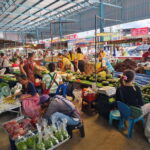
- The market tour: where your cooking starts before the stove
- Hotel pickup and a 5–6 hour day that doesn’t waste time
- Cooking table mechanics: how your hands learn Akha and Thai techniques
- Your full menu map: appetizers, Akha staples, curries, soups, and desserts
- Appetizers (2 choices)
- Desserts (2 choices)
- Akha dishes (3 core dishes)
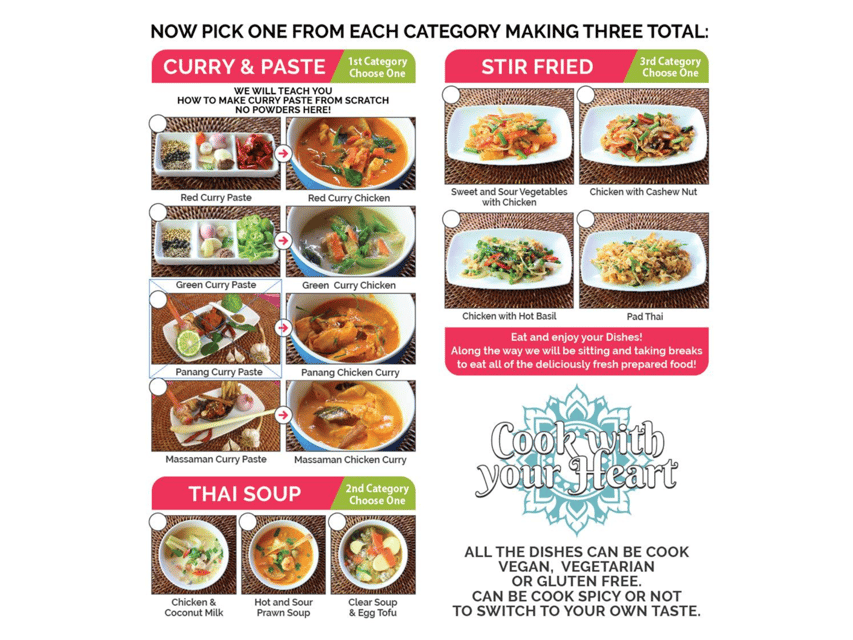
- Curry and paste: choose your style (1 out of 4)
- Thai soups: choose your bowl (1 out of 3)
- Stir-fried dishes: choose your finisher (1 out of 4)
- Choosing spice and avoiding surprise heat
- What hotel pickup changes (and what it doesn’t)
- Price and value: is $41 fair for 5–6 hours of cooking?
- Who should book this Thai-Akha cooking class in Chiang Mai
- Tips to get the most out of your cooking day
- Should you book the Chiang Mai Traditional Thai-Akha Cooking Class?
- FAQ
- How long is the Chiang Mai Traditional Thai-Akha Cooking Class& Market Tour?
- What’s included in the price?
- Do I get to choose dishes?
- What languages are used during the class?
- Is hotel pickup included?
- What if I have food allergies?
Key highlights: market tour, Akha dishes, and a full cooking table
- Hotel pickup from Chiang Mai hotels saves time and reduces day-of hassle.
- A Thai-Akha fusion menu that goes beyond pad thai: papaya salad, Akha soups, Akha salad, curry pastes, and more.
- Handpicking ingredients at the local market so you understand what makes Thai flavors taste right.
- Choose-your-own options for curry, soup, and stir-fry so you can steer it toward your taste.
- English/Thai instruction with instructors such as An, Xuan, and Evelyn showing up in past classes.
- Recipe + cookbook included, plus spice knowledge you can keep using after you get home.
Thai-Akha cooking in Chiang Mai: why Akha flavors feel different

Chiang Mai is known for great Thai food. This class adds another layer: Akha cuisine. The Akha people migrated to Thailand in the early 1900s and developed their own food traditions in the mountains. In this cooking class, that heritage is treated as practical cooking, not museum material.
What you’ll pick up isn’t just which ingredients to use. It’s the thinking behind freshness, balance, and using herbs and citrus for lift. That shows up in the menu: tomato-based dipping sauces, herb-forward salads, and soups meant to taste clean rather than heavy.
The class is also built so you learn patterns. Once you understand how a curry paste behaves, how lime juice changes a salad, and how herbs sit in a stir-fry, you start cooking smarter. That’s the real payoff—your next Thai meal becomes easier.
And yes, you’ll eat what you cook. This is the kind of tour where the kitchen results matter, not just the class performance.
You can also read our reviews of more shopping tours in Chiang Mai
The market tour: where your cooking starts before the stove
The day begins with a local market tour. This part is more than a photo break. You’re learning how Thai cooks judge quality fast—what looks fresh, what smells right, and what should be used for specific flavors.
In a Thai-Akha class, market knowledge gets even more important. Akha dishes in the menu use ingredients and combinations you may not expect to see together in mainstream Thai restaurants. Seeing them in person helps you understand why the food tastes the way it does.
You’ll likely sample local treats along the way too, which is fun, but don’t let tasting slow your attention. When you’re buying ingredients for dinner, you want to remember what you chose and why. Even if you don’t buy anything extra, the class helps you learn the logic.
Practical tip: wear closed-toe shoes. Markets are uneven and you’ll be standing and walking at a normal pace.
Hotel pickup and a 5–6 hour day that doesn’t waste time
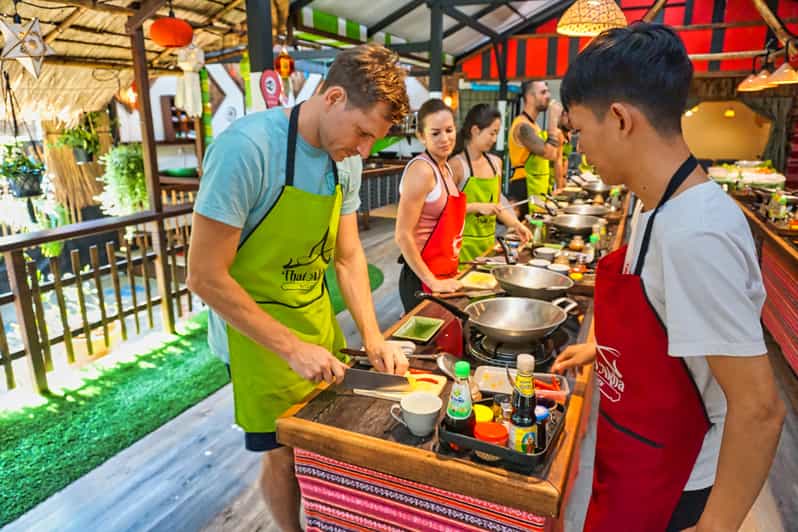
This is a structured experience, and that’s a big part of the value. Pickup from your Chiang Mai hotel is included, so you don’t spend your day hunting transportation or waiting near a random drop-off point.
The total time is 5–6 hours, which is long enough to do both the market tour and a real cooking session. In many setups, you end up cooking a large number of dishes rather than one or two. One past class setup even referenced an 11-dish cooking total during the hands-on portion—so plan for an active afternoon.
If you like to travel efficiently, this kind of schedule works well. If you’re the type who wants slow tea and no motion, you might find the pace a bit much. Still, the structure is what makes the meal feel complete.
Cooking table mechanics: how your hands learn Akha and Thai techniques
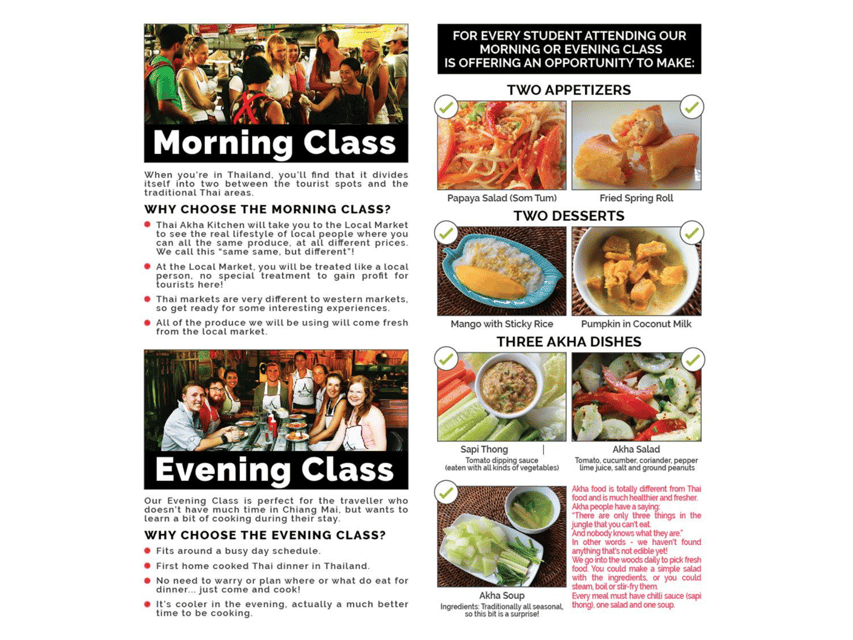
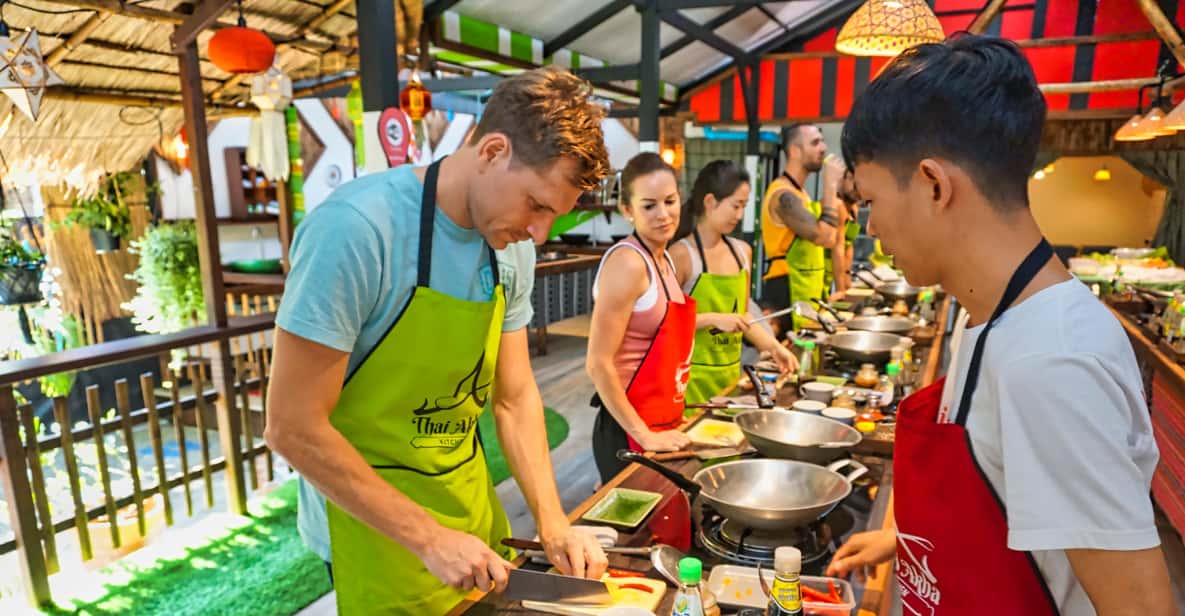
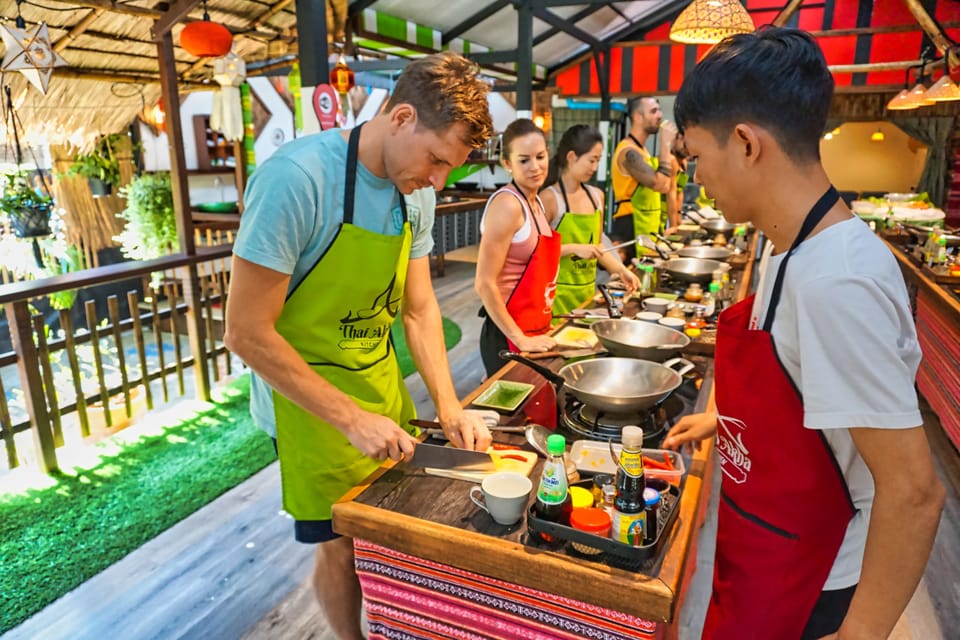
Back at the kitchen, the class moves from ingredient choices to technique. You’ll work through appetizers, salads, desserts, soups, curries, and stir-fried dishes. The instruction is in English and Thai, which helps if your Thai vocabulary is basic.
Here’s what you should expect in terms of skills:
- Knife and prep work that supports multiple dishes at once (so you’re not repeating the same motion forever).
- Herb and citrus timing so flavors don’t taste dull or flat.
- Curry paste and curry cooking logic—how the paste translates into the final sauce.
- Soup building that keeps flavors clear, not just salty.
This class also comes with organic ingredients, plus a recipe and cookbook to take home. That matters because you won’t rely on memory after the intensity of a half-day class. When you cook later, you’ll want those instructions and spice notes.
One more detail: the chefs are part teacher, part host. Names that have come up include An, Xuan, and Evelyn. You’ll likely feel guided rather than lectured, especially if you ask about spice level or substitutions.
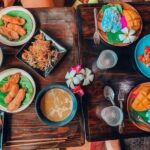
Your full menu map: appetizers, Akha staples, curries, soups, and desserts
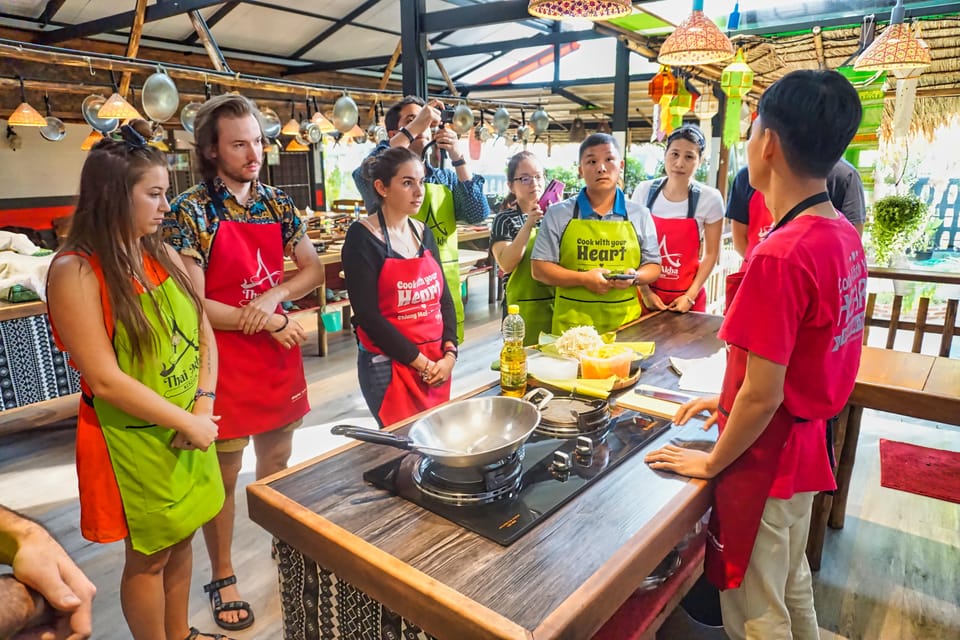
The menu is the heart of the experience. It’s designed to show Akha cooking ideas inside a Thai cooking framework, so your plate ends up teaching you something.
A few more Chiang Mai tours and experiences worth a look
Appetizers (2 choices)
You’ll start with two appetizers from this list:
- Papaya Salad
- Fried Spring Roll
Papaya salad is a great anchor dish because it rewards freshness and careful balancing. You learn how lime, peanuts, and chili create the flavor profile people crave in Thai food. Spring rolls help you understand texture—how filling and wrapper work together.
Desserts (2 choices)
Then come desserts:
- Mango with Sticky Rice
- Pumpkin in Coconut Milk
These two desserts cover two Thai classics: fruit + chew, and coconut richness + soft sweetness. Expect them to round out the meal so it doesn’t feel like only savory training.
Akha dishes (3 core dishes)
This is where the class becomes distinctly Akha:
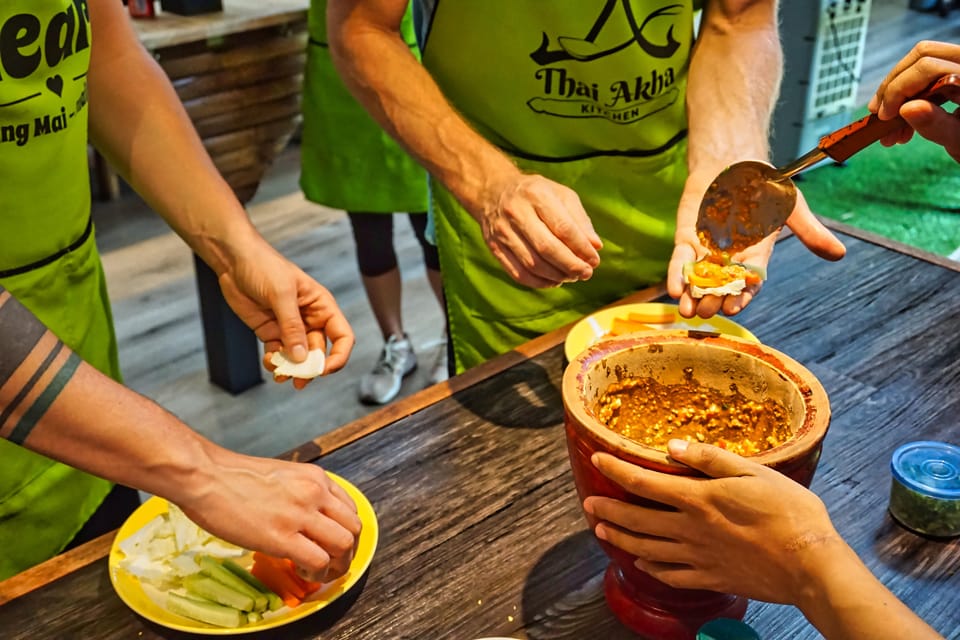
- Sapi Thong (Tomato Dipping Sauce)
- Akha Salad (tomato, cucumber, coriander, pepper, lime juice, salt, and ground peanuts)
- Akha Soup
Akha Salad is the one I’d pay attention to for technique. It’s herb and citrus forward, and it includes peanuts plus pepper and salt. That combination gives a sharp, “fresh but satisfying” profile.
Sapi Thong is tomato dipping sauce, which is a reminder that not every Thai dip is sweet or peanut-based. It’s savory and bright, and it helps you understand how tomatoes can act like a flavor foundation.
Curry and paste: choose your style (1 out of 4)
You’ll choose one curry and paste dish:
- Red Curry Chicken
- Green Curry Chicken
- Panang Chicken Curry
- Massaman Chicken Curry
This choice is smart. Different curries teach different behavior. Massaman often feels warmer and deeper, while green curry tends to taste more herbal and aggressive. If you’re sensitive to spice, this is where you should guide the instructor.
Thai soups: choose your bowl (1 out of 3)
Next you choose a soup:
- Chicken and Coconut Milk
- Hot and Sour Prawn Soup
- Clear Soup with Egg Tofu
This selection gives you a palette check. Hot and sour teaches acidity and heat. Coconut milk soups teach smooth richness. Clear soup with egg tofu helps you see how gentle flavors can still feel complete.
Stir-fried dishes: choose your finisher (1 out of 4)
Finally, one stir-fry:
- Sweet and Sour Vegetables and Chicken
- Chicken with Hot Basil
- Chicken with Cashew Nut
- Pad Thai
If you choose Pad Thai, you get a familiar dish—but you’ll still learn how the kitchen techniques shape the final texture and balance.
Choosing spice and avoiding surprise heat
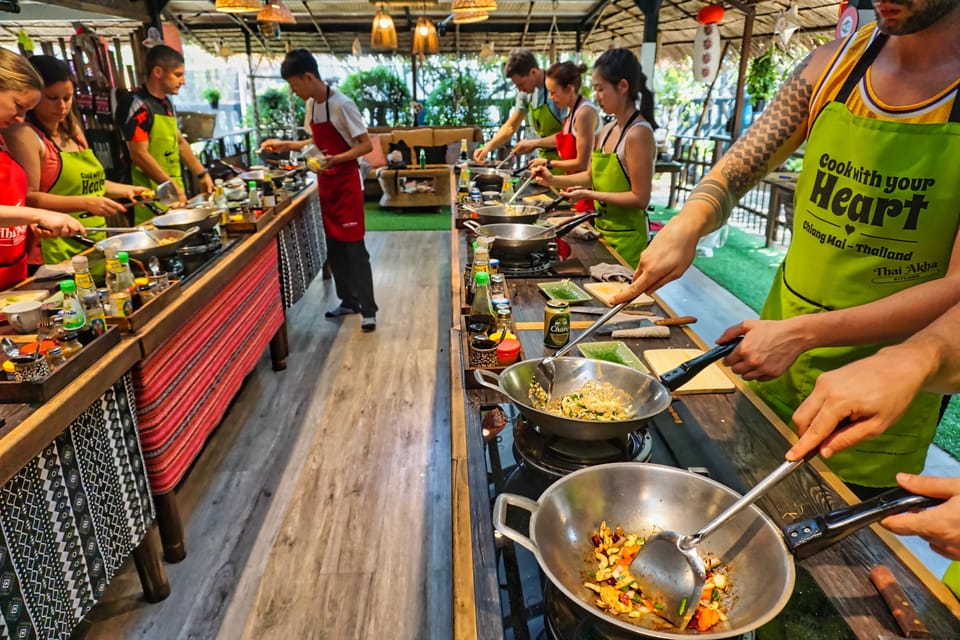
Spice is part of Thai cooking, but you still control your comfort level. In this class setup, you’ll be able to adapt dishes to your preferences. One past participant specifically mentioned adjusting for spice level, and that’s exactly what you should do early.
Before you start cooking, tell your instructor:
- how spicy you want it
- whether you want less chili in salad and dips
- if you need any swaps due to allergies
Food allergies need advance notice. The class asks you to inform them of allergies in advance via email or WhatsApp. Don’t wait until you arrive and hope for the best.
Also, keep an eye on peanuts. The Akha Salad recipe includes ground peanuts, and peanuts can hide in dips and sauces. If you avoid peanuts, this class may need special handling, so contact the provider before booking.
What hotel pickup changes (and what it doesn’t)
Hotel pickup is included, and it’s genuinely useful in Chiang Mai. With pickup, you avoid the common travel pain: finding a meeting point, coordinating time, and worrying about getting left behind.
But pickup doesn’t remove the need to be on time. Plan to be ready a few minutes earlier than you think. The cooking day is tight, and you don’t want to be standing around while the rest of the group starts prep.
If you’re staying outside the most central hotel zones, you might want to confirm pickup details after booking. The class information doesn’t list timing specifics here, so it’s smart to check directly.
Price and value: is $41 fair for 5–6 hours of cooking?
At around $41 per person, this class is a value-driven option because multiple things are included:
- market tour session
- cooking session
- organic ingredients
- recipe and cookbook
- pickup from your hotel
Many cooking experiences separate costs: class fee only, or food not included, or pickup offered as an add-on. Here, the package includes the full day’s structure. You’re paying for instruction plus materials plus transport convenience.
The other value point is learning variety. Your menu spans salads, curries, soups, stir-fry, and desserts. That means you leave with a broader cooking toolkit, not just one recipe you can repeat.
If you only want to make one or two Thai dishes and you’re a confident cook already, you may not get as much value. But if you want a full food education in one half-day, this price makes sense.
Who should book this Thai-Akha cooking class in Chiang Mai

I think this class fits these travelers well:
- Food-focused travelers who want more than a standard Thai cooking class.
- People who love ingredients and want to understand why the flavor works, not just how to plate it.
- Couples and small groups who can enjoy cooking together without feeling lost.
- DIY cooks who want recipes and a cookbook to recreate dishes later.
You might think twice if:
- you prefer relaxed, slow sightseeing
- you hate working in kitchens for hours
- you have complex allergies that require careful ingredient control
Also, if you’re traveling with someone who only likes one type of cuisine, this can still work, because the menu includes both familiar Thai dishes like Pad Thai and distinctly Akha dishes.
Tips to get the most out of your cooking day
A few practical things will make the experience easier and more useful.
- Ask about spice and substitutions early. It changes the whole experience.
- Pay attention during the market tour to herbs and fruit. Those flavors carry into multiple dishes.
- Take notes when you receive the recipe and cookbook. Even quick notes like which dish had peanuts or which curry was chosen will save you later.
- Eat with purpose. When the food is on your plate, ask how it was built. That helps you learn flavor logic.
If you want to bring home ingredients, the class does not state extra shopping is included. So focus on what you learn, not on collecting pantry items on the spot.
Should you book the Chiang Mai Traditional Thai-Akha Cooking Class?
If your goal is a serious cooking session plus a real ingredient lesson, I’d book it. The market tour + full menu approach is efficient, and you get recipes plus a cookbook, so your learning sticks.
Choose it especially if you’re curious about Northern hill-tribe influences and want to taste the Akha side of Thai food—not just standard tourist Thai dishes. With hotel pickup included and instruction in English and Thai, it’s also a low-stress way to spend half a day in the kitchen.
If you’re very sensitive to spice, have allergies, or want a quiet tour, message ahead and plan for modifications.
FAQ
How long is the Chiang Mai Traditional Thai-Akha Cooking Class& Market Tour?
The experience runs for about 5 to 6 hours.
What’s included in the price?
It includes the cooking session, the local market tour session, a recipe, a cookbook, organic ingredients, and hotel pickup from Chiang Mai.
Do I get to choose dishes?
Yes. You choose one curry/paste option out of four, one Thai soup out of three, and one stir-fried dish out of four.
What languages are used during the class?
The instructor works in English and Thai.
Is hotel pickup included?
Yes, pickup from Chiang Mai hotels is included.
What if I have food allergies?
You should inform the provider in advance about any food allergies via email or WhatsApp, so the team can prepare accordingly.