REVIEW · CHIANG MAI
Chiang Mai: Thai Cooking Class with Market Tour
Book on GetYourGuide →Operated by Chiang Mai Smart Cook · Bookable on GetYourGuide
Curry paste starts with your own mortar work. I like the hands-on pace in a local Lanna home near Chiang Mai Gate Market, and I like that you learn ingredients first, then cook them right away. One thing to consider: the meal can leave you a little hungry if you expect it to fully replace dinner.
You’ll start with hotel pickup, then head to a nearby market to learn which herbs, spices, and vegetables shape Thai flavor. After that, you cook six traditional dishes, including curry paste from scratch and sticky rice with mango, and you eat the results while everything is still hot and fresh.
You’re usually led by an English-speaking chef, and the vibe can be super upbeat. Names like Mew, Kat, Tu, Ton, and Wave show up among instructors for this experience, which tells me you’re likely to get a guide who can explain Thai cooking in plain terms and keep things moving.
In This Review
- Key things that make this class worth your time
- Where the class starts: the local market near Chiang Mai Gate Market
- Picking up and heading to a real Lanna home
- What you cook: 6 Thai dishes plus the big skills (curry paste and sticky rice)
- Learning the Thai flavor system, not memorizing recipes
- The meal: eating your work (and what to expect from portion size)
- Class size and attention: why it feels hands-on
- Pricing and value: why $25 can work if you want more than a snack
- Logistics that matter on the day: timing, clothes, and what’s not allowed
- Who this cooking class is best for
- Should you book Chiang Mai Smart Cook’s Thai Cooking Class?
- FAQ
- How long is the Chiang Mai Thai Cooking Class with Market Tour?
- What does the price include?
- What dishes will I learn to make?
- Is the class taught in English?
- Where does the cooking take place?
- Do I get to eat what I cook?
- Is alcohol included?
- What should I bring?
- Is the tour suitable for young children?
- Is pickup included, and where do I meet the driver?
- What’s the cancellation policy?
Key things that make this class worth your time
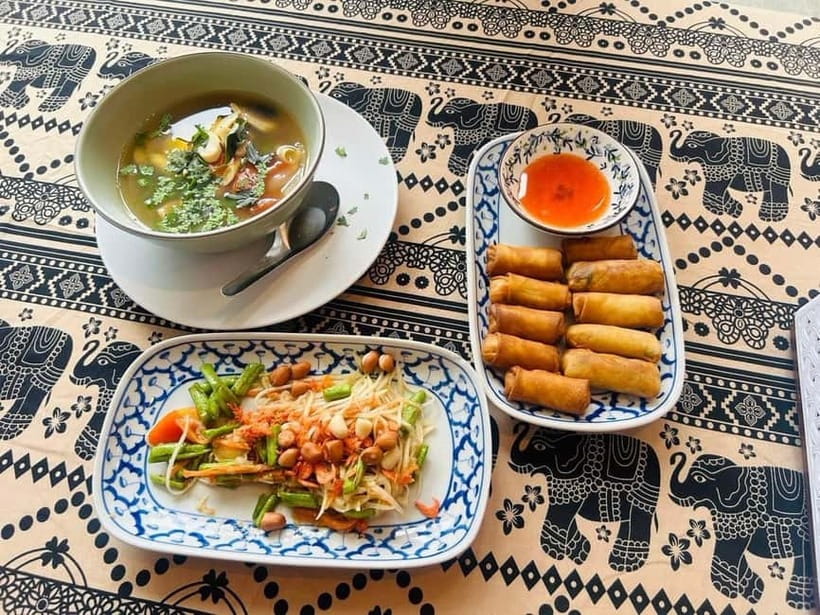
- Market-first learning so you understand what you’re buying and why it matters
- Curry paste from scratch, not a shortcut, so you feel the flavor shift as you grind
- Small-group attention, which helps when your knife work or sauce timing needs a nudge
- Sticky rice with mango as a fun, classic payoff you can actually recreate at home
- A recipe book in your hands so you don’t forget the order and the proportions later
Where the class starts: the local market near Chiang Mai Gate Market
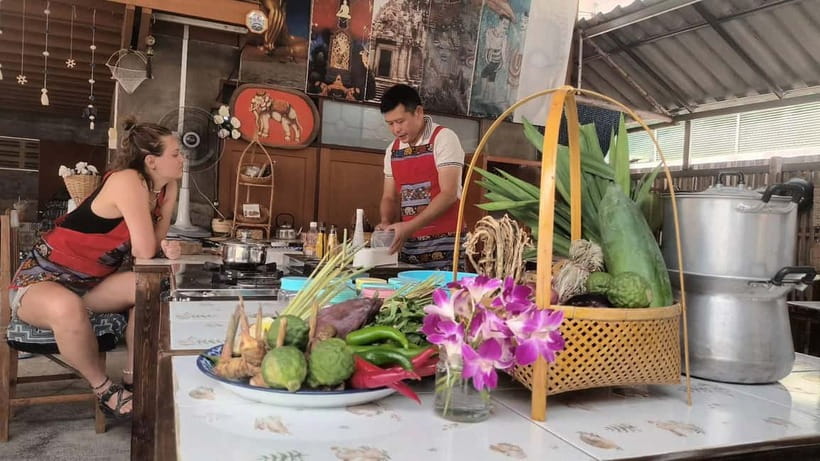
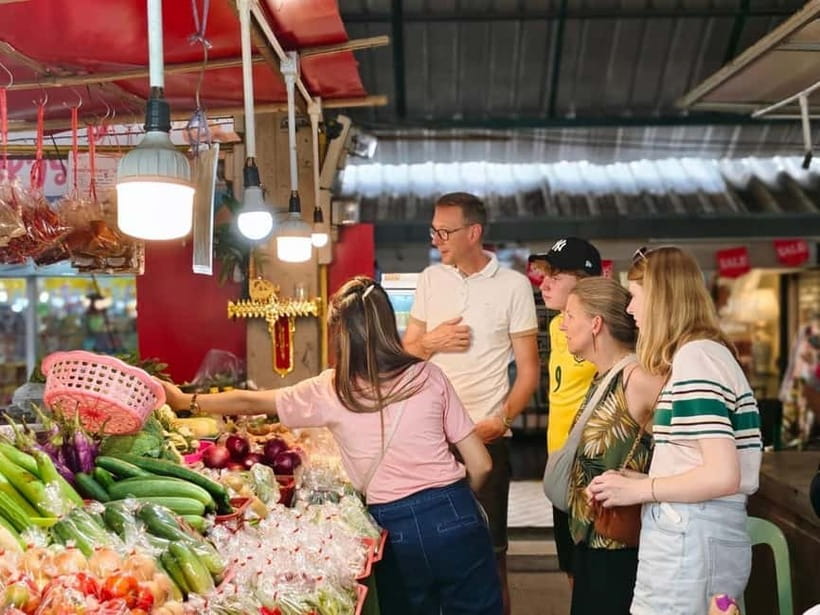
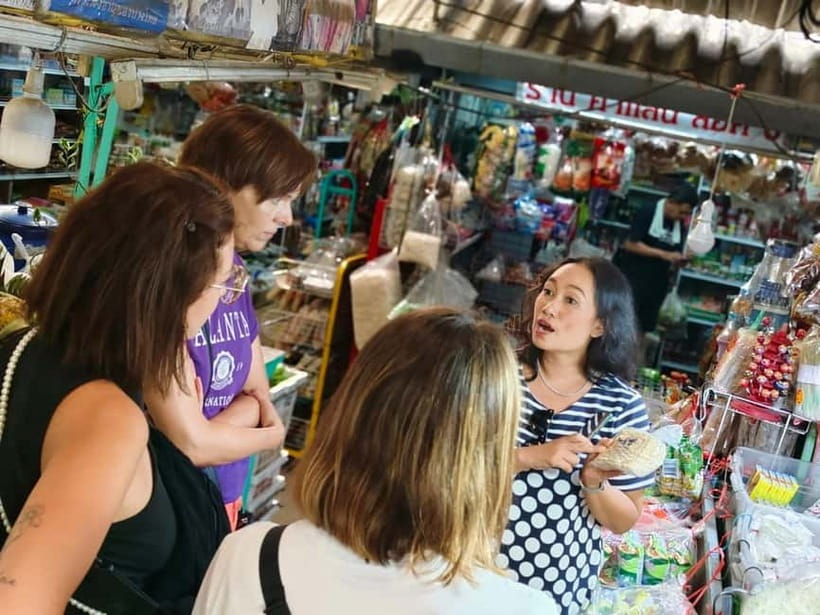
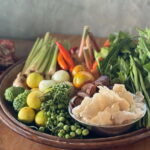
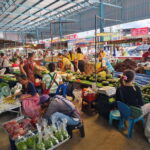
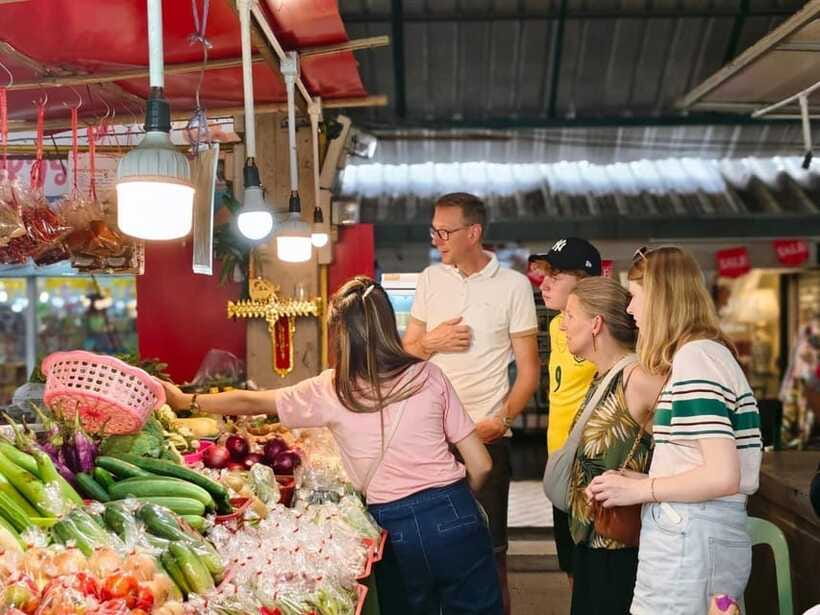
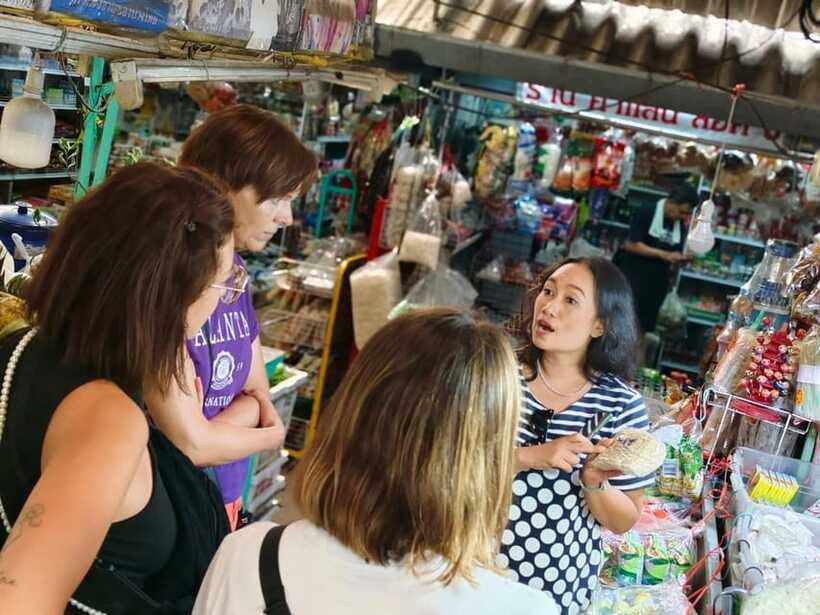
This is one of those tours where the morning makes the cooking make sense. You go to a local market first and learn how Thai cuisine builds flavor: herbs, dried spices, aromatics, and produce aren’t just ingredients—they’re the whole system. You’ll also get a feel for what to look for when you try to recreate dishes later.
I like that the market stop is tied directly to what you’ll cook. Instead of snapping photos and moving on, you’re learning what’s fragrant, what’s spicy, what’s sour, and what’s fresh. That matters because Thai dishes aren’t only about heat; they’re about balance—sweet, salty, sour, and spicy all working together.
The main possible downside is timing. A couple of people note the market visit can feel quick, so if you like lingering and browsing, you might want to do extra exploring on your own afterward. Still, even with a faster pace, you come out knowing how to recognize key ingredients.
You can also read our reviews of more shopping tours in Chiang Mai

Picking up and heading to a real Lanna home
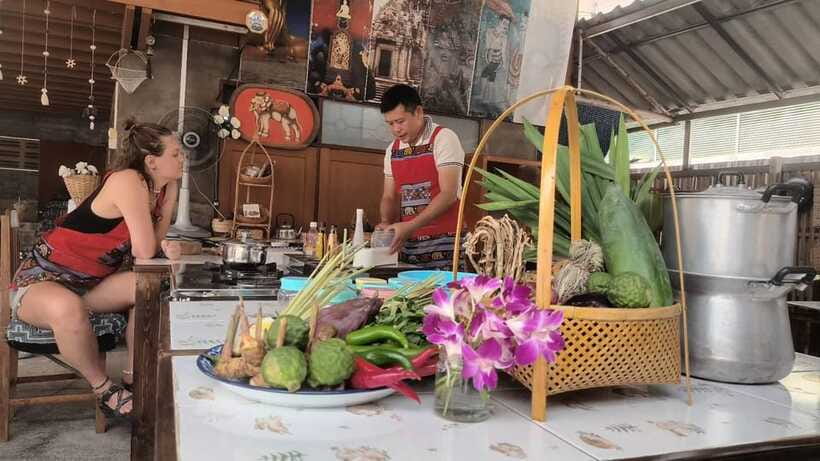
After pickup, you’ll head into the old-city area, with the cooking happening in a traditional Lanna home. That home setting changes the class in a good way: you’re not stuck in a demo kitchen, and you’re not fighting for space on a factory-style line. It feels personal, like someone is teaching you their everyday cooking workflow.
Pickup is included, and you’re usually asked to wait in your hotel lobby 15–30 minutes before the scheduled pickup time. I’d treat that as a real cue, not a suggestion. In Chiang Mai, small timing slips can snowball, and getting ready early makes the day smoother.
You also get a “what happens when” structure: market tour first, then cooking, then a meal. That rhythm is helpful if you’re learning multiple dishes in one session, because you’re always aware of what comes next.
What you cook: 6 Thai dishes plus the big skills (curry paste and sticky rice)
The headline here is learning to cook six traditional Thai dishes. That’s a lot for a 4-hour class, but the setup is designed so you’re not just watching—you’re actively making food. You’ll work through steps like chopping, mixing, and cooking, while your instructor guides you through the logic behind each dish.
The two big skills are curry paste from scratch and sticky rice. Curry paste is the classic Thai “make it yourself” test. Grinding and mixing the aromatics and spices teaches you how flavor builds as the texture changes—thicker paste usually means more concentrated aromatics and better balance when it hits the pan.
Sticky rice is another skill worth learning because it’s a texture challenge, not just a flavor one. You’ll practice how to cook sticky rice for serving with mango, which means you’re learning the method, not just the final plating.
You’ll also make a curry and other very local dishes as part of the menu. The class description mentions curry paste and sticky rice with mango specifically, and the overall meal is framed as a very authentic Thai spread—so you’re not just doing tourist-friendly pad Thai variations.
Learning the Thai flavor system, not memorizing recipes
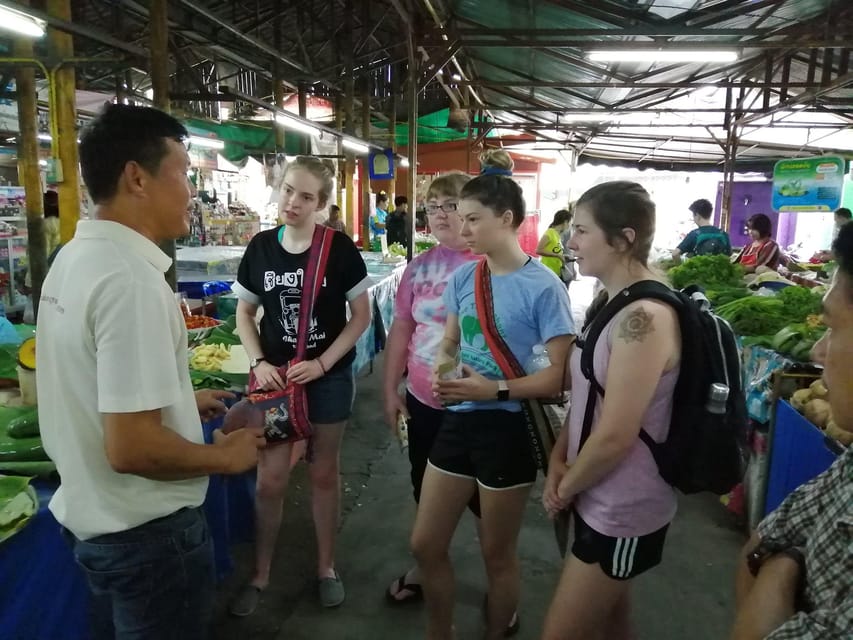
Good cooking classes teach technique, but the best ones teach the “why.” This one does that through ingredient knowledge and step-by-step explanations. At the market, you learn what Thai herbs and spices are doing. In the kitchen, you apply that knowledge as you cook.
You’ll also benefit from having a teacher who can explain in English. The experience is listed with an English instructor, and the instructor names mentioned in feedback suggest the guides often bring energy and humor. That matters because Thai cooking can feel intimidating at first, especially when flavors are bold and the steps move quickly.
One smart thing about doing curry paste and sticky rice here is that you’re learning foundational Thai methods you can reuse. If you decide to cook at home later, you’ll be able to adjust flavors with the same ingredients, instead of relying on pre-made sauces.
The meal: eating your work (and what to expect from portion size)
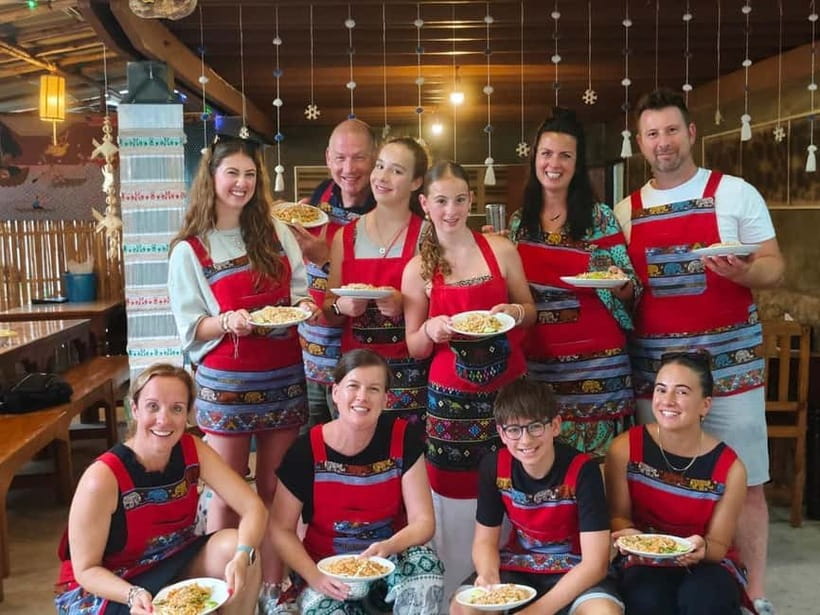
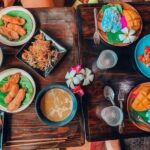
After cooking, you eat the dishes you prepared. That’s one of the best parts because you can taste what you made while the smells are still fresh in your mind. You also see how different components work together—something you can’t fully understand from a recipe screenshot.
Now, a quick heads-up: at least one person felt they were still a bit hungry afterward and thought portions might be on the smaller side for a full dinner. If your goal is a true dinner replacement, keep that in mind. On the other hand, if you treat this as a guided tasting-meal plus cooking practice, it’s likely to feel satisfying.
Your session time can affect how the meal fits into your day. The experience notes that brunch, lunch, or dinner depend on the time schedule you attend. So if you book a morning session, you may want a light snack afterward; if it’s closer to lunch or dinner, you’ll likely feel more content.
A few more Chiang Mai tours and experiences worth a look

Class size and attention: why it feels hands-on
Small-group learning is a big part of the appeal. People highlight the group size as a reason everyone gets support while cooking. When you’re cooking multiple dishes, having an instructor nearby makes a real difference—especially if you’re trying to nail timing in a hot pan or get the texture right.
That also helps with pace. You’ll move through steps as a group, but you’re not totally on your own. If something needs adjusting—too much heat, too dry a texture, or a sauce that needs a tweak—you get direction while you’re still in the process, not after the fact.
And since the class is in a home kitchen setting, it typically feels less like a performance and more like cooking with a host. Even if you’re a beginner, this style can reduce the intimidation factor.
Pricing and value: why $25 can work if you want more than a snack
At $25 per person for about 4 hours, this is priced for travelers who want a real skill-based experience without paying a luxury tour rate. You also get hotel pickup, the market tour, ingredients, instruction for cooking six dishes, plus a recipe book.
That’s the real value angle: you’re not just paying to eat Thai food. You’re paying to learn how to make it—specifically curry paste from scratch and sticky rice with mango. For many people, those two items are the difference between “I ate Thai food” and “I can cook Thai food.”
One item to note: beer and alcohol are not included. If you’re hoping to pair your meal with drinks, you’ll need to plan on spending extra locally.
Logistics that matter on the day: timing, clothes, and what’s not allowed
This experience asks for comfortable clothes, which is practical because you’re cooking and moving around. I’d also wear shoes you can stand in for a while, since cooking classes often involve a lot of standing near counters.
Alcohol and drugs are not allowed, which keeps the day focused on cooking and safety. Also, the class isn’t suitable for children under 5 years old, so plan accordingly if you’re traveling as a family.
Finally, start times vary because the duration is listed as 4 hours and you need to check availability for the exact schedule. If you’re planning other activities in Chiang Mai that day, build some buffer around pickup time.
Who this cooking class is best for
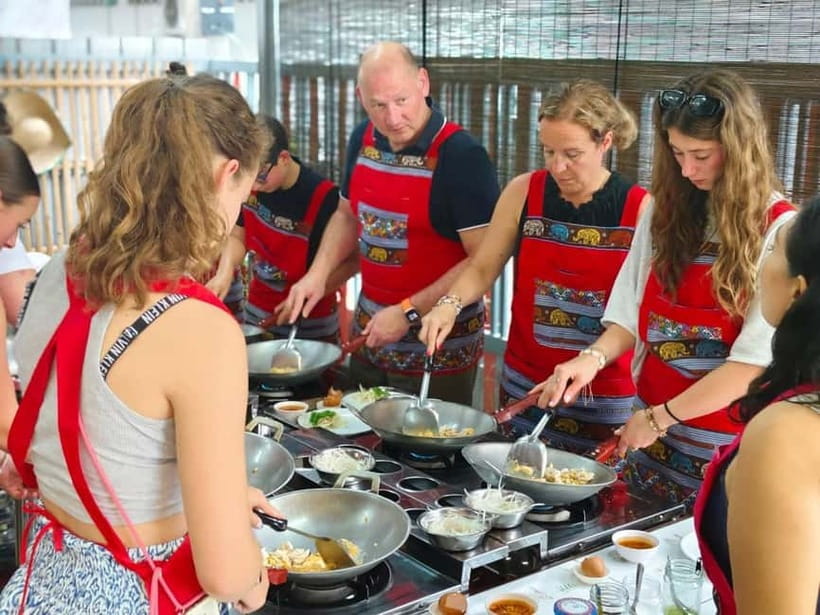
This tour fits best if you want a structured, hands-on Thai cooking day. If you’re a food lover who likes learning by doing, you’ll likely feel right at home. The mix of market learning plus kitchen practice is especially good if you’ve never cooked Thai before.
It’s also a strong pick for solo travelers who want a social day with a small group. If you prefer a classroom-style workshop where questions are welcomed, this is the type of activity where an English-speaking chef can guide you step-by-step.
If you’re chasing a deep, slow market wandering experience, you might find the market segment a bit too tight. But if your goal is to understand ingredients quickly and apply that learning right away, that pace can actually be a plus.
Should you book Chiang Mai Smart Cook’s Thai Cooking Class?
I’d book it if you want real cooking skills in a short, organized block of time—especially curry paste and sticky rice. The value is strong for the price, and the home-kitchen format plus English instruction makes it approachable.
I’d think twice if you’re the kind of eater who needs a big, filling meal afterward, because a portion-size complaint shows up. And if you hate any chance of schedule slippage, you’ll want to stay flexible, since transport timing can be a minor variable.
If you want one day in Chiang Mai that’s both practical and delicious, this is the kind of class you’ll feel good about long after you leave the kitchen.
FAQ
How long is the Chiang Mai Thai Cooking Class with Market Tour?
The experience runs for about 4 hours. Exact start times depend on availability.
What does the price include?
It includes hotel pickup, a local market tour, instruction on herbs and ingredients, cooking class for 6 dishes (including curry paste from scratch), ingredients, and a recipe book.
What dishes will I learn to make?
You’ll cook 6 traditional Thai dishes. The experience specifically mentions making curry paste from scratch and sticky rice with mango.
Is the class taught in English?
Yes, the instructor is listed as English-speaking.
Where does the cooking take place?
Cooking happens in a traditional Lanna home in Chiang Mai, near the Chiang Mai Gate Market area.
Do I get to eat what I cook?
Yes. After cooking, you enjoy a meal made from the dishes you prepared.
Is alcohol included?
No. Beer and alcohol are not included, and alcohol is not allowed during the experience.
What should I bring?
Bring comfortable clothes. You’ll be cooking and moving around during the class.
Is the tour suitable for young children?
It is not suitable for children under 5 years old.
Is pickup included, and where do I meet the driver?
Hotel pickup is included. You should wait in your hotel lobby 15–30 minutes before your scheduled pickup time.
What’s the cancellation policy?
Free cancellation is available up to 24 hours in advance for a full refund.