REVIEW · CHIANG MAI
Chiang Mai: Elephant Dream Project Sanctuary – Full Day
Book on GetYourGuide →Operated by Elephantdreamproject · Bookable on GetYourGuide
Elephants, but not like a show. I love the no-riding, no-bathing rules and the chance to feed and walk alongside elephants in their jungle habitat. If you get car sick easily, the uphill drive is curvy and you might want motion-sickness meds.
You’ll spend the day with a live English guide who grew up around elephants, so the teaching feels human and practical, not like a script. I also like that this is a small group setup, and the project includes time with the village community that supports the elephants and the people who live nearby.
The full day runs about 8 hours, includes lunch and water, and even gives you a breather at a waterfall before heading back to town.
In This Review
- Key things that make this day memorable
- What This Elephant Dream Project Day Is Really About
- Getting There From Chiang Mai: Pickup and Mountain Road Reality
- Meet the Elephants in Jungle Conditions, Not a Pen
- Feeding and Walking: What the Hands-On Time Actually Teaches
- Village Time: Learning Elephant Care Through Local Lives
- Lunch and the Details That Affect Comfort
- The Waterfall Break: A Reset After Elephant Time
- Price and Logistics: Is $73 Good Value for This Day?
- Who This Sanctuary Experience Fits Best
- My Booking Advice: Should You Choose This One
- FAQ
- FAQ
- How long is the full-day Elephant Dream Project sanctuary tour?
- What time does pickup happen in Chiang Mai?
- How big is the group?
- Is the tour guide English-speaking?
- What do you do with the elephants during the day?
- Are elephant riding or bathing part of the experience?
- What is included in the price?
- Are soft drinks included?
- Is there a cancellation option and flexible booking?
Key things that make this day memorable
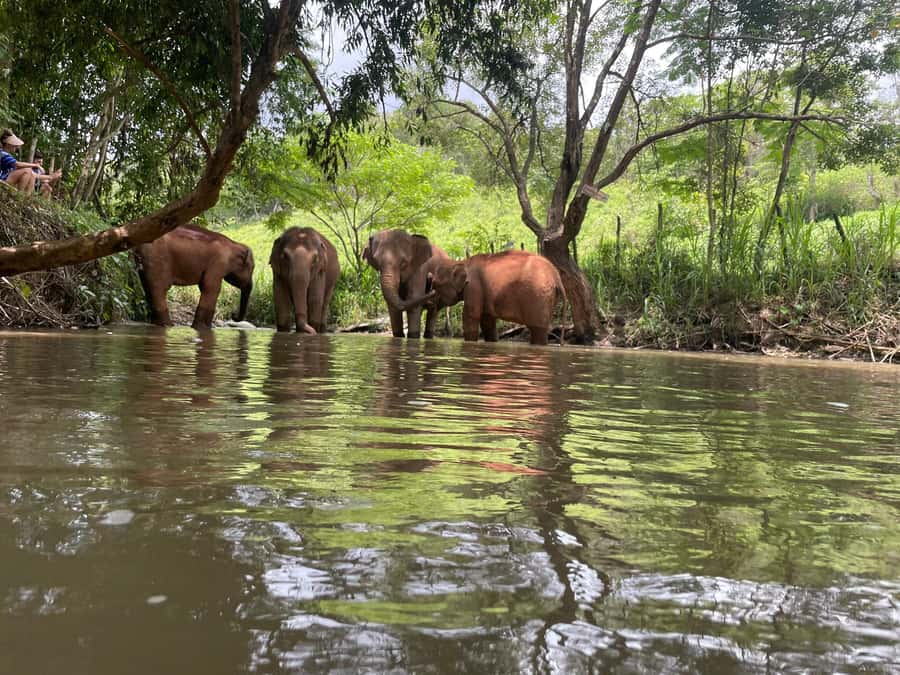
- Free-range style interactions where elephants choose how close they get
- No-riding, no-bathing approach focused on elephant happiness, not entertainment
- Feeding and making supplementary food so you understand what you’re doing
- Jungle walking with guidance tied to elephant behavior and welfare
- Village time that connects elephant care with local livelihoods
- Lunch plus water included, with soft drinks left out
What This Elephant Dream Project Day Is Really About
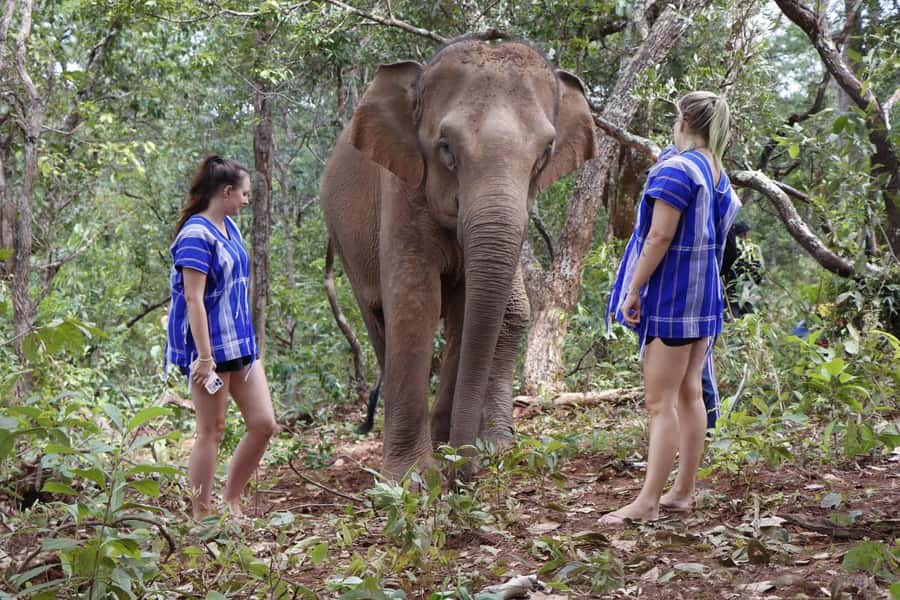
This is the kind of elephant encounter that tries to stay honest: you’re not there to force performance. The goal is elephant happiness in natural conditions, and the program is built around respectful interaction like feeding, walking alongside them, and learning from a guide who knows elephant life up close.
In plain terms, you should expect a slower, more attentive day than the typical tourist format. The elephants are treated like elephants, not props, and the schedule gives you time to watch how they forage, react, and move through their environment.
That matters for two reasons. First, you end up with a better experience because you’re observing real behavior. Second, you’re more likely to leave feeling good about what your money supports, since the project links elephant care with community land and village support.
A few more Chiang Mai tours and experiences worth a look


Getting There From Chiang Mai: Pickup and Mountain Road Reality
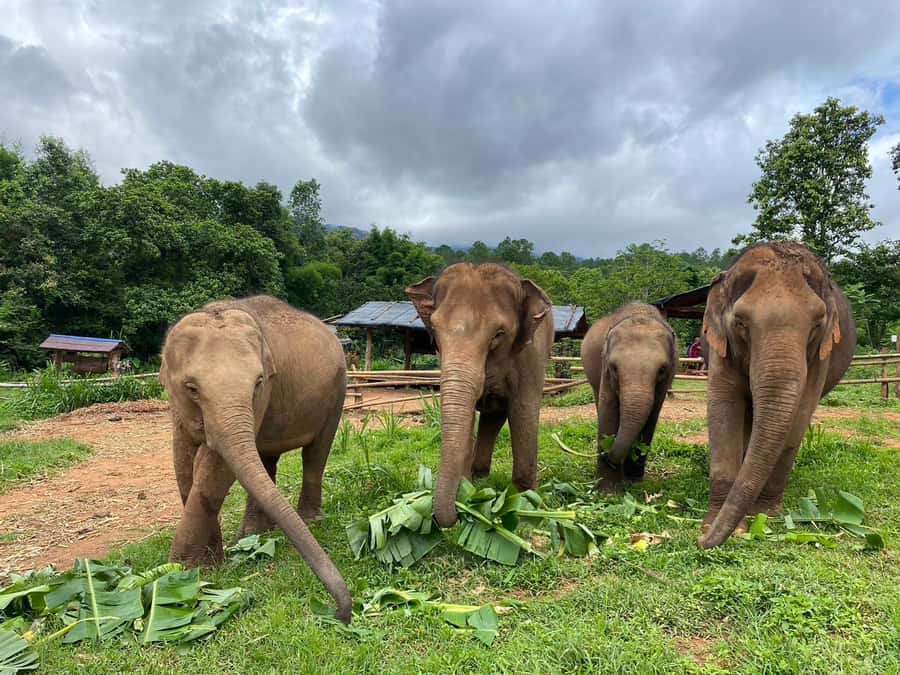
Your day starts with pickup from your hotel in Chiang Mai city, typically between 7:00 and 7:30 AM. The drive to the sanctuary takes about 1 hour 45 minutes, so plan on settling in early. You’ll also get dropped back around 5:00 to 5:30 PM, which keeps the day contained but still full.
Here’s the practical heads-up: the ride involves curvy mountain roads. One of the biggest caution notes from people who’ve done this is motion sickness. If you’re the type to feel queasy on winding roads, take Dramamine (or your preferred motion-sickness option) before the pickup rather than waiting until you’re already feeling it.
The bright side is that the pickup is set up for convenience, and the tour is designed for a small group, limited to 10 participants, so you won’t feel like you’re trapped in a big shuttle shuffle for most of the day.
Meet the Elephants in Jungle Conditions, Not a Pen
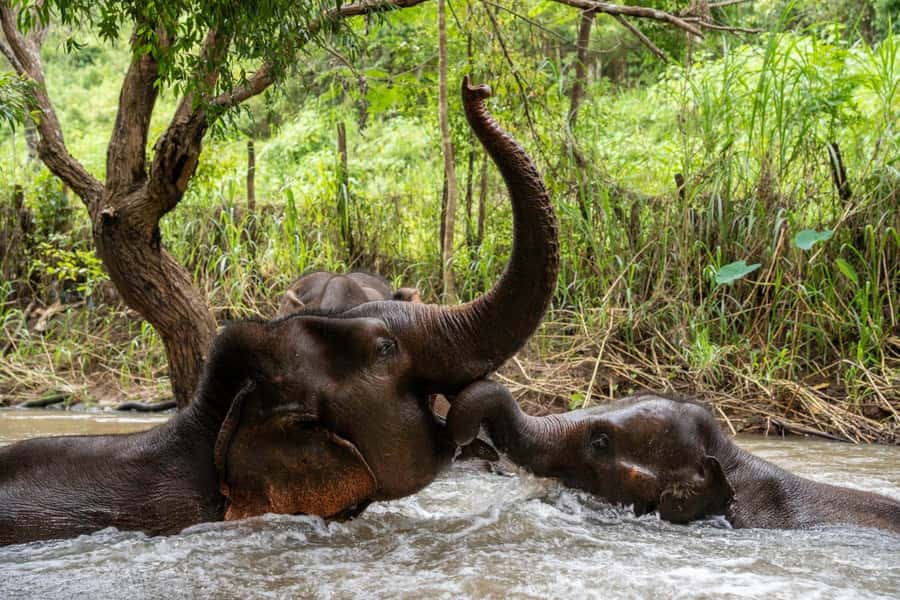
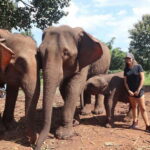
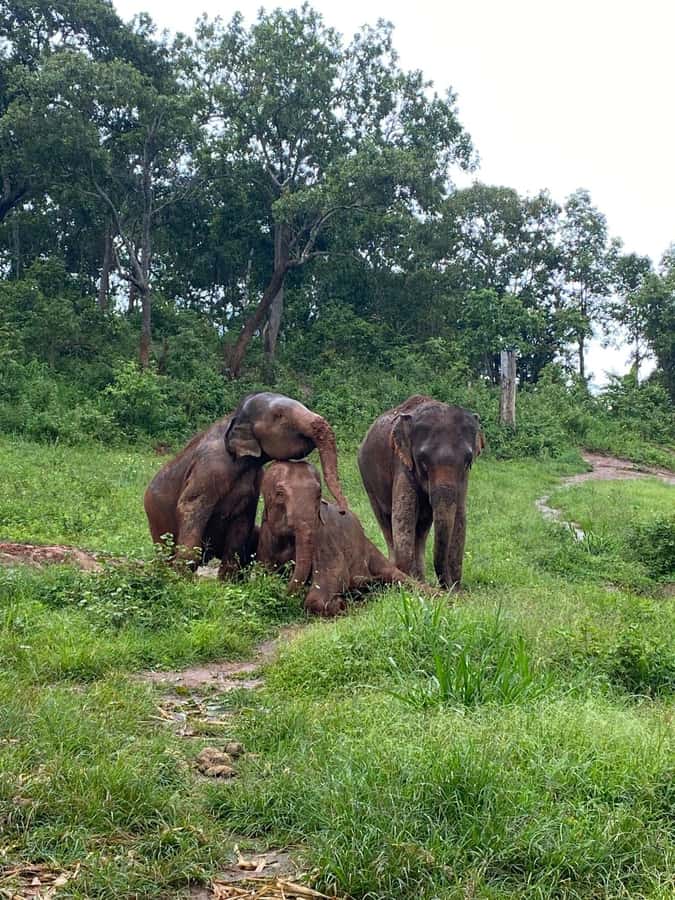
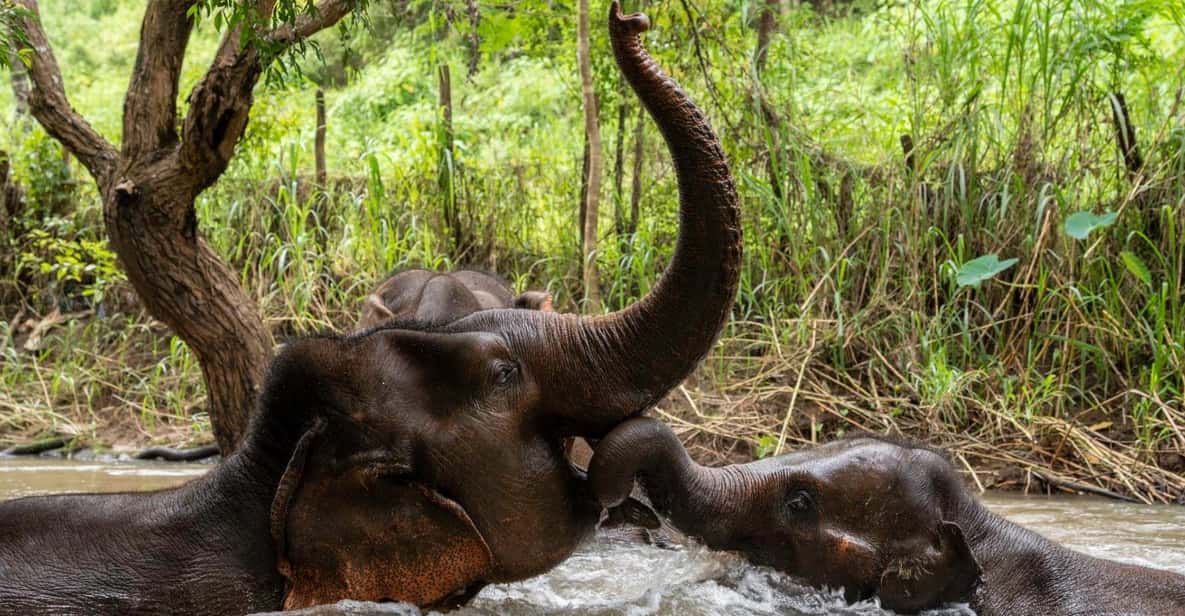
The core of the experience is getting time with native Asian elephants in a jungle setting. Multiple parts of the program focus on the same idea: you interact in ways that don’t push the elephants into unnatural behavior.
You’ll do hands-on feeding, and you’ll also help prepare supplementary food for the elephants. That means you’re not just watching from a distance; you’re participating in the routine in a way that’s meant to fit elephant life.
A big ethical difference comes through in the repeated emphasis on elephants being free to choose contact. The day is described as running around natural elephant happiness, without forcing interaction for entertainment. In practice, that should translate to elephants approaching when they want, and you adjusting to them rather than treating them like a staged experience.
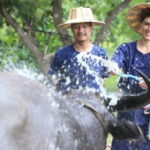
Also, this sanctuary approach includes a strict no-riding and no-bathing policy. If you’re coming from the type of elephant tour where people hop on for photos, this will feel calmer and less flashy, but that’s exactly the point.
Feeding and Walking: What the Hands-On Time Actually Teaches
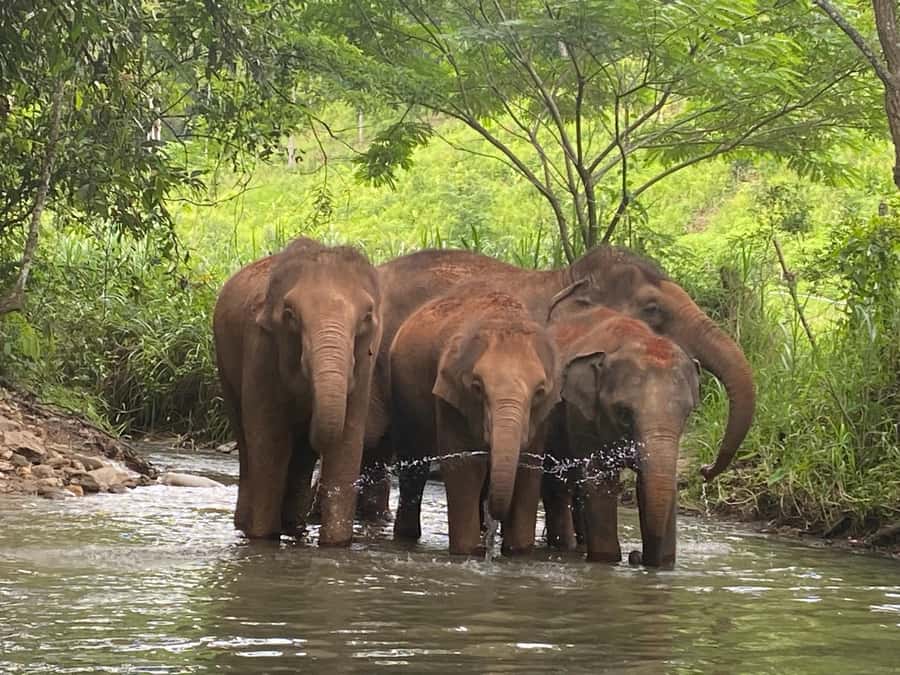
Feeding is not just a cute moment. It’s where the day’s learning starts to click. You’ll be given guidance on how to feed safely and appropriately, and you’ll learn enough to understand what you’re seeing—how elephants use their bodies, how they react to people, and what their behavior suggests in the moment.
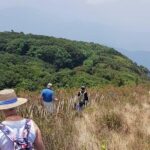
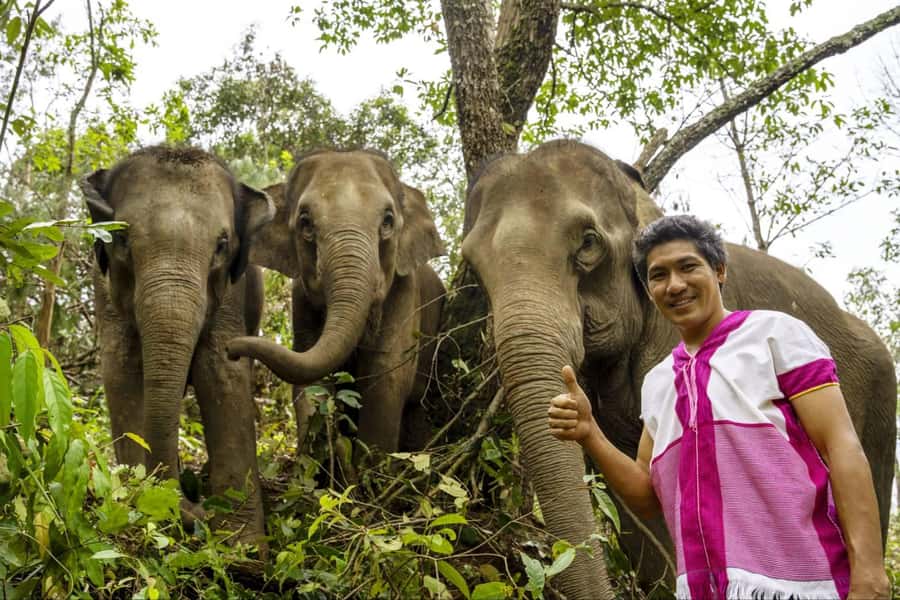
Then comes the jungle walk. You’re not touring a fenced sidewalk; you’re walking alongside elephants in their habitat while your guide helps translate what’s happening. This is where a calm pace helps. It’s not about marching forward for selfies. It’s about noticing: how the group moves, how they pause, and what cues they give off when they want more space.
Because your guide is English-speaking and locally experienced (they grew up around elephants), you’re likely to get clear explanations rather than generic facts. You’ll also spend time in the village portion of the day, and that connects elephant care with how local people support the project and benefit from it.
If you’re hoping for an adrenaline-packed day, this may not hit that target. But if you want an encounter that feels respectful and educational, the structure fits well.
Village Time: Learning Elephant Care Through Local Lives
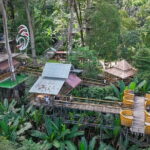
One of the more meaningful parts of this program is the time spent in the village. You’re there to learn about local life and how the project ties into community support. Several experiences highlight that people in the village operate businesses connected to the sanctuary, and that this helps build a future for the community—not just extract money from visitors.
That matters because ethical animal tourism isn’t only about what happens to elephants. It’s also about whether local people have incentives to protect the land and maintain responsible care. The program’s focus on village-supported work is part of what makes this feel more grounded than a standalone attraction.
So when you’re in the village area, treat it like a cultural moment, not a quick photo stop. Ask questions, listen to explanations, and let the day connect the dots between elephant welfare and local livelihoods.





Lunch and the Details That Affect Comfort
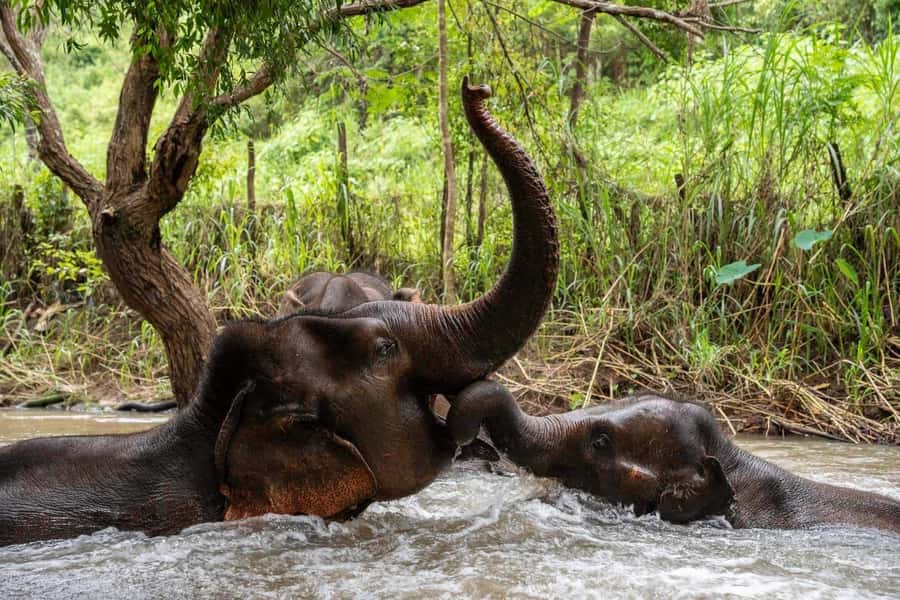
Lunch is included, with Thai food and seasonal fruits served during the middle of the day. You also get water, which is a big deal on a hot day out in the jungle.
If you’re sensitive to what’s included versus what isn’t, note that soft drinks are not included. That sounds minor, but it’s the kind of detail that prevents surprise spending later. Bring cash if you want extras, or plan to stick with water as provided.
Food-wise, the schedule suggests you’ll refuel after the morning’s elephant time and before the later sanctuary activities. That timing keeps the day from feeling like one long stretch of walking and waiting without a real meal.
A practical tip: wear comfortable clothes and shoes you don’t mind getting dusty. This is a sanctuary day built around being out and about in nature, not a polished city tour.
The Waterfall Break: A Reset After Elephant Time
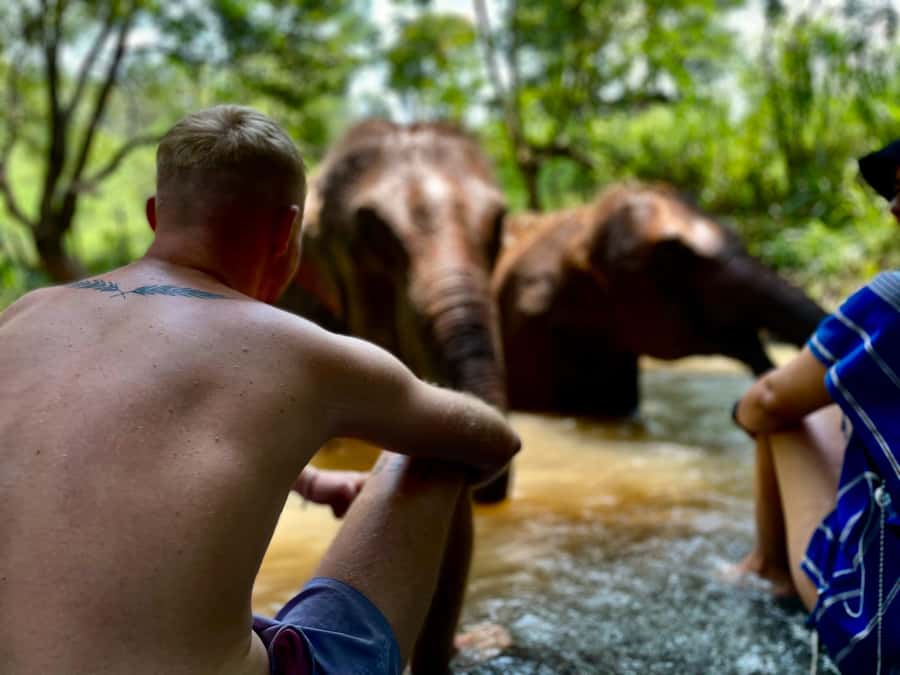
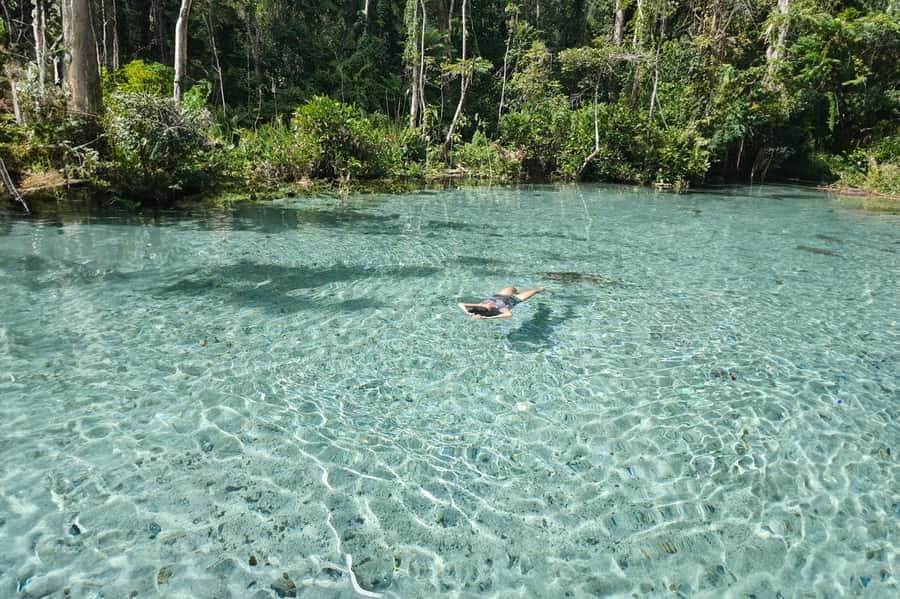
Later in the afternoon, the program includes relaxing at a waterfall. This gives you a change of pace after animal time and jungle walking.
Keep expectations realistic. The waterfall is part of the day’s rhythm—more about resting and cooling down than turning it into an action sports outing. If you’re hoping for a swim, the program’s elephant welfare rules don’t automatically confirm swimming for humans, so treat it as a relax-and-enjoy stop unless you’re told otherwise.
Still, this break is valuable. When you spend hours with big animals, your body tends to stay alert even if you’re sitting. A quieter moment like this helps you process what you learned and keeps the day from feeling emotionally intense the whole way through.
Price and Logistics: Is $73 Good Value for This Day?
At $73 per person for an 8-hour experience, the value comes from what’s bundled, how the day is paced, and the ethical model behind it.
You’re getting:
- Roundtrip transfers within Chiang Mai city
- Lunch
- Water
- Food for feeding elephants
- Entry tickets
That combination adds up quickly if you were trying to piece it together on your own. But even more important than the math is the small-group structure (limited to 10 participants) and the day’s focus on interactions that fit elephant welfare. You’re paying for a guided, hands-on day that includes education and community connections, not a quick drive-by.
The two trade-offs to keep in mind are:
- You won’t get the flashy photos that come with riding or forced bathing, because those are not part of this program.
- The day includes a long drive with curvy roads, so you’ll want to prepare for that if you’re prone to motion sickness.
If you want a respectful, learning-first elephant day in a jungle setting, the price-to-experience ratio looks fair.
Who This Sanctuary Experience Fits Best
This is a strong match for you if:
- You want elephants treated with care through no-riding, no-bathing practices
- You prefer small groups and a guide who can explain behavior clearly in English
- You’re okay with a calmer pace where elephants set the tone
- You care about connecting elephant welfare with local village support
It’s not the best fit if you’re mainly after thrill-factor activities or a high-speed itinerary. This day leans gentle and observational. Think more watching, learning, and feeding than performing.
Also, if you’ve been disappointed by elephant attractions that feel like animal behavior is staged for visitors, this program’s structure is likely to feel better. The emphasis on natural elephant happiness and avoiding forced entertainment comes through in how the day is described and how the activities are framed.
My Booking Advice: Should You Choose This One
I’d book this if your top priority is an ethical encounter that spends real time with elephants in jungle conditions, without riding. The program’s design around elephant welfare, plus the hands-on feeding and guided walking, gives you a day that’s both memorable and easier to feel good about.
Before you decide, make sure you’re comfortable with the trade-offs. The mountain drive can be bumpy, and the experience is structured around elephant choice, so you may not get constant “close-up” interaction at every moment. That’s not a flaw in the tour. It’s the point.
If you want, plan to go with the mindset of learning first and photographing second. You’ll enjoy the day more, and you’ll get better at noticing what makes each elephant’s behavior unique.
FAQ
FAQ
How long is the full-day Elephant Dream Project sanctuary tour?
It runs for about 8 hours.
What time does pickup happen in Chiang Mai?
Pickup is scheduled between 7:00 and 7:30 AM from any hotel in Chiang Mai city.
How big is the group?
The tour is limited to a small group of up to 10 participants.
Is the tour guide English-speaking?
Yes, the live tour guide speaks English.
What do you do with the elephants during the day?
You feed the elephants, prepare supplementary food, and walk with the elephants in the jungle with a guide.
Are elephant riding or bathing part of the experience?
No. The sanctuary follows a strict no-riding and no-bathing approach.
What is included in the price?
Roundtrip transfers in Chiang Mai, lunch, water, food for feeding elephants, and entry tickets are included.
Are soft drinks included?
No, soft drinks are not included.
Is there a cancellation option and flexible booking?
Yes. You can cancel up to 24 hours in advance for a full refund, and there’s a reserve now & pay later option.