REVIEW · CHIANG MAI
Chiang Mai: Lalita Cafe & White, Blue, Big Buddha Temples
Book on GetYourGuide →Operated by Trips Chiang Mai · Bookable on GetYourGuide
Three temples, one unforgettable day. This Chiang Rai tour strings together standout art and spiritual stops in a tight schedule, then caps it with a laid-back photo break at Lalita Cafe in a quiet flower garden. I particularly like the White Temple (Wat Rong Khun) for how strange and beautiful the details are, and I also like the way the day keeps moving so you’re not stuck waiting around.
The main consideration is that you’re signing up for a long travel day—about 3 to 3.5 hours of winding road each way—so seat comfort matters. I’ve seen notes that the last row can feel cramped, especially on the return drive, even when the schedule and guides (like Toy or Goi) are doing a great job keeping things on time.
In This Review
- Key things to know before you go
- Chiang Mai to Chiang Rai: the long, winding ride (and why it’s still worth it)
- Mae Kachan Hot Springs stop: quick stretch, not a core attraction
- Long Neck Karen Village: choose Option A or accept the entrance wait
- Wat Rong Khun: the White Temple’s surreal details and the best time to see them
- Wat Rong Suea Ten (Blue Temple): murals, guided context, and a sweet break
- Huai Pla Kang (Red Temple) viewpoint: big Buddha energy with an elevator ticket
- Thai buffet lunch at a local restaurant: eat well, then keep going
- Lalita Cafe in a flower garden: the whimsical photo break you’ll actually savor
- Timing, group size, and van comfort: what can make or break the day
- What you’ll actually get out of this tour: temple art, cultural context, and photo-friendly pacing
- Value for money: is $54 per person a good deal?
- Who should book this Chiang Rai day trip from Chiang Mai?
- Should you book? My practical take
- FAQ
- How long is the Chiang Rai day trip from Chiang Mai?
- Where do you get picked up in Chiang Mai?
- Does the tour include the Long Neck Village?
- Is lunch included, and are there vegetarian options?
- What temples are included in the day?
- Is the tour suitable for wheelchair users?
- What should I bring for the day?
Key things to know before you go
- White Temple and Blue Temple are photo magnets. You’ll get time to look around, not just pose and rush.
- Long Neck Karen options affect your time. Choose the version that includes the village or you’ll wait at the entrance.
- Lunch is built in, with vegetarian available. If the buffet isn’t available, you’ll get a set menu.
- Red Temple brings big views and an elevator ticket. Huai Pla Kang is worth it for the panorama.
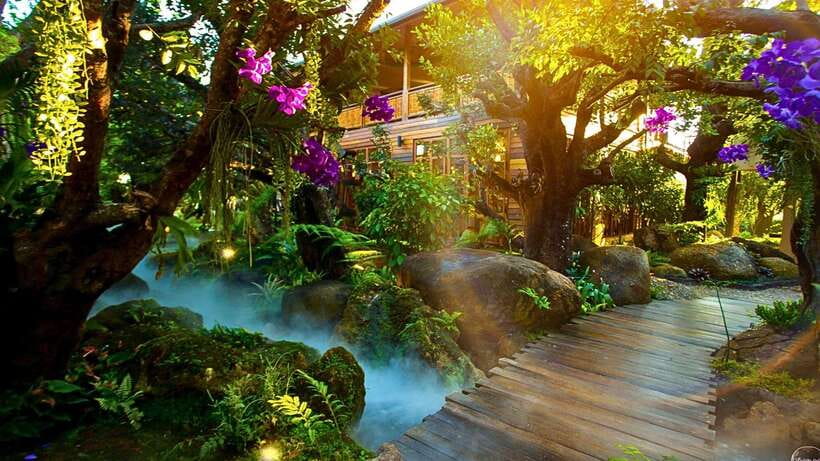
- Lalita Cafe is a slow-down moment. Flower gardens, playful decorations, and a waterfall make it feel like a different pace.
- Guides make the difference. Many days hinge on clear English and good timing, not just transport.
Chiang Mai to Chiang Rai: the long, winding ride (and why it’s still worth it)
This is a full-day out-and-back: you start in Chiang Mai, then spend the day in Chiang Rai’s temple zone, before returning late. The drive is roughly 3 to 3.5 hours one way, and the roads are winding, so plan your body for a day of sitting. The good news is the schedule includes break points—like a short stop at Mae Kachan Hot Springs—so you’re not trapped in the van the whole time.
I like that the tour doesn’t pretend travel time doesn’t exist. It’s honest about being a long day, and that helps you pack smart: wear comfortable clothes, bring sunscreen, and use the bathroom breaks. Also, if you care about comfort, don’t leave seat selection to luck. Notes from past participants suggest that the back rows can be tight on long drives, and on the way back you may feel the difference even more.
You can also read our reviews of more tours and experiences in Chiang Mai.


Mae Kachan Hot Springs stop: quick stretch, not a core attraction
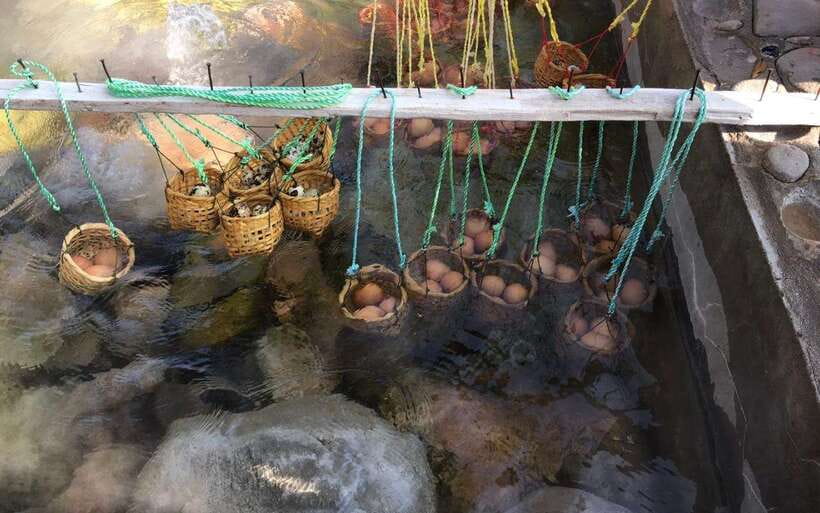
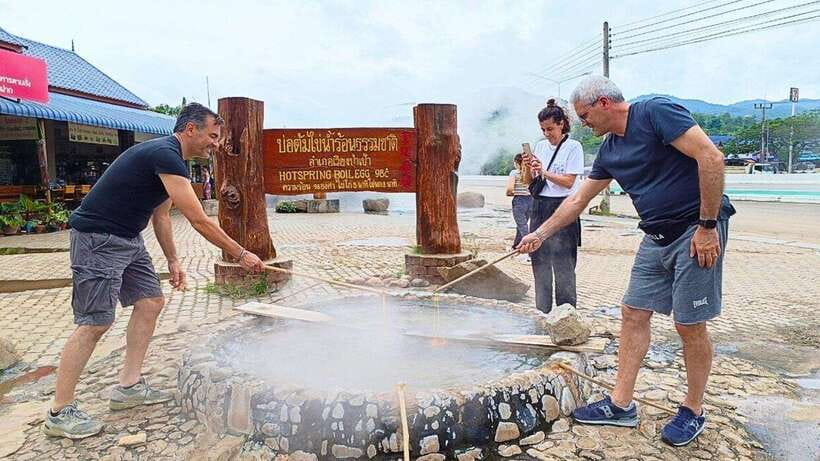
The day includes a brief break at Mae Kachan Hot Springs (about 15 minutes). This is mostly for stretching your legs, grabbing a snack or drink if available, and resetting before the cultural stops. If you were hoping for a long soak, you’ll likely be disappointed—this is a short pause, not a spa day.
The practical value is real, though. A quick break helps you stay energized for the temple time blocks that follow. If you go, go with the right expectations: treat it as a warm-up for the long day, then keep your camera ready for the first real showpiece.
Long Neck Karen Village: choose Option A or accept the entrance wait
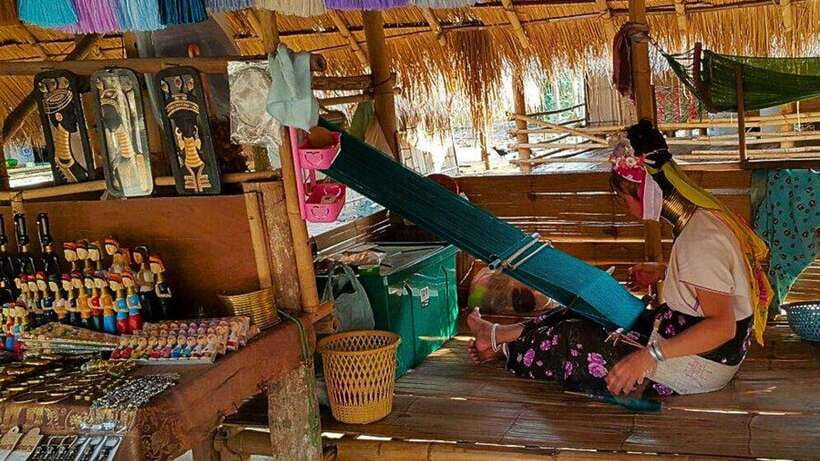
This part is the biggest fork in the experience. You’ll either go into the Long Neck Karen village (Option A), or you’ll wait at the entrance for those who selected the village inclusion (Option B). The itinerary beyond this is the same either way, but your time on the hill tribe stop changes.
Option A (Incl. Long Neck) gives you entrance included, plus time for photos and visiting the village (about 30 minutes of free time). Option B (Excl. Long Neck) means you might be kept waiting near the entrance for around 30 minutes while the other group members are inside. If you hate waiting, Option A is the cleaner choice.
Either way, the cultural angle matters more than the photos. You’ll be learning about hill tribe traditions as you move through the village area, and the stop is designed to give you context quickly, then let you look around at your own pace.
Wat Rong Khun: the White Temple’s surreal details and the best time to see them

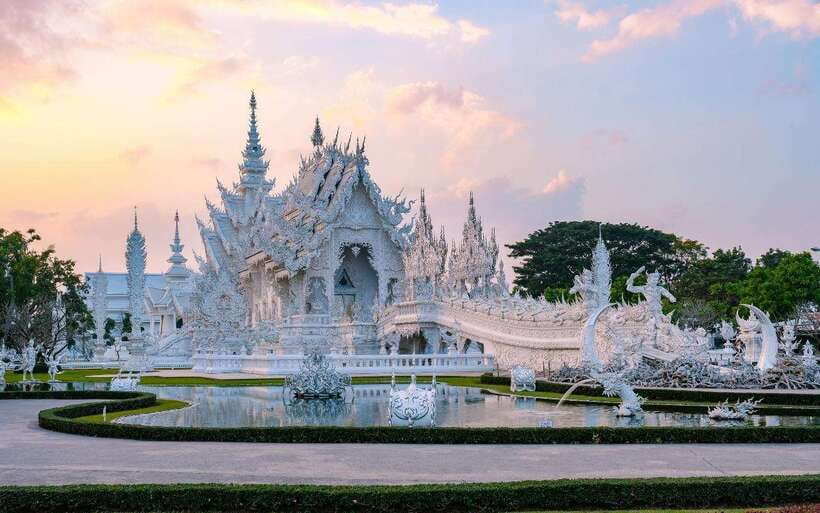
Wat Rong Khun (the White Temple) is the kind of place you understand instantly why people line up for photos. The structure is striking, but it’s the design details that keep your attention—small elements that reward looking slowly. You’ll have a guided tour plus free time, with about an hour total at the site.
What I like about this stop in particular is the blend of context and breathing room. A guide helps you understand what you’re seeing without turning it into a lecture. Then you get time to walk around, take pictures, and decide what you want to re-see.
Dress for comfort. Temple visits can mean some walking and standing. Bring comfortable shoes and keep your hat handy—sun can hit hard before you even realize you’ve been out in it too long.
Wat Rong Suea Ten (Blue Temple): murals, guided context, and a sweet break
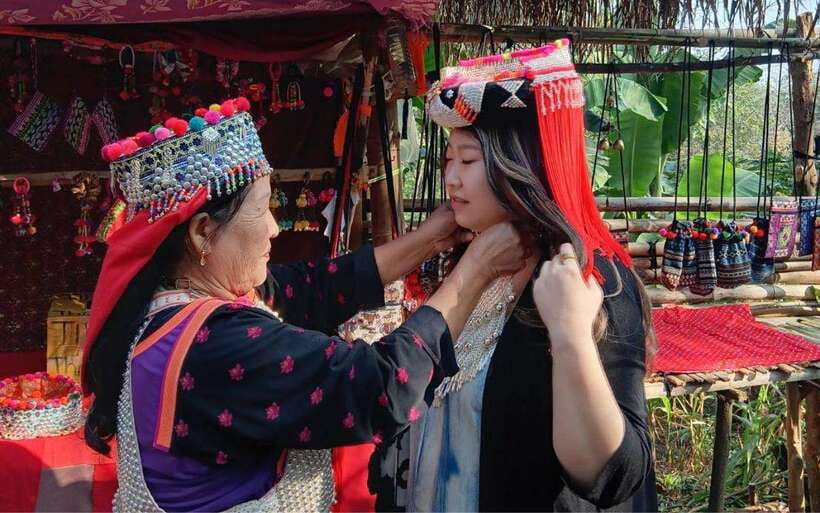
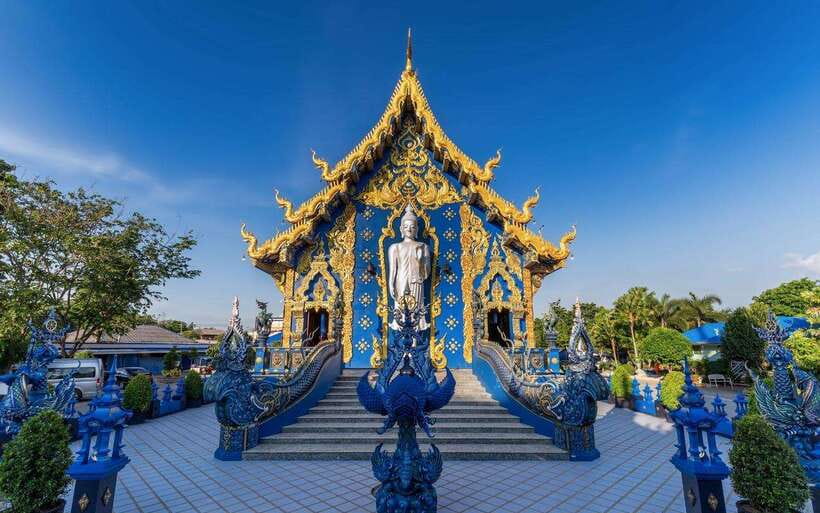
Next is Wat Rong Suea Ten, often called the Blue Temple. This one hits you with color and surface detail—especially the murals. You get guided time plus a dedicated photo stop, with about 40 minutes on site.
I find Blue Temple works well right after Wat Rong Khun because your brain stops comparing and starts appreciating different artistic approaches: the White Temple feels more like a strange dreamscape, while the Blue Temple is more about dramatic visual storytelling through painted scenes.
Also, if you want a small treat, there’s been mention of blue coconut ice cream at the Blue Temple area. I’m not calling it a requirement, but if it’s available when you’re there, it’s an easy way to cool down and stay in the moment while you’re waiting between photo angles.

Huai Pla Kang (Red Temple) viewpoint: big Buddha energy with an elevator ticket
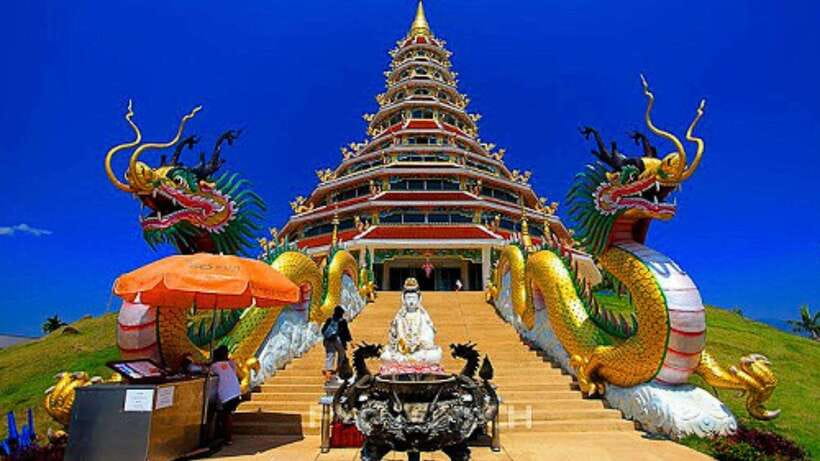
Huai Pla Kang Temple is a large, eye-catching stop with a giant seated Buddha overlooking the valley. It’s memorable in a different way than the other two: less “mini details,” more “scale.” You’ll have guided time plus free time here as well (about 40 minutes), and importantly, you also get an elevator ticket for the viewpoint.
That matters because viewpoints can be a pain—stairs, uneven paths, or just too much time spent climbing instead of looking. Here, the elevator helps you reach the best angles with less fuss. You’ll still want to move carefully and wear grippy shoes, but it’s a more efficient way to enjoy the panorama.
Go in expecting photos, yes—but also expect a “pause” moment. The view does something when you’re finally out of city noise and staring at the temple and valley from above.
Thai buffet lunch at a local restaurant: eat well, then keep going
Lunch is included as a Thai buffet (vegetarian available on request). The lunch block is about an hour. The value here is that you’re not forced to hunt for food while you’re on a strict schedule. You also avoid the common trap of tour lunches being tiny and disappointing.
If the restaurant is closed, you’ll be offered a set menu instead—so there’s a backup plan. From what I’ve picked up about this tour’s pattern, the lunch stop tends to be accommodating for different diets, and vegetarian options are part of the arrangement.
One smart move: eat earlier in your lunch window. Temple time doesn’t wait for you, and your energy matters later—especially when you’ll want to enjoy the final photo stop without rushing.
Lalita Cafe in a flower garden: the whimsical photo break you’ll actually savor
If there’s a single “reset button” in this tour, it’s Lalita Cafe. The vibe is playful and photogenic without feeling like a production. You’ll get a visit plus photo time, with about 30 minutes of free time and a walk around.
The setting is what makes it special: flower gardens, quirky decorations, and a private waterfall element. It’s the kind of place where you stop thinking about the next checkpoint and just let your camera do its job. This is also where the pacing of the whole day really shows: temples can be intense, but Lalita Cafe gives you a calmer landing.
If you want your pictures to come out well, treat it like a mini outing rather than a quick stop. Walk slowly. Try different angles. And give your eyes time to adjust to shade and light under the garden areas.
Timing, group size, and van comfort: what can make or break the day
Even with good planning, this tour has one reality: it’s long, and you’re in a vehicle a lot. The tour uses air-conditioned transport, and the vehicle size can change depending on the season (a 12-seat van normally, but a 42-seat minibus in high season). That affects personal space.
I recommend booking with your expectations aligned: this isn’t a slow cultural stroll with hours of downtime. It’s a “see a lot” format built around guided explanations and time on the ground for photos.
Seat comfort is your main lever. Some people end up with less comfortable rows, and the long return drive can make it more noticeable. If you have a choice, aim for a seat that feels tolerable for long sitting. Bring a light layer if you get chilly from the AC.
Also, keep your day flexible with weather. This region can be rainy at times, and you may see helpers like umbrellas used to keep things manageable and safe.
What you’ll actually get out of this tour: temple art, cultural context, and photo-friendly pacing
The three temple stops do two jobs at once. First, they show you Thailand’s modern religious-art creativity—how Buddhist themes can be expressed through contemporary design language. Second, the schedule forces you to experience different “modes” of seeing: surreal shapes at the White Temple, painted storytelling at the Blue Temple, and a scale-and-view moment at Huai Pla Kang.
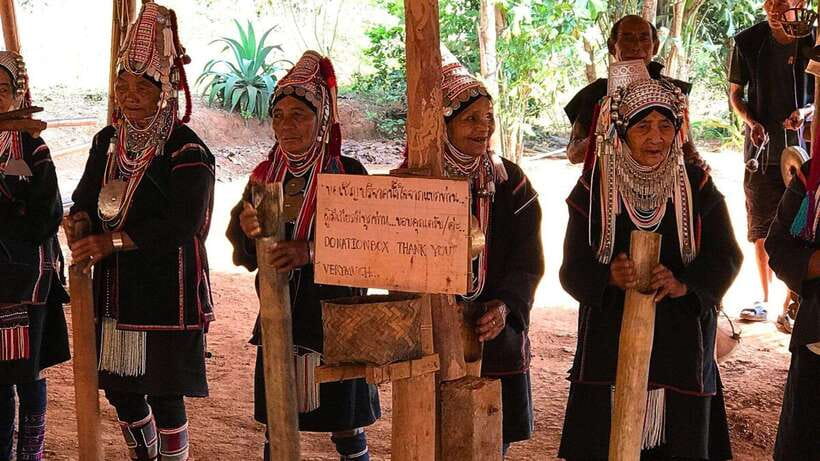
Then the hill tribe village stop adds another layer: you get a look at hill tribe traditions, plus time for photos and a guided introduction. It’s short, so you won’t leave an expert—but you can leave with a foundation and better questions for later.
Finally, Lalita Cafe makes the day feel complete. It’s not a “must-see temple,” but it’s a meaningful contrast after intense temple time.
Value for money: is $54 per person a good deal?
For around $54 per person and a 13-hour day, the value comes from what’s packaged together: round-trip air-conditioned transportation from Chiang Mai, a live English-speaking guide, entrance fees to the temples, and included tickets for the Long Neck stop (if you choose Option A) plus the viewpoint elevator. You also get lunch, plus water.
Could you DIY this? Sure. But DIY means hiring transport, managing timing, and buying entrances while you’re driving between three major temples plus a cultural village plus Lalita Cafe. Paying for structure isn’t just convenience—it’s stress reduction.
The only real “value risk” is if you strongly dislike long days or if seat comfort would ruin your experience. If you’re okay with a full schedule and you pick a decent seat, this is a solid way to see the famous highlights without wasting your day piecing things together.
Who should book this Chiang Rai day trip from Chiang Mai?
Book it if you want a high-impact day: temples you’ve seen online, a cultural village stop, and a final whimsical cafe that doesn’t feel like another checkpoint. It’s also a good fit for first-timers in Northern Thailand who want a guided overview and photo time built in.
Consider a different style if you’re traveling with very tight timing, hate long drives, or need wheelchair access (this tour isn’t suitable for wheelchair users). If your group has strollers or extra luggage, know that space can be managed, but there are rules and potential extra costs (like luggage purchase options from the driver).
Should you book? My practical take
If you’re okay with a long drive and you want the big Chiang Rai hits in one day, I think this tour is worth booking—especially if you choose Option A so you don’t lose time waiting outside the village. The White Temple and Blue Temple are strong anchors, and the Red Temple adds the “view” payoff with that Huai Pla Kang elevator viewpoint.
Also, don’t underestimate how much your guide affects your day. Many of the strongest comments link a great guide (names like Toy, Goi, and Paul show up often) with smooth timing and better photo results. Pick this tour when you want guided context plus freedom to wander at each stop.
FAQ
How long is the Chiang Rai day trip from Chiang Mai?
The tour runs for about 13 hours.
Where do you get picked up in Chiang Mai?
Pick-up is available from hotels in the city center. If you’re outside the service area, you’ll use designated meeting points like McDonald’s Im Thapae or the MAYA Lifestyle Shopping Center.
Does the tour include the Long Neck Village?
Yes, depending on your option. Option A includes entrance to the Long Neck Village. Option B excludes it, and you may wait at the entrance.
Is lunch included, and are there vegetarian options?
Yes. Lunch is a Thai buffet (vegetarian available upon request). If the restaurant is closed, a set menu may be offered instead.
What temples are included in the day?
You’ll visit the White Temple (Wat Rong Khun), the Blue Temple (Wat Rong Suea Ten), and Huai Pla Kang Temple (the Red Temple).
Is the tour suitable for wheelchair users?
No. It is not suitable for wheelchair users.
What should I bring for the day?
Bring comfortable shoes, sunglasses, a sun hat, sunscreen, camera, water, comfortable clothes, and a passport (a copy is accepted).