REVIEW · CHIANG MAI
Chingmai Sunrise Hike & Cultural Traditions
Book on GetYourGuide →Operated by Summit Hike in Doi Suthep-Pui National Park · Bookable on GetYourGuide
Sunrise on Doi Suthep changes your morning. This Chiang Mai sunrise hike strings together temple calm, a real almsgiving ritual, and hill-tribe culture—before you even hit the forest trail. I love the way the early start keeps the day quiet, and I also love how the guide explains what you’re seeing without making it feel like a lecture.
The possible drawback: air quality can affect how clear the sunrise looks, and one guide may be easier or harder to understand depending on how clearly they speak English. Still, the overall rhythm is well-paced for a 7-hour adventure, with plenty of small stops to reset your brain before the next climb.
In This Review
- Key highlights at a glance
- Why this Chiang Mai sunrise hike starts before the city wakes
- Wat Phra That Doi Suthep at dawn: the views (and the quiet) you came for
- Almsgiving ceremony: what it feels like to offer, then receive blessings
- Wat Pha Lat: a second temple stop with spirit stories attached
- Hmong village culture: coffee, markets, and crafts you can actually talk about
- Montha Than Waterfall: a forest walk that stays gentle until it doesn’t
- Food, pacing, and what $70 buys you for 7 hours
- Practical tips so your morning goes smoothly
- Who should book this tour (and who should think twice)
- Should you book this Chiang Mai Sunrise Hike & Cultural Traditions?
- FAQ
- How long is the Chiang Mai Sunrise Hike?
- What does the price include?
- Is pickup included?
- What languages are the guides?
- What’s the main sunrise location?
- Do you visit a hill tribe village?
- How long is the waterfall walk?
- Is lunch included, and when do you eat?
- Is free cancellation available?
Key highlights at a glance
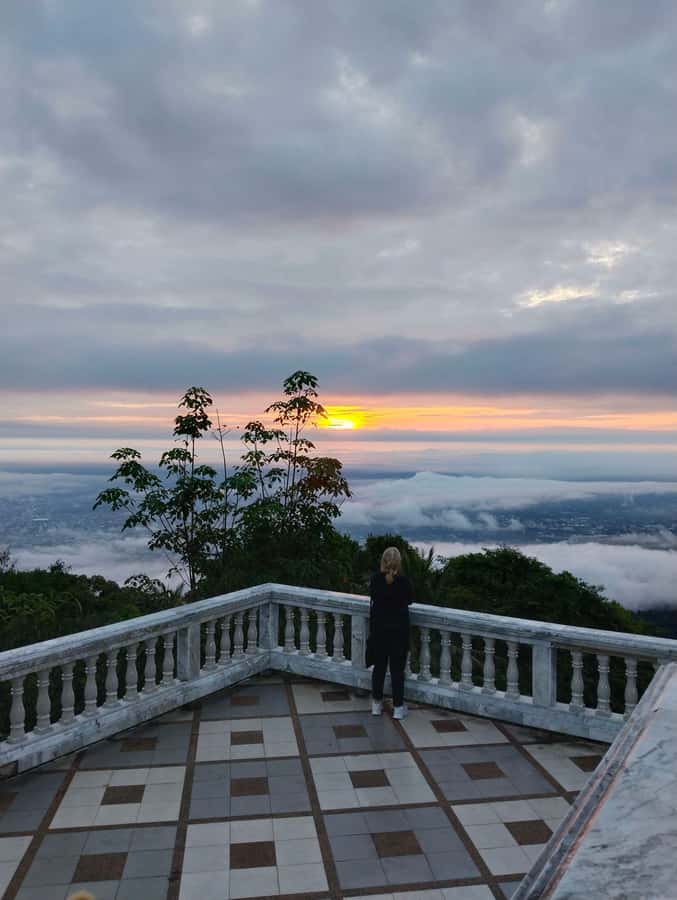
- Wat Phra That Doi Suthep at sunrise for wide views and fewer people on the mountain
- Traditional almsgiving where you offer food to monks and receive blessings
- Hmong village food market and handicrafts plus coffee and tea in the mountains
- Scenic breakfast on a plateau with freshly brewed mountain coffee
- Montha Than Waterfall walk: about 2 km through shaded forest
- Local lunch in Chiang Mai after you return from the hills
Why this Chiang Mai sunrise hike starts before the city wakes
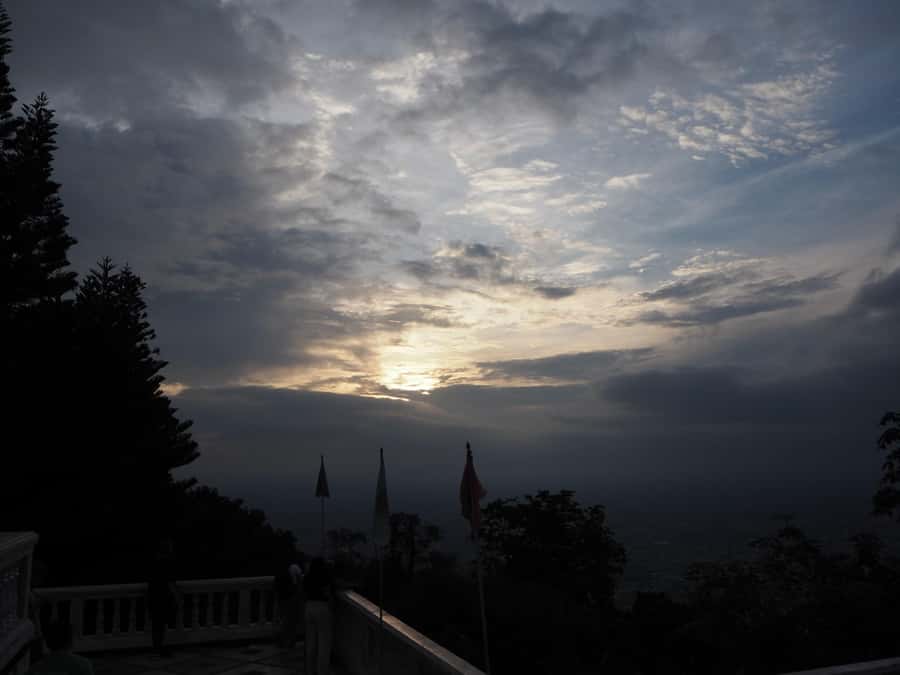
If you only do one “early thing” in Chiang Mai, this is a strong contender. Getting up for sunrise at Wat Phra That Doi Suthep means you miss the usual traffic crush and arrive when the temple feels more like a living place than a sightseeing stop.
I also like how the day doesn’t just stack photos. You start with sacred morning sights, shift into a Buddhist ritual through almsgiving, then move into culture on the mountain through the Hmong village—and only then do the waterfall walk. It keeps the experience balanced: spiritual, cultural, and physical without feeling like punishment.
You can also read our reviews of more hiking tours in Chiang Mai
Wat Phra That Doi Suthep at dawn: the views (and the quiet) you came for
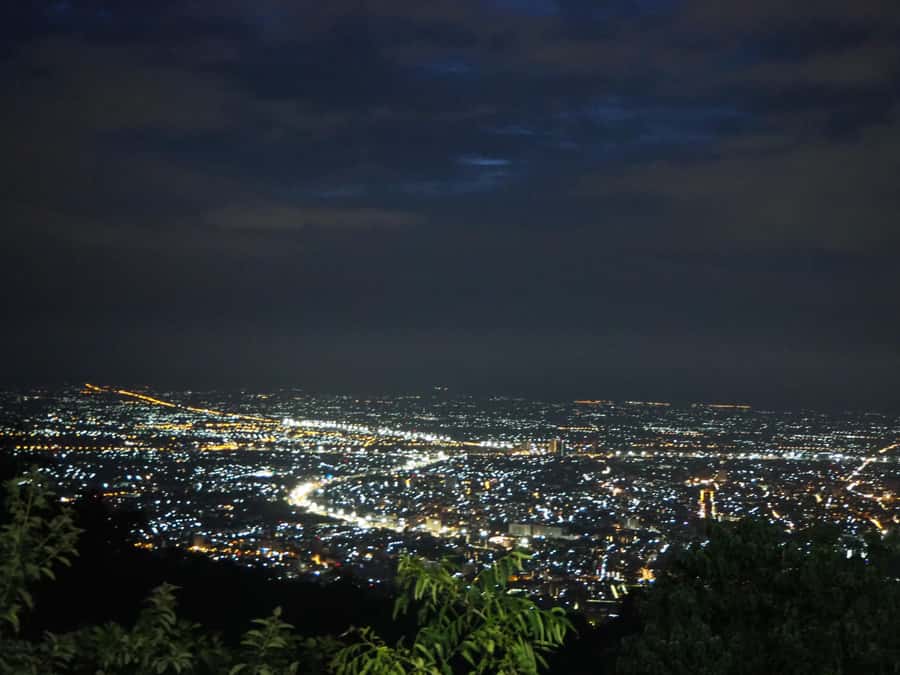
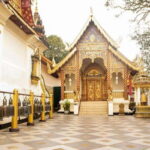
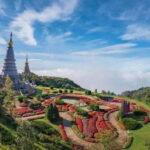
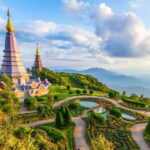
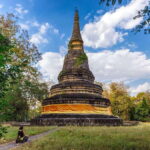
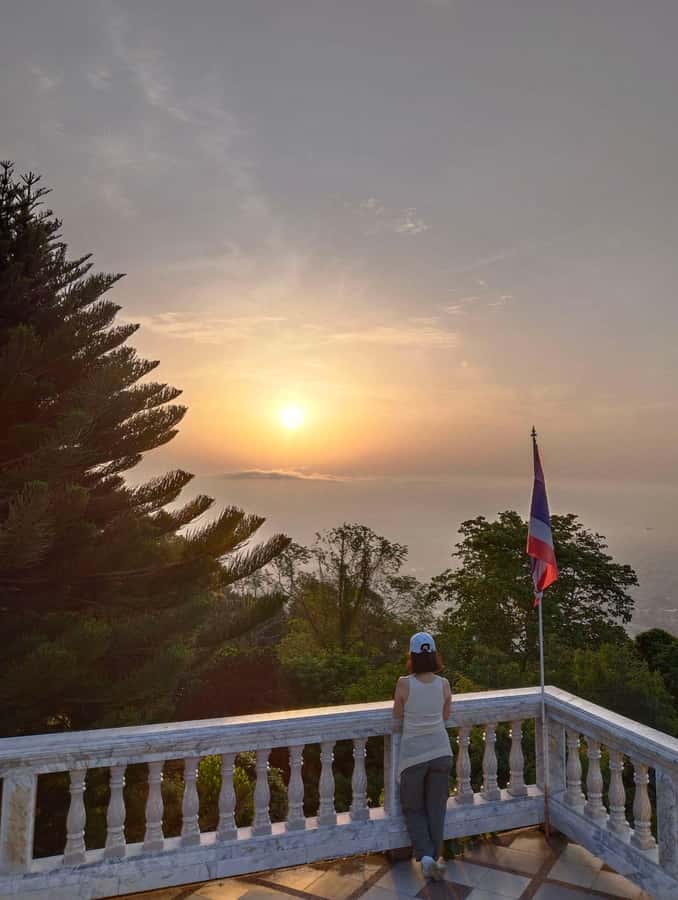
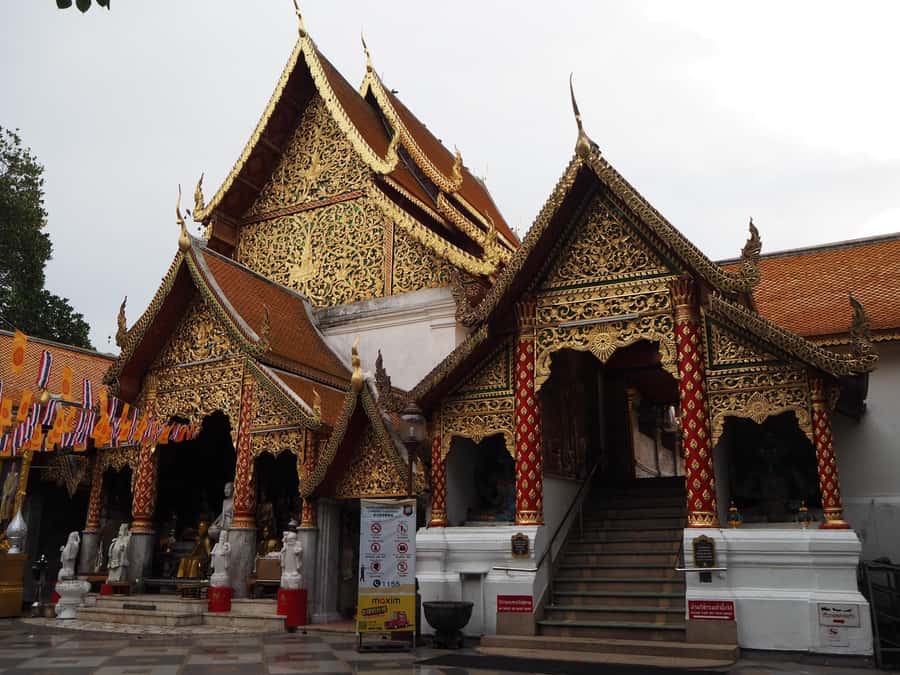
The day centers on Wat Phra That Doi Suthep, perched high above Chiang Mai. Your sunrise is staged right at the temple, so you’re watching the sky brighten while you’re already inside the atmosphere—bells, monks going about the morning, and that special feeling of a place waking up.
Here’s the thing to know: sunrise results can vary. One important note from real experience is that pollution can sometimes limit how much you can actually see when the sun comes up. If that happens, don’t panic—overcast mornings can still make the temple glow and the hike feel cooler, but the “wow, direct golden sun” might be muted.
The payoff for most people is crowd control. Early timing means you’re often not fighting tour groups for photo angles, and you get time to look closely at the details that you’d otherwise rush past.
Almsgiving ceremony: what it feels like to offer, then receive blessings
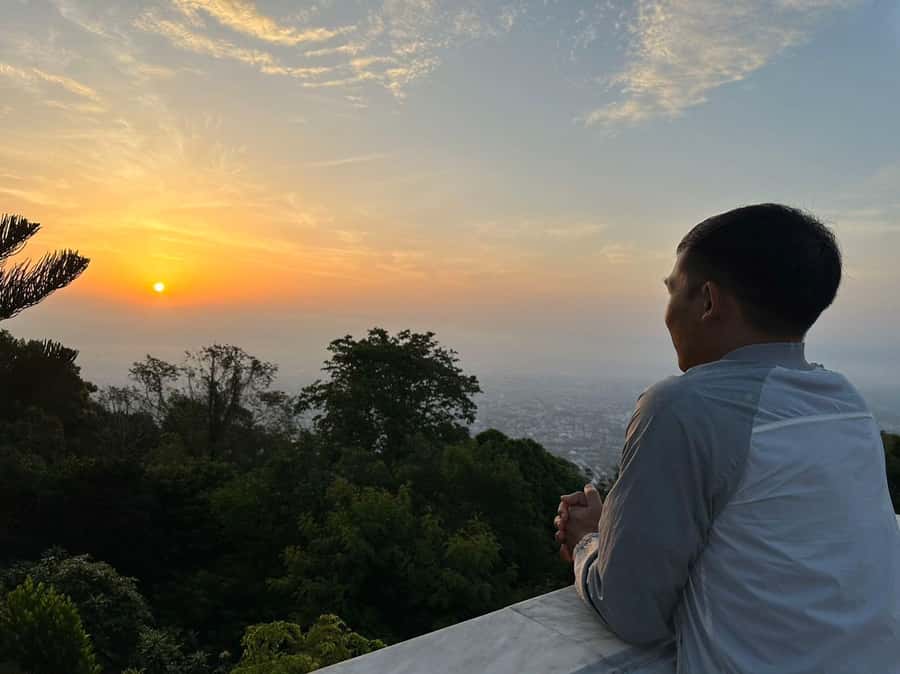
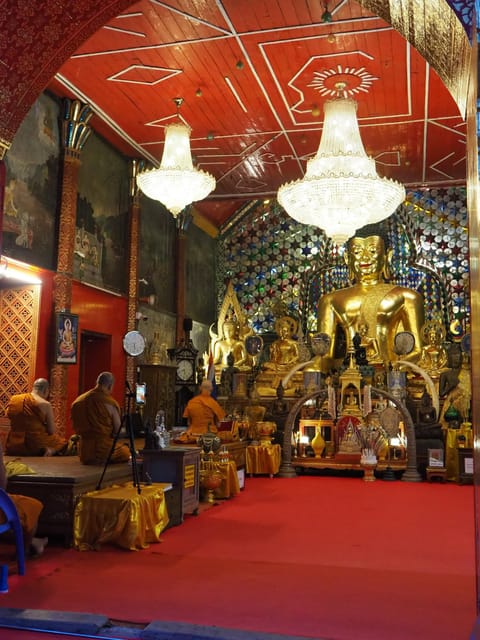
After the temple morning, you take part in a traditional almsgiving ceremony. Practically, you’re helping to offer food to monks. Emotionally, it’s one of those moments that’s hard to manufacture with words—because you’re not just watching spirituality from the outside.
This is also where the guide earns their pay. You’ll be guided through what to do, and you’ll get context for why this ritual matters in daily Buddhist life. You’ll likely notice how orderly everything is, and how quiet the group becomes when you’re following the flow of the ceremony.
One more small bonus: since you’re doing this early, it tends to feel more personal and less performative. You’re not stuck in a line of “photo first” people—at least not in the same way you might see later in the day.
Wat Pha Lat: a second temple stop with spirit stories attached
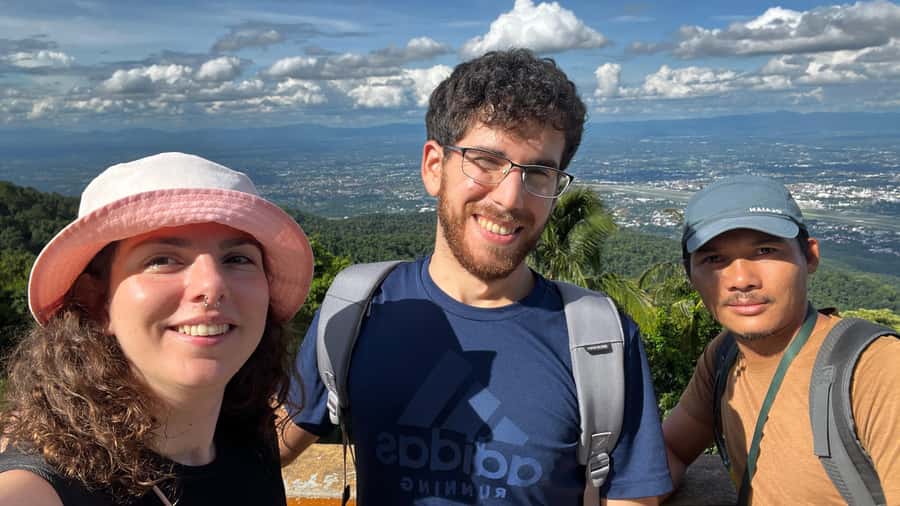
Your route also includes Wat Pha Lat, with time for a guided visit and photo stops. The experience is described as including “spirits,” which is a clue that your guide may point out the spiritual symbolism tied to the temple’s features.
Think of it like this: Doi Suthep is the big, iconic sunrise move. Wat Pha Lat is the supporting actor that adds meaning. With a good guide, you start connecting religious symbols you might otherwise just treat as decoration.
If you like temples that explain more than they impress, this stop is a win.
Hmong village culture: coffee, markets, and crafts you can actually talk about
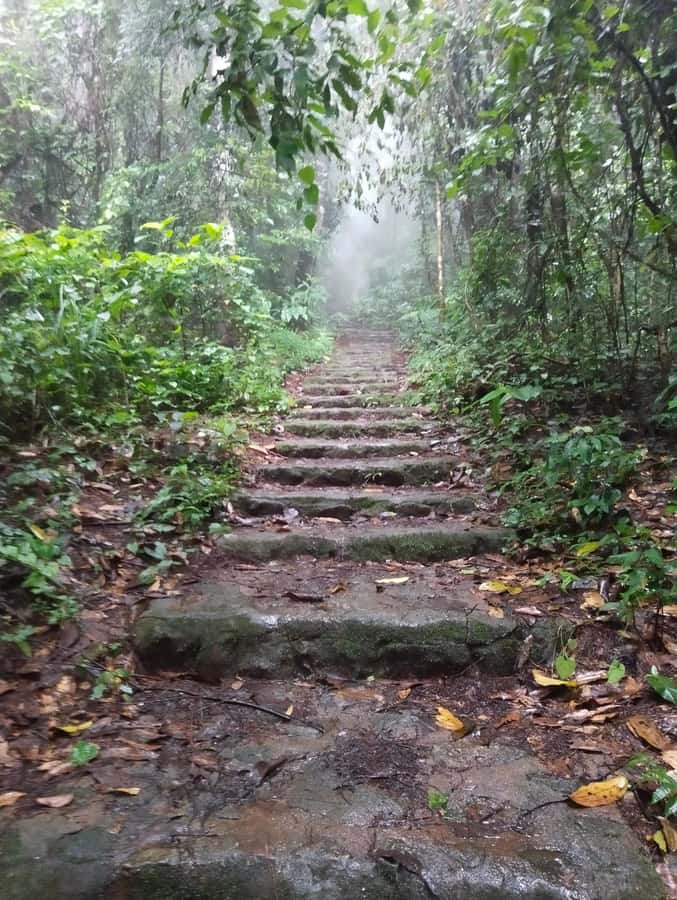
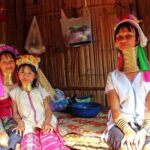
Next you head to the Hmong village area. This isn’t just a scenic viewpoint. You get a guided walk and time for a food market visit plus an arts & crafts market visit, so you can look, ask questions, and understand what people make and sell.
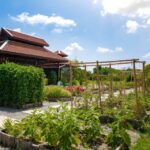
You’ll also stop for coffee and tea during the village time. Then there’s the mountain-food moment that many people remember: freshly brewed mountain coffee and a scenic breakfast setting on a plateau with mountain air in your lungs.
One practical note: this part of the day is better if you go in with a curious attitude. The best moments usually come from asking simple questions through your guide, like what a crop is used for, or what a craft is made from.
And yes, the human scale matters. Early timing often means you’re not surrounded by constant streams of people, so the village feels more like a place where life happens, not a stage.
A few more Chiang Mai tours and experiences worth a look

Montha Than Waterfall: a forest walk that stays gentle until it doesn’t
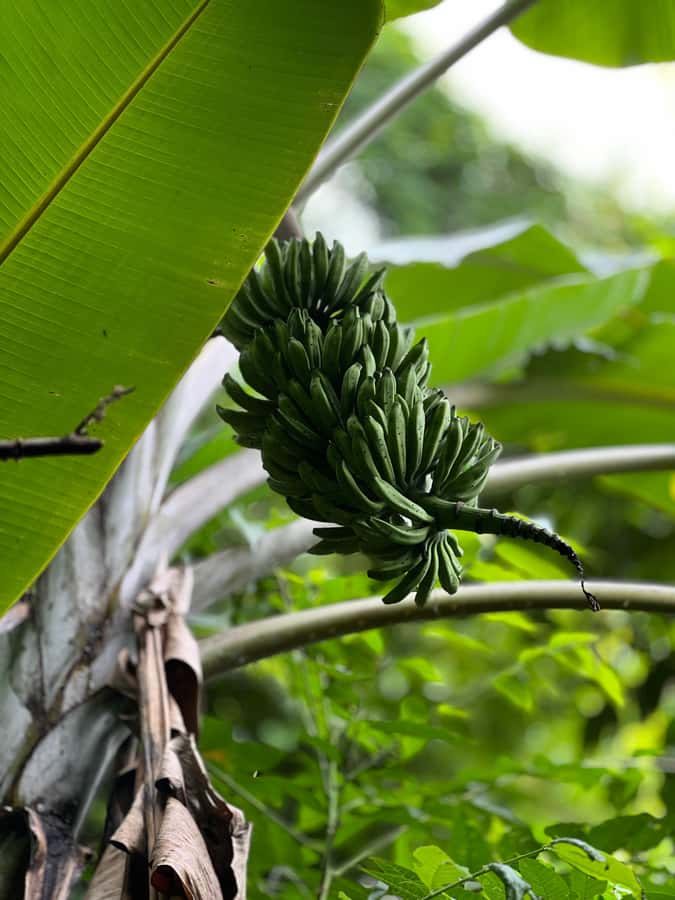
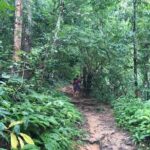
The hike to Montha Than Waterfall is described as about a 2-kilometer walk through lush forest. That “gentle” label is believable for much of the trek: you’re moving on shaded paths, listening to birds, and hearing water once you start getting closer.
Still, manage expectations. Real experiences include notes about the hike being challenging with heat, plus a mention that there can be a few tougher climbs after the waterfall. Translation: it’s not a stroll, but it also isn’t a hardcore mountain grind.
Good shoes help a lot, especially if the ground is damp or slick after rain. And bring a calm mindset. One helpful approach from real-day experiences: when you need to slow down, doing it early keeps you from getting stressed later.
Food, pacing, and what $70 buys you for 7 hours
At $70 per person for 7 hours, you’re paying for three things at once: transportation out to the mountains, a guide who links the spiritual and cultural stops, and included meals. It also matters that you get an included water bottle, which sounds basic until you realize you’ll be outside during a morning start and walking in humidity.
Value-wise, this is a solid price if you want a “one-day combo” that would be hard to assemble yourself without spending hours coordinating transport and timing around sunrise. The day’s order also helps: you tackle the hardest “mental logistics” part (getting up for sunrise) first, then the rest of the day flows.
As for food: you’re not just buying a snack. You’ll get a scenic breakfast on the plateau with mountain coffee, and the day includes lunch when you’re back in Chiang Mai. In practice, this means you’re not searching for meals mid-hike, and you get to eat local fare at the moments that make sense.
Practical tips so your morning goes smoothly
This tour rewards preparation more than luck.
- Wear proper walking shoes. The waterfall area includes climbs, and paths can be uneven.
- Go with a water-and-sweat mindset. The hike can feel harder in warm conditions, even if the distance isn’t extreme.
- Bring a layer for the early start. Mountain mornings can feel cooler right at sunrise.
- If you’re picky about language clarity, note that the guide speaks English and Thai, but communication comfort can vary by guide and speaking pace.
The smartest travel move is to pace yourself on the climbs. You’ll enjoy the views more when you’re not arriving at the waterfall already exhausted.
Who should book this tour (and who should think twice)
This is a great fit if you want:
- Sunrise in a major temple setting without the usual crowd chaos
- A real cultural moment like almsgiving, not just a quick temple photo
- A mix of culture + a forest walk, not only sightseeing
- A guide who explains things enough that you understand what you’re looking at
You might think twice if:
- You’re very sensitive to early mornings. This day is built around sunrise.
- You’re looking for an entirely flat hike. There can be heat and a few tougher climbs, depending on conditions.
- You strongly need clear sunrise visibility every time. Air quality can affect the view.
Should you book this Chiang Mai Sunrise Hike & Cultural Traditions?
If you’re the type of traveler who likes meaningful stops—temples with context, a ritual with purpose, and a walk that lets you feel the forest—then yes, book it. The early start is the secret ingredient, and the day’s structure keeps it from turning into one long tourist march.
I’d especially recommend it if you’re staying in Chiang Mai and want to do more than temples-on-photos. The combination of Doi Suthep sunrise, almsgiving, Hmong village markets, and the Montha Than Waterfall walk is exactly the kind of one-day plan that feels efficient without feeling rushed.
Just show up ready to walk, and accept that nature and air quality decide how dramatic the sunrise looks. Even when the sky doesn’t fully cooperate, the morning atmosphere and the cultural stops usually carry the day.
FAQ
How long is the Chiang Mai Sunrise Hike?
The tour runs for about 7 hours.
What does the price include?
It includes lunch, a water bottle, and transportation.
Is pickup included?
Yes. Pickup is included from places within 1 km of Chiang Mai old town.
What languages are the guides?
The live tour guide speaks English and Thai.
What’s the main sunrise location?
Sunrise is at Wat Phra That Doi Suthep.
Do you visit a hill tribe village?
Yes. You visit a Hmong village, including a food market and an arts & crafts market.
How long is the waterfall walk?
The Montha Than Waterfall walk is described as a 2-kilometer trek through forest.
Is lunch included, and when do you eat?
Lunch is included as part of the 7-hour day, with the day ending back in Chiang Mai.
Is free cancellation available?
Yes. You can cancel up to 24 hours in advance for a full refund.