REVIEW · CHIANG MAI
Chiang Mai : Cook in Farm, Market tour & Go by a Local Train
Book on GetYourGuide →Operated by Chiang Mai Smart Cook · Bookable on GetYourGuide
A Thai train ride turns cooking into a journey. This is a farm-to-table Thai cooking experience in Chiang Mai Province that mixes market shopping, an organic herb garden visit, and a ride on a traditional local train. You also get time in a small village before you cook, so the day feels more like learning how locals live than just following a recipe.
I love the market-to-farm-to-pan flow. You source your ingredients at a local market in Lamphun, then move to an organic family farm where you can gather fresh herbs and greens. I also like that the instructor works in English and can help you shape the dishes around your preferences, with different past groups mentioning instructors such as Cat and Mac by name.
One drawback to weigh is the price difference versus simpler cooking classes: the train portion adds cost and time. If you’re expecting a long, big sightseeing rail adventure, this ride is brief—so the value depends on whether you want the full package, not just the cooking.
In This Review
- Key highlights to look for
- From hotel pickup to the local train ride in Lamphun
- The oldest local market in Lamphun: herbs, spices, and shopping time
- Village welcome and designing your own menu
- Organic farm herb hunt: where the flavors start
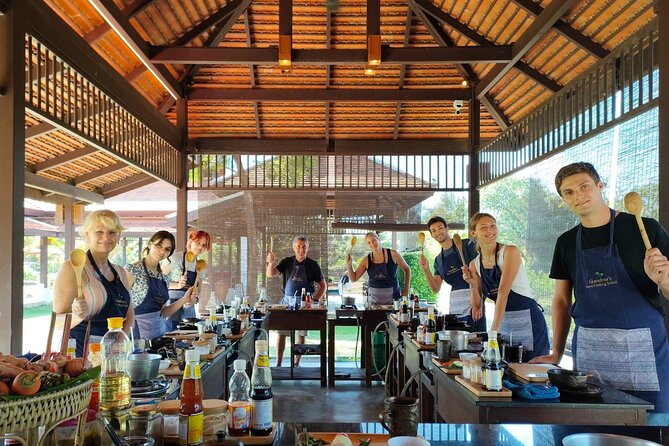
- Hands-on Thai cooking with an English instructor
- Food, drinks, and what’s actually included
- Price and logistics: is $57 worth it?
- Who this suits best in Chiang Mai Province
- Should you book this train-and-farm cooking class?
- FAQ
- How long is the Chiang Mai cooking class experience?
- Where does the tour take place?
- Is hotel pickup included?
- What’s included in the price?
- Is an English instructor provided?
- Do I need to bring anything?
- Is alcohol included?
- Is a recipe book provided?
- Do I need a passport for the train?
- Who is the activity not suitable for?
Key highlights to look for
- Local train in the Chiang Mai area: a short countryside ride that adds context to the food.
- Old Lamphun market stop: shopping for herbs, spices, and ingredients with a real local focus.
- Organic farm herb/veg collection: you see where the flavor comes from and may harvest produce.
- Menu planning with your instructor: you design your favorite dishes before cooking begins.
- English guidance plus a PDF recipe book: you don’t just taste; you leave with a plan you can repeat.
- Hotel pickup and round-trip transport included: fewer logistics, more time doing the thing.
From hotel pickup to the local train ride in Lamphun
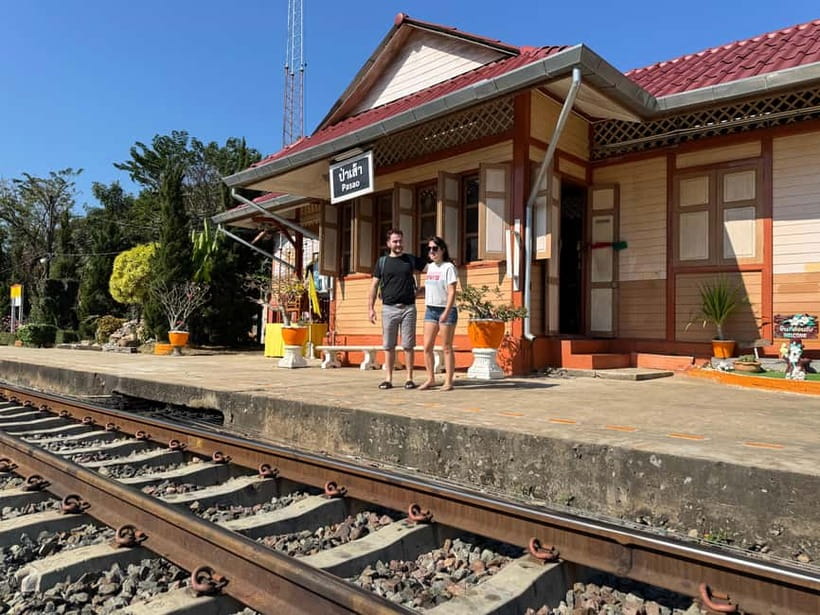
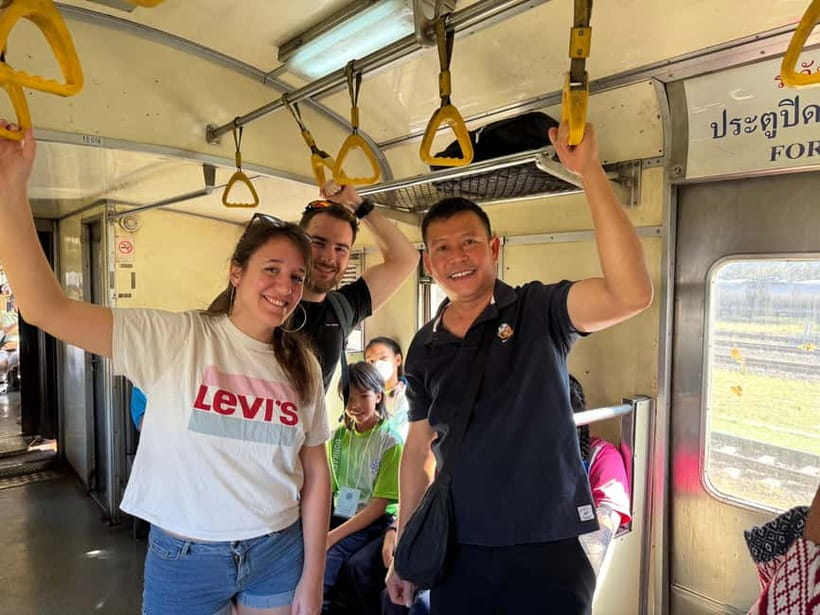
The day starts with hotel pickup, and you’re told to wait in the lobby about 20 minutes before the start time. Once you’re moving, you’ll head toward Lamphun for the train portion. The ride from the Lamphun station to your hometown is short—around 20 to 30 minutes—but it’s the kind of segment that changes how you experience the country.
Here’s what you’ll feel on that train: less “tour bus,” more everyday motion. You get scenic views of the countryside, which matters because it frames the rest of the food day. Thai cooking isn’t only about technique; it’s about ingredients that grow nearby and taste like where they’re from.
Practical tip: I strongly suggest you bring your passport for the train segment. One participant specifically called this out after booking, so it’s a smart safeguard rather than a hassle.
You can also read our reviews of more shopping tours in Chiang Mai
The oldest local market in Lamphun: herbs, spices, and shopping time
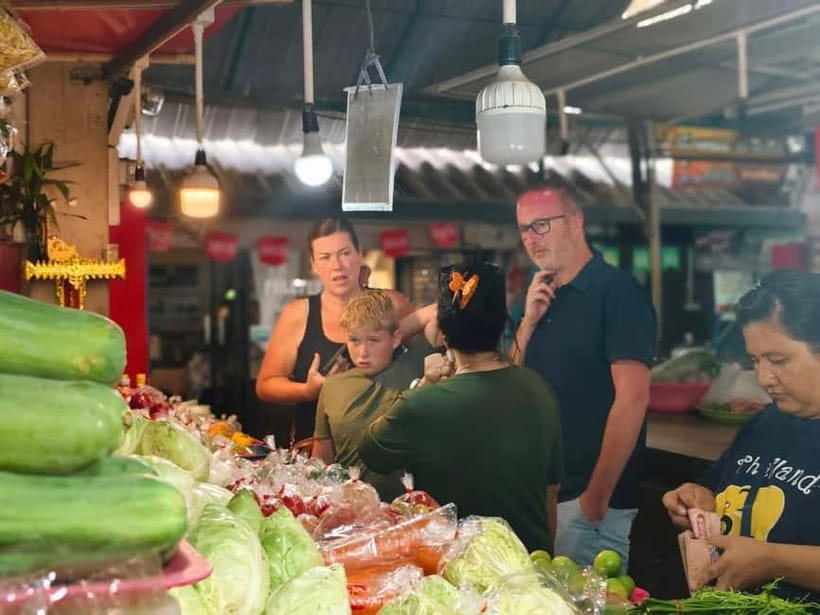
Before you head fully into the village, you stop at a very local and one of the oldest markets in the old city of Lamphun. This is where the day turns from “activity” into “ingredient education.” Instead of being handed pre-set ingredients, you get time to shop for the flavors you’ll cook with—especially herbs and kitchen spices.
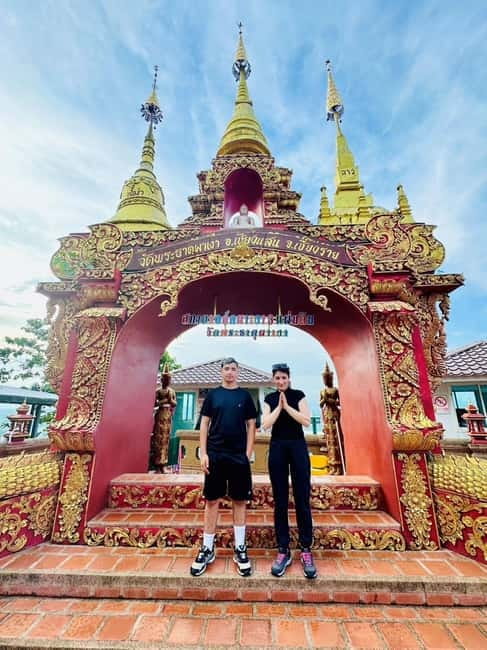
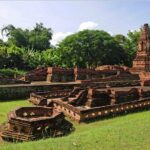
You’ll also get sightseeing time at the Chama Dhevi monument, a well-known historical landmark in northern Thailand. That stop is useful because it breaks up the food focus just enough to keep the day from feeling like a single long classroom session.
What to watch for at the market: you don’t just want to grab items that look familiar. Ask your guide what each ingredient does in the flavor balance—sweet, sour, salty, and spicy are themes in Thai cooking, and you’ll build a better understanding when you see ingredients in the place they’re traded.
And yes, shopping time is part of the value here. It’s one reason this experience costs more than some purely cooking-based classes: you’re paying for ingredient sourcing, not only for chopping.
Village welcome and designing your own menu
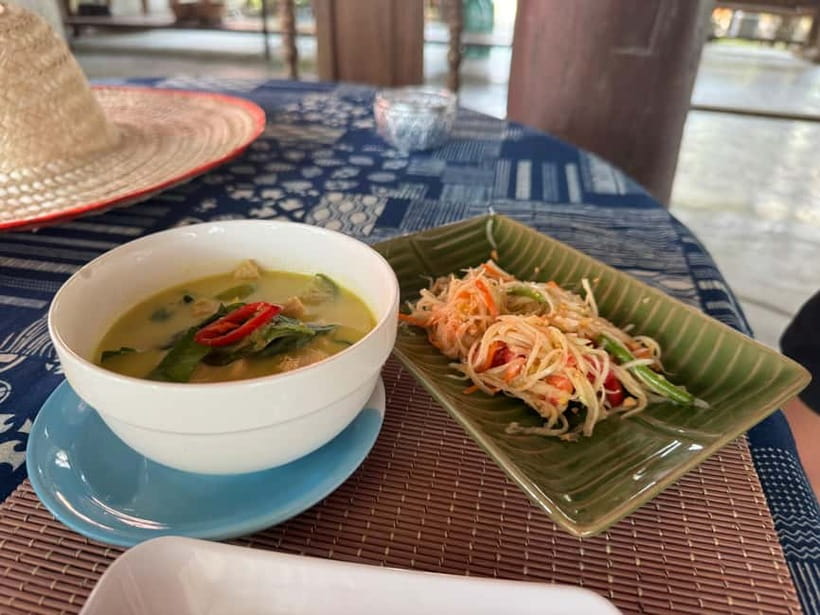
After the market and sightseeing, you continue onward to a small village in the countryside, where the hosts welcome you with snacks and a drink. This isn’t just a break. It’s part of the pacing strategy: you arrive fed and comfortable, then you plan what you want to cook.
This is also where you design your own favorite menus. The instructor helps you map your ingredient choices into dishes that match your preferences. In past classes, participants mentioned how the instructor adapted patiently and explained steps clearly—so you’re not stuck with a rigid script.
If you’re a “I want Thai food, but I’m not sure what to pick” type of traveler, this menu-design piece is a real win. It means you can steer toward what you like—no pressure to eat something unfamiliar just because it’s on a standard lesson plan.
In practical terms, it also helps you cook smarter. When you’ve already chosen dishes, you pay attention during the herb-collection and cooking steps because you can picture what you’re building.
Organic farm herb hunt: where the flavors start
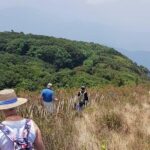
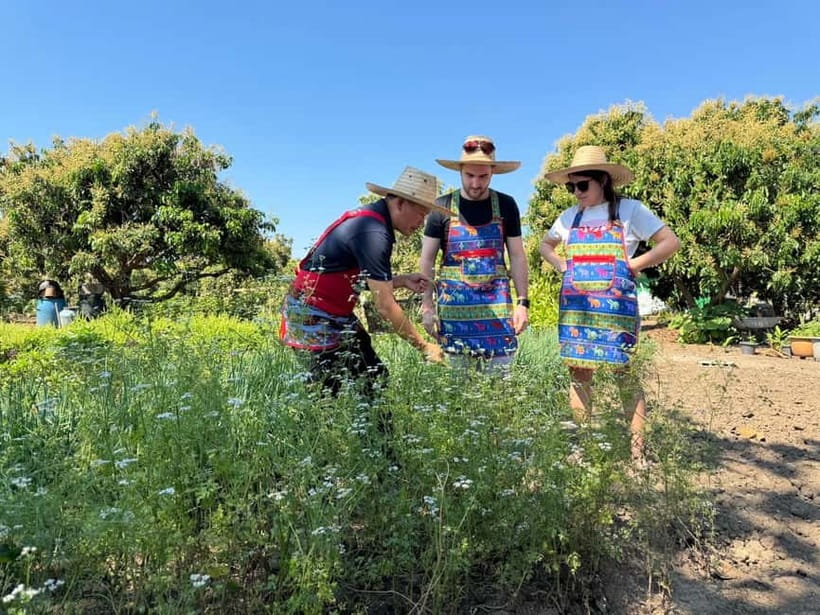
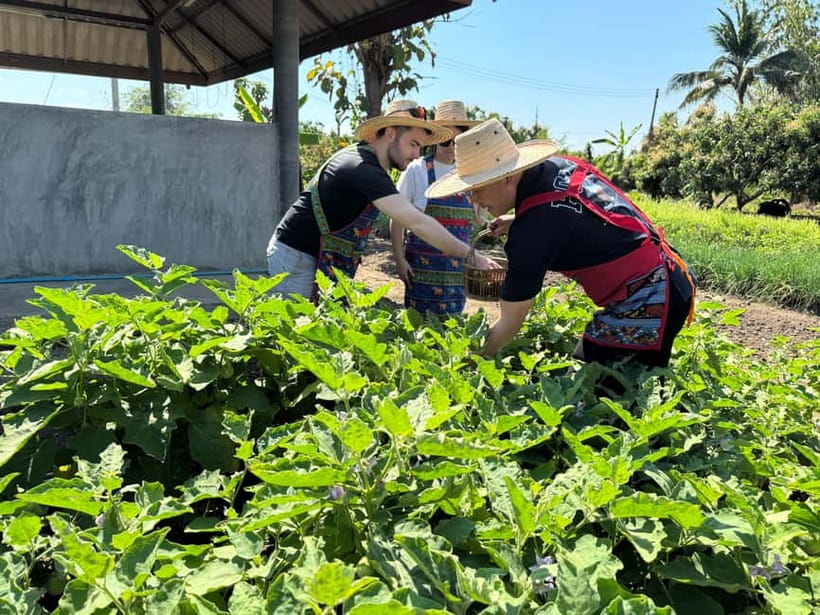
Next comes the core “farm-to-table” moment. Your hosts collect fresh herbs and greens from their organic kitchen herb and spice garden. In a small village setting like this, you’re not only looking at plants—you’re seeing how they link to actual Thai cooking.
Some groups specifically noted that instructors like Shisha and Poppy were knowledgeable about fruits and vegetables grown in the garden. That matters because the question isn’t only what the ingredient is. It’s how it tastes, what it pairs with, and what role it plays in the finished dish.
What you might do here: you may collect or harvest produce (the experience is described as including collecting fresh herbs and greens). Even if you’re not doing heavy harvesting, you’ll likely spend time walking the farm with the instructor and learning which plants are kitchen staples—herbs you’ll recognize from Thai food once you see them growing.
Practical comfort tip: wear comfortable clothes. You’ll be on a property with plants and uneven outdoor surfaces, and you’ll want to move without worrying about your outfit. This part also tends to create the best “why does it taste different” moment. Fresh herbs taste alive compared to dried or pre-chopped versions.
Hands-on Thai cooking with an English instructor
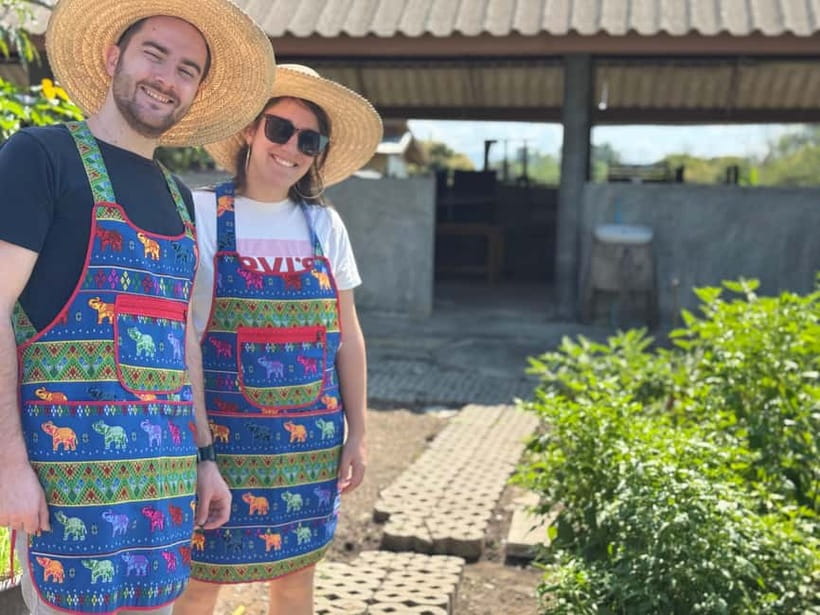
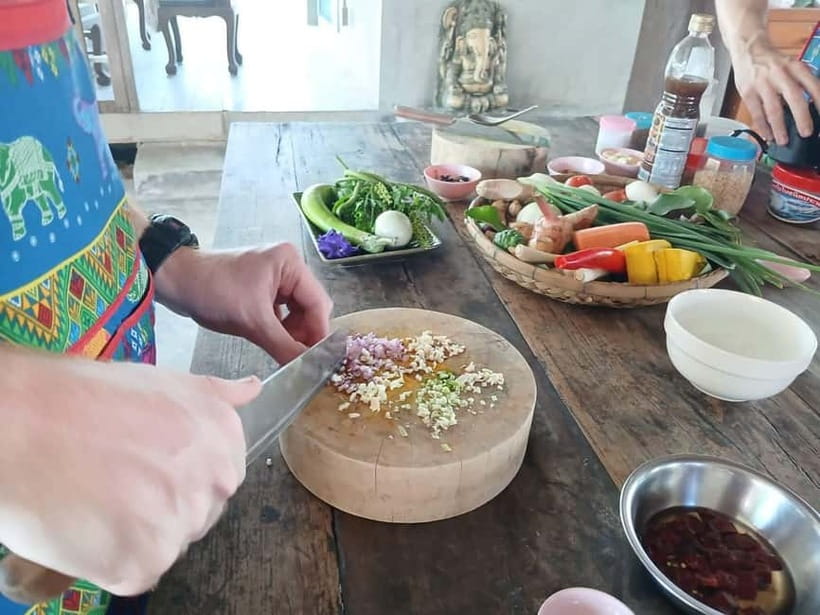
Once you’ve shopped and collected ingredients, you shift into cooking. This experience is built around hands-on learning, led by an English-speaking local instructor. You’ll cook dishes you planned on earlier, using ingredients gathered during the market and farm stages.
In Thai cooking, technique is often about balance and timing. Past participants highlighted learning the complexity of Thai flavors—especially the importance of balancing sweet, sour, salty, and spicy, and using salt more subtly than you might expect. That kind of understanding sticks because it’s grounded in what you’re actively making.
Tasting is part of the process. You’re not only producing food—you’re checking it against the taste profile you’re aiming for. You’ll learn faster if you treat the class like a conversation: ask questions as you cook, and don’t be shy about adjustments to your personal preference.
Also, you’ll leave with a Thai recipe book in PDF format online. That’s a practical advantage over classes where you only get a promise to email recipes later. Having a written reference helps you recreate the dishes at home without guessing what you did.
A few more Chiang Mai tours and experiences worth a look

Food, drinks, and what’s actually included
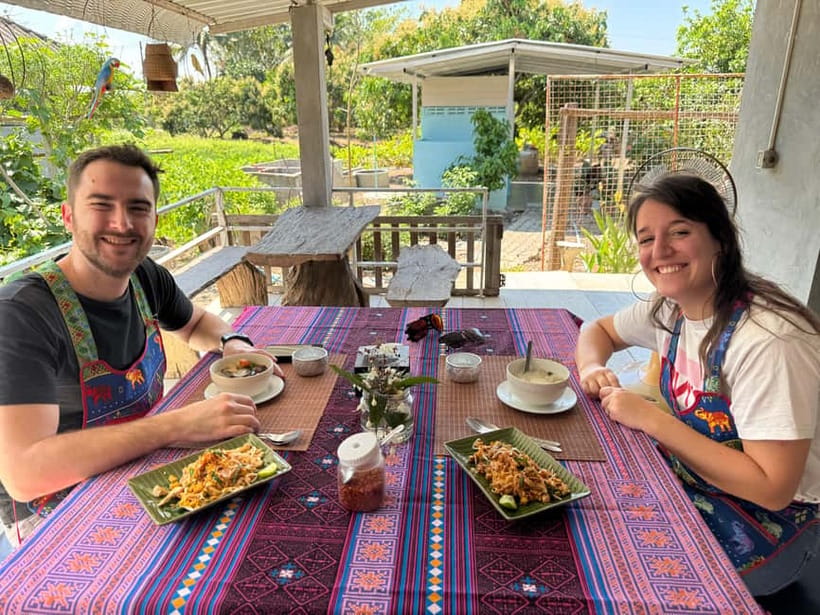
This is a full experience built around cooking and tasting, and it’s designed to keep you fed along the way. Included items cover a lot of the cost drivers:
- Round-trip transportation to and from your hotel
- Local market tour
- All ingredients for cooking
- Drinking water
- The local train ticket
- Online PDF recipe book
What’s not included is beer and alcohol. So if you’re looking for a drink-heavy evening experience, you’ll need to plan that separately.
One more thing: the class runs about 5 hours. That’s long enough to feel like a real cooking day—market, farm, cooking, tasting—but short enough that you can still enjoy the rest of Chiang Mai afterward.
Price and logistics: is $57 worth it?
At $57 per person for roughly 5 hours, the price is in the mid-range for cooking classes. Whether it’s a good deal comes down to what you compare it to.
Here’s the value logic I’d use:
- You’re paying for more than cooking: you also get market shopping time, farm herb collection, village time, and a local train ride.
- You’re paying for convenience: hotel pickup and round-trip transport are included.
- You’re paying for “leave with something”: the online PDF recipe book is part of the package, and it’s the kind of thing you can use later.
If you only want the cooking portion, you might feel the cost more sharply. One participant felt the train ride was the reason the price was higher than other options, especially since their train experience felt more limited than expected. That doesn’t make the class bad—it just means you should match the purchase to your priorities.
If your priority is authentic Thai cooking with a clear ingredient story and you like the idea of experiencing northern Thailand beyond a kitchen table, the price starts to make sense.
Who this suits best in Chiang Mai Province
This experience is a strong fit for travelers who learn by doing and want their food to have an origin story. It’s especially good for:
- Food lovers who like hands-on cooking
- People curious about Thai ingredient basics (herbs, spices, flavor balance)
- Visitors who enjoy day trips that include local rail travel
- Couples or small groups who want a more intimate pace than big group tours
A few limitations to take seriously:
- Children under 5 aren’t suitable
- People over 95 aren’t suitable
- You should wear comfortable clothes
- Alcohol and drugs aren’t allowed
If you’re traveling with mobility concerns, there’s not enough information here to guarantee how walking-heavy the market and farm parts are. I’d plan on some outdoor strolling.
Should you book this train-and-farm cooking class?
I’d book it if you want a Thai cooking class that connects to real food sources: Lamphun market shopping, an organic herb garden, and a short countryside train ride. The combination is the point, and the included transport and ingredients reduce the usual hassle that can make similar activities feel overpriced.
I’d think twice if:
- Your main goal is only the cooking lesson
- You prefer longer train outings for the rail experience itself
- You’re sensitive to paying extra for the transport and sourcing components
One final “make it easy on yourself” tip: keep your expectations realistic about the day’s timing. This is a 5-hour experience, so it packs a lot in, but it isn’t a full-day rail journey. If that matches your style, you’ll likely leave with both better cooking habits and a clearer sense of where Thai flavors come from.
FAQ
How long is the Chiang Mai cooking class experience?
It lasts about 5 hours.
Where does the tour take place?
It’s in Chiang Mai Province, with key parts connected to Lamphun (including a local market stop and the organic farm in a village area).
Is hotel pickup included?
Yes. You’ll be picked up from your hotel, and you’re asked to wait in the lobby about 20 minutes before the start time.
What’s included in the price?
Round-trip transportation to and from your hotel, the local market tour, all ingredients for cooking, drinking water, the recipe book online (PDF), and a local train ticket.
Is an English instructor provided?
Yes. The instructor is listed as English.
Do I need to bring anything?
Bring comfortable clothes.
Is alcohol included?
No. Beer and alcohol are not included.
Is a recipe book provided?
Yes. There’s an authentic Thai recipe book available online as a PDF version.
Do I need a passport for the train?
One participant specifically advised bringing a passport for the train.
Who is the activity not suitable for?
It’s not suitable for children under 5 years old, and it’s not suitable for people over 95 years old.