REVIEW · CHIANG MAI
Chiang Mai 2-Day: Trekking, Tubing, Waterfalls & Elephant
Book on GetYourGuide →Operated by Tubing Chiang Mai · Bookable on GetYourGuide
A muddy trail and a floating river. That combo is why this 2-day Chiang Mai outing works so well. You start with a hike to Tard Mok Waterfall, then switch gears to tube the Mae Taeng River, add a natural slide at Saa Gee Waterfalls, and finish with an ethical elephant-feeding visit.
Two things I really like: you get a full day of movement (hike, float, slide) without feeling rushed, and the elephant part is framed around care and conservation rather than circus tricks. Also, the small-group size (up to 16 people) means you spend more time doing things and less time waiting.
One consideration: this is active travel. The trek through the jungle can be more than just a walk, the river water depth can vary (about 30 cm to 1.5 m), and conditions after heavy rain can change the river’s look and feel.
In This Review
- Key points to clock before you go
- How the whole 2 days flow (and why it feels like a proper adventure)
- Huay Kub Kab Base Camp: your jungle headquarters
- Trekking to Tard Mok Waterfall: bamboo trails and a swim that’s worth the effort
- Mae Taeng River tubing: the thrill part, with rocks and real water depth
- Saa Gee Waterfalls slide: short walk, big grin
- Sunshine for Elephants: feeding, conservation talk, and photo moments
- Dorm vs Pool Villa: where the night makes the whole thing feel complete
- Day 2: breakfast in the jungle, then back to Chiang Mai
- Price and value: is $107 a fair deal?
- What to pack (and the small choices that prevent annoying problems)
- Who this trip fits best (and who should choose a different plan)
- Should you book this Chiang Mai 2-Day: Trekking, Tubing, Waterfalls & Elephant?
- FAQ
- Is this activity suitable for beginners or only experienced hikers?
- What happens on Day 1?
- What happens on Day 2?
- Does the tour include elephant feeding for everyone?
- Are elephant and water buffalo sightings guaranteed during tubing?
- What’s included in the price?
- What accommodation options are available?
- How safe is the tubing and waterfall slide?
- What should I bring for the activities?
- Is this tour wheelchair accessible?
Key points to clock before you go
- Tard Mok Waterfall gives you real swim-and-relax time after the hike
- Mae Taeng tubing is the main thrill, with calm stretches plus some rocks
- Saa Gee Waterfalls slide is short-walk excitement you’ll feel in your legs afterward
- Elephant feeding is included only in select packages, so check what you book
- Dorm or Pool Villa changes the vibe of your night in the jungle
How the whole 2 days flow (and why it feels like a proper adventure)
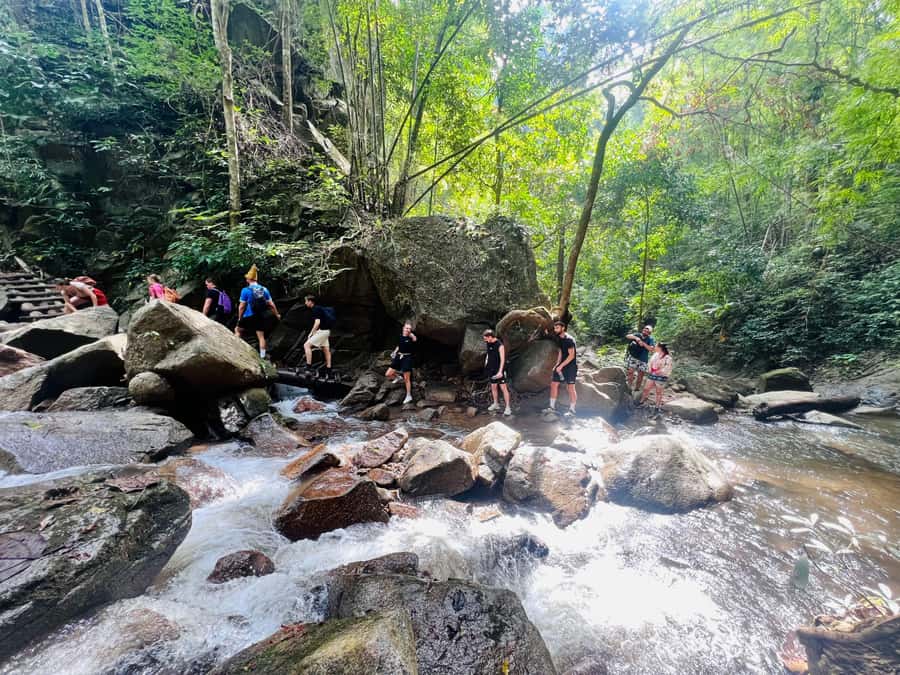
This trip is built like an outdoors day that actually keeps its promise: morning jungle, midday water time, then more water (and a slide), then elephants, then dinner, then sleep in the trees. The schedule moves in a way that makes sense for energy levels, too. You hike first while you still feel fresh, then you float when the heat is doing what heat does in northern Thailand.
You’ll get picked up from your Chiang Mai accommodation in the morning (around 7:30–8:00 AM), then ride out to Mae Taeng countryside. That drive matters more than it sounds, because it’s how you get away from the city without planning extra transport. The pace stays active on Day 1, and Day 2 is lighter: breakfast, check-out, and drop-off back in Chiang Mai by late morning/early afternoon.
You can also read our reviews of more hiking tours in Chiang Mai
Huay Kub Kab Base Camp: your jungle headquarters
When you arrive at Huay Kub Kab Base Camp, you’re not just showing up to “begin activities.” You’re setting up for a full day outside, and that helps. There’s time to change into trekking gear, store what you don’t need, and get a briefing so you know what to do on the water and on foot.
This camp style also helps you stay relaxed. The flow is practical: get briefed, hike, eat, tube, slide, then return for shower time and dinner. In other words, you’re not constantly figuring things out yourself.
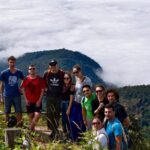
A detail I like for solo travelers: in a small group (max 16), it’s easier to settle in and make plans with the people around you. And from what I’ve seen, guides like Bang and guides such as Nine focus on keeping you safe and informed, not just leading a line down a path.
Trekking to Tard Mok Waterfall: bamboo trails and a swim that’s worth the effort
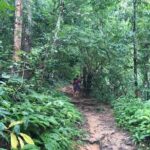
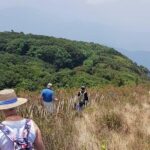
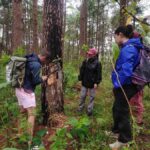
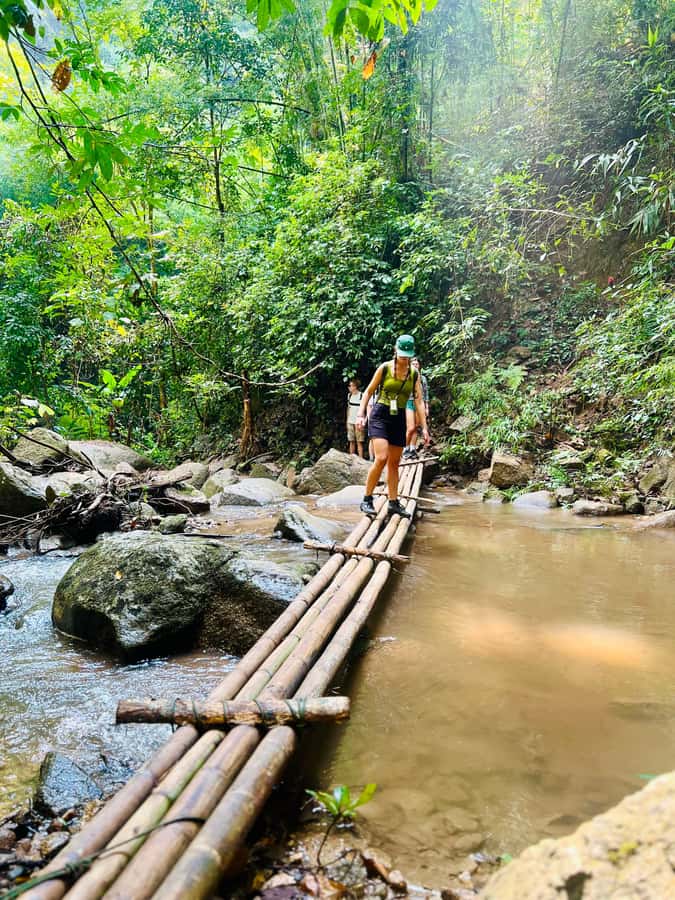
Day 1 starts with the trek to Tard Mok Waterfall. Expect forest trails with bamboo groves and hidden streams along the way. This isn’t a treadmill hike, so you’ll want to pay attention to footing and not rush.
What makes this stop a winner is the payoff. You don’t just hike to a photo spot—you reach the waterfall area with time to swim and relax. That “water moment” is what turns the walk into a full experience instead of a quick stop.
Practical tip: bring shoes you trust. The trip specifically suggests comfortable shoes and hiking shoes (and flip-flops for after). If you treat the hike casually, your feet will remind you later. Also pack a change of clothes because once you reach the waterfall, you’re basically committing to being wet.
Mae Taeng River tubing: the thrill part, with rocks and real water depth
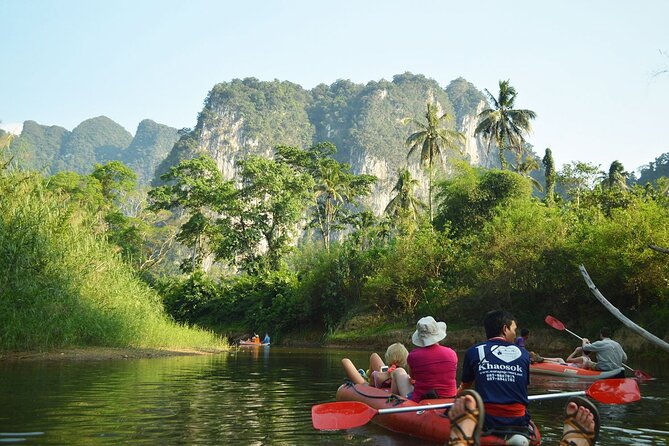
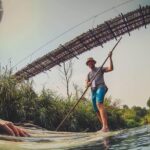
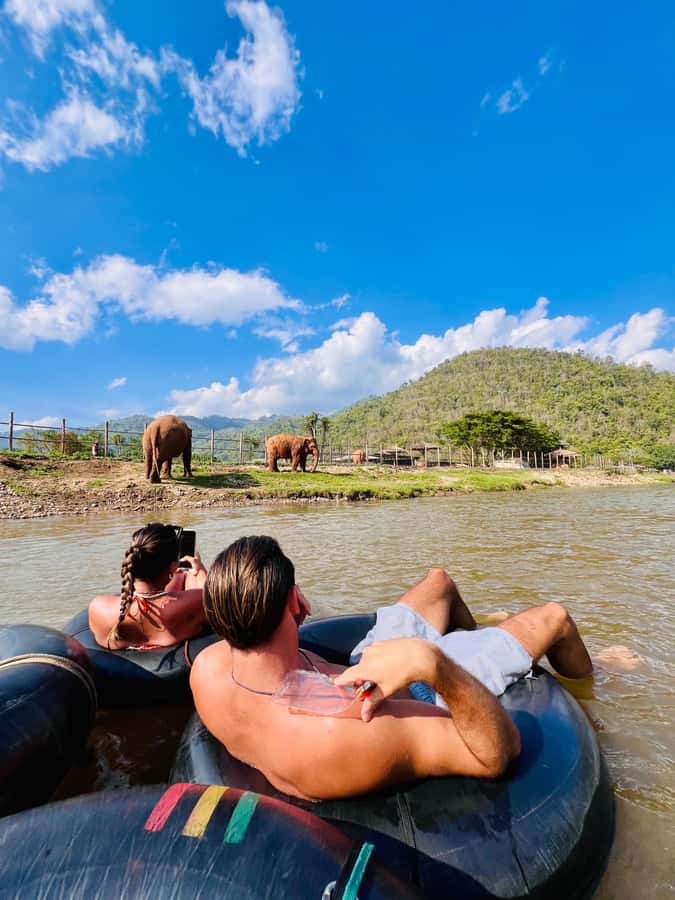
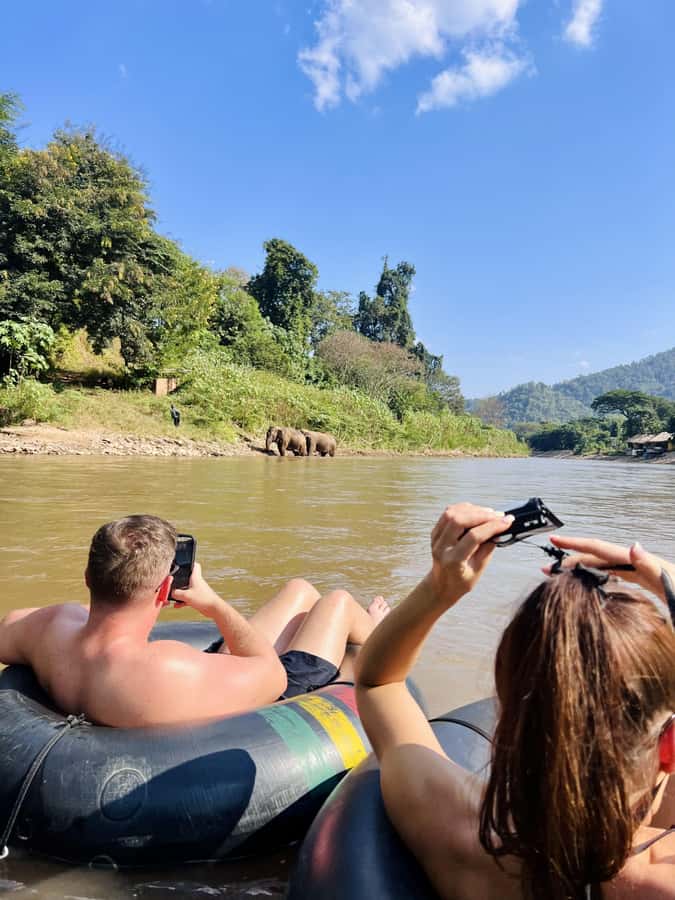
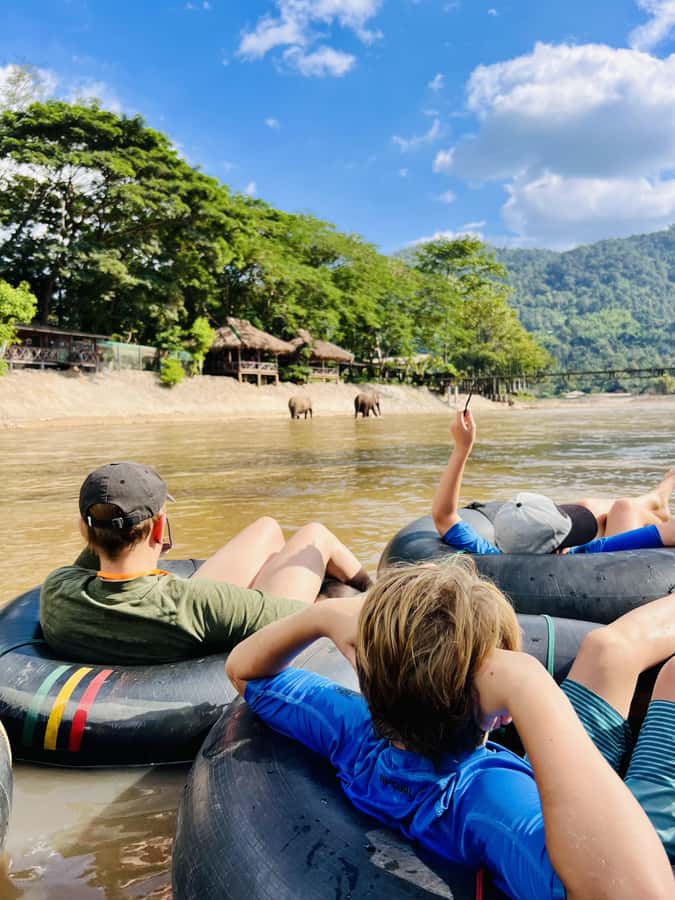
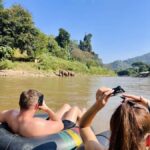
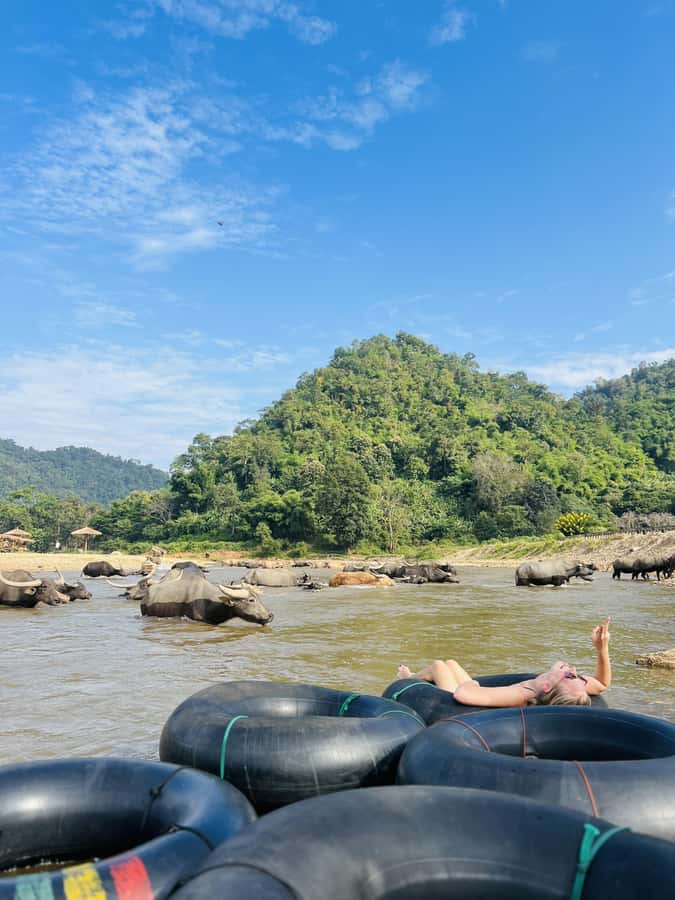
After lunch, you switch to river tubing on the Mae Taeng River. This is where the day gets fun-fast. You drift through lush jungle surroundings, and the pace is a break from the trekking but still keeps your heart rate up in the best way.
A few things matter here:
- The floating area is generally calm, but there are some rocks.
- Water depth varies by season, about 30 cm to 1.5 m.
- After heavy rain, the river may look deeper in color because it carries natural sediments.
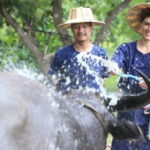
You also pass by places connected with elephants and water buffalo. You might spot animals when the tour passes an Elephant Nature Park section during the tubing. Just don’t build your day around guaranteed sightings. Animals roam freely, so the tubing thrill is still the core attraction even if you don’t see elephants in every moment.
Best mindset: treat wildlife as a bonus, not a checklist item. When you do see something, it feels extra satisfying because it wasn’t forced.
Saa Gee Waterfalls slide: short walk, big grin
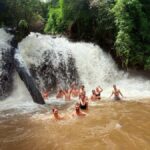
Next up is Saa Gee Waterfalls. You’ll do a short jungle walk to reach the waterfall area. Then it’s slide time: a natural slide into clearer pools below.
This is the kind of activity that sounds simple until you’re on the edge, deciding how brave you feel. The good part is that it’s quick and close to the camp, so you’re not spending hours waiting for the next step of the program.
What to bring helps a lot here: swimwear, a change of clothes, and flip-flops for moving around afterward. If you only bring dry clothes and hope for the best, you’ll regret it by early afternoon.
A few more Chiang Mai tours and experiences worth a look
Sunshine for Elephants: feeding, conservation talk, and photo moments
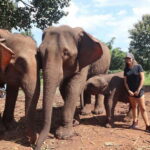
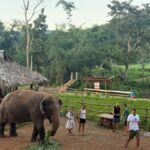
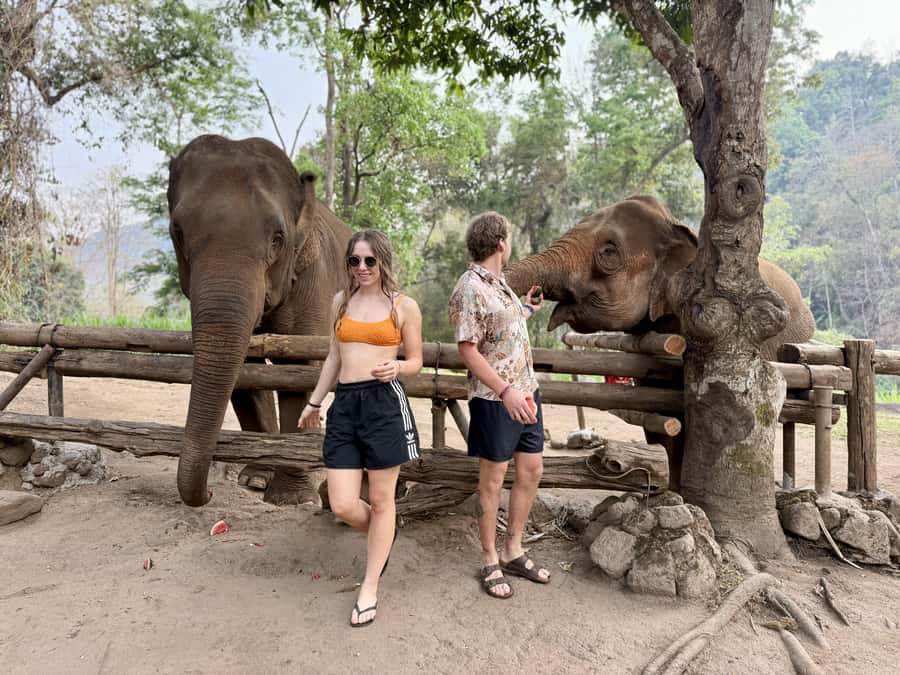
The elephant experience is the emotional anchor of the trip. After the waterfall slide, you’ll visit Sunshine for Elephants, a local ethical elephant care project.
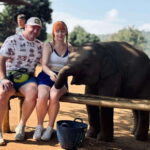
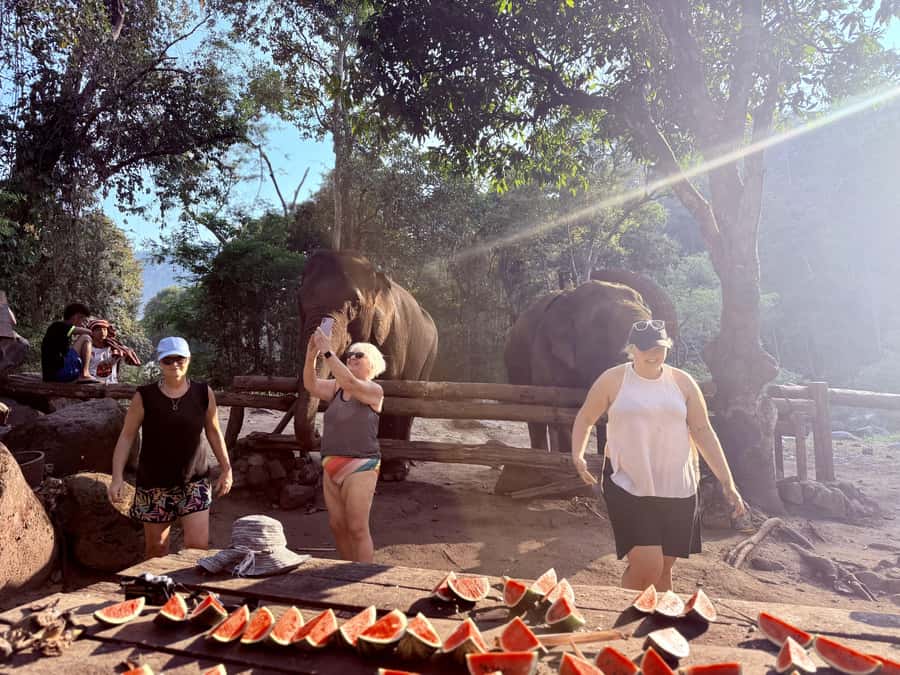
In the feeding experience, you’ll learn about elephant conservation and responsible tourism, then prepare food and feed elephants by hand. You also get opportunities to take photos if that option is selected in your package.
Important detail: elephant feeding is included only in packages A5.1 and A6.1. If you book A5 or A6 without the feeding add-on, your experience won’t necessarily include the hand-feeding part. That’s worth checking before you arrive so you don’t end up disappointed mid-trip.
From the way the day is paced, this stop feels respectful. It isn’t thrown in as a quick photo moment and out the door. You’re guided through what responsible care looks like, which makes the feeding time more meaningful—and it also helps you behave correctly around the animals.
Dorm vs Pool Villa: where the night makes the whole thing feel complete
Day 1 ends back at base camp with shower time and refreshments. Then you choose your stay style depending on the package.
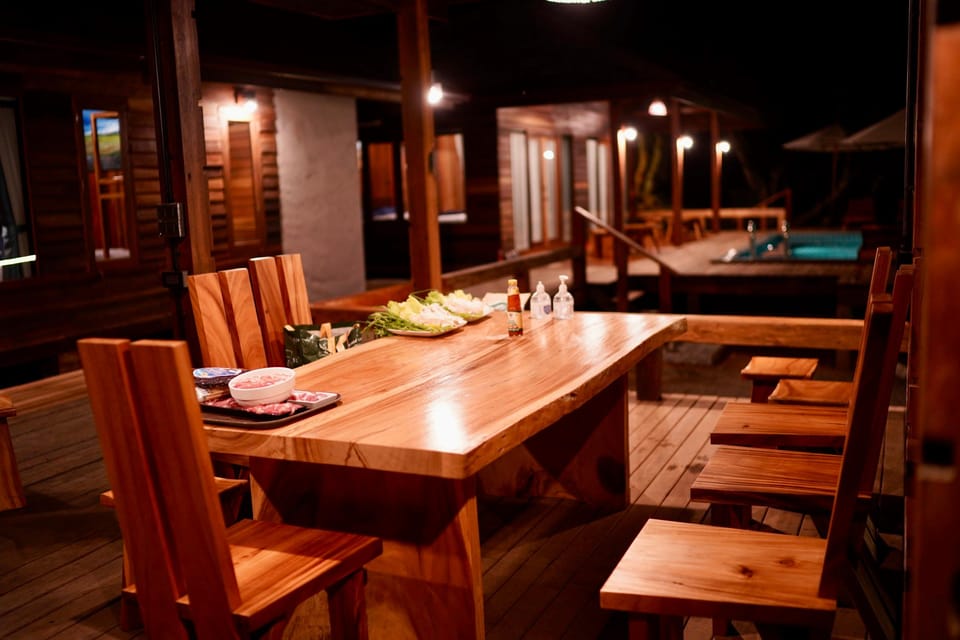
If you stay in a Jungle Dorm, you’re paying for function and comfort in the middle of nature. Reports from past guests highlight that the dorm rooms are clean and comfortable, with spacious beds and practical touches like a night light, plugs, and curtains for privacy.
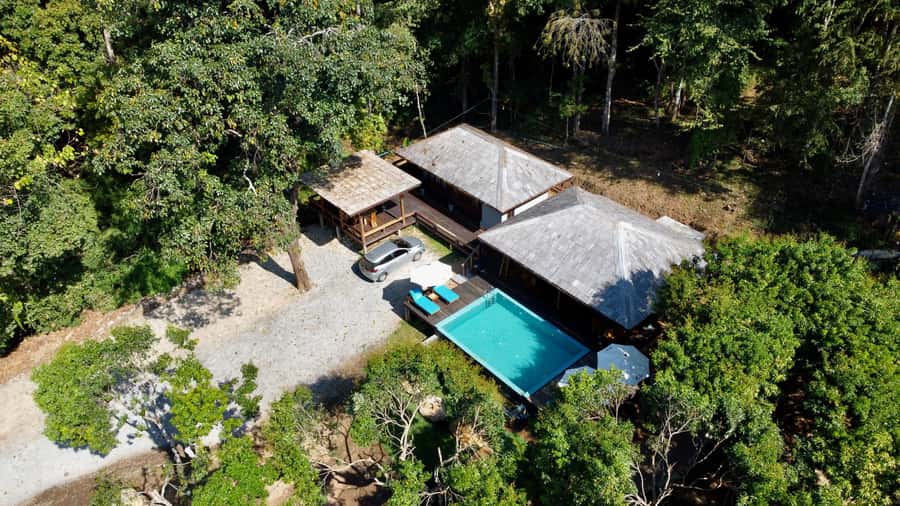
If you upgrade to the Pool Villa (included only in A6.1), the vibe changes. You’re getting a private nature hideaway deeper in the northern Thai jungle area. The pool doesn’t just add luxury—it turns your downtime into something you’d actually look forward to after a full day outdoors.
Dinner is Thai food, served at camp under the stars. In at least some cases, there’s also been a bonfire element before sleep, which turns the evening into a calm decompression session rather than just “food and bed.”
Day 2: breakfast in the jungle, then back to Chiang Mai
The second morning starts with breakfast and a slower pace. You’ll wake up to jungle sounds, have a freshly prepared breakfast, and then check out around 10:00 AM.
From there, you’ll head back to Chiang Mai, with drop-off around 11:30 AM–12:00 PM. That timing is handy because it leaves you the afternoon to do something low-key in the city—street food, markets, or just a long shower and laundry like you’re resetting your whole body clock.
Price and value: is $107 a fair deal?
At $107 per person for about 2 days, the value depends on what you want most and which package you pick.
Here’s what’s included in the standard offering:
- Round-trip transportation between Chiang Mai and the jungle area
- Trekking to Tard Mok Waterfall
- River tubing
- Waterfall slide
- Overnight stay (dorm by default, pool villa only in A6.1)
- Meals: lunch, dinner, and breakfast
- Drinking water and snacks
- Guides (local English-speaking guide) plus staff
- Life jackets and the tube
The elephant feeding piece is the big variable. If you want that hands-on, ethical feeding component, you should aim for A5.1 or A6.1, since elephant feeding is only included in those packages.
So here’s the practical way to judge value: you’re not just buying tickets to one activity. You’re buying transportation, multiple major activities, meals, and overnight logistics in a small-group format. For most people, that’s what makes the price feel fair.
Alcohol isn’t included, and it’s sold separately (60 THB per can in the info you provided). If you want drinks, plan for it—but the day doesn’t rely on alcohol to be fun.
What to pack (and the small choices that prevent annoying problems)
Use the provided packing list as your backbone. Then tune it to your own comfort.
Bring:
- Comfortable shoes (and hiking shoes if you have them)
- Hat (shade helps on both trekking and river time)
- Swimwear
- Change of clothes
- Flip-flops for around the camp after water activities
- Cash (mentioned as useful)
- A waterproof bag, especially if your phone is your camera
Two water-focused realities to plan around:
- The river’s depth changes with season, and you’ll be floating in an environment that isn’t “swimming pool calm.”
- After heavy rain, the river color can change because of natural sediments.
Also, inform the provider of any medical conditions before booking. This helps them keep you safe during a hike and water-based activities.
Who this trip fits best (and who should choose a different plan)
This is a great match if you:
- Want an active 2-day nature escape from Chiang Mai
- Like a “do stuff” itinerary instead of museum-and-slow-walk travel
- Care about how you interact with elephants and prefer ethical framing
- Don’t mind early mornings and want pickup handled for you
- Appreciate small-group tours (max 16)
It may be a poor fit if you:
- Need wheelchair accessibility (it’s not suitable for wheelchair users)
- Prefer very low physical effort
- Are expecting guaranteed wildlife sightings during tubing (animals roam freely)
For families, it’s worth noting a safety suggestion: small children are recommended to sit on a parent’s lap during tubing for added safety and comfort.
Should you book this Chiang Mai 2-Day: Trekking, Tubing, Waterfalls & Elephant?
If you want one trip that covers jungle walking, river drifting, a natural slide, and an ethical elephant feeding visit, this is a strong choice. The best reason to book is the balance: you get several major activities without needing separate tours, and the overnight stay makes it feel like a real break, not just a day trip stretched out.
Choose it when you can handle active time outdoors and you check your package type for the elephant feeding you want. If your top priority is guaranteed elephant sightings during tubing, adjust expectations. If your priority is the full nature-and-care experience, this is the kind of trip you’ll remember for the right reasons.
FAQ
Is this activity suitable for beginners or only experienced hikers?
It’s designed for adventurous travelers with basic fitness. The trek isn’t described as extreme, but you should expect real hiking effort through jungle trails.
What happens on Day 1?
Day 1 includes pickup, a drive to the base camp, trekking to Tard Mok Waterfall, lunch, Mae Taeng River tubing, a waterfall slide at Saa Gee Waterfalls, and then an overnight stay at the camp (plus the elephant feeding experience if your package includes it).
What happens on Day 2?
Day 2 includes breakfast, check-out between 9:00 AM and 10:00 AM, and drop-off in Chiang Mai around 11:30 AM to 12:00 PM.
Does the tour include elephant feeding for everyone?
No. Elephant feeding is included only in packages A5.1 and A6.1. You should confirm during booking which package you’re selecting.
Are elephant and water buffalo sightings guaranteed during tubing?
No. Wildlife sightings are not guaranteed because animals roam freely.
What’s included in the price?
The price includes round-trip transportation, trekking to Tard Mok Waterfall, river tubing, the waterfall slide, overnight stay (dorm or pool villa depending on package), meals, drinking water, snacks, guides, and life jackets/tube.
What accommodation options are available?
You can stay in a Jungle Dorm (included in package A5 and A5.1) or upgrade to a Private Pool Villa (included only in package A6.1).
How safe is the tubing and waterfall slide?
You’ll receive a safety briefing, and life jackets are provided. Tubing includes some rocks and variable water depth depending on season. The slide is a natural waterfall slide into pools, so you should follow guide instructions and wear the right gear.
What should I bring for the activities?
Bring comfortable shoes, a hat, swimwear, a change of clothes, hiking shoes (recommended), flip-flops, and cash. A waterproof bag is recommended for phones.
Is this tour wheelchair accessible?
No. It’s not suitable for wheelchair users.