REVIEW · CHIANG MAI
Chiang Mai – Doi Suthep Temple & Wat Pha Lat Hike
Book on GetYourGuide →Operated by CanalTour x ExploreSiam · Bookable on GetYourGuide
Two temples, one forest, and a mountain view. I love the Wat Pha Lat monk’s trail through the woods and the Doi Suthep golden stupa with city panoramas at sunrise or dusk; just plan for extra temple fees and wear shoes that handle muddy steps.
What makes this outing work so well is the way it mixes serenity with spectacle. You’re not just ticking off temples. You get an English-speaking guide to explain why the carvings and rituals matter, and how to notice details without feeling like you’re rushing.
It’s also good value for time. For about $25, you get water, pickup and drop-off in the old city area, and the tour transport, but you’ll need cash on hand for what’s not included. Dress code matters too: shoulders and knees covered, and no sleeveless tops.
In This Review
- Key highlights I’d plan around
- Two Different Sides of Chiang Mai in One Half Day
- Getting There the Right Way: Red Car Pickup, Then a Songthaew
- Forest Steps to Wat Pha Lat Monk’s Trail
- Wat Phra That Doi Suthep: Golden Stupa + Sacred Architecture
- Sunrise Views Over Chiang Mai (and Why the Order Changes)
- Guides Who Explain the Meaning, Not Just the Location
- Price and What You Still Need to Pay
- Packing List That Saves the Day
- Who Should Book This Tour (and Who Should Be Cautious)
- Should You Book Chiang Mai Doi Suthep & Wat Pha Lat?
- FAQ
- How long is the Chiang Mai Doi Suthep and Wat Pha Lat tour?
- What’s included in the price?
- What’s not included?
- Do I need cash?
- What should I wear to visit the temples?
- Where do I meet if my hotel is outside the pickup area?
- Is the hike required, or is there an alternative?
- What’s different about the sunrise program?
Key highlights I’d plan around
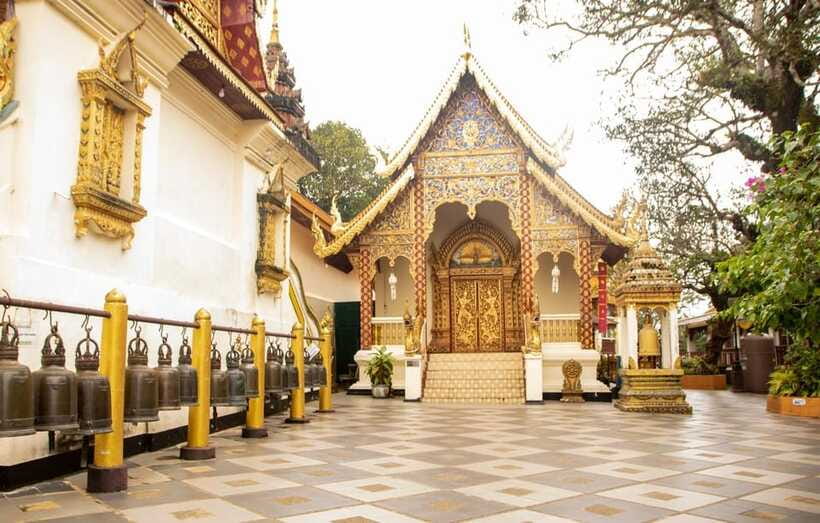
- Wat Pha Lat monk’s trail: A quieter forest-temple visit that feels like a secret route on the mountain.
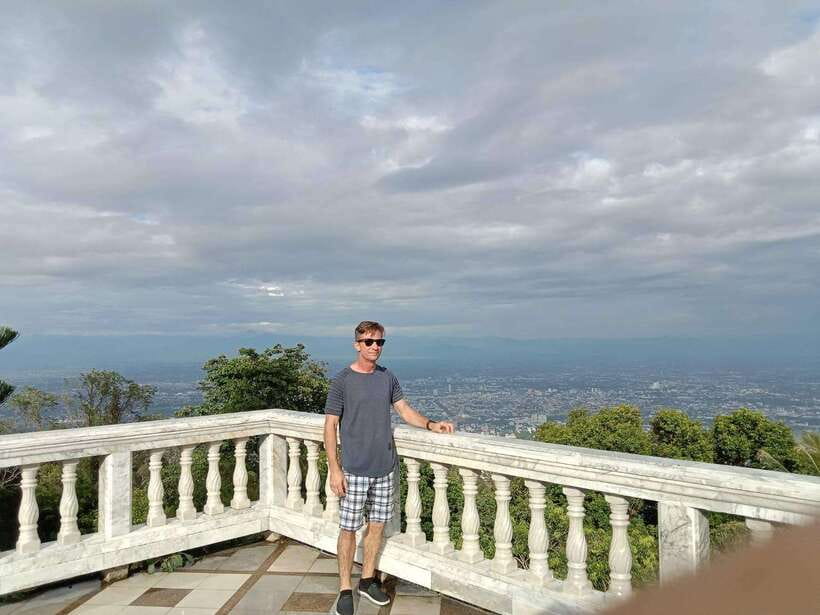
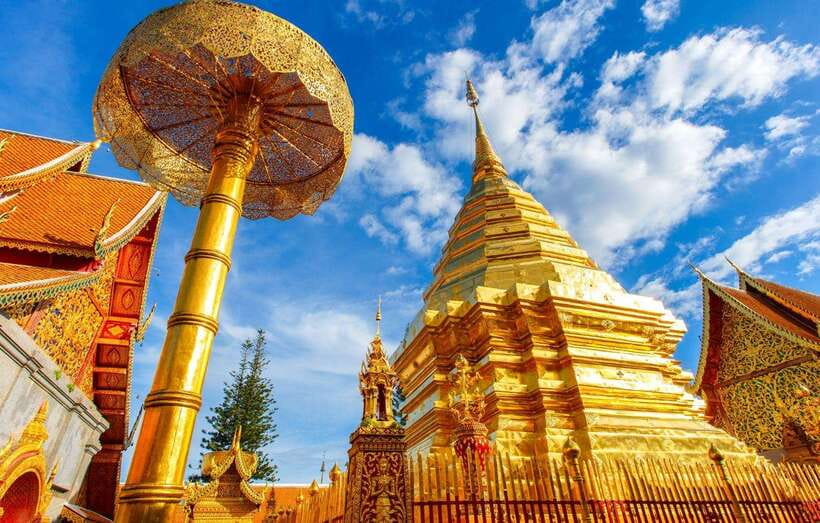
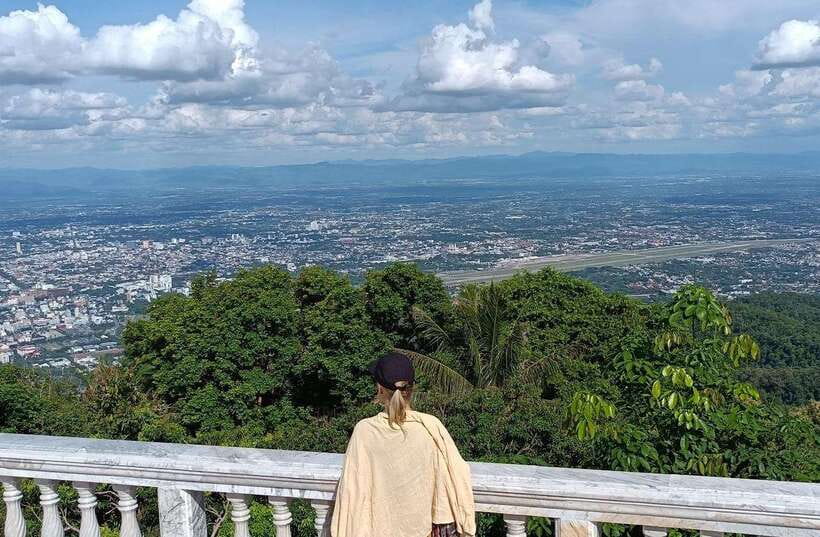
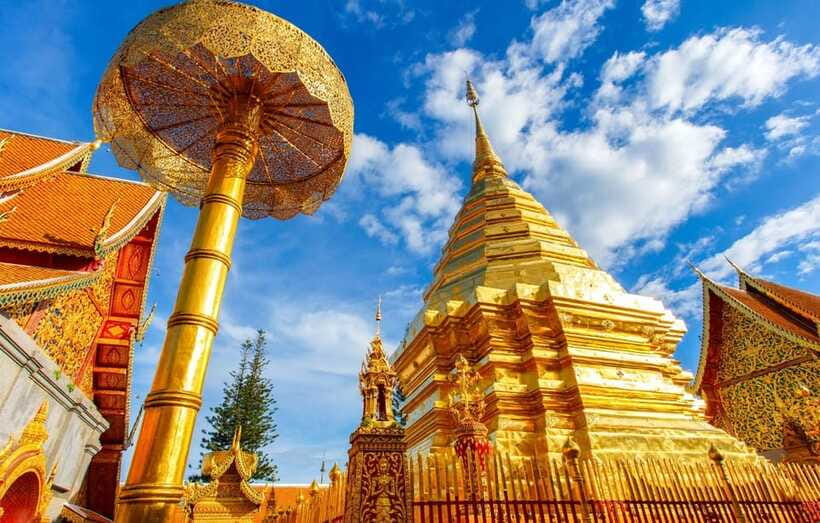
- Doi Suthep up top: Golden stupa, sacred temple architecture, and big city views.
- Sunrise option: Early start can mean monks chanting and Chiang Mai waking up under soft light.
- Songthaew ride: A classic converted pickup truck ride with open sides and no air-con.
- Small-group feel: Many guides keep it manageable so you can actually ask questions and take photos.
Two Different Sides of Chiang Mai in One Half Day
Chiang Mai’s temples can feel similar if you only visit the famous highlights. This tour avoids that by pairing a must-see landmark with something that feels tucked away from the usual crowds: Wat Pha Lat in the forest. One moment you’re walking shaded paths under trees, the next you’re looking out over the city from Doi Suthep’s height.
I especially like that the vibe changes by the hour. Morning slots shift the mood toward prayer and dawn calm, while later departures can give you city light and softer afternoon-to-evening color. Either way, you’re getting both nature and temple time, not just one or the other.
The golden rule here is pacing. You’ll cover enough ground to feel you made the day count, but the structure stays relaxed for a 4-hour outing. That’s a big deal in Chiang Mai when traffic and schedules can eat your time.
You can also read our reviews of more hiking tours in Chiang Mai

Getting There the Right Way: Red Car Pickup, Then a Songthaew
Logistics matter more than people think, because you’ll start and finish fairly quickly. Pickup and drop-off are included, but only from regular service areas in and just outside the city center and old city zone. If your place is outside the pickup area, you meet in front of Burger King at Thapae Gate.
Transport is part of the charm. You’ll use the tour’s signature Chiangmai Red Car for the main ride segments, then continue with a typical Thai songthaew once you’re working around the temple area. A songthaew is an open-sided converted pickup truck with benches and no air-conditioning. It’s practical in the mountains and feels local in a good way.
A small timing note: pickup can begin up to 45 minutes before the scheduled start time for riders eligible for hotel collection. Build in a little buffer so you’re not stressing in the lobby while the van is already moving.
Forest Steps to Wat Pha Lat Monk’s Trail
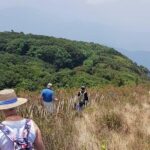
This is the part that gives the day its “how is this real?” feeling. Wat Pha Lat sits on Doi Suthep’s area but feels like it belongs to the forest more than the city. You’ll hike a trail through greenery to reach the temple grounds, and many people describe it as light but enjoyable—until the ground gets damp.
On clearer days, it’s an easy win for anyone who can walk steadily on uneven ground. In rainy conditions, it can get muddy and slippery. I’d treat this as “comfortable trekking,” not a stroll.
What to expect along the way:
- A woodland-style walk, often described as around a couple of kilometers
- Peaceful surroundings, with some routes passing near small features like waterfalls or older temple spots
- Stairs and uneven sections when you’re moving between temple points
There’s also an important cost detail. The Wat Pha Lat Monk’s Trail entrance fee is THB 100 per person, and it’s not included in the tour price. You’ll want cash ready.
If you can’t do the hike up, you can go up with the songthaew instead. That makes this tour more flexible than it looks on paper, as long as you can handle the temple steps at your own pace once you arrive.
Wat Phra That Doi Suthep: Golden Stupa + Sacred Architecture
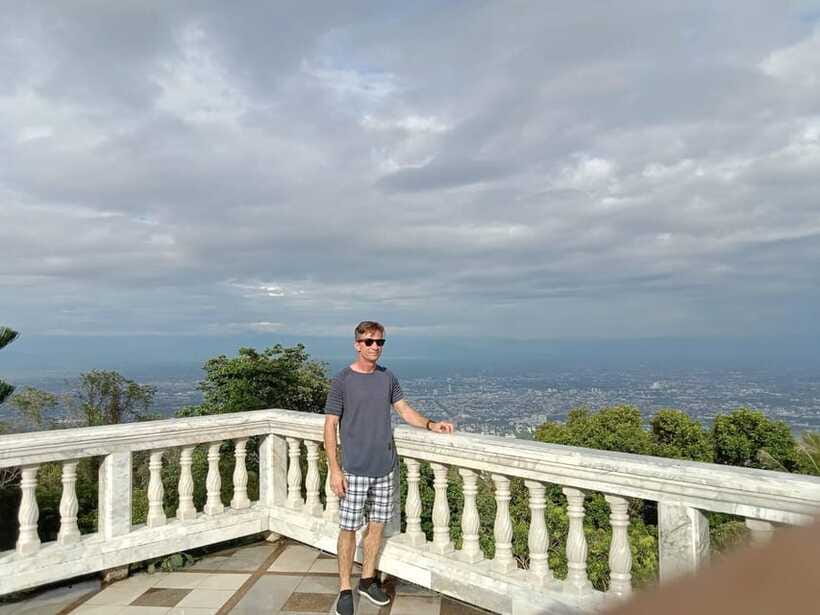
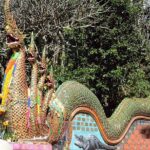
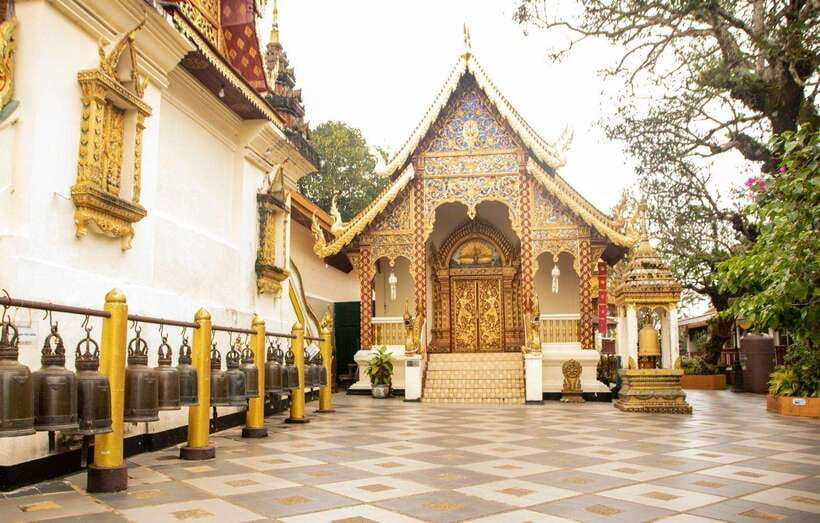
Doi Suthep is the headline for a reason. The temple complex centers on the sacred stupa and dramatic religious design that makes the hill feel important even before you reach the top. Once you’re there, you’ll have time to admire the architecture and golden details, plus the symbolism carved into the structures.
This is where a good guide earns their keep. Many guides on this route focus on how to read carvings and explain what you’re seeing without turning it into a lecture. People frequently mention guides like Bright, Jane, Ata, and Saman for bringing the temple to life with clear explanations and helpful context.
Access can involve extra logistics. The entrance fee and cable car (for Wat Phra That Doi Suthep) are not included, so budget separately if you plan to use the lift. If you prefer walking, you’ll still deal with stairs and a fair bit of uphill climbing around temple approaches.
Dress code is non-negotiable here. Shoulders and knees need coverage, and sleeveless shirts won’t work. I’d rather have a light cover-up than try to improvise at the last minute.
Sunrise Views Over Chiang Mai (and Why the Order Changes)
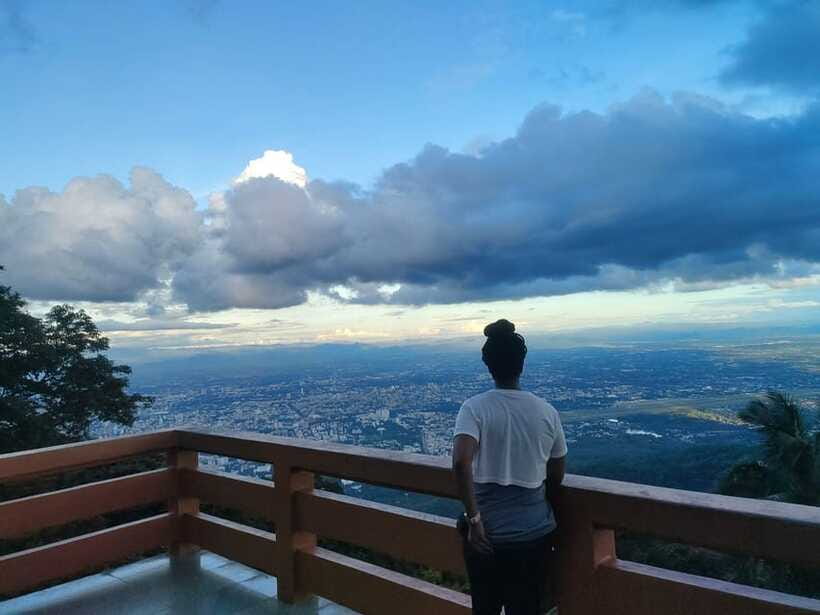
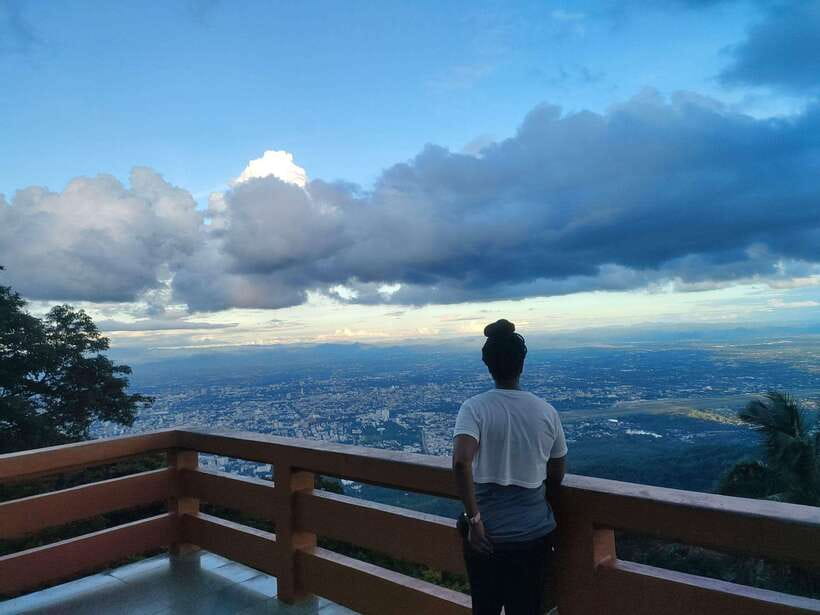
This tour has a sunrise program that starts at 5:00 in the morning. If you’re doing the early slot, you’ll visit Wat Phra That Doi Suthep first, then after sunrise you continue to Wat Pha Lat. After that, you start the Monk’s Trail and hike down the mountain rather than up.
That detail matters. Going down usually feels easier on the knees and feet, and it changes the way the walk feels in the morning light. It also helps explain why sunrise groups often come back with the same story: the calm, the chanting, and that first real look at Chiang Mai from above.
The payoff can be strong even when the weather is moody. Rain can block the far city view from Doi Suthep, but guides often adjust the timing so you still get temple time and a chance to experience the forest temple when conditions improve. One of the repeated themes is that early arrivals can mean a much quieter atmosphere at the complex, especially around sunrise.
If you’re not doing sunrise, timing still counts. Later departures can offer city lights and a different feel at the viewpoint areas. The key is picking the slot that matches your energy and whether you want the dawn ritual mood or the softer light vibe.




Guides Who Explain the Meaning, Not Just the Location
Temple tours go two ways. Either you watch people move from point to point, or you understand what you’re looking at. This tour aims for the second option: English-speaking guides explain symbolism, temple meanings, and why local Buddhist practice is shown in these spaces.
Names that come up in past groups include Yoong Ka, Bright, Jane, Margaret, Saman, Layla, Amy Amor, Zack (Suea Noi), Nancy, Tu, and Tomtam. That’s not just a fun list. It’s a clue that the operator emphasizes guide quality, and many guides seem to have a style that works for different personalities—funny, patient, and quick to handle questions.
You may also get to observe or participate in small Buddhist rituals, depending on timing. Sunrise groups can include moments like monks chanting and alms-related activities, which are the kind of experiences you can’t really replicate on your own without knowing where to stand and what’s happening.
If you care about culture (even a little), a guide is worth it here. The difference shows up in what you notice: carvings, stupa symbolism, the rhythm of temple life, and the small rules people follow.
Price and What You Still Need to Pay
The headline price is about $25 per person, and for a 4-hour outing that includes pickup/drop-off (for the covered areas), a guide in English, a bottle of drinking water, and tour transport, it’s a fair deal—especially compared to paying for transport and guide time separately.
But you need to budget for two extra costs once you’re at the temple area:
- Wat Phra That Doi Suthep: entrance fee and cable car are not included
- Wat Pha Lat monk’s trail: THB 100 per person (cash needed)
So yes, there are add-ons. The upside is you don’t get surprise charges later if you come prepared. Bring cash. And if you’re thinking of using the cable car/funicular approach, plan that fee too.
Also remember: personal expenses aren’t included, so things like snacks or other drinks are on you. The included water is helpful, but you’ll still want your own plan if you’re sensitive to hunger or heat.
Packing List That Saves the Day
This is a temple-and-trail mix, so pack like you’re doing both. You already have the rule list, but here’s how it translates into real comfort.
What you should bring:
- Cash for temple entrance fees and the monk’s trail fee (and any cable car use)
- Proper walking shoes with grip for muddy steps
- A light layer that covers shoulders and knees (temple rules apply)
One more practical tip: if you visit during wet weather, expect mud and possible slipping on the downhill part too. Several people noted the path can get rocky/muddy and requires decent trainers or walking shoes.
Also note: if you can’t hike up the mountain portion, you can go up with the songthaew. That doesn’t remove the need for careful walking at the temple sites, but it helps you avoid the hardest uphill segment.
Who Should Book This Tour (and Who Should Be Cautious)
This tour fits you if you want a balanced Chiang Mai day. It’s great for first-timers who want the “top temple moment” plus a quieter forest temple experience without spending a whole day on a larger circuit. It also works well for people who like learning through conversation, because the best part is how your guide explains what you’re seeing.
It may be less ideal if you have limited mobility. Even with wheelchair accessibility listed, the experience still involves temple steps and uneven ground, and the end of the tour can include descending rough terrain on some routes. If you’re traveling with knee issues or need a lot of support, it’s worth checking what the specific route will require before you lock it in.
If you’re traveling solo, this is also a strong option. The guides and group setup make it easier to feel looked after, especially when you’re navigating temple rules and photo stops.
Should You Book Chiang Mai Doi Suthep & Wat Pha Lat?
If your goal is a high-impact half day with real variety, I’d book this. The combination of Wat Pha Lat’s forest calm and Doi Suthep’s sacred hilltop is exactly the kind of pairing that makes Chiang Mai feel more than postcard temples. Add an English guide who can explain the meaning behind what you see, and you get more value than a standard sightseeing loop.
Book it if:
- You want panoramic views and temple architecture
- You’re okay with walking on uneven trails and temple steps
- You can bring cash for the extra fees
Consider another plan if:
- You need a fully flat route (this isn’t designed that way)
- You’re unwilling to cover shoulders and knees
- You don’t want early mornings if sunrise is your chosen slot
FAQ
How long is the Chiang Mai Doi Suthep and Wat Pha Lat tour?
It lasts about 4 hours.
What’s included in the price?
Included are the Chiangmai Red Car transport, a bottle of drinking water, an English speaking guide, and pickup/drop-off in specific regular service areas.
What’s not included?
Entrance fees and cable car charges for Wat Phra That Doi Suthep are not included, and there is also an entrance fee for Wat Pha Lat Monk’s Trail of THB 100 per person. Personal expenses are not included.
Do I need cash?
Yes. You should bring cash for the entrance fees that are not included.
What should I wear to visit the temples?
You need to dress appropriately with shoulders and knees covered. Sleeveless shirts are not allowed.
Where do I meet if my hotel is outside the pickup area?
The meeting point is in front of Burger King at Thapae Gate in Chiang Mai.
Is the hike required, or is there an alternative?
If you cannot do the hike up the mountain, you can go up with the songthaew.
What’s different about the sunrise program?
For the sunrise program (starting 5:00 in the morning), you visit Wat Phra That Doi Suthep first. After sunrise you go to Wat Pha Lat, then start the Monk’s Trail and hike down the mountain instead of up.