REVIEW · CHIANG MAI
Chiang Mai: 2 Days, 1 Night Non-Tourist Trek
Book on GetYourGuide →Operated by Mr.Whisky Jungle Trek · Bookable on GetYourGuide
You trade crowds for real jungle hours. I love the non-tourist trekking in a quieter Chiang Mai corner, and I love that it runs as a small group (up to 14), so you actually get time with your guide, like Home and Wat.
You’ll start with elephant care, then hike into forest areas meant to feel far from the usual trail traffic, including higher ground around 2,000 meters. One thing to keep in mind: the ride in and out can be rugged, and the homestay is rustic, not hotel-comfy.
In This Review
- Key Things I’d Put on Your Radar
- Entering the Trek Zone: Pickup, Elephant Camp, and Early Jungle Energy
- Day One Hiking: The Secret Jungle Trek and the 3–4 Hour Forest Stretch
- Jungle Cooking and Lunch in the Forest: Learning by Doing (Not Watching)
- Campfire Night, Moonlight Views, and Lantern Release With a Local Family
- Day Two: Morning Coffee, 2–3 Hour Trek, and Waterfall Time
- Bamboo Rafting Back in Chiang Mai: A Fun Finish, Not a Fear Test
- Price and Value: What $144 Covers (and Why It’s Not Just a Hike)
- Getting There: Rugged Transport and Why You Should Expect Bumpy Moments
- What to Bring: The Packing List That Keeps You Comfortable
- Who This Trek Suits Best (and Who Should Skip It)
- Should You Book Mr. Whisky Jungle Trek?
- FAQ
- How long is the Chiang Mai non-tourist trek?
- What time does the pickup happen?
- How big is the group, and what languages are offered?
- What’s included in the price?
- Do we sleep with a hill tribe family?
- What activities happen besides trekking?
- What should I bring?
- Can I cancel, and is there a pay-later option?
Key Things I’d Put on Your Radar
- Non-tourist jungle trail time: You’re hiking where most day tours don’t go, with longer stretches in the forest.
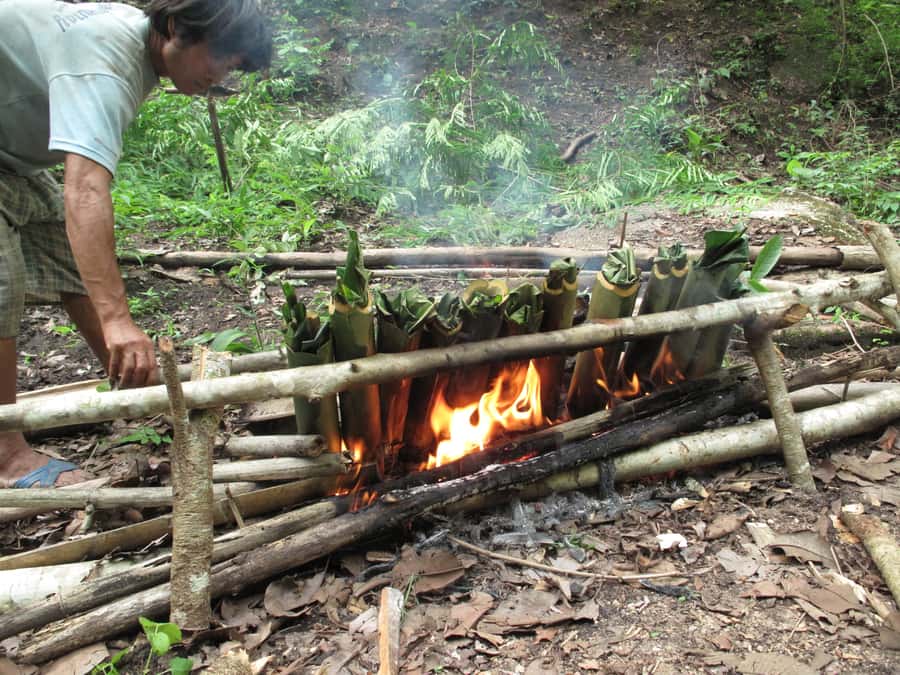
- Jungle cooking and meals included: You cook lunch and dinner together, and food is a big part of the experience.
- Hill-tribe overnight, not a campsite shortcut: You sleep with a local family in a simple cottage setup.
- Traditional lantern night: You’ll release lanterns after the campfire evening.
- Waterfall + rafting on Day Two: You get to cool off and then do a 30–45 minute bamboo raft run.
- Moderate trekking with real footing: Ankle support helps because trails can be steep and a bit slippery.
Entering the Trek Zone: Pickup, Elephant Camp, and Early Jungle Energy
This is a 2 days, 1 night trip built for people who want the real rhythm of northern Thailand: early start, forest breathing room, and then a full evening where you slow down. You’re picked up from your hotel between 7:00 and 7:30 A.M. (wait in the lobby about 10 minutes before), so plan for a wake-up that feels a bit too early. That said, starting early is the secret sauce. You get cooler air and less “tour bus” energy before the day heats up.
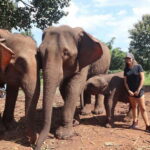
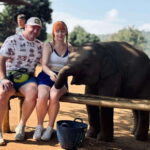
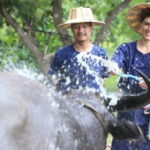
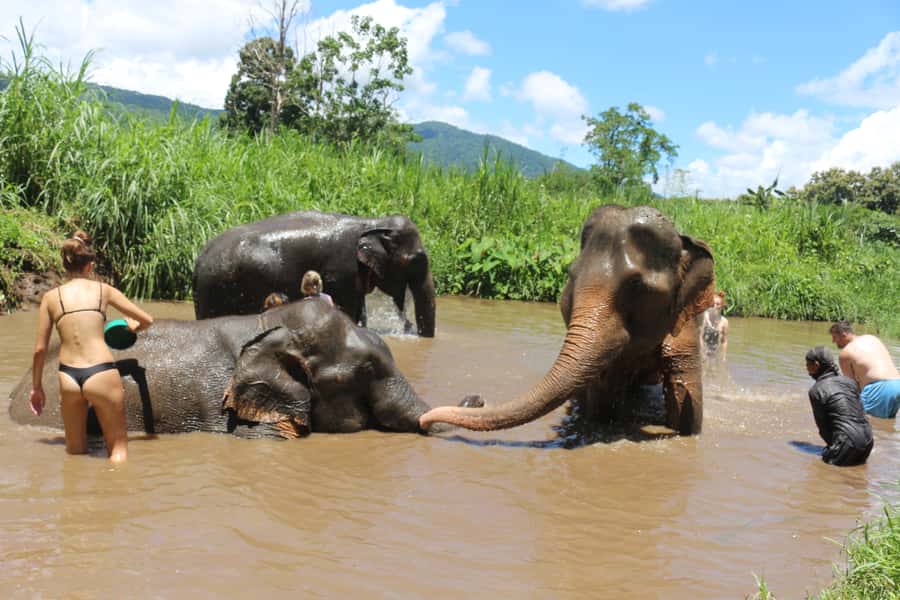
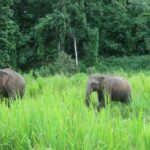
The day begins with an elephant camp stop. It’s short by design—about an hour is a common flow—so it doesn’t turn into a detour that steals the day from the jungle. Elephant care is included, and you’ll be guided through what to do and how to interact respectfully. If you’re sensitive to animal ethics questions, watch how your guide handles the visit and follow their lead closely.
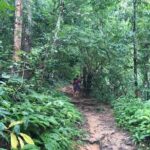
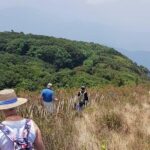
Then the hiking begins. Expect a real jungle trek where you learn as you walk—plants, ecosystem basics, and how daily life in the region connects to the forest. It’s not lecture-heavy. It’s more like walking with a local teacher who’s happy to point things out when the forest offers a good moment.
You can also read our reviews of more evening experiences in Chiang Mai


Day One Hiking: The Secret Jungle Trek and the 3–4 Hour Forest Stretch
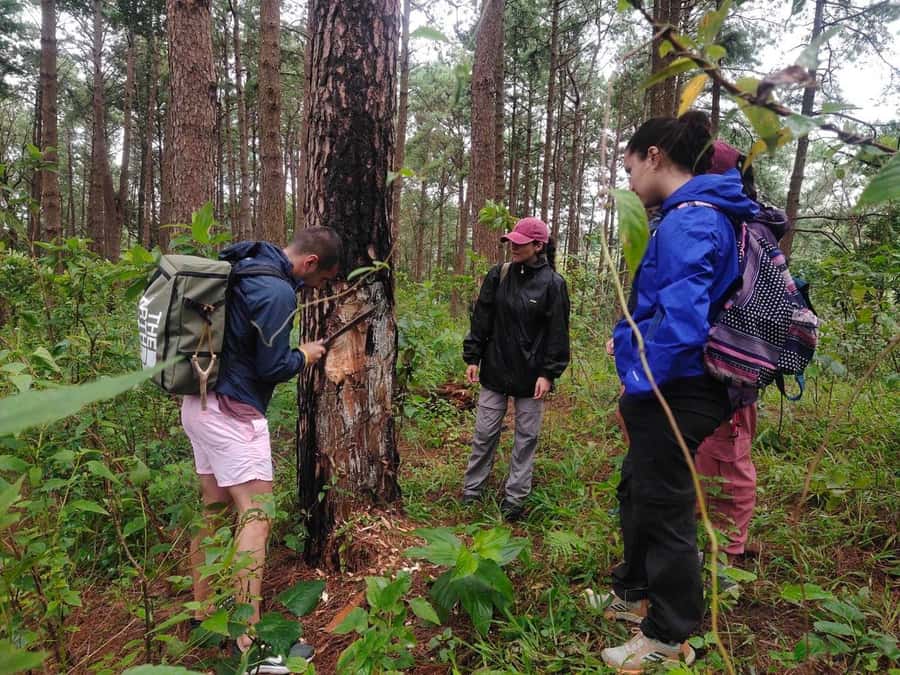
Day one centers on a jungle trek of about 3–4 hours, and this is where the “non-tourist” promise matters. Instead of one photo stop after another, you’re moving through forest longer stretches, with time to look around and understand what you’re standing in. The goal is simple: fewer crowds, more actual jungle time.
This part is also “learning time,” not just cardio. Your guide explains the ecosystem around you as you walk. That can mean practical stuff—how to notice different layers of growth—or cultural connections—what locals pay attention to. Either way, it helps the forest feel less like scenery and more like a living place.
Difficulty is usually described as medium, with some steeper or rockier sections. You’ll feel it more if you show up in flimsy shoes. The best advice is to wear proper closed-toe hiking shoes or shoes with ankle support, especially if it’s rained recently. I’d treat this as “hike day,” not “flip-flops and vibes day,” even if sandals feel tempting for Thailand.
If you like your plans tidy, this day won’t be perfectly scripted minute-by-minute. Jungle travel has its own timing—weather, footing, and the pace of your group. That’s part of why it feels authentic.
Jungle Cooking and Lunch in the Forest: Learning by Doing (Not Watching)
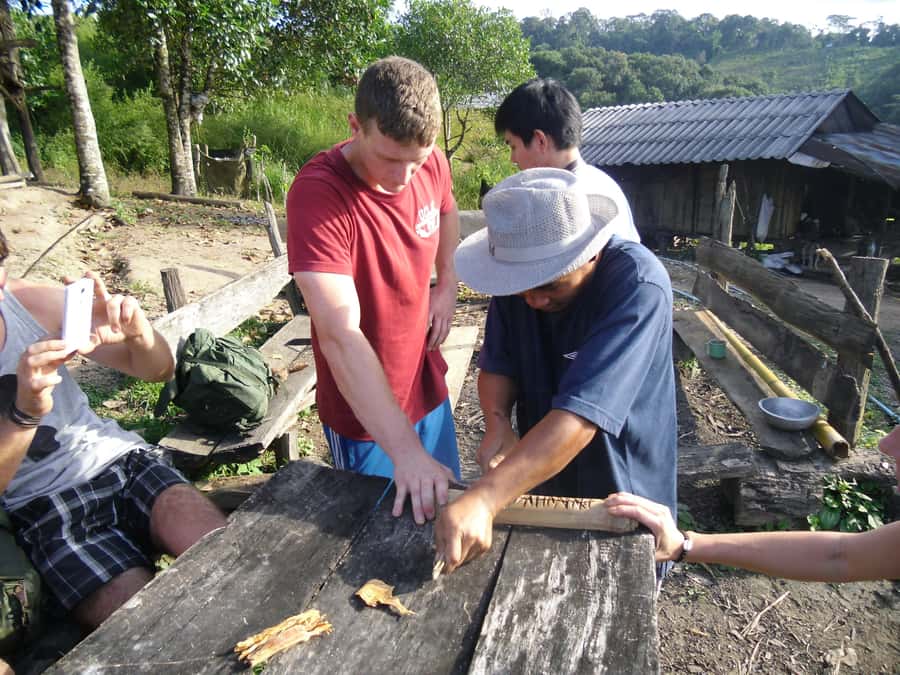
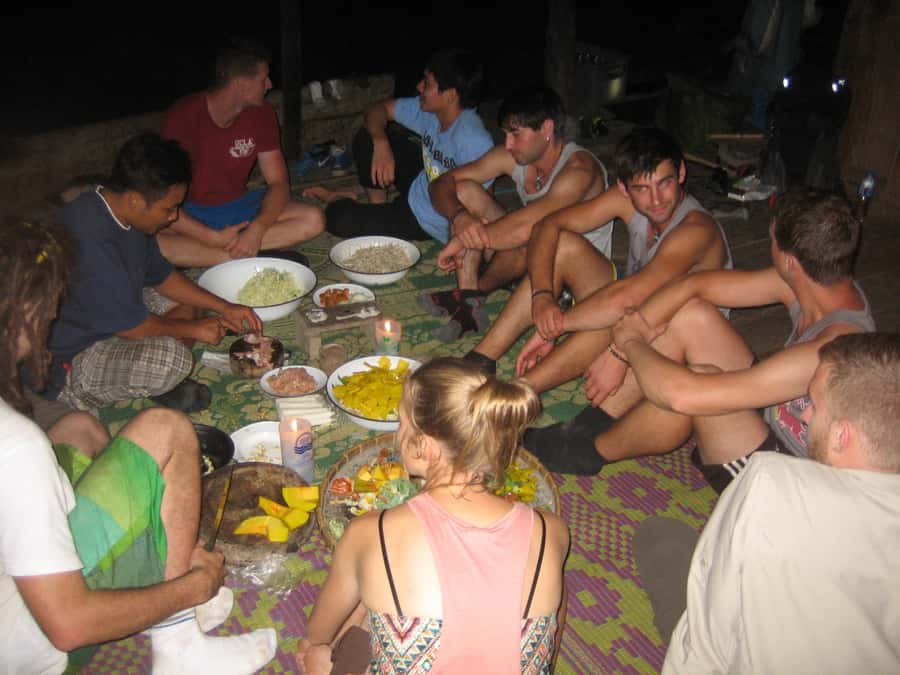
One of the most praised parts of this trip is how hands-on it is. You’ll cook and eat in the jungle, and the food is part of the experience, not an afterthought. The flow is typically: hike, then you stop to cook and eat lunch inside the jungle. Later, you cook again and share dinner together.
This matters because it changes your relationship to the day. You’re not just passing through. You’re participating. In multiple experiences, people highlight how the portions are generous and how the meals feel fresh and satisfying. One traveler even noted they made enough for a larger group than expected, which tells you this isn’t some sad little “snack-size” meal.
You can also expect a bit of cultural context through the cooking. Guides commonly teach along the way—herbs, what’s safe to try, and how locals think about flavor and ingredients. That’s a big reason this trek appeals to people who like more than just walking.
If you’re vegetarian, you should know that accommodation for vegetarians has been reported. Still, don’t assume; ask in advance if you have strict dietary needs.
Campfire Night, Moonlight Views, and Lantern Release With a Local Family
After dinner, the trip shifts gears. You get a campfire evening and a traditional night scene under moonlight. Then comes one of the most visually memorable moments: lantern release. This is included in the program, and it’s typically treated as a respectful, guided ritual rather than a random party gimmick.
You’ll also overnight in a cottage with a hill tribe family. This isn’t a luxury tent setup. Think simple and functional, with the point being closeness to local life. Reviews mention basic facilities like mosquito nets, blankets, and a simple shower. One review also warned that nights can get cold, especially around holiday periods—so pack warm clothes even if Chiang Mai daytime feels mild.
This is the “how you’ll remember it later” portion of the trip. You’re eating and talking with the people hosting you, then sleeping in the same broader space. It’s not a sightseeing overlay. It’s an actual stay.
The only drawback is comfort expectations. If you’re very sensitive about bathroom facilities, this kind of rustic overnight can feel like a mismatch. That doesn’t make it bad; it just means you should go in with eyes open.
Day Two: Morning Coffee, 2–3 Hour Trek, and Waterfall Time
Day two starts with breakfast and coffee or tea, then another jungle walk—this time about 2–3 hours. The focus here is usually continuation rather than a new “hard day of climbing.” You still get forest explanation and guide-led pacing, but the energy tends to feel more relaxed because you’ve already crossed the hardest emotional hurdle: settling into the rhythm.
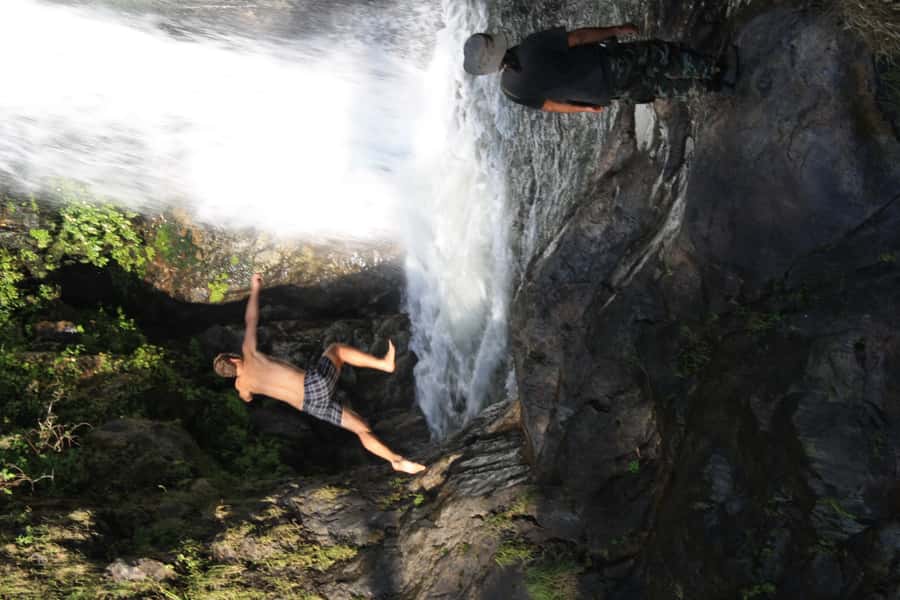
Next comes lunch, and then the best reset: swim and relax at a waterfall. This is one of those “you don’t realize how much you need it” moments. After hiking, your legs and shoulders want a break, and the water helps you feel human again.
This part is also why this trek isn’t just about distance. It mixes exertion with release. If you’re a “walk all day” person, you’ll appreciate having a cooling-off stop built in rather than being dumped straight back into the car.
Pack something you can swim in, and bring a towel plus a change of clothes. Those small items matter more on Day Two than on Day One because your plan suddenly includes water.
You can also read our reviews of more hiking tours in Chiang Mai
Bamboo Rafting Back in Chiang Mai: A Fun Finish, Not a Fear Test
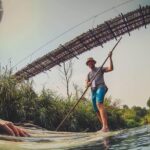
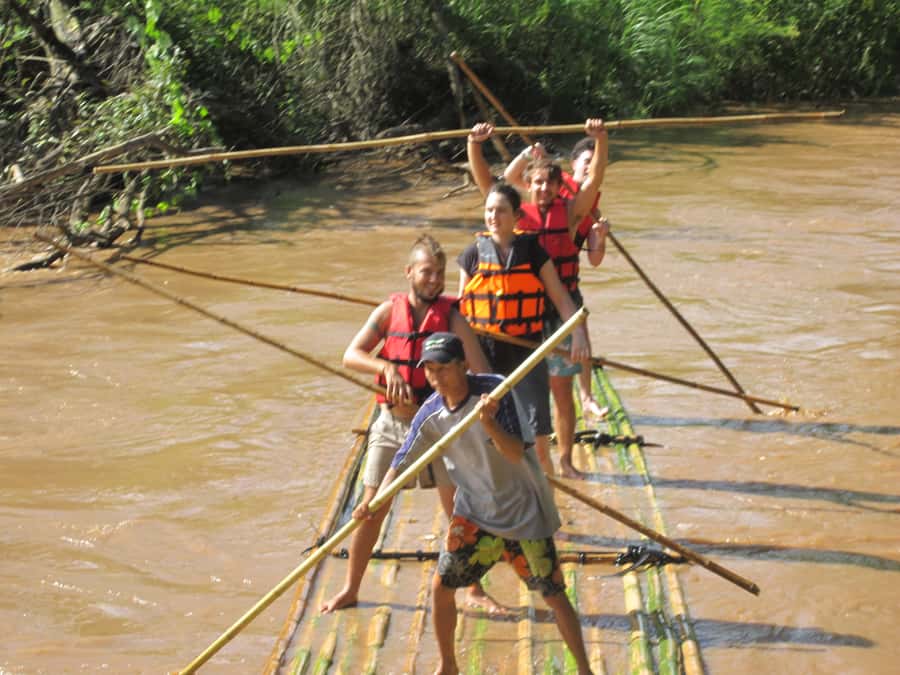
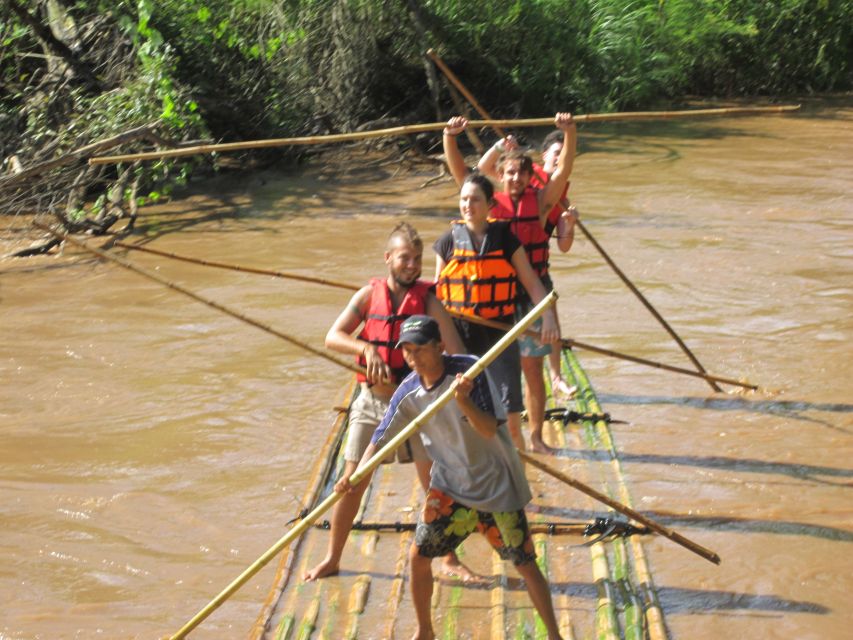
The final activity is bamboo rafting, usually 30–45 minutes. In most itineraries like this, rafting can go two ways: either it’s a rough adventure or it’s a gentle unwind. Here, it’s described more as fun and relaxing than extreme, so it’s a good cap to the trek.
You’ll likely feel the lightness in your body after the waterfall. The raft time is not about conquering rapids. It’s about being out on the water with a guide, enjoying the ride, and letting the day end on something playful.
After rafting, you head back to Chiang Mai, usually around 5:00 to 5:30 P.M. That timing is helpful if you still have evening plans, dinner reservations, or just want a normal shower before bed.
Price and Value: What $144 Covers (and Why It’s Not Just a Hike)
At $144 per person for 2 days and 1 night, you’re paying for more than a trail guide. You’re getting:
- Hotel pickup and drop-off
- Elephant camp care stop
- Trekking guides
- All meals during the trek
- Accommodation
- Bamboo rafting
- Trek support gear like a head torch and sleeping bag, plus items like a knife and slingshot (provided)
That package matters. A lot of trekking experiences in Thailand look cheap on paper until you add up meals, basic gear, transport, and a proper overnight. Here, those core pieces are already built into the price.
The other value factor is the group size. Up to 14 participants isn’t “crowd-free,” but it’s small enough that the guide can manage the group and still give you attention. That’s important when the day includes cooking, walking in uneven terrain, and living with a homestay setup.
If you’re the type who wants the cheapest possible outing, this might not feel “budget.” But if you want a full, guided, included experience that doesn’t leave you doing logistics mid-trip, the price-to-effort ratio looks solid.
Getting There: Rugged Transport and Why You Should Expect Bumpy Moments
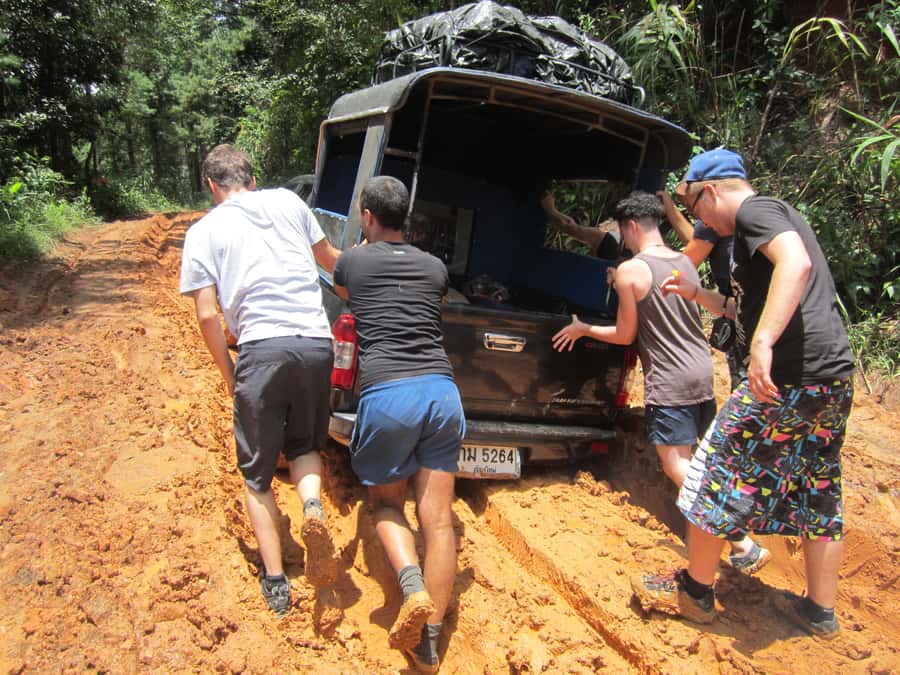
One of the most useful practical notes is about transportation. The trip includes pickup and drop-off, but getting to the trail area is described as rugged, often involving a truck ride on dirt roads where people may stand in the truck bed or have to hold on tightly. In some cases, people even needed to get out and push the truck.
This is not a “sit back and scroll your phone” transfer. It’s part of the adventure. If you’re prone to motion sickness, plan carefully and consider bringing a remedy. Also, don’t pack your nicest camera bag as if this is a paved highway only.
A rainy day can make the roads worse, and the trek itself may include slick sections. Bring gear that’s ready for mud and movement, not just dry-weather hiking.
What to Bring: The Packing List That Keeps You Comfortable
The provided packing guidance is pretty spot-on. I’d treat it as a minimum checklist and adjust for your own comfort level.
Most important items:
- Comfortable shoes (preferably hiking shoes with traction)
- Hat and sunscreen (use biodegradable options as requested)
- Insect repellent
- Swimwear, towel, and a change of clothes
- Daypack plus water
- Closed-toe shoes and hiking pants
- A small first aid kit and your personal medication
- For rain: clothes that can get dirty, plus an anorak/poncho if you have one (rain has happened)
Also consider bringing extra socks. One reason this trip feels good later is you’re not limping around with wet feet.
Finally, make sure your smartphone is charged. Head torch and sleeping bag are provided, so you don’t need to over-pack. The key is to bring what helps you stay dry, warm at night, and comfortable on the walk.
Who This Trek Suits Best (and Who Should Skip It)
This trek is best for people who want a real jungle experience with minimal tourist noise, and who are okay with a rustic overnight. You’ll enjoy it if you like hands-on learning, don’t mind getting muddy, and want a guided day that includes cooking, lantern time, and a final bamboo rafting unwind.
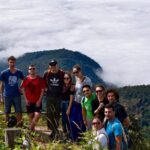
It’s also a good fit for couples and solo travelers who don’t need a private guide. The small group setup often feels like you’re traveling with a few new friends rather than being herded through a checklist.
Not for you if:
- You’re pregnant
- You use a wheelchair
- You’re over 95 years
Also, if washroom comfort is a deal-breaker, the homestay setup may feel too basic.
Should You Book Mr. Whisky Jungle Trek?
If your priority is a non-tourist feel, you like meaningful group time, and you want your Chiang Mai trip to include more than just temples, this is a strong choice. The $144 cost makes more sense when you look at what’s included: meals, overnight accommodation, elephant care stop, trekking guide, bamboo rafting, and the actual participation parts like cooking.
I’d book it if you’re ready for:
- bumpy transport
- basic homestay comfort
- medium trekking with real footing
- a night that gets cold enough to matter
Skip it if you want a smooth, hotel-style vacation with predictable comforts. This is Thailand at its hands-on, muddy, and memorable best.
FAQ
How long is the Chiang Mai non-tourist trek?
The program runs for 2 days with 1 night.
What time does the pickup happen?
Pickup is scheduled between 7:00 and 7:30 A.M. You should wait in the hotel lobby about 10 minutes before your pickup time.
How big is the group, and what languages are offered?
It’s a small group limited to 14 participants. The live guide provides English and Thai.
What’s included in the price?
Transportation (pickup and drop-off), elephant care, bamboo rafting, the trekking guide, all meals during the trek, accommodation, and provided equipment like a head torch, sleeping bag, and knife (plus slingshot).
Do we sleep with a hill tribe family?
Yes. You’ll overnight in a cottage with a hill tribe family.
What activities happen besides trekking?
Besides jungle trekking, the schedule includes an elephant camp visit, cooking in the jungle, campfire and lantern release, a waterfall swim/relax, and bamboo rafting.
What should I bring?
Bring comfortable shoes or hiking shoes, a hat, swimwear, a change of clothes and towel, sunscreen, insect repellent, a daypack, water, and any personal medication. Closed-toe shoes and hiking pants are recommended. Also pack rain-ready clothing if you want to be prepared.
Can I cancel, and is there a pay-later option?
Yes. There’s free cancellation up to 24 hours in advance for a full refund, and you can reserve now & pay later.