REVIEW · CHIANG MAI
3-Day Chiang Dao Mountain Trek
Book on Viator →Operated by ActiveThailand · Bookable on Viator
A mountain hike with real village life beats the usual tour routine. This 3-day trek in the Chiang Dao highlands delivers guided jungle hiking plus homestay nights and home-cooked Thai meals, with door-to-door style pickup from Chiang Mai.
What I like most is the small group size and hands-on guiding: people get plant and trail explanations from guides like Tan and Sap, and you’ll even taste items along the way. The other big win is that meals and lodging are handled, so you can focus on walking and taking in the Maetang River valley.
One thing to consider: this is not a casual walk. You need moderate fitness and you’ll be carrying a 45L backpack, plus night noise at homestays can be loud enough that earplugs are a smart idea.
In This Review
- Key highlights you’ll feel on the trail
- Chiang Dao trek: why it feels far from the tourist trail
- Fitness reality check: what “moderate” means here
- Day 1: hotel pickup, a market stop, then your first mountain push
- Day 2: jungle and ridge trails, plus plant-tasting moments
- Day 3: waterfall break, descent into the Maetang River valley
- Homestays and meals: good Thai food, simple rooms, village noise included
- Guides like Tan and Sap make the experience worth the effort
- Price and value: why $256 can make sense for what’s included
- Who this trek fits best
- Should you book the 3-Day Chiang Dao Mountain Trek?
- FAQ
- What group size should I expect?
- Where does the trek start and where do I end?
- What time does the tour start?
- How difficult is the hiking?
- Is accommodation provided?
- What meals are included?
- Can I request vegetarian meals?
- Do I need to carry my own backpack?
- What happens if the weather is bad?
- How far in advance can I cancel for a full refund?
Key highlights you’ll feel on the trail
- Small-group guiding (up to 12 people) with hands-on cultural and nature explanations
- Home-cooked meals made on the go by your guide and/or cooking team
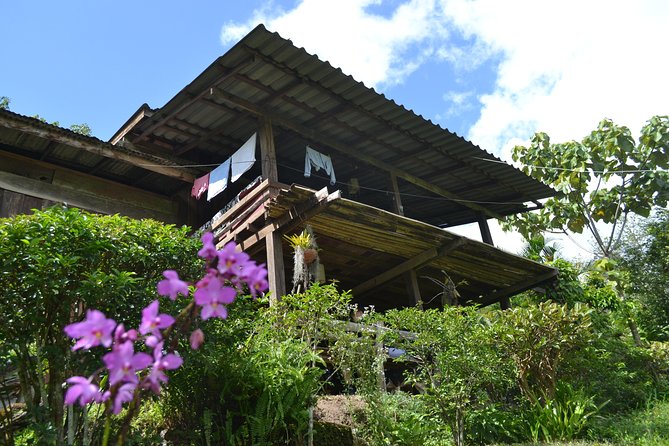
- Homestay nights in hill tribe villages with simple, basic accommodation
- A challenging day in the jungle and on ridges, with plenty of uphill and uneven ground
- A rewarding finish: waterfall break, then lunch in the Maetang River valley
Chiang Dao trek: why it feels far from the tourist trail
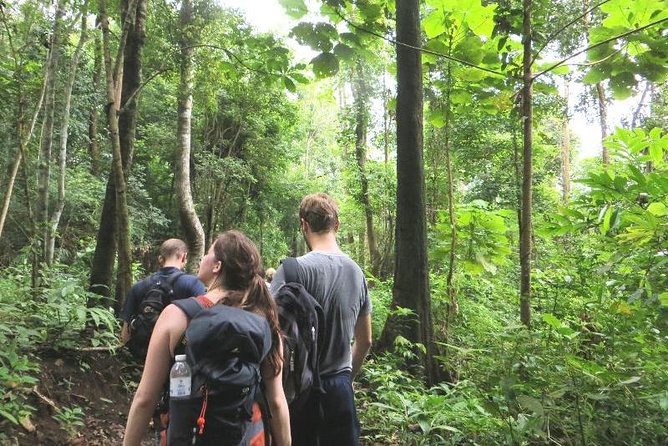
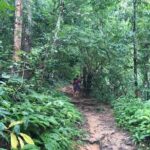
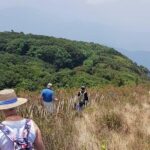
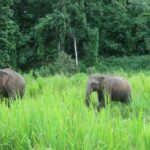
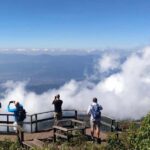
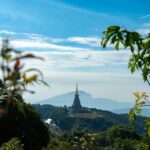
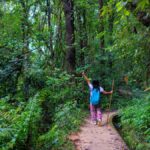
Chiang Dao sits north of Chiang Mai, in a part of Thailand where the hills are the main event. On this trek, you won’t just look at the mountains through a window. You’ll hike along ridges, through bamboo and jungle trails, and into village areas in the Maetang River valley.
The best part is that the day-to-day rhythm stays local. You start your mornings with simple mountain fuel and you spend evenings where village life keeps going—dogs bark, roosters crow, and the sounds don’t care that you’re on vacation. That’s part of the charm, as long as you go in with your expectations set.
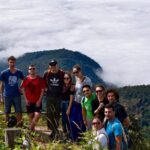
The tour also keeps things human-sized. The group stays small (you’ll see caps listed around 10 to 12 people), so you’re not getting lost in a crowd when the trail gets narrow or when your guide stops to talk about plants, farming, or how people live nearby.
You can also read our reviews of more hiking tours in Chiang Mai
Fitness reality check: what “moderate” means here
This trek is built for people who can hike for hours on uneven, up-and-down terrain. You should be comfortable hiking 5 to 6 hours across undulating landscapes. And while “undulating” sounds gentle on paper, downhill walking can still hit your knees hard.
The operator notes that the tour needs moderate physical fitness and isn’t suitable for children under 10 unless they’re used to multiple hours of hiking. So if your idea of trekking is a scenic stroll, this isn’t the one.
What I’d plan for:
- Your pack is capped at 45L, and you carry it through the trek. Travel light.
- Bring real footwear. The tour recommends hiking boots or runners, because trails can be muddy or slippery.
- If you get “staircase legs” easily, bring hiking poles if you use them. The itinerary is demanding enough that small help matters.
Also, a practical note: the tour provides a season-based kit list. That’s useful because weather and trail conditions in northern Thailand can change what you’ll want in your pack.
Day 1: hotel pickup, a market stop, then your first mountain push
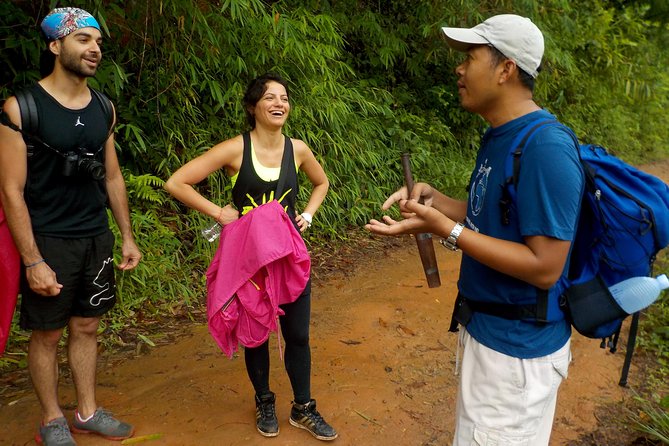
Day 1 starts with pickup from Chiang Mai. Pickup is offered from hotels within the second ring road radius, and the schedule shows an early departure (pickup at 8:30am, with the activity start time listed around 9:00am). You then drive north to get out of the city and into the Chiang Dao area.
On the way, you stop at a local market. This isn’t just a quick photo break. The guide uses it to introduce ingredients you’ll see and eat later—so you start connecting names and flavors to where you are. It’s a small stop, but it makes the meals feel more meaningful once you’re hiking and hungry.
After the driving time, your first day becomes the “wake up your legs” session. You’re heading into remote highland areas, so expect uneven ground and a pace set to the group. Dinner is included, and your first overnight is in homestay style accommodation.
Possible drawback for Day 1: you’ll be tired faster than you think, mostly because the drive, early start, and the first walking hours all stack up. If you arrive in Chiang Mai late the night before, this is the kind of activity that punishes sloppy timing.
Day 2: jungle and ridge trails, plus plant-tasting moments
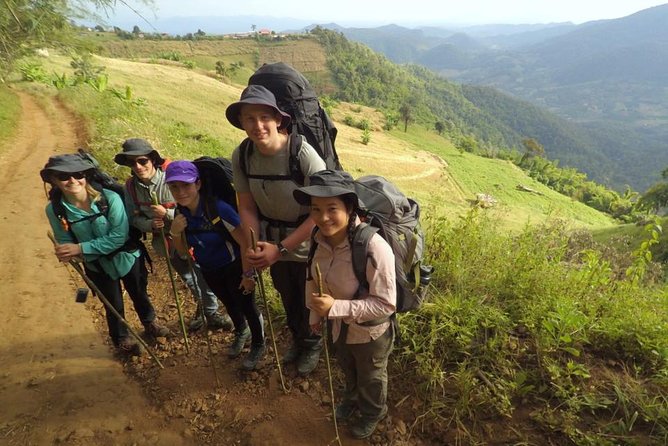
Day 2 is where the trek identity shows up. You wake to mountain sounds and eat breakfast with tea or coffee from surrounding plantations—simple, local fuel before the hardest hiking day.
The day is described as challenging, with jungle and cross-trail sections and ridge walking. This is the day that tests your endurance: constant movement, uneven footing, and lots of climbing and descending.
Here’s what makes Day 2 feel special beyond the physical effort:
- Your guide uses the trail as a classroom. Guides like Tan and Sap are known for sharing details about plants and local nature.
- You may be offered tastes of cool plants along the way. That kind of hands-on interaction is what turns a hike into a story you remember.
- On rough stretches, the trail may be overgrown, and your guide may have to clear a path so you can keep moving.
Lunch and dinner are included, so you’re not scrambling for food in remote areas. One reason that matters: in the hills, your timing and energy depend on having regular meals. This trek handles that for you.
One more practical thing: pace varies by conditions and group. The good news is your guides are used to mixing energy levels. In the group, you can have younger hikers and older hikers on the same route, and a skilled guide will adjust breaks and support so you can keep going.
Day 3: waterfall break, descent into the Maetang River valley
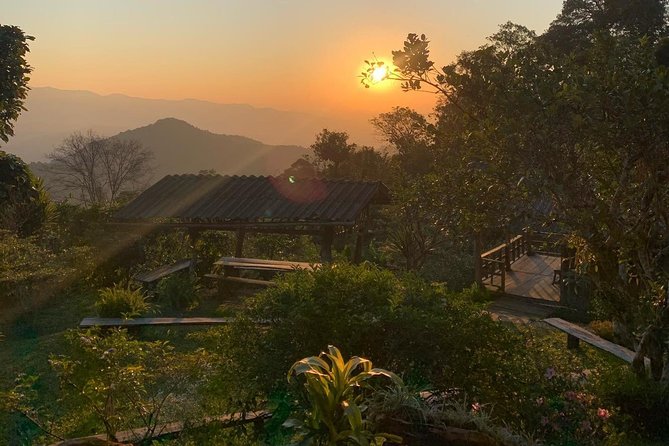
Day 3 starts with breakfast on the mountain. Then you begin your final leg, built around a big change in terrain and scenery.
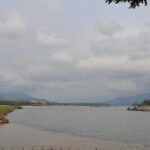
The trek includes a three-hour descent down toward the Maetang River valley. This is the moment when your eyes stop scanning for the “next hill” and start noticing water, farms, and village rhythm below.
You stop at a waterfall for a break. It’s both a reset for your legs and a nice reward before lunch. Speaking of lunch, it’s included in a tranquil riverside setting—exactly the kind of meal that tastes better because your body earned it.
After lunch, you drive back. The tour ends back at the meeting point, which is listed as Le Dta’ Wan Food Market.
Possible drawback for Day 3: downhill can still be rough even when it’s shorter than the toughest day. If your knees are temperamental, you’ll appreciate taking the descent seriously, not just charging it.
A few more Chiang Mai tours and experiences worth a look
Homestays and meals: good Thai food, simple rooms, village noise included
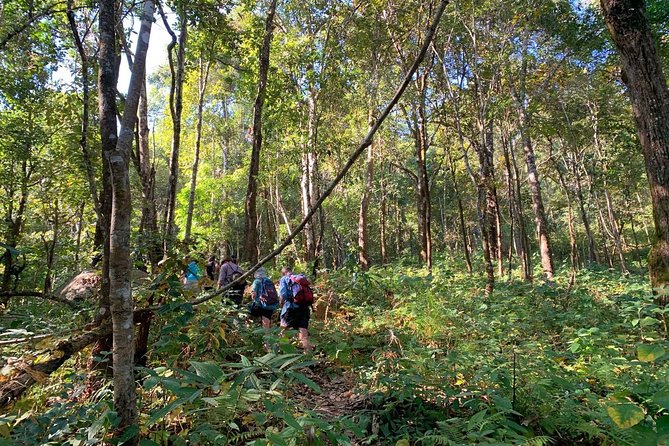
The homestays are part of the value here. You’re not in a hotel room watching the day happen. You’re eating with the people who live nearby, and you’re sleeping in basic village accommodation as part of the route.
Meals are a core strength:
- Breakfast (2) is included.
- Lunch (3) is included.
- Dinner (2) is included.
- Beverages are not included, so if you want extra drinks, plan on buying them.
Vegetarian meals aren’t guaranteed automatically. The tour asks you to plan in advance and advise when you reserve. If you’re vegetarian, do that early so the kitchen can work around your needs.
Now the honest part about sleeping: village nights can be loud. Dogs barking, roosters crowing, and other sounds of daily life can wake you up. Bring earplugs if you’re a light sleeper.
On the comfort side, the homestays are described as clean and basic, and at least one traveler noted electricity powered by solar energy. Still, don’t expect luxury amenities. Think simple: views, fresh air, and the feeling of living alongside the community, not in a tourist bubble.
Guides like Tan and Sap make the experience worth the effort
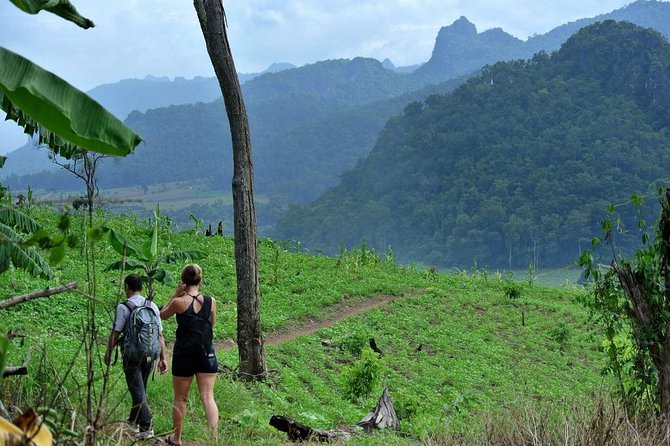
This trek succeeds because of guiding. Guides aren’t only leading you from point A to point B. They’re explaining the hills as living places—plants, farming, and how people connect to the jungle and valleys.
Names you may hear include:
- Tan, highlighted for humor, English explanations, and cooking skills
- Sap, noted for knowledge of nature and local people, with plant insights and patient care
A good guide also means you’re not just surviving the terrain. People get help when needed, and the group gets paced so nobody falls behind for safety reasons.
If you’re curious about nature, you’ll probably enjoy the plant-focused moments—some guides guide you through edible or useful plants, and sometimes you get chances to taste things. That’s a better way to learn than just listening to a lecture while walking.
And yes, the guides also cook. Multiple descriptions emphasize that the cooking is a real part of the experience, not an afterthought.
Price and value: why $256 can make sense for what’s included
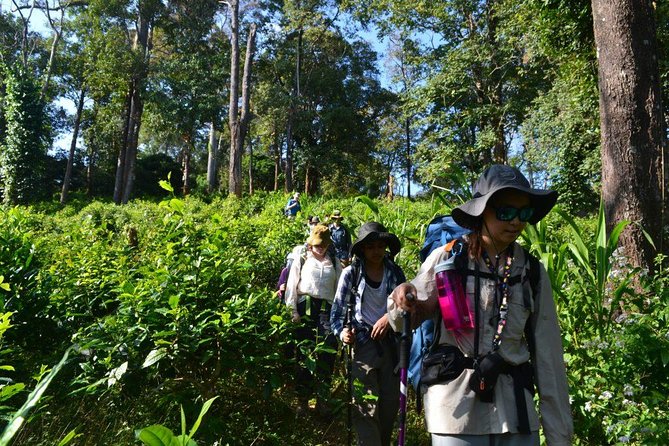
At $256 for about 3 days, you’re not just paying for walking. You’re paying for:
- Hotel pickup within the defined area
- Round-trip transport from Chiang Mai
- A small-group guiding team
- Meals: 2 breakfasts, 3 lunches, 2 dinners
- Homestay accommodation
In northern Thailand, arranging a serious trek with guides, meals, and village stays on your own can cost more once you factor in transport and coordination. Here, the logistics are handled for you, which is worth money when you’re not trying to become a part-time trip planner.
You do pay with effort—your body does the work. But you get support for the experience itself: food, beds, guidance, and the kind of access you can’t replicate easily without local help.
Who this trek fits best
This is a strong match for you if:
- You want a challenging hiking trip, not a gentle walk
- You enjoy learning from local guides, including plant and culture explanations
- You’re comfortable with basic accommodations and accepting village life noise
- You can hike several hours on uneven ground and handle downhill stretches
It’s not a good match if:
- You need fully quiet sleeping conditions
- You want a stroller-friendly or easy-going route
- You’re bringing kids under 10 who aren’t used to many hours of hiking
- You can’t carry and manage a 45L backpack through the trek
Should you book the 3-Day Chiang Dao Mountain Trek?
If you want one memorable chunk of Chiang Mai that feels real—mountains you walk through, villages you live near for two nights, and meals that taste like someone planned them—then this is a solid pick. The price also makes sense because key parts are included, especially guiding and food.
Book it if you:
- Have a moderate fitness level and you’re okay with a tough day in the jungle and ridges
- Can handle homestays that are clean but not fancy
- Pack smart (especially for night sound and comfort)
Skip or rethink if you:
- Have knee issues that make downhill painful
- Need predictable, quiet nights
- Can’t do the required hike time on undulating terrain
One last planning note: the tour is weather-dependent. If conditions aren’t right, the operator may offer a different date or a refund.
FAQ
What group size should I expect?
The tour is described as a small-group trek, with a maximum of 10 people in the tour features, and a stated maximum of 12 travelers in additional details.
Where does the trek start and where do I end?
The start point is Le Dta’ Wan Food Market (shown with a location link). The tour ends back at the meeting point.
What time does the tour start?
The start time is listed as 9:00am, and the itinerary also notes hotel pickup around 8:30am.
How difficult is the hiking?
It’s listed as suitable for travelers with moderate physical fitness. You should be able to hike about 5 to 6 hours on undulating landscapes, and the itinerary includes a challenging day through jungle and ridge trails.
Is accommodation provided?
Yes. You’ll have homestay accommodation during the trek.
What meals are included?
Breakfast is included twice, lunch three times, and dinner twice. Beverages at homestays or restaurants are not included.
Can I request vegetarian meals?
Yes, but vegetarian meals need to be planned in advance. You should advise at the time of reservation.
Do I need to carry my own backpack?
Yes. You should limit personal effects to fit in a 45L backpack, which you carry through the trek. The operator provides a seasonal kit list.
What happens if the weather is bad?
The experience requires good weather. If it’s canceled due to poor weather, you’ll be offered a different date or a full refund.
How far in advance can I cancel for a full refund?
You can cancel up to 3 days in advance of the experience for a full refund. If you cancel less than 3 days before the start time, the amount paid will not be refunded.