REVIEW · KO LIPE
Continue your education with the Advanced Open Water Diver course – 2 days
Book on Viator →Operated by KO LIPE DIVING · Bookable on Viator
Five underwater skill sessions in just two days. Ko Lipe turns advanced training into something you actually look forward to, with small groups and lots of coach time while you practice underwater navigation and more. I liked the hands-on guidance in varied conditions, and the course structure makes it easy to sample multiple specialties before committing to a longer track. The main drawback to factor in is that you’ll likely pay extra Tarutao Marine Park fees on top of the tour price.
This is a 2-day “try it first” option for open water certified scuba divers who want to level up fast. Expect a schedule that includes equipment rental, a logbook, and an SSI digital certification card—plus meals like lunch, drinking water, and light refreshments. Starting at 8:30am at the KO LIPE meeting point means you’ll want a calm morning routine.
One more practical note: you’ll need to show up the day before to handle paperwork and park entry registration, and you may be asked to complete a health questionnaire. If you’ve flown recently, diving within 48 hours flying is not recommended.
In This Review
- Key highlights that make this course worth your time
- Why Ko Lipe makes an Advanced Adventurer course feel real
- Price check: what $407.38 really includes (and what doesn’t)
- Meeting at Ko Lipe and the day-before paperwork that saves you stress
- Your 5 specialty underwater sessions: what you practice and why
- Deep adventure underwater session: controlling yourself in deeper water
- Perfect buoyancy: the skill that fixes everything else
- Fish identification underwater session: learning what’s in front of you
- Navigation adventure: finding your way without guessing
- Night underwater session: calm breathing, careful awareness
- Where you’ll spend time: Ko Lipe and the Tarutao marine park zone
- Small groups and one-on-one attention: how the 4-per-instructor limit shows up
- Safety and conditions: how to judge if this operation is right for you
- The certification: SSI digital card and a “try it” mindset
- Who should book this 2-day Advanced Adventurer course?
- A fair note about past experiences and how to avoid surprises
- What to bring and how to prepare (based on what the course requires)
- Final verdict: should you book the course in Ko Lipe?
- FAQ
- How many specialty underwater sessions are included?
- What certification do I receive?
- Do I need to be open water certified before joining?
- What time does the course start?
- Do I need to visit the center the day before?
- What extra fees should I expect?
- Is hotel pickup included?
- Is there an age requirement?
Key highlights that make this course worth your time
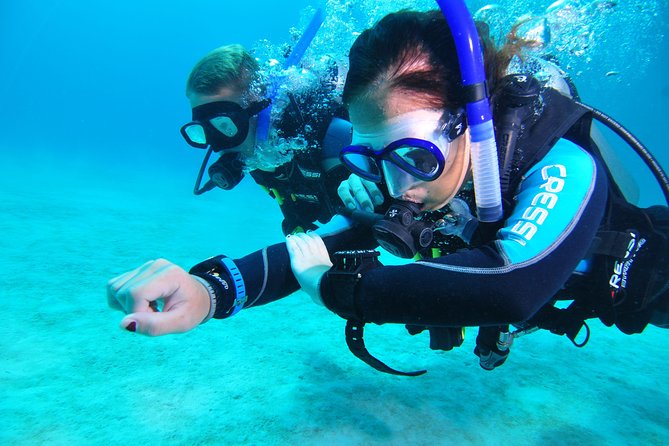
- 5 specialty underwater sessions across the two days, centered on navigation, night training, and skill-building
- Small-group setup with a limit of 4 students per instructor, so feedback actually lands
- Course options you can shape to your preferences, since the operator notes itinerary flexibility
- Local conditions in Ko Lipe’s marine park area, where coral and interesting sea life are part of the point
- Good value for a short upgrade, since equipment rental, logbook, and instruction are included
Why Ko Lipe makes an Advanced Adventurer course feel real
Ko Lipe is small enough that your training doesn’t feel like a “come-and-go checklist.” You’re based around the island’s scuba infrastructure, and the marine environment is the star of the show—so skills like buoyancy control and navigation don’t feel abstract. You’re practicing with real tasks that matter underwater, not just repeating drills.
I also like that this course is built as a stepping stone. It’s designed for open water certified divers who want to try specialties first, then decide what they want to do long-term. In other words, it helps you “shop” for your next certification with actual results in your logbook.
That said, this is not a casual snorkeling day. If you’re not comfortable with night conditions or controlled underwater breathing exercises, you’ll want to be honest with yourself and your instructor early.
A few more Ko Lipe tours and experiences worth a look
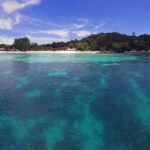
Price check: what $407.38 really includes (and what doesn’t)
At $407.38 per person for a 2-day program, the value mainly comes from what’s rolled in: equipment rental, professional instruction, a personal logbook, snacks/lunch/water/coffee/tea/fresh fruit, and an SSI digital certification card. For a short course, that bundle matters because gear costs and guided instruction can add up fast elsewhere.
What’s not included is also clear and important. You should budget for Tarutao Marine Park fees (270 THB per person every three days). If you’re planning more than a couple of days on the island, these fees can be part of the math you do before you commit.
Also note: hotel pickup and drop-off aren’t included. That doesn’t make the course bad value, it just means you should plan to get yourself to the meeting point on time.
Meeting at Ko Lipe and the day-before paperwork that saves you stress
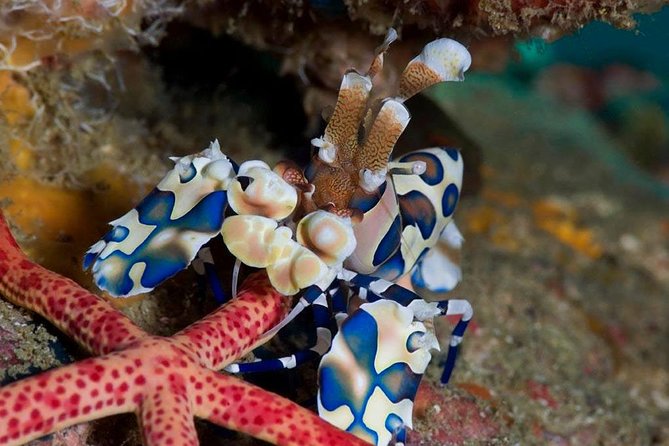
The course starts at 8:30am, with the meeting point at Ko Lipe’s walking street area at the KO LIPE scuba school address (348 Moo 7, walking street area). You return to the same meeting point when the activity ends.
The part that’s easy to overlook: you’re expected to visit the center the day before your activity starts (before 6pm) to finalize paperwork, test your equipment, and register for Tarutao Marine Park entrance. If you can’t make that day-before visit, you must contact them; otherwise, your space can be cancelled with no refund.
From a traveler’s point of view, I’d treat that as part of your itinerary planning, not an optional chore. Build in time for it, especially if you’re arriving late or changing plans with ferries.
Your 5 specialty underwater sessions: what you practice and why
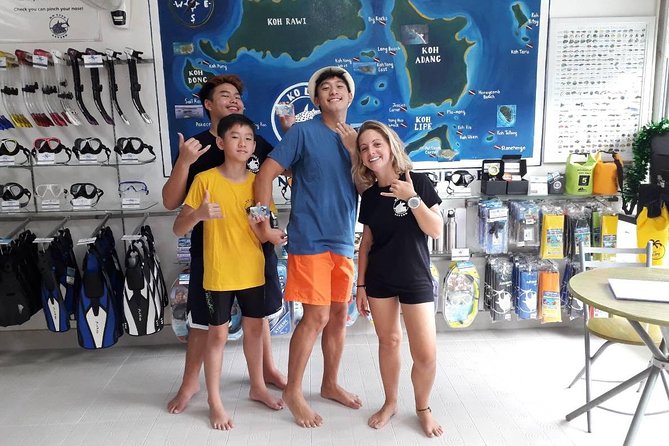
Across these two days, the course is structured around five core adventure-style modules. The names you’ll see include deep adventure, perfect buoyancy, fish identification, navigation, and a night underwater session. Your instructor may also incorporate the operator’s options (like drift or deeper-water style training) depending on conditions and your comfort level.
Here’s what each specialty is about in practical terms.
Deep adventure underwater session: controlling yourself in deeper water
A deep adventure session is about managing depth without turning it into a panic race. You’ll work on staying calm, keeping your buoyancy steady, and following gas-and-time discipline. Even if you’re comfortable in shallower water, depth changes everything: light drops, sound carries differently, and you’ll feel the breathing rhythm more.
The value here is confidence. You’re not just going deeper—you’re learning how to think while you’re there.

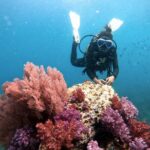
Perfect buoyancy: the skill that fixes everything else
If you want one specialty that pays off for the rest of your scuba life, it’s buoyancy control. Perfect buoyancy training focuses on staying neutral and moving efficiently so you don’t kick up silt or fight the water.
In clear-water areas like Ko Lipe, it’s also the difference between enjoying the view and spending the whole time wrestling your fins. Even small improvements can make navigation and night training feel easier.
Fish identification underwater session: learning what’s in front of you
This is one of those modules that turns scuba from “I saw something cool” into “I understand what I saw.” Fish identification training helps you practice noticing shape, size, behavior, and habitat cues rather than just taking a guess.
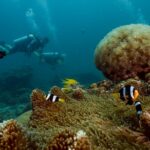
In the local dive descriptions, people mention seeing sea horses, jellyfish, and coral—so having a way to label what you’re looking at can make the experience stick.
Navigation adventure: finding your way without guessing
Navigation training is where “advanced” starts to mean something on your next vacation. You’ll practice planning and maintaining heading so you can move through the water with intention, not by following currents blindly.
It also helps you handle real-world variables like visibility and current changes. When navigation is done well, you spend less energy, and you feel more in control.
A practical tip: listen carefully during briefing. If the instructor talks about landmarks and expected swim patterns, that’s not filler—it’s your roadmap.
Night underwater session: calm breathing, careful awareness
Night training is often the most memorable part because you’re adapting to darkness and relying more on your instruments and your buddy/instructor cues. You’ll practice staying controlled, managing visibility limits, and responding to what changes when the sun is gone.
You don’t need to be fearless. You do need to be steady and follow instructions the moment you’re asked. The upside is huge: Ko Lipe underwater at night can feel like a different world, and you’ll understand your skills more clearly when you can’t rely on daylight.
Where you’ll spend time: Ko Lipe and the Tarutao marine park zone
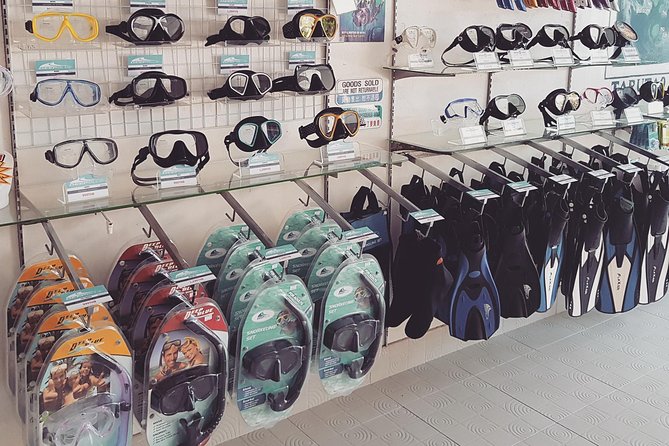
This course is built around Ko Lipe’s scuba scene and includes registration for the Tarutao National Marine Park entrance. That matters because you’re planning around protected waters, and the marine life focus is the entire point.
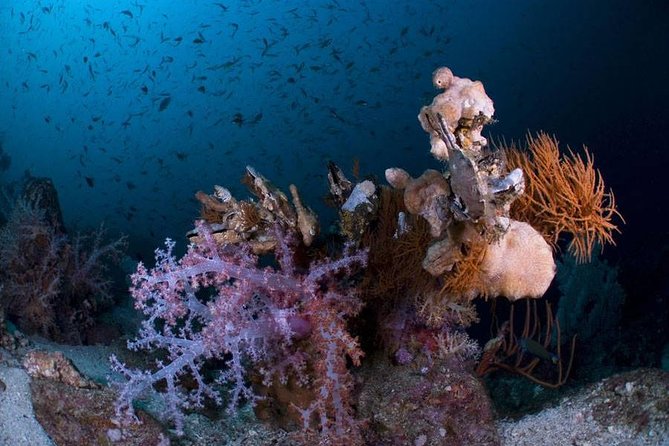
In feedback from divers, people specifically mention colorful coral areas and sightings like jellyfish and sea horses. You might see similar highlights, but underwater encounters are never 100% predictable. Still, the training you get is directly useful in this kind of environment.
So the main value isn’t just what you might see—it’s that you’re practicing the skills you’ll use again in protected marine areas across Thailand.
Small groups and one-on-one attention: how the 4-per-instructor limit shows up
The program caps students at 12 travelers maximum and specifically limits groups to four students per instructor. That ratio matters because it increases the chance you’ll get individual corrections when something isn’t working.
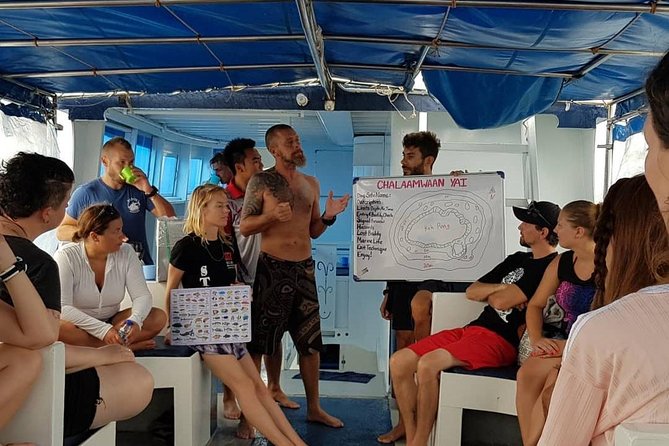
You’ll also feel it during briefing and gear checks. With fewer people around, the instructor can spot common issues quickly—like buoyancy drift, trim problems, or staying on heading.
From the positive side of past experiences, divers have praised teams for being friendly and helpful, with staff named like Yousuf (dive leader) and Toto (boat helper). That kind of crew support often makes a difference in whether training feels smooth or stressful.
Safety and conditions: how to judge if this operation is right for you
In multiple experiences with this operator, safety habits show up in comments like checking conditions (including current) before sending divers underwater. That’s the kind of detail you want to hear during briefing—because it signals they’re paying attention, not just counting down to the next session.
When you’re there, watch for these signs:
- They ask you how you feel and whether anything has changed since your health questionnaire
- They explain what you’re doing and why, not only the steps
- The crew briefing includes current/visibility expectations
Also, remember the course starts with real instruction, not just a sightseeing plan. It’s designed for open water certified scuba divers, so you should arrive with your skills refreshed, especially buoyancy awareness.
The certification: SSI digital card and a “try it” mindset
After completing the course, you receive an SSI digital certification card. This matters if you’re planning to continue your education, since it provides proof of your achievement without needing paper shipping.
More importantly, this course is framed as an intermediate step. It helps you test what training feels like—deep-water comfort, buoyancy refinement, navigation confidence, and night comfort—so you can decide what to pursue next rather than guessing.
A smart way to use this: keep your logbook notes focused on what felt hardest and what felt easiest. That’s how you pick a future course that matches your goals, not just your enthusiasm on day one.
Who should book this 2-day Advanced Adventurer course?
This is a strong fit if you:
- Are open water certified and want a structured upgrade
- Want five practical specialty sessions in a short time
- Prefer small groups and a coaching-focused approach
- Like the idea of building confidence in navigation and night underwater settings
It’s also a good option if you’re in Ko Lipe already and want a course that pairs well with time on land. Because the training is only two days, you can usually keep the rest of your trip flexible.
If you’re brand new to scuba, this is not your course. If you haven’t dove in a long time, you’ll want to mentally prepare for re-wiring buoyancy and breathing rhythm quickly. And if you’re sensitive to night conditions, mention it early.
A fair note about past experiences and how to avoid surprises
Most feedback associated with this scuba training operation highlights professionalism, friendliness, and safety attention. People have named instructors and crew members (Eric, David, Gabby, Tim, Paul) and praised smooth, safe experiences on boats.
But no business is perfect. There is at least one low-rating comment on record tied to a different shop name in the text, which suggests confusion can happen when people compare operators. Your best protection is simple: confirm your booking details and that you’re signed up for the correct center and instructor schedule before you arrive.
What to bring and how to prepare (based on what the course requires)
Even though equipment rental is included, you can make your own life easier with a few basics. Bring a dry bag for your paperwork, a light rash guard if you like extra comfort, and something warm for after the water sessions.
Before the first day, you may need to complete a health questionnaire. If you have asthma, heart conditions, or other pre-existing medical issues, it’s on you to consult your doctor. Also, divers should not expect to dive if they’ve flown within the previous 48 hours; the course explicitly says it’s not recommended.
And do yourself a favor: plan sleep and hydration around the course. Buoyancy training and night sessions feel harder when you’re tired.
Final verdict: should you book the course in Ko Lipe?
If you want an advanced-style scuba course that’s short, coached, and built around real skills—this is a solid choice. The strongest reasons to book are the small-group instructor attention, the inclusion of gear and meals, and the training mix (navigation, buoyancy, fish ID, and night).
I’d skip it if you can’t do the day-before paperwork visit, or if you’re not comfortable with night underwater conditions. I’d also double-check your budget for the Tarutao Marine Park fees, since that’s the main extra cost you’ll need to plan for.
If you’re an open water diver who wants to become a more confident, more aware scuba participant, Ko Lipe is a great place to do it—and this two-day course gives you the skills without forcing you into a longer commitment right away.
FAQ
How many specialty underwater sessions are included?
The course includes five underwater sessions over two days, covering specialties such as navigation, a night session, buoyancy control, fish identification, and deep-water adventure training.
What certification do I receive?
You receive an SSI digital certification card after completing the course.
Do I need to be open water certified before joining?
Yes. The course is suitable for all open water certified scuba divers.
What time does the course start?
The course starts at 8:30am.
Do I need to visit the center the day before?
Yes. You need to come to the center the day before your activity starts (before 6pm) to finalize paperwork, try equipment, and register for the Tarutao national marine park entrance.
What extra fees should I expect?
National Marine Park fees are not included. The fee listed is 270 THB per person every three days.
Is hotel pickup included?
No, hotel pickup and drop-off are not included.
Is there an age requirement?
The minimum age is 10 years.