REVIEW · CHIANG MAI
3 day Yoga and Meditation Retreat in Chiang Mai
Book on Viator →Operated by Meditation & Yoga in Chiang Mai · Bookable on Viator
If you want calm on a schedule, this retreat fits. It’s a small 3-day yoga and meditation reset in Chiang Mai, with structured morning and evening practice and plenty of breathing room in between.
Two big wins jump out to me: the program is limited to just six participants, which makes it feel more personal than a big class, and the food is a major part of the experience, including a healthy breakfast and lunch that people consistently describe as made with care by Amori’s family. One thing to keep in mind: sightseeing is not included, so if you want nonstop temples and night markets, you’ll need to add that on.
The day-by-day flow also matters. You get morning mindfulness and yoga, plus an evening yoga session, and even the meditation times are marked as optional, so you can match the retreat to your energy level. I especially like that the retreat provides mats and basic props, so you’re not arriving stressed about packing gear, even though you’ll still want to dress for warm days and cooler indoor practice.
In This Review
- Key Points at a Glance
- A Chiang Mai Retreat That Feels Like Recovery, Not Pressure
- Flow Yoga Chiang Mai: Arrival Day with Nature Time
- Morning Mindfulness and Yoga on Days 2 and 3
- Why the Retreat Puts Yoga at Night, Too
- Breakfast and Lunch: Food That Actually Supports the Practice
- The Most Important Part: Free Time You Can Really Use
- Optional Temple Time: Wat Phra That Doi Saket and Doi Saket
- Price and Value: What You’re Paying For (and What You Aren’t)
- What to Pack and How to Think About Your Practice
- Who This Retreat Fits Best
- Should You Book This Chiang Mai Yoga and Meditation Retreat?
- FAQ
- How long is the 3-day retreat?
- What’s included in the price besides yoga and meditation?
- Is sightseeing included?
- What are the session times like?
- How big is the group?
- Is free cancellation available?
Key Points at a Glance
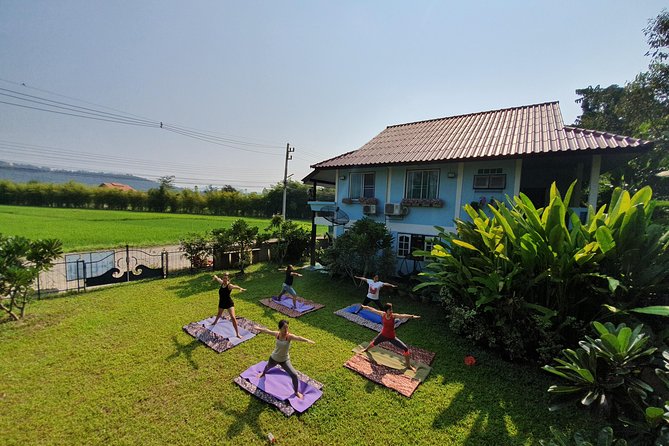
- Small group of six keeps the retreat calm and adjustable to different levels
- Two meals daily (breakfast and lunch) keep you fueled without food planning
- Yoga props included (mat, blocks, straps) mean you can focus on practice, not shopping
- Optional mindfulness sessions help if meditation feels intimidating at first
- Daytime free time gives you space to rest, explore, or do nothing
- Sightseeing add-on is separate if you want temple time like Wat Phra That Doi Saket
A Chiang Mai Retreat That Feels Like Recovery, Not Pressure
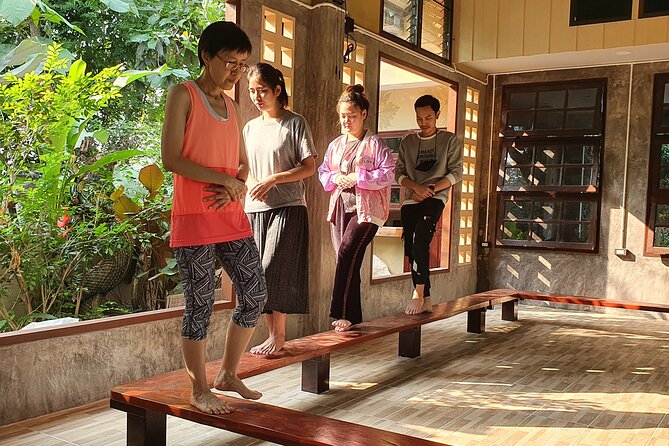
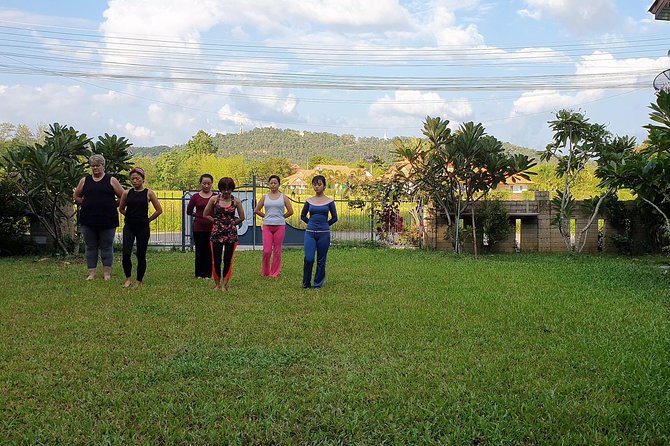
Chiang Mai has that temple-and-garden atmosphere that can make slowing down feel natural. This retreat leans into that idea: lush outdoor surroundings, plus a schedule that mixes practice with quiet time to absorb it all. You’re not being herded from activity to activity. Instead, you’re guided, then given time to settle.
What I like most is the balance. You get morning focus (mindfulness and yoga), then a break where your body can actually digest the practice. In a lot of wellness trips, the schedule feels packed. Here, the gaps are part of the point. Even the second mindfulness session in the afternoon is optional, so you can choose calm over commitment.
Also, the retreat’s intimacy is not just a marketing line. A maximum of six people means you’re more likely to get attention, and practice levels can be adjusted. In reviews, the guidance was described as adapting to participants, which is exactly what you want when yoga range varies from person to person.
A few more Chiang Mai tours and experiences worth a look



Flow Yoga Chiang Mai: Arrival Day with Nature Time
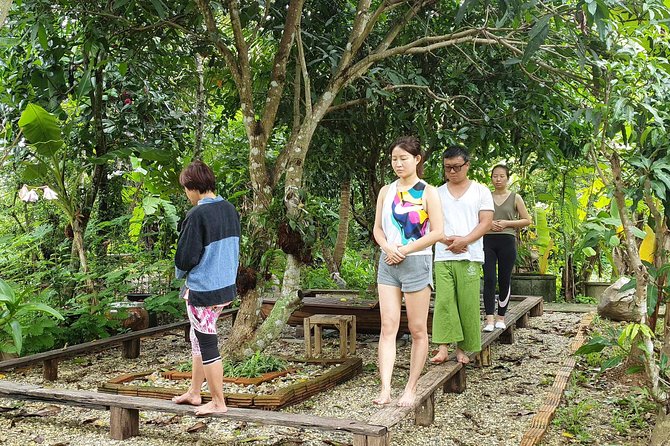
Your first afternoon starts with a practical, low-stress check-in at 14:00 at Flow Yoga Chiang Mai. From there, the retreat wastes no time on calming your system: 14:30 to 16:00 is relaxing time in nature. No big talk. Just getting your breathing down and your shoulders unclenched.
Then you ease into the mindfulness block from 16:00 to 17:00. The key word here is optional. If you’re new to meditation, you can sit in and observe, or you can choose not to join—without feeling like you broke a rule. That matters, because the hardest part of meditation for many people is thinking you must do it perfectly.
Finally, from 17:00 to 18:00 you get evening yoga. This is a smart way to end Day 1 because it gives you movement after rest and a chance to feel your body again after traveling or a long day.
Morning Mindfulness and Yoga on Days 2 and 3
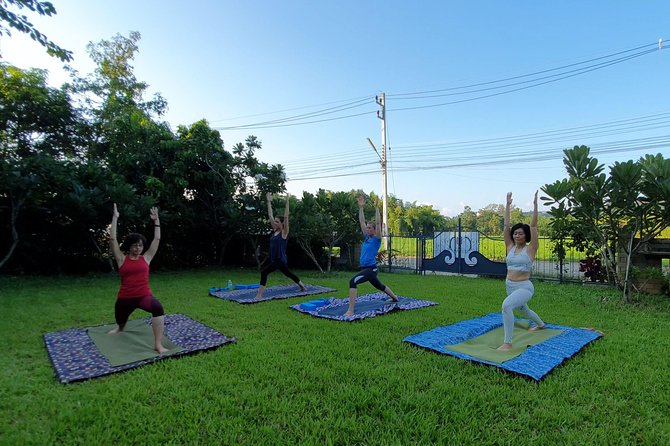
Days 2 and 3 follow a consistent structure, which is a gift. Your brain starts to relax because it knows what’s coming next.
- 07:00 to 08:00: morning mindfulness and meditation
- 08:00 to 09:00: morning yoga
If you’re wondering whether this is too much early in the day, the timing is actually gentle if you treat it like a slow start. Morning practice also tends to feel more effective because your mind is less cluttered, and the area’s calm helps you stay present.
In reviews tied to this retreat, the yoga level was described as adapted to the participants. That’s a big deal. It means you’re not locked into one pace. You can go deeper if you’re flexible, or take a step back if your body needs a gentler route.
And because yoga mats, blocks, and straps are included, you’re set up for comfort right away. Props make a difference when poses don’t match your flexibility yet. They also help you avoid the classic mistake: forcing a stretch instead of building a steady line and controlled breath.
Why the Retreat Puts Yoga at Night, Too
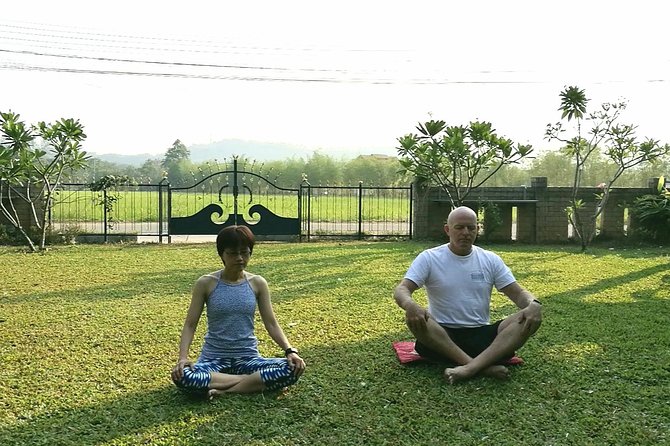
You’ll do evening yoga on each of the three days, with a clear time window: 17:00 to 18:00. On top of that, there’s often an optional mindfulness session at 16:00 to 17:00 on Day 2 and Day 3.
That pattern creates a nice rhythm:
- Morning brings focus
- Late afternoon gives you a second chance to reset
- Evening yoga turns everything into something your body can feel, not just think about
I also like that the afternoon mindfulness isn’t mandatory. If you’re tired, you can choose rest. If you feel steady, you can add the extra practice. That flexibility keeps the retreat from turning into a checklist.
Breakfast and Lunch: Food That Actually Supports the Practice
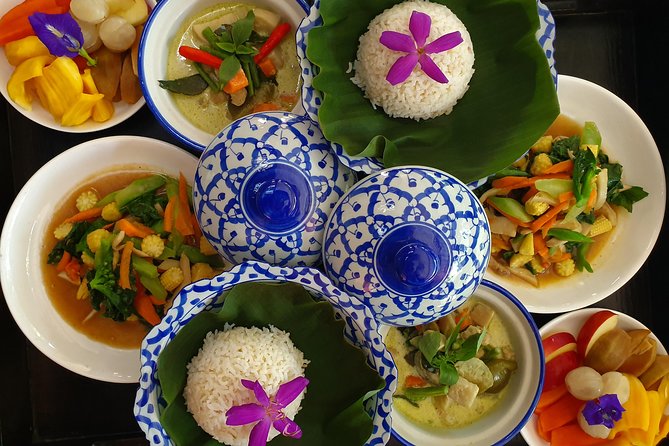
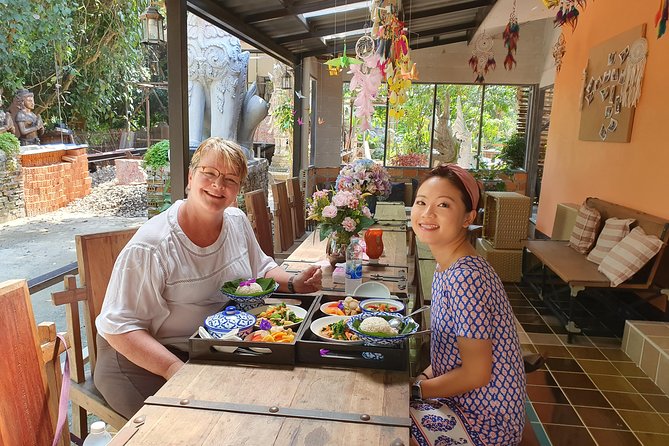
Healthy breakfast is included, and healthy lunch is included too. That’s a real value lever. When food is part of the plan, you don’t have to make decisions while you’re tired and trying to stay calm. It also helps your energy levels stay steady for morning and evening sessions.
One detail that shows up in glowing feedback: the meals are not just healthy, they’re prepared with care by Amori’s family. A huge fruit platter and water were specifically mentioned, and that kind of generous, fresh setup matters during a retreat. It keeps you hydrated and prevents that mid-day crash that makes yoga feel harder than it should.
If you’re sensitive to your food, this also helps. A retreat meal plan can reduce the guesswork. You’re not scrambling to find something that fits your body while your mind is trying to slow down.





The Most Important Part: Free Time You Can Really Use
After breakfast, you get a free window that runs from 09:00 to 10:00 for breakfast itself, followed by open time until the next scheduled mindfulness session at 16:00. On Day 3, after breakfast you have free time until check-out at 14:00.
This is where the retreat becomes yours.
If you want easy recovery, use the time to rest. If you want gentle exploration, you can do that too. The retreat is described as near public transportation, which is helpful if you want to keep costs down and travel on your own schedule rather than booking every day’s activity.
Here’s my practical suggestion: pick one simple goal for each free block. Maybe it’s walking around nearby areas, visiting a temple on your own, or just sitting somewhere quiet with water and a book. The worst use of retreat time is cramming in more stress because you feel guilty doing nothing.
Optional Temple Time: Wat Phra That Doi Saket and Doi Saket
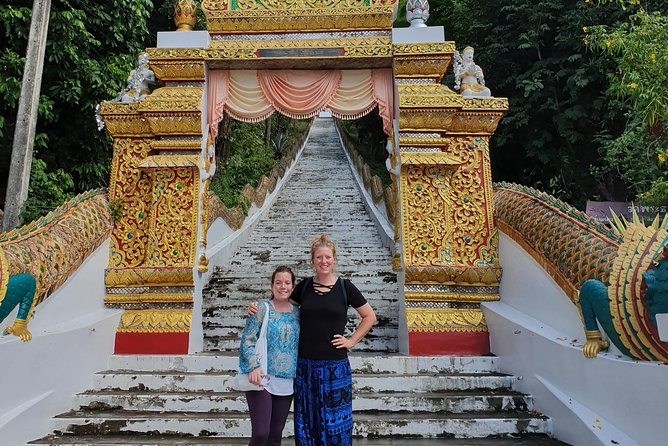
There is an add-on option for sightseeing, but it’s not included in the base retreat. If you choose that upgrade, the stops listed include Wat Phra That Doi Saket and Doi Saket.
I like this approach because it lets you tailor the trip. You can keep your days focused on yoga and meditation, or you can add cultural sights without turning the retreat into a tour bus schedule.
Also, since an air-conditioned vehicle is included, the sightseeing add-on is more likely to be handled comfortably. You’re not spending the whole day managing heat, routes, and logistics while trying to stay relaxed.
If your priority is movement and mindfulness first, treat sightseeing as optional bonus time—not the main goal.
Price and Value: What You’re Paying For (and What You Aren’t)
The price is $480.95 per person for a 3-day retreat in Chiang Mai. That sounds specific, so let’s talk about what you get for it.
Included:
- Breakfast and lunch (healthy meals)
- Yoga and meditation sessions
- Yoga mat plus blocks and straps
- Air-conditioned vehicle
- Pickup offered
- Mobile ticket
Not included:
- Sightseeing upgrades like waterfalls, elephant camps, and night markets
So where does the value come from? Mainly from structure and support. You’re not buying random classes; you’re getting a connected set of sessions over three days, plus meals, plus the basics for practice. Props and mats remove friction. Included meals remove daily planning. Pickup and a vehicle reduce transport hassle.
Is it the cheapest way to do yoga in Chiang Mai? Probably not. But it’s often better value than piecing together separate classes plus food plus travel. You’re paying to reduce decisions and keep your energy focused on calming down.
If you’re the type who wants to fill every hour with activities, you may feel limited because sightseeing is separate. If you want reset time, this structure is exactly what you’re paying for.
What to Pack and How to Think About Your Practice
Since the retreat is yoga and mindfulness focused, pack for comfort more than style. You’ll be doing morning and evening yoga, and you’ll also have downtime in nature on arrival day.
Practical packing ideas:
- Light, breathable clothing for warm afternoons
- Something warmer for early mornings and shaded practice
- A small towel and water bottle
- Simple comfortable layers for nature time
One more mindset tip: treat optional meditation as a dimmer switch, not a test. If you skip it one day, you haven’t failed. The schedule is designed to bring you back gently.
Also, because the retreat adapts to participant levels, you don’t need to arrive as a perfect yogi. You do need to be willing to listen to your body during poses and transitions.
Who This Retreat Fits Best
This retreat is a strong match if you want:
- A calm 3-day routine without constant decisions
- A small-group setting (maximum six)
- Both morning and evening yoga, plus mindfulness
- Healthy meals included so you can focus on practice
It also fits people with moderate physical fitness, since the retreat has that stated requirement. If you’re dealing with stiff knees, tight hips, or general beginner discomfort, the inclusion of blocks and straps and the reported adjustment to your level can help a lot.
If you’re hoping to spend most of your time visiting major sights and doing high-adrenaline activities, you might find the free time and optional sightseeing less your style. In that case, look for a trip that’s explicitly built around full-day outings.
Should You Book This Chiang Mai Yoga and Meditation Retreat?
I’d book it if you want a real pause button. The combination of structured mindfulness, daily yoga, and included healthy meals makes it easier to stay consistent. The small group size also makes the experience feel more personal, and reviews highlight that the teaching adjusts to participants rather than forcing one pace.
I’d think twice if you want a highly active sightseeing-heavy itinerary. The base retreat is about wellness time, not a packed tour schedule. You can add sightseeing, but it’s separate.
If your goal is to leave with calmer habits—how you breathe, how you stretch, and how you handle your own rest—this 3-day format is a good bet. It’s built to help you slow down without losing momentum.
FAQ
How long is the 3-day retreat?
It runs for 3 days, starting with check-in at 14:00 on Day 1 and ending with check-out at 14:00 on Day 3.
What’s included in the price besides yoga and meditation?
The package includes healthy breakfast and lunch, yoga and meditation sessions, a yoga mat plus blocks and straps, and an air-conditioned vehicle. Pickup is also offered.
Is sightseeing included?
Sightseeing is not included. You can add it as an upgrade, with options that include Wat Phra That Doi Saket and Doi Saket.
What are the session times like?
Day 1 includes relaxing time in nature (14:30–16:00), optional mindfulness (16:00–17:00), and evening yoga (17:00–18:00). Days 2 and 3 include morning mindfulness (07:00–08:00), morning yoga (08:00–09:00), meals and free time, plus optional mindfulness (16:00–17:00) and evening yoga (17:00–18:00).
How big is the group?
The retreat is limited to a maximum of 6 travelers.
Is free cancellation available?
Yes. You can cancel up to 24 hours in advance for a full refund. If you cancel less than 24 hours before the experience starts, the amount paid is not refunded.