REVIEW · CHIANG MAI
Chiang Mai: Doi Inthanon Hiking & Elephant Sanctuary Program
Book on GetYourGuide →Operated by Living Green Elephant Sanctuary Chiang Mai and Chonburi · Bookable on GetYourGuide
Elephants and highland hikes in one day. This Chiang Mai program mixes Living Green Elephant Sanctuary ethics with the big views of Pha Dok Siew. I like how it’s structured like a proper day out, not a rushed checklist, and it stays focused on nature and respectful animal care.
Two of my favorite parts are the no-riding, no-chains elephant time and the guided hike through tall trees, terraces, and cool water stops. One drawback to plan for: it’s a long, all-day schedule with a lot of driving, so you’ll want a comfy mindset when the clock gets busy.
In This Review
- Key things to know before you go
- Living Green Elephant Sanctuary: what ethical elephant time actually feels like
- Elephant feeding and bathing: do’s, don’ts, and the comfort stuff
- The van schedule: why this is a full-day plan, not a quick trip
- Pad Thai lunch: a real meal break, not an afterthought
- Doi Inthanon summit and the Twin Pagodas: cold mist and big religious calm
- Pha Dok Siew nature trail: rice terraces, wildlife chances, and waterfall relief
- Organic Karen hilltribe coffee farm: culture you can taste
- Price and value: how $56 stacks up for this packed day
- What to bring (and what to skip) for a smooth Doi Inthanon day
- Who this tour suits best, and who might feel mismatched
- Should you book the Chiang Mai Doi Inthanon Elephant Sanctuary program?
- FAQ
- Is elephant riding included?
- What does the elephant sanctuary experience include?
- How long is the full program?
- What’s included in the $56 price?
- Are Doi Inthanon and temple entrance fees included?
- Do I need to bring swimwear?
- What should I bring for the hike and mountain weather?
- Is this tour suitable for young children or pregnancy?
Key things to know before you go
- No riding, no chains, no performances at the sanctuary, with staff guiding respectful interactions
- Mo Hom traditional clothing is part of the elephant briefing and sets the tone fast
- Doi Inthanon summit weather changes quickly, so pack warm layers even in Chiang Mai
- Pha Dok Siew nature trail is the main hike, with rice terraces and a waterfall cooling stop
- Karen hilltribe organic coffee farm adds culture without feeling like a hard sell
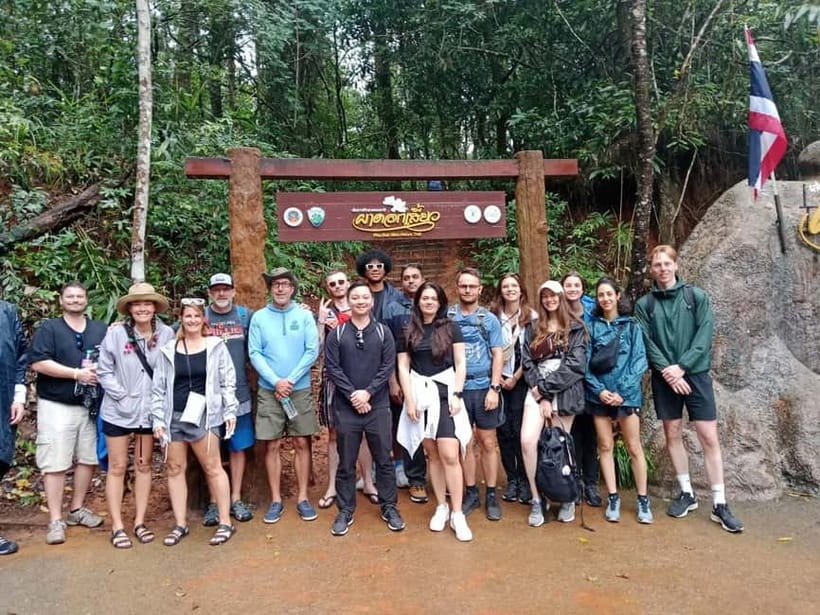
- Small group (up to 12) keeps it more personal than the usual big-bus tours
Living Green Elephant Sanctuary: what ethical elephant time actually feels like
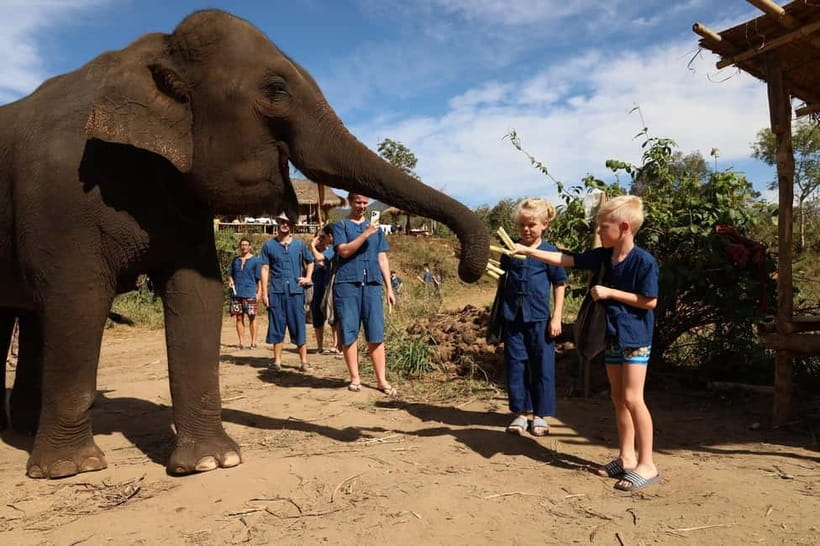
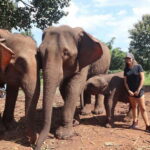
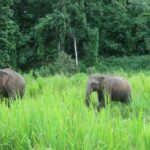
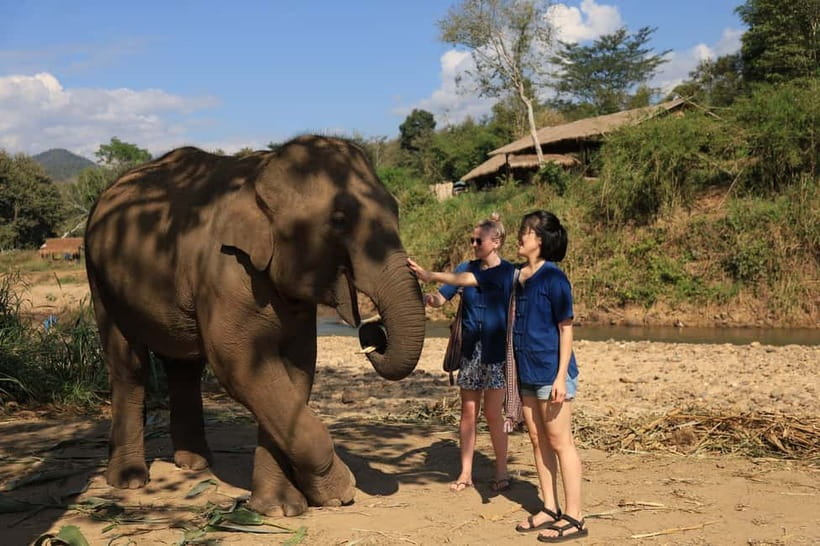
This is the big reason to choose this program. At the Living Green Elephant Sanctuary, the elephants roam in a natural setting, and your interaction is built around what they need rather than what you want. The rules are clear: no riding, no chaining, and no performances. You’re not there to strap in and go for a ride. You’re there to walk, feed, and observe calmly as a guest of the caretakers’ routine.
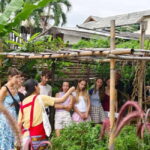
Before you meet the elephants, you change into traditional northern Mo Hom clothing. It’s a simple step, but it matters. It helps you slow down and signals that the day is about culture and care, not just taking photos.
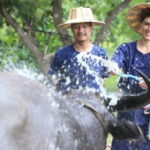
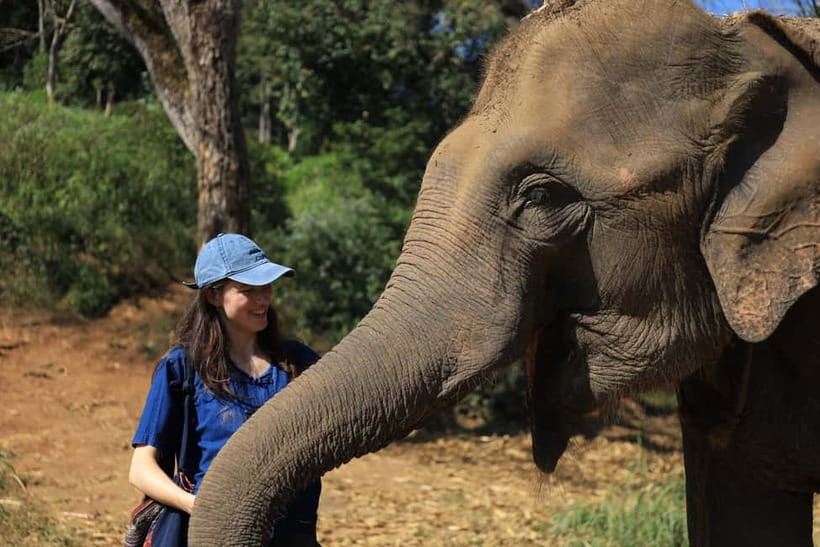
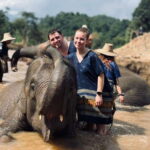
During the elephant session, you’ll typically do a guided walkthrough in the tropical forest and join in hand-feeding when the caretakers invite it. You’ll also see bathing behavior. Importantly, the program states elephants are not forced into the river or into any activity. If an elephant chooses not to enter the water, it won’t be pushed. That single detail is one of the strongest ethical indicators in the day.
You’ll hear elephant stories tied to individual animals—where they came from and how caregivers manage their daily needs. In the booking comments, names like Rainbow, Nott, Jon, Pete, Mod, and Piete come up for guides who explain elephant behavior and care in a way that actually sticks. Even when your guide’s style is quieter, the structure of the sanctuary time keeps the experience grounded.
You can also read our reviews of more hiking tours in Chiang Mai

Elephant feeding and bathing: do’s, don’ts, and the comfort stuff
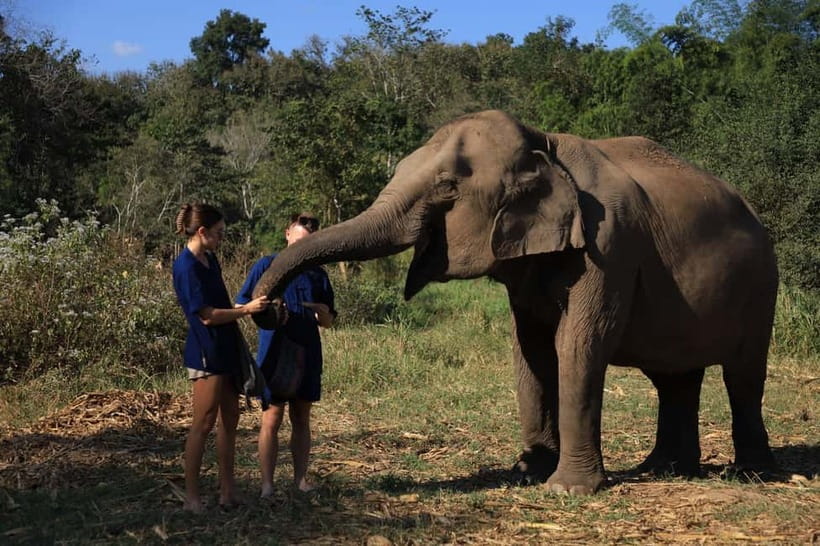
If you want this part to be easy, treat it like a “follow the caretakers” day. You’re given what you need and then you follow the guidance. Here’s what to plan for:
- Hands-on interaction is allowed, but only in the context of the sanctuary routine.
- Bring a change of clothes and a towel, because bathing and mud time can mean you get damp.
- Swimwear helps, but you’re not expected to force anything. If an elephant doesn’t want the water, your day shouldn’t turn into a wrestling match.
The program also lists some clear “no” rules: no smoking, no alcohol/drugs, no littering, and no touching plants. They also say you shouldn’t feed animals outside the guided elephant interactions. It’s the kind of policy that keeps the environment safer for wildlife and plants around you.
One small realism check: elephants are big. Even with careful handling, you’ll feel how powerful they are just from being close. Several comments mention this size factor, and it’s worth respecting with slower movements and clear listening.
The van schedule: why this is a full-day plan, not a quick trip
The itinerary runs roughly 07:00–19:00 with pickup from your Chiang Mai hotel and return about 1.5 hours later. The day is packed: sanctuary time, lunch, Doi Inthanon National Park, pagodas/botanical gardens, a guided nature trail hike, and then the Karen organic coffee farm.
This “stacked schedule” is part of the value. For one price, you get multiple northern Thailand highlights that would take planning to stitch together yourself. The flip side is travel time adds up. Reviews flag that the driving between stops can feel longer than expected, and sometimes there’s waiting early in the day before everything settles into rhythm.
Also, think about motion and comfort. One review warned that the drive can be steep and narrow, and suggested travel sickness tablets if you’re prone to it. Another mentions van seating can feel cramped for taller people. So, bring water, wear something flexible, and if you’re tall, consider choosing seats where your knees won’t press hard against the person in front.
Pad Thai lunch: a real meal break, not an afterthought
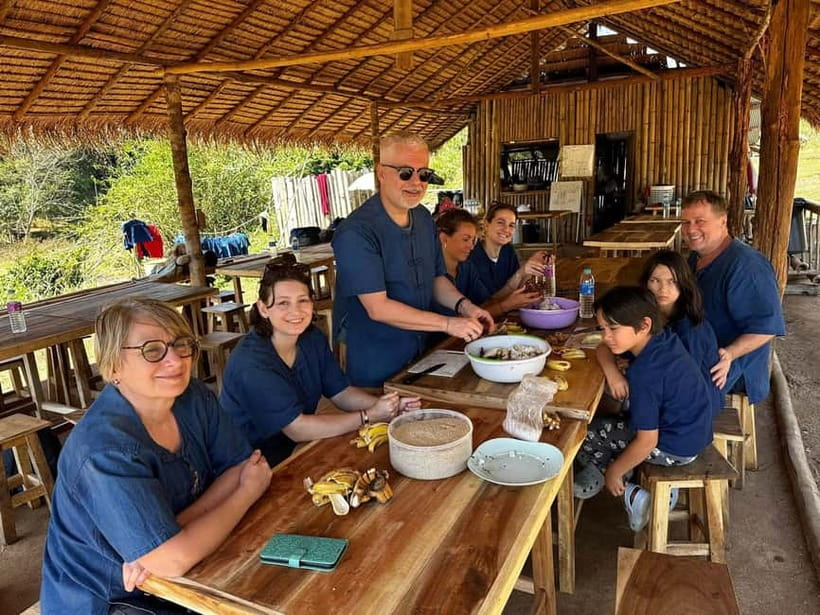
Lunch is included and is listed as authentic Pad Thai. That might sound basic, but after a morning of feeding elephants and walking in humid air, a predictable, local meal matters.
Diet note: one comment says the tour catered to a vegan diet and handled a peanut allergy. That’s not something you should treat as guaranteed for every booking, but it’s a useful signal that the operator can sometimes adjust menus. If you have allergies, ask ahead and bring it up clearly with your provider.
You’ll also want to eat with the day in mind. This isn’t a leisurely lunch-and-stroll. You’ll finish and then head to Doi Inthanon, where temperatures can drop fast.
Doi Inthanon summit and the Twin Pagodas: cold mist and big religious calm
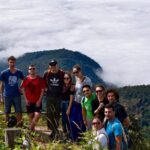
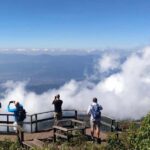
Doi Inthanon is Thailand’s highest mountain, and the program takes you into the Doi Inthanon National Park area after a short transfer. Expect cool air, misty conditions that can change quickly, and panoramic views when weather cooperates.
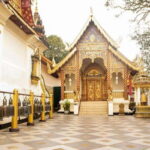
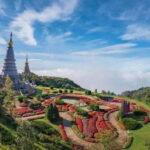
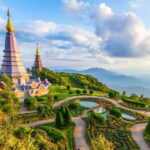
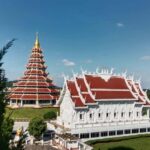
The day’s temple highlight includes the Twin Pagodas and the Botanical Gardens. These stops are peaceful and visually rewarding, especially when you’re already warmed up from the drive and then hit the chill near the higher elevation areas.
One practical note: park entrance fees are not included. The data lists:
- Doi Inthanon entrance fee: 300 THB adult / 150 THB child (ages 4–8)
- Phra That entrance fee: 100 THB adult / 50 THB child (ages 4–8)
So, bring cash or a card you can use at the gate, just in case you’re caught without the Thai baht.
Time at the pagodas can feel tight for people who want to linger. Reviews include comments that this part can be a bit rushed, even when people loved the views. My advice: treat it like a “see it properly, then move on” moment. If you want long meditation-style time, you might enjoy pairing Doi Inthanon with an extra day later.

Pha Dok Siew nature trail: rice terraces, wildlife chances, and waterfall relief
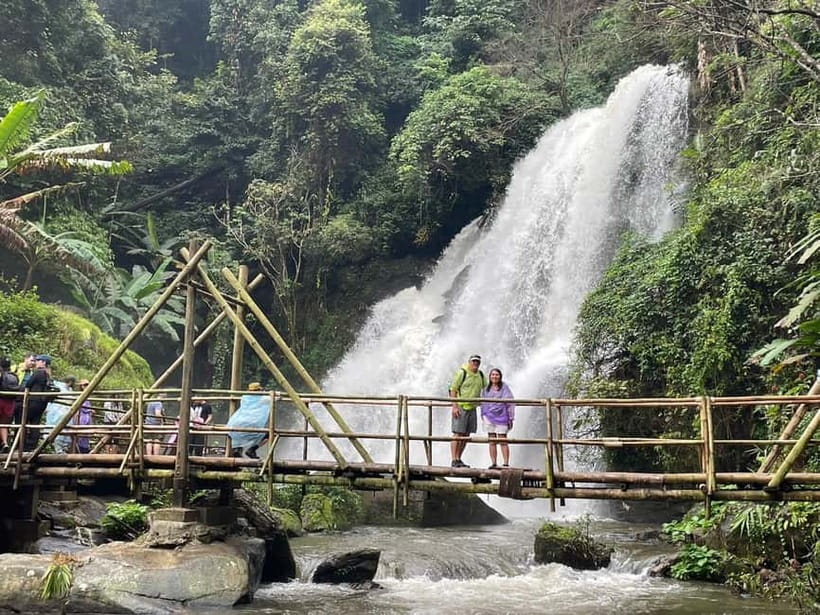
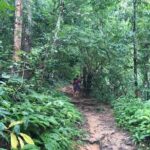
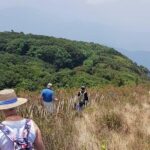
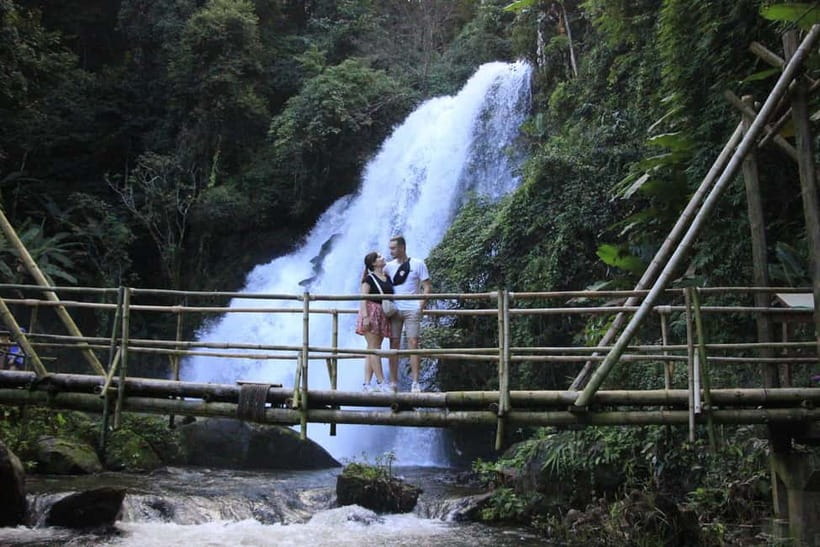
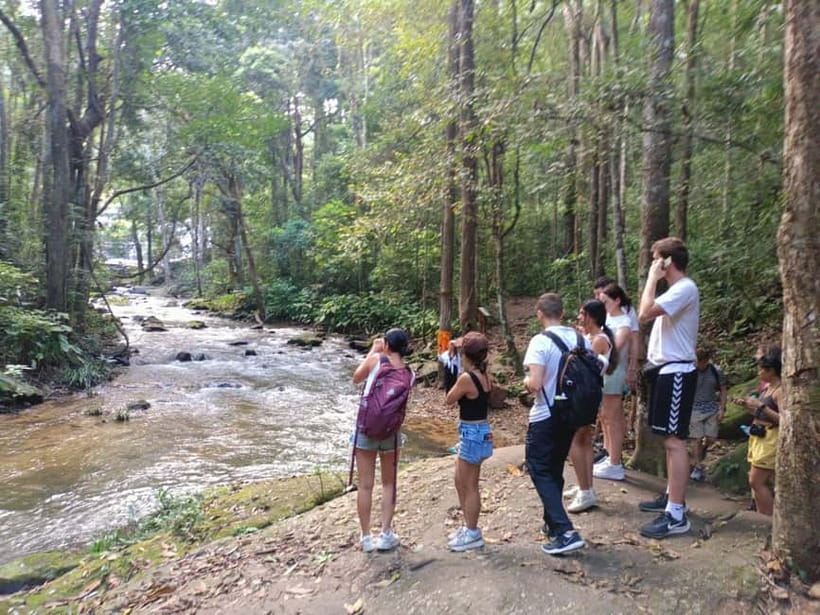
After the pagoda stops, you’ll shift into hiking mode with the guided walk along the Pha Dok Siew nature trail. This is the section where the day stops feeling like a car-and-ticket tour and starts feeling like actual northern Thailand outdoors.
You can expect lush rice terraces, chances to spot rare wildlife, and a chance to cool off at a cascading waterfall. Even if you’re not an expert hiker, this is why the tour feels worth it: it adds real movement and real air, not just viewpoints.
Hike crowding is a real possibility. Some comments mention the trail can be busy with other groups, which can limit quiet pauses to look closely at plants or butterflies. Still, the waterfall stop tends to deliver instant payoff, and the guide’s pacing keeps it manageable for a broad range of people.
What to wear matters here. The program suggests hiking shoes, comfortable clothes, sunscreen, insect repellent, and water. Bring a hat and don’t skip sunscreen. At this elevation and in open spots near terraces, sun can sneak in even when it’s cooler.
Organic Karen hilltribe coffee farm: culture you can taste
Near the end of the day, you visit an organic Karen hilltribe coffee farm. This is a nice change from the usual souvenir pattern because it’s food and craft based—coffee tasting plus context about local growing methods.
One review calls this coffee stop longer and tougher than the earlier nature trail, so set expectations that the final stretch may require more energy than you think. If you’re someone who gets worn down easily late in the day, drink water earlier rather than waiting until you feel thirsty.
Also, coffee tasting is usually short, so don’t plan for a full self-guided tour. The value is in the guided explanation and the walk-through, followed by the taste.
Price and value: how $56 stacks up for this packed day
At $56 per person for an 11–12 hour day, the big question is whether the price feels fair compared to doing it piece by piece.
Here’s where the value comes from:
- Hotel pickup and drop-off saves you from arranging multiple rides
- The sanctuary includes traditional clothing plus elephant feeding and bathing experience
- You also get lunch (Pad Thai)
- The day includes Twin Pagodas, Botanical Gardens, a guided nature trail hike, and the Karen coffee farm
- Group size is limited to 12, with an English live guide
The park entrance fees for Doi Inthanon and Phra That are the main extra cost. Even so, you’re still buying a bundled plan with transportation, guide time, and the sanctuary interaction.
In other words: $56 works best if you want one organized day where the hardest logistics are handled for you. If you already planned to rent a car and you’re comfortable building your own stops, you might save money. But the time and stress savings are real.
What to bring (and what to skip) for a smooth Doi Inthanon day
Pack like this is an outdoor day with a cold-elevation bonus.
Bring:
- Hat
- Comfortable clothes
- Hiking shoes
- Sunscreen (the program notes biodegradable sunscreen helps protect the environment)
- Insect repellent
- Water bottle
- Towel
- Swimwear and a change of clothes for elephant bathing time
- Camera
- A warm jacket or sweater for Doi Inthanon, because temperatures can drop fast
Skip:
- Alcohol and drugs (not allowed)
- Smoking (not allowed)
- Littering (not allowed)
And remember: the program says some activities may adjust due to weather or traffic. That’s not a surprise in this region. Your best move is to dress in layers and keep your schedule flexible.
Who this tour suits best, and who might feel mismatched
This program is a strong fit if you want a single day that connects three themes:
1) Ethical elephant interaction (walking, feeding, respectful observation, no riding)
2) Doi Inthanon nature and viewpoints
3) Cultural stops like the Karen coffee farm and traditional clothing
It may not fit if you expect the elephants to live like fully wild animals. One comment makes this point directly: these are domesticated rescues, not elephants in a wild ecosystem. So if your personal definition of ethical equals only wild habitat, you might need a different kind of experience.
Health and mobility matter. The program lists it as not suitable for:
- Children under 8
- Pregnant women
- People with back problems
- People with mobility impairments
- People with heart problems
Finally, if you’re sensitive to long travel days, treat this as an all-day workout of sorts. The schedule is doable for many people, but it’s not a short, relaxed afternoon.
Should you book the Chiang Mai Doi Inthanon Elephant Sanctuary program?
I’d book it if you check two boxes: you want elephants in a no-riding, no-chain sanctuary setting, and you want a guided day that mixes a national-park hike with cultural stops. The combination is the appeal. You’re paying to have the day organized and explained, with small-group size and real outdoor time.
I’d think twice if you hate long driving, you’re very sensitive to cold, or you need a fully flexible schedule without any time pressure at viewpoints. Also, bring extra patience if you’re expecting perfectly smooth logistics all day—one early wait and a bit of pace rushing show up in feedback.
If you want a practical decision rule: if you can handle an active 12-hour day and you care about ethical elephant interaction, this is a strong value choice in Chiang Mai.
FAQ
Is elephant riding included?
No. The program is set up as an ethical sanctuary experience with no riding. You’ll walk and feed the elephants and observe bathing behavior with caretakers guiding the activities.
What does the elephant sanctuary experience include?
It includes changing into traditional Mo Hom clothing, elephant feeding and walking in the tropical forest, and the chance to observe elephants bathing. The elephants are never forced into the river or any activity.
How long is the full program?
The tour runs about 11–12 hours, with a schedule window listed as 07:00–19:00, and it includes transportation from Chiang Mai.
What’s included in the $56 price?
Hotel pickup and drop-off, traditional northern clothing for the sanctuary visit, elephant feeding and bathing experience, a local meal, Twin Pagodas and Botanical Gardens, hiking at Pha Dok Siew nature trail, and a visit to an organic Karen hilltribe coffee farm.
Are Doi Inthanon and temple entrance fees included?
No. Doi Inthanon National Park entrance fee is listed as 300 THB adult / 150 THB child (ages 4–8). Phra That entrance fee is listed as 100 THB adult / 50 THB child (ages 4–8).
Do I need to bring swimwear?
You should, because bathing is part of the sanctuary experience. However, elephants are not forced into water, so swimwear is mainly for comfort in case you get wet.
What should I bring for the hike and mountain weather?
Bring hiking shoes, sunscreen, insect repellent, water, a hat, and a warm jacket or sweater. Weather on Doi Inthanon can change quickly and temperatures can drop.
Is this tour suitable for young children or pregnancy?
It’s not suitable for children under 8 and it’s not suitable for pregnant women. It is also listed as not suitable for people with back problems, mobility impairments, or heart problems.