REVIEW · CHIANG MAI
Chiang Mai: 3-Day Karen Hill Tribe Immersion with Trekking
Book on GetYourGuide →Operated by Maewin and Family Trekking Tour · Bookable on GetYourGuide
A jungle trek can be crowded. This one stays personal. You’re walking with Karen families around Doi Inthanon, not just ticking off sights. You’ll trade phones for forest time, eat with your hosts, and learn why this land matters.
Two things I really liked: the community-run access and the hands-on guide-led stops that turn the jungle into a learning trail. You’ll swim at natural waterfalls, cook with herbs, and get practical explanations of native plants you would otherwise miss.
One consideration: the hiking is no walk in the park. Expect uneven terrain and 5–7 hours most days, and Day 1 can feel steep and tough.
In This Review
- Key highlights worth planning around
- Karen hill tribe life in Doi Inthanon: more than a hike
- Day 1: forest paths, waterfall lunch, and firelight cooking
- Day 2: wildlife forest, village culture, and two different home rhythms
- Day 3: cloud forest walking, up to five waterfall swims, and the farewell meal
- Fitness and trail reality: what 5–7 hours means on uneven ground
- Camps, cold showers, and the off-grid expectation you should respect
- Meals, plant knowledge, and why cooking with herbs changes the whole trip
- Price and value: is $158 fair for this kind of access?
- How to pack smart for jungle hikes and waterfall swims
- Respect and etiquette in Karen villages: how to make it easy for everyone
- Who should book this trek, and who should skip it
- Should you book this Karen Hill Tribe Trek?
- FAQ
- How long is the trek?
- Where does the trek take place?
- What fitness level do I need?
- Is swimming included?
- What’s included in the price?
- Are drinks included?
- How big is the group?
- Is there electricity or internet at the camps?
- What should I bring?
- Is the tour refundable if I cancel?
Key highlights worth planning around
- Community-owned trails and camps for rare, respectful access to Karen land
- Up to five waterfall stops that are suitable for swimming, with time to relax
- Village homestays in two different camps, with daily life, clothing, and cooking lessons
- Jungle plant and food learning plus hands-on dinners made from picked herbs
- Small groups (up to 15) with an English/Thai local Karen guide like Jungle Boy or Pepe and Bobo (you might be assigned similar guides)
Karen hill tribe life in Doi Inthanon: more than a hike
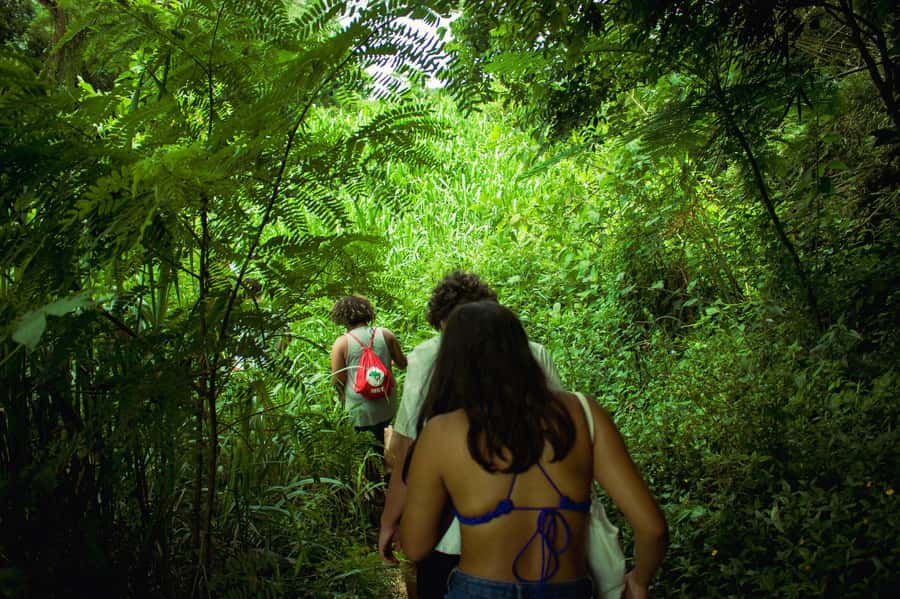
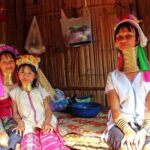
This trek is built around living on community land. That changes the vibe fast. Instead of quick photo stops, you spend real meal time and conversation time with Karen families, in places that feel remote even when you’re close enough to Chiang Mai.
I like that the day structure mixes movement with slow human moments. You’ll hike through forest paths and farmland, then slow down for lunch by a waterfall and evening cooking by firelight. It’s also run by a local Karen family, which matters because you’re not steering the experience for your camera. The rhythm is theirs.
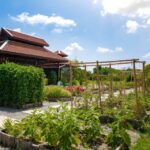
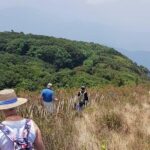
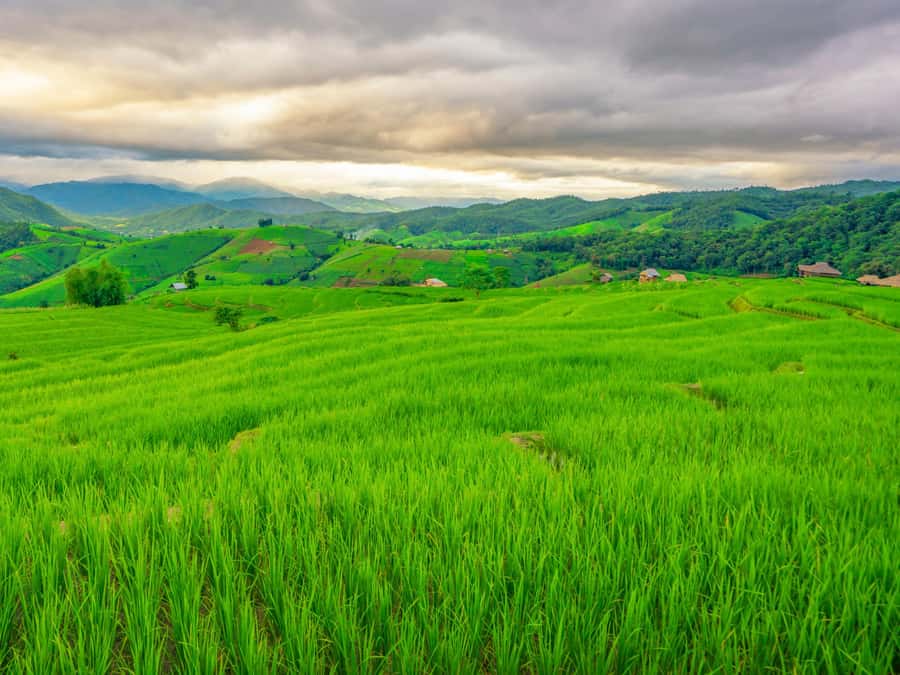
The trekking route is in Chiang Mai Province, with the focus on Doi Inthanon area. That means you get steep sections, bamboo groves, rice paddies, and cloud-forest style stretches, depending on the day and weather.
You can also read our reviews of more hiking tours in Chiang Mai
Day 1: forest paths, waterfall lunch, and firelight cooking
Day 1 starts with pickup from Chiang Mai city. You’re collected early, then you’ll stop at a local market before driving toward the mountain village owned by your host family. That market stop helps you get your bearings and refills the day with basics like snacks you might want for the trail.
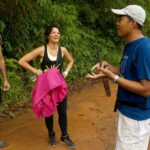
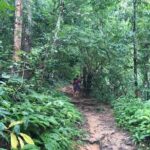
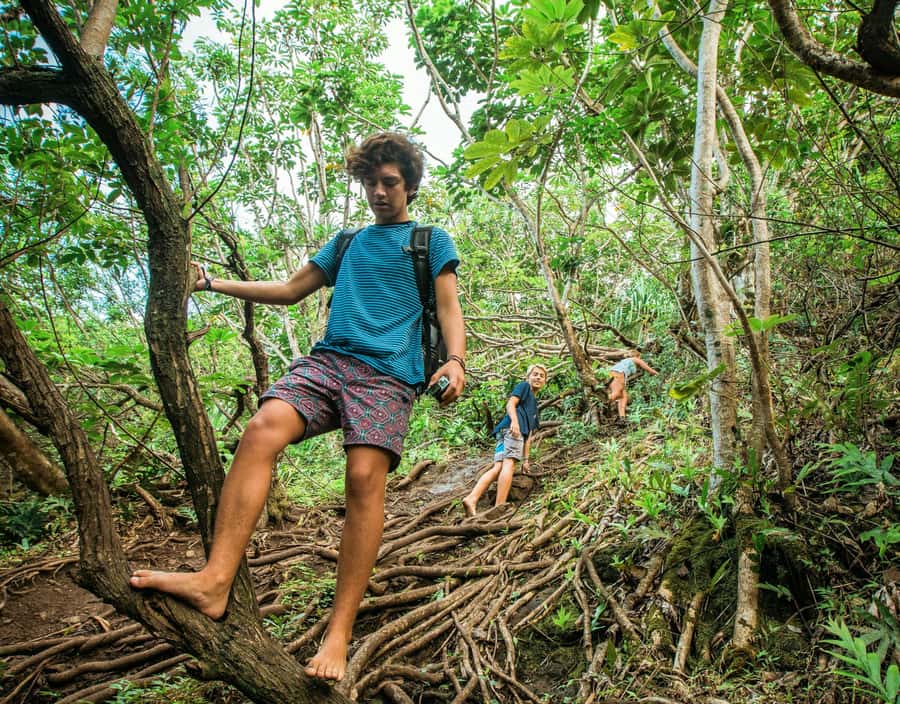
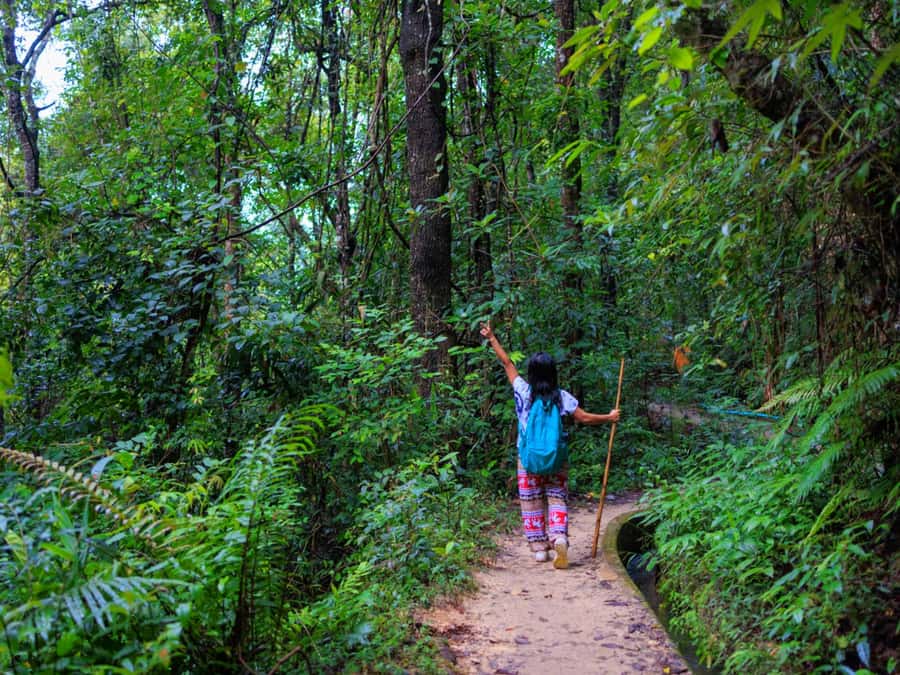
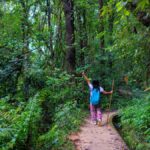
Once you start hiking, the trail takes you through private farmland and dense forest trails, including bamboo groves and rice paddies. Your guide explains uses of native plants as you walk, so you’re not just moving through greenery. You’re learning what that greenery is for.
Lunch is another highlight: a jungle lunch by a waterfall, wrapped in banana leaves. It’s simple, outdoors, and timed so you can recharge without feeling like you’re constantly rushing.
After lunch, you keep hiking to the forest camp near a remote waterfall. Dinner is hands-on: you help cook using hand-picked herbs, then you relax by the campfire under a sky full of stars. Expect quiet here. It’s one of the best ways to shake off Chiang Mai crowds.
Possible Day 1 drawback: this is often the hardest day. Even if the tour says moderate fitness, some guests report steep climbing on the first day, so plan to pace yourself early.
Day 2: wildlife forest, village culture, and two different home rhythms
Day 2 begins after a simple breakfast. Then you set off through wildlife-rich forest where you might encounter gibbons, macaques, and Asiatic black bears in the area (you won’t guarantee sightings, but the guide knows where the animal activity tends to be).
You hike for about 3 hours to a Karen village for lunch and cultural exchange. This stop is less about scenery and more about people and everyday customs. You’ll connect what you saw in the forest to how the community lives with it.
In the afternoon, you trek deeper into the hills for around 4 hours to reach a second village. This overnight stay is where the trip shifts from “tour” to “shared life.” You learn traditional clothing and cooking techniques, and you hear how daily life works from the people hosting you. Depending on the family, your hosts might include the guide’s parents or siblings, which makes the conversation feel grounded rather than staged.
Evening again means fireside time and story-sharing. It’s the sort of night where you end up talking across cultures without needing a script. That’s one reason small groups matter so much here. With up to 15 people, you’re more likely to actually talk.
Day 3: cloud forest walking, up to five waterfall swims, and the farewell meal
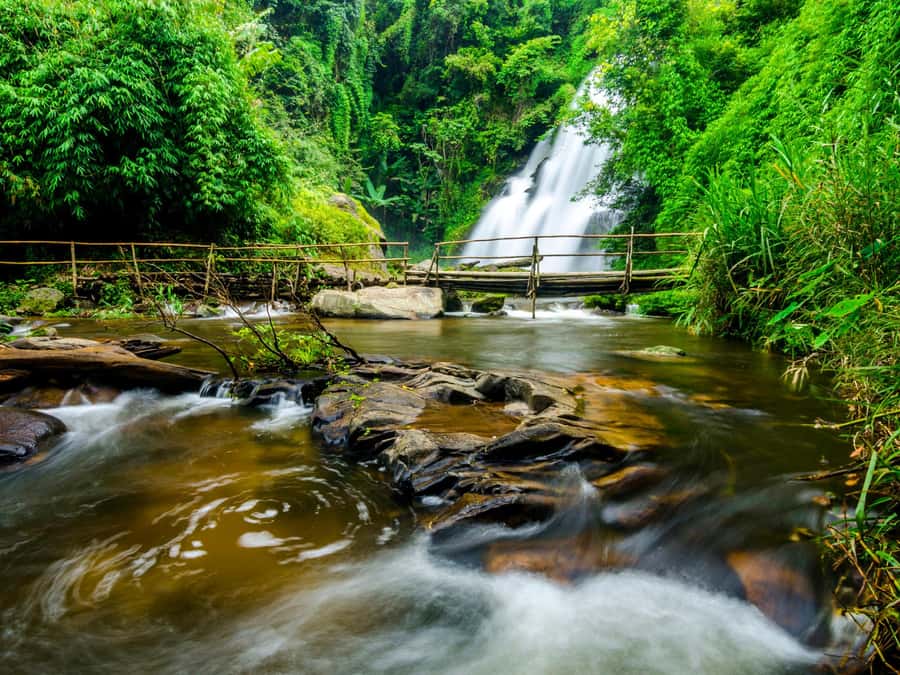
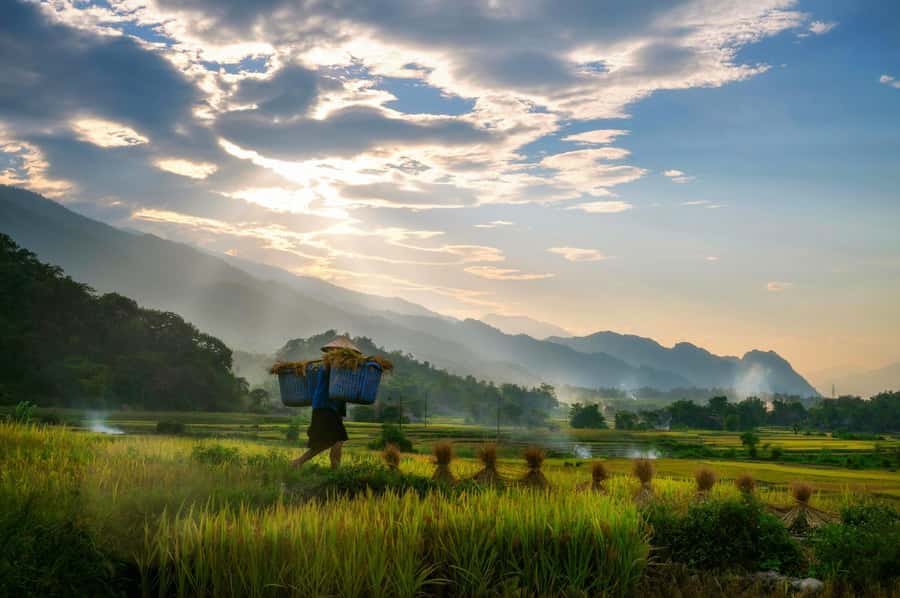
Day 3 is a long walking day, typically 6–7 hours. The route moves through gentle farmland and rugged paths, plus cloud forest and local farms. You’ll see a mix of open fields and jungle edges, so the scenery keeps changing without becoming chaotic.
The big payoff is the number of waterfall stops. You’ll visit up to five natural waterfalls along the route, and they’re suitable for swimming. The key is timing. These aren’t rushed restroom breaks. You’ll have time to relax and actually cool off.
Late in the day, you’ll enjoy a peaceful final meal by the water. Then pickup brings you back toward Chiang Mai. Ending with food by the water is smart travel design. It feels like closure instead of a sudden sprint back to the city.
Fitness and trail reality: what 5–7 hours means on uneven ground
The tour calls for moderate fitness, and that matches the practical experience. Plan on 5–7 hours of trekking per day on uneven jungle terrain. That’s not just distance. It’s footwork on roots, mud, and slopes.
In real terms, some guests report an average of about 11 km per day, with Day 1 often including steep uphill climbing. Day 2 can include both uphill and downhill, and Day 3 may be more downhill-heavy. Translation: you need stamina for uphill, and your knees will still notice the downhill.
If you have back problems, mobility impairments, or heart problems, this isn’t for you. The trip also isn’t suitable for children under 12. Keep that in mind when you’re deciding how to travel in Thailand.
A few more Chiang Mai tours and experiences worth a look
Camps, cold showers, and the off-grid expectation you should respect
Camps are basic. That’s the point, and you should not expect modern comforts. The tour information highlights a lack of electricity and internet, with limited mobile signal, so treat this as a real unplugged hike.
Now here’s the balanced part: some guests have reported electricity at the village stays. So don’t assume “zero electricity” for every moment. But do assume you’ll be living without the usual tech rhythm.
Shower expectations are also worth being honest about. Cold showers are commonly mentioned in guest feedback. That might be okay for you, but it’s not something to “mentally bargain” with the night before. If you hate being chilled, plan layers and drying time carefully.
Sleeping arrangements include bedding, mosquito nets, and simple mats. One guest found the bed mats comfortable, even if they weren’t plush. Your body will recover if you pace the day and keep your sleep schedule steady.
Meals, plant knowledge, and why cooking with herbs changes the whole trip
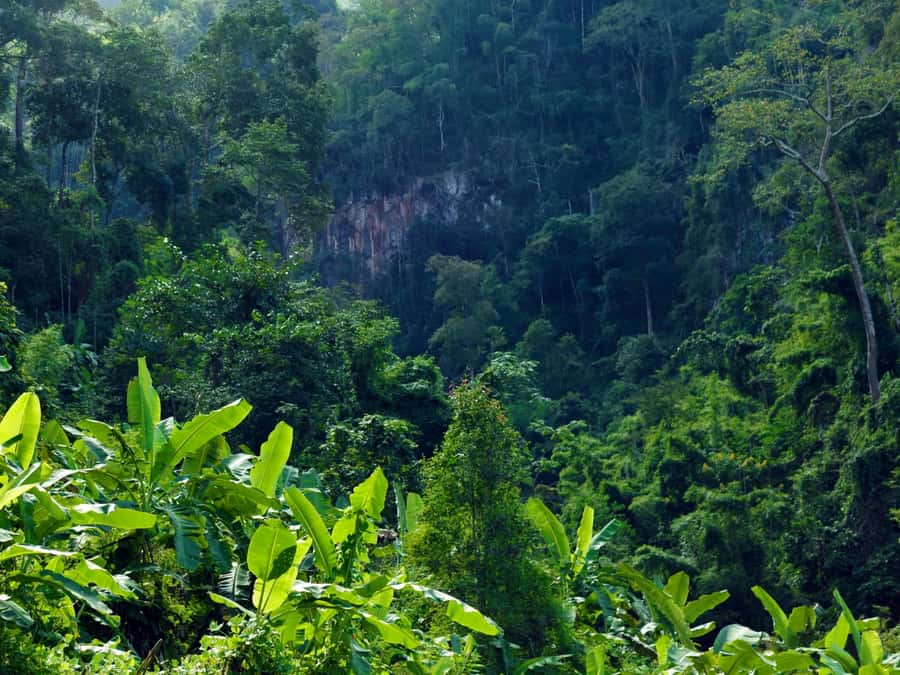
Food on this trek is more than fuel. Meals come from fresh local ingredients, and you get included meals across the days: 7 freshly prepared meals from Day 1 lunch through Day 3 lunch.
On Day 1 you’ll cook dinner with hand-picked herbs. That kind of hands-on detail sticks. It’s one thing to hear about local plants. It’s another to handle them while someone shows you what they’re used for.
Your guide also points out native plants during the hike. That’s where the jungle becomes readable. Even if you don’t memorize every lesson, you start noticing which plants are useful, which are medicinal, and which are simply part of daily life.
Drinks aren’t included, so you’ll want to budget for water and other drinks you purchase on the way. One practical note from experience: bring cash. In some village contexts, people may only accept cash for small needs like water.
Price and value: is $158 fair for this kind of access?
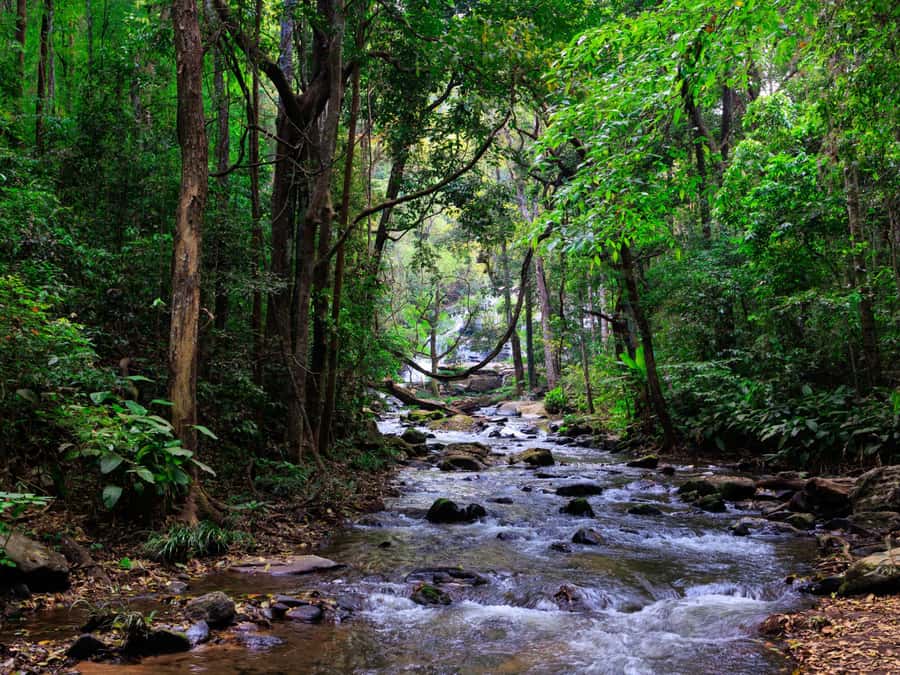
At $158 per person for 3 days and 2 nights, you’re paying for more than guided walking. You’re paying for access to land that’s community-owned, for an English-speaking local Karen guide, for two overnight village stays, and for included meals.
When a trek includes homestays, hands-on cooking, and multiple waterfall swim stops, the value comes from what’s not “replaceable.” You could hike Doi Inthanon with a standard guide, but you’d miss the village culture time and the community-run access element that shapes the whole experience.
You’re also getting accident insurance coverage during the trek. It’s not a reason to be reckless, but it is a real safety layer.
The main cost trade-off is what you bring yourself. You’ll want proper hiking shoes, swimwear, insect repellent, and basic toiletries. And because drinks aren’t included, add a little daily budget for that.
How to pack smart for jungle hikes and waterfall swims
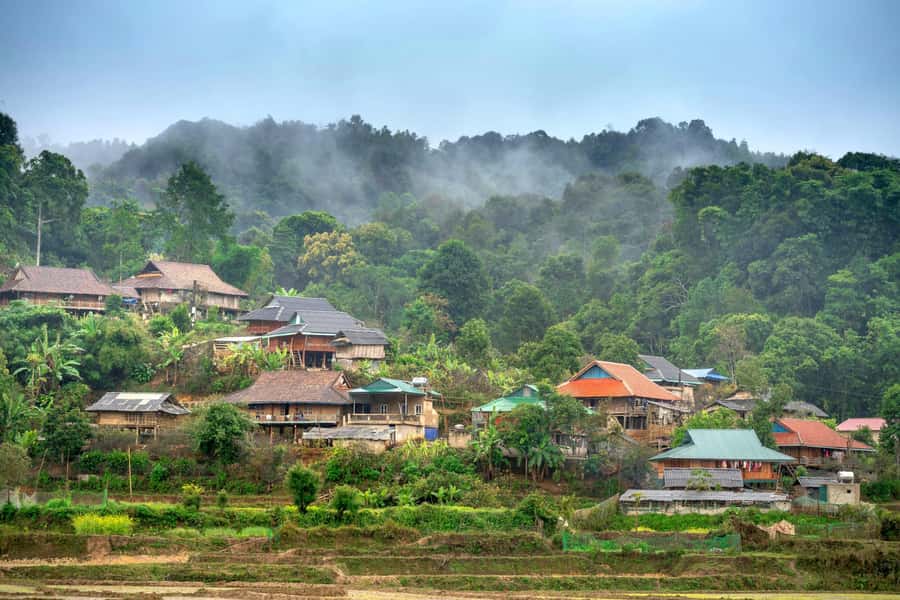
The tour gives a solid packing list, and I agree with the priorities. Bring clothing that dries fast and protects you from insects and sun.
What you should have:
- Swimwear and a towel for waterfall swimming
- Hiking shoes (you’ll thank yourself on roots and uneven ground)
- Insect repellent, sunscreen, hat, and a long-sleeved shirt
- A daypack and water
- Change of clothes, plus socks and toiletries
Also add what guest feedback suggests:
- Toilet paper (easy to forget until you need it)
- Cash in small amounts for small village purchases
A jacket can be smart because weather can shift in the hills. In wet season you’ll want rain protection. In cooler months, bring warm layers for early mornings and evenings near the camps.
Also, follow the rules: no smoking, no intoxication, and no alcohol or drugs. It’s a respectful-community trek and the setting is off-grid.
Respect and etiquette in Karen villages: how to make it easy for everyone
This trip works because it asks for respect and participation. Dress modestly in villages. Ask before taking photos of people. Don’t treat community time like a background for your own story.
Your guide can help you navigate what’s appropriate. Still, it’s good to come with a calm attitude and a willingness to be part of the moment. If you want the best experience, keep your phone use low and your attention high.
Trash matters here too. The tour asks you to carry out what you bring and avoid single-use plastics. Use designated trails to reduce the impact on the paths and water sources.
Who should book this trek, and who should skip it
You’ll love this if you want:
- A small-group trek with time to talk, not just walk past people
- A forest-and-waterfall route with swimming opportunities
- Real village culture time, including cooking and traditional clothing lessons
- A guide-led experience where the forest feels explained, not random
You should skip it if:
- You don’t handle steep, uneven terrain well
- You need reliable mobility accommodations (this isn’t positioned that way)
- You have back problems, heart issues, or mobility limitations
- You’re traveling with kids under 12
If you’re an active traveler who enjoys nature and wants culture that isn’t staged, this fits.
Should you book this Karen Hill Tribe Trek?
If your idea of a great Chiang Mai trip includes walking, cold-water dips, firelight dinners, and honest cultural exchange, I’d book it. The best part isn’t the waterfalls alone. It’s the community-run access and the time you spend learning from your Karen hosts, day after day.
Book it with clear expectations, though. This is physically demanding. Camps are basic. Showers are often cold. Drinks aren’t included. And you’ll want to bring cash and pack for insects, sun, and rain.
If you want a more comfortable tour with minimal hiking, choose something gentler. But if you want an experience that feels like you were invited into daily life for a few days, this one is worth the effort.
FAQ
How long is the trek?
It runs for 3 days and 2 nights, starting with pickup from Chiang Mai and ending with return pickup after the final meal.
Where does the trek take place?
It’s in Chiang Mai Province, centered on the Doi Inthanon area, including forests, farmland, and waterfall stops.
What fitness level do I need?
The tour requires a moderate fitness level. Expect about 5–7 hours of trekking per day on uneven jungle terrain.
Is swimming included?
Yes. You’ll visit up to five natural waterfalls along the route, and they’re suitable for swimming.
What’s included in the price?
Included are Chiang Mai pickup/drop-off, guided trekking for 3 days/2 nights, two overnight stays in Karen village camps, 7 meals, an experienced English-speaking local Karen guide, cultural activities plus hands-on cooking, and accident insurance during the trek.
Are drinks included?
No. Drinks are not included.
How big is the group?
It’s a small group limited to 15 participants.
Is there electricity or internet at the camps?
The tour information says there’s no electricity and no internet, with limited mobile signal. Some guests have reported electricity at the stays, but you should still plan for an off-grid experience.
What should I bring?
Bring essentials like hiking shoes, a daypack, water, sunscreen, insect repellent, long-sleeved clothing, long pants, a hat, swimwear, a towel, a jacket, and toiletries. The tour also recommends packing toilet paper and cash based on practical needs in the villages.
Is the tour refundable if I cancel?
Yes, it offers free cancellation up to 24 hours in advance for a full refund.